

Disclaimer: This newsletter is for educational and informational purposes only and does not constitute medical, investment, or financial advice, nor does it establish a provider-patient relationship. Content may include forward-looking statements and discussions of investigational therapeutic candidates that are not FDA/EMA approved; their safety and efficacy remain unestablished and clinical outcomes are unpredictable. While we strive for accuracy, all information is provided as is without guarantees. As of the date of publication, the author holds no direct equity positions in the specific companies mentioned in this issue nor receives third-party compensation for this coverage. Please find a complete version of our disclaimers linked here.

Introduction
On October 19, 2026, Merck KGaA announced a definitive agreement to acquire Silence Therapeutics plc for an equity value of approximately $1.3 billion (Merck KGaA press release, Silence press release). This acquisition centers on their pipeline of investigational fast-follower RNAi therapeutics:
Divesiran (Phase 3 ready TMPRSS6 RNAi for PV)
Zerlasiran (Phase 3 ready LPA RNAi for ASCVD)
SLN312 (Phase 1 ANGPTL3 RNAi for Dyslipidemia)
SLN098 (Preclinical INHBE RNAi for Obesity)
SLN365 (Preclinical GPR146 RNAi for HoFH)
SLN548 (Preclinical CFB RNAi for I&I diseases)
In this article, we dive into the founding story of Silence, and unpack their pipeline of rare disease & metabolic RNAi programs.
What is RNAi?
For those who aren’t familiar with the RNA interference (RNAi) therapeutic modality, here’s an illustrative example. Let’s say, hypothetically, that you’re a very hungry bear and you want to experience the sweet joy of honey. To do that, your tongue needs to make a taste receptor that can bind glucose and transmit that “sweet” signal to the brain. But how do you manifest that glucose taste receptor? Your taste buds rummage around in their DNA until they find a couple of genes encoding the TAS1R2-TAS1R3 sweet taste receptor, a heterodimer to two proteins. They first transcribe those genes into many copies of RNA, which amplifies the “make sweet taste receptors” signals and keep your DNA safely tucked away in your nucleus. Ribosomes in your cytosol find the RNA copies floating around in your cytosol, make the TAS1R2-TAS1R3 sweet taste receptor (protein) and send them up to your cell surface so that it can recognize glucose. One drop of honey lights up your sweet receptor. Yum! Very delicious.
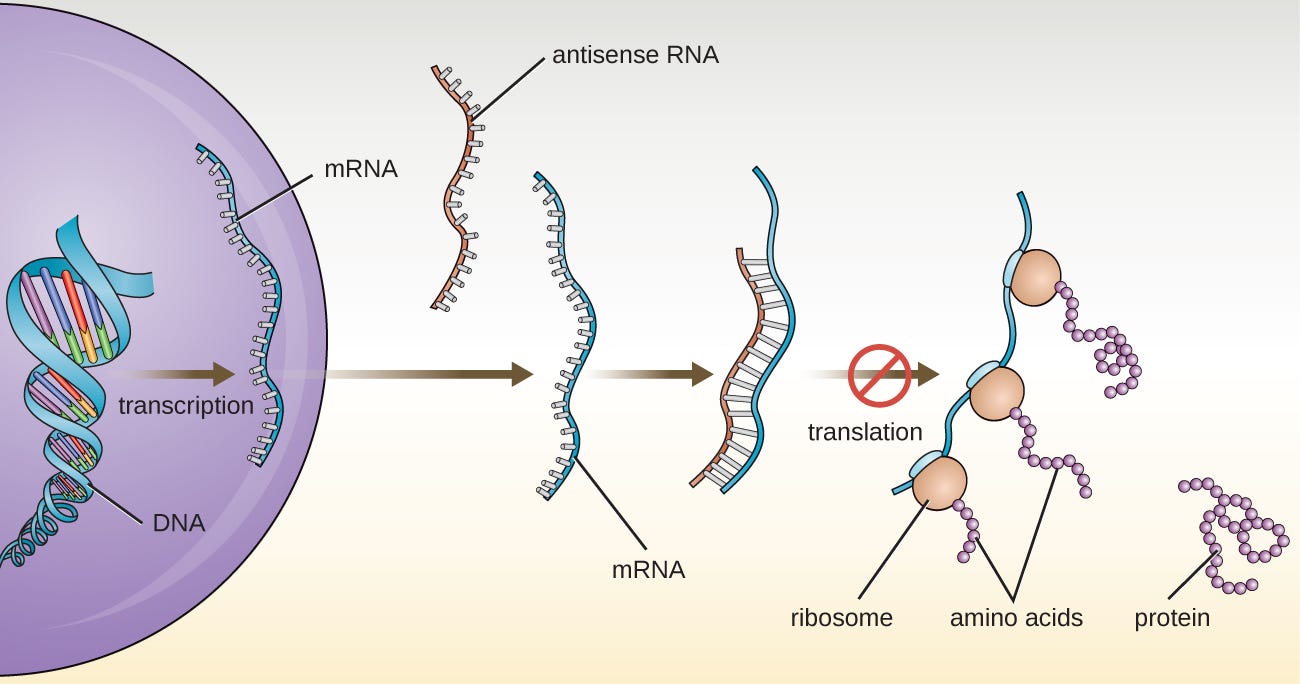
Now, let’s say that your TAS1R2-TAS1R3 sweet taste receptor has a horrible mutation, whereby sweet things taste bitter. One drop of honey is enough to make your stomach churn. Fear not, for RNA interference (RNAi) can help. You go to a R&D lab for bears and create a small interfering RNA (siRNA) that corresponds to the mutated TAS1R2-TAS1R3 taste receptor genes. That siRNA is loaded into a RISC protein complex, which shreds any RNA copes that correspond to the mutated TAS1R2-TAS1R3 taste receptor. No receptor, no bitter taste. What a relief!
The process that we just went through is very similar to the way that RNAi therapeutics are developed. A disease-causing gene is targeted with a siRNA and is silenced before it has a chance to make a disease-causing protein, thereby addressing the root cause of that particular disease. This modality contrasts with more traditional small molecules or antibody medicines, which interact with proteins directly to block their function.
The history of RNAi therapeutics is long & fruitful and I won’t cover it all in this article (perhaps I’ll write a Frontiers in Medicine piece), but I do want to highlight two notable aspects of the drug modality. Firstly, RNAi is a Nobel-winning technology. In 2006, Andrew Z. Fire (Stanford University) and Craig C. Mello (University of Massachusetts Medical School) were awarded the Nobel Prize in Physiology or Medicine “for their discovery of RNA interference (RNAi), the process of gene silencing by double-stranded RNA.” Secondly, RNAi has grown into a blockbuster modality with an annualized revenue run rate of about $6.6 billion as of 2Q 2026 (see graph below), according to 10-Q and 10-K filings. The success of RNAi medicines is undeniable and we’ve only scratched the surface, when it comes to discovering its use cases. That’s where Silence Therapeutics comes in.
Tortoise & the Hares
The frontier of RNAi medicines is accelerating. On August 10, 2018, Alnylam Pharmaceuticals became the first company to receive FDA approval for an RNAi therapeutic: Onpattro (patisiran) that knocked down TTR RNA a rare genetic disorder called hATTR polyneuropathy (ATTR-PN). They followed it up with GalNAc-conjugated Amvuttra (vutrisiran), which was far more convenient (subcutaneous once every 3 months versus IV once every 3 weeks for Onpattro) and demonstrated efficacy in both the polyneuropathy and cardiomyopathy manifestations of the disease (ATTR-CM). In between, Alnylam developed RNAi’s that degraded ALAS1 RNA in acute hepatic porphyria (AHP) and HAO1 RNA in primary hyperoxaluria type 1 (PH1).
While Alnylam focused on rare diseases, they collaborated with The Medicines Company to develop the PCSK9-targeting RNAi program Leqvio (inclisiran) in a more common patient population as a second-line LDL cholesterol lowering therapy for patients who were uncontrolled with statins. In late 2019, Novartis acquired The Medicines Company for $9.7 billion, where is now resides and generates an annualized revenue run rate of about $1.9 billion as of 2Q 2026, according to 10-Q filings.
Silence Therapeutics straddled both worlds at the same time, with programs in both rare disease and more common metabolic disease. The corporate origins of Silence Therapeutics are somewhat unusual because the company did not begin life under its current name. It was originally incorporated in the United Kingdom in November 1994 as Stanford Rook Holdings plc, but its transformation into a RNAi company came later. In July 2005, it acquired Atugen AG, a German biotechnology company specializing in siRNA research. The acquisition brought Atugen’s scientific capabilities into the corporate structure and established the foundation for what would become Silence Therapeutics. On April 26, 2007, the company formally adopted the Silence Therapeutics name, reflecting its focus on using RNAi technology to silence disease-associated genes. A subsequent merger occurred in 2009, when Silence agreed to merge with Intradigm Corporation, a California-based biotechnology company also developing RNAi medicines. At the time, one of the biggest obstacles facing the field was how to deliver siRNA molecules safely & effectively into the right cells. The merger was intended to combine the companies’ complementary RNAi design, chemistry, intellectual property and delivery technologies, while giving Silence greater financial resources and a broader platform for pharmaceutical partnerships. The enlarged business subsequently brought together European scientific expertise and a stronger US presence.
In the 2010s, the company continued developing its RNAi technology and pursuing pharmaceutical collaborations. Its strategy increasingly focused on using chemically engineered siRNA to reduce production of proteins implicated in disease, particularly through liver-targeted delivery. This created the technological foundation for later candidates such as its current lead candidate divesiran/SLN124 (TMPRSS6 RNAi for PV) and zerlasiran/SLN360 (LPA RNAi for ASCVD). After an ADR listing on the NASDAQ in 2020, the company advanced its lead programs into clinical development and expanded its relationship with AstraZeneca, which took on development responsibilities for SLN312 (ANGPTL3 RNAi for Dyslipidemia).
Despite its long history, Silence has progressed its pipeline candidates through clinical development at a much slower pace than Alnylam and The Medicines Company; a tortoise among hares. Nevertheless, one should not confuse a slower pace with a lack of progress. Silence’s pipeline certainly has its (potential) homeruns, as well as some bets that are likely to strike out. These seem to be the two biggest reasons why Silence has been less appreciated compared to its RNAi brethren. That is, until Merck KGaA’s conviction in their lead program. Let’s take a closer look at their pipeline.
Dialing Back Blood to a Simmer
Silence’s lead program divesiran (TMPRSS6 RNAi) is designed to address a rare blood cancer called polycythemia vera (PV), which impacts about 150,000 people in the US and is associated with a median survival of about 20 years according to the company. In PV, the bone marrow produces too many red blood cells, resulting in enlarged organs (spleens, brain leading headaches & fatigue) and elevated thrombogenic risk of heart attack & stroke. Divesiran was designed to block production of TMPRSS6 protein at the RNA level, which increases circulating levels of hepicidin, the body’s key regulator of iron metabolism. By increasing hepcidin levels, divesiran aims to limit iron availability for red blood cell production, helping to control hematocrit levels and potentially reducing the need for frequent therapeutic phlebotomies.
Phase 1 trial evaluations (including healthy volunteers and patients with iron-overload conditions/rare anemias) confirmed that targeted TMPRSS6 silencing resulted in sustained, dose-dependent increases in serum hepcidin and accompanying reductions in serum iron levels. As a result, the FDA granted divesiran both Fast Track Designation and Orphan Drug Designation for PV.
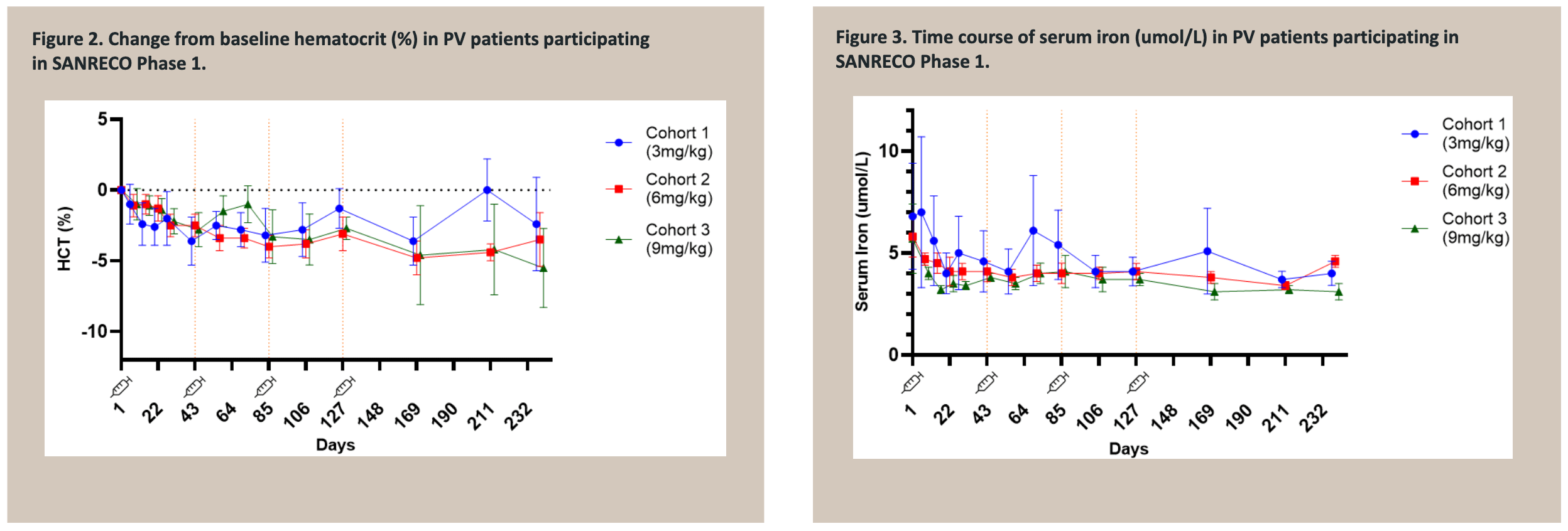
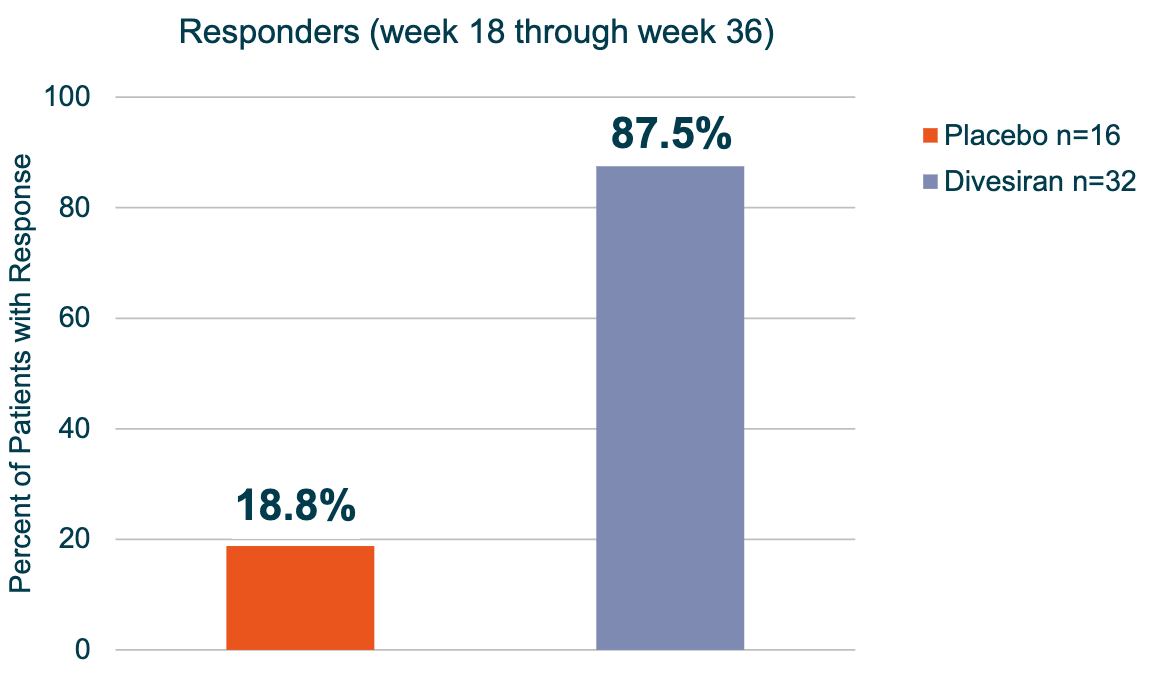
Silence’s next step was the Phase 1/2 SANRECO trial, which enrolled patients with phlebotomy-dependent PV who remained uncontrolled despite standard-of-care cytoreductive therapies (e.g., hydroxyurea, ruxolitinib, interferon) or phlebotomy alone. Preliminary readouts at the hematology conference EHA 2025 showed that subcutaneous administration led to pronounced reductions in phlebotomy requirements alongside sustained hematocrit control. In August 2026, Silence Therapeutics reported positive primary endpoint results from the double-blind, randomized, placebo-controlled Phase 2 portion of the SANRECO trial, which met its primary endpoints with significantly higher proportion of clinical responders among the divesiran treated PV patients (88%) compared to those who received placebo (19%) during weeks 18-36 (p<0.0001). A clinical response was defined as a hemocrit remaining below 45% and no phlebotomies received during weeks 18-36. Furthermore, 90.6% of patients in the divesiran arm were phlebotomy-free from baseline through week 36, compared to 12.5% in the placebo group. Divesiran was observed to be well-tolerated and no new safety findings were observed in the trial. Injection site reactions were infrequent and self-limiting. There were two cases of Grade 1 anemia, which were assessed as related to treatment by an investigator. Silence anticipated a Phase 3 global registration trial evaluating divesiran versus placebo in phlebotomy-dependent PV to begin in the first half of 2027.
Likely-Paused(a)
Zerlasiran (formerly known as SLN360) is an investigational, Phase 3-ready small interfering RNA (siRNA) developed by Silence to treat elevated lipoprotein(a) [Lp(a)] in patients at high risk for atherosclerotic cardiovascular disease (ASCVD) and calcific aortic valve stenosis. Zerlasiran targets the underlying genetic driver of elevated Lp(a) levels by suppressing LPA at the RNA level in liver hepatocytes.
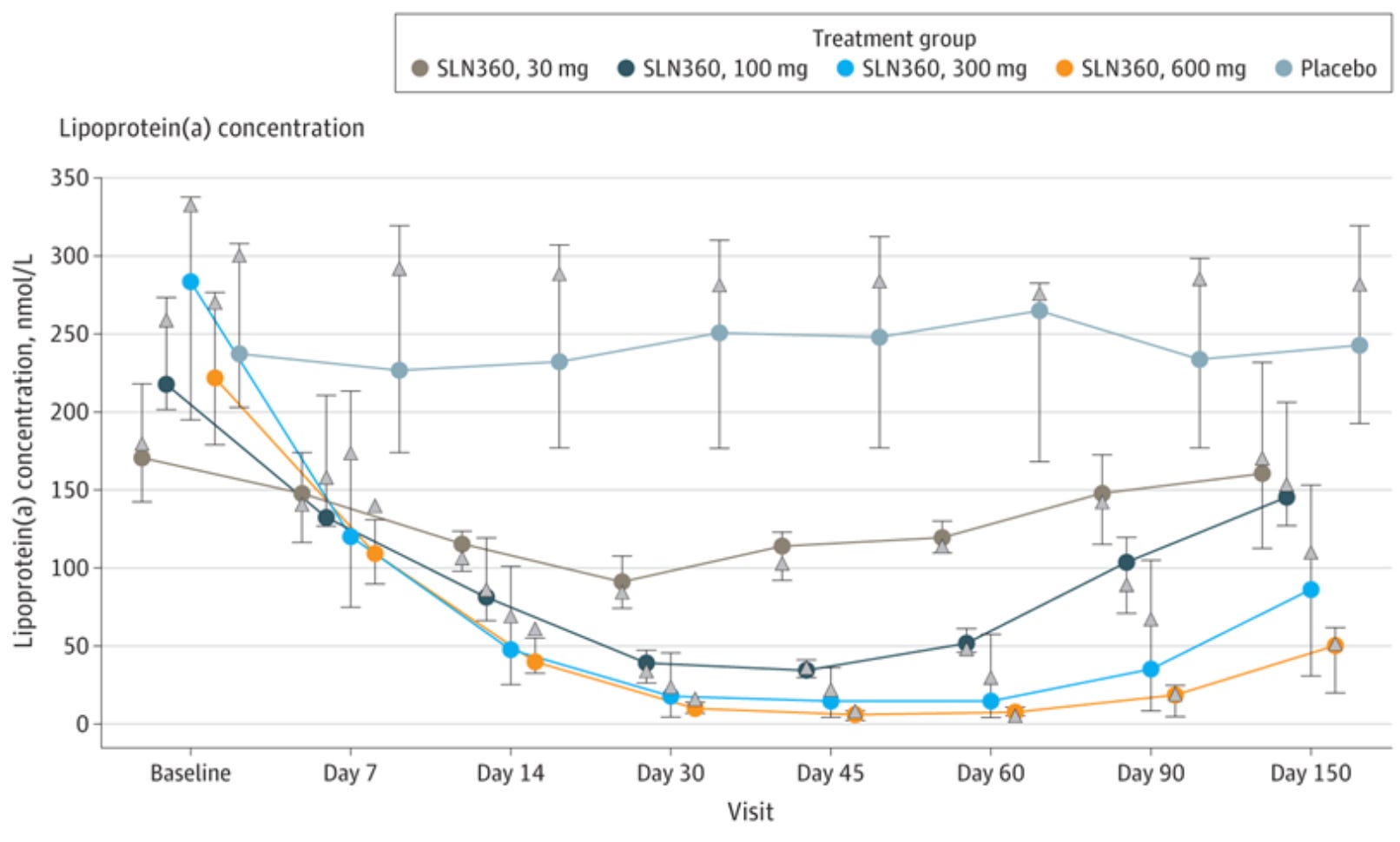
On April 3, 2022, Silence published results from their Phase 1 APOLLO trial in JAMA. A single subcutaneous doses of zerlasiran achieved dose-dependent, robust Lp(a) reductions of up to >98% at highest dose levels with a nadir of between 30 and 60 days after administration for all treatment groups, potentially supporting once-every-two-month dosing. During the study, 1 episode of a transient 3-fold elevation in liver enzymes (ALT and AST) was observed in a single participant who received the lowest dose (30 mg), temporally associated with SARS-CoV-2 vaccination.
Knocking down LPA is all good and well, but that’s not the most pressing question for the target. The biggest question for Lp(a) as a therapeutic target in cardiovascular disease is whether Lp(a) inhibition will translate to a reduced risk of major adverse cardiovascular events (MACE-3: heart attack, stroke, or death). Unfortunately, on September 4, 2026, Novartis announced results from their Phase 3 HORIZON trial stating that their LPA-targeting ASO “did not meet its primary endpoint of reducing the risk of cardiovascular events, a composite of cardiovascular death, non-fatal myocardial infarction, non-fatal stroke, and urgent coronary revascularization requiring hospitalization, compared to placebo.” That casted a big shadow over the Lp(a) space, given that it was the first Phase 3 trial testing an Lp(a)-lowering drug for the prevention of cardiovascular events.
So, is the target is dead? Not necessarily. Other Lp(a)-targeting therapeutics, include Silence’s zerlasiran, achieve deeper inhibition than pelacarsen (>98% zerlasiran versus -70-80% for pelacarsen). Famed cardiologist Dr. Eric Topol wrote a great article on this and conducted an insightful interview with a colleague, both of which I highly recommend. Nevertheless, it will take tens of millions of dollars (maybe hundreds of millions or billions) and 5-6 years to evaluate whether zerlasiran can prevent cardiovascular events. Does Merck KGaA have the patience and or the willingness to pony up the cash to fund that lottery ticket? We’ll have to see.
ANGPTL3 Hot Potato
Silence’s third and final clinical-stage program is SLN312, an ANGPTL3 RNAi for dyslipidemia, that is currently in a Phase 1 clinical trial. Downregulation of circulating ANGPTL3 can lead to broad reductions in low-density lipoprotein cholesterol (LDL-C), triglycerides (TG), and atherogenic lipoproteins. This LDLR-independent mechanism makes it a candidate for high-risk patients who cannot meet lipid targets with traditional statins or PCSK9 inhibitors.
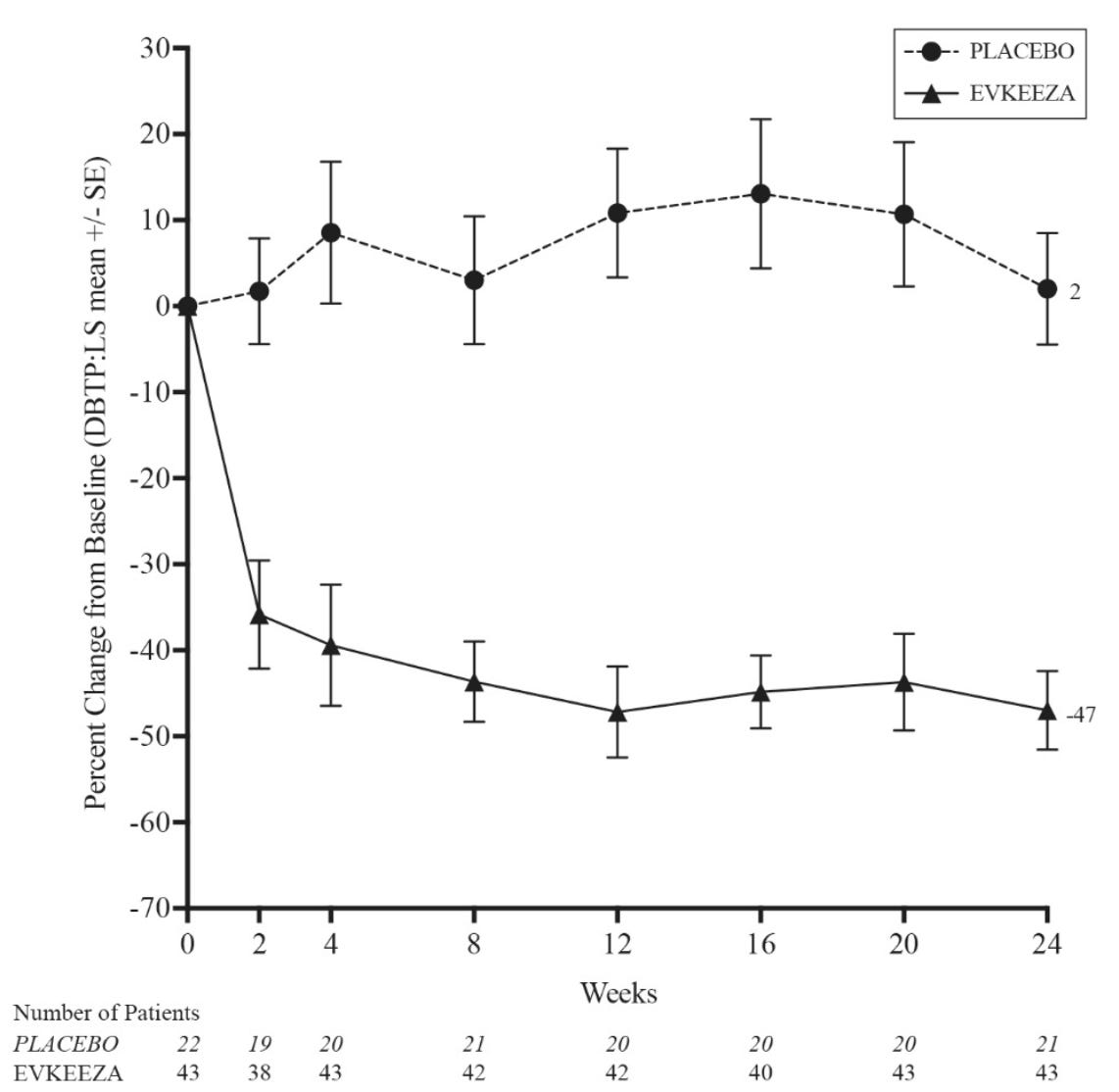
Notably, ANGPTL3 is a validated target. Ultragenyx’s anti-ANGPTL3 mAb Evkeeza (evinacumab) is approved to reduce LDL-C in adults and pediatric patients, aged 1 year and older, with homozygous familial hypercholesterolemia (HoFH). Homozygous Familial Hypercholesterolemia (HoFH) is a rare, life-threatening genetic disorder (caused by homozygous mutations in LDLR, APOB, PCSK9, LDLRAP1 genes) characterized by severely elevated levels of low-density lipoprotein cholesterol (LDL-C) from birth. In its registrational Phase 3 ELIPSE-HoFH trial, Evkeeza treatment resulted in a 24-week LDL-C reduction of -47% versus a 2% LDL-C elevation for placebo in 64 heavily pre-treated HoFH patients (94% statins, 75% ezetimibe, 77% anti-PCKS9 mAb, 22% lomitapide, 34% receiving lipoprotein apheresis).
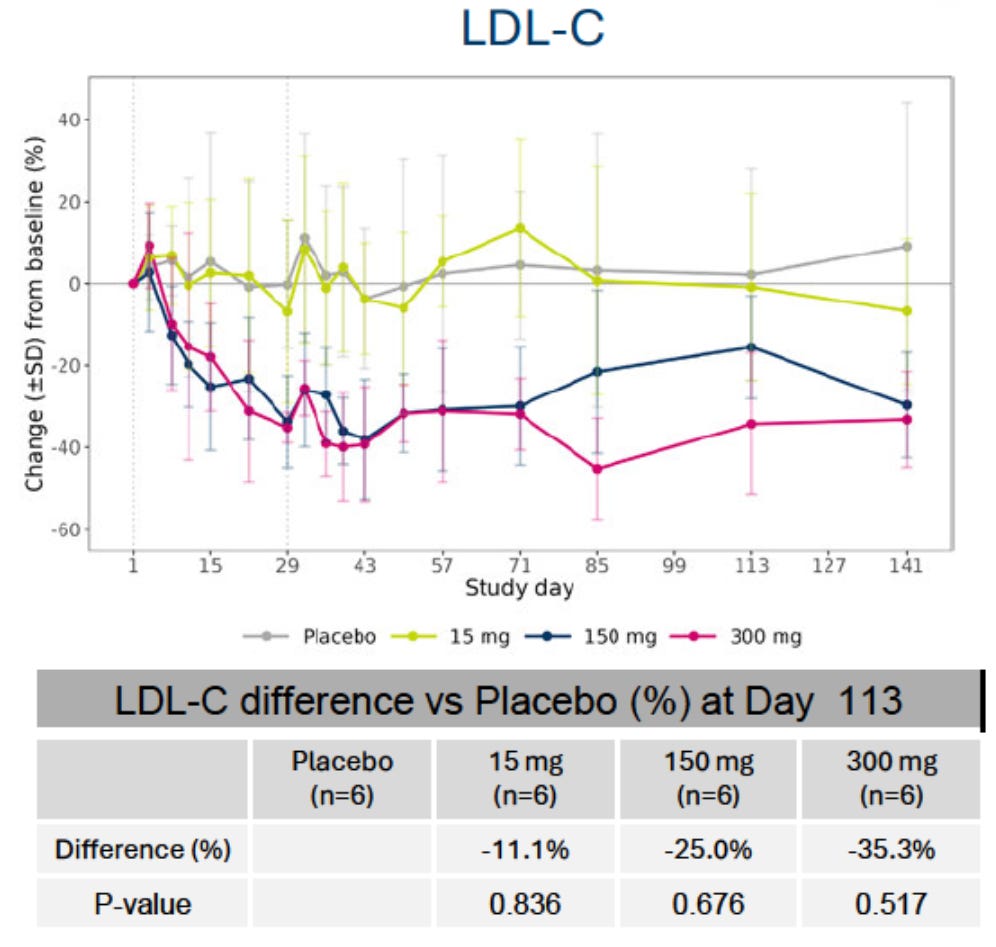
In May 2023, AstraZeneca selected ANGPTL3 as a target and nominated SLN312 as part of a previously struck RNAi discovery and development collaboration, triggering a $10 million option payment to Silence and renaming the molecule AZD1705. AstraZeneca initiated the Phase 1 trial in February 2024, triggering another $10 million milestone payment. However, on March 4, 2026, AstraZeneca notified Silence that it would discontinue SLN312 development beyond Phase 1 and Silence regained exclusive global development, manufacturing and commercialization rights. About two months later in May 2026, they presented preclinical and Phase 1 SAD/MAD data at the 2026 EAS Congress showing up to -58.8% knockdown of ANGPTL3 in the MAD portion. However, this only translated to an up to -35.3% LDL-C reduction, which is numerically about 12% weaker than Evkeeza on a cross-trial basis. Perhaps this seemingly lower efficacy contributed to AstraZeneca’s decision to forgo further development, although they didn’t fully explain their rationale.
Preclinical Potential
As a student of biotech, I recognize that industry watchers don’t pay much attention to preclinical programs. Yet, as a student of biotech history, I recognize that yesterday’s unsuspecting preclinical program can become tomorrow’s mega-blockbuster medicine. Keytruda and Dupixent are two recent examples. So, it’s worth spending a few minutes on Silence’s preclinical programs:
SLN098 (Preclinical INHBE RNAi for Obesity)
SLN365 (Preclinical GPR146 RNAi for HoFH)
SLN548 (Preclinical CFB RNAi for I&I diseases)
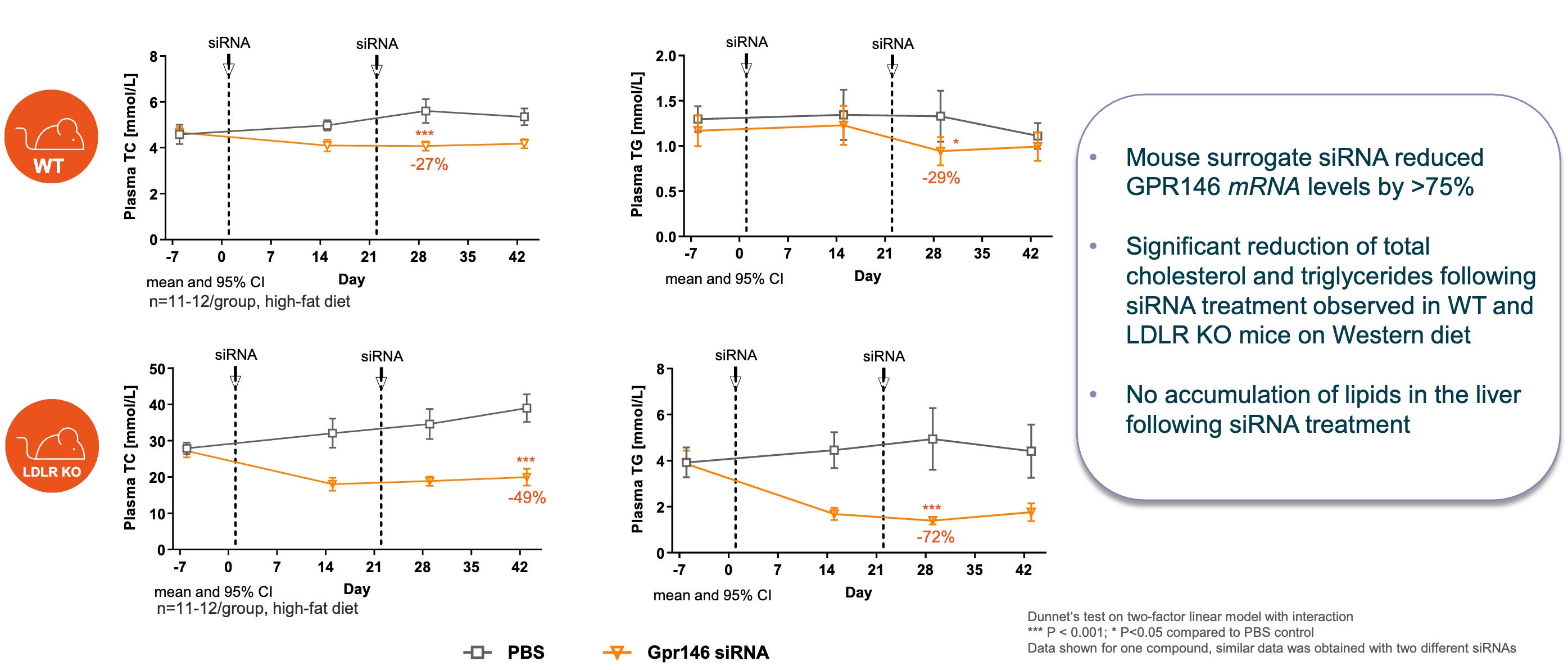
These programs have varying levels of validation. SLN365 (GPR146 RNAi for HoFH) is the least validated and, said in a much more flattering way, the most novel (yay!). In fact, there are no other clinical-stage programs that target GPR146, to my knowledge. An international collaboration between Harvard/Broad/MIT, Mass General, and the University of Groningen observed in a 2020 Cell paper that common genetic variants associated with higher GPR146 expression were associated with higher circulating cholesterol levels, supporting a role for GPR146 in human lipid metabolism. In LDLR-deficient mice fed a Western diet for 16 weeks, GPR146 deficiency reduced aortic atherosclerotic lesion area by approximately 90% in males and 70% in females, and significalty lowered total cholesterol (TC) levels. Silence was able to recapitulate some of their findings in LDLR-deficient mice, showing achieving up to a -49% reduction in TC and up to a -72% reduction of triglycerides (TG) when given their GPR146-suppressing RNAi, SLN365.
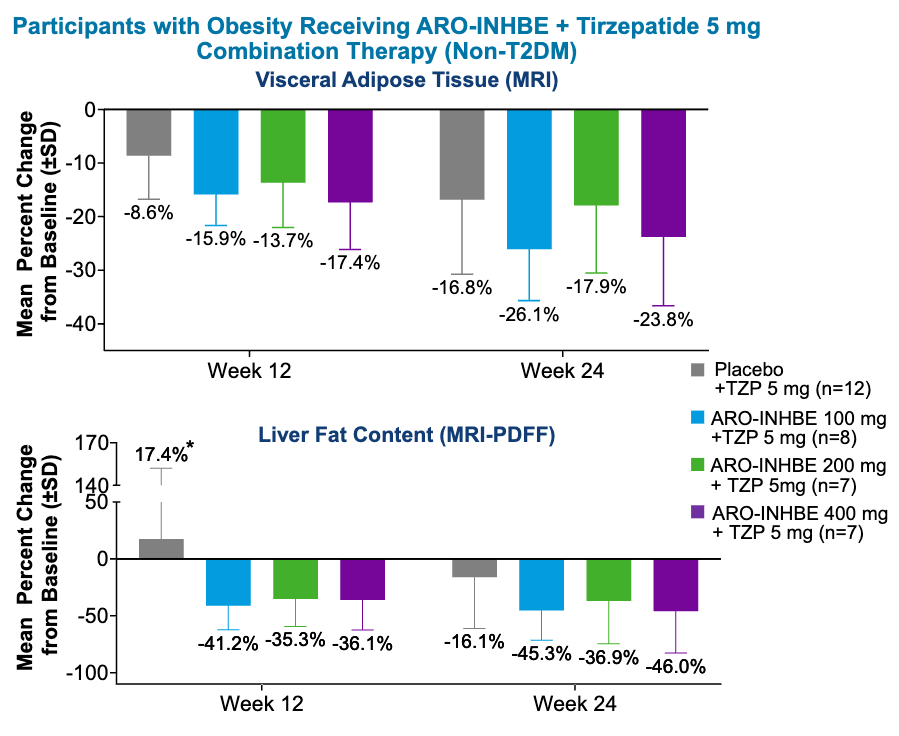
As for SLN098 (INHBE RNAi for Obesity), INHBE has more clinical validation, to a certain extent. In late March 2026, Wave’s INHBE RNAi WVE-007 showed -14% reduction in visceral fat in Phase 1 patients with obesity, but has placebo-like weight loss after 6 months (-0.9% placebo adjusted). Despite this disappointing showing, Wave proceeded to a Phase 2a, with data expected in the first half of 2027. Arrowhead took a slightly different tack with their INHBE RNAi ARO-INHBE, combining it with Eli Lilly’s GLP-1/GIP dual agonist tirzepatide. ARO-INHBE+tirzepatide showed numerically greater reductions in visceral fat than tirzepatide alone and WVE-007 (-17.9-26.8% combo versus -16.8% tirzepatide versus -14% WVE-007), as well as enhanced liver fat reductions (-45% combo versus -16% tirzepatide), althought there wasn’t much of a dose response. While melting fat seems directionally healthy, it’s currently unclear whether this endpoint would translate to improvements in hard clinical outcomes (death, heart attack, stroke, etc.). Personally, I’m not sure what to make of INHBE, but perhaps that will change in the future.
SLN548 (CFB RNAi for I&I diseases) is Silence’s best validated preclinical program, given that Novartis’ small molecule Complement Factor B inhibitor Fabhalta is FDA-approved for two rare inflammatory conditions called paroxysmal nocturnal hemoglobinuria (PNH) & IgA nephropathy (IgAN) and has an $900 million annualized revenue run rate as of 2Q 2026, according to 10-Q filings. Then again, what would you get from a subcutaneous shot that you wouldn’t get from an oral pill? Relief from taking two pills a day? I’m not quite sure, but Silence is in good company with this program. Alnylam/Regeneron, Arrowhead, ADARx Pharma, and SanegeneBio all have clinical-stage CFB RNAi programs.
Conclusion
The acquisition of Silence Therapeutics by Merck KGaA marks a key turning point for both the company and the broader RNAi therapeutic modality. After more than three decades of scientific evolution, Silence’s pipeline is finally finding the institutional backing required to potentially cross the finish line and commercialize. While its clinical journey has earned it a reputation as a tortoise among hares, the early clincal validation of divesiran in polycythemia vera (PV) demonstrates that patient, mechanism-first science can ultimately lead to a successful outcome. Of course, questions remain. The shadow cast by the HORIZON trial leaves LPA RNAi zerlasiran’s cardiovascular ambitions playing a high-stakes game of wait-and-see, and ANGPTL3 RNAi SLN312 must prove it can carve out a distinct risk-reward in a competitive dyslipidemia landscape. Yet, as history continually reminds us, today’s quiet preclinical bets and overlooked rare disease candidates have a habit of reshaping standard-of-care paradigms tomorrow. In Merck KGaA’s hands, Silence’s pipeline now has the runway to make its mark in the accelerating RNAi space.
Love biotech? Check out Biotech Readout’s full content library, or navigate directly to a segment that interests you:
Frontiers in Medicine: Exploring the frontiers of our understanding and treatments for disease.
Medical History: Recovering forgotten relics in the history of medicine.
Acquisitions: Exploring the innovation behind acquired companies.
Weekly Readout: A digest of new clinical data from the past week.

To contact us, please send us an email at biotechreadout@gmail.com
Disclaimers
Investigational Status Disclaimer
The therapeutic candidates discussed in this newsletter are currently in clinical development and have not been approved for commercial sale by the U.S. Food and Drug Administration (FDA), the European Medicines Agency (EMA), or other global regulatory authorities. Their safety and efficacy have not been established. References to pipeline products and ongoing clinical trials involve significant risks and uncertainties. Statements regarding the potential safety, potency, or efficacy of investigational drugs reflect current hypotheses and are not a guarantee of future performance or regulatory clearance. The outcome of clinical trials is inherently unpredictable, and clinical results from earlier stages may not be predictive of results in later, larger-scale trials.
No Medical Advice Disclaimer
This newsletter is for informational and educational purposes only. The content is not intended to be a substitute for professional medical advice, diagnosis, or treatment. Always seek the advice of your physician or another qualified health provider with any questions you may have regarding a medical condition. Never disregard professional medical advice or delay in seeking it because of something you have read in this publication.
No Patient-Provider Relationship Disclaimer
The information provided in this newsletter is for educational and analytical purposes only. Receipt of this information, or any interaction with this content, does not create a physician-patient, pharmacist-patient, or any other professional-provider relationship between you and the authors or publishers. This newsletter should not be used as a substitute for a personal consultation with a qualified healthcare professional.
Forward-Looking Statements Disclaimer
This newsletter contains “forward-looking statements” regarding future events, including clinical trial timing, regulatory milestones, and projected market performance. These statements are based on current expectations and assumptions that are subject to significant risks and uncertainties. Actual results may differ materially from those expressed or implied. We undertake no obligation to update these statements as a result of new information or future developments.
Third-Party Links & Content Disclaimer
This newsletter contains links to third-party websites, including clinical trial registries and corporate presentations. Biotech Readout does not endorse, guarantee, or assume responsibility for the accuracy or reliability of any information offered by third-party providers.
Errors and Omissions Disclaimer
While we strive for technical accuracy, the information in this newsletter is provided on an “as is” basis with no guarantees of completeness, accuracy, or timeliness. Biotech Readout assumes no liability for any errors or omissions in the content of this publication.
Non-Endorsement Disclaimer
Any reference to specific commercial products, processes, or services by trade name, trademark, or manufacturer does not constitute or imply an endorsement or recommendation by the author. All trademarks are the property of their respective owners.
No Investment Advice Disclaimer
This newsletter is for informational purposes only and does not constitute financial, investment, or legal advice. The author is not a registered investment advisor. You should consult with a professional financial advisor before making any investment decisions. The biotechnology sector is highly volatile; past performance is not indicative of future results.
Conflict of Interest Disclaimer
The author of this newsletter maintains a position of independence. At the time of publication, the author holds no direct financial interest, equity, or options in any of the companies mentioned in this report. No compensation has been received from any third party to feature or analyze specific therapeutic candidates or corporate entities.