

Disclaimer: This newsletter is for educational and informational purposes only and does not constitute medical, investment, or financial advice, nor does it establish a provider-patient relationship. Content may include forward-looking statements and discussions of investigational therapeutic candidates that are not FDA/EMA approved; their safety and efficacy remain unestablished and clinical outcomes are unpredictable. While we strive for accuracy, all information is provided as is without guarantees. As of the date of publication, the author holds no direct equity positions in the specific companies mentioned in this issue nor receives third-party compensation for this coverage. Please find a complete version of our disclaimers linked here.

Introduction
On November 24, 2026, Sanofi announced a definitive agreement to acquire Insmed Incorporated for approximately $41.0 billion/€37.6 billion in cash (Sanofi press release, Insmed press release, Sanofi acquisition presentation). Few biotech companies have reinvented themselves as dramatically as Insmed. Over nearly four decades, the company evolved from a small university spinout chasing diabetes therapies in Virginia into a global respiratory powerhouse, ultimately resulting in one of the largest biotech buyouts of all time.
In this article, we explore Insmed’s 38-year corporate odyssey and dig into Sanofi’s strategic interest in this rising star.
What did Sanofi buy?
Sanofi’s purchase of Insmed centers on two commercial-stage drugs:
Brinsupri (brensocatib): This medicine is a once-daily oral dipeptidyl peptidase 1 (DPP1) inhibitor that was approved on August 8, 2025 and is indicated for the treatment of non-cystic fibrosis bronchiectasis (NCFB) in adult and pediatric patients 12 years of age and older. Brinsupri generated $400.1 million in 3Q 2026 ($1.6 billion annualized), reflecting 29% growth compared to the prior quarter.
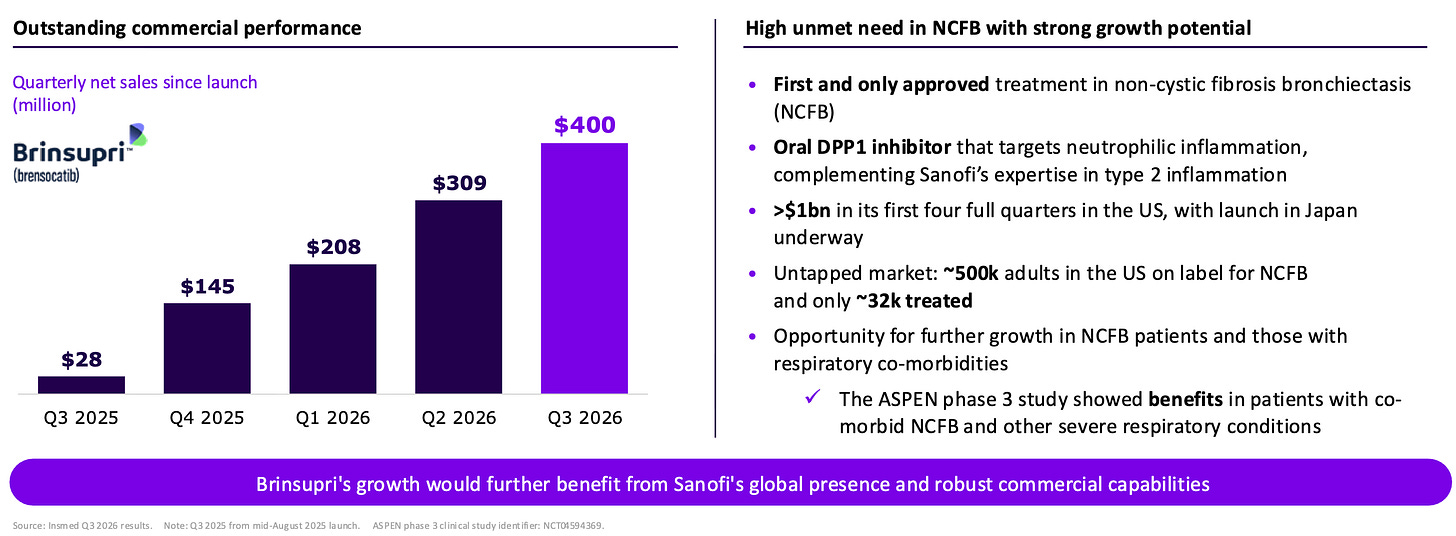
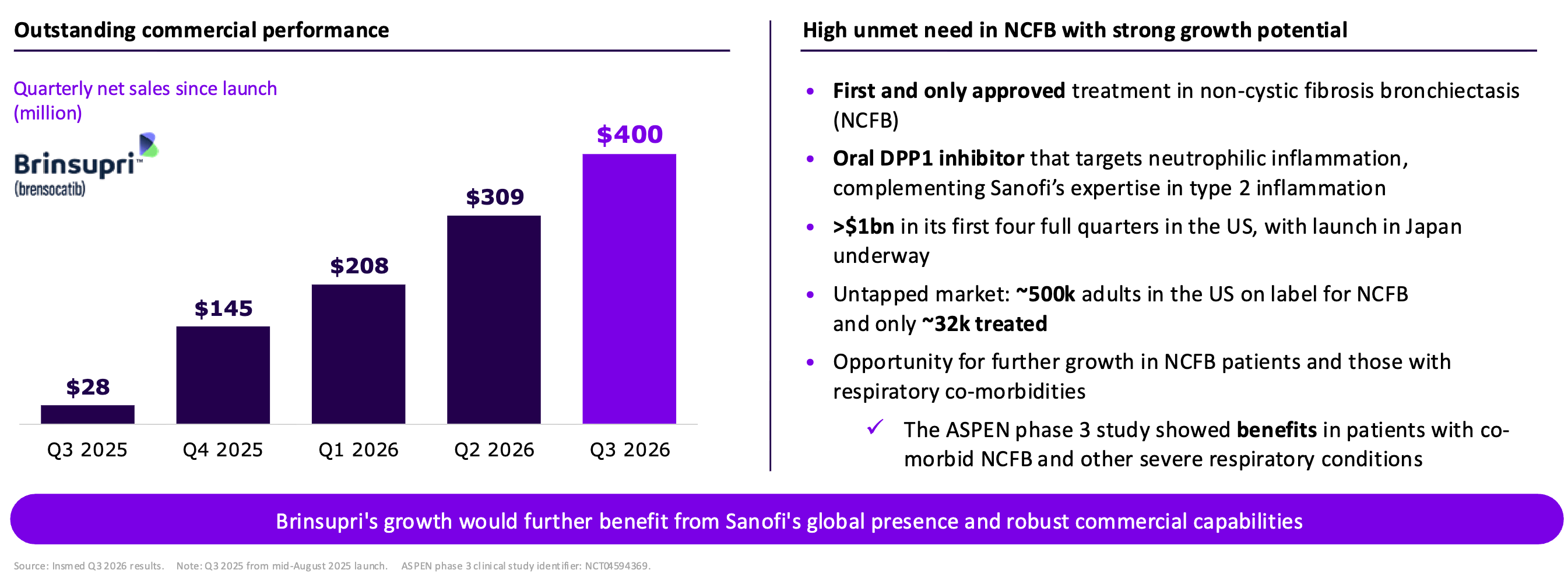
Brinsupri is a first-in-disease therapy with strong growth opportunities; Source: Sanofi presentation, slide 6 Arikayce (amikacin liposome inhalation suspension): This medicine is an orally inhalable aminoglycoside antibacterial that is approved under accelerated approval for the treatment of Mycobacterium avium complex (MAC) lung disease as part of a combination antibacterial drug regimen in patients who do not achieve negative sputum cultures after a minimum of 6 consecutive months of a multidrug background regimen therapy. Arikayce generated $124.4 million in 3Q 2026 ($500 billion annualized), reflecting 9% growth compared to the same quarter last year.
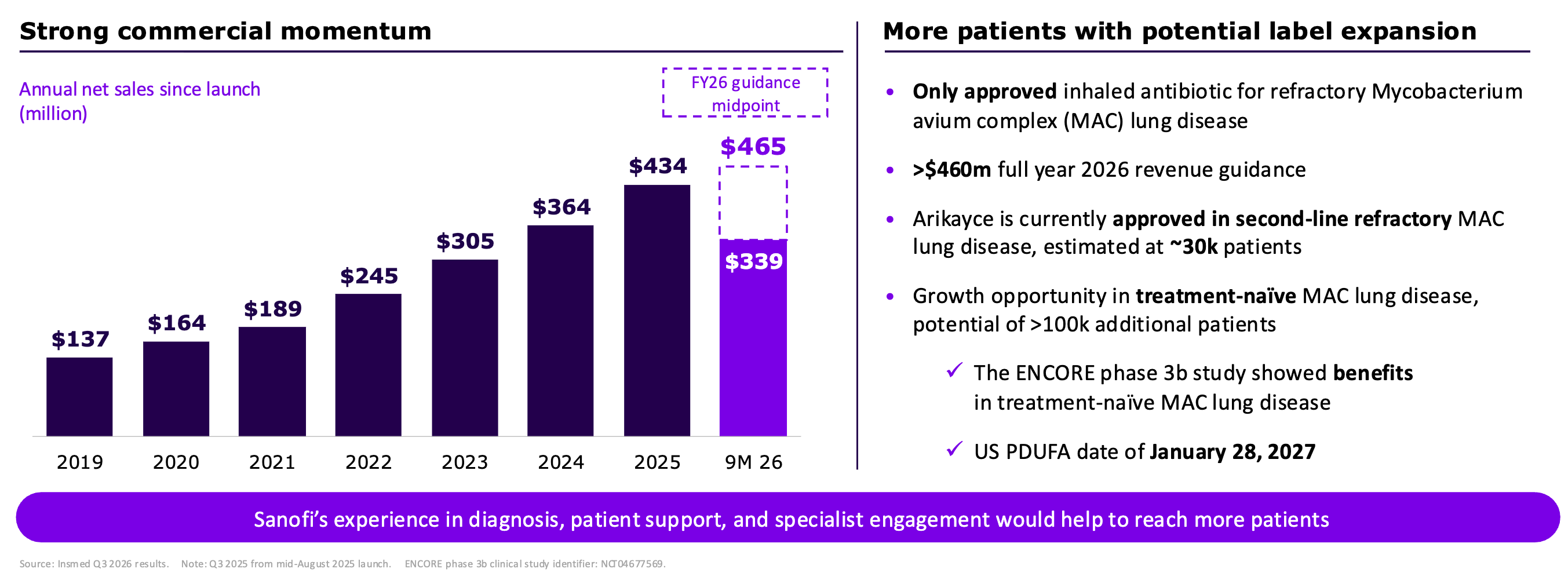
The acquisition also includes five clinical-stage drugs that Sanofi called out, although Insmed’s full pipeline is much larger than this:
TPIP (Phase 3 treprostinil prodrug): This is an investigational once-daily inhaled prostacyclin that is currently in six separate Phase 3 trials across a number of respiratory disease including pulmonary arterial hypertension (PAH) and interstitial lung disease (ILD).
INS1148 (Phase 2-ready anti-SCF248 mAb): Insmed in-housed this asset in their December 2025 acquisition of Opsidio for $40 million upfront. It targets and neutralizes the SCF248 isoform, which drives pro-inflammatory and pro-fibrotic signaling cascades downstream of c-Kit activation (such as mast cell and fibroblast activation) in idiopathic pulmonary fibrosis (IPF) and progressive pulmonary fibrosis (PPF).
INS1033 (Phase 1 DPP1 inhibitor): This investigational agent has a similar mechanism as Brinsupri, but is intended for applications outside of NCFB like chronic obstructive pulmonary disease (COPD), rheumatoid arthritis (RA), ulcerative colitis (UC).
INS1201 (Phase 1 AAV9-microdystropin): This investigational gene therapy is designed to deliver a micro-dystrophin transgene for patients with Duchenne muscular dystrophy (DMD), but with higher selectivity for skeletal and cardiac muscle and at lower doses than Sarepta’s Elevidys. In late 2026, Insmed enrollment in the Phase 1 ASCEND trial (NCT06817382) evaluating two sequential fixed-dose cohorts (5 × 10¹⁴ vg and 1 × 10¹⁵ vg ) in ambulatory boys aged 2 to <5 years with DMD carrying qualifying mutations in exons 18-58. Primary endpoints focus on safety and biodistribution over 96 weeks, alongside muscle biopsy micro-dystrophin expression and motor function outcomes.
INS1202 (Phase 1 AAV9-SOD1): This investigational gene therapy encodes a short hairpin RNA (shRNA) construct designed to silence and knock down expression of the human superoxide dismutase 1 (SOD1) gene in patients with familial SOD1-mutant amyotrophic lateral sclerosis (ALS) or sporadic ALS. Unlike antisense oligonucleotides (such as tofersen) that require chronic monthly lumbar punctures, an AAV9-shRNA approach aims for durable, one-time SOD1 suppression. Insmed is actively enrolling the first-in-human Phase 1 ARMOR dose-escalation study (NCT07290062) with initial safety and biomarker readouts (including CSF SOD1 protein levels, neurofilament light chain [NfL], and ALSFRS-R scores) expected in 2027.
False Start
As we mentioned before, few biotech companies have reinvented themselves as dramatically as Insmed. Insmed’s story began in 1988 in Charlottesville, Virginia, when Dr. Joseph Larner, then Chair of the Department of Pharmacology at the University of Virginia, founded a private venture built on his research into insulin signaling and Type 2 diabetes (T2D). Seeking venture capital close to home, the young company attracted an investment syndicate co-led by Intersouth Partners and appointed Dr. Geoffrey Allan as chief executive. By the turn of the millennium, Insmed was ready for public markets. After reincorporating in Virginia, it went public on the Nasdaq in June 2000 through a reverse merger with Celtrix Pharmaceuticals, immediately followed by a secondary stock offering that briefly propelled the company to a local peak market capitalization of $1.3 billion.
The Celtrix deal shifted Insmed’s center of gravity toward protein therapeutics, bringing in a candidate called mecasermin rinfabate, a recombinant complex of human insulin-like growth factor-1 and its binding protein, which Insmed rebranded as Iplex. To prepare for commercialization, Insmed leased a recombinant protein manufacturing plant in Boulder, Colorado, in 2004 and in December 2005 won FDA approval for Iplex to treat severe primary IGF-1 deficiency in children.
What looked like a commercial launch pab quickly unraveled in a disastrous IP dispute. Rival drugmakers Genentech and Tercica sued Insmed for patent infringement over Iplex, and in December 2006 a federal jury sided against Insmed. Under a March 2007 settlement ending the litigation, Insmed agreed to stop selling Iplex for primary IGF-1 deficiency. Stripped of its core commercial market, the company pivoted toward developing biosimilars while exploring niche uses for Iplex. By early 2009, however, Insmed was forced to monetize its remaining infrastructure to survive: in a deal closed in March 2009, it sold its biosimilars pipeline and the Boulder manufacturing facility to Merck for $130 million in cash. Without a facility to produce the complex protein, Insmed announced in July 2009 that it would stop supplying Iplex to new patients, conserving its dwindling inventory for roughly 70 existing amyotrophic lateral sclerosis (ALS) patients receiving the drug under compassionate-use and court-ordered programs
Taking a Breather
By late 2010, Insmed was essentially a cash shell based in Richmond with no late-stage commercial prospects. Salvation arrived on December 2, 2010, when Insmed struck an $84.1 million cash-and-stock business combination with Transave, Inc., a privately held biotech founded in 1997 in Monmouth Junction, New Jersey, by Dr. Frank Pilkiewicz. Transave’s shareholders took a 47% stake, Transave CEO Timothy Whitten and Chairman Donald Hayden assumed leadership of the merged enterprise, and by early 2011 Insmed had executed a 1-for-10 reverse stock split to keep its Nasdaq listing and relocated its corporate headquarters from Richmond to Monmouth Junction.
More importantly, Transave delivered a new scientific mission: Arikayce, an inhaled, sustained-release liposomal formulation of the antibiotic amikacin designed to target severe lung infections directly. Still, another crisis struck almost immediately. In August 2011, just as Insmed prepared to launch Phase 3 trials for Arikayce in cystic fibrosis and nontuberculous mycobacterial (NTM) lung disease, the FDA placed the trials on clinical hold after reviewing interim data from a two-year inhalation study in rats that showed an increased incidence of lung tumors at the highest dos.
With its sole late-stage asset stalled, Insmed turned in September 2012 to a new leader: Will Lewis, who joined as President and CEO. Lewis systematically narrowed the company’s focus, steering Arikayce away from crowded cystic fibrosis competition and concentrating on patients suffering from treatment-refractory Mycobacterium avium complex (MAC) lung disease, a debilitating NTM infection with no approved therapies. Collecting Orphan Drug, Fast Track, and Qualified Infectious Disease Product designations from the FDA along the way, Insmed steered the therapy through its pivotal Phase 3 CONVERT trial.
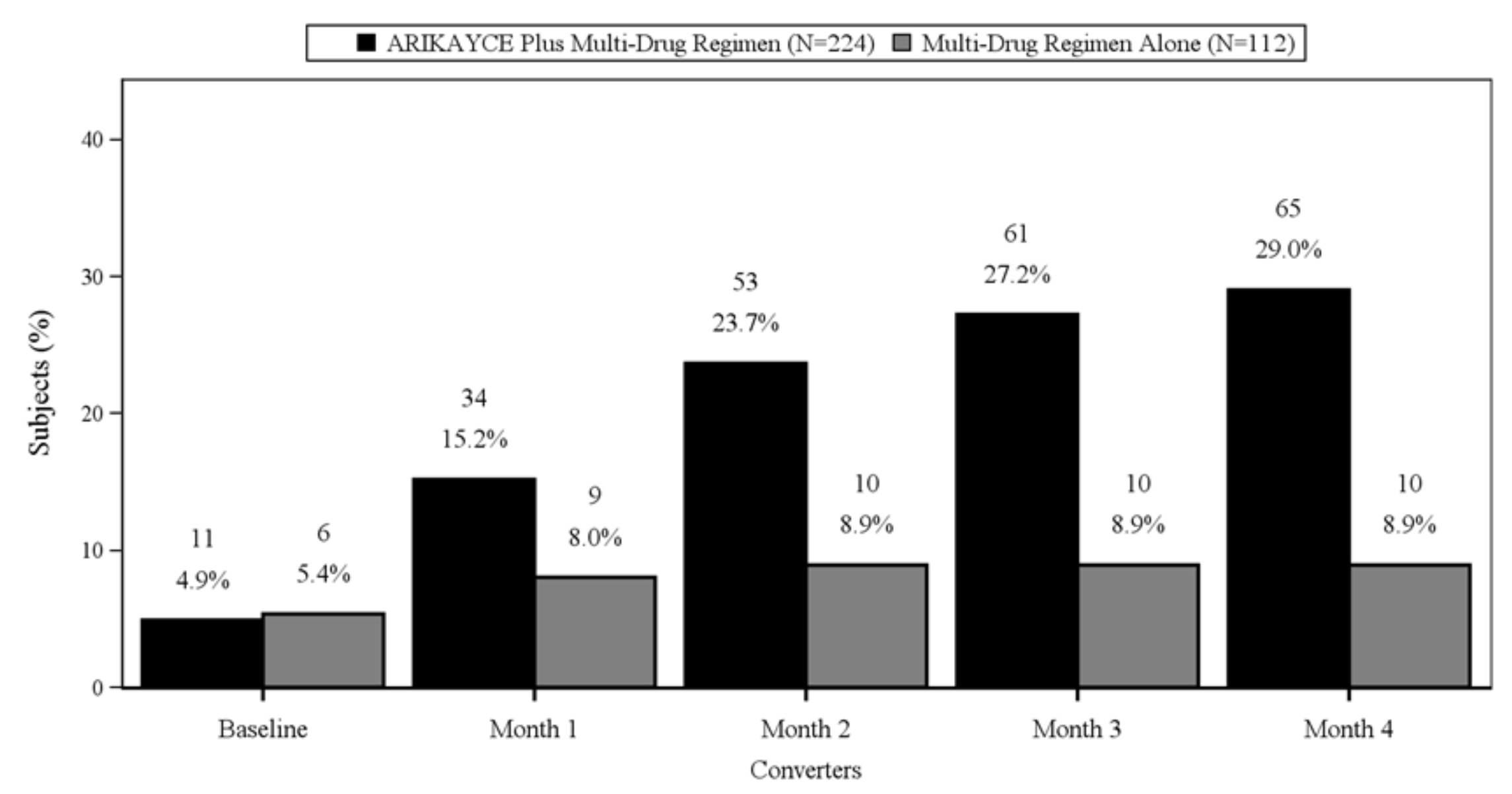
Adding Arikayce to guideline-based therapy (GBT) in adults with MAC lung disease produced a roughly fourfold increase in the odds of sputum culture conversion by Month 6 (29% Arikayce+GBT versus 8.9% GBT alone, OR 4.22, p < 0.001) with meaningful durability after treatment completion. Converters continued treatment for 12 months following their first negative culture. In long-term analyses, 16.1% (36/224) of ITT patients on ALIS + GBT maintained durable culture conversion at 3 months after completing treatment (55.4% of the 65 Month-6 converters) vs. 0% (0/112) in the GBT-alone arm (p < 0.0001). At 12 months post-treatment, 13.4% (30/224) of ALIS + GBT ITT patients (46.2% of converters) remained culture-negative vs. 0% with GBT alone. Patients who did not convert by Month 6 could enter open-label ALIS + GBT. Among those previously ALIS-naïve, cumulative sputum culture conversion reached 26.7% at 6 months and 33.3% at 12 months of extension therapy. On September 28, 2018, those years of persistence paid off when the FDA granted accelerated approval to Arikayce under the Limited Population Pathway for Antibacterial and Antifungal Drugs, giving Insmed its first modern commercial medicine.
Second Wind
Even before Arikayce reached pharmacy shelves, Lewis and his team were quietly assembling the company’s next act. In October 2016, Insmed signed a worldwide license agreement with AstraZeneca for an experimental oral compound called brensocatib, an inhibitor of dipeptidyl peptidase 1 (DPP1) designed to calm destructive airway inflammation. Around the same time, Insmed began constructing an international footprint, opening a European office in the Netherlands in 2016, forming a Japanese subsidiary in 2017, and moving into a new global headquarters in Bridgewater, New Jersey, in 2019. That global infrastructure soon proved its worth as Arikayce secured marketing authorization in the European Union in October 2020 and approval in Japan in March 2021.
Rather than relying on a single commercial product, Insmed broadened its research ambitions on two fronts. Internally, its scientists developed treprostinil palmitil inhalation powder (TPIP), a once-daily dry powder prodrug aimed at pulmonary hypertension and fibrotic lung diseases. Externally, between 2021 and 2023, Insmed acquired four early-stage biotechs to establish discovery platforms in gene therapy, RNA technologies, and rare neurological disorders:
Motus Biosciences and AlgaeneX for $165.5 million in August 2021
Vertuis Bio for $10.25 million in January 2023
Adrestia Therapeutics for $72.4 million in June 2023
Insmed’s transformation from a niche rare-disease specialist into one of biotech’s most coveted franchises truly crystallized around the late-stage success of brensocatib in May 2024, publication in NEJM in April 2025, and approval as Brinsupri in August 2025. In the Phase 3 ASPEN trial of more than 1,700 patients, brensocatib significantly reduced lung flare-ups in people with non-cystic fibrosis bronchiectasis (NCFB), a chronic & progressive airway disorder first described in medical literature over two centuries earlier that had never had an approved drug. Brinsupri currently remains the only approved NCFB therapy.
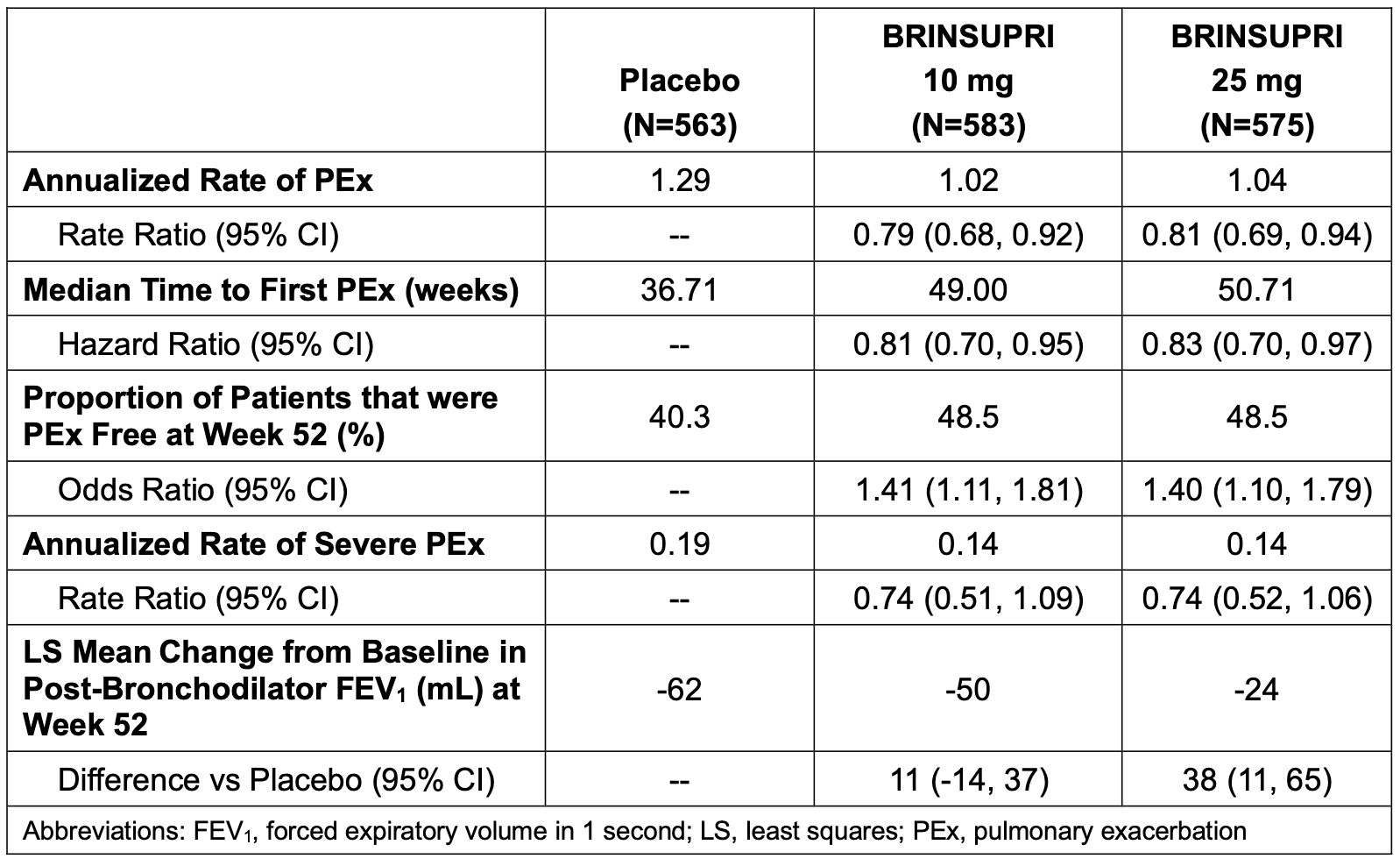
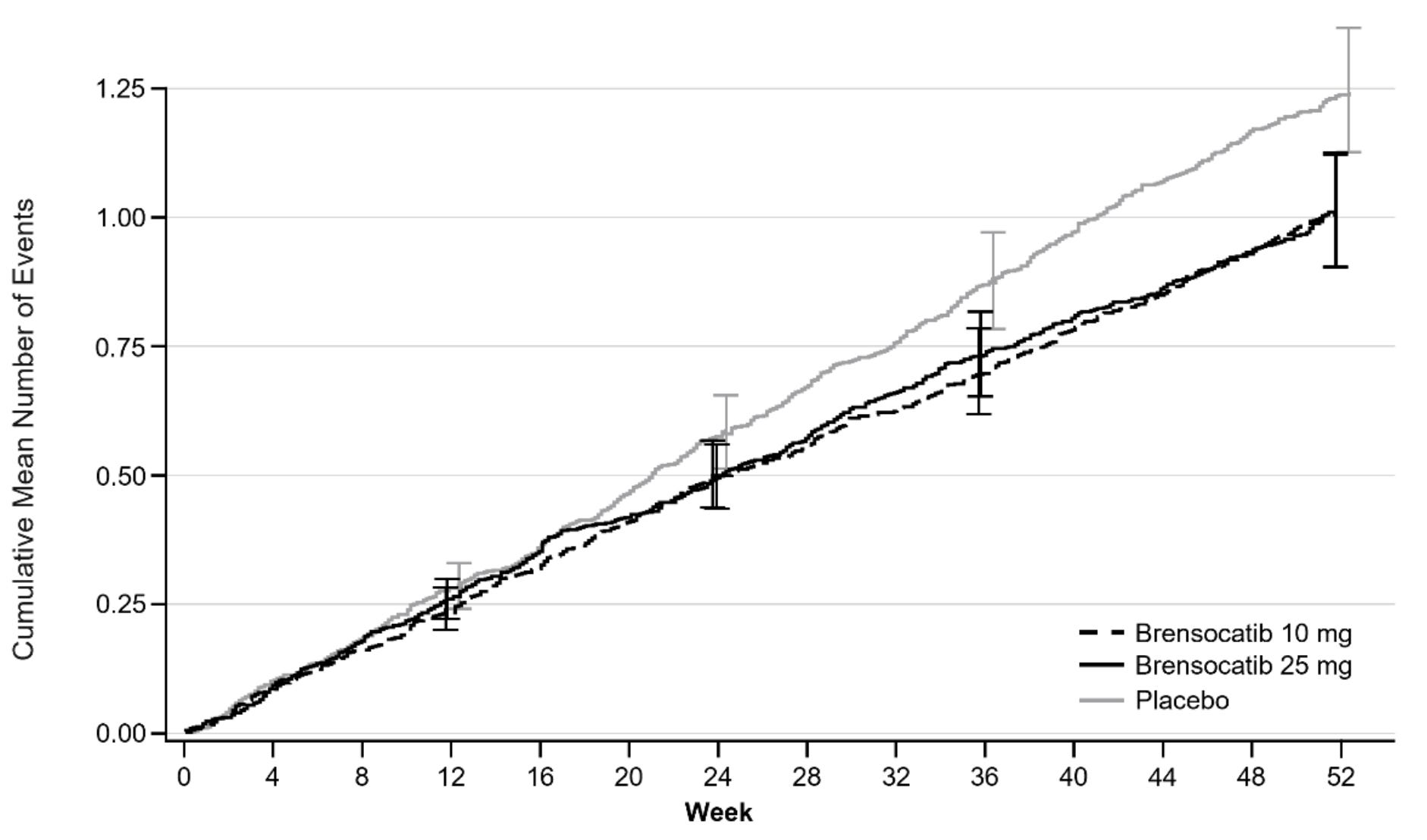
Regulatory clearances across Europe, the United Kingdom, and Japan quickly followed, and Brinsupri became an instant commercial phenomenon, generating $1.09 billion in revenue from its August 2025 U.S. launch through September 30, 2026. Alongside Brinsupri’s ascent, Arikayce maintained strong momentum, reaching $433.8 million in 2025 sales and earning an FDA priority review for an expanded, front-line MAC lung disease label, while TPIP advanced into multiple Phase 3 clinical trials. Insmed continued refreshing its mid-stage pipeline as well, acquiring an investigational monoclonal antibody, INS1148, from Opsidio in December 2025 to target asthma and interstitial lung disease.
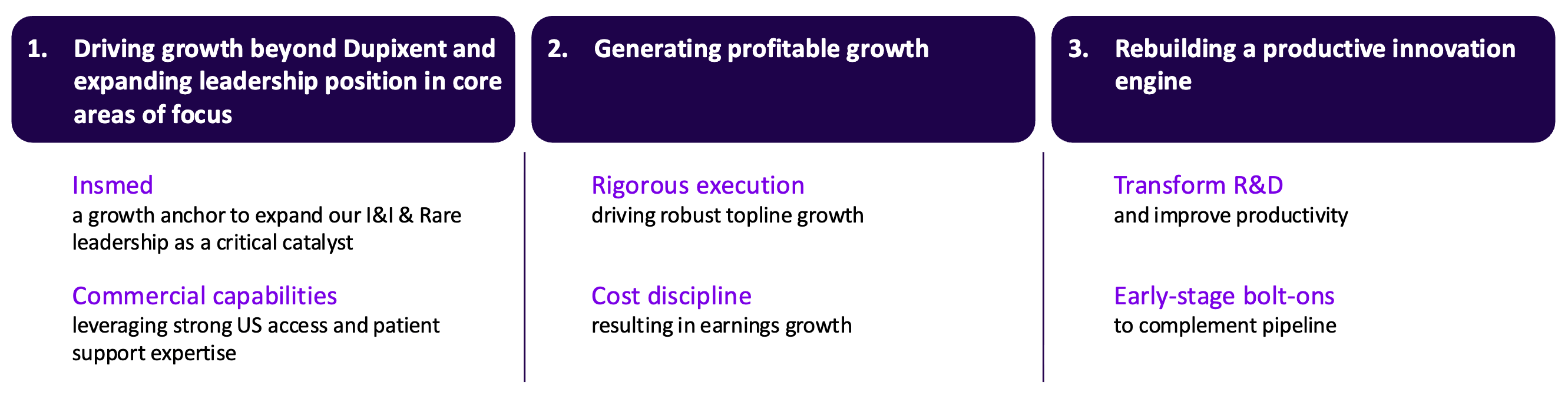
By late 2026, Insmed’s remarkable revival caught the attention of big pharma Sanofi. Facing a looming 2031 patent cliff for its blockbuster immunology drug Dupixent, Sanofi’s new CEO, Belén Garijo, sought an anchor acquisition to fortify the French drugmaker’s respiratory and immunology pipeline. On November 24, 2026, Sanofi announced an agreement to acquire Insmed for $175 per share in cash, a $41 billion deal that stood as the largest biopharmaceutical buyout of the year and Sanofi’s biggest acquisition since its €47.8 billion ($65 billion) hostile takeover of Aventis in 2004, which quite literally required the assistance of the French government to broker as reported by the New York Times.
Conclusion
Expected to close in the first half of 2027, Sanofi’s acquisition of Insmed marks the culmination of a multi-decade corporate odyssey: a company once left with a shuttered lab and dwindling vials of a litigated hormone had rebuilt itself into a $41 billion cornerstone of global respiratory medicine. Insmed’s pipeline now spans targeted anti-fibrotic and anti-inflammatory biologics/small molecules (INS1148 and INS1033) and intrathecally delivered AAV9 gene therapies (INS1201 and INS1202) alongside its commercial respiratory franchise (Brinsupri and Arikayce) and late-stage TPIP. It’s no wonder that Sanofi’s CEO Belén Garijo frames the transaction as “a major strategic step to reshape the mid- to long-term growth trajectory” for the entire big pharma company.
Love biotech? Check out Biotech Readout’s full content library, or navigate directly to a segment that interests you:
Frontiers in Medicine: Exploring the frontiers of our understanding and treatments for disease.
Medical History: Recovering forgotten relics in the history of medicine.
Acquisitions: Exploring the innovation behind acquired companies.
Weekly Readout: A digest of new clinical data from the past week.
To contact us, please send us an email at biotechreadout@gmail.com
Disclaimers
Investigational Status Disclaimer
The therapeutic candidates discussed in this newsletter are currently in clinical development and have not been approved for commercial sale by the U.S. Food and Drug Administration (FDA), the European Medicines Agency (EMA), or other global regulatory authorities. Their safety and efficacy have not been established. References to pipeline products and ongoing clinical trials involve significant risks and uncertainties. Statements regarding the potential safety, potency, or efficacy of investigational drugs reflect current hypotheses and are not a guarantee of future performance or regulatory clearance. The outcome of clinical trials is inherently unpredictable, and clinical results from earlier stages may not be predictive of results in later, larger-scale trials.
No Medical Advice Disclaimer
This newsletter is for informational and educational purposes only. The content is not intended to be a substitute for professional medical advice, diagnosis, or treatment. Always seek the advice of your physician or another qualified health provider with any questions you may have regarding a medical condition. Never disregard professional medical advice or delay in seeking it because of something you have read in this publication.
No Patient-Provider Relationship Disclaimer
The information provided in this newsletter is for educational and analytical purposes only. Receipt of this information, or any interaction with this content, does not create a physician-patient, pharmacist-patient, or any other professional-provider relationship between you and the authors or publishers. This newsletter should not be used as a substitute for a personal consultation with a qualified healthcare professional.
Forward-Looking Statements Disclaimer
This newsletter contains “forward-looking statements” regarding future events, including clinical trial timing, regulatory milestones, and projected market performance. These statements are based on current expectations and assumptions that are subject to significant risks and uncertainties. Actual results may differ materially from those expressed or implied. We undertake no obligation to update these statements as a result of new information or future developments.
Third-Party Links & Content Disclaimer
This newsletter contains links to third-party websites, including clinical trial registries and corporate presentations. Biotech Readout does not endorse, guarantee, or assume responsibility for the accuracy or reliability of any information offered by third-party providers.
Errors and Omissions Disclaimer
While we strive for technical accuracy, the information in this newsletter is provided on an “as is” basis with no guarantees of completeness, accuracy, or timeliness. Biotech Readout assumes no liability for any errors or omissions in the content of this publication.
Non-Endorsement Disclaimer
Any reference to specific commercial products, processes, or services by trade name, trademark, or manufacturer does not constitute or imply an endorsement or recommendation by the author. All trademarks are the property of their respective owners.
No Investment Advice Disclaimer
This newsletter is for informational purposes only and does not constitute financial, investment, or legal advice. The author is not a registered investment advisor. You should consult with a professional financial advisor before making any investment decisions. The biotechnology sector is highly volatile; past performance is not indicative of future results.
Conflict of Interest Disclaimer
The author of this newsletter maintains a position of independence. At the time of publication, the author holds no direct financial interest, equity, or options in any of the companies mentioned in this report. No compensation has been received from any third party to feature or analyze specific therapeutic candidates or corporate entities.