

Disclaimer: This newsletter is for educational and informational purposes only and does not constitute medical, investment, or financial advice, nor does it establish a provider-patient relationship. Content may include forward-looking statements and discussions of investigational therapeutic candidates that are not FDA/EMA approved; their safety and efficacy remain unestablished and clinical outcomes are unpredictable. While we strive for accuracy, all information is provided as is without guarantees. As of the date of publication, the author holds no direct equity positions in the specific companies mentioned in this issue nor receives third-party compensation for this coverage. Please find a complete version of our disclaimers at the bottom of this article and on our About page.

Press ⬇️ to go down to a section and ⬆️ to go back up to the Table of Contents
Table of Contents
This week, we discuss:
China Biotech
Approvals
RevMed - Rasonque (pan-RAS inhibitor) / Approved (2L PDAC) ⬇️
Roivant - Lisraya (TYK2 x JAK1 dual inhibitor) / Approved (DM) ⬇️
Eli Lilly - Mounjaro (GLP1/GIP dual agonist) / Approved (heart attack/stroke prevention) ⬇️
Gilead - Bixlenvo (integrase & capsid inhibitors) / Approved (HIV) ⬇️
GSK - Tivicay PD (Integrase inhibitor) / Approved (childhood HIV) ⬇️
Jazz Pharma - Ziihera (anti-HER2 mAb) / Approved (1L HER2+ GEA) ⬇️
J&J - Imaavy (FcRn inhibitor) / Approved (WAIHA) ⬇️
GSK - Hibsago (HBV RNA ASO) / Approved (Hepatitis B) ⬇️
Clinical Trial Data
China Biotech
Wondering why we discuss China Biotech every week? Tap here to learn more.
Financing Activity for China versus Rest of World
for the week ending August 28, 2026

Eli Lilly Follows Merck in Concealing Phase 1 Pipeline
On August 27, 2026, Endpoints reported that Eli Lilly has decided to stop publicly disclosing its Phase 1 pipeline, joining Merck as one of the few major pharmaceutical companies to conceal early-stage drug candidates. Lilly’s extensive upfront R&D validates that a therapeutic target is viable, allowing foreign competitors to capitalize on that validation without having to replicate years of initial ground work. Emerging companies, particularly in China, can move rapidly when an early-stage target is disclosed, creating a risk that fast-following competitors could leapfrog or undercut Lilly in clinical development timelines. Keeping early discovery candidates under wraps ensures that potential competitors learn about Lilly’s emerging pipeline later rather than sooner.
There are a couple of additional motivations for the move:
Strategic Flexibility: Staying silent on early assets allows executives to quietly pivot, drop, or alter programs without public scrutiny, market pressure, or the need to explain early-stage failures to investors.
Data Protection Against AI: Withholding public pipeline disclosures prevents AI models from scraping drug data and drawing strategic inferences about Lilly’s early research.
Former Lilly executives held mixed views on the move. Steve Paul (ex-President of Lilly Research Laboratories) supported secrecy to prevent fast-following competitors from leapfrogging early assets, while Jan Lundberg (ex-President of Lilly Research Laboratories after Steve Paul) expressed concern that reduced transparency might harm the industry’s public reputation and reflect a fear of competition.
Sources: Endpoints article
Genentech Partners with China’s DualityBio on ADCs
On August 28, 2026, Genentech (a member of the Roche Group) entered into a global collaboration and license agreement with China-based DualityBio to develop next-generation antibody-drug conjugates (ADCs) using DualityBio’s proprietary DUPAC (DualityBio Unique Payload Antibody Conjugate) platform. DUPAC (DualityBio Unique Payload Antibody Conjugate) is one of DualityBio’s four proprietary antibody-drug conjugate (ADC) platforms (alongside DITAC, DIBAC, and DIMAC). It is designed to combat drug resistance mechanisms associated with existing ADC classes, particularly topoisomerase inhibitor-based therapies (such as TOP1i/DXd-based ADCs) by leveraging the following features:
Novel Payloads: Incorporates diverse, non-traditional payload families, including specific candidates like DUP5 (mRNA translation inhibitor), DUP9 (undisclosed MoA), and DUP10 (undisclosed MoA), each driving antitumor activity through distinct biological pathways. These payloads are engineered for direct, powerful cytotoxicity across a wide range of solid tumor types.
Optimized Linkers: Paired with custom linker technologies for systemic stability and tumor-specific release. Payloads feature a short systemic half-life to promote rapid clearance from circulation, optimizing the therapeutic window and minimizing systemic toxicity. The linkers are designed to target and kill neighboring heterogeneous tumor cells that may lack uniform target antigen expression.
DualityBio will receive $45 million upfront and is eligible for over $1 billion in potential aggregate development, regulatory, and commercial milestone payments, as well as tiered royalties on future annual net sales of approved products. DualityBio will lead discovery and early global clinical development (up to Phase 1a). Genentech receives an exclusive worldwide license and takes sole responsibility for clinical development and commercialization beyond Phase 1a.
In the “Bad scenario” in my article, China Biotech: Feast or Famine?, big pharma directly licenses drugs from China. This both cuts out venture capital/NewCo middlemen from executing an arbitrage and replaces a potential collaboration/acquisition with a U.S. biotech.
Sources: DualityBio press release
Akeso - Ivonescimab (PD1 x VEGF mAb) / Phase 3 (1L BTC)
Akeso and Summit Therapeutics announced positive topline results from the Phase 3 HARMONi-GI1 (AK112-309), which evaluated ivonescimab (PD-1 x VEGF bispecific antibody) combined with standard chemotherapy (gemcitabine/cisplatin) versus active control durvalumab (Imfinzi) plus chemotherapy as a first-line treatment for patients with advanced biliary tract cancer (BTC) in China.
Biliary tract cancer (BTC) is an aggressive malignancy driven by chronic inflammation and oncogenic driver mutations (KRAS, TP53, FGFR2, IDH1) that foster a dense, immunosuppressive, and hypo-vascularized tumor microenvironment, where the current first-line standard of care combines gemcitabine/cisplatin chemotherapy with PD-(L)1 inhibitors like durvalumab or pembrolizumab. Ivonescimab (AK112/SMT112) challenges this landscape as a tetravalent PD-1 x VEGF-A bispecific antibody engineered for cooperative binding, utilizing local VEGF engagement to concentrate anti-PD-1 activity directly within the immune cell niche to simultaneously induce vascular normalization, reverse hypoxia, and enhance intratumoral T-cell infiltration. By physically linking checkpoint blockade with anti-angiogenesis in a single construct rather than an unlinked combination cocktail, ivonescimab optimizes TME-specific synergistic signaling while minimizing systemic toxicity, offering a novel therapeutic approach to overcome the profound immunosuppressive barriers of BTC.
In the randomized Phase 3 HARMONi-GI1 trial (AK112-309) of 682 patients with previously untreated, unresectable locally advanced or metastatic biliary tract cancer (BTC), a pre-specified interim analysis demonstrated that ivonescimab plus gemcitabine/cisplatin achieved statistically significant and clinically meaningful improvements in overall survival (OS), progression-free survival (PFS), and objective response rate (ORR) compared to the active control regimen of durvalumab plus chemotherapy. While exact numerical metrics remain pending for presentation at an upcoming medical conference, this readout represents a major clinical milestone as the first Phase 3 trial to establish OS superiority directly over an active PD-(L)1 checkpoint inhibitor standard-of-care backbone in first-line BTC. Therapeutically, these results validate the superiority of a single co-localized bispecific antibody construct (PD-1 x VEGF) over unlinked combination cocktails, contrasting sharply with prior late-stage failures like Roche’s Tecentriq (anti-PD-L1 mAb) + Avastin (anti-VEGF mAb) + chemo regimen in GI/BTC settings. Strategically, HARMONi-GI1 delivers ivonescimab’s first positive Phase 3 success outside of non-small cell lung cancer (NSCLC), providing critical proof-of-concept for the broad utility of its bispecific platform across aggressive, highly immunosuppressive solid tumors.
Akeso plans to present full numerical datasets at a major medical congress. The company plans to pursue NMPA approval in China based on this single-region Phase 3 study. Western development and FDA filing strategy will depend on whether Summit initiates a global Phase 3 bridging trial, as US FDA regulators generally require multi-regional data for approval. Akeso is conducting an all-comer Phase 3 trial in China for first-line PDAC (recruitment is ~50% complete). Summit Therapeutics is collaborating with Revolution Medicines in the U.S. to explore combining targeted agents with ivonescimab in PDAC, aiming to combine targeted therapy with immune-oncology benefits.
In an exclusive interview with Endpoints News, Akeso CEO Michelle Xia highlighted that positive Phase 3 overall survival (OS) data in first-line biliary tract cancer (BTC) via the HARMONi-GI1 trial marks ivonescimab’s first successful clinical expansion beyond non-small cell lung cancer (NSCLC). Xia emphasized that while earlier benchmark trials (TOPAZ-1 and KEYNOTE-966) evaluated PD-(L)1 checkpoint inhibitors against chemotherapy alone, HARMONi-GI1 tested ivonescimab head-to-head against an active standard-of-care backbone (durvalumab + chemo). Durvalumab (Imfinzi) was chosen over pembrolizumab (Keytruda) as the active comparator because its clinical data in BTC appeared slightly more convincing to Akeso, presenting a strong competitive benchmark. Xia attributed ivonescimab’s efficacy, where Roche’s combined Tecentriq + Avastin cocktail previously failed to show OS benefit, to its proprietary tetravalent bispecific design rather than a simple multi-antibody combination. High historical enrollment of Asian patients in prior global BTC trials (TOPAZ-1, KEYNOTE-966), combined with consistent U.S. NSCLC bridge data from partner Summit Therapeutics, gives Akeso confidence that China BTC results will translate to Western populations.
Sources: Akeso press release, Endpoints interview with Akeso CEO
Approvals
RevMed - Rasonque (pan-RAS inhibitor) / Approved (2L PDAC)
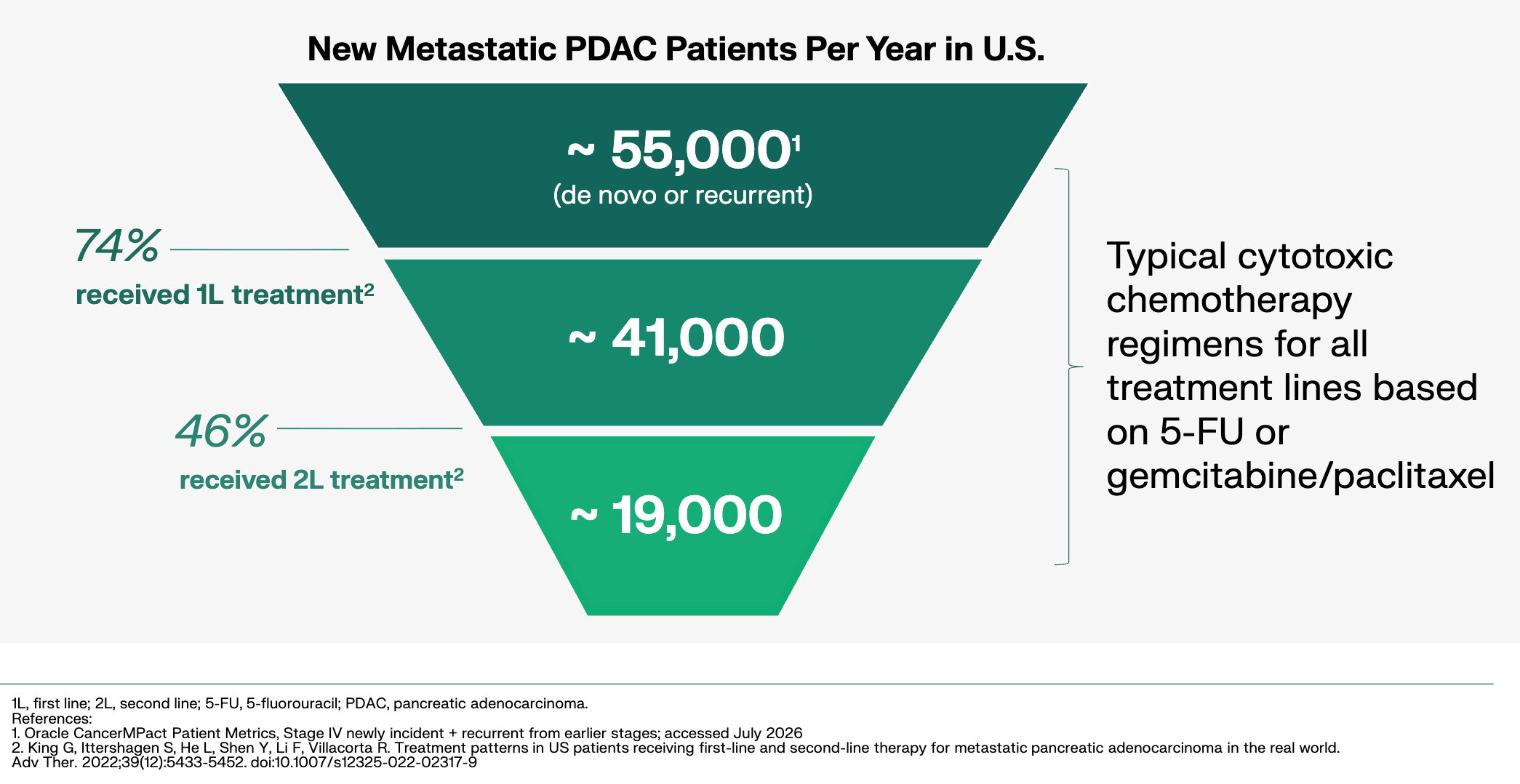
On August 26, 2026, the FDA granted approval to Revolution Medicines’ Rasonque (daraxonrasib), a first-in-class, oral pan-RAS inhibitor. Rasonque is indicated for adult patients with metastatic pancreatic ductal adenocarcinoma (PDAC) who have received at least one prior systemic therapy or are not candidates for multiagent chemotherapy, notable for broad coverage regardless of specific RAS mutation status. As a tri-complex inhibitor, Rasonque forms a binary complex with intracellular cyclophilin A that selectively binds and blocks active, GTP-bound RAS (mutant and wild-type forms of KRAS, NRAS, and HRAS), disrupting oncogenic signaling in driver-dependent tumors. The company is actively advancing its broad development program into frontline 1L PDAC and RAS-driven non-small cell lung cancer (NSCLC). According to RevMed, there are 55,000 new metastatic PDAC cases per year in the U.S. (including both de novo metastatic and recurrent disease). Of those patients, 74% of total incidence (41,000 patients) advance to receive first-line (1L) therapy and 46% of 1L-treated patients (19,000 patients) progress and survive to receive second-line (2L) therapy. Across all treatment lines, typical cytotoxic chemotherapy regimens are predominantly based on 5-FU (e.g., FOLFIRINOX/FOLFOX) or gemcitabine/paclitaxel (e.g., Abraxane combinations).
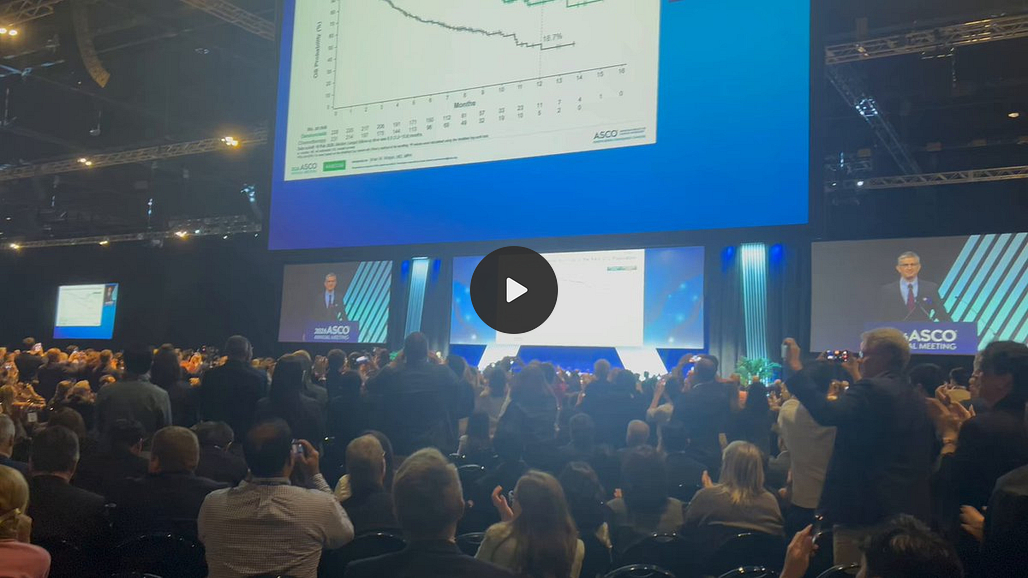
The landmark approval was supported by positive results from the global Phase 3 RASolute 302 trial. We covered their ASCO 2026 presentation here. Notably, the presentation received a standing ovation from a room full of oncologists, who have struggled to keep their PDAC patients alive longer than 1 year.

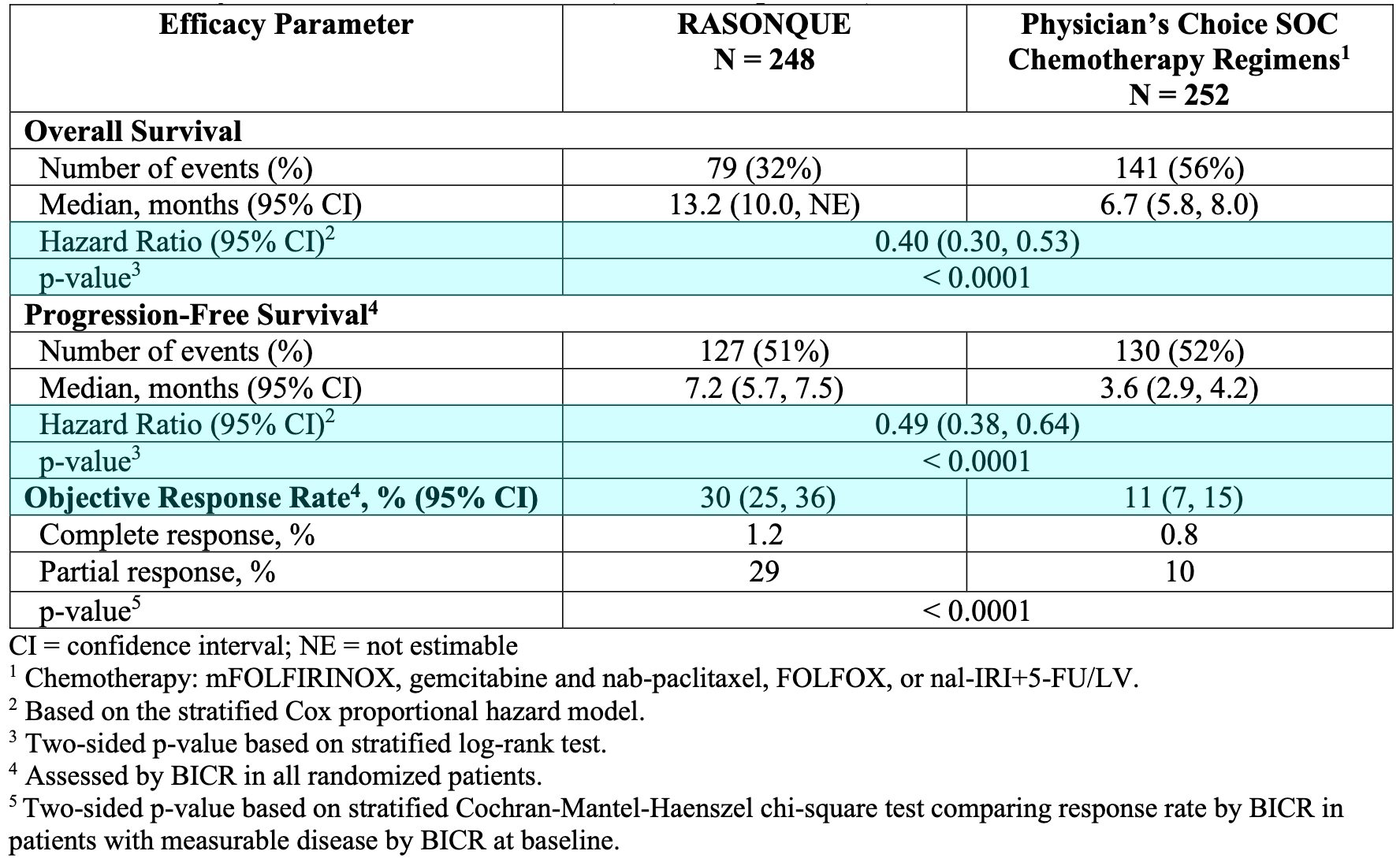
The RASolute 302 trial evaluated once-daily oral Rasonque monotherapy against investigator’s choice of standard-of-care chemotherapy in patients with previously treated metastatic PDAC. In the overall intent-to-treat (ITT) population, Rasonque demonstrated statistically significant and clinically meaningful efficacy across all primary and key secondary endpoints. Rasonque nearly doubled median overall survival to 13.2 months compared to 6.7 months with standard chemotherapy, representing a 60% reduction in the risk of death (HR=0.4; p < 0.0001). Progression-free survival was similarly extended to a median of 7.2 months versus 3.6 months for control chemotherapy (HR=0.49; p < 0.0001). More than three times more patients responded to Rasonque compared to chemotherapy (31.6% ORR versus 11.2% for chemotherapy; p < 0.0001). Furthermore, Rasonque demonstrated a favorable tolerability profile characterized primarily by manageable Grade 1-3 toxicities (rash, diarrhea, stomatitis, and fatigue) with low treatment-discontinuation rates.
Sources: RevMed press release, RevMed presentation, new Rasonque label
Roivant - Lisraya (TYK2 x JAK1 dual inhibitor) / Approved (DM)
On August 27, 2026, the U.S. FDA granted approval to Roivant Sciences and its subsidiary Priovant Therapeutics for Lisraya (brepocitinib), a first-in-class, oral once-daily dual TYK2/JAK1 inhibitor indicated for the treatment of adults with dermatomyositis (DM). Marking the first targeted therapy specifically approved for this rare and debilitating autoimmune neuromuscular disease, Lisraya directly addresses the underlying immunopathogenesis of DM by suppressing key type I/II interferon signaling pathways alongside IL-6, IL-12, and IL-23 cytokines that drive systemic inflammation, severe skin rashes, and progressive muscle weakness. Roivant announced a list price (WAC) of $35,000 for a 30-day supply (roughly $420,000 annually), positioning the therapy as a high-value, non-steroidal precision option for a patient population long reliant on chronic corticosteroids, broad non-specific immunosuppressants, or intravenous immunoglobulin (IVIG).
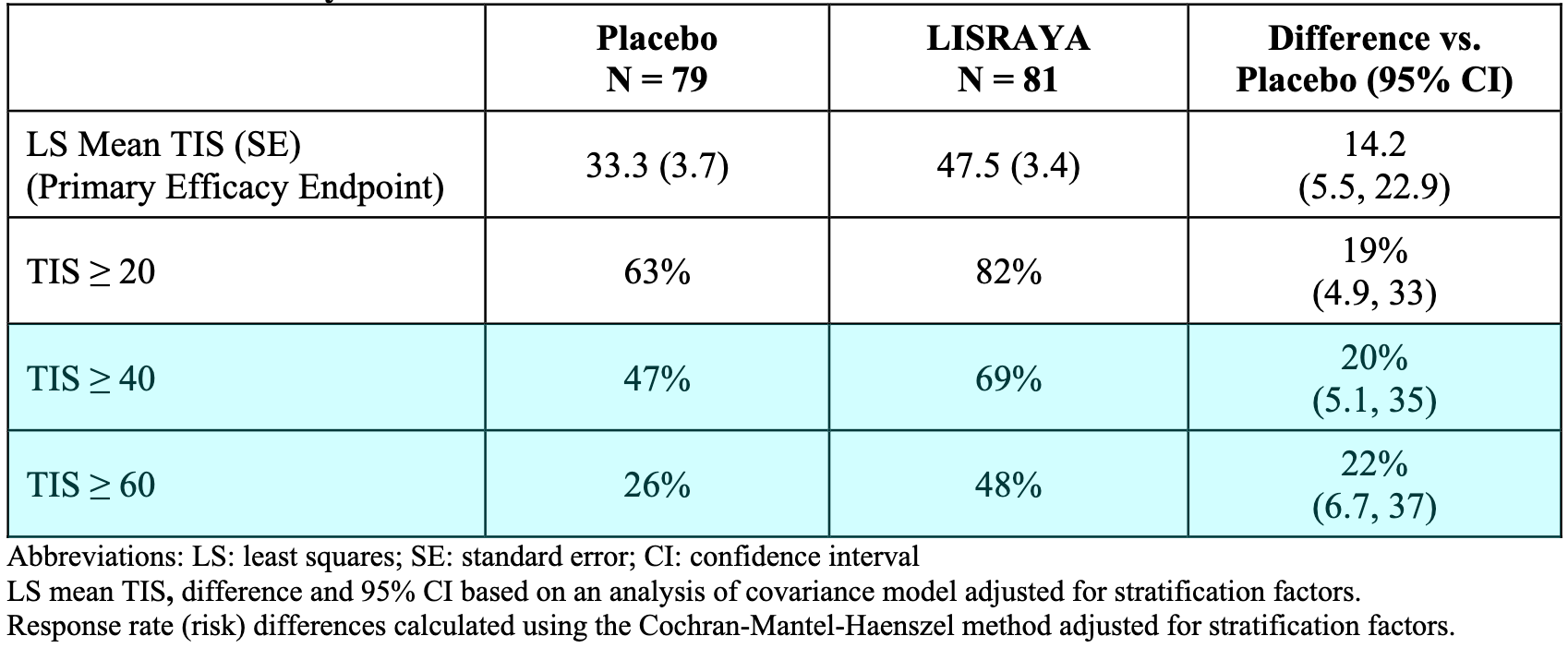
The approval was supported by pivotal 52-week data from the global Phase 3 VALOR trial, the largest prospective study ever conducted in dermatomyositis. Enrolling 241 adults across 20 countries, the trial evaluated once-daily Lisraya (30 mg and 15 mg) against placebo on a background of standard care with a built-in corticosteroid taper. Lisraya 30 mg demonstrated statistically significant, clinically meaningful superiority across all primary and key secondary endpoints, with 69% of patients achieving a moderate-or-better response on the Total Improvement Score (TIS ≥ 40) compared to 47% on placebo, and 48% achieving a major response (TIS ≥ 60) versus 26% for placebo (see table below). Critically, 55% of Lisraya-treated patients achieved moderate-or-better clinical improvement while successfully achieving minimal or no corticosteroid use by Week 52 (versus 30% on placebo), demonstrating profound steroid-sparing efficacy alongside robust cutaneous remission rates (44% vs. 21%). Treatment was generally well-tolerated with low discontinuation rates due to adverse events (6% vs. 11% on placebo).
Sources: Roivant press release, Roivant slide deck, Lisraya label
Eli Lilly - Mounjaro (GLP1/GIP dual agonist) / Approved (heart attack/stroke prevention)
On August 28, 2026, the U.S. FDA approved a major label expansion for Eli Lilly’s Mounjaro (tirzepatide), making it the first and only dual GIP/GLP-1 receptor agonist cleared to reduce the risk of major adverse cardiovascular events (MACE), including cardiovascular death, non-fatal myocardial infarction, and non-fatal stroke, in adults with type 2 diabetes and established cardiovascular disease. Already established as a leading treatment for glycemic control and chronic weight management, this regulatory milestone formally embeds Mounjaro’s cardiometabolic profile with a dedicated cardiovascular risk reduction claim. By securing this label update, Lilly strengthens Mounjaro’s market position alongside established single-agent GLP-1 therapies (such as Novo Nordisk’s Ozempic) and offers clinicians a multi-mechanistic therapeutic option that simultaneously addresses glycemic control, body weight, and long-term cardiovascular risk.

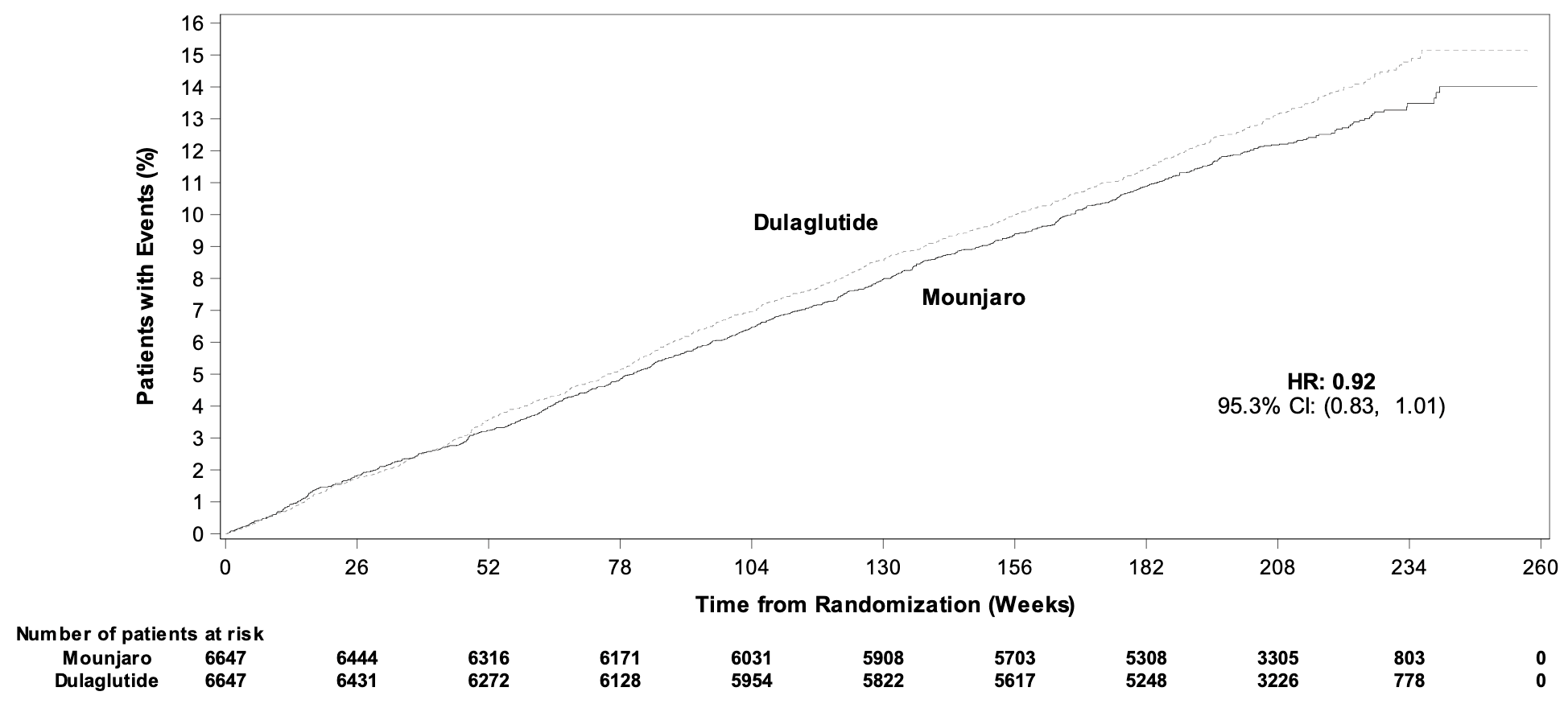
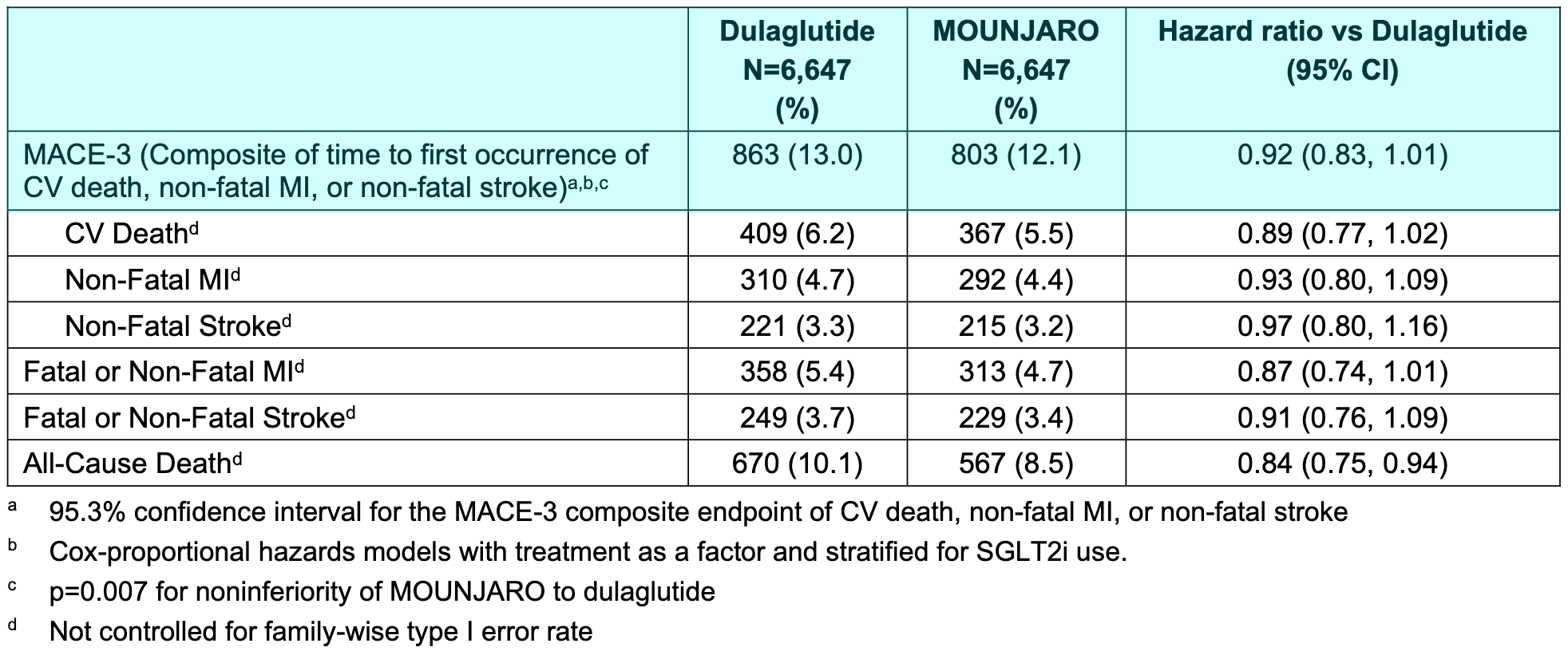
The landmark decision was backed by data from the active-comparator Phase 3 SURPASS-CVOT trial, the largest and longest tirzepatide study to date, which enrolled over 13,000 patients across 30 countries with a median follow-up of over four years. Setting a higher bar than traditional placebo-controlled trials, SURPASS-CVOT evaluated weekly tirzepatide directly against Lilly’s own dulaglutide (Trulicity), an established GLP-1 receptor agonist with a proven MACE reduction profile. Tirzepatide met its primary composite endpoint by demonstrating statistical non-inferiority to dulaglutide, driven by an 8% relative risk reduction in MACE-3 events (HR=0.92; 95.3% CI: 0.83–1.01; p=0.003 for non-inferiority). Across the multi-year study, Mounjaro maintained a safety and tolerability profile consistent with its known incretin pharmacology, with gastrointestinal adverse events (predominantly mild-to-moderate nausea and diarrhea during dose escalation) representing the primary reported side effects.
Sources: Eli Lilly press release, updated Mounjaro label
Gilead - Bixlenvo (integrase & capsid inhibitors) / Approved (HIV)
On August 27, 2026, the U.S. FDA granted approval to Gilead Sciences for Bixlenvo (bictegravir 75 mg / lenacapavir 50 mg), a once-daily single-tablet regimen (STR) indicated to replace existing antiretroviral therapy in virologically suppressed adults with HIV-1. Significantly, Bixlenvo represents the smallest once-daily single-tablet regimen available for people living with HIV. By pairing bictegravir (an integrase strand transfer inhibitor with a high barrier to resistance) with lenacapavir (a first-in-class HIV-1 capsid inhibitor with no known cross-resistance to other existing drug classes), Bixlenvo offers a dual-mechanism option tailored for patients on complex, multi-tablet regimens due to baseline resistance, drug interactions, or tolerability issues. Gilead set the list price (WAC) for Bixlenvo at $4,595 for a 30-day supply (about $55,140 annually), providing a compact, potent option for treatment simplification.
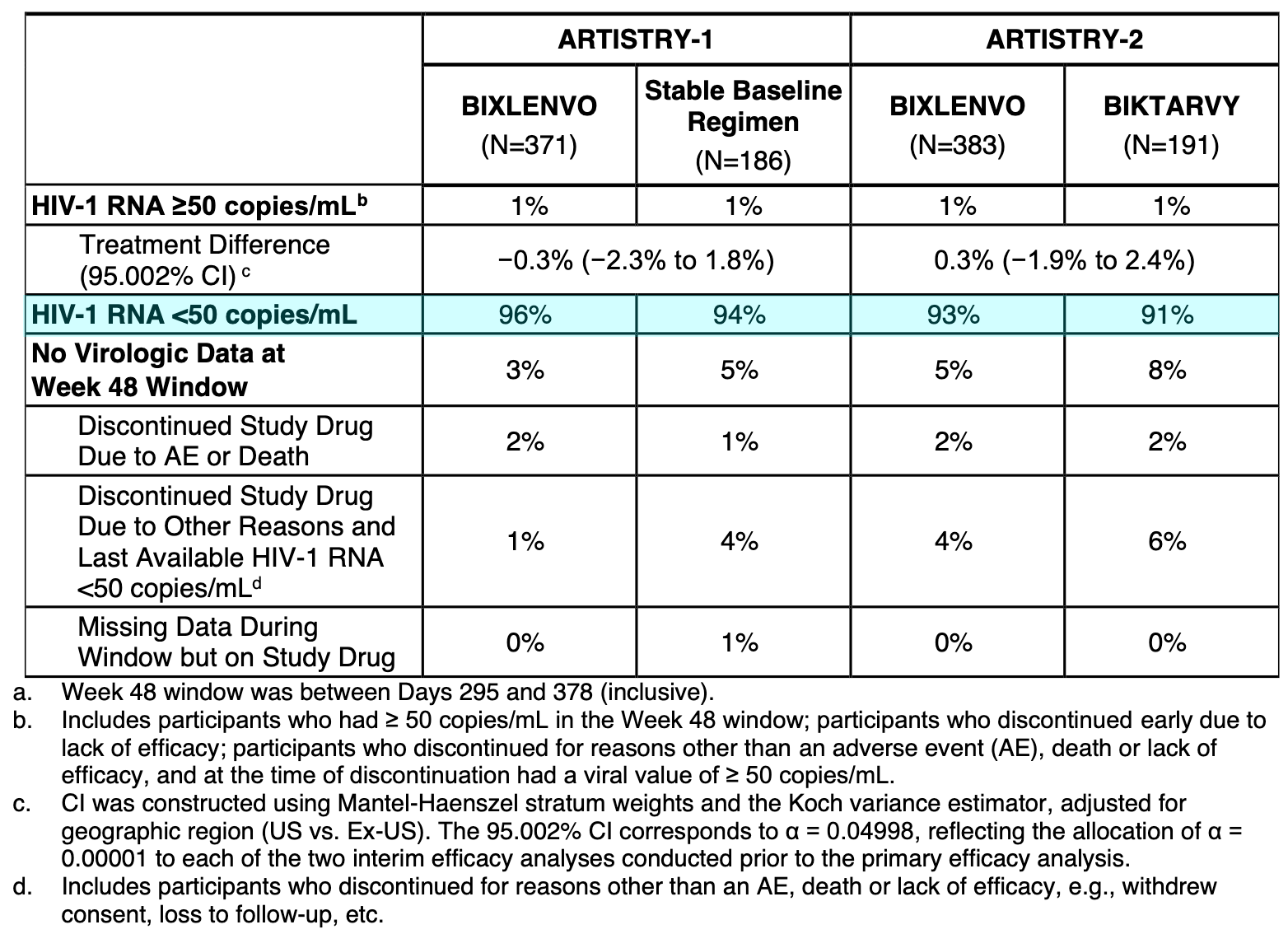
The FDA approval was supported by late-breaking data from two Phase 3 trials in the global ARTISTRY program: ARTISTRY-1 and ARTISTRY-2. Across these studies, Bixlenvo demonstrated non-inferiority in maintaining virologic suppression (HIV-1 RNA < 50 copies/mL) at Week 48 compared to both complex multi-tablet regimens and standard three-drug regimens (such as Biktarvy). In addition to sustained efficacy, switching to Bixlenvo led to improvements in patient-reported treatment satisfaction and fasting lipid profiles, without adverse impacts on body weight. The dual-therapy combination displayed a favorable safety profile characterized primarily by mild, low-grade toxicities (headache, nausea, and diarrhea occurred in ≥ 2% of patients) with low discontinuation rates, establishing Bixlenvo as a novel, low-burden single-tablet standard for virologically suppressed individuals.
Sources: Gilead press release, Bixlenvo label
GSK - Tivicay PD (integrase inhibitor) / Approved (childhood HIV)
On August 28, 2026, the U.S. FDA granted approval for an expanded indication of GlaxoSmithKline’s (GSK/ViiV Healthcare) Tivicay PD (dolutegravir) dispersible tablets, extending its coverage to treat pediatric patients and infants living with HIV-1 who weigh at least 2 kg. This milestone approval expands access to eligible newborns and young infants, providing a dispersible, age-appropriate formulation of dolutegravir, a second-generation integrase strand transfer inhibitor (INSTI) with high potency and a high barrier to resistance. Designed to be easily dissolved in water or given directly to infants, Tivicay PD simplifies pediatric administration and helps address a critical treatment gap for early infant diagnosis and prompt therapeutic intervention.
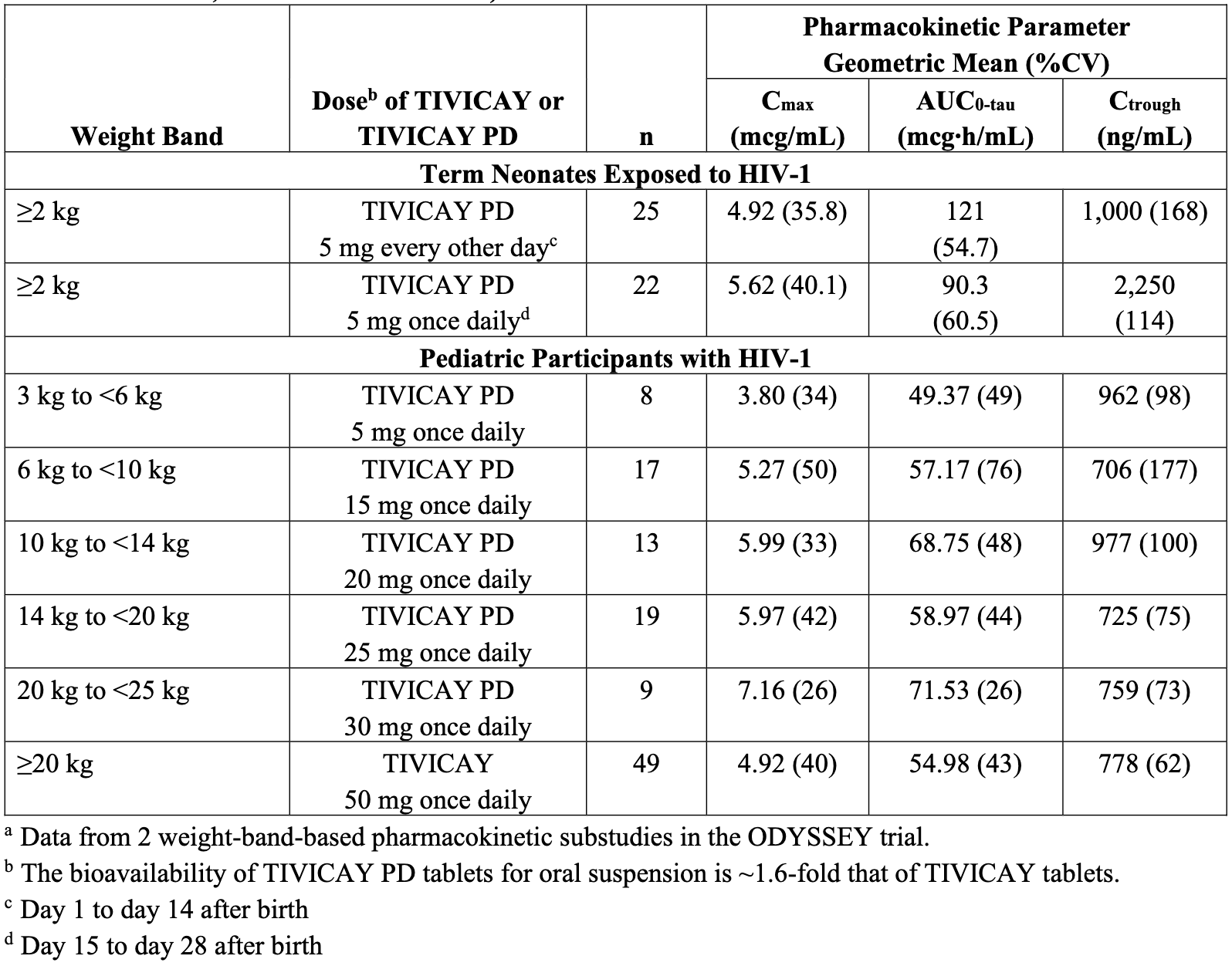
The FDA decision was backed by safety, efficacy, and pharmacokinetic data from the ongoing global IMPAACT P1093 and ODYSSEY (PENTA20) Phase 2/3 pediatric trials. Evaluated across diverse pediatric cohorts including neonates and young infants, dolutegravir-based regimens achieved high rates of sustained virologic suppression (HIV-1 RNA < 50 copies/mL) alongside favorable CD4 cell count gains. The trials demonstrated that weight-band-based dosing achieved therapeutic drug exposures comparable to those established in adults. Throughout the clinical studies, dolutegravir was well tolerated in young infants and children, exhibiting a safety profile consistent with older populations (primarily characterized by mild, manageable adverse events such as low-grade gastrointestinal symptoms).
Sources: ViiV Healthcare press release, updated Tivicay label
Jazz Pharma - Ziihera (anti-HER2 mAb) / Approved (1L HER2+ GEA)
On August 25, 2026, the U.S. FDA granted a landmark label expansion to Jazz Pharmaceuticals’ Ziihera (zanidatamab-hrii), approving two first-line regimens for adult patients with unresectable locally advanced or metastatic HER2-positive gastric, gastroesophageal junction (GEJ), or esophageal adenocarcinoma. As a novel bispecific antibody engineered to simultaneously bind two non-overlapping epitopes on the extracellular domain of the HER2 protein, Ziihera introduces a dual-action mechanism of action to frontline gastroesophageal cancer that triggers enhanced HER2 receptor internalization, blocks oncogenic signaling, and drives immune-mediated cytotoxicity.
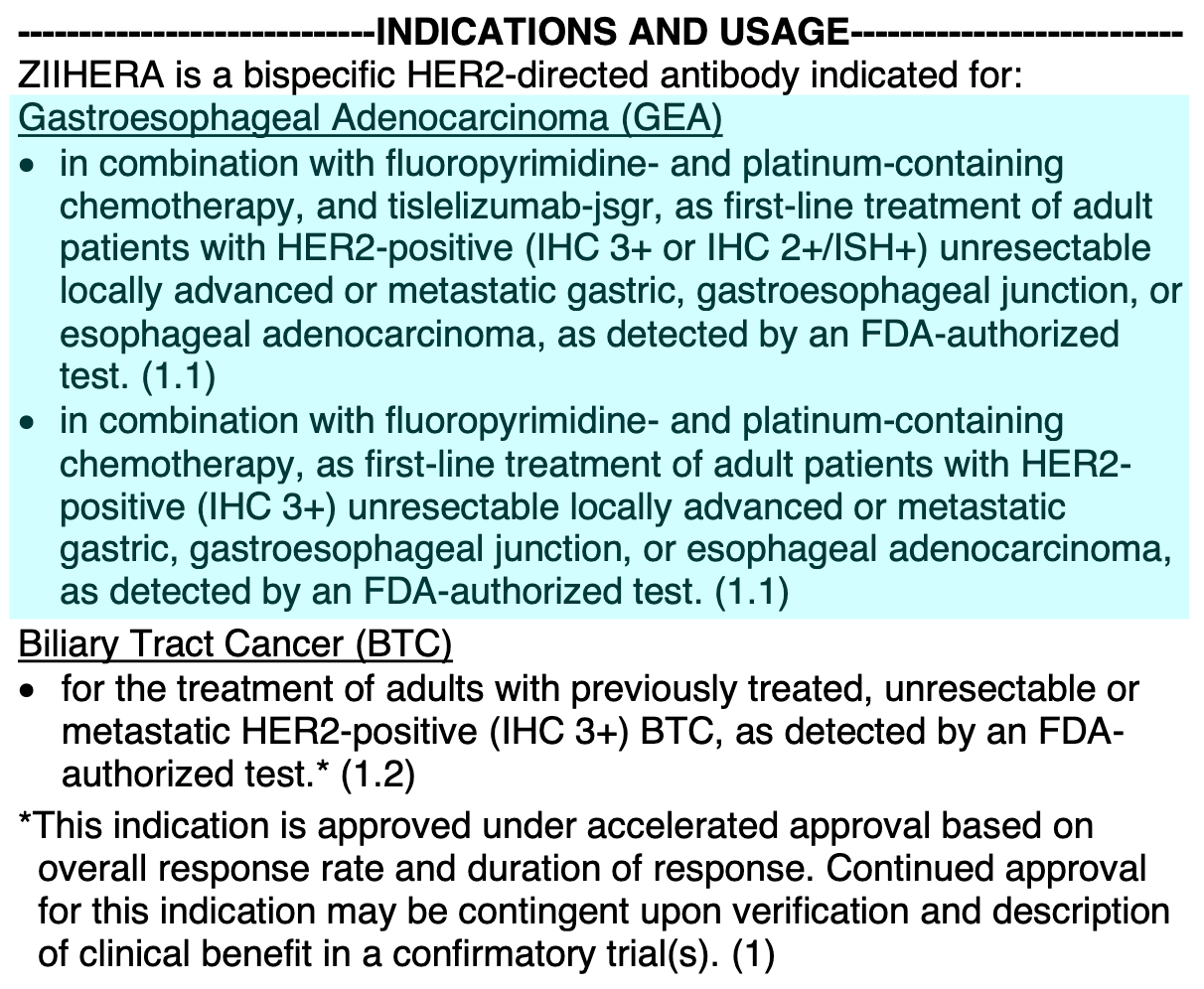
The regulatory clearance establishes two distinct treatment pathways based on HER2 overexpression and biomarker profiles:
Triplet Regimen: Ziihera combined with fluoropyrimidine- and platinum-containing chemotherapy plus BeOne Medicines’ PD-1 inhibitor Tevimbra (tislelizumab-jsgr) was approved for patients with tumors expressing strong (IHC 3+) or moderate (IHC 2+/ISH+) HER2 levels, regardless of PD-L1 expression.
Doublet Regimen: Ziihera combined with chemotherapy alone (without Tevimbra) was approved specifically for patients whose tumors demonstrate strong HER2 overexpression (IHC 3+).
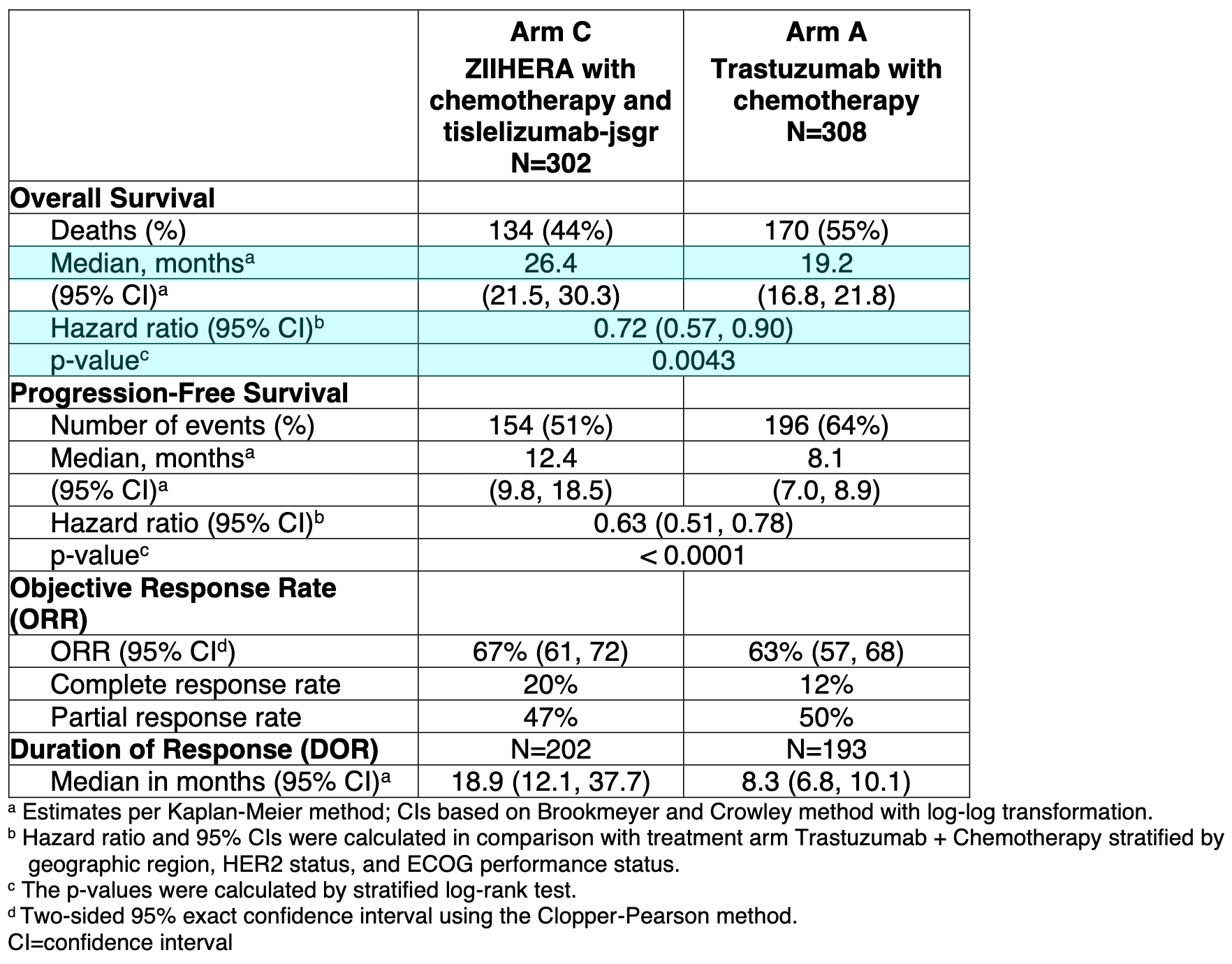
The approval was grounded in data from the global Phase 3 HERIZON-GEA-01 trial, which evaluated Ziihera-containing combinations directly against the historical standard-of-care backbone of Herceptin (trastuzumab) plus chemotherapy. In the triplet arm, adding Ziihera and Tevimbra to chemotherapy delivered unprecedented efficacy, extending median overall survival (OS) to 26.4 months compared to 19.2 months with trastuzumab plus chemotherapy, representing a statistically significant 28% reduction in the risk of death (HR = 0.72; p = 0.0043). The triplet regimen also nearly doubled median progression-free survival (PFS) to 12.4 months versus 8.1 months for standard care (HR = 0.63; p < 0.0001). For the doublet arm (Ziihera plus chemotherapy), efficacy was predominantly driven by patients with IHC 3+ expression, where median PFS reached 14.2 months compared to 7.6 months in the control group (HR=0.55). Ziihera carries a Boxed Warning for severe diarrhea (requiring mandatory loperamide prophylaxis during the first treatment cycle) and embryo-fetal toxicity. Combined with warnings for left ventricular ejection fraction declines and infusion-related reactions, the overall safety profile was consistent with prior studies, establishing Ziihera-based regimens as a transformative frontline standard of care in advanced HER2-positive gastroesophageal malignancies.
Sources: Jazz Pharma press release, Jazz Pharma slide deck, updated Ziihera label
J&J - Imaavy (FcRn inhibitor) / Approved (WAIHA)
On August 24, 2026, the U.S. FDA approved a major label expansion for Johnson & Johnson’s Imaavy (nipocalimab-aahu), clearing it for the treatment of warm autoimmune hemolytic anemia (wAIHA) in adults and pediatric patients 12 years of age and older who have been currently or previously treated with corticosteroids. The decision marks the second indication for Imaavy following its initial 2025 approval in generalized myasthenia gravis (gMG) and establishes it as the first and only FDA-approved therapy specifically indicated for wAIHA. As a high-affinity, immunoselective neonatal Fc receptor (FcRn) blocker, Imaavy selectively targets and lowers pathogenic circulating IgG autoantibodies responsible for the destruction of red blood cells, replacing the historical reliance on broad, non-specific immunosuppressants and chronic corticosteroids with a targeted, disease-modifying mechanism.

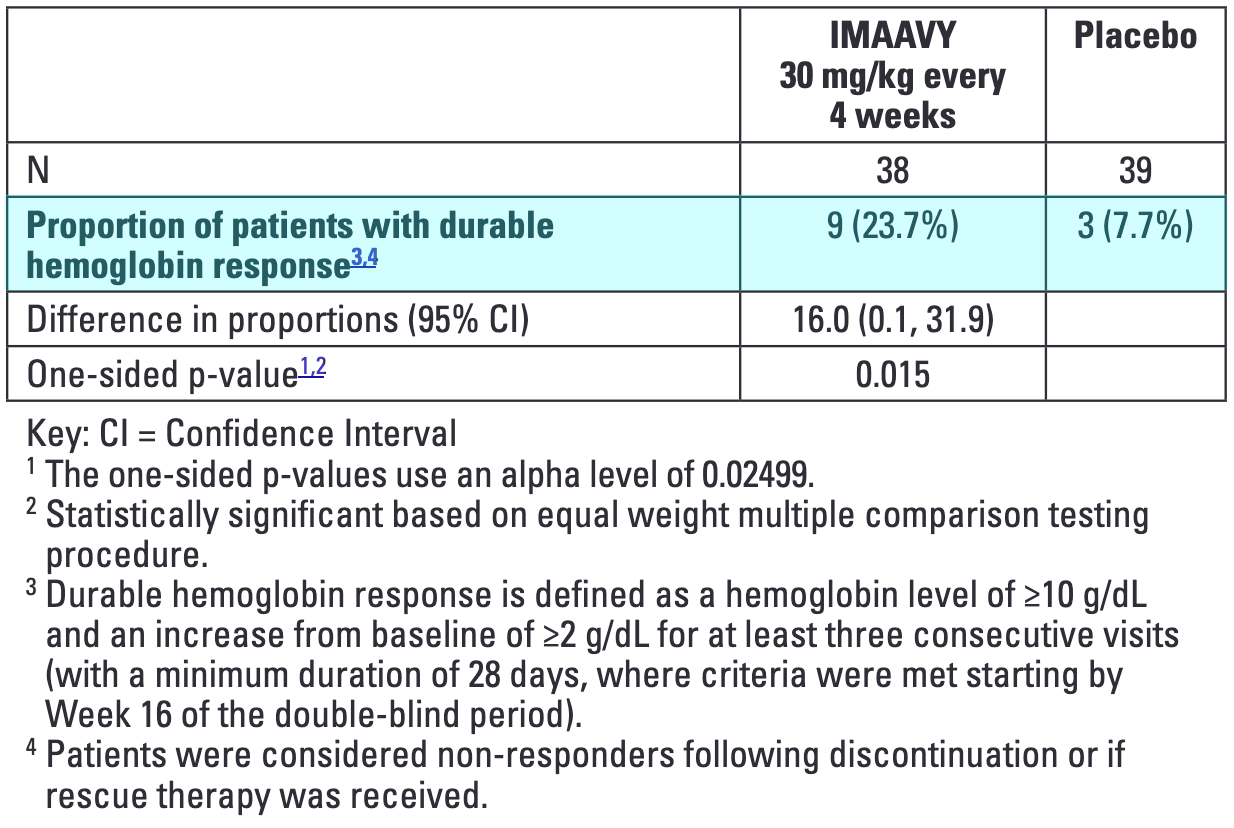
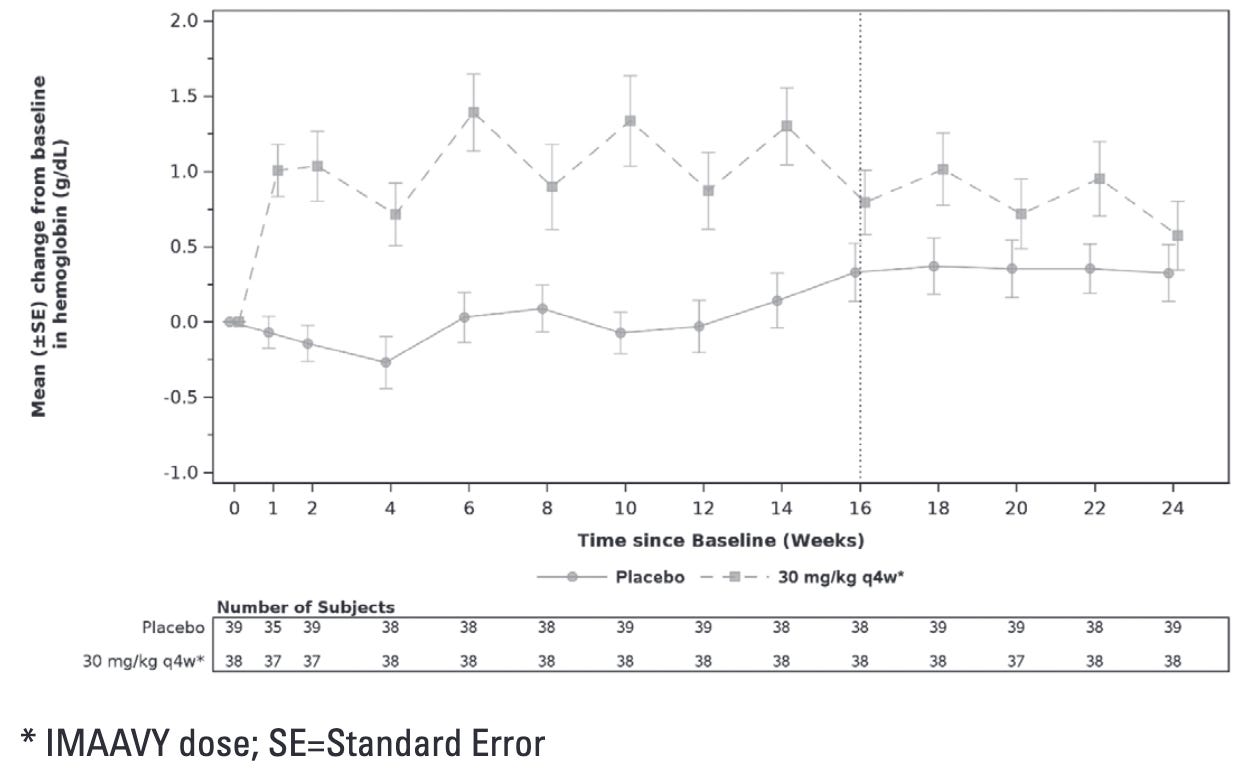
The approval was granted Priority Review and was backed by positive results from the pivotal Phase 2/3 ENERGY trial (NCT04119050), a randomized, double-blind, placebo-controlled study evaluating intravenous Imaavy (30 mg/kg every 4 weeks) in patients with wAIHA. The trial met its primary endpoint, with approximately three times as many patients in the Imaavy arm achieving a durable hemoglobin response by Week 24 compared to placebo (defined as maintaining a hemoglobin level ≥10 g/dL with a ≥2 g/dL increase from baseline for at least 28 days without rescue therapy). Imaavy demonstrated a rapid onset of action, driving a mean hemoglobin increase of 1 g/dL by Week 1 and achieving a median time to first response of 4.1 weeks (versus 12.1 weeks for placebo). Treatment also translated into meaningful quality-of-life benefits, significantly reducing disease-related exhaustion as measured by a 3.51-point higher mean FACIT-Fatigue score improvement over placebo at Week 24. Imaavy demonstrated a safety profile consistent with its established experience in gMG, with peripheral edema, diarrhea, and fever (pyrexia) representing the most common adverse events (≥ 10%), offering a long-awaited targeted standard of care for patients with wAIHA.
Sources: J&J press release, updated Imaavy label
GSK - Hibsago (HBV RNA ASO) / Approved (Hepatitis B)
On August 24, 2026, Japan’s Ministry of Health, Labour and Welfare (MHLW) granted the first global approval for GlaxoSmithKline’s (GSK) Hibsago (bepirovirsen), marking a paradigm shift as the first and only approved functional cure treatment for chronic hepatitis B (CHB). Originally developed in collaboration with Ionis Pharmaceuticals, Hibsago is an antisense oligonucleotide (ASO) designed to target and degrade viral HBV RNA transcripts. By blocking the synthesis of hepatitis B surface antigen (HBsAg) and other viral proteins while stimulating host immune clearance, Hibsago allows patients to achieve sustained immune control. Indicated for adult patients with CHB who have received at least six months of nucleos(t)ide analogue (NA) suppressive therapy and meet pre-defined viral load criteria, Hibsago offers a finite treatment option to potentially discontinue lifelong antiviral pills. While now approved in Japan, the therapy remains under active regulatory review by the U.S. FDA, with an anticipated decision date in October 2026.
The milestone Japanese approval was supported by robust pooled data from the global Phase 3 B-Well 1 (NCT05630807) and B-Well 2 (NCT05630820) trials, which evaluated 6 months of Hibsago in NA-treated adults with baseline HBsAg levels ≤ 3,000 IU/mL. In the overall intent-to-treat population, Hibsago achieved a statistically significant 19% functional cure rate (defined as sustained loss of HBsAg and undetectable HBV DNA for at least 24 weeks after stopping treatment) compared to 0% in the placebo control group (233/1,220 vs. 0/614; p<0.001). The clinical benefit was even more pronounced in a pre-specified secondary endpoint of patients with lower baseline viral antigen levels (≤ 1,000 IU/mL), a subgroup accounting for roughly 45% of global CHB cases, where Hibsago delivered a 26% functional cure rate (vs. 0% for placebo; p<0.001). Hibsago demonstrated an acceptable safety profile, with the most common adverse events limited to injection-site reactions (erythema, pain) and transient, self-limiting liver enzyme elevations, establishing ASO-mediated viral knockdown as a breakthrough path toward curing chronic hepatitis B.
Sources: GSK press release
Clinical Trial Data
NOTE TO READERS: A few datasets from then 2026 European Society of Cardiology (ESC) conference were released on the day of this publication (August 26, 2026). I will be covering key ESC 2026 data in its own dedicated article after the conference has ended. Subscribe so you don’t miss it!
Generate Bio - GB-0895 (anti-TSLP mAb) / Phase 1 (COPD)
Generate Biomedicines furnished the full data via an 8-K filing on August 25, 2026, after draft scientific posters submitted for the upcoming European Respiratory Society (ERS) Congress 2026 (September 5-9, 2026) were inadvertently published early on the conference portal.
Chronic obstructive pulmonary disease (COPD) is a progressive respiratory condition marked by persistent airflow obstruction and airway inflammation, where standard management relies on inhaled bronchodilator doublets (LAMA/LABA), inhaled corticosteroids (ICS) for eosinophilic phenotypes (≥300 cells/μL), and targeted biologics for refractory disease. As a novel therapeutic approach, GB-0895 is a next-generation human monoclonal antibody engineered to neutralize thymic stromal lymphopoietin (TSLP), an upstream epithelial cytokine that triggers the downstream inflammatory cascade in both asthma and COPD. By pairing an enhanced binding domain featuring an approximately 20-fold higher affinity for TSLP compared to tezepelumab with YTE Fc modifications that extend circulating half-life, GB-0895 aims to deliver sustained, potent disease modification with an extended dosing interval for COPD patients.
In the Phase 1 GB-0895-101 trial evaluating subcutaneous doses up to 1200 mg across asthma (Parts A/B) and dedicated COPD cohorts (Part C), Generate Biomedicines’ anti-TSLP antibody GB-0895 demonstrated dose-proportional pharmacokinetics with a extended ~98-day half-life and an acceptable safety profile characterized by low-grade TEAEs and no treatment-related SAEs. A single 300 mg dose achieved maximal, durable suppression of key Type 2 inflammatory biomarkers (BEC, FeNO, IL-5, and IL-13) for 6 to 12 months with no incremental pharmacodynamic benefit at higher doses, providing preliminary Phase 1 evidence of biological activity. Crucially, these findings support a twice-yearly (Q6M) subcutaneous dosing regimen, positioning GB-0895 with a strong competitive convenience advantage over existing monthly biologics such as Tezspire.
Generate Biomedicines is currently enrolling patients in two global, randomized, double-blind Phase 3 trials (SOLAIRIA-1 and SOLAIRIA-2)evaluating GB-0895 as an adjunctive treatment in adults and adolescents with severe uncontrolled asthma. Official presentation of the final posters will occur at the ERS Congress 2026 (September 5–9, 2026).
Sources: Generate Bio 8-K filing
Descriptive data releases without numerical data
Amgen - Tezspire (TSLP inhibitor) / Phase 3 (EoE): In a Phase 3 trial evaluating AstraZeneca and Amgen’s Tezspire (tezepelumab) in patients with eosinophilic esophagitis (EoE), the anti-TSLP monoclonal antibody successfully met both co-primary endpoints, demonstrating statistically significant improvements in achieving histologic remission (≤6 peak esophageal intraepithelial eosinophils/HPF) and reducing dysphagia symptoms as measured by the Dysphagia Symptom Questionnaire (DSQ) compared to placebo. Detailed efficacy and safety data from the pivotal study will be presented at an upcoming medical conference, expanding Tezspire’s potential clinical utility as an upstream TSLP inhibitor beyond severe asthma into chronic gastrointestinal inflammatory diseases. Sources: Amgen press release
Love biotech? Check out Biotech Readout’s full content library, or navigate directly to a segment that interests you:
Frontiers in Medicine: Exploring the frontiers of our understanding and treatments for disease.
Medical History: Recovering forgotten relics in the history of medicine.
Acquisitions: Exploring the innovation behind acquired companies.
Weekly Readout: A digest of new clinical data from the past week.

To contact us, please send us an email at biotechreadout@gmail.com
Disclaimers
Investigational Status Disclaimer
The therapeutic candidates discussed in this newsletter are currently in clinical development and have not been approved for commercial sale by the U.S. Food and Drug Administration (FDA), the European Medicines Agency (EMA), or other global regulatory authorities. Their safety and efficacy have not been established. References to pipeline products and ongoing clinical trials involve significant risks and uncertainties. Statements regarding the potential safety, potency, or efficacy of investigational drugs reflect current hypotheses and are not a guarantee of future performance or regulatory clearance. The outcome of clinical trials is inherently unpredictable, and clinical results from earlier stages may not be predictive of results in later, larger-scale trials.
No Medical Advice Disclaimer
This newsletter is for informational and educational purposes only. The content is not intended to be a substitute for professional medical advice, diagnosis, or treatment. Always seek the advice of your physician or another qualified health provider with any questions you may have regarding a medical condition. Never disregard professional medical advice or delay in seeking it because of something you have read in this publication.
No Patient-Provider Relationship Disclaimer
The information provided in this newsletter is for educational and analytical purposes only. Receipt of this information, or any interaction with this content, does not create a physician-patient, pharmacist-patient, or any other professional-provider relationship between you and the authors or publishers. This newsletter should not be used as a substitute for a personal consultation with a qualified healthcare professional.
Forward-Looking Statements Disclaimer
This newsletter contains “forward-looking statements” regarding future events, including clinical trial timing, regulatory milestones, and projected market performance. These statements are based on current expectations and assumptions that are subject to significant risks and uncertainties. Actual results may differ materially from those expressed or implied. We undertake no obligation to update these statements as a result of new information or future developments.
Third-Party Links & Content Disclaimer
This newsletter contains links to third-party websites, including clinical trial registries and corporate presentations. Biotech Readout does not endorse, guarantee, or assume responsibility for the accuracy or reliability of any information offered by third-party providers.
Errors and Omissions Disclaimer
While we strive for technical accuracy, the information in this newsletter is provided on an “as is” basis with no guarantees of completeness, accuracy, or timeliness. Biotech Readout assumes no liability for any errors or omissions in the content of this publication.
Non-Endorsement Disclaimer
Any reference to specific commercial products, processes, or services by trade name, trademark, or manufacturer does not constitute or imply an endorsement or recommendation by the author. All trademarks are the property of their respective owners.
No Investment Advice Disclaimer
This newsletter is for informational purposes only and does not constitute financial, investment, or legal advice. The author is not a registered investment advisor. You should consult with a professional financial advisor before making any investment decisions. The biotechnology sector is highly volatile; past performance is not indicative of future results.
Conflict of Interest Disclaimer
The author of this newsletter maintains a position of independence. At the time of publication, the author holds no direct financial interest, equity, or options in any of the companies mentioned in this report. No compensation has been received from any third party to feature or analyze specific therapeutic candidates or corporate entities.