

Disclaimer: This newsletter is for educational and informational purposes only and does not constitute medical, investment, or financial advice, nor does it establish a provider-patient relationship. Content may include forward-looking statements and discussions of investigational therapeutic candidates that are not FDA/EMA approved; their safety and efficacy remain unestablished and clinical outcomes are unpredictable. While we strive for accuracy, all information is provided as is without guarantees. As of the date of publication, the author holds a beneficial ownership position in BridgeBio Pharma, Inc. (NASDAQ: BBIO) and holds no other direct equity positions in the specific companies mentioned in this issue, nor receives third-party compensation for this coverage. Positions may change at any time without notice, and the author undertakes no obligation to update disclosures. Figures or charts from copyrighted journals or company decks are reproduced for educational/fair use purposes only. Image copyright remains with the publisher/authors. Please find a complete version of our disclaimers linked here.

Press ⬇️ to go down to a section and ⬆️ to go back up to the Table of Contents
Table of Contents
The European Society of Cardiology (ESC) Congress 2026 took place on August 28-31, 2026 in Munich, Germany. In this article, we discuss the following high-impact datasets:
Dueling Datasets in ATTR-CM
Silent Atherosclerosis
Severe Hypertriglyceridemia
Heart Failure
Other notable datasets
Dueling Datasets in ATTR-CM
Transthyretin amyloid cardiomyopathy (ATTR-CM) is a fatal infiltrative heart disease where dissociation of hepatic transthyretin (TTR) tetramers into misfolded monomers leads to myocardial amyloid deposition, progressive ventricular thickening, restrictive cardiomyopathy, and heart failure. Standard management pairs loop diuretics with first-line disease-modifying TTR stabilizers (e.g., tafamidis, acoramidis) or RNA silencers (e.g., vutrisiran, eplontersen) to prevent ongoing fibril accumulation. This ESC 2026 ignited a fierce debate about whether silencers provide additional benefit when added on top of a stabilizer.
AstraZeneca & Ionis - Eplontersen (TTR ASO silencer) / Phase 3 (ATTR-CM)
Alnylam - Amvuttra (TTR RNAi silencer) / Phase 3 (ATTR-CM)
At the ESC Congress 2026, AstraZeneca and Ionis presented full results from the Phase 3 CARDIO-TTRansform trial and simultaneously published detailed results in The New England Journal of Medicine, offering critical context following the surprise announcement of the study’s primary endpoint failure in July 2026. Delivered as a ligand-Conjugated Antisense Oligonucleotide (LFA/GalNAc-ASO), eplontersen binds hepatic TTR mRNA to trigger RNase H1-mediated degradation, shutting down the liver’s synthesis and secretion of both wild-type and mutant TTR proteins to prevent toxic cardiac fibril deposition.
The Phase 3 CARDIO-TTRansform trial, the largest study in ATTR-CM to date with 1,432 patients, failed to meet its primary composite endpoint of CV mortality and recurrent CV events (Rate Ratio 0.89, p=0.277), despite achieving robust 140-week TTR protein knockdown and maintaining a favorable, consistent safety profile. While subgroup analyses validated silencer monotherapy by demonstrating a nominally significant reduction in primary CV events among treatment-naïve patients, eplontersen offered no incremental clinical benefit over placebo in patients taking background TTR stabilizers.
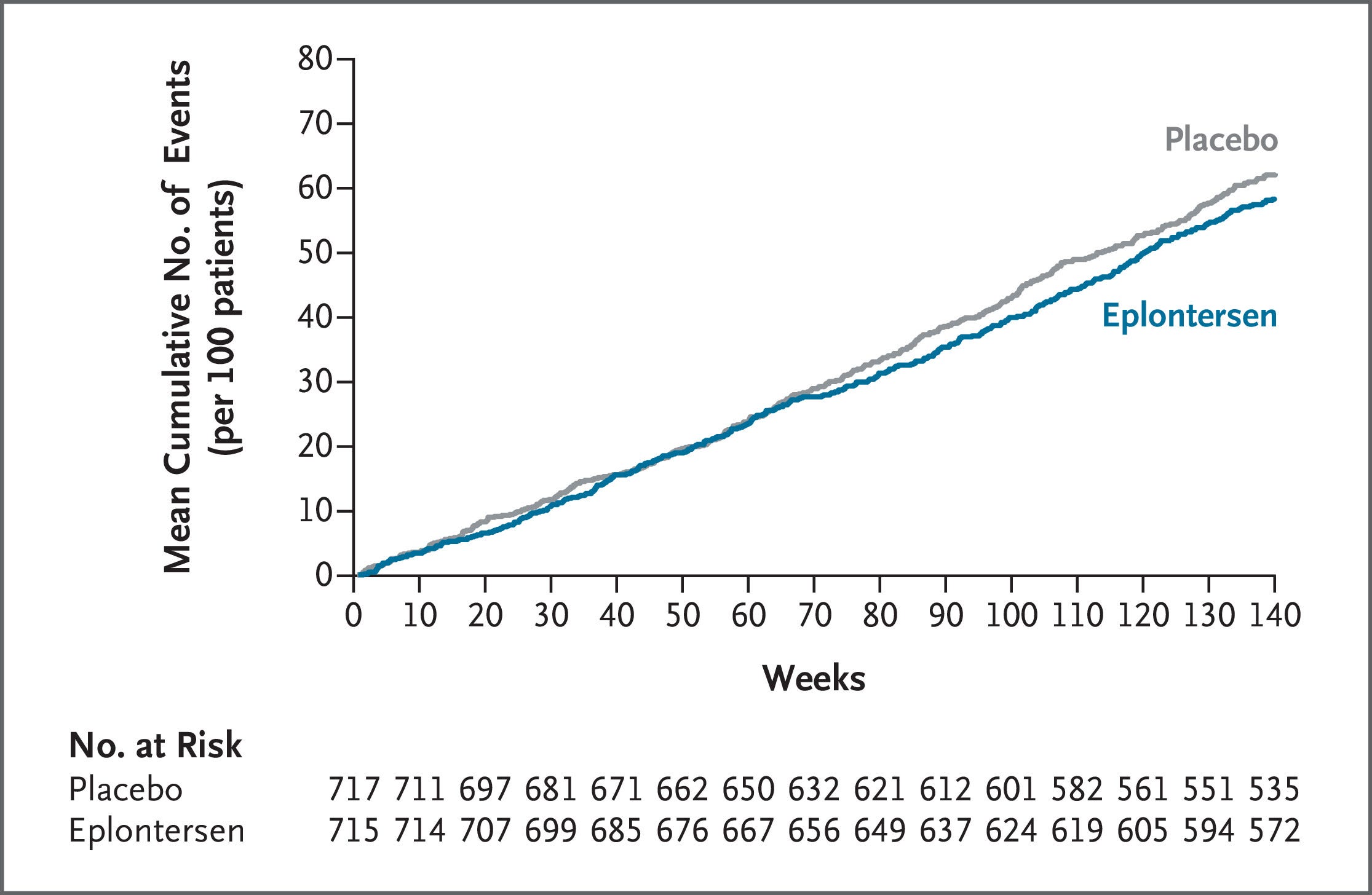
In a NEJM Voices perspective piece, Dr. Michelle Kittleson examined the CARDIO-TTRansform Phase 3 trial of eplontersen to explain why its primary endpoint failure provided crucial clinical insights regarding combination therapy in transthyretin amyloid cardiomyopathy (ATTR-CM). Since the vast majority of control group participants received an active stabilizer, the placebo arm functioned as an active-control comparison testing combination silencer-plus-stabilizer therapy against stabilizer monotherapy. Dr. Kittleson’s read of the clinical data was that adding a TTR silencer provides no incremental clinical benefit once amyloid formation has already been suppressed through TTR stabilization. She expects payers to limit or deny insurance coverage for expensive dual-therapy regimens (hundreds of thousands of dollars annually) based on these results. Lastly, Dr. Kittleson recommends that clinicians should use these findings to counsel patients that combination therapy is unsupported by evidence, while honoring patient preferences and avoiding unnecessary financial or medical harm.
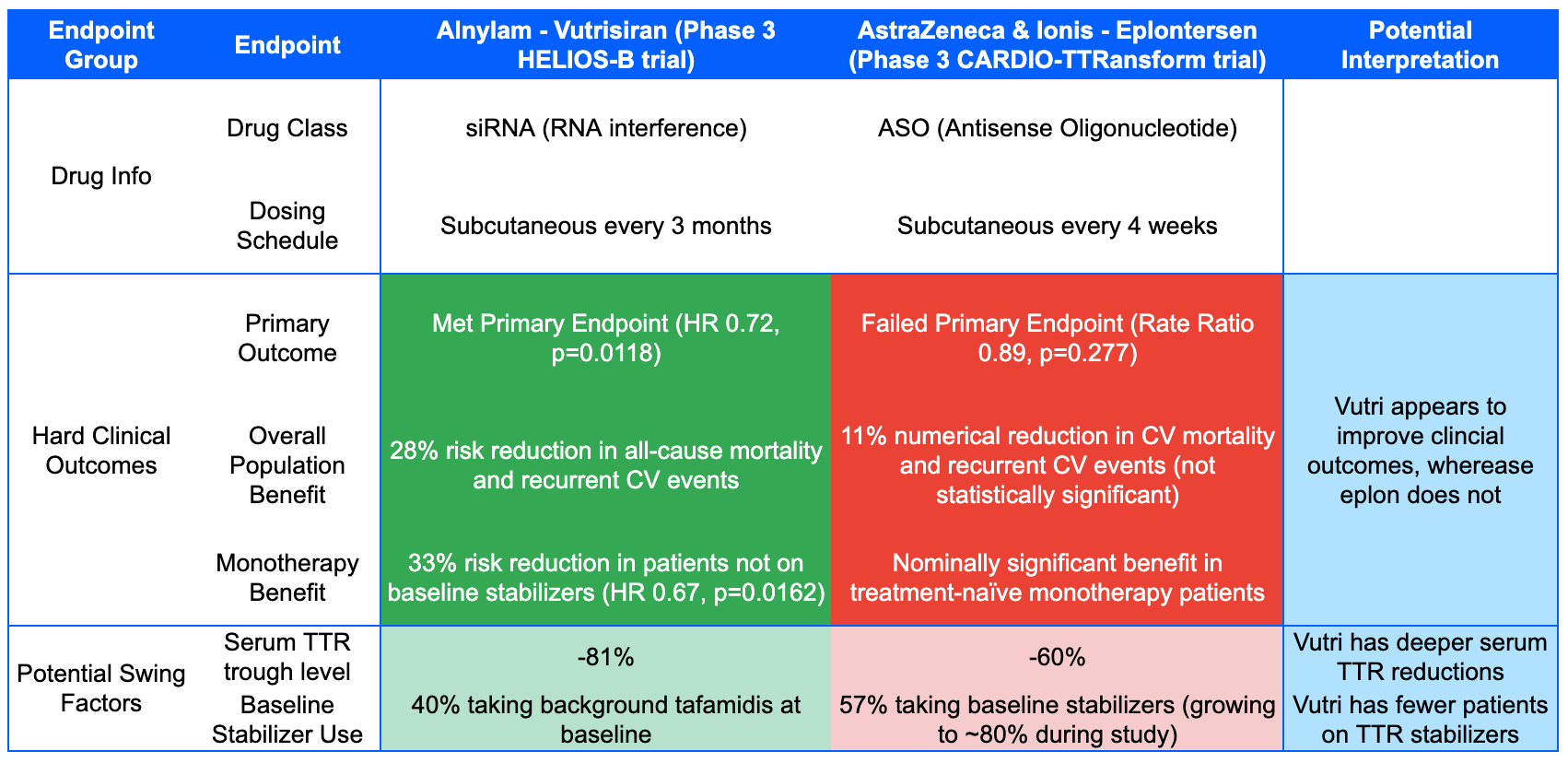
So, is it really that simple? Silencers don’t add any benefit when added to stablizers? The Phase 3 HELIOS-B trial of Alnylam’s FDA-approved Amvuttra (vutrisiran, an siRNA administered subcutaneously every 3 months) successfully met its primary outcome with a hazard ratio of 0.72 (p=0.0118) back in 2024, demonstrating a 28% risk reduction in all-cause mortality and recurrent cardiovascular events across the overall population. Additionally, Amvuttra achieved a 33% risk reduction in treatment-naïve patients not on baseline stabilizers (HR 0.67, p=0.0162). In contrast, AstraZeneca and Ionis’s eplontersen (an ASO administered subcutaneously every 4 weeks) failed its primary endpoint in the CARDIO-TTRansform trial with a rate ratio of 0.89 (p=0.277), showing only an 11% non-statistically significant numerical reduction in CV mortality and recurrent CV events overall, despite achieving a nominally significant benefit in treatment-naïve monotherapy patients. Overall, these hard clinical outcomes indicate that Amvuttra improves clinical outcomes in ATTR-CM, whereas eplontersen does not. Two key swing factors help explain this divergence:
Pharmacodynamic depth: Amvuttra achieves a deeper serum TTR trough reduction of -81% compared to -60% for eplontersen.
Confounding effect of baseline stabilizer use: Eplontersen faced significantly higher competition from background standard of care. Only 40% of HELIOS-B participants were taking background tafamidis at baseline, whereas 57% of CARDIO-TTRansform participants were taking baseline stabilizers (a figure that grew to ~80% during the study), creating a high stabilizer ceiling that eroded eplontersen’s ability to demonstrate incremental benefit.
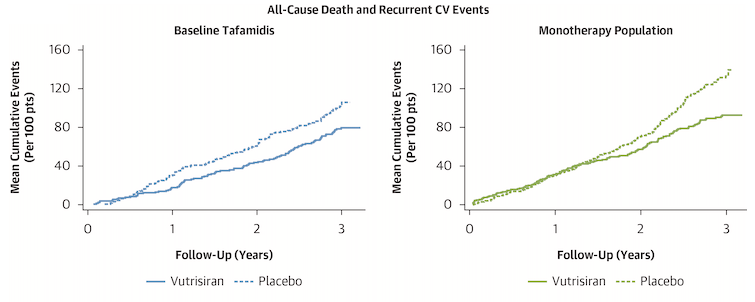
So, which effect is a stronger driver of clinical outcomes: deeper TTR knockdown, or background stabilizer use? A post-hoc subgroup analysis of the Phase 3 HELIOS-B trial published in JACC and presented at ESC 2026 as part of the Late-Breaking Clinical Science session suggests that Amvuttra’s deeper TTR knockdown was stronger than the dilutive effect from background stabilizers. In patients who were not taking tafamidis at baseline, Amvuttra reduced event rates by 33% compared to placebo (RR: 0.67; All-Cause Mortality & Recurrent CV Events up to 36 months). While the benefit fell from 33% to 21% in the tafamidis experienced population (Rate Ratio [RR]: 0.79; 95% CI: 0.51–1.21), the P for interaction was 0.55, suggesting consistent treatment direction driven by Amvuttra. In plain English, the trial was not powered specifically to establish definitive superiority of combination therapy in the subgroup, but the statistical failure to reject homogeneity across strata supports the conclusion that Amvuttra-mediated TTR knockdown provides clinical benefit irrespective of baseline stabilizer status. Is this enough to gain patient, physician, and payer trust? Only time will tell.
Sources: Fontana et al., NEJM (2026) [eplontersen Phase 3], Fontana et al., NEJM (2024) [Amvuttra Phase 3], NEJM Voices perspective, Hamatani et al., JACC (2026) [Amvuttra Phase 3 subgroup analysis]
BridgeBio - Attruby (TTR stabilizer) / Phase 3 OLE (ATTR-CM)
At the European Society of Cardiology (ESC) Congress 2026, BridgeBio presented long-term post-hoc data from the Phase 3 ATTRibute-CM open-label extension (OLE) evaluating Attruby (acoramidis) in variant transthyretin amyloid cardiomyopathy (ATTRv-CM). These findings were simultaneously published in the European Journal of Heart Failure. Attruby (acoramidis) is an oral TTR stabilizer formulated to achieve near-complete (≥90%) tetramer stabilization. By stabilizing circulating TTR tetramers, acoramidis prevents their dissociation into amyloidogenic monomers, suppressing tissue deposition, preserving serum TTR (sTTR) levels, and attenuating progressive cardiac damage.
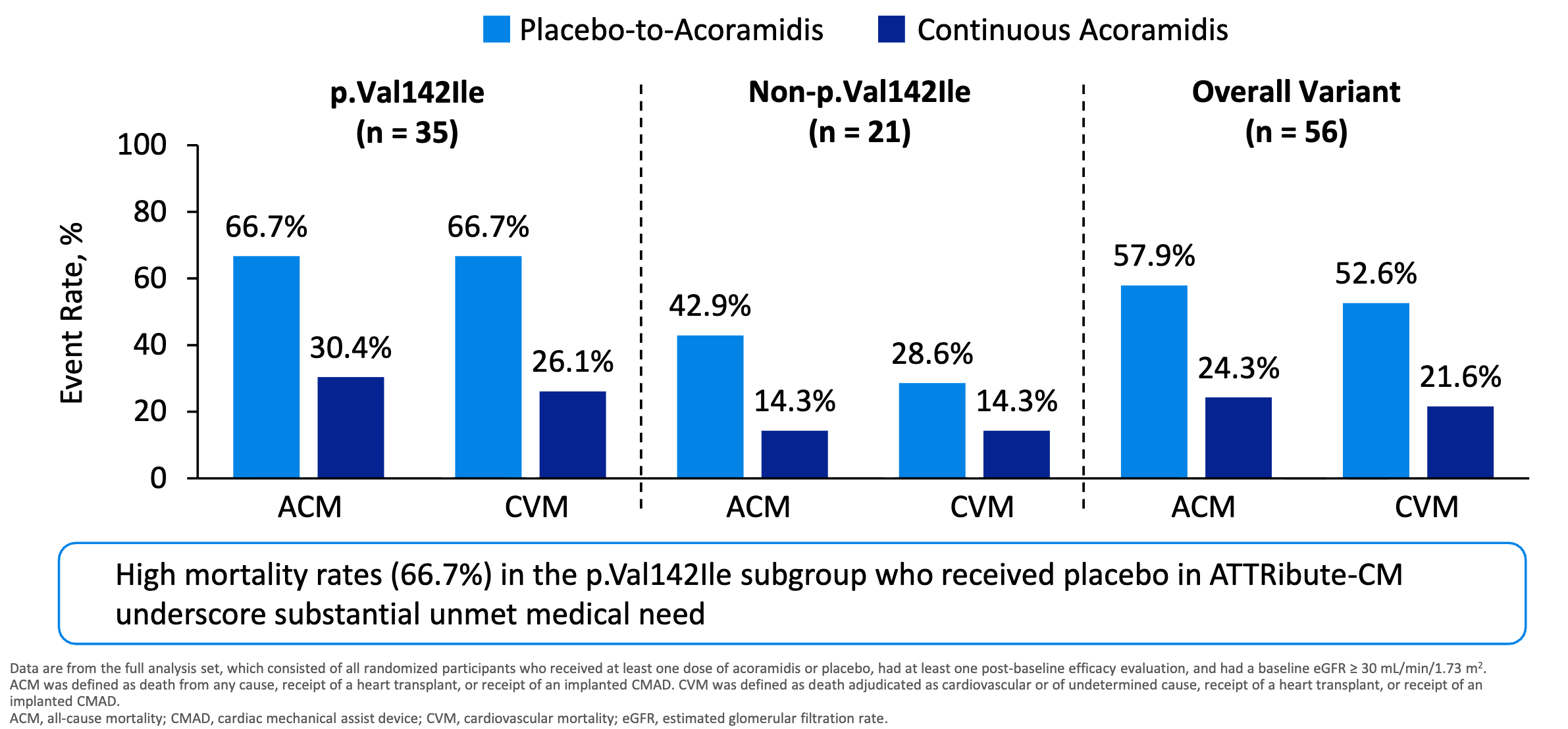
In a post-hoc analysis of the Phase 3 ATTRibute-CM trial and its 24-month open-label extension (OLE) evaluating acoramidis 800 mg BID over 54 months total in 56 variant ATTR-CM (ATTRv-CM) patients, continuous acoramidis demonstrated dramatic long-term clinical benefits compared to delayed placebo-to-acoramidis treatment. Continuous acoramidis therapy yielded marked reductions in both all-cause mortality (24.3% vs. 57.9%) and cardiovascular mortality (21.6% vs. 52.6%), with pronounced protection retained across both the high-risk p.Val142Ile (all-cause mortality 30.4% vs. 66.7%) and non-p.Val142Ile (all-cause mortality 14.3% vs. 42.9%) cohorts, alongside only three total mortality events occurring during the OLE period. Beyond survival, continuous treatment delivered rapid and sustained serum TTR increases (+14.4 mg/dL in p.Val142Ile), stabilized cardiac biomarkers (NT-proBNP median increases of 7-40% vs. historic ~4-fold progression), preserved quality-of-life scores (KCCQ-OS of 69.67 to 79.29), and maintained a favorable safety profile with no new signals. Ultimately, these post-hoc exploratory data suggest that near-complete TTR stabilization may attenuate the progression of variant ATTR-CM, highlighting a 50% to 67% relative risk reduction that reinforces the urgent clinical necessity of early genetic screening and immediate, uninterrupted therapy across all patient demographics.
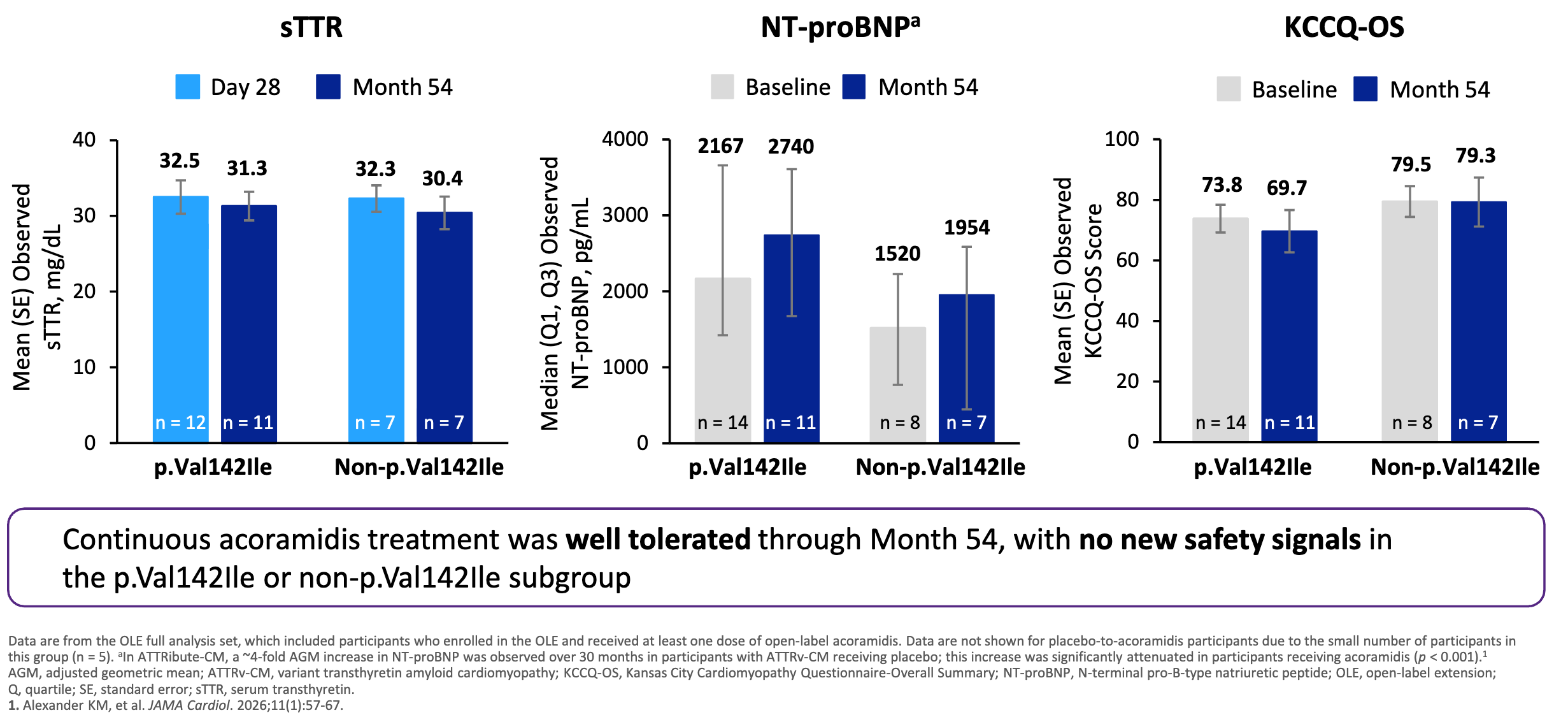
BridgeBio plans to conduct prospective real-world registry tracking and larger clinical studies to further validate long-term functional and mortality benefits across rare TTR variant subgroups. The company also plans to expand clinical implementation of Attruby as an established disease-modifying oral standard of care for both wild-type and variant ATTR-CM populations.
Sources: BridgeBio press release, BridgeBio ESC 2026 slide deck, Ruberg et al., European Journal of Heart Failure (2026)
Silent Atherosclerosis
Prevalence of Silent Atherosclerosis across Adult Life
Cardiovascular disease remains a primary cause of global morbidity and mortality, driven largely by the gradual, silent progression of atherosclerosis. Traditional primary prevention relies heavily on calculating 10-year risk scores and identifying modifiable risk factor thresholds (e.g., blood pressure, lipids) rather than directly visualizing early disease burden. Since atherosclerosis often develops decades before clinical manifestations like heart attacks or strokes occur, the authors of the REACT trial sought to map the age- and sex-specific prevalence, vascular territory distribution, and plaque volume across adult life. The REACT Initiative conducted a prospective cross-sectional cohort study across Denmark and Spain, enrolling 16,808 adults aged 18 to 70 without known clinical atherosclerotic cardiovascular disease. Participants were systematically stratified across five age groups with balanced numbers of men and women. To assess systemic plaque burden, participants underwent standardized multimodal imaging consisting of:
3D Vascular Ultrasonography: Evaluating bilateral carotid and femoral arteries.
Coronary CT Angiography & Non-Contrast CT: Evaluating coronary plaque volume, stenosis, and coronary artery calcium (CAC) scores.
Primary analysis was conducted on 13,186 participants with complete three-territory imaging datasets. Silent atherosclerosis was present even in the youngest age stratum (18–29 years), affecting 8.7% of men and 6.7% of women. By age 60-70, presence of plaque was nearly ubiquitous (98.1% in men, 91.9% in women). Men exhibited an earlier rise in plaque prevalence starting in their 30s, followed by a midlife plateau. Women demonstrated a later, steeper rise after age 40 (overlapping with the menopausal transition), which narrowed the sex gap in older age groups. Among younger cohorts, plaque was predominantly peripheral and restricted to a single territory (most commonly the carotids). Isolated coronary disease was rare (≤ 9.3% in men, ≤ 5% in women across all age groups). Multiterritorial involvement increased dramatically with age, with 56.3% of men and 30.7% of women aged 60-70 showing plaque in all three examined territories.
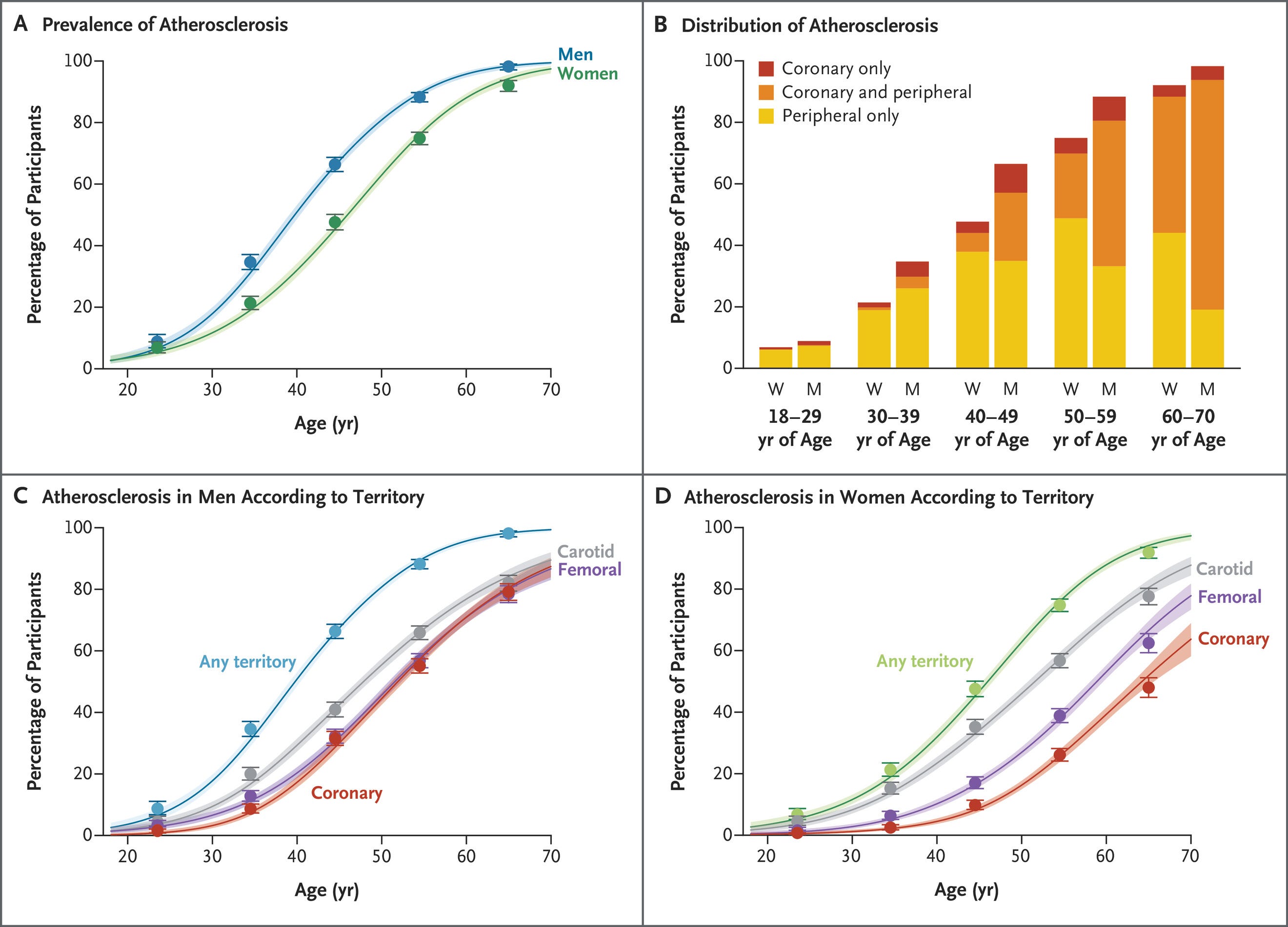
The REACT study demonstrates that silent atherosclerosis is a progressive, systemic disease process that begins in early adulthood. Since standard risk-prediction tools fail to identify a majority of young and middle-aged individuals carrying silent plaque, incorporating direct arterial imaging into early primary prevention strategies may enhance cardiovascular risk stratification long before clinical events take place.
Ok. That’s a lot to take in. I wish they ran a clinical trial to see if cheap, generic statins (< $6 for a 3-month supply on Cost Plus Drugs) prevents heart attack & stroke in people with silent atherosclerosis.
Oh wait, they did run that trial. Up next, that trial.
Sources: Bundgaard et al., NEJM (2026)
Monash University - Atorvastatin (HMG-CoA reductase inhibitor) / Phase 4 (ASCVD)
The STAREE (STAtin therapy for Reducing Events in the Elderly) trial was sponsored by Monash University in Australia. Pfizer did not sponsor the trial; it was explicitly funded via public health research grants, primarily from Australia’s National Health and Medical Research Council (NHMRC) and the Heart Foundation of Australia, to prevent pharmaceutical industry bias in assessing primary statin prevention. Atorvastatin works as a competitive inhibitor of 3-hydroxy-3-methylglutaryl-coenzyme A (HMG-CoA) reductase, suppressing hepatic cholesterol synthesis and up-regulating LDL receptors to enhance blood LDL-C clearance. While atorvastatin is marketed as Lipitor by Pfizer for LDL cholesterol reduction and cardiovascular protection, the STAREE trial evaluated atorvastatin in a population that falls outside FDA-approved primary prevention criteria. The trial evaluated off-label use in an elderly population outside current FDA-approved primary prevention labels. Major clinical guidelines (including ACC/AHA and USPSTF) have long held equivocal or “insufficient evidence” recommendations regarding initiating statin therapy in adults aged 75 and older without established ASCVD or diabetes. STAREE was designed as an investigator-initiated trial specifically to establish whether primary prevention in this healthy elderly cohort could be clinically justified.
The Phase 4 STAREE trial (NCT02099123) evaluated daily atorvastatin 40 mg versus placebo over a median 5.9-year follow-up in 9,971 Australian adults aged ≥70 years without baseline cardiovascular disease, diabetes, or dementia. Atorvastatin achieved a significant 30% relative risk reduction in major cardiovascular events compared to placebo (10.9 vs. 15.5 per 1,000 person-years; HR 0.70, 95% CI 0.61–0.82, p<0.001), primarily driven by reductions in nonfatal heart attacks and revascularizations. However, active treatment failed to improve the co-primary endpoint of disability-free survival (21.6 vs. 23.0 per 1,000 person-years; HR 0.94, 95% CI 0.84-1.05, p=0.25), largely because roughly 80% of functional events and deaths in this non-diabetic elderly cohort stemmed from non-cardiovascular causes. Serious adverse event rates were identical between groups at 2.7%, though atorvastatin showed minor numerical increases in musculoskeletal, hepatobiliary, and new-onset diabetes events alongside a 44% five-year treatment discontinuation rate. Ultimately, while STAREE confirms statins mitigate vascular risk in healthy older adults, the lack of impact on overall mortality or functional independence highlights the need for shared clinician-patient decision-making.
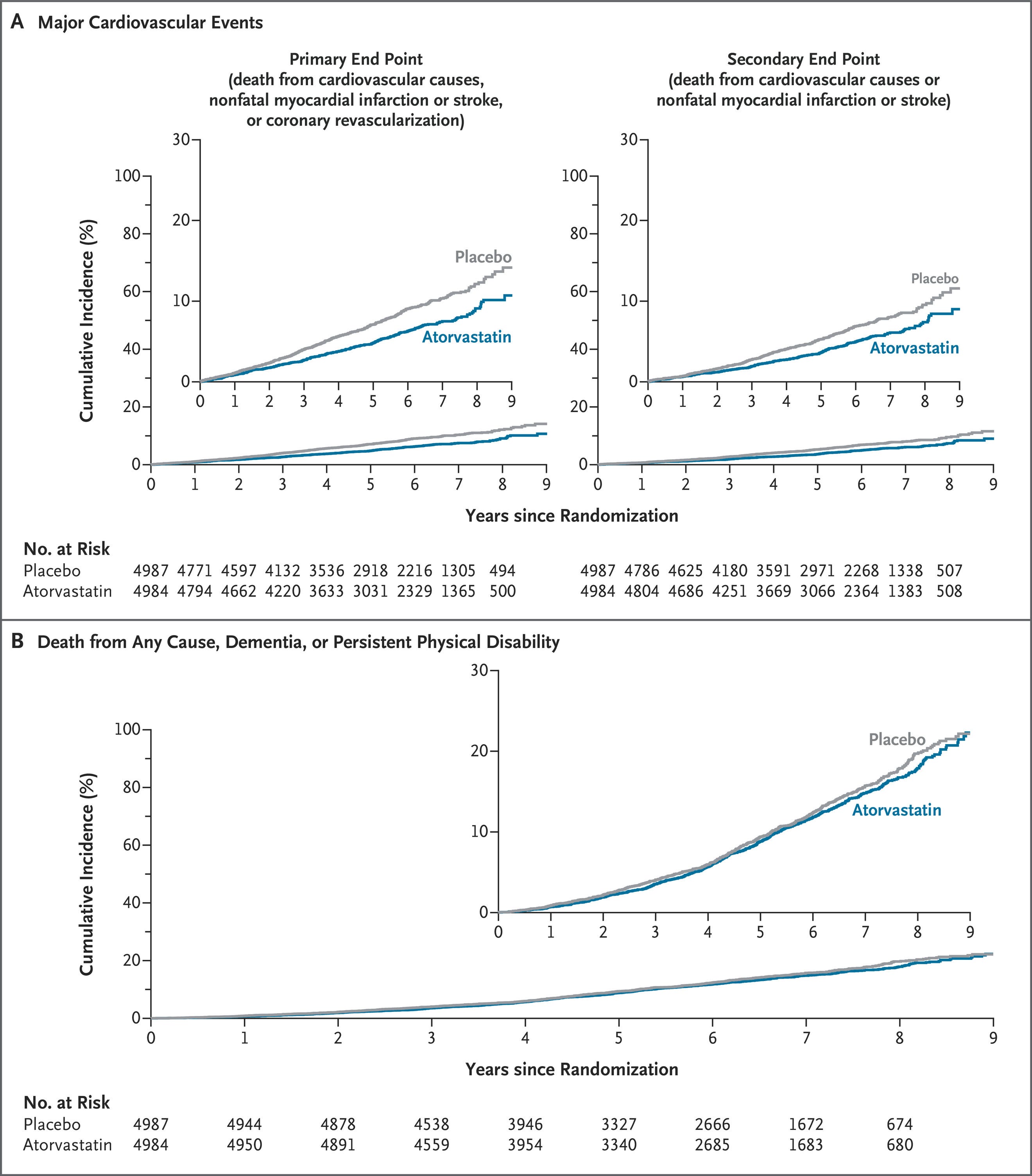
Real-world translation will require regulatory review and strategies to improve long-term adherence. In STAREE, drug discontinuation reached about 44% at 5 years in the active arm, driven predominantly by patient unwillingness to take the drug rather than overt toxicities. Clinicians must weigh the clear reduction in nonfatal cardiac events against individual goals regarding overall functional longevity. Industry experts expect major cardiology and geriatrics bodies (AHA/ACC, ESC, USPSTF) to examine primary prevention guidelines with regards to statin initiation in adults ≥70 years based on explicit vascular benefits, but revisions are uncertain.
Sources: Zoungas et al., NEJM (2026)
Severe Hypertriglyceridemia
Severe hypertriglyceridemia (sHTG), defined as fasting triglycerides ≥500 mg/dL, results from impaired clearance or overproduction of triglyceride-rich lipoproteins due to genetic defects (e.g., LPL, APOC2) or secondary triggers, placing patients at high risk for acute pancreatitis (AP) as excess lipids are cleaved into toxic free fatty acids within the pancreatic microvasculature. Current management focuses on acute pancreatitis prevention via strict dietary fat restriction (<15-20% of calories), lifestyle modifications, fibrates, prescription omega-3s, and targeted RNA therapies for severe monogenic subsets. ESC 2026 prominently featured two different genetic approaches to sHTG.
CRISPR Therapeutics - CTX310 (in vivo ANGPTL3 KO) / Phase 1a (sHTG)
CRISPR Therapeutics presented one-year Phase 1a durability data for CTX310 (an in vivo LNP-delivered CRISPR-Cas9 therapy targeting ANGPTL3) at the ESC Congress 2026, accompanied by simultaneous publication in The New England Journal of Medicine. CTX310 offers a potentially transformative treatment strategy for patients with sHTG. Delivered intravenously via lipid nanoparticles, CTX310 is an in vivo CRISPR-Cas9 gene-editing therapy that selectively induces double-strand breaks in hepatocyte ANGPTL3, permanently disrupting the gene to mimic protective loss-of-function mutations. CTX310 is designed to achieve long-term reductions in both triglycerides and LDL cholesterol based on initial 1-year data.
In a Phase 1a open-label, dose-escalation trial of 15 patients with refractory dyslipidemia (including HeFH/HoFH, sHTG, and mixed dyslipidemia), a single IV infusion of CTX310 demonstrated a well-tolerated safety profile alongside robust 1-year efficacy, characterized by a 53% drop in LDL-C and a 48% decrease in triglycerides at the highest dose (0.8 mg/kg), alongside a mean 79% reduction in circulating ANGPTL3 to confirm target engagement. Transient, mild-to-moderate infusion reactions and brief liver transaminase elevations (occurred in 1 of 15 patients) resolved without sequelae, with no dose-limiting toxicities or late-onset safety signals observed through 12 months. As the first clinical proof-of-concept for deep, durable, multi-lipid lowering via a single-course in vivo hepatic gene-editing platform, CTX310 marks a major paradigm shift, offering a potential “one-and-done” alternative to lifelong chronic therapies for patients with refractory disease who fail standard LDL-receptor-dependent pathways.
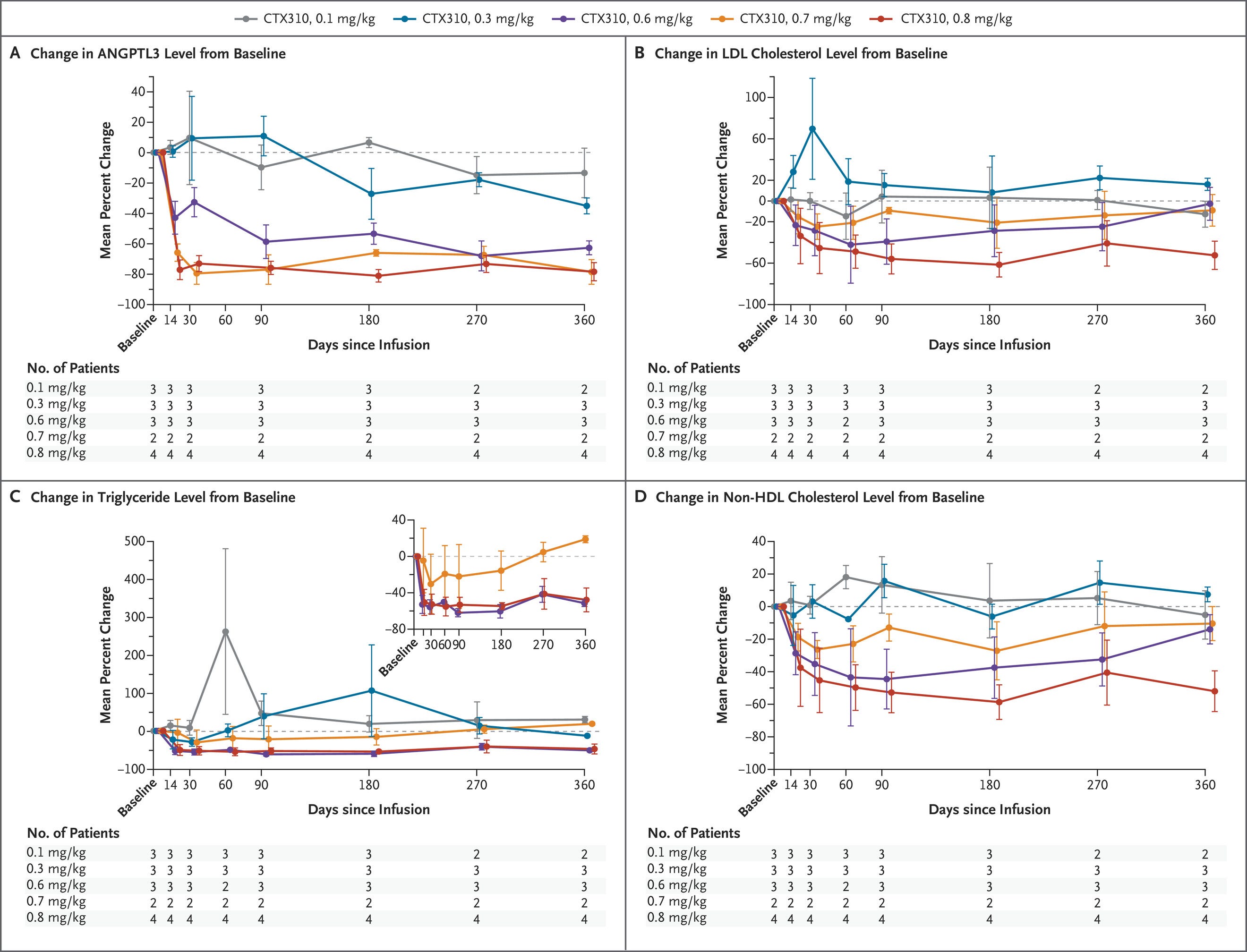
CRISPR Therapeutics plans to move forward using a fixed flat dose equivalent to the highest efficacious Phase 1a dose (0.8 mg/kg). The company anticipates presenting additional Phase 1b data, focusing on cohorts of patients with severe hypertriglyceridemia (sHTG), in 2H 2026.
Sources: CRISPR Therapeutics press release, CRISPR Therapeutics slide deck, Laffin et al., NEJM (2026)
Arrowhead - Plozasiran (APOC3 RNAi) / Phase 3 (sHTG)
At ESC 2026, Arrowhead Pharmaceuticals reported landmark results from the pivotal Phase 3 SHASTA-3 and SHASTA-4 clinical trials evaluating plozasiran, an investigational RNA interference (RNAi) therapeutic targeting APOC3, in adult patients with severe hypertriglyceridemia (sHTG). The data was previously released on July 22, 2026, which Biotech Readout covered in Weekly Readout #15, but the ESC 2026 presentation added subgroup analysis and a more granular view of the results. Note that plozasiran is currently approved for familial chylomicronemia syndrome (FCS) under the brand name Redemplo, but not for sHTG at the time of this article’s publication. Plozasiran is an investigational agent for sHTG and safety/efficacy for this indication have not been established by regulatory authorities. Utilizing Arrowhead’s TRiM platform, plozasiran is an investigational subcutaneous siRNA that silences hepatocyte expression of APOC3, a key inhibitor of lipoprotein lipase and hepatic lipid clearance. This approach aims to deliver potent, prolonged triglyceride lowering and pancreatitis risk reduction through a convenient once-quarterly dosing regimen.
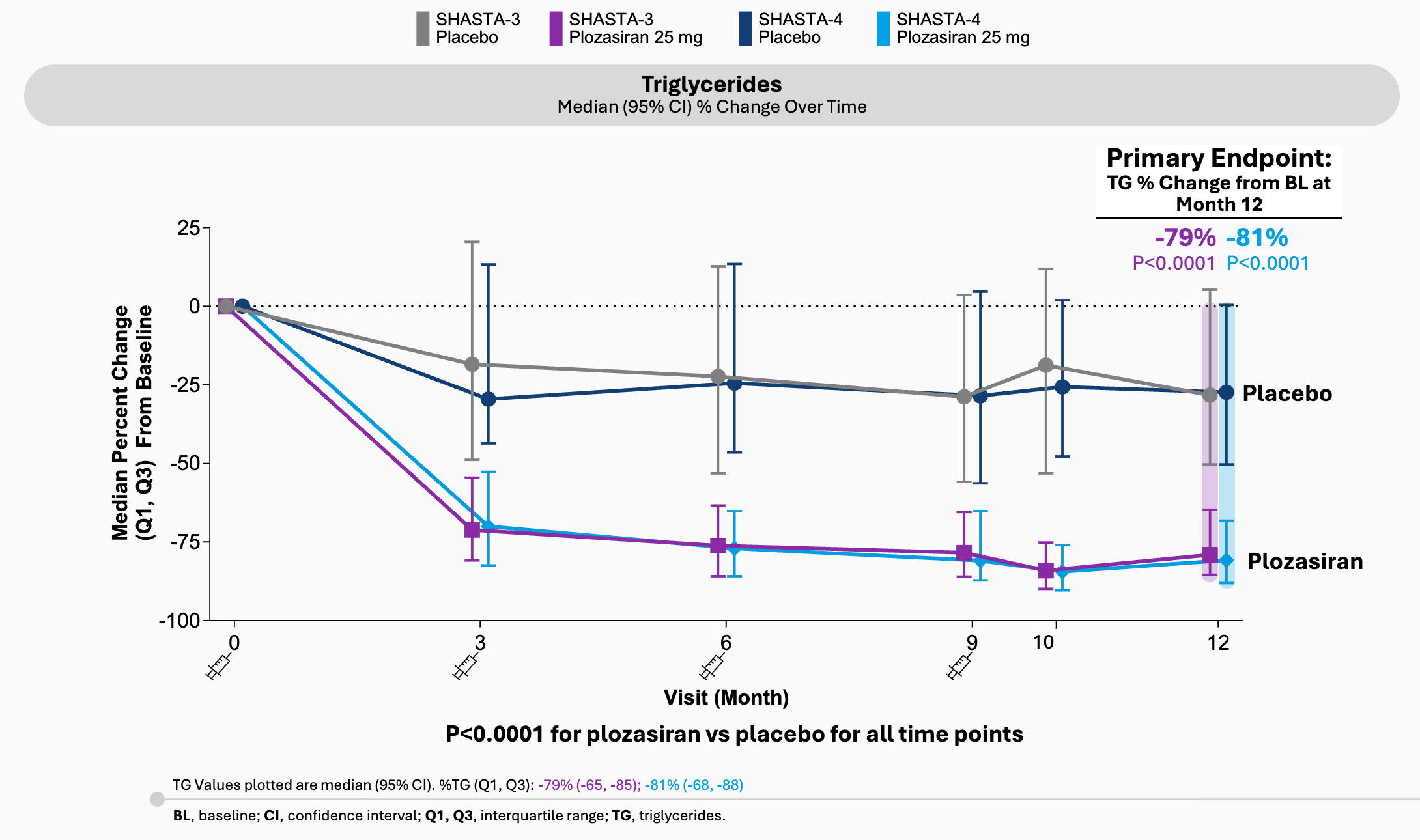
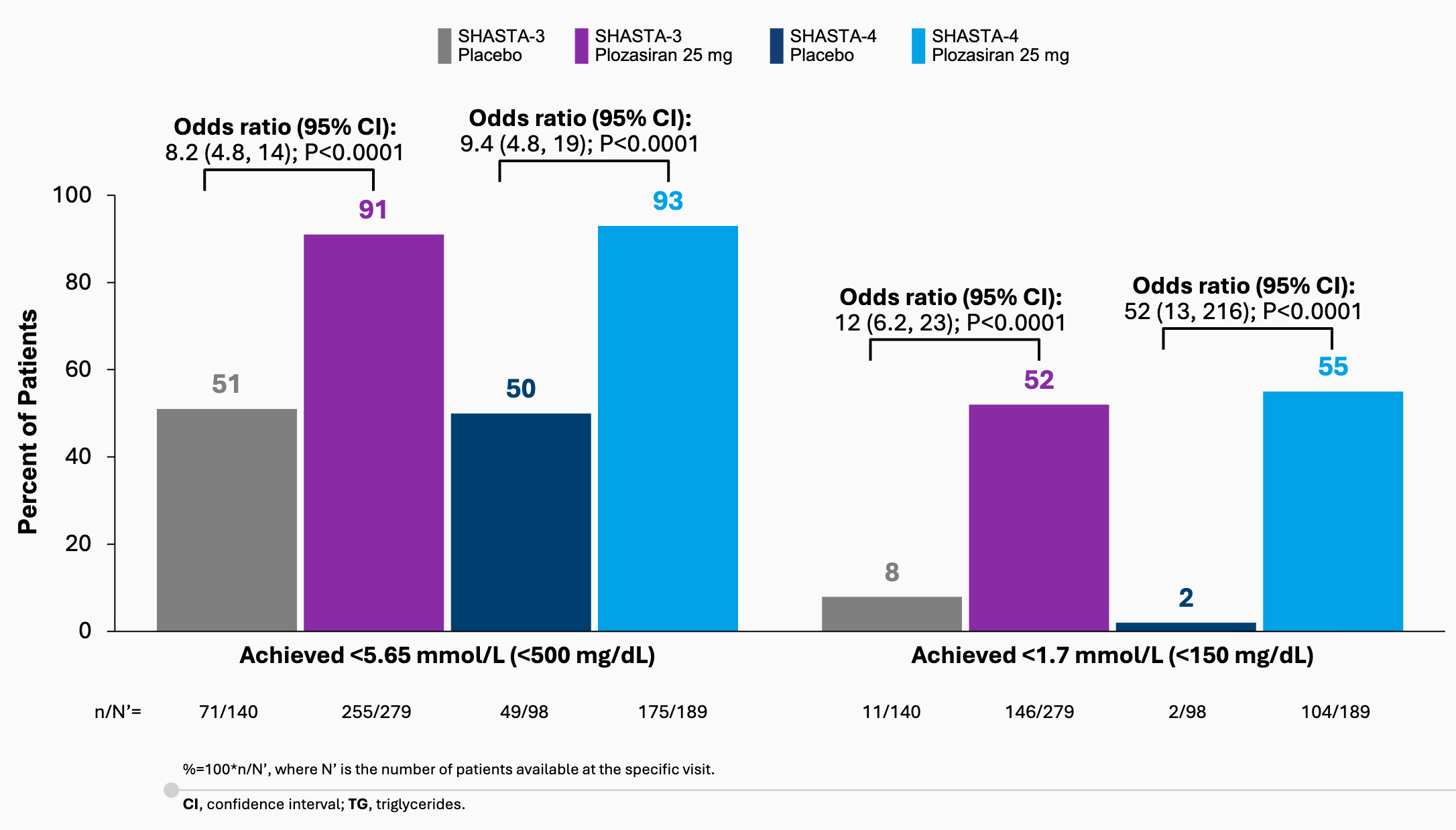
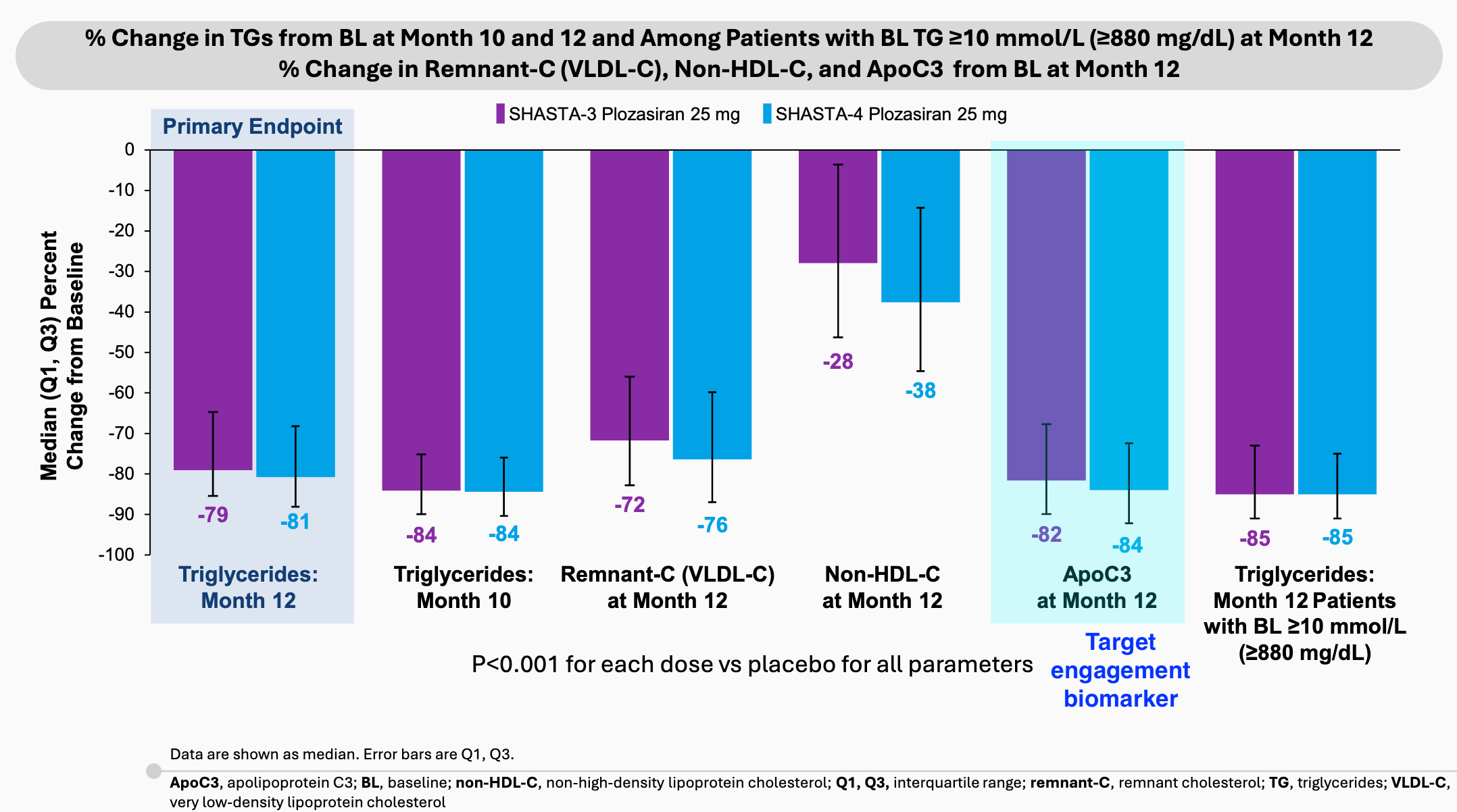
The twin Phase 3 SHASTA-3 and SHASTA-4 trials evaluated quarterly subcutaneous plozasiran (25 mg) versus placebo in 757 adults with severe hypertriglyceridemia (TG≥500 mg/dL). At Month 12, plozasiran achieved median triglyceride reductions of 79% in SHASTA-3 and 81% in SHASTA-4 compared to placebo (p<0.0001 for both), expanding to an 85% median reduction among patients entering the trial with baseline triglycerides at or above 880 mg/dL. Beyond relative reductions, over 90% of plozasiran-treated patients lowered their serum triglycerides below the high-risk threshold of 500 mg/dL (91% in SHASTA-3 and 93% in SHASTA-4 vs. 51% and 50% for placebo, p<0.0001), while more than half of participants achieved normal fasting levels below 150 mg/dL (52% in SHASTA-3 and 55% in SHASTA-4 vs. 7.9% and 2.0% for placebo, p<0.0001). These metabolic shifts were driven by targeted APOC3 knockdown (-82-84%), confirming target engagement.
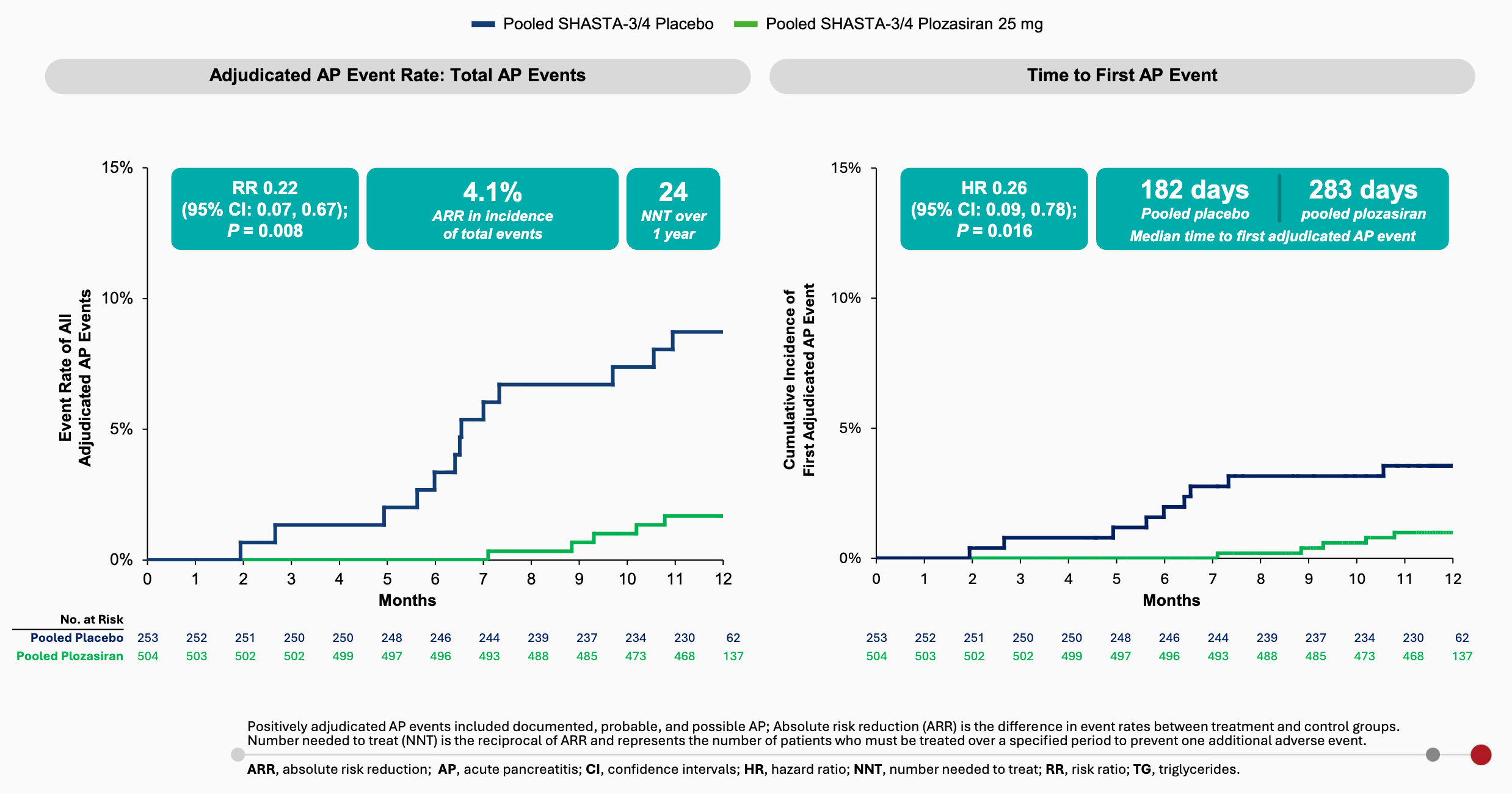
The late-breaking presentation also quantified the clinical benefit of deep APOC3 suppression on acute pancreatitis risk through a prespecified pooled analysis. In the overall sHTG trial population, plozasiran reduced the rate of all adjudicated acute pancreatitis events by 78% compared to placebo (Risk Ratio 0.22; p=0.008) and prolonged time to first event, lowering the risk of initial onset by 74% (Hazard Ratio 0.26; p=0.016). This risk reduction was most pronounced in patients with persistent hypertriglyceridemia (≥ 500 mg/dL) and a documented history of acute pancreatitis, where plozasiran delivered a 91% reduction in event rates (Risk Ratio 0.09; p=0.002). Safety and tolerability data showed overall treatment-emergent adverse event rates comparable to placebo (73%), low overall discontinuation rates due to adverse events (1.4% vs. 0.8%), and no clinically meaningful changes in liver enzymes, platelet counts, or hepatic fat fraction on MRI-PDFF (p=0.70).
Supported by these results, Arrowhead confirmed plans to utilize a recently acquired FDA Priority Review Voucher (PRV) to accelerate its planned supplemental New Drug Application (sNDA) for the broad sHTG indication before the end of 2026.
Sources: Arrowhead press release, Arrowhead ESC 2026 slide deck
Heart Failure
GLP1 Added to 2026 ESC Guidelines for Heart Failure
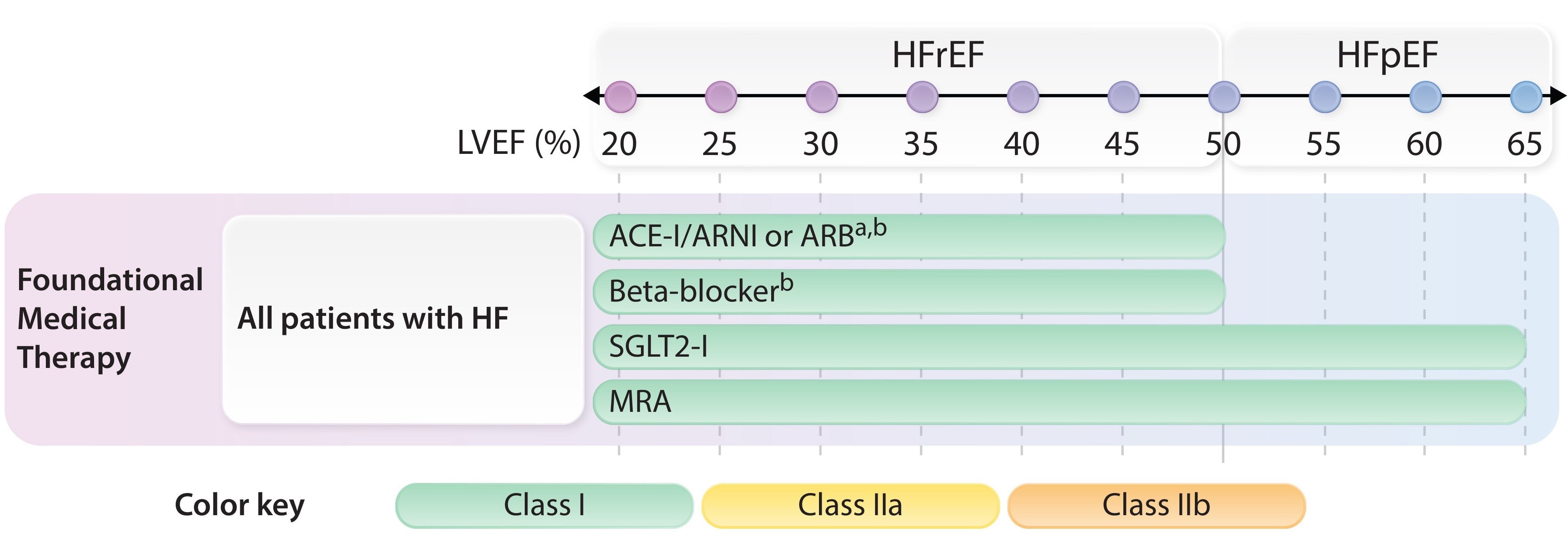
Updated 2026 ESC Heart Failure Guidelines, published in the European Heart Journal, introduced several major shifts in pharmacotherapy grouping and drug-specific recommendations. The guidelines abandon the blanket term guideline-directed medical therapy (GDMT) in favor of two distinct drug tiers:
Foundational Medical Therapy (FMT): Reserved exclusively for Class I recommendations across broad, unselected HF populations. “Optimal FMT” explicitly denotes achieving maximum tolerated target doses.
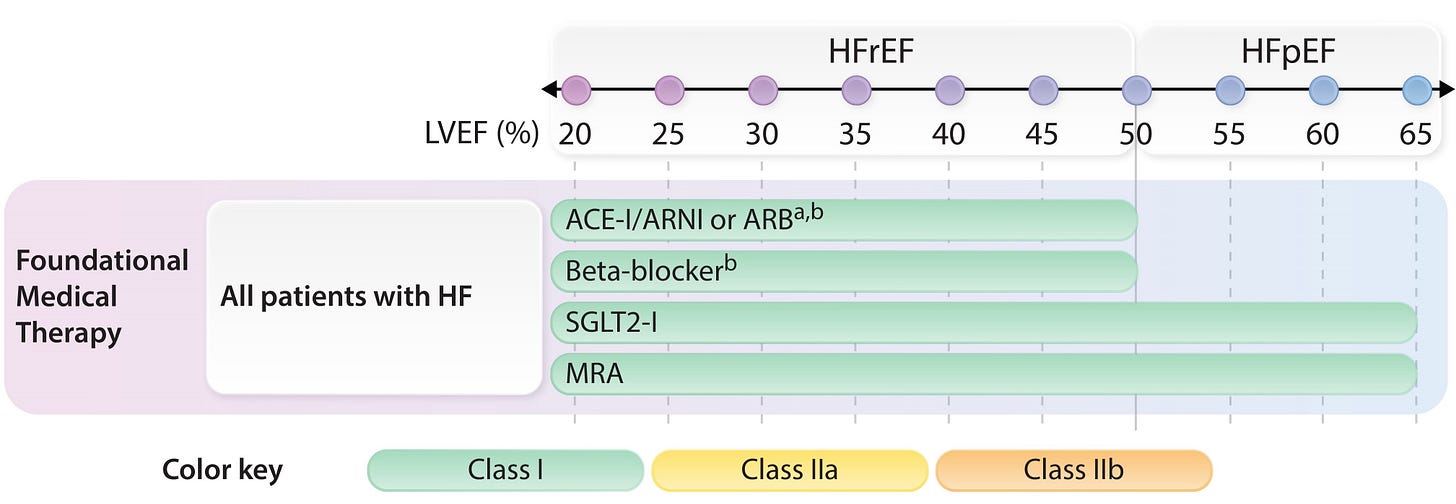
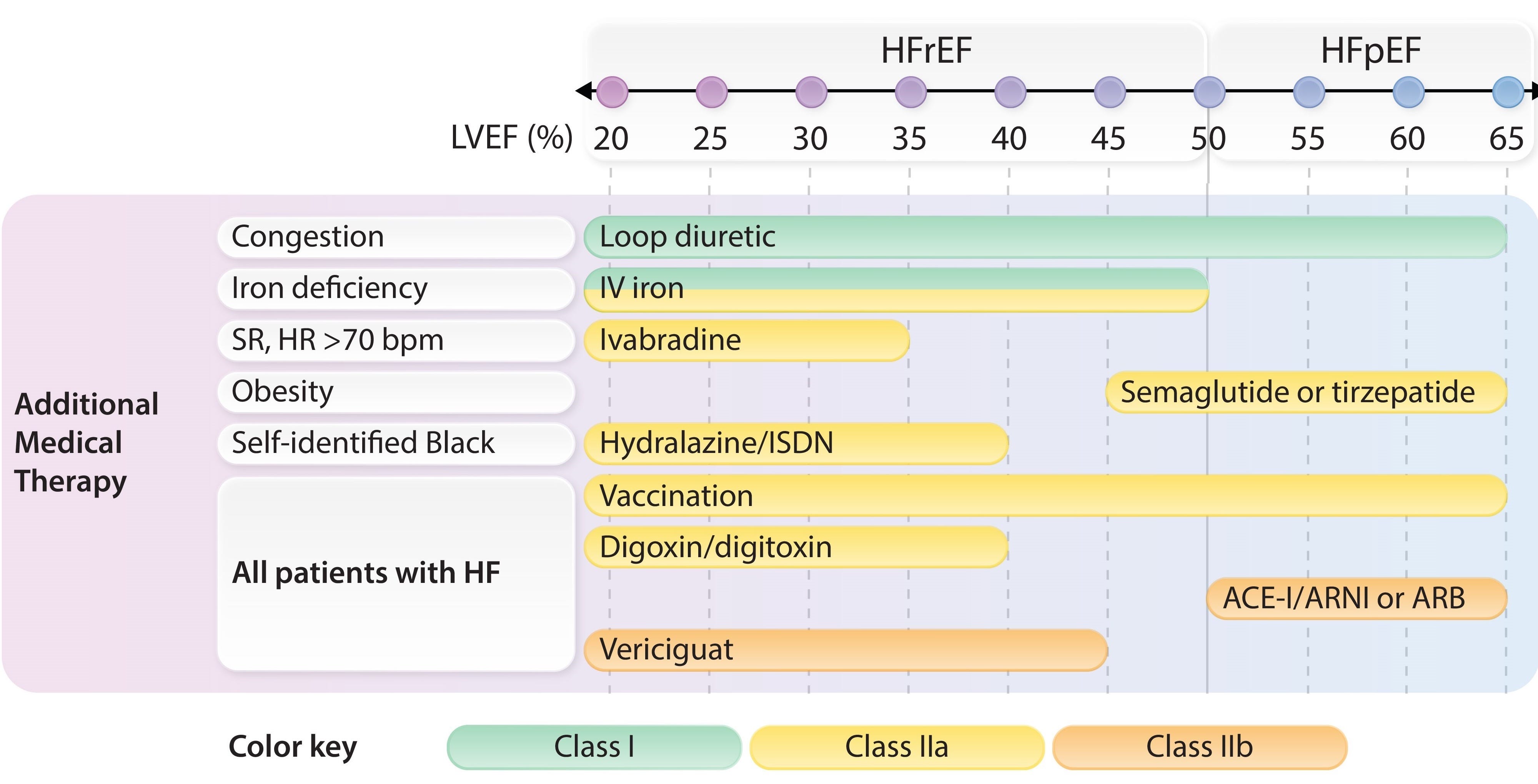
Foundational Medical Therapy (FMT) for heart failure; Source: 2026 ESC Guidelines for the management of heart failure, Figure 1 Additional Medical Therapy (AMT): Includes Class IIa/IIb agents, therapies with Class I status restricted to specific subgroups (e.g., etiology, phenotypes), or drugs indicated primarily for symptom relief and quality-of-life benefit. This includes the notable addition of GLP-1 agonists semaglutide and tirzepatide. There are two specific recommendations for these agents:
A Class IIa recommentation found in Table 5, Section 4 corresponding to prevention of heart failure states, “a GLP-1 RA should be considered in patients with T2DM and at least one other additional CV risk factor to reduce the risk of HF or CV death.”
A Class IIa recommendation found in Table 5, Section 10 corresponding to the management of non-cardiovascular comorbidities of heart failure states, “semaglutide or tirzepatide should be considered for patients with symptomatic HF, LVEF ≥45%, and BMI ≥30 kg/m2, regardless of diabetes status, to reduce body weight, and improve exercise capacity and QoL.”

AstraZeneca - AZD5462 (relaxin-2 mimetic) / Phase 2b (chronic heart failure)
Data from the Phase 2b LUMINARA trial, presented at ESC Congress 2026 and simultaneously published in Circulation, demonstrated that AstraZeneca’s oral RXFP1 agonist AZD5462 produced encouraging signals of reverse cardiac remodeling and systemic vasodilation in patients with chronic heart failure.
While heart failure with reduced ejection fraction (HFrEF; LVEF <= 40%) is driven by direct myocardial injury leading to lost contractility, neurohormonal overactivation, and eccentric ventricular remodeling managed via quadruple guideline-directed medical therapy (ARNI/ACEi/ARB, beta-blockers, MRAs, and SGLT2is), heart failure with preserved ejection fraction (HFpEF; LVEF >= 50%) is primarily driven by systemic cardiometabolic comorbidities causing chronic inflammation, microvascular dysfunction, and LV stiffness managed mainly with SGLT2 inhibitors and risk-factor control. Targeting these shared pathophysiological features of vasodilation, remodeling, and fibrosis, AZD5462 acts as a novel, oral, small-molecule selective allosteric agonist of the relaxin family peptide receptor 1 (RXFP1). It is designed to mimic endogenous relaxin-2 to reduce preload and afterload, decrease myocardial inflammation, and potentially attenuate cardiac fibrosis through a physiological, once-daily engagement profile that avoids the severe fluid retention seen with prior recombinant peptides (e.g., serelaxin) or long-acting mimetics (e.g., volenrelaxin).
The Phase 2b LUMINARA trial evaluated 375 heart failure patients across 69 international sites divided into two ejection fraction cohorts. Cohort A with LVEF 35% or lower (n=235) tracked end-systolic volume index (ESVI) for reverse cardiac remodeling, and Cohort B with LVEF 41%–55% (n=140) tracked systemic vascular resistance index (SVRI) for vasodilation. Patients were randomized to receive 20 mg, 80 mg, or 360 mg of once-daily oral AZD5462 or placebo for 24 weeks on top of standard guideline-directed medical therapy. Efficacy findings demonstrated a puzzling inverse dose-response relationship in Cohort A, where the lowest 20 mg dose produced the most pronounced reverse remodeling with a 5.4 mL/m² reduction in ESVI (p = 0.054) and the greatest LVEF improvements, whereas Cohort B demonstrated significant vasodilation across all doses with SVRI reductions of 19% (20 mg), 21% (80 mg), and 15% (360 mg) (all p <= 0.021). AZD5462 was well tolerated without excess adverse events or clinically significant hypotension compared to placebo, and critically, it showed no signs of fluid retention or volume overload, successfully providing clinical proof-of-mechanism for an oral RXFP1 agonist on top of standard-of-care therapy and establishing the 20 mg once-daily dose for pivotal Phase 3 testing.
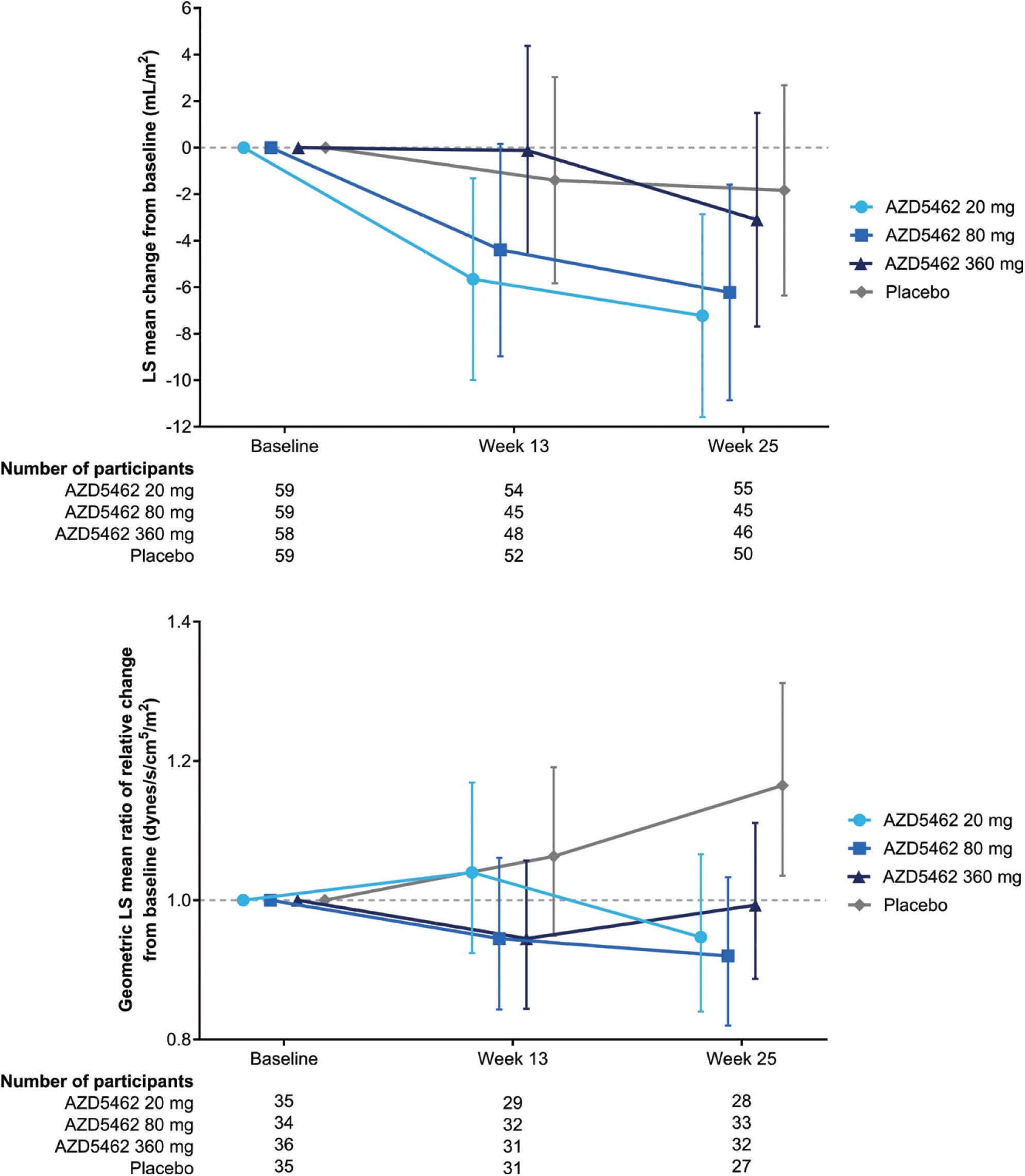
AstraZeneca and trial investigators identified 20 mg once daily as the definitive go-forward dose for pivotal testing. Larger, long-term outcome-driven Phase 3 trials are required to evaluate whether early surrogate improvements in ESVI and SVRI translate into reductions in hard clinical endpoints (HF hospitalizations and cardiovascular mortality).
Sources: ESC press release, Januzzi et al., Circulation (2026)
Other notable datasets
Cytokinetics - Aficamten (cardiac myosin inhibitor) / Phase 3 (nHCM)
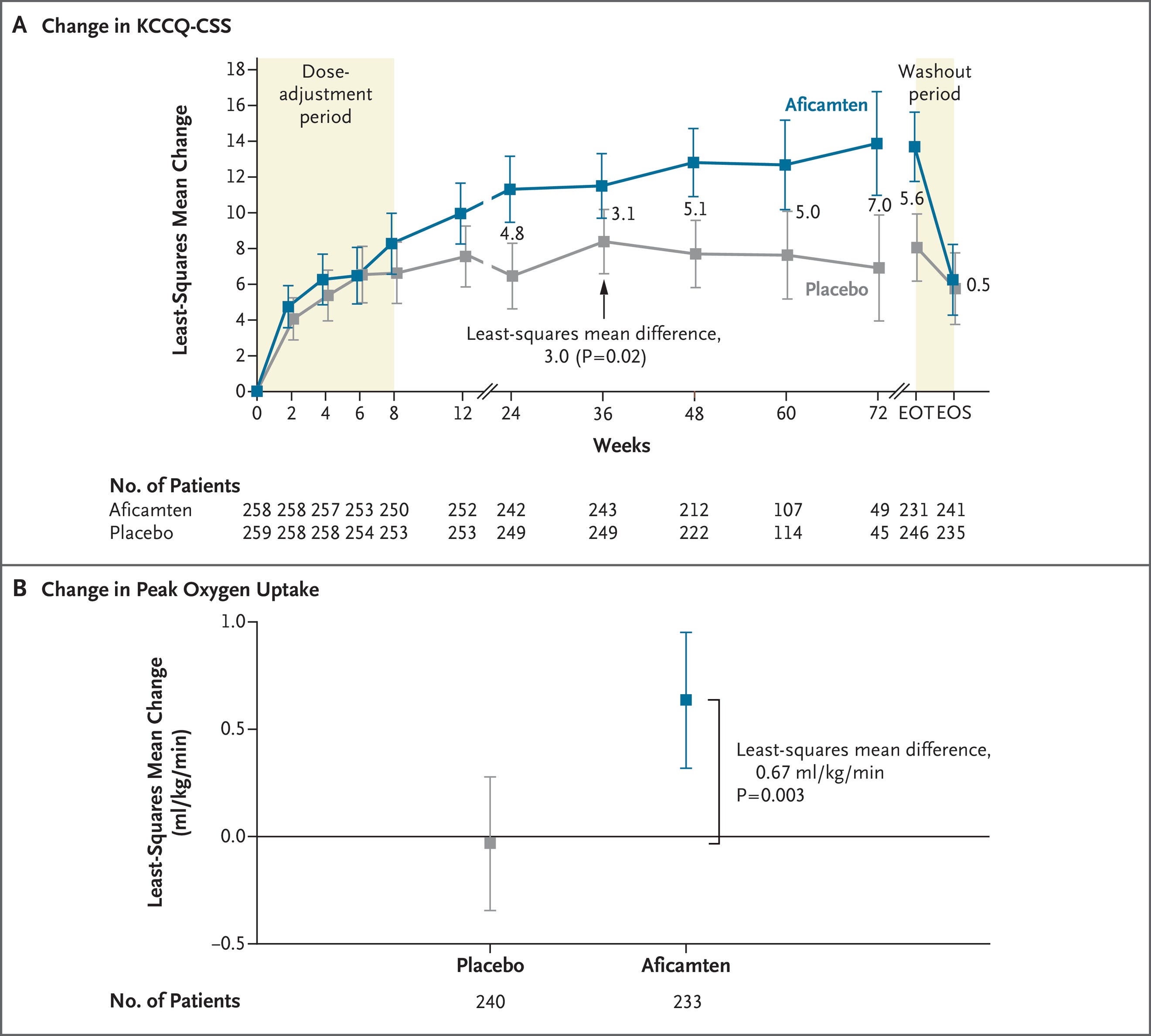
Taking the main stage in Munich during Hot Line Session 1 at the ESC Congress 2026, Dr. Ahmad Masri presented the landmark results of the Phase 3 ACACIA-HCM trial, simultaneously published in The New England Journal of Medicine. The presentation marked a pivotal moment in cardiology: the first positive Phase 3 trial for non-obstructive hypertrophic cardiomyopathy (nHCM), a disease segment representing roughly a third of all HCM patients that has historically lacked targeted, disease-modifying pharmacotherapy. Biotech Readout discussed the initial data release on in Weekly Readout #6.
Non-obstructive hypertrophic cardiomyopathy (nHCM) is characterized by unexplained left ventricular hypertrophy without a significant outflow tract gradient, where sarcomeric gene mutations drive hypercontractility, impaired diastolic relaxation, and elevated filling pressures. Lacking an anatomical gradient for surgical intervention, traditional standard of care relies on non-vasodilating beta-blockers or non-dihydropyridine calcium channel blockers to control heart rate and prolong diastolic filling. To directly target this underlying disease mechanism, aficamten (a next-generation selective cardiac myosin inhibitor) dampens excess actin-myosin cross-bridge formation to reduce hypercontractility and alleviate filling pressures.
In the international Phase 3 ACACIA-HCM trial of 517 adults with symptomatic nHCM, 36 weeks of echo-titrated aficamten met both dual primary endpoints, significantly improving KCCQ Clinical Summary Scores (+11.4 vs. +8.4; p = 0.021) and peak oxygen uptake (+0.64 vs. -0.03 mL/kg/min; p = 0.003) compared to placebo. Treatment with aficamten also yielded higher rates of NYHA class improvement (41.9% vs. 27.8%; p < 0.001), a 57% reduction in NT-proBNP levels, and a fourfold increase in multi-domain clinical responders (53% vs. 13%). On safety, aficamten was associated with higher rates of early discontinuation (7.0% vs. 1.9%) and serious heart failure events (4.3% vs. 0.4%), along with transient LVEF drops below 50% in 10.5% of patients (vs. 0.8% on placebo) that were predominantly managed via protocol-guided dose reductions rather than permanent withdrawal.
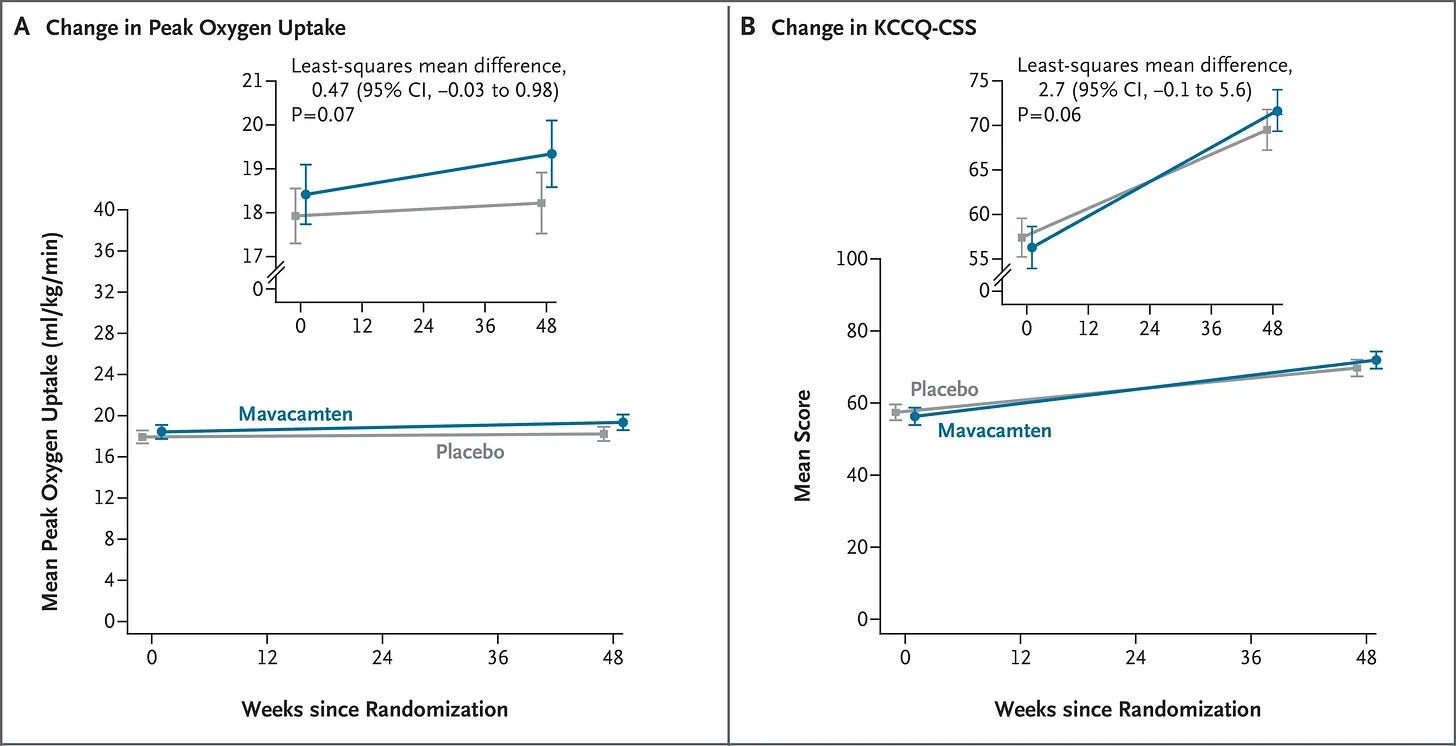
Unlike aficamten’s positive readout in ACACIA-HCM, Bristol Myers Squibb’s competing Phase 3 ODYSSEY-HCM trial evaluating Camzyos (mavacamten) in 580 nHCM patients failed to meet its dual primary endpoints, showing no statistically significant improvements in peak oxygen uptake (+0.52 vs. +0.05 mL/kg/min; p = 0.07) or KCCQ Clinical Summary Score (+13.1 vs. +10.4; p = 0.06) relative to placebo. This is surprising because Camzyos (mavacamten) has a similar mechanism of action as aficamten. While mavacamten demonstrated strong biological activity, achieving a 58% NT-proBNP reduction similar to aficamten, its functional and symptomatic benefits were diluted by a larger placebo response and limited by a significantly worse safety profile. Mavacamten induced LVEF drops below 50% in 21.5% of patients (compared to 10.5% for aficamten) and severe LVEF drops to 30% or below in 2.4% of patients (vs. 0% for aficamten), driving a higher permanent discontinuation rate of 10.7% (vs. 7.0% for aficamten). Ultimately, while mavacamten’s constrained therapeutic window and longer half-life resulted in a neutral clinical readout, it’s possible that aficamten’s shorter half-life and faster reversibility allowed for safer, more effective titration that translated biological target engagement into definitive clinical success.
Following the presentation, commentators noted that while the absolute effect size on exercise capacity is modest, the consistent multi-endpoint improvements offer compelling options for a patient population with high symptom burden. Building on the ESC 2026 readout, Cytokinetics confirmed plans to submit a supplemental New Drug Application (sNDA) to the U.S. FDA in 4Q 2026 to officially expand aficamten’s label into non-obstructive HCM (nHCM). The company suggested that echo-guided dosing and REMS protocols will likely serve as crucial clinical safeguards. Note that aficamten was approved by the FDA on January 27, 2026 (marketed as Myqorzo) for the treatment of adults with symptomatic obstructive hypertrophic cardiomyopathy (oHCM).
Sources: Cytokinetics press release, Masri et al., NEJM (2026), Desai et al., NEJM (2025)
Kylonova - Kylo-11 (LPA RNAi) / Phase 1 (ASCVD)
Kylonova Biopharma, a biotech company based out of Xiamen, Fujian Province, China, presented final first-in-human data for Kylo-11 as an oral presentation at ESC 2026 alongside a publication of more detailed data in The Lancet. The presentation was featured during the late-breaking clinical trials session titled “Rewriting cardiovascular disease on gene and molecular therapies“ on August 28, 2026.
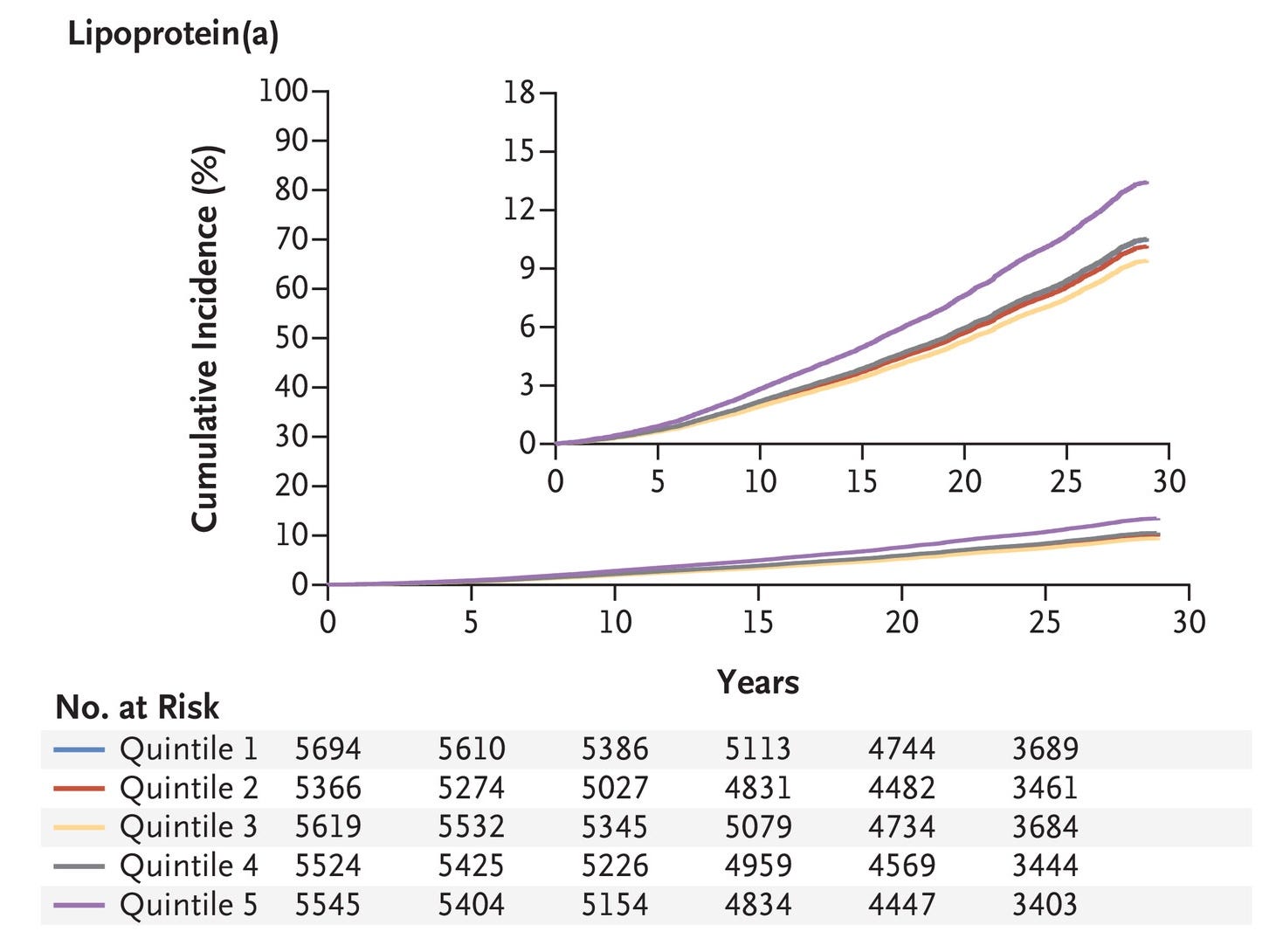
Lipoprotein(a) [Lp(a)] is an independent, genetically determined causal driver of atherosclerotic cardiovascular disease that promotes atherogenesis, vascular inflammation, and thrombosis, with top-quintile Lp(a) baseline levels (≥44 mg/dL) conferring a 33% increased 30-year risk of major adverse cardiovascular events in a prospective cohort of 27,939 U.S. women (see graph below). Since no approved pharmacological therapies currently exist to specifically lower Lp(a), standard care relies on once-in-a-lifetime screening to refine risk stratification and aggressive risk-factor optimization via intensive LDL-C lowering, blood pressure control, and lifestyle management. To directly address this gap, Kylo-11 (a GalNAc-conjugated siRNA therapy built on a proprietary MVIP delivery platform) inhibits hepatic translation of LPA mRNA to halt apolipoprotein(a) synthesis and block circulating Lp(a) assembly.
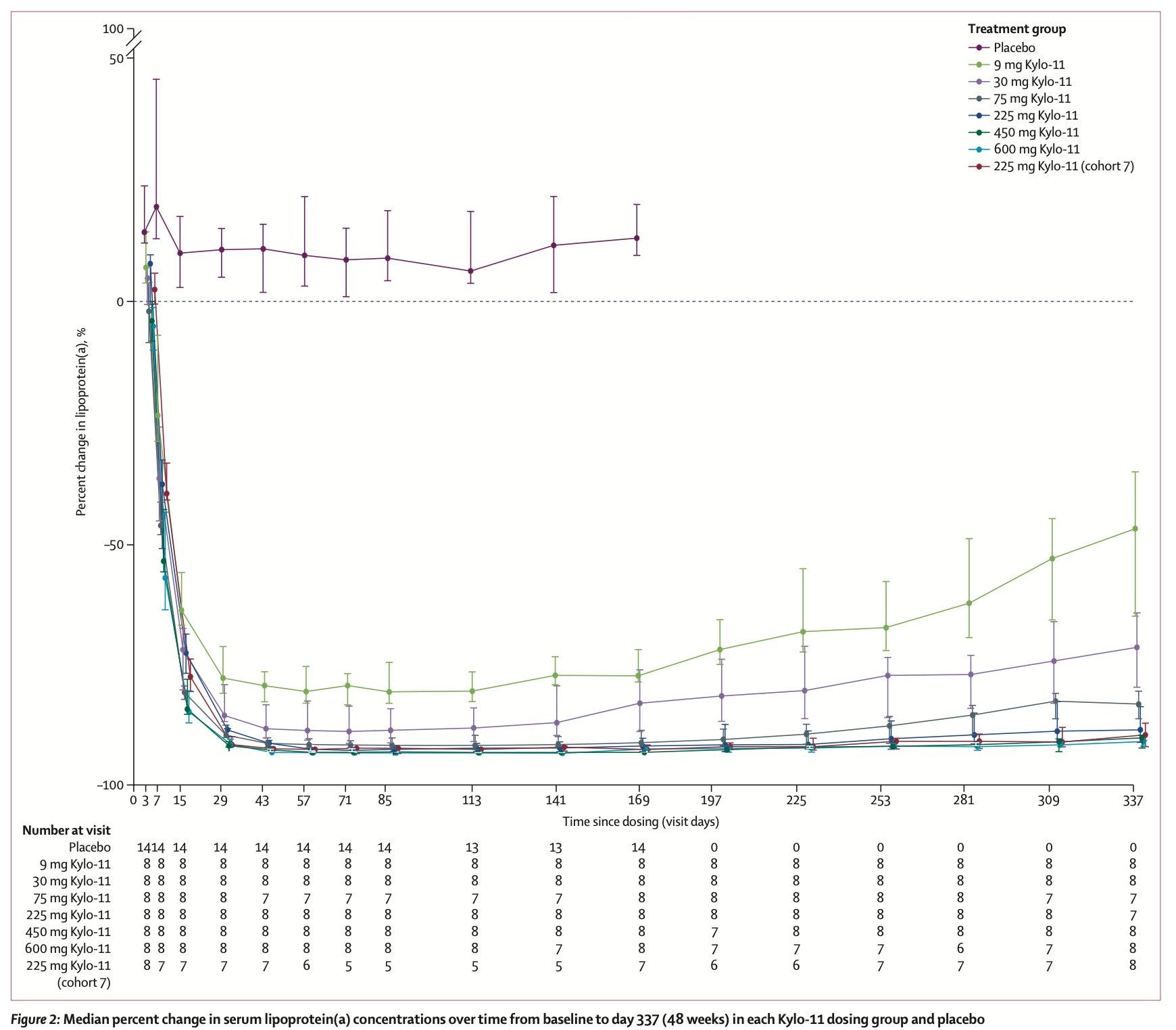
In the first-in-human, randomized, placebo-controlled Phase 1 trial evaluated single ascending doses (9–600 mg) of the siRNA therapy Kylo-11 across 71 subjects. Single-dose administration delivered a dose-dependent serum Lp(a) reduction of 53% to 97% at week 48, with higher dose cohorts (≥225 mg) maintaining peak reductions of 95% to 97% for nearly a full year, while doses ≥30 mg kept Lp(a) below 75 nmol/L from week 4 through week 48. Kylo-11 was well tolerated, with predominantly mild (Grade 1/2) treatment-emergent adverse events unrelated to the drug and zero drug-related serious adverse events or discontinuations. Demonstrating class-leading durability compared to existing Lp(a)-targeted siRNAs (e.g., Amgen’s olpasiran, Eli Lilly’s lepodisiran), Kylo-11’s year-long suppression supports a potential once-annual subcutaneous dosing regimen that could significantly improve real-world treatment adherence.
A Sino-US Phase 2 study evaluating Kylo-11’s efficacy, safety, and optimal dosing in patients with established atherosclerotic cardiovascular disease (ASCVD) and elevated Lp(a) is actively underway. If Phase 2 confirms once-yearly dosing and safety, Kylonova plans to advance Kylo-11 into Phase 3 cardiovascular outcomes trials (CVOT) to determine if sustained Lp(a) knockdown directly lowers major adverse cardiovascular events (MACE).
Sources: Ridker et al., NEJM (2024), Sarraju et al., Lancet (2026)
Amgen - Repatha (anti-PCSK9 mAb) / Phase 3 (ASCVD)
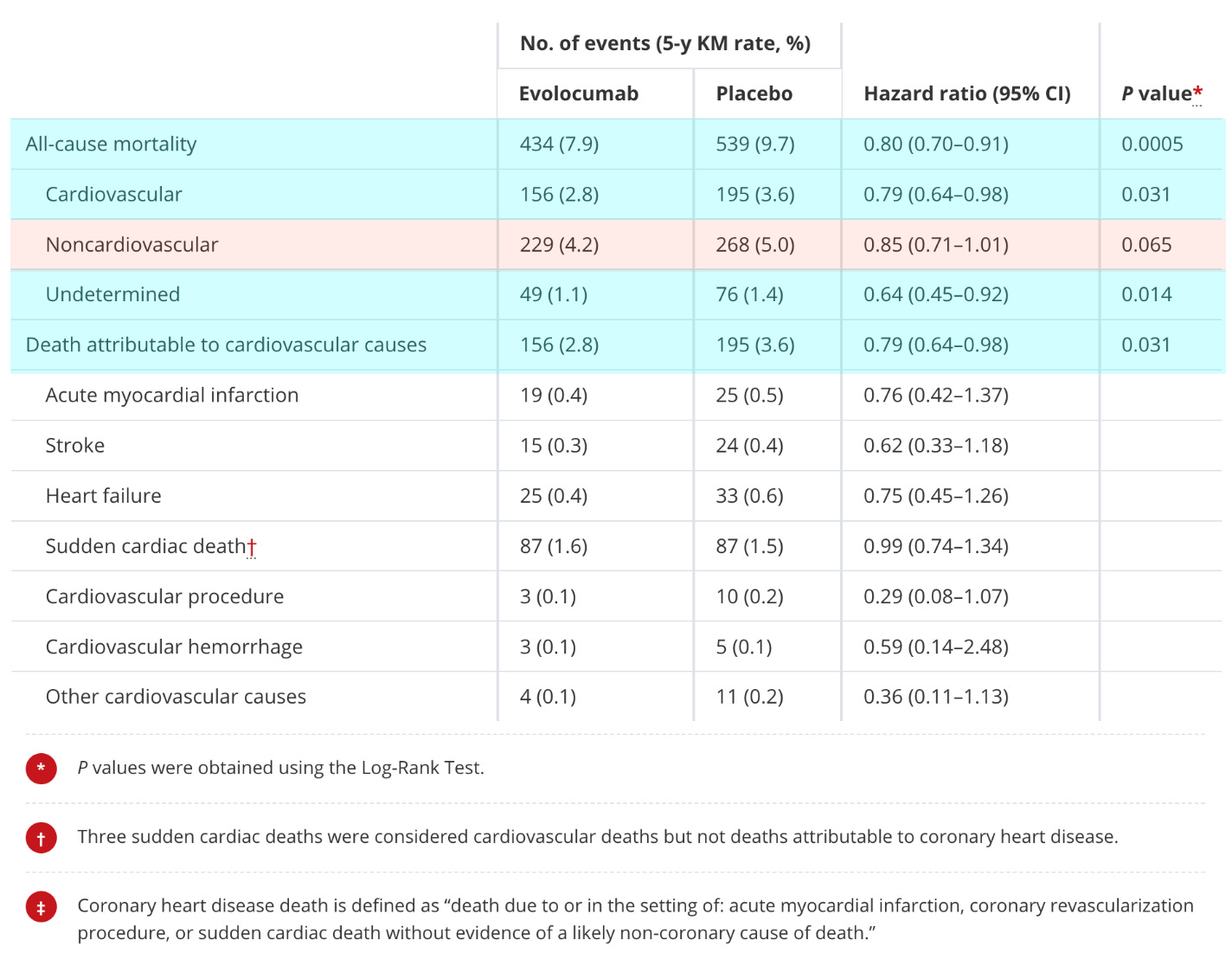
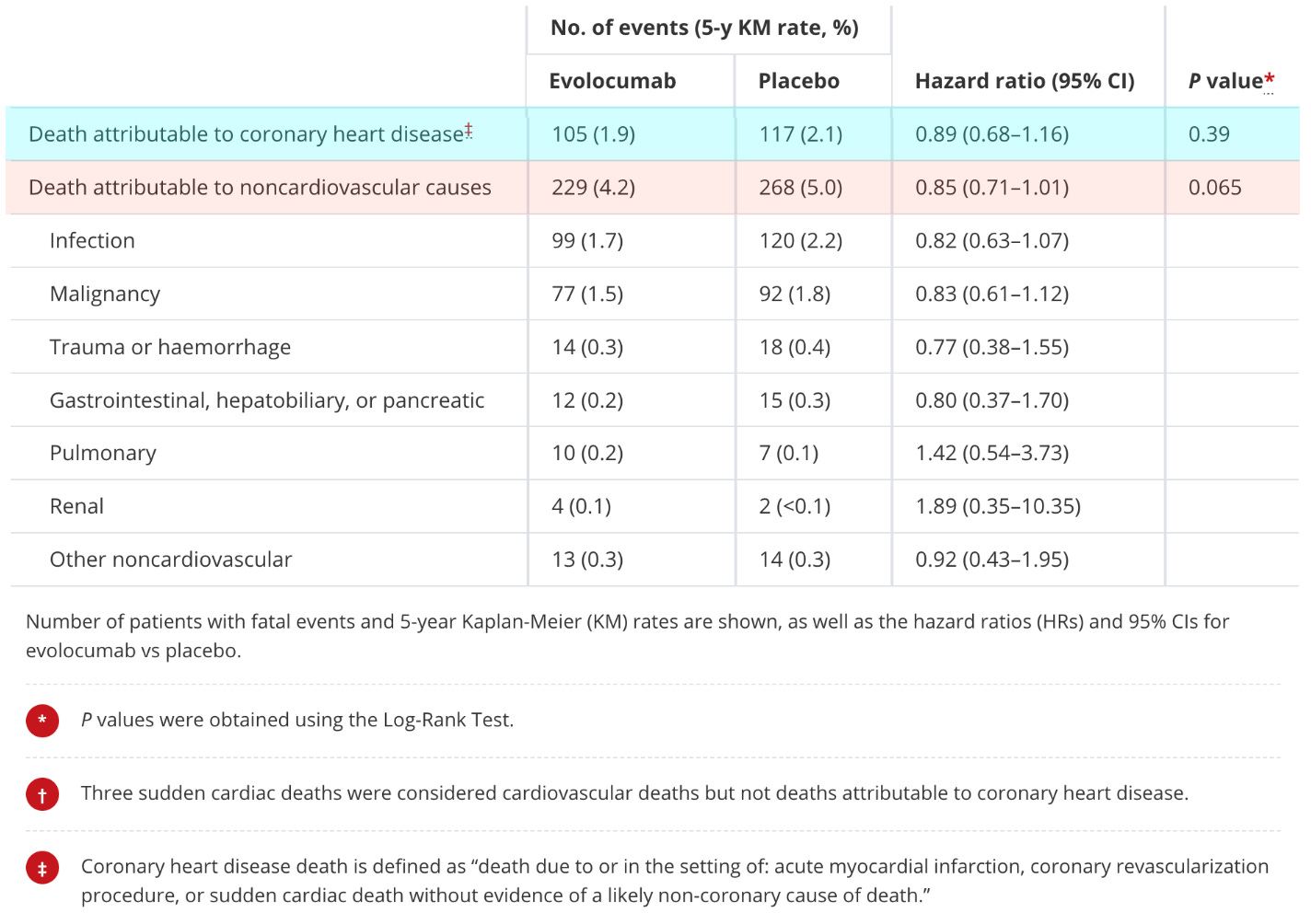
At the ESC Congress 2026, late-breaking data from prespecified analyses of the Phase 3 VESALIUS-CV trial showed that Repatha (evolocumab) reduced the risk of all-cause mortality, and cardiovascular death in high-risk patients without a history of prior myocardial infarction or stroke, making it the first PCSK9 inhibitor to demonstrate a reduction in major cardiovascular events and mortality in a primary prevention population.
Primary prevention of atherosclerotic cardiovascular disease (ASCVD) targets systemic endothelial dysfunction, subendothelial LDL-C accumulation, and chronic vascular inflammation that cause lipid-rich plaque formation and downstream thrombotic events. Standard of care centers on aggressive lifestyle modifications combined with moderate- to high-intensity statin therapy to suppress hepatic cholesterol synthesis and upregulate low-density lipoprotein receptors (LDLR); adjunct agents like ezetimibe or PCSK9 inhibitors are added when target LDL-C levels remain unachieved. Among these, evolocumab acts as a selective human monoclonal antibody that binds circulating PCSK9, preventing PCSK9-mediated LDLR degradation on hepatocytes to allow continuous receptor recycling to the cell surface for sustained, rapid clearance of circulating LDL-C.
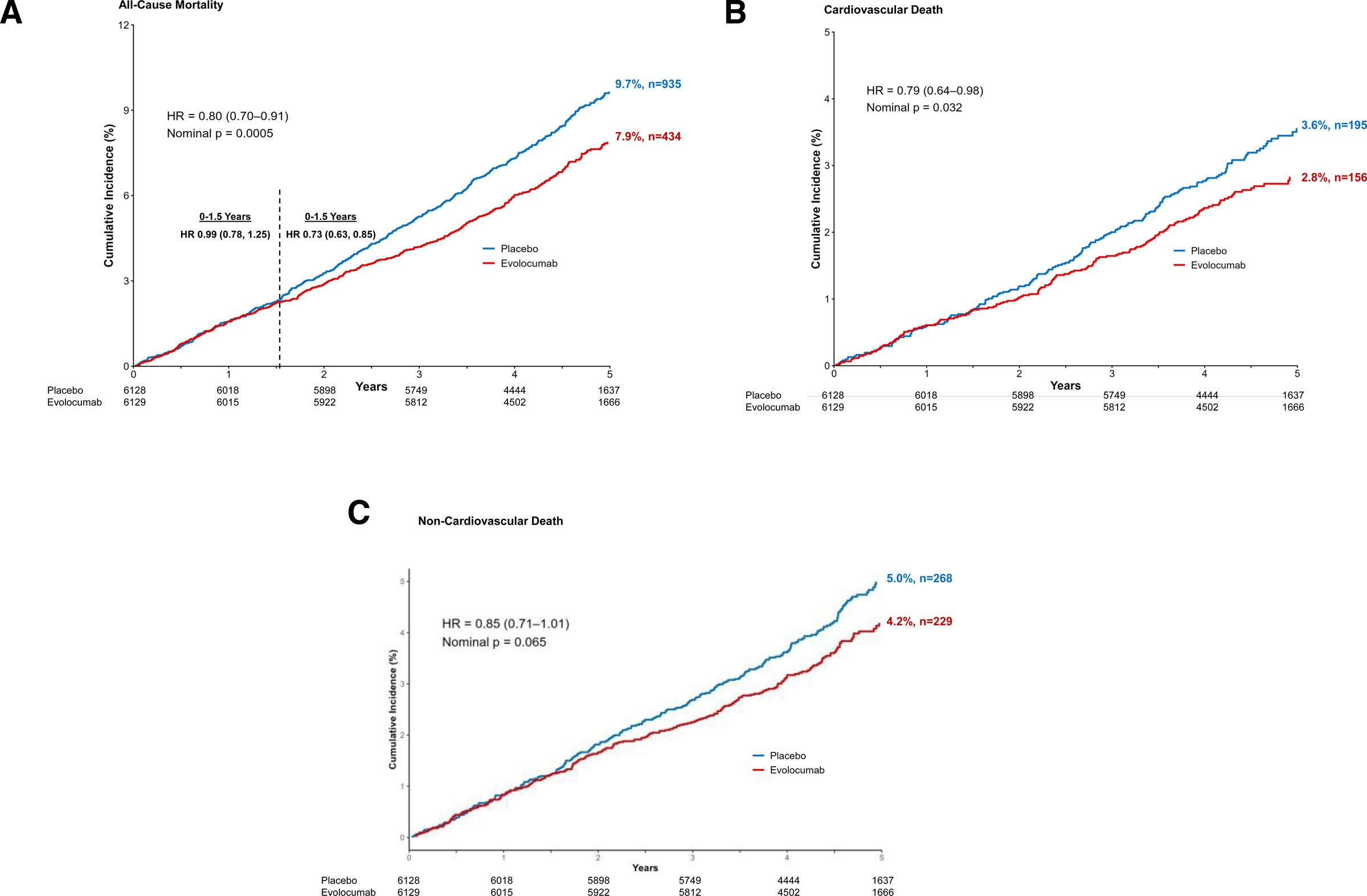
In the landmark Phase 3 VESALIUS-CV trial, 12,257 high-risk adults (median age 66 years; 43% women) with known atherosclerotic cardiovascular disease or high-risk diabetes, but no history of prior myocardial infarction (MI) or stroke, were evaluated on maximally tolerated lipid-lowering therapy. Over a median follow-up of 4.6 years, adding evolocumab to optimized background therapy lowered median LDL-C by -55% (reaching -40-45 mg/dL) and met its dual primary endpoints by reducing 3-point MACE by 30% (HR 0.70; 95% CI: 0.56–0.89; includes first event of coronary heart disease death, MI, or ischemic stroke) and 4-point MACE by 18% (HR 0.82; 95% CI: 0.71–0.96; includes MACE-3 plus ischemia-driven arterial revascularization). Driven by a 21-24% relative reduction in first MIs and lower cardiovascular mortality, evolocumab demonstrated a statistically significant 20% relative reduction in all-cause mortality (HR 0.80; 95% CI: 0.70–0.91; P = .0005) with divergence emerging after 1.5 years, all while maintaining a balanced, favorable safety profile without new safety signals. Ultimately, these data establish evolocumab as the first-in-class PCSK9 inhibitor to demonstrate a overall survival benefit in primary prevention, proving that intensive LDL-C lowering alters disease trajectory across diverse high-risk subgroups by preventing nonfatal index events that lead to clinical decline.
The FDA (August 25, 2025) and European Commission (August 2026) have updated and expanded Repatha‘s indications based on VESALIUS-CV data to include adults at high risk for ASCVD/major adverse CV events. Real-world analyses presented alongside trial data highlight widespread undertreatment and sex-based disparities in achieving target LDL-C levels. Ongoing efforts focus on driving earlier, aggressive treatment initiation and clinical guideline updates for primary prevention.
Sources: Amgen press release, Giugliano et al., Circulation (2026)
Love biotech? Check out Biotech Readout’s full content library, or navigate directly to a segment that interests you:
Frontiers in Medicine: Exploring the frontiers of our understanding and treatments for disease.
Medical History: Recovering forgotten relics in the history of medicine.
Acquisitions: Exploring the innovation behind acquired companies.
Weekly Readout: A digest of new clinical data from the past week.

To contact us, please send us an email at biotechreadout@gmail.com
Disclaimers
Investigational Status Disclaimer
The therapeutic candidates discussed in this newsletter are currently in clinical development and have not been approved for commercial sale by the U.S. Food and Drug Administration (FDA), the European Medicines Agency (EMA), or other global regulatory authorities. Their safety and efficacy have not been established. References to pipeline products and ongoing clinical trials involve significant risks and uncertainties. Statements regarding the potential safety, potency, or efficacy of investigational drugs reflect current hypotheses and are not a guarantee of future performance or regulatory clearance. The outcome of clinical trials is inherently unpredictable, and clinical results from earlier stages may not be predictive of results in later, larger-scale trials.
No Medical Advice Disclaimer
This newsletter is for informational and educational purposes only. The content is not intended to be a substitute for professional medical advice, diagnosis, or treatment. Always seek the advice of your physician or another qualified health provider with any questions you may have regarding a medical condition. Never disregard professional medical advice or delay in seeking it because of something you have read in this publication.
No Patient-Provider Relationship Disclaimer
The information provided in this newsletter is for educational and analytical purposes only. Receipt of this information, or any interaction with this content, does not create a physician-patient, pharmacist-patient, or any other professional-provider relationship between you and the authors or publishers. This newsletter should not be used as a substitute for a personal consultation with a qualified healthcare professional.
Forward-Looking Statements Disclaimer
This newsletter contains “forward-looking statements” regarding future events, including clinical trial timing, regulatory milestones, and projected market performance. These statements are based on current expectations and assumptions that are subject to significant risks and uncertainties. Actual results may differ materially from those expressed or implied. We undertake no obligation to update these statements as a result of new information or future developments.
Third-Party Links & Content Disclaimer
This newsletter contains links to third-party websites, including clinical trial registries and corporate presentations. Biotech Readout does not endorse, guarantee, or assume responsibility for the accuracy or reliability of any information offered by third-party providers.
Errors and Omissions Disclaimer
While we strive for technical accuracy, the information in this newsletter is provided on an “as is” basis with no guarantees of completeness, accuracy, or timeliness. Biotech Readout assumes no liability for any errors or omissions in the content of this publication.
Non-Endorsement Disclaimer
Any reference to specific commercial products, processes, or services by trade name, trademark, or manufacturer does not constitute or imply an endorsement or recommendation by the author. All trademarks are the property of their respective owners.
No Investment Advice Disclaimer
This newsletter is for informational purposes only and does not constitute financial, investment, or legal advice. The author is not a registered investment advisor. You should consult with a professional financial advisor before making any investment decisions. The biotechnology sector is highly volatile; past performance is not indicative of future results.
Conflict of Interest Disclaimer
The author of this newsletter maintains a position of independence. At the time of publication, the author holds no direct financial interest, equity, or options in any of the companies mentioned in this report. No compensation has been received from any third party to feature or analyze specific therapeutic candidates or corporate entities.
Fantastic summary!