

Disclaimer: This newsletter is for educational and informational purposes only and does not constitute medical, investment, or financial advice, nor does it establish a provider-patient relationship. Content may include forward-looking statements and discussions of investigational therapeutic candidates that are not FDA/EMA approved; their safety and efficacy remain unestablished and clinical outcomes are unpredictable. While we strive for accuracy, all information is provided as is without guarantees. As of the date of publication, the author holds no direct equity positions in the specific companies mentioned in this issue nor receives third-party compensation for this coverage. Please find a complete version of our disclaimers at the bottom of the article and linked here.

Press ⬇️ to go down to a section and ⬆️ to go back up to the Table of Contents
Table of Contents
The IASLC 2026 World Conference on Lung Cancer (WCLC 2026) took place from September 12–15, 2026 at the COEX Convention & Exhibition Center in Seoul, South Korea. In this article, we discuss the following high-impact datasets:
B7-H3 ADCs in 2L SCLC ⬇️
EGFR Inhibitors in 1L EGFR-mutated NSCLC ⬇️
Other Positive Datasets
Mixed Datasets
B7-H3 ADCs in 2L SCLC
Small cell lung cancer (SCLC) is an aggressive neuroendocrine tumor characterized by rapid proliferation, early metastatic spread, and inactivation of the tumor suppressor genes TP53 and RB1. Although most patients respond initially to first-line (1L) chemo-immunotherapy, virtually all experience rapid disease relapse driven by genomic instability, plastic cell states, and therapy resistance. Historically, second-line (2L) standard-of-care relied on single-agent chemotherapy such as topotecan or lurbinectedin, though recent guidelines have shifted toward the DLL3-targeted bispecific T-cell engager tarlatamab following its demonstrated overall survival advantage. To address persistent resistance mechanisms and poor survival, B7-H3 targeted antibody-drug conjugates (B7-H3 ADCs), such as ifinatamab deruxtecan, risvutatug rezetecan, and tambotatug pelitecan, have emerged as a transformative therapeutic class. B7-H3 (CD276) is widely overexpressed on SCLC cells with minimal expression in normal tissues. B7-H3 ADCs exploit this by binding the transmembrane protein to deliver cytotoxic payloads (such as topoisomerase I inhibitors) directly into malignant cells, potentially achieving improvements over conventional 2L chemotherapy in clinical trials.
Roche & MediLink - Tambotatug pelitecan (B7-H3 ADC) / Phase 3 (2L ES-SCLC)
On September 12, 2026, investigators delivered a major readout from the Phase 3 TAISHAN-302 trial evaluating tambotatug pelitecan (Tam-Peli; formerly YL201), an investigational antibody-drug conjugate (ADC) targeting B7-H3. Simultaneously published in The New England Journal of Medicine, the trial results marked a landmark advance in second-line extensive-stage small-cell lung cancer (SCLC), a disease setting long plagued by rapid recurrence and modest treatment options.
Developed by MediLink Therapeutics in partnership with Roche, tambotatug pelitecan combines a humanized anti-B7-H3 monoclonal antibody with a camptothecin-derived topoisomerase I inhibitor payload via a novel tripeptide linker. By capitalizing on B7-H3 over-expression across SCLC tissue, the ADC is designed to deliver targeted cytotoxic activity directly to malignant cells while minimizing off-target toxicity.
In the open-label, randomized TAISHAN-302 trial of 451 patients with ES-SCLC progressing after initial platinum-based therapy, tambotatug pelitecan delivered a profound survival advantage over standard-of-care topotecan. At a median follow-up of over nine months, patients receiving tambotatug pelitecan achieved a median overall survival of 13.3 months compared to 9.4 months with topotecan, translating to a striking 54% reduction in the risk of death (HR = 0.46 P < 0.001). Secondary efficacy endpoints similarly reflected robust clinical benefit. Progression-free survival more than doubled to 7.4 months versus 2.8 months (HR = 0.29; P < 0.001), while confirmed objective response rates jumped sixfold to 59.1% compared to just 9.7% in the control arm. Notably, the ADC also demonstrated clear central nervous system (CNS) activity, driving an intracranial objective response rate of 32.0% among patients with baseline brain metastases. Importantly, this efficacy was accompanied by a favorable safety profile. Grade ≥3 adverse events occurred less frequently with tambotatug pelitecan than with topotecan (55.4% vs. 77.9%), primarily presenting as manageable, reversible hematologic toxicities. Interstitial lung disease (ILD) remained minimal at 4.9%, with no Grade 4 or 5 pulmonary events reported.
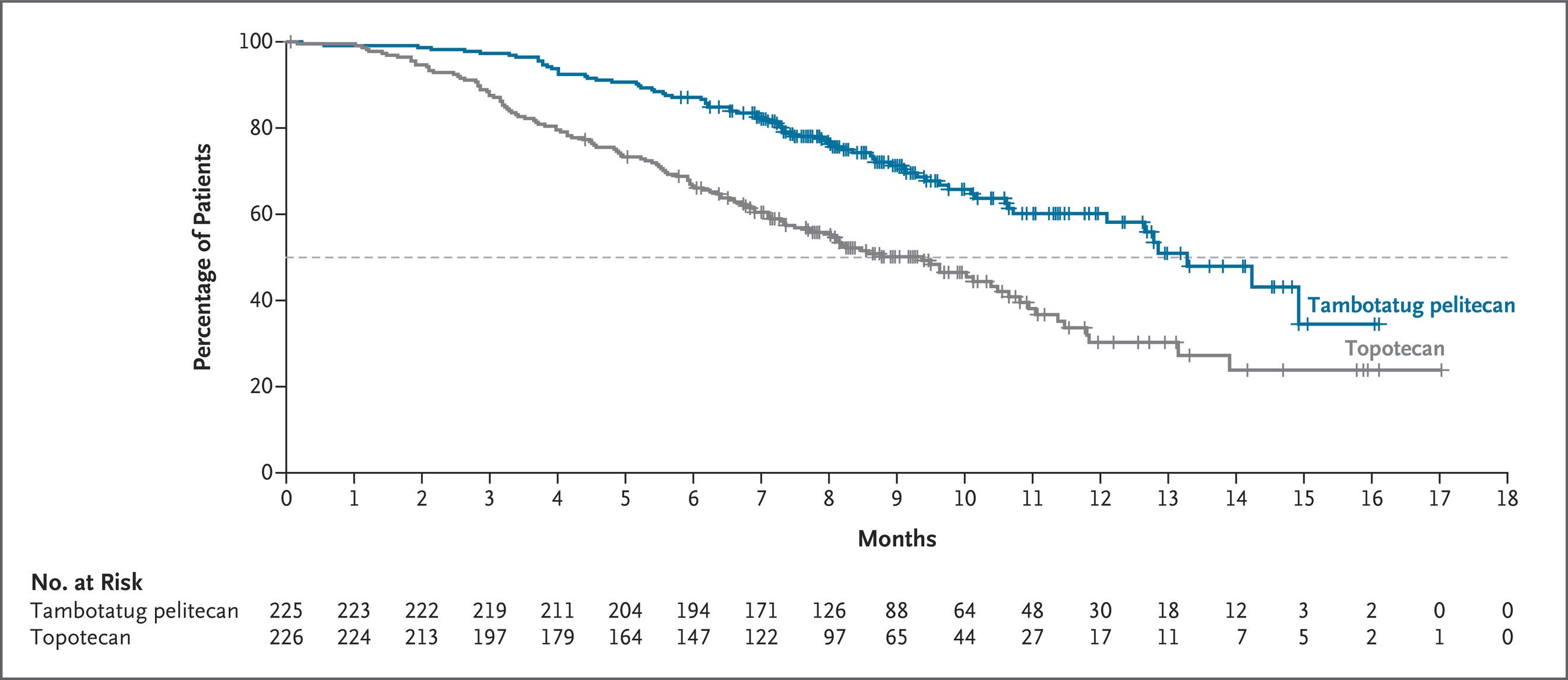
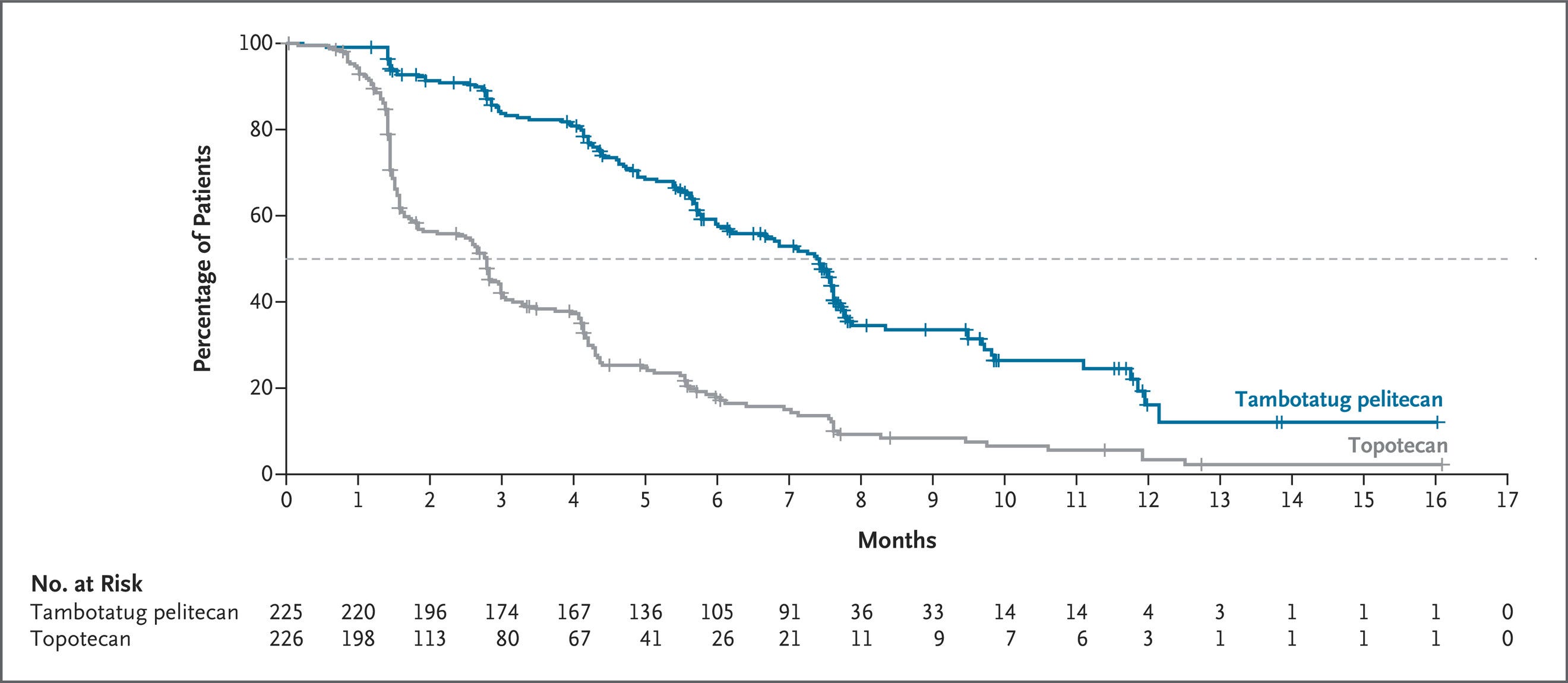
The next step is extrapolating these findings beyond China via global Phase 3 multi-regional trials in broader, geographically diverse patient cohorts. An ongoing Phase 3 trial (NCT07739758) is actively evaluating tambotatug pelitecan in combination with PD-1 inhibition in the 1L extensive-stage SCLC setting
Sources: Roche press release, Zhao et al., NEJM (2026)
GSK & Hansoh - Risvutatug rezetecan (B7-H3 ADC) / Phase 3 (2L SCLC)
GSK and Hansoh Pharma delivered landmark Phase 3 data from the pivotal ARTEMIS-008 trial, marking another historic breakthrough for B7-H3–targeted therapies in relapsed extensive-stage small cell lung cancer (SCLC). The interim analysis revealed a statistically significant and clinically transformative advantage for the B7-H3 ADC over standard chemotherapy.
Risvutatug rezetecan (ris-rez; formerly HS-20093 / GSK5764227) is a novel B7-H3–targeted antibody-drug conjugate (ADC). It pairs a fully human anti-B7-H3 monoclonal antibody with a potent topoisomerase I inhibitor payload (a camptothecin derivative) via an enzymatically cleavable linker. By binding B7-H3, an immune-regulatory protein overexpressed across malignant SCLC tumor cells, the ADC is designed to selectively internalize and release its cytotoxic payload inside cancer cells to induce double-stranded DNA damage and apoptosis.
The Phase 3 ARTEMIS-008 trial was conducted in China and evaluated the efficacy and safety of risvutatug rezetecan in patients with relapsed SCLC who had progressed after initial platinum-based therapy. Risvutatug rezetecan nearly doubled median OS to 18.5 months compared to 10.3 months with topotecan, reducing the risk of death by 54% (HR = 0.46; p < 0.001). Median PFS reached 7.2 months in the ris-rez arm compared to 3.0 months for topotecan (HR = 0.31; p < 0.001), demonstrating sustained disease control. Risvutatug rezetecan was well-tolerated, demonstrating a manageable adverse event profile characterized primarily by reversible hematologic toxicities, with low overall rates of Grade ≥3 interstitial lung disease (ILD).
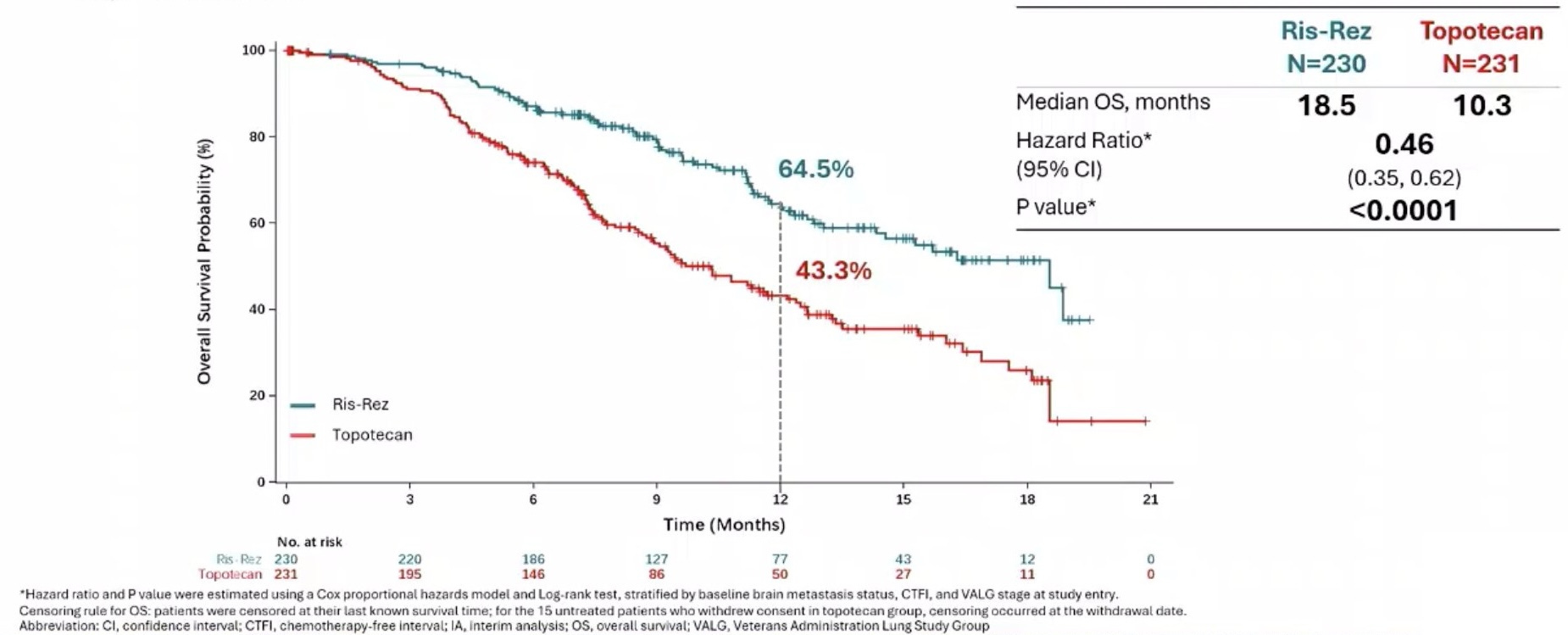
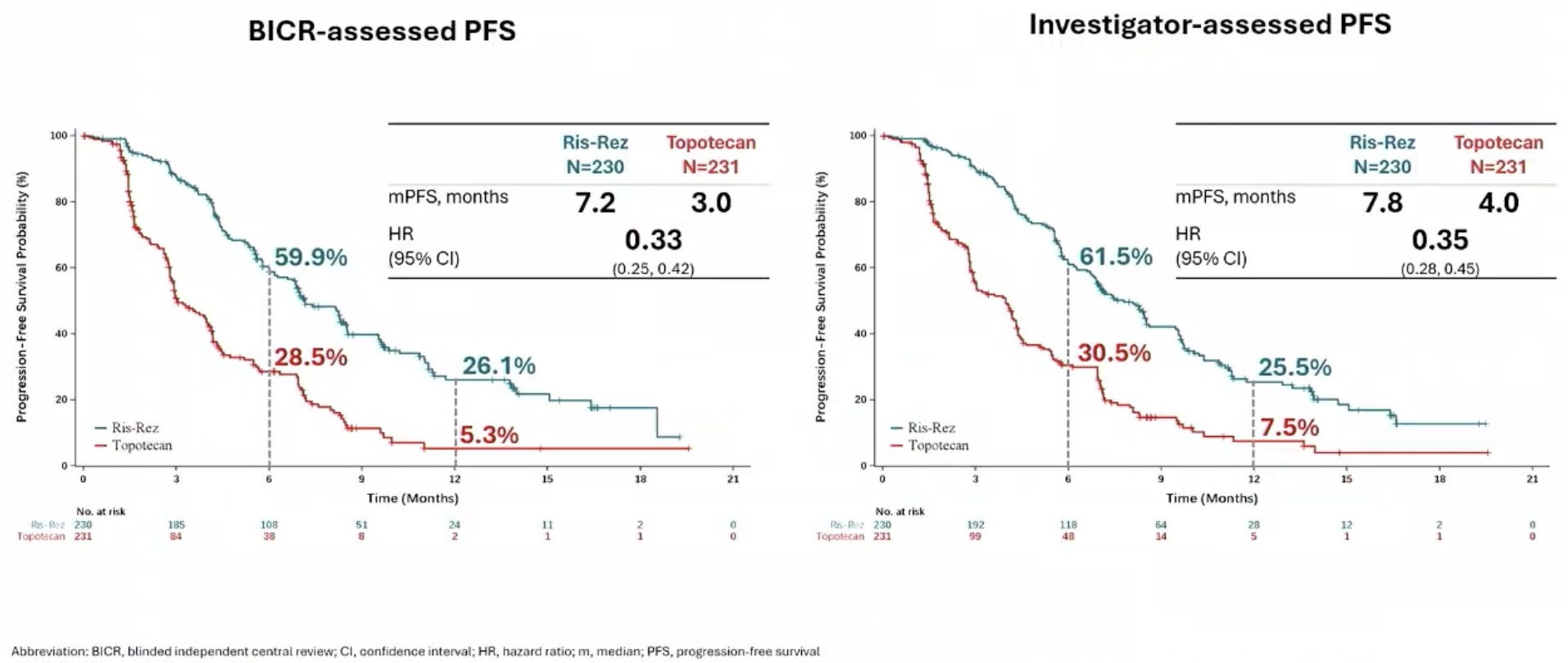
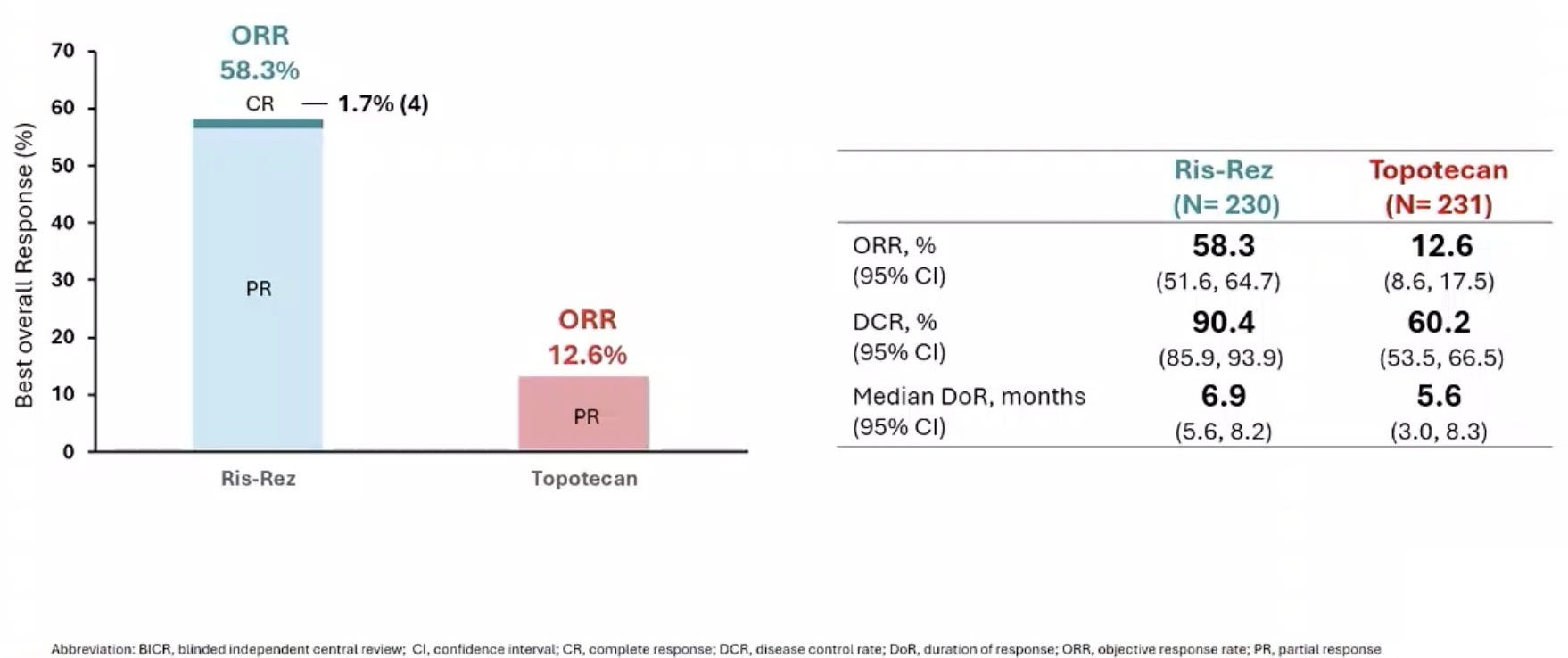
Driven by these results, GSK and Hansoh Pharma are advancing global Phase 3 trials to evaluate risvutatug rezetecan in international patient populations. Beyond second-line monotherapy, investigators are initiating trials to test ris-rez earlier in the treatment continuum, including combination regimens with checkpoint inhibitors in first-line extensive-stage SCLC, as well as expanding its evaluation into other B7-H3-expressing malignancies such as metastatic prostate cancer.
Sources: GSK press release, GSK WCLC 2026 slide
EGFR Inhibitors in 1L EGFR-mutated NSCLC
In EGFR-mutated non-small cell lung cancer (NSCLC), standard oncogenic driver mutations, most commonly exon 19 deletions or the L858R point mutation, lead to constitutive activation of the epidermal growth factor receptor kinase domain, driving downstream pro-survival signaling, cell proliferation, and tumor angiogenesis. The first-line (1L) standard of care leverages central nervous system (CNS)-penetrant third-generation EGFR tyrosine kinase inhibitors (TKIs), primarily Tagrisso/osimertinib monotherapy, or intensified upfront combination regimens including Tagrisso plus platinum-doublet chemotherapy (FLAURA2) or amivantamab (an EGFR-MET bispecific antibody) plus lazertinib (MARIPOSA). Within this framework, EGFR inhibitors play the critical role of selectively binding and blocking the mutated receptor’s intracellular ATP-binding pocket or extracellular domains, thereby shutting down oncogenic cascade signaling, inducing apoptosis, and delivering high objective response rates (ORR) alongside prolonged progression-free survival (PFS) and overall survival (OS) compared to historical chemotherapy options.
J&J - Rybrevant (EGFR x c-MET mAb) / Phase 3 (1L EGFRm Ex20ins NSCLC)
Johnson & Johnson presented long-term data from the Phase 3 PAPILLON trial, highlighting the role of Rybrevant (amivantamab-vmjw) plus chemotherapy in patients with newly diagnosed, advanced EGFR exon 20 insertion-mutated non-small cell lung cancer (NSCLC).
Rybrevant is a fully human bispecific antibody directed against EGFR and c-MET drivers. Unlike small-molecule tyrosine kinase inhibitors (TKIs) that struggle to bind the altered kinase pocket characteristic of exon 20 insertion mutations, Rybrevant binds the extracellular domains of both EGFR and MET. This dual-targeting mechanism inhibits ligand binding, promotes receptor degradation, and engages immune effector mechanisms, such as antibody-dependent cellular cytotoxicity (ADCC) and macrophage phagocytosis, to suppress primary tumor growth and bypass MET-mediated resistance pathways. Historically, patients with EGFR exon 20 insertion mutations faced poor outcomes under standard platinum doublet chemotherapy, with real-world median overall survival ranging from 16 to 24 months.
The pivotal Phase 3 PAPILLON study evaluated 308 treatment-naive patients with locally advanced or metastatic NSCLC harboring EGFR exon 20 insertion mutations. Patients were randomized 1:1 to receive either intravenous Rybrevant in combination with carboplatin-pemetrexed chemotherapy or carboplatin-pemetrexed chemotherapy alone. Protocol crossover was permitted, allowing 76% of eligible patients in the control arm to receive second-line Rybrevant monotherapy following disease progression. Patients receiving frontline Rybrevant plus chemotherapy achieved a median OS of 34.3 months compared to 27.9 months for chemotherapy alone (HR = 0.87; P = 0.307). Due to the 76% crossover rate to second-line Rybrevant in the control arm, the unadjusted hazard ratio was attenuated. Prespecified inverse probability of censoring weighting (IPCW) modeling adjusting for crossover demonstrated a statistically significant 43% reduction in the risk of death (IPCW HR = 0.57; nominal P = 0.003). Second progression-free survival (PFS2) was extended by more than 10 months in the combination arm (28.3 months vs. 17.5 months; HR = 0.59). The safety profile remained consistent with previously reported data, with common toxicities including paronychia, rash, and transient cytopenias, supported by prophylactic management strategies to maintain long-term dosing compliance.
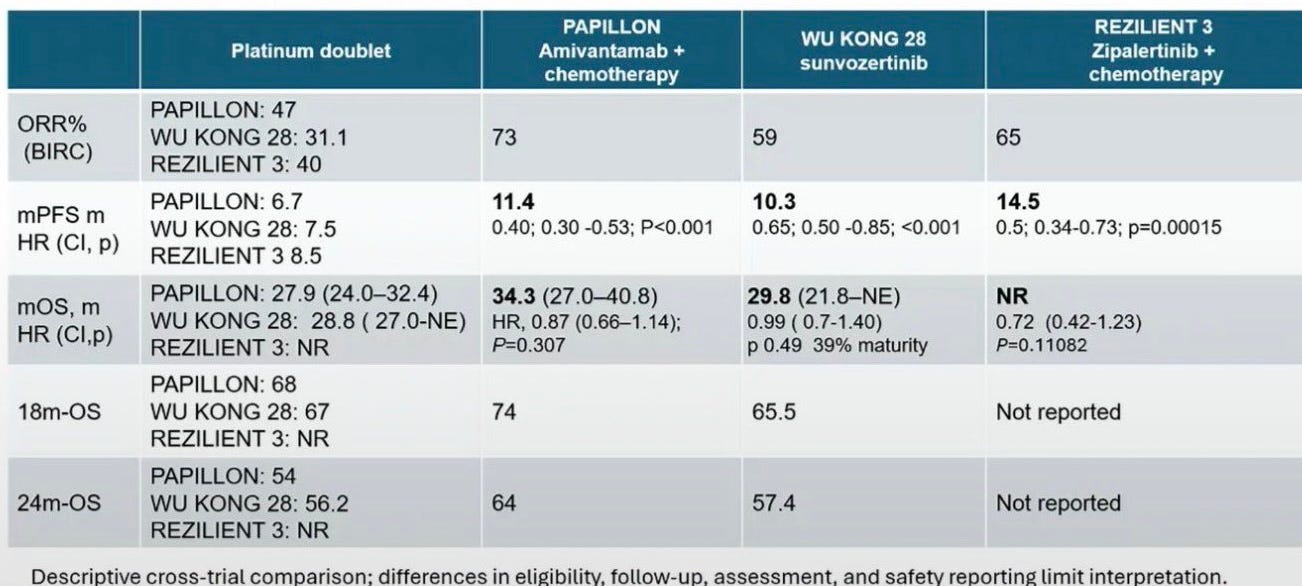
To build on these overall survival data, J&J is focusing on optimizing the delivery and patient experience of the regimen. Clinical efforts are centered on transitioning from intravenous administration to a subcutaneous formulation (evaluated in the PALOMA studies) to reduce administration time and infusion-related reactions, alongside evaluating prophylactic management protocols (such as the COPERNICUS trial) to mitigate dermatologic and mucosal toxicities.
Sources: J&J press release, J&J WCLC 2026 slide
AstraZeneca - Tagrisso (covalent EGFR inhibitor) / Phase 3 (1L EGFRm NSCLC)
AstraZeneca delivered landmark long-term data for Tagrisso (osimertinib) in EGFR-mutated non-small cell lung cancer (NSCLC). Presented during a Presidential Symposium, the updated exploratory findings from the Phase 3 ADAURA trial showcased an unprecedented 8-year follow-up, representing the longest overall survival (OS) data ever reported in a global Phase 3 study in this setting.
Tagrisso (osimertinib) is a third-generation, irreversible, central nervous system (CNS)-active EGFR tyrosine kinase inhibitor (TKI). It selectively targets both sensitizing EGFR mutations (such as exon 19 deletions and L858R) and the T790M resistance mutation while sparing wild-type EGFR. By forming a covalent bond with the C797 residue in the ATP-binding pocket of the EGFR kinase domain, osimertinib is designed to permanently shut down downstream pro-survival and proliferative signaling cascades, triggering tumor cell apoptosis while maintaining high intracranial penetration to control and prevent brain metastases.
The pivotal global Phase 3 ADAURA study evaluated 682 patients with resected, stage IB to IIIA EGFR-mutated NSCLC who had undergone complete tumor resection, with or without prior adjuvant chemotherapy. The long-term analysis presented at WCLC 2026 evaluated extended OS follow-up extending to roughly eight years (data cutoff May 4, 2026). The 8-year landmark analysis demonstrated a durable, clinically meaningful reduction in the risk of death for Tagrisso compared to placebo. In the trial’s primary population (stages II-IIIA), Tagrisso cut the risk of death by 47% compared to placebo, yielding a hazard ratio (HR) of 0.53 (95% CI: 0.38–0.75). The estimated 8-year OS rate reached 74% for Tagrisso versus 58% for placebo. In the overall population (stages IB-IIIA), Tagrisso reduced the risk of death by 48% (HR = 0.52; 95% CI: 0.39–0.71), with an 8-year OS rate of 79% versus 64% for placebo. Final safety outcomes aligned with Tagrisso‘s long-established tolerability profile, showing no new long-term safety signals after extended observation.
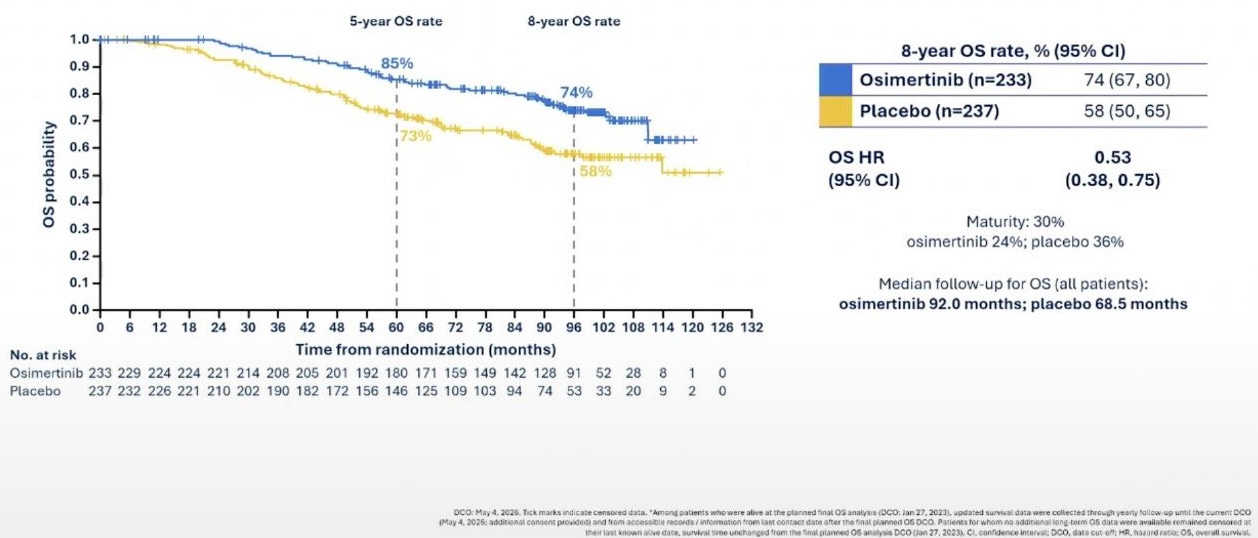
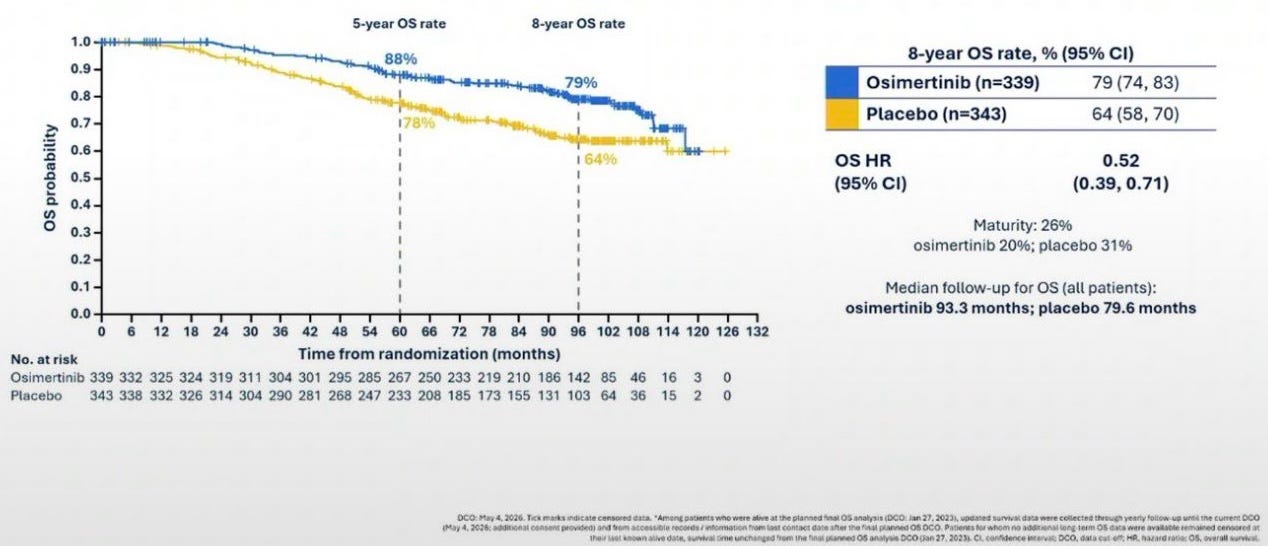
Building on its established role across resected early disease (ADAURA), stage III unresectable disease (LAURA), and 1L advanced settings (FLAURA / FLAURA2), AstraZeneca is focused on maintaining treatment persistence and optimizing combination regimens. Real-world data presented alongside ADAURA highlighted that completing the full 3-year adjuvant course remains vital to avoid recurrence. Future directions also include evaluating Tagrisso-based regimens in earlier neo-adjuvant settings, as well as developing next-generation combinations to counter emerging EGFR resistance mechanisms like C797S mutations and MET amplification.
Sources: AstraZeneca press release, AstraZeneca WCLC 2026 slide
Cullinan - Zipalertinib (covalent EGFR inhibitor) / Phase 3 (1L EGFRm Ex20ins NSCLC)
Cullinan Therapeutics and Taiho Pharmaceutical presented results from a Presidential Symposium highlighting the Phase 3 REZILIENT3 trial. Evaluating zipalertinib (CLN-081/TAS6417) in combination with platinum-based chemotherapy, the presentation established the oral small-molecule inhibitor as a first-line treatment option for advanced non-small cell lung cancer (NSCLC) harboring EGFR exon 20 insertion (ex20ins) mutations.
Zipalertinib is an oral, irreversible covalent small-molecule EGFR tyrosine kinase inhibitor specifically designed to target EGFR exon 20 insertion mutations while sparing wild-type EGFR. Structural alterations caused by exon 20 insertions restrict the ATP-binding pocket, making conventional TKIs ineffective or excessively toxic due to off-target wild-type EGFR inhibition. Zipalertinib forms a covalent bond with the C797 residue within the active conformation of mutant EGFR, selectively blocking downstream oncogenic signaling and driving cell apoptosis with an improved therapeutic window.
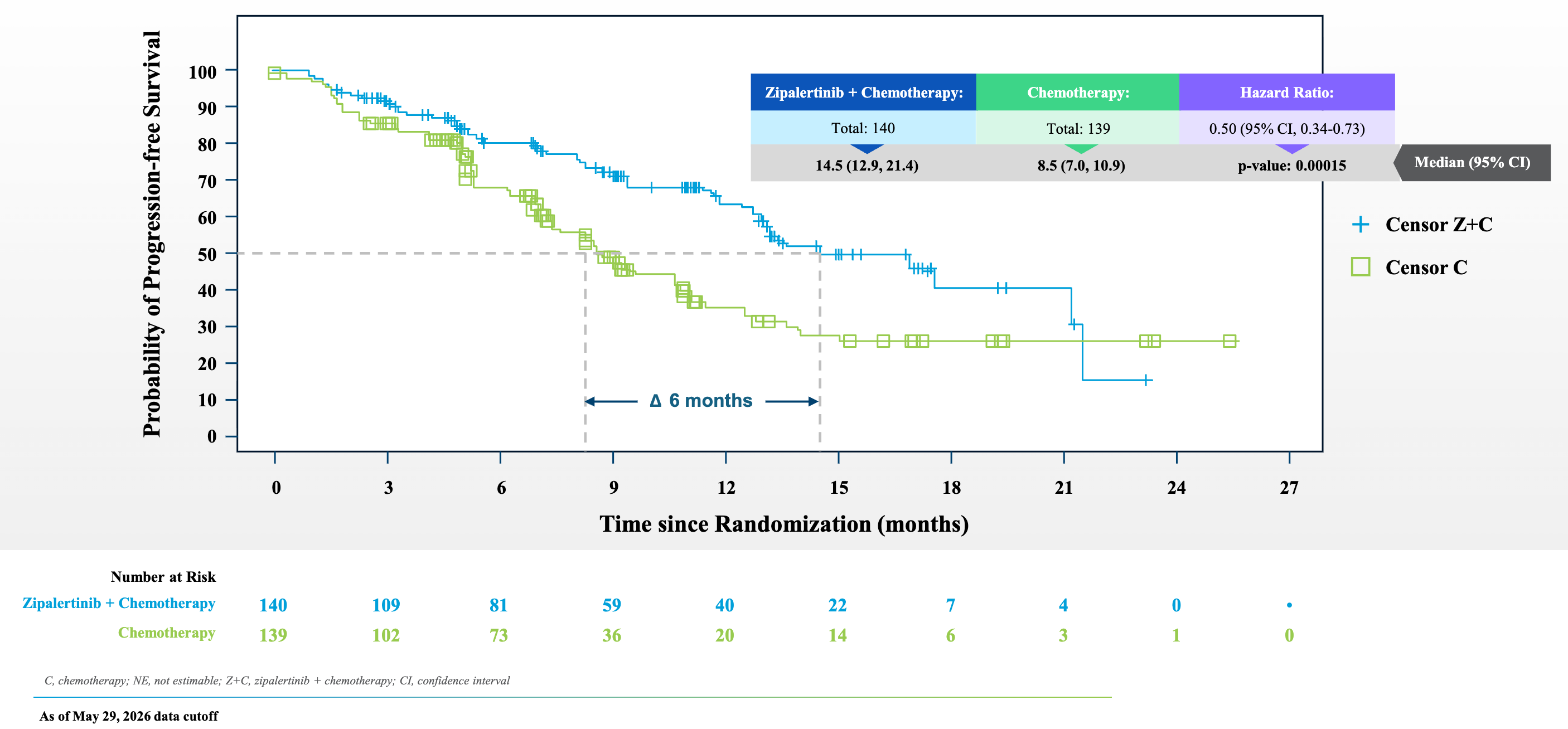
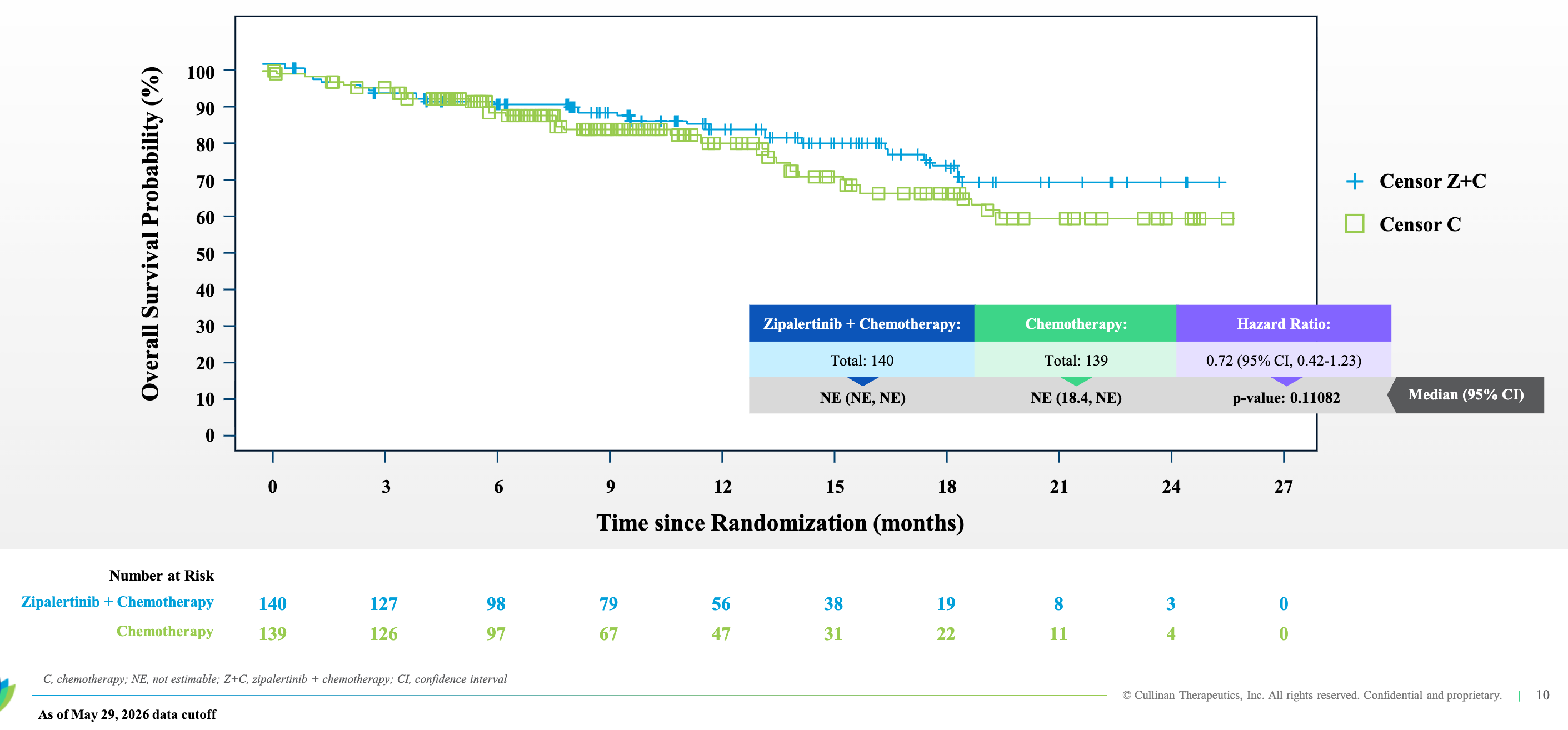
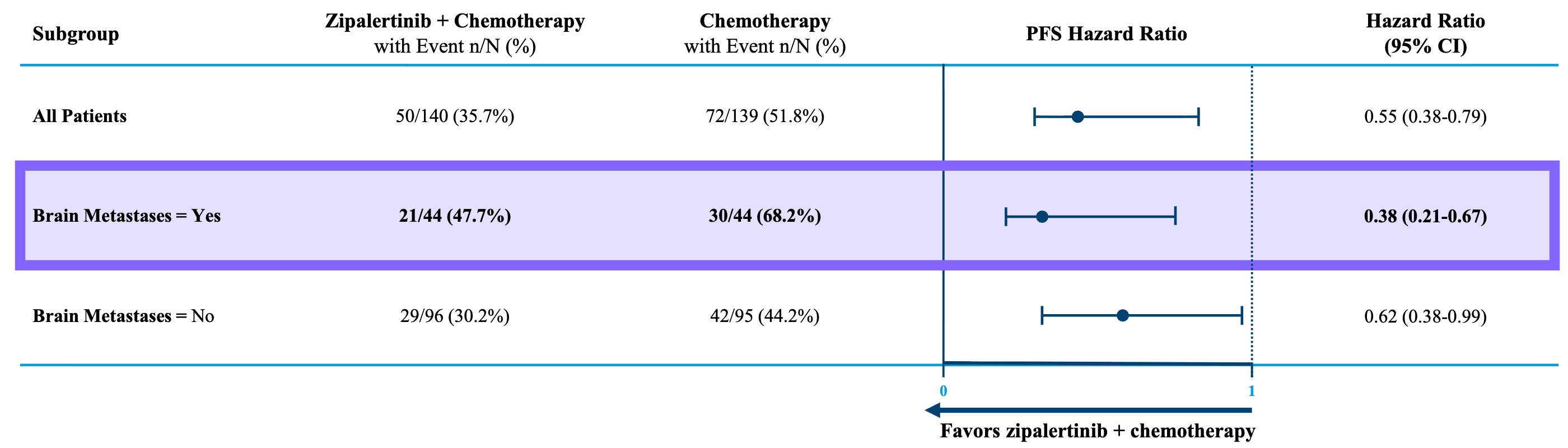
The global, randomized, open-label Phase 3 REZILIENT3 study evaluated 279 treatment-naive patients with locally advanced or metastatic EGFR ex20ins NSCLC. Patients were randomized to receive either zipalertinib (100 mg orally twice daily) combined with platinum-pemetrexed doublet chemotherapy or platinum-pemetrexed chemotherapy alone. At the pre-specified interim efficacy analysis, zipalertinib combined with chemotherapy met its primary endpoint, delivering efficacy metrics across response endpoints. The combination significantly extended median PFS to 14.5 months compared to 8.5 months with chemotherapy alone, cutting the risk of disease progression or death by 50% (HR = 0.50; 95% CI: 0.34-0.73; P = 0.00015). Confirmed BICR ORR reached 65.0% in the combination arm versus 40.3% for chemotherapy alone (P < 0.0001). Median DoR reached 14.2 months with the zipalertinib combination compared to 9.9 months with chemotherapy. At an early 30% OS event maturity, the combination showed a trend toward improved survival with a hazard ratio of 0.72 (95% CI: 0.42-1.23), with follow-up ongoing. While the overall study population achieved a statistically significant 50% reduction in the risk of disease progression or death (HR = 0.50; median PFS 14.5 months vs. 8.5 months), patients with brain metastases experienced a 62% reduction in the risk of disease progression or death (subgroup HR = 0.38; 95% CI: 0.21–0.67). This pronounced benefit highlights zipalertinib’s central nervous system (CNS) activity and ability to penetrate the blood-brain barrier, effectively addressing central nervous system recurrence, a frequent site of failure and major unmet need in EGFR exon 20 insertion-mutated lung cancer. The safety profile of the combination was manageable and consistent with the individual agents, featuring low rates of Grade 3 or higher wild-type EGFR-related toxicities (such as Grade 3 rash in 10.7% and Grade 3 diarrhea in 1.4%).
Cullinan Therapeutics and Taiho Pharmaceutical plan to submit these data to global regulatory authorities to support potential approval for zipalertinib in the first-line EGFR ex20ins setting. Ongoing initiatives include monitoring long-term overall survival maturity in REZILIENT3, evaluating zipalertinib as monotherapy in post-chemotherapy settings (REZILIENT1), and exploring combination strategies to address emerging mechanisms of resistance.
Sources: Cullinan press release, Cullinan WCLC 2026 slide deck
Other Positive Datasets
GSK - Jideytro (ROS1 inhibitor) / Phase 3 (1L ROS1+ NSCLC)
GSK presented registrational Phase 1/2 data from the ARROS-1 trial evaluating Jideytro (zidesamtinib) in first-line ROS1-positive non-small cell lung cancer (NSCLC). Featured during a Presidential Symposium, the findings position Jideytro as a precision oncology asset that serves as the centerpiece of GSK’s recent acquisition of Nuvalent, which we covered here.
Jideytro (zidesamtinib) is an oral, brain-penetrant, next-generation ROS1-selective tyrosine kinase inhibitor (TKI). Engineered with structural selectivity to spare the closely related TRK family of receptors, Jideytro minimizes TRK-mediated central nervous system toxicities (such as ataxia, weight gain, and cognitive changes) while targeting both wild-type ROS1 fusions and hard-to-treat resistance mutations, including the solvent-front G2032R mutation. Its high central nervous system (CNS) permeability allows it to cross the blood-brain barrier to prevent and clear intracranial metastases.
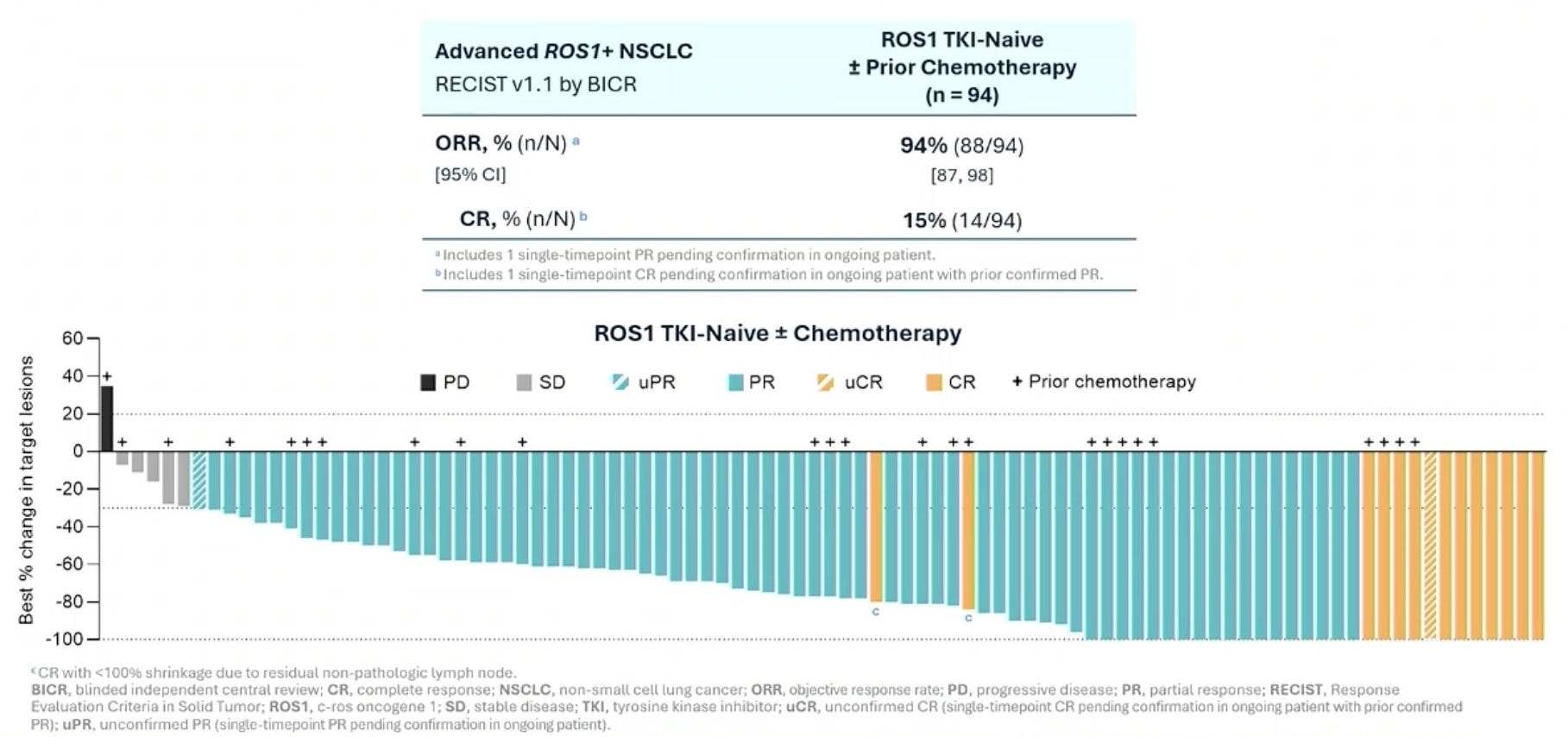
The registrational Phase 1/2 ARROS-1 trial evaluated Jideytro (100 mg once daily) across cohorts of ROS1-positive advanced or metastatic NSCLC patients. The data presented at WCLC 2026 focused on 94 TKI-naive patients who had not previously received a ROS1-targeted inhibitor (though up to one prior line of chemotherapy with or without immunotherapy was allowed). At a median follow-up of 15.2 months, Jideytro demonstrated high systemic and intracranial efficacy in TKI-naive patients. Results of co-primary endpoints (ORR, DoR) included a BICR-confirmed ORR of 94% (88/94; 95% CI: 87-98%), featuring a 15% complete response (CR) rate, and median duration of response (DoR) and median PFS were both not yet reached. At 12 months, 86% of responding patients remained in remission, and the 12-month PFS rate was 90%. Furthermore, in patients with measurable brain metastases at baseline, Jideytro achieved a 70% complete clearance rate of detectable brain tumors, with an overall intracranial ORR reaching up to 100% across evaluable patients. Jideytro was well tolerated, with low rates of treatment-related dose reductions (11%) and discontinuations (1%). Side effects were mostly low-grade, including peripheral edema, blood CPK elevation, and dysgeusia, with a minimal incidence of TRK-related neurotoxicities. By delivering a 94% ORR and a 15% complete response rate, more than double the CR rates observed with competing next-generation ROS1 TKIs (7% for Augtyro/repotrectinib in TRIDENT-1 Phase 1/2 trial, 6.5% for Talvey/taletrectinib in TRUST-I Phase 2 trial), Jideytro sets a efficacy benchmark in frontline ROS1-positive NSCLC on a cross-trial basis (GSK would have to run a head-to-head study to definitively demonstrate superiority).
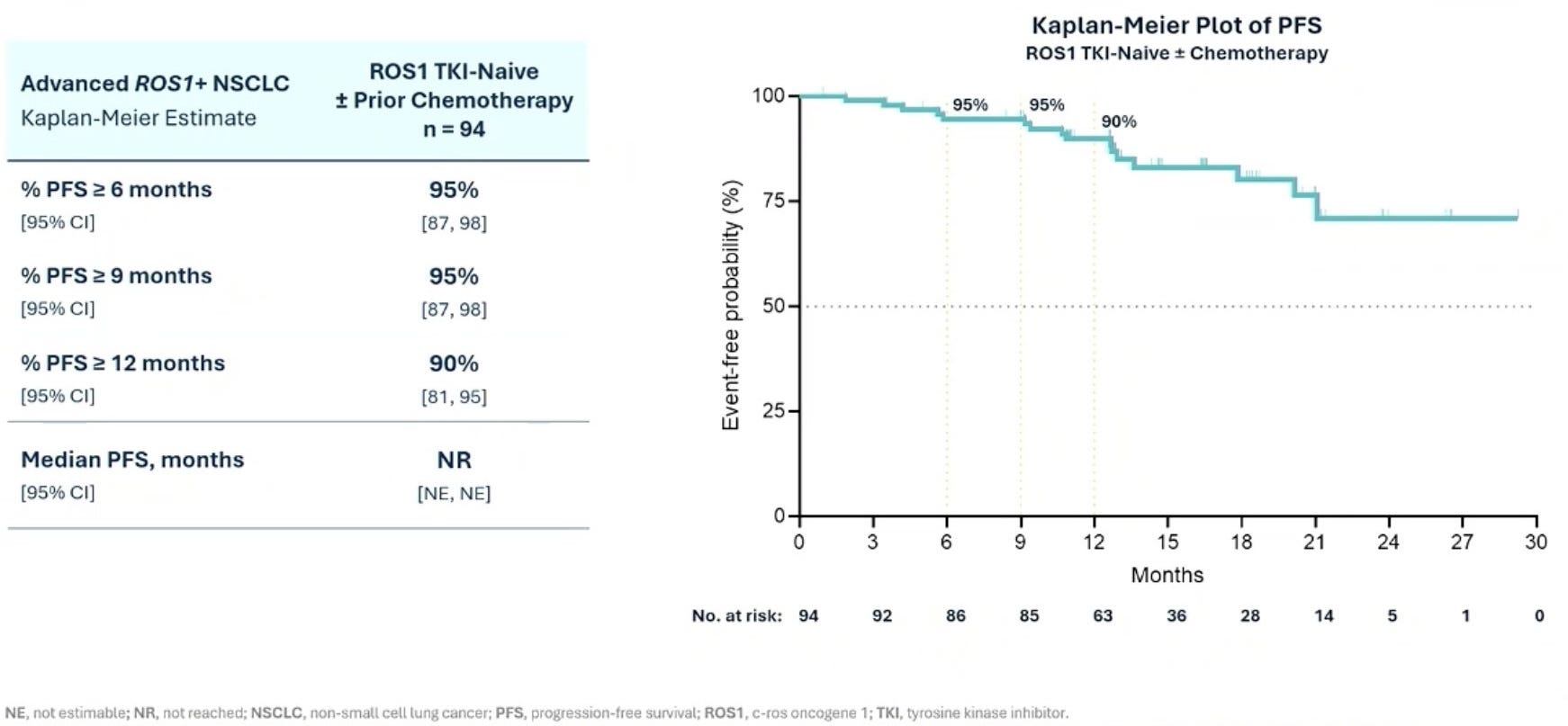
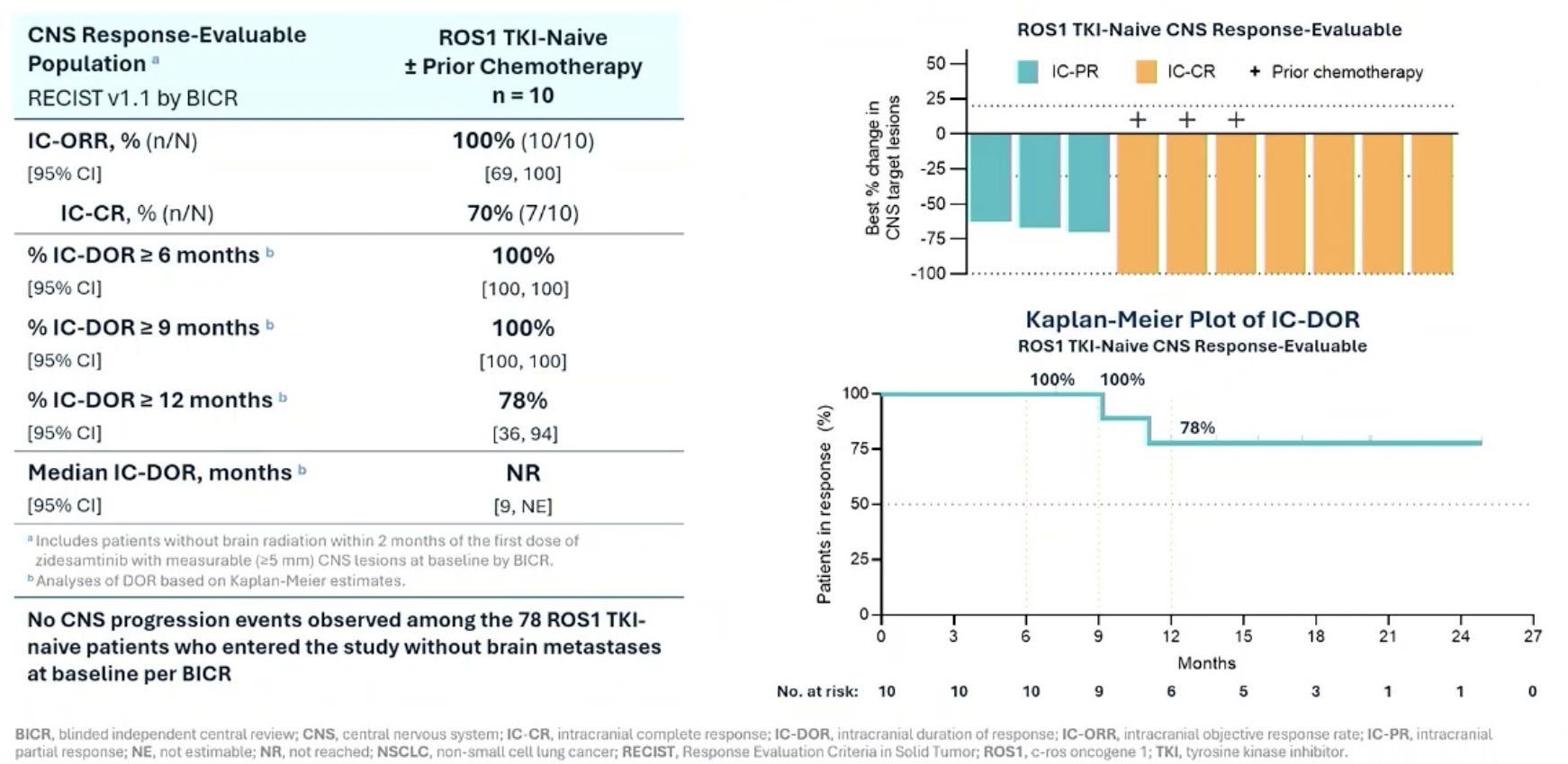
Building on Jideytro‘s prior FDA approval for TKI-pretreated ROS1-positive NSCLC, GSK plans to submit a supplemental Biologics License Application (sBLA) to the U.S. FDA in the fourth quarter of 2026 to expand its indication into the first-line setting. As the foundational asset of the Nuvalent transaction, Jideytro serves as the anchor of GSK’s expanding thoracic oncology pipeline, with ongoing trials further exploring its long-term OS outcomes and potential applications across broader ROS1-altered solid tumors.
Sources: GSK press release, GSK WCLC 2026 slides
BioNTech - Gotistobart (anti-CTLA4 mAb) / Phase 3 (2L Sq NSCLC)
BioNTech and OncoC4 presented median overall survival (OS) data from stage 1 of the Phase 3 PRESERVE-003 trial. The findings evaluate gotistobart (BNT316/ONC-392) as a chemotherapy-free option for patients with advanced squamous non-small cell lung cancer (NSCLC) progressing after prior anti-PD-(L)1 immunotherapy and platinum-based chemotherapy. This data was previously published in Nature Medicine in March 2026 and presented at the 2026 European Lung Cancer Congress (ELCC) and the IASLC ASCO 2025 North America Conference on Lung Cancer (NACLC).
Gotistobart is an investigational, pH-sensitive anti-CTLA-4 monoclonal antibody designed to address historical tolerability challenges of first-generation CTLA-4 inhibitors. Following binding to CTLA-4, the antibody-receptor complex internalizes into endosomes, where low pH triggers dissociation. This mechanism allows CTLA-4 to recycle back to the cell surface to maintain immune self-tolerance in healthy peripheral tissues while selectively depleting regulatory T cells (Tregs) within the acidic tumor microenvironment to reignite anti-tumor immunity.
PRESERVE-003 is a two-stage, open-label Phase 3 trial comparing gotistobart monotherapy against standard-of-care docetaxel chemotherapy. Data presented at WCLC 2026 detailed the randomized, non-pivotal stage 1 cohort of 87 patients with metastatic squamous NSCLC who experienced disease progression after platinum-based chemotherapy and PD-(L)1 blockade. At a median follow-up of 25.4 months (data cutoff July 17, 2026), gotistobart demonstrated an overall survival advantage over standard chemotherapy. Gotistobart extended median OS to 18.5 months compared to 10.0 months with docetaxel, delivering an 8.5-month survival extension and reducing the risk of death by 44% (HR = 0.56; 95% CI: 0.33-0.95; nominal p = 0.0295). The confirmed objective response rate (ORR) was 20.0% in the gotistobart arm versus 4.8% with docetaxel. Grade 3 or higher treatment-related adverse events occurred in 44.4% of patients receiving gotistobart compared to 48.8% in the docetaxel arm. Immune-mediated toxicities remained manageable, with Grade 3+ colitis occurring in 8.9% of gotistobart-treated patients and no unmanageable safety signals.
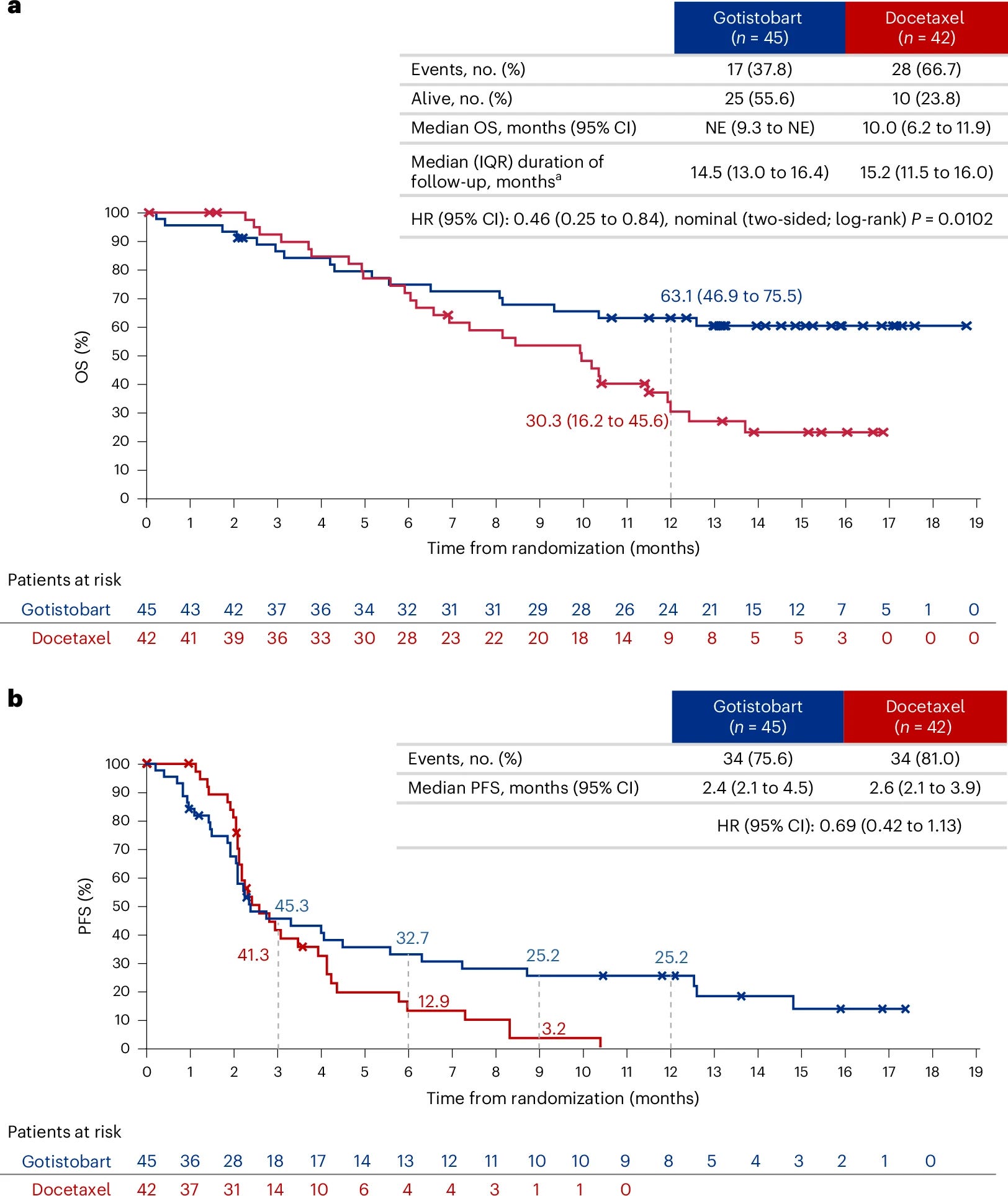
While these stage 1 findings are clinically meaningful, it was exploratory and not designed as a registrational dataset. BioNTech and OncoC4 are actively conducting the pivotal stage 2 portion of PRESERVE-003, which is enrolling approximately 478 patients with metastatic squamous NSCLC across 160 global sites. Topline pivotal stage 2 data are anticipated in the fourth quarter of 2026, which could serve as the primary dataset to support global regulatory filings.
Sources: BioNTech press release, Cho et al., Nature Medicine (2026)
Amgen - Imdelltra (DLL3 x CD3 TCE) / Phase 3 (1L ES-SCLC)
Amgen presented Phase 3 data evaluating Imdelltra (tarlatamab-dlle), a bispecific T-cell engager (TCE), in first-line extensive-stage small cell lung cancer (1L ES-SCLC). Delivered during a Presidential Symposium, the results revealed dose-dependent outcomes that highlighted both the promise and complexity of advancing T-cell engagers into earlier lines of therapy.
Imdelltra (tarlatamab) is a bispecific T-cell engager engineered to simultaneously bind delta-like ligand 3 (DLL3) on SCLC cells and CD3 on cytotoxic T lymphocytes. DLL3 is overexpressed on the surface of SCLC cells with minimal expression in normal tissues. By forming an artificial immunological synapse between endogenous T cells and DLL3-expressing tumor cells, Imdelltra is designed to induce directed T-cell activation, targeted cytotoxicity, and localized cytokine release to destroy malignant cells independently of MHC class I presentation.
The global, randomized Phase 3 DeLLphi-305 trial evaluated Imdelltra as frontline maintenance or combination therapy in patients with newly diagnosed extensive-stage small cell lung cancer (ES-SCLC) who had completed initial induction platinum-based chemotherapy plus immunotherapy. The overall survival analysis revealed a notable divergence in outcomes based on dose selection. Treatment with the 20 mg dose delivered a statistically significant reduction in the risk of death compared to standard maintenance, achieving an overall survival hazard ratio of 0.59 (HR = 0.59; p < 0.001), accompanied by improvements in median PFS and duration of response. In contrast, the higher 30 mg dose cohort failed to show a survival advantage over control, generating an overall survival hazard ratio of 1.03 (HR = 1.03), reflecting a flat to detrimental survival effect relative to the lower dose. The lack of survival benefit at the 30 mg dose was largely driven by increased toxicity and treatment disruptions. While cytokine release syndrome (CRS) and immune effector cell-associated neurotoxicity syndrome (ICANS) were manageable at the 20 mg level, higher rate and severity of immune-mediated adverse events, treatment-related discontinuations, and adverse event-related mortality at the 30 mg dose negated the anti-tumor efficacy. These findings demonstrate a bell-shaped or plateaued therapeutic window typical of T-cell engagers, where higher doses do not translate to superior cell killing and instead exacerbate immune toxicity and treatment failure.
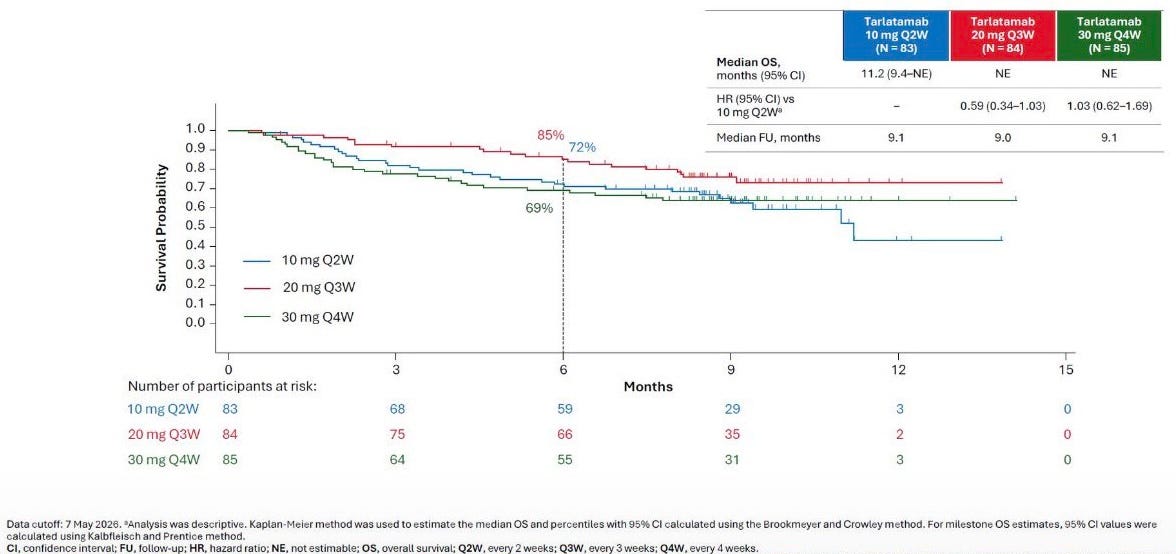
Amgen is focusing its regulatory filings and global registration efforts exclusively on the 20 mg dosing schedule for first-line ES-SCLC maintenance. Future initiatives involve optimizing step-up dosing and outpatient monitoring protocols to mitigate early CRS events, as well as evaluating combination strategies with immune checkpoint inhibitors and novel targeted agents to maximize durable survival without compromising safety.
Sources: Amgen WCLC 2026 slides
Summit & Akeso - Ivonescimab (PD1 x VEGF mAb) / Phase 3 (1L NSCLC)
Summit Therapeutics and Akeso presented the overall survival (OS) readout from the Phase 3 HARMONi-2 study evaluating ivonescimab (AK112/SMT112) in first-line non-small cell lung cancer (NSCLC). Following its earlier headline progression-free survival (PFS) victory over pembrolizumab, the new survival data confirmed a statistically significant reduction in the risk of death, demonstrating the potential of a bispecific antibody to outperform the long-standing standard of care.
Ivonescimab is a first-in-class, humanized bispecific antibody engineered to simultaneously target PD-1 and VEGF-A. By cooperative binding to both targets, ivonescimab is designed to leverage the high density of VEGF in the tumor microenvironment to increase its binding affinity for PD-1. This dual mechanism restores anti-tumor T-cell activity by blocking the PD-1/PD-L1 checkpoint, while concurrently inhibiting VEGF-driven tumor angiogenesis, normalizing tumor vasculature, and enhancing immune cell infiltration.
The Phase 3 HARMONi-2 trial evaluated 398 patients in China with treatment-naive, advanced PD-L1–positive (TPS ≥1%) NSCLC. Patients were randomized 1:1 to receive either ivonescimab monotherapy or standard-of-care pembrolizumab monotherapy. While the trial previously met its primary endpoint of PFS, the long-term follow-up presented at WCLC 2026 focused on the key secondary endpoint of Overall Survival (OS). The OS analysis demonstrated a statistically significant survival advantage for ivonescimab over pembrolizumab monotherapy. Ivonescimab reduced the risk of death by 17% compared to pembrolizumab, achieving an OS hazard ratio of 0.83 (HR = 0.83; P = 0.009). Patients receiving ivonescimab experienced an 8.2-month numeric extension in median overall survival compared to those treated with pembrolizumab. The safety profile of ivonescimab remained consistent with prior reports, demonstrating a manageable toxicity profile without new unexpected VEGF- or immune-related safety signals.
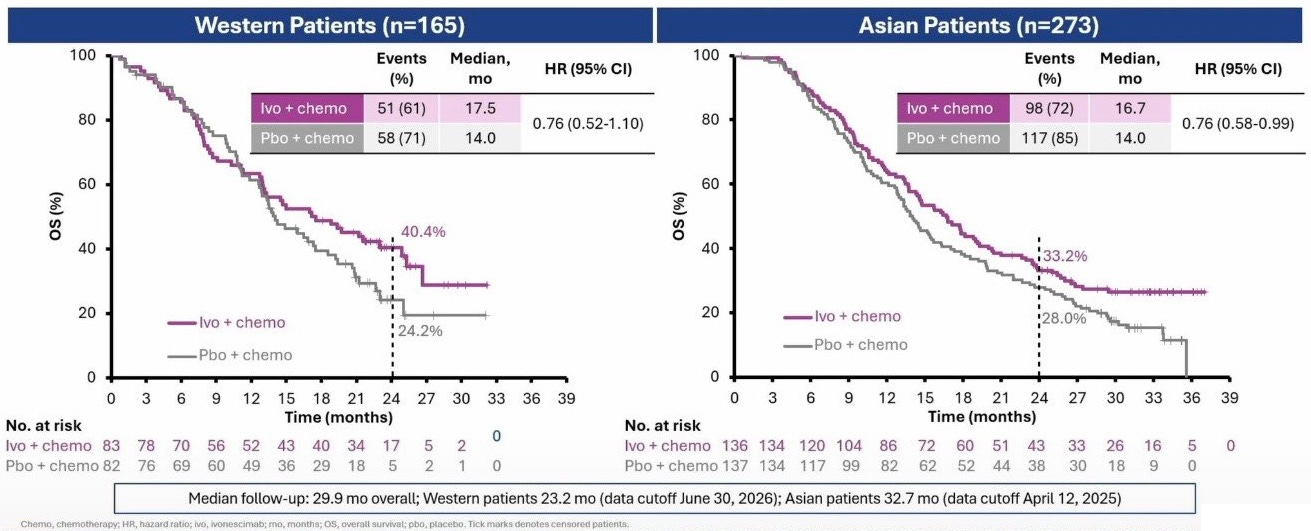
Since HARMONi-2 was conducted exclusively in a Chinese patient population, the FDA requires global multi-regional clinical trial (MRCT) validation before granting registration. To establish global regulatory approval, Summit Therapeutics is enrolling the Phase 3 HARMONi-7 trial, a global study directly comparing ivonescimab monotherapy against pembrolizumab in high PD-L1–expressing (TPS ≥ 50%) NSCLC, with primary data readouts anticipated in 2028.
Sources: Summit press release, Summit/Akeso WCLC 2026 slides
Mixed Datasets
AstraZeneca & Daiichi - Enhertu (HER2 ADC) / Phase 3 (1L HER2m non-Sq NSCLC)
AstraZeneca and Daiichi Sankyo presented primary data from the pivotal Phase 3 DESTINY-Lung04 trial. Evaluating Enhertu (trastuzumab deruxtecan; T-DXd) as frontline monotherapy for advanced HER2-mutated non-squamous non-small cell lung cancer (NSCLC), the study generated complex results: while Enhertu established superior progression-free survival (PFS) over standard-of-care chemo-immunotherapy, it failed to translate that progression advantage into an overall survival (OS) benefit.
Enhertu is a HER2-directed antibody-drug conjugate (ADC) composed of a humanized anti-HER2 IgG1 monoclonal antibody linked to a potent topoisomerase I inhibitor payload (deruxtecan, a DXd derivative) via a tetrapeptide-based cleavable linker. Upon binding to HER2 receptors expressed on mutant lung cancer cells, the ADC internalizes, releasing the membrane-permeable payload inside the tumor cell to induce double-stranded DNA damage and apoptosis. The payload’s bystander effect allows it to diffuse into neighboring tumor cells within heterogeneous tumors.
The Phase 3 DESTINY-Lung04 study evaluated 454 treatment-naive patients with unresectable, locally advanced or metastatic non-squamous NSCLC harboring HER2 exon 19 or exon 20 insertion mutations. Patients were randomized 1:1 to receive either Enhertu monotherapy (5.4 mg/kg IV every three weeks) or the global frontline standard of care: Keytruda (pembrolizumab) combined with platinum-pemetrexed doublet chemotherapy. The readout presented at WCLC 2026 highlighted a divergence between progression control and overall survival outcomes. Enhertu met its primary endpoint, extending median PFS by 6.0 months to 14.3 months compared to 8.3 months in the Keytruda plus chemotherapy arm (HR = 0.63; 95% CI: 0.50-0.79; p < 0.0001). The objective response rate (ORR) was 70.0% with Enhertu versus 44.5% with chemo-immunotherapy, with a median duration of response (DoR) of 13.4 months versus 9.7 months, respectively. At 46.9% data maturity, Enhertu did not show an overall survival benefit over the control arm. Median OS was 29.3 months for Enhertu versus 33.1 months for Keytruda plus chemotherapy, yielding a numerical hazard ratio trending in favor of the control arm (HR = 1.15; 95% CI: 0.88-1.52). Investigators noted significant post-progression therapy imbalances, as 48.0% of patients in the control arm crossed over to receive subsequent HER2-targeted therapy (primarily second-line Enhertu) versus only 23.3% in the upfront Enhertu arm receiving subsequent immunotherapy. Furthermore, adjudicated interstitial lung disease (ILD) occurred in 20.8% of Enhertu-treated patients (including 1.8% Grade 5 fatal events), creating an safety signal that impacted long-term treatment continuity. While DESTINY-Lung04 is the first Phase 3 trial to demonstrate a PFS advantage over platinum-chemotherapy plus Keytruda in HER2-mutated NSCLC, the lack of OS benefit could complicate its immediate adoption as an upfront standard of care. The high crossover rate of control-arm patients to second-line Enhertu (achieving a median OS of 33.1 months) suggests that sequencing Enhertu into the second-line setting after initial chemo-immunotherapy remains a effective sequence, blunting the clinical urgency to move the ADC into the frontline setting.
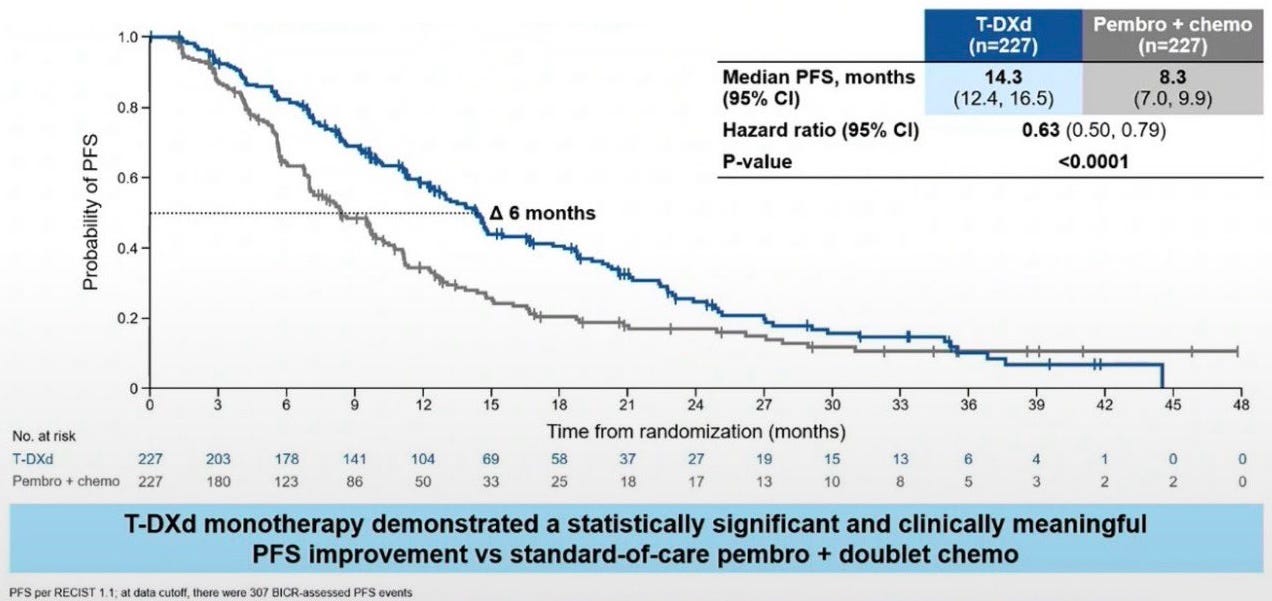
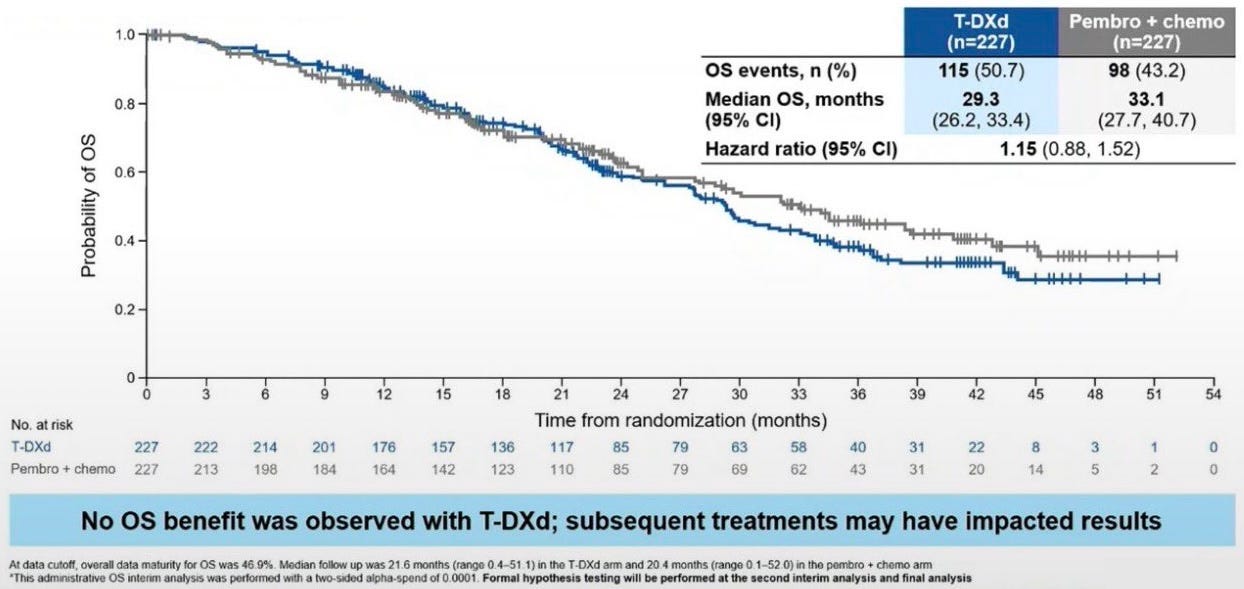
AstraZeneca and Daiichi Sankyo are monitoring the trial for overall survival data maturity to perform formal adjusted analyses (such as RPSFT models) accounting for crossover. Future efforts focus on optimizing safety through strict proactive ILD monitoring algorithms to reduce pulmonary toxicity, alongside testing lower-dose regimens or upfront combination strategies to preserve anti-tumor efficacy while improving long-term overall survival outcomes.
Sources: AstraZeneca press release, AstraZeneca WCLC 2026 slides
Gilead & Merck - Trodelvy (TROP2 ADC) / Phase 3 (1L NSCLC)
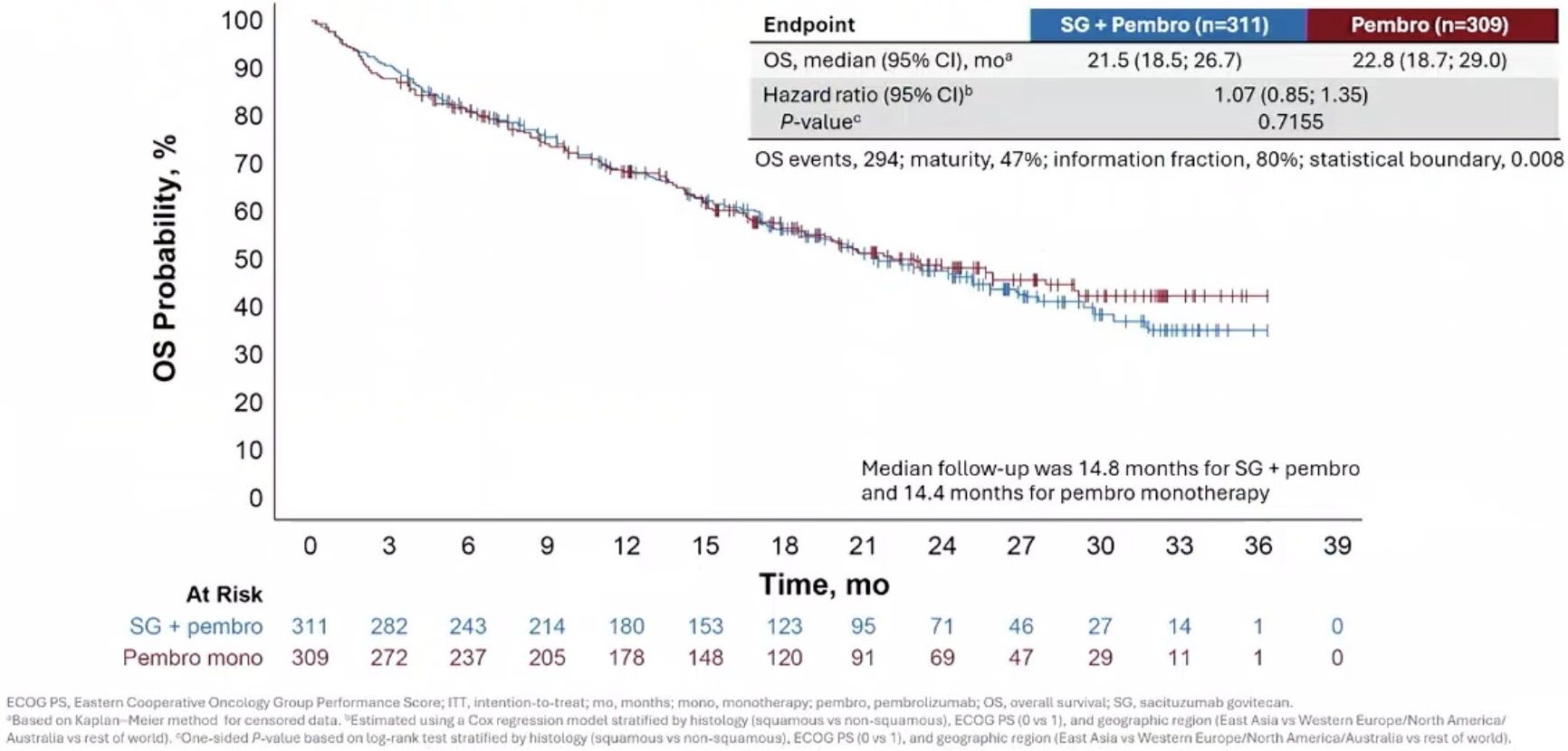
Gilead Sciences and Merck presented primary data from the Phase 3 EVOKE-03 / KEYNOTE-D46 trial evaluating Trodelvy (sacituzumab govitecan) in combination with Keytruda (pembrolizumab) as a first-line treatment for metastatic non-small cell lung cancer (NSCLC). Featured following an independent data monitoring committee recommendation to discontinue the trial, the results provided a clear example of the challenges facing antibody-drug conjugate (ADC) and immunotherapy combination strategies in driver-negative, PD-L1-high lung cancer.
Trodelvy (sacituzumab govitecan) is a TROP2-directed antibody-drug conjugate consisting of a humanized anti-TROP2 monoclonal antibody conjugated via a hydrolyzable linker to SN-38, a topoisomerase I inhibitor payload. TROP2 is an cell-surface glycoprotein overexpressed in over 90% of NSCLC tumors. The rationale behind the combination was to leverage Trodelvy‘s payload delivery and bystander effect to trigger immunogenic cell death, thereby priming the tumor microenvironment to potentiate Keytruda‘s anti-PD-1-mediated T-cell activation.
The global, randomized, open-label Phase 3 EVOKE-03 / KEYNOTE-D46 study enrolled 620 treatment-naive patients with metastatic NSCLC harboring high PD-L1 expression (TPS ≥50%) and lacking actionable genomic alterations (such as EGFR, ALK, or ROS1). The final PFS and interim OS analyses revealed that adding Trodelvy to frontline Keytruda failed to meet statistical criteria for its primary endpoints compared to Keytruda montherapy, while introducing toxicity. The combination demonstrated a numerical extension in median PFS (11.8 months vs. 7.7 months), but failed to cross the pre-specified threshold for statistical significance (HR = 0.81; 95% CI: 0.66–1.00; upper bound hit 1.00). At a 47% event maturity interim analysis, the combination showed a trend toward futility and numerical detriment compared to pembrolizumab monotherapy (median OS of 21.5 months for the combo vs. 22.8 months for Keytruda alone; HR = 1.07; 95% CI: 0.85–1.35). Adding the ADC increased treatment-related toxicities without a corresponding survival benefit. Grade ≥3 treatment-related adverse events occurred in 55.7% of patients receiving the Trodelvy combination compared to 16.5% in the Keytruda monotherapy arm, driven largely by high rates of neutropenia and severe diarrhea. The failure of EVOKE-03 highlights the difficulty of outperforming single-agent pembrolizumab in PD-L1-high (TPS ≥50%) frontline NSCLC, where anti-PD-1 monotherapy already sets a high efficacy bar. The added systemic toxicities from the SN-38 payload compromised dose intensity and treatment compliance, offsetting localized anti-tumor effects and causing the combination strategy to miss its primary endpoints.
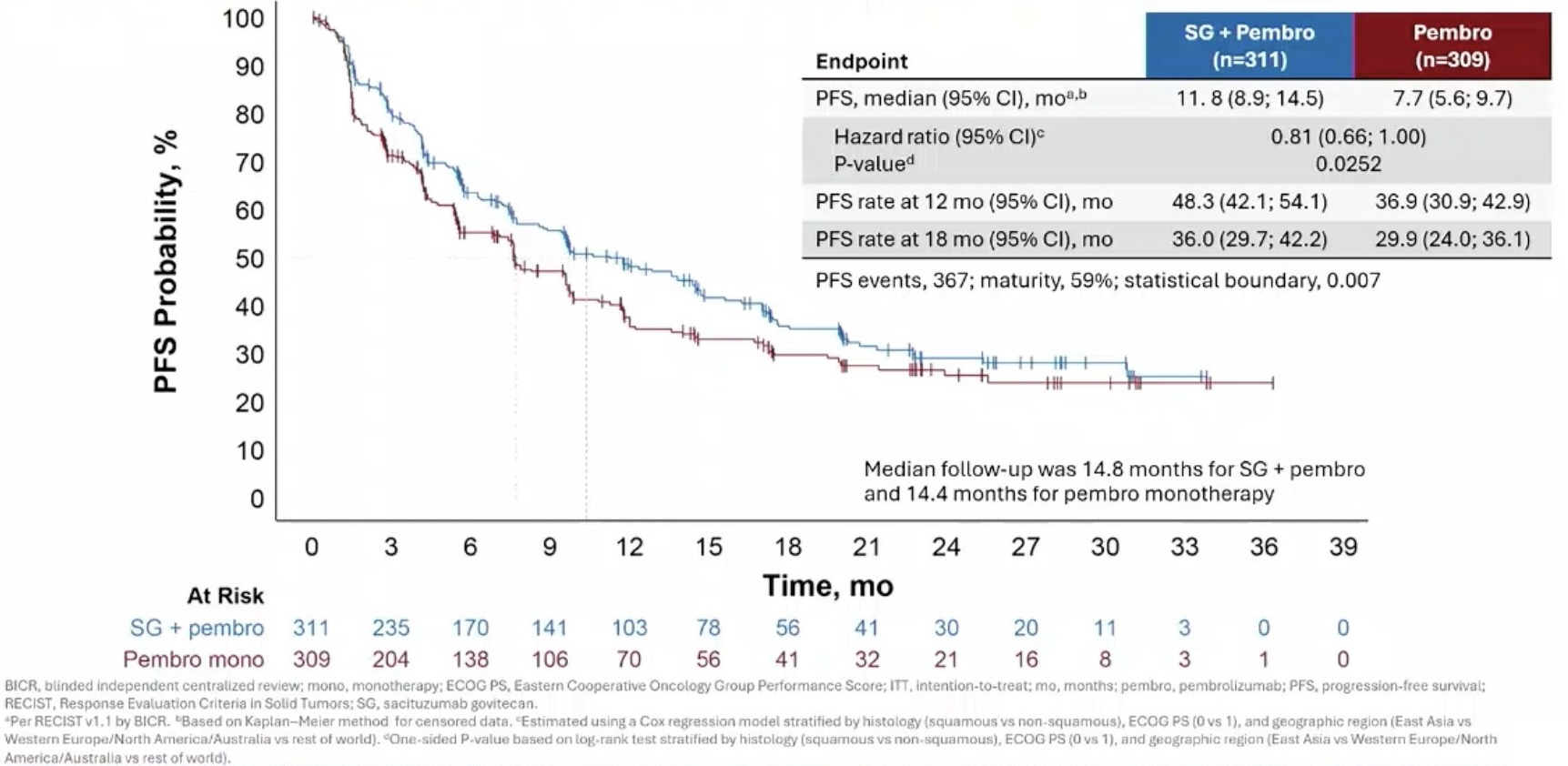
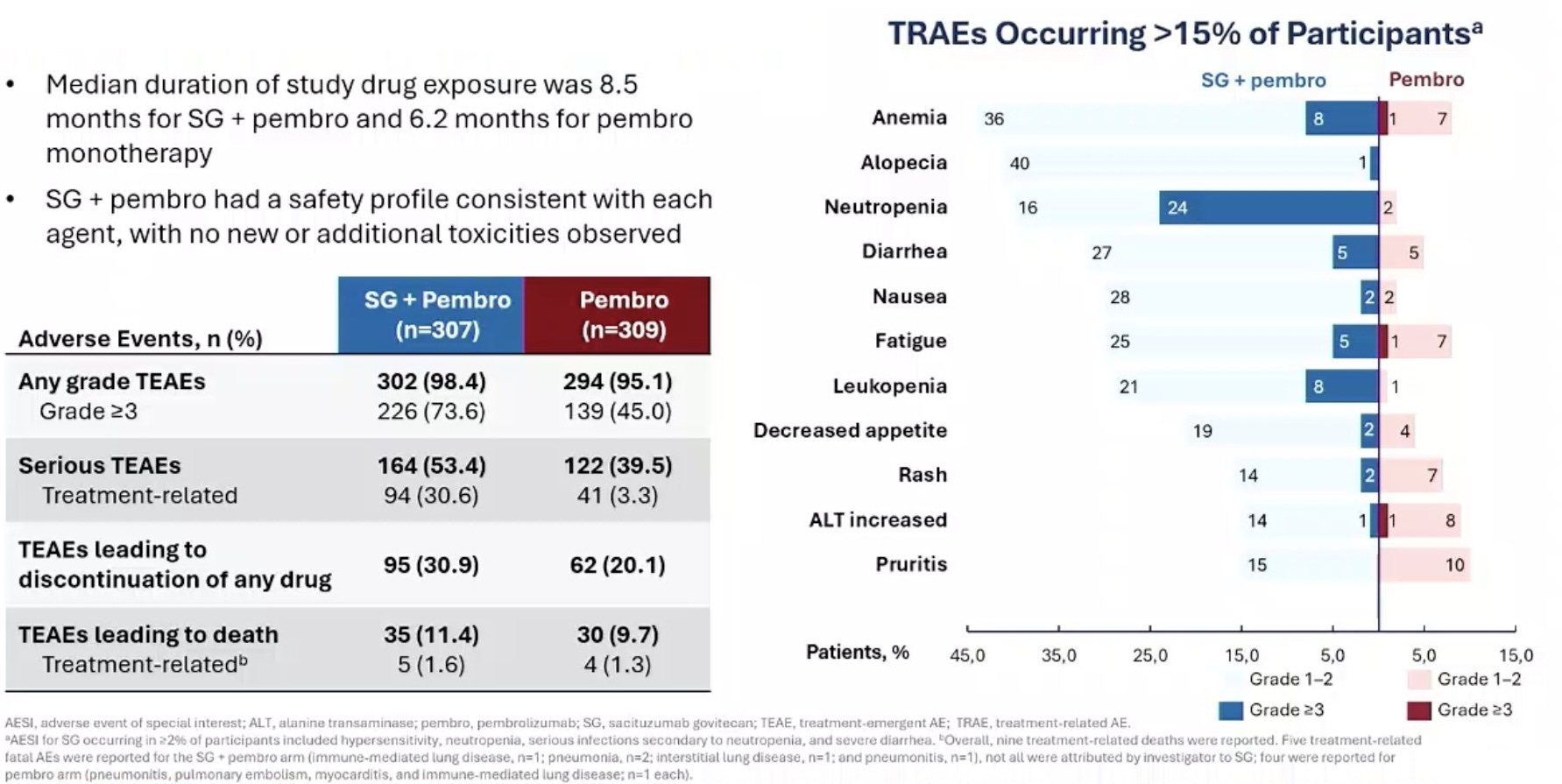
While Gilead and Merck have terminated the EVOKE-03 frontline NSCLC program, Trodelvy‘s established global approvals in triple-negative breast cancer (TNBC) and HR+/HER2- breast cancer remain unchanged. Gilead has turned its thoracic strategy toward biomarker-enriched patient cohorts and ongoing clinical trials in small cell lung cancer (SCLC) and early-stage breast cancer settings, while the broader oncology field continues to evaluate whether different ADC payload dynamics, such as lower-potency payloads or alternative targets, can succeed in frontline IO-combination regimens.
Sources: Gilead/Merck WCLC 2026 slides
Love biotech? Check out Biotech Readout’s full content library, or navigate directly to a segment that interests you:
Frontiers in Medicine: Exploring the frontiers of our understanding and treatments for disease.
Medical History: Recovering forgotten relics in the history of medicine.
Acquisitions: Exploring the innovation behind acquired companies.
Weekly Readout: A digest of new clinical data from the past week.

To contact us, please send us an email at biotechreadout@gmail.com
Disclaimers
Investigational Status Disclaimer
The therapeutic candidates discussed in this newsletter are currently in clinical development and have not been approved for commercial sale by the U.S. Food and Drug Administration (FDA), the European Medicines Agency (EMA), or other global regulatory authorities. Their safety and efficacy have not been established. References to pipeline products and ongoing clinical trials involve significant risks and uncertainties. Statements regarding the potential safety, potency, or efficacy of investigational drugs reflect current hypotheses and are not a guarantee of future performance or regulatory clearance. The outcome of clinical trials is inherently unpredictable, and clinical results from earlier stages may not be predictive of results in later, larger-scale trials.
No Medical Advice Disclaimer
This newsletter is for informational and educational purposes only. The content is not intended to be a substitute for professional medical advice, diagnosis, or treatment. Always seek the advice of your physician or another qualified health provider with any questions you may have regarding a medical condition. Never disregard professional medical advice or delay in seeking it because of something you have read in this publication.
No Patient-Provider Relationship Disclaimer
The information provided in this newsletter is for educational and analytical purposes only. Receipt of this information, or any interaction with this content, does not create a physician-patient, pharmacist-patient, or any other professional-provider relationship between you and the authors or publishers. This newsletter should not be used as a substitute for a personal consultation with a qualified healthcare professional.
Forward-Looking Statements Disclaimer
This newsletter contains “forward-looking statements” regarding future events, including clinical trial timing, regulatory milestones, and projected market performance. These statements are based on current expectations and assumptions that are subject to significant risks and uncertainties. Actual results may differ materially from those expressed or implied. We undertake no obligation to update these statements as a result of new information or future developments.
Third-Party Links & Content Disclaimer
This newsletter contains links to third-party websites, including clinical trial registries and corporate presentations. Biotech Readout does not endorse, guarantee, or assume responsibility for the accuracy or reliability of any information offered by third-party providers.
Errors and Omissions Disclaimer
While we strive for technical accuracy, the information in this newsletter is provided on an “as is” basis with no guarantees of completeness, accuracy, or timeliness. Biotech Readout assumes no liability for any errors or omissions in the content of this publication.
Non-Endorsement Disclaimer
Any reference to specific commercial products, processes, or services by trade name, trademark, or manufacturer does not constitute or imply an endorsement or recommendation by the author. All trademarks are the property of their respective owners.
No Investment Advice Disclaimer
This newsletter is for informational purposes only and does not constitute financial, investment, or legal advice. The author is not a registered investment advisor. You should consult with a professional financial advisor before making any investment decisions. The biotechnology sector is highly volatile; past performance is not indicative of future results.
Conflict of Interest Disclaimer
The author of this newsletter maintains a position of independence. At the time of publication, the author holds no direct financial interest, equity, or options in any of the companies mentioned in this report. No compensation has been received from any third party to feature or analyze specific therapeutic candidates or corporate entities.