

Disclaimer: This newsletter is for educational and informational purposes only and does not constitute medical, investment, or financial advice, nor does it establish a provider-patient relationship. Content may include forward-looking statements and discussions of investigational therapeutic candidates that are not FDA/EMA approved; their safety and efficacy remain unestablished and clinical outcomes are unpredictable. While we strive for accuracy, all information is provided as is without guarantees. As of the date of publication, the author holds no direct equity positions in the specific companies mentioned in this issue nor receives third-party compensation for this coverage. Please find a complete version of our disclaimers at the bottom of the article and linked here.

Press ⬇️ to go down to a section and ⬆️ to go back up to the Table of Contents
Table of Contents
This week, we discuss:
China Biotech
Conferences
Approvals
Scholar Rock - Isembyld (myostatin inhibitor) / Approved (SMA) ⬇️
Clinical Trial Data
China Biotech
Wondering why we discuss China Biotech every week? Tap here to learn more.
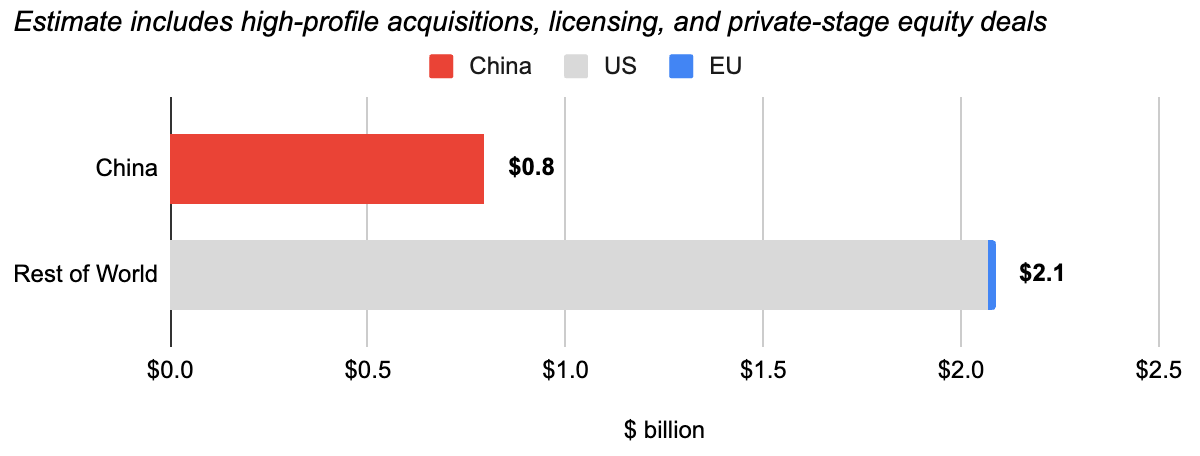
Financing Activity for China versus Rest of World
for the week ending September 18, 2026
China Posts 5-Year Plan for Biotech
On September 18, 2026, Ministry of Industry and Information Technology (MIIT) along with nine other government departments published a roadmap outlining China’s strategy to transition its biopharmaceutical sector into an innovation-driven, high-value national pillar industry for the 2026–2030 period. Under this framework, the country aims to achieve significant industrial expansion, targeting over 3.5 trillion RMB (~$522 billion USD) in major enterprise revenue and driving the innovative drug sector at an annual growth rate exceeding 20%. To fuel this transition, the plan places heavy emphasis on scaling R&D capabilities, mandating that listed companies maintain at least a 10% average R&D intensity, with the ambitious goal of originating 25% of the world’s first-in-class (FIC) therapeutics. Key priority areas focus on pioneering “undruggable” targets, next-generation modalities like ADCs, mRNA, and cell and gene therapies, as well as advancing frontier technologies such as AI-driven drug discovery, brain-computer interfaces, organoids, and space-based manufacturing.
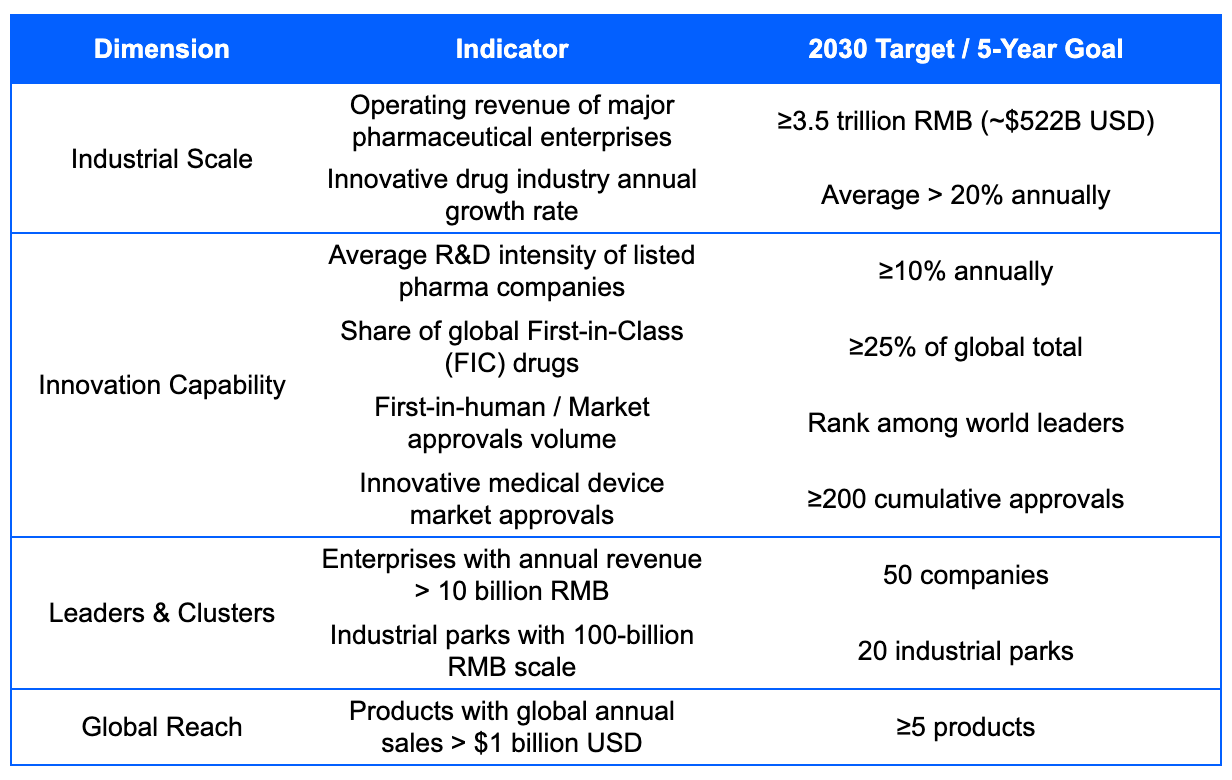
Beyond clinical innovation, the plan focuses on building a resilient, self-sustaining healthcare ecosystem while expanding global influence. It targets critical supply chain bottlenecks by scaling domestic manufacturing of high-end excipients, advanced equipment, and specialized software, while establishing standard frameworks for digital and green manufacturing. The strategy fosters regional industry hubs across the Beijing-Tianjin-Hebei, Yangtze River Delta, and Greater Bay Area regions, aiming to build 20 hundred-billion-RMB (~$300 billion USD) industrial parks and nurture 50 major enterprises generating over 10 billion RMB annually (~$1.5 billion USD). Concurrently, China seeks to deepen international integration by expanding its CRO/CDMO services, supporting multi-regional clinical trials for global market entries, and encouraging foreign investment within free trade zones to fast-track novel therapies locally. Supported by streamlined regulatory workflows, updated reimbursement models, and enhanced supply guarantees for essential and rare disease medicines, the initiative aims to establish China as a leading force in global healthcare innovation.
Sources: China/MIIT Five-Year Plan for Pharmaceutical Industry Development
Endpoints Goes to D.C. to Talk China Biotech
Earlier this week, Endpoints News hosted a series of talks that I highly recommend watching in full:
Will Congress put a stop to China biotech deals? (link). This is an interview with Representative John Moolenaar, Chairman of the House Select Committee on China, discussing national security, U.S. investment in Chinese biotechnology, and regulatory oversight. Rep. Moolenaar co-introduced the Biotech Investment National Security Act (BINSA), aimed at establishing guardrails and restrictions on U.S. venture and institutional capital funding strategic Chinese biotech developments that could threaten U.S. national security or economic interests. This was very enlightening; he is an incredibly well-informed gentleman, so my guess is it’s going to be difficult for the pro-China cohort to talk him out of BINSA.
Can the FDA steer clinical trials back to the US? (link). This is an interview with FDA leaders Kareem McCale (Director of CBER) and Grace Graham (Deputy Commissioner for Policy, Legislation, and International Affairs). They discuss the launch of the expedited IND pilot program, U.S. clinical trial competitiveness as a top priority for HHS, evaluation of foreign data, and FDA inspection requirements.
Is secrecy the solution? (link). This is an interview with David Lee (CEO of Millora Therapeutics) and Patrick Malone (Partner at KDT Ventures). They discuss how U.S. biotechs are responding to rapid competition from China, specifically their elevated secrecy about targets & funding rounds to ward off competition from fast-moving China biotechs.
What do we really mean when we talk about biosecurity risk and China? (link). This is an interview with Ed Hughes (consultant, former FBI/IC), Caitlyn Fraser (National Security Commission on Emerging Biotechnologies), and Jennifer Cook (American Biosecurity Initiative). They define biosecurity beyond bioweapons, strategic competition with China biotech, the re-invigoration of domestic capabilities, and regulatory modernization via legislative action.
Sources: Endpoints News Youtube channel
Conferences
WCLC 2026
Breakthroughs from the world’s largest lung cancer conference
The IASLC 2026 World Conference on Lung Cancer (WCLC 2026) took place from September 12–15, 2026 at the COEX Convention & Exhibition Center in Seoul, South Korea. We discussed several high-impact datasets including B7-H3 ADCs in 2L SCLC, EGFR inhibitors in 1L EGFR-mutated NSCLC, and other positive & mixed datasets. Check out our WCLC 2026 coverage here:

ESC 2026
Breakthroughs and debates from Europe’s largest cardiology conference
The European Society of Cardiology (ESC) Congress 2026 took place on August 28–31, 2026 in Munich, Germany. We discussed several high-impact datasets including dueling datasets in ATTR-CM, silent atherosclerosis, severe hypertriglyceridemia (sHTG), heart failure, and other notable datasets. Check out our ESC 2026 coverage here:

Approvals
Scholar Rock - Isembyld (myostatin inhibitor) / Approved (SMA)
On September 11, 2026, the FDA granted approval for Scholar Rock’s Isembyld (apitegromab-mstn), establishing it as the first and only muscle-targeted therapy for patients with spinal muscular atrophy (SMA) currently receiving an SMN2-targeted treatment. Scholar Rock’s path to approval faced significant manufacturing hurdles. The FDA issued a Complete Response Letter (CRL) in September 2025, which stemmed from quality control and compliance issues identified at a third-party Catalent fill-finish manufacturing facility in Indiana (owned by Novo Holdings). The rejection was entirely operational, involving no safety or efficacy concerns regarding the drug itself. Scholar Rock resolved the setback by formally removing the troubled manufacturing site from its application and amending the submission to rely on an alternative compliant fill-finish plant. Following this update, the FDA finalized its review ahead of schedule and granted approval. Along with the clearance, Scholar Rock was awarded a Rare Pediatric Disease Priority Review Voucher (PRV).
Unlike existing SMN2-targeted therapies (such as Spinraza, Evrysdi, or Zolgensma) that work on preserving motor neurons, Isembyld is a targeted monoclonal antibody that acts directly on skeletal muscle. It selectively blocks the activation of latent myostatin, a key protein that restricts muscle growth, thereby promoting muscle function and mass restoration. The FDA approved Isembyld as a combination/add-on therapy for adults and pediatric patients aged 2 years and older who are currently undergoing treatment with an SMN2-directed therapy.
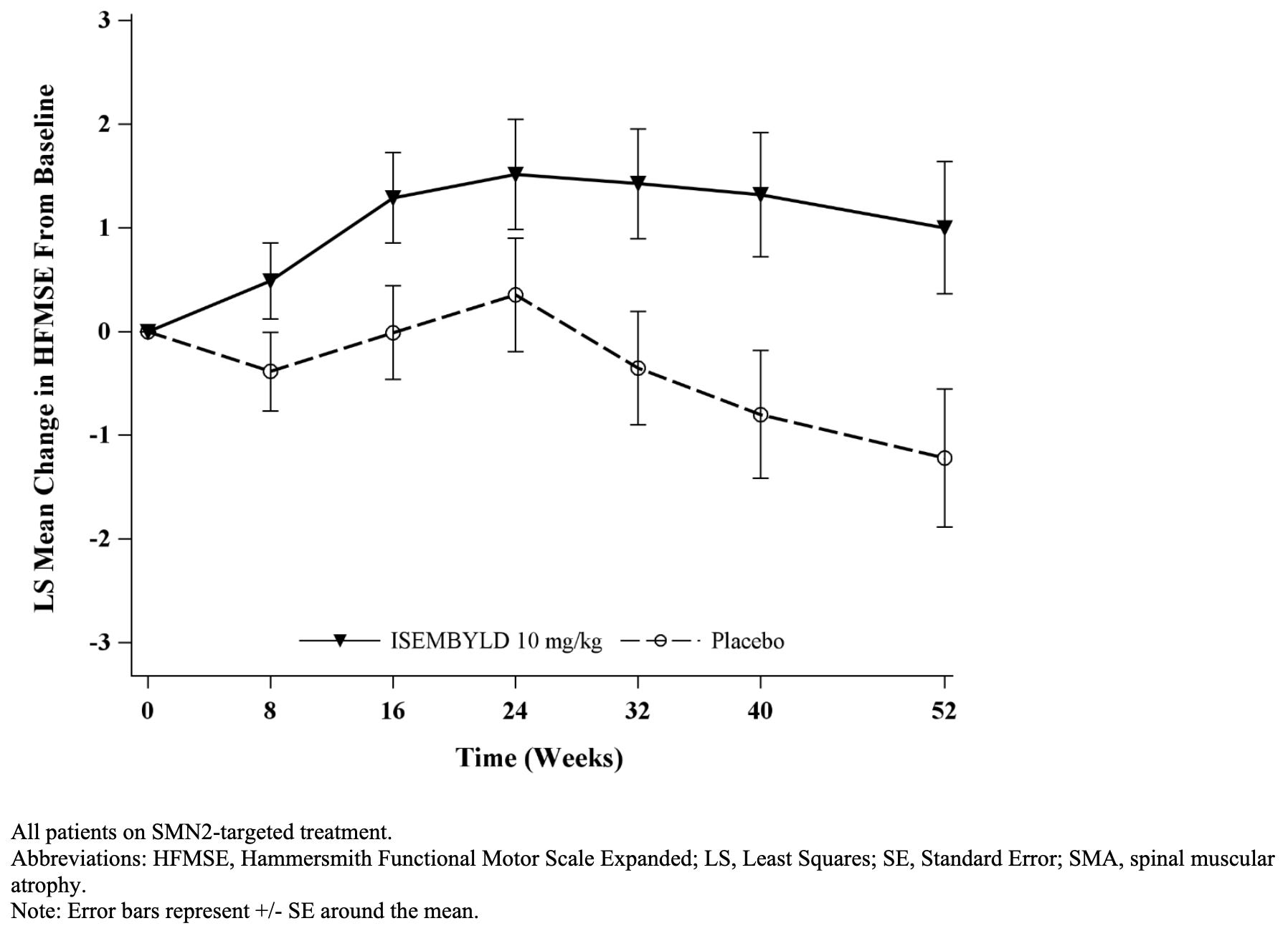
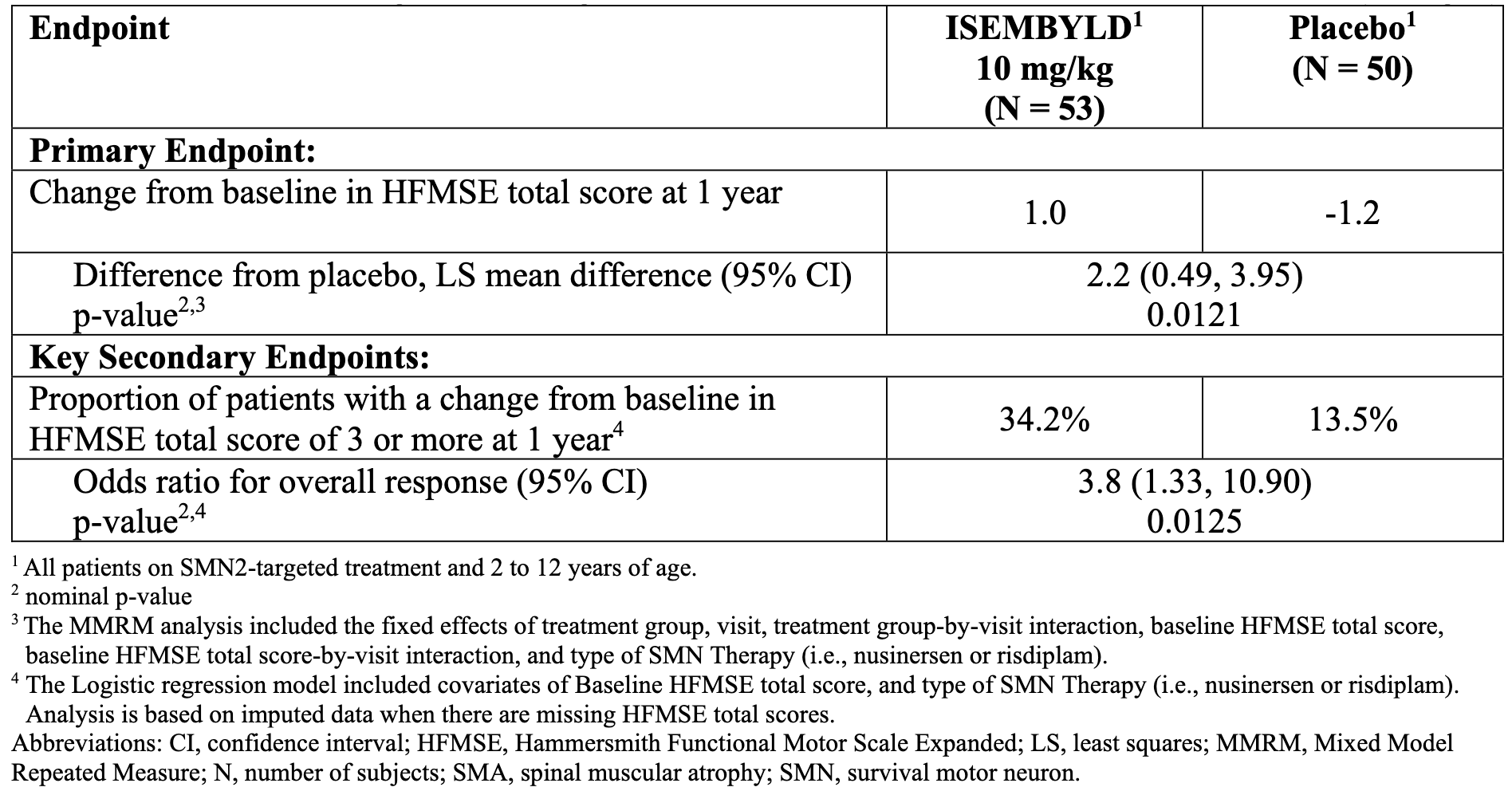
The approval was driven by data from the pivotal Phase 3 SAPPHIRE trial evaluating monthly intravenous infusions of apitegromab added to background SMN2-targeted standard of care. Patients treated with Isembyld (10 mg/kg) achieved a statistically significant 2.2-point improvement on the Hammersmith Functional Motor Scale-Expanded (HFMSE) at 52 weeks compared to those on standard SMN2 treatment alone (p = 0.0121). Approximately 34.2% of patients receiving Isembyld demonstrated a ≥3-point gain on the HFMSE scale versus 13.5% in the control arm (p = 0.0125). The treatment was generally well-tolerated, with common adverse events including upper respiratory infections, cough, vomiting, and headaches. Prescribing information includes a warning regarding an increased incidence of bone fractures (9% in the 10 mg/kg group vs. 2% in placebo), primarily noted in individuals with pre-existing risk factors.
Sources: Scholar Rock press release, new Isembyld label
Clinical Trial Data
Vera - Trutakna (APRIL/BAFF inhibitor) / Phase 3 (IgAN)
On September 15, 2026, Vera Therapeutics announced pivotal Phase 3 readout results for Trutakna (atacicept), marking a milestone for patients with IgA nephropathy (IgAN). Having previously secured accelerated approval based on 36-week surrogate biomarker reductions, the full two-year final analysis from the pivotal trial validated Trutakna’s ability to halt long-term renal decline, providing robust, long-term confirmatory data that sets the stage for a transition to full regulatory approval, pending regulatory review.
IgA nephropathy (IgAN) is an autoimmune kidney disease where overproduced galactose-deficient IgA1 (Gd-IgA1) forms circulating immune complexes that deposit in the glomerular mesangium, driving inflammation, fibrosis, and progressive renal decline. Standard management relies on supportive care (RAAS inhibitors, dual endothelin/angiotensin receptor antagonists, and SGLT2 inhibitors) to manage hypertension and proteinuria, supplemented by disease-modifying therapies for high-risk patients. Trutakna addresses this underlying disease mechanism directly. As a recombinant fusion protein binding both BAFF and APRIL cytokines, it disrupts upstream B-cell signaling and plasma cell survival to selectively suppress Gd-IgA1 production, preventing immune-complex deposition and protecting long-term kidney function.
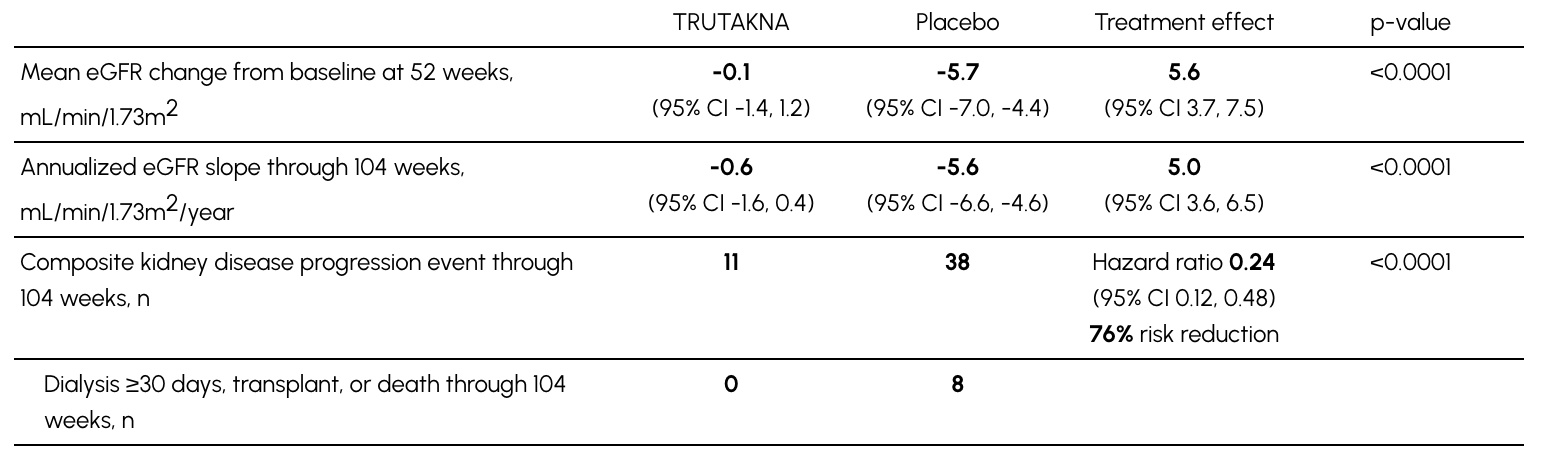
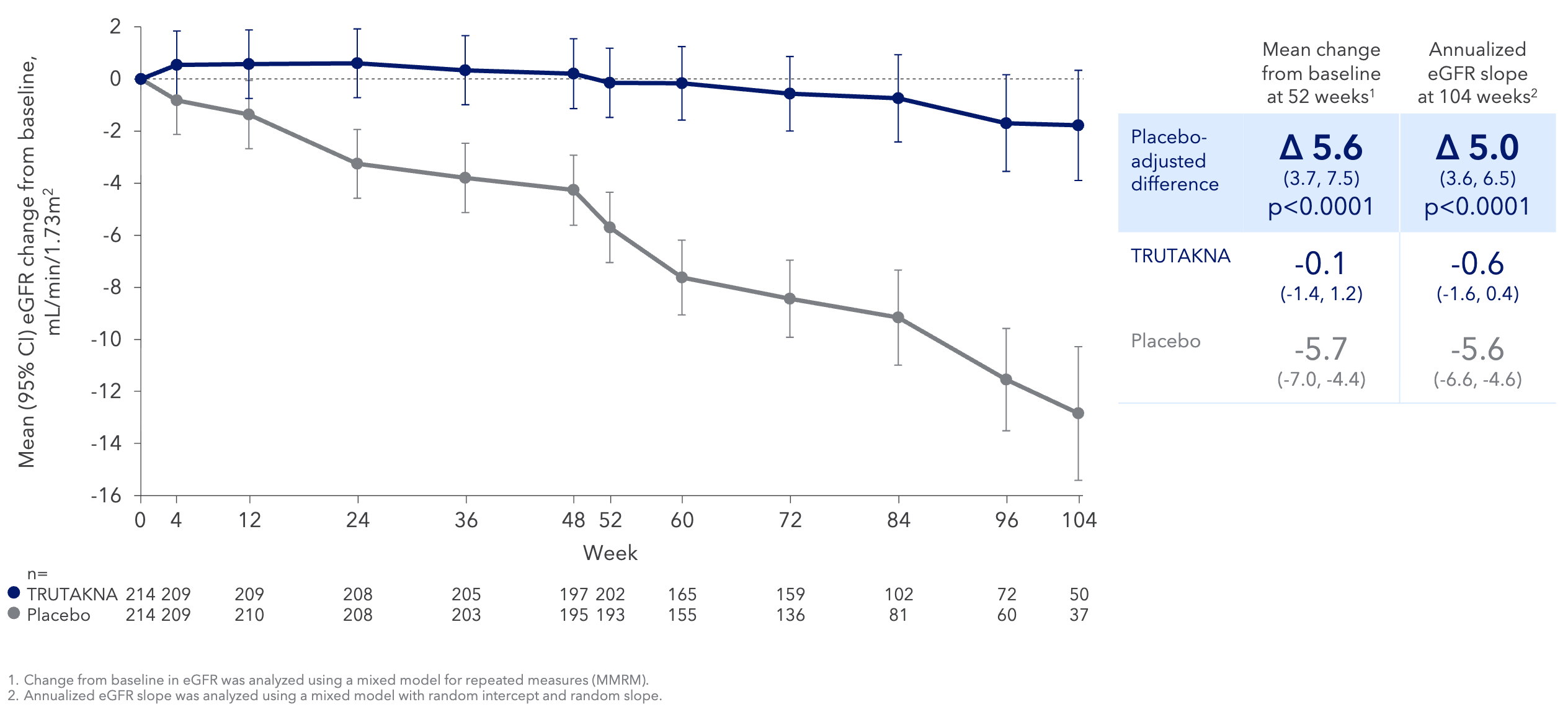
The pivotal Phase 3 ORIGIN 3 trial evaluated Trutakna versus placebo in 428 adult IgAN patients at high risk of disease progression, measuring long-term eGFR preservation through 52 and 104 weeks to confirm its clinical benefit. At 52 weeks, Trutakna demonstrated a near-total stabilization of kidney function with a placebo-adjusted eGFR benefit of 5.6 mL/min/1.73m2 (p < 0.0001), while maintaining a minimal annualized eGFR loss of -0.6 mL/min/1.73m2/year over two years versus -5.6 mL/min/1.73m2/year for placebo (p < 0.0001). This translated into a statistically significant 76% relative risk reduction in composite kidney disease progression (HR = 0.24; p < 0.0001) and zero cases of end-stage renal disease (ESRD) in the treatment group compared to 8 in placebo, all while maintaining a relatively clean safety profile with no opportunistic infections.
Vera Therapeutics plans to submit a supplemental Biologics License Application (sBLA) to the FDA in the fourth quarter of 2026 to convert Trutakna‘s accelerated status into a full approval, with regulatory decisions anticipated in 2027. Commercial launch efforts remain active under the accelerated approval framework, supported by early demand and ongoing open-label extensions.
Sources: Vera press release, Vera slide deck
Definium - DT120 (LSD ODT) / Phase 3 (GAD)
On September 14, 2026, Definium Therapeutics reported positive topline Phase 3 results from the Panorama trial evaluating DT120 (lysergide D-tartrate / LSD ODT) for the treatment of generalized anxiety disorder (GAD). This milestone represents the second successful Phase 3 readout for DT120 in GAD, following the earlier Phase 3 Voyage trial, and the third positive Phase 3 dataset overall for the asset across psychiatric indications (MDD & GAD). The findings confirm DT120’s potential to deliver deep, durable, and rapid anti-anxiety benefits from a single administration without requiring daily medication adherence.
Generalized anxiety disorder (GAD) is a chronic psychiatric condition driven by cortico-striato-thalamo-cortical circuit dysregulation and monoaminergic system alterations that manifest as persistent worry and physiological hyperarousal. Standard of care relies on first-line SSRIs or SNRIs requiring weeks of daily compliance to show benefit, supplemented by psychotherapy or acute second-line agents like benzodiazepines and buspirone. DT120 ODT (lysergide D-tartrate) targets these underlying circuits directly as a serotonin 5-HT2A receptor partial agonist. By triggering acute, transient neuroplasticity, this orally disintegrating tablet formulation is designed to disrupt maladaptive cognitive networks to promote long-term anxiety remission well past systemic clearance of the drug.
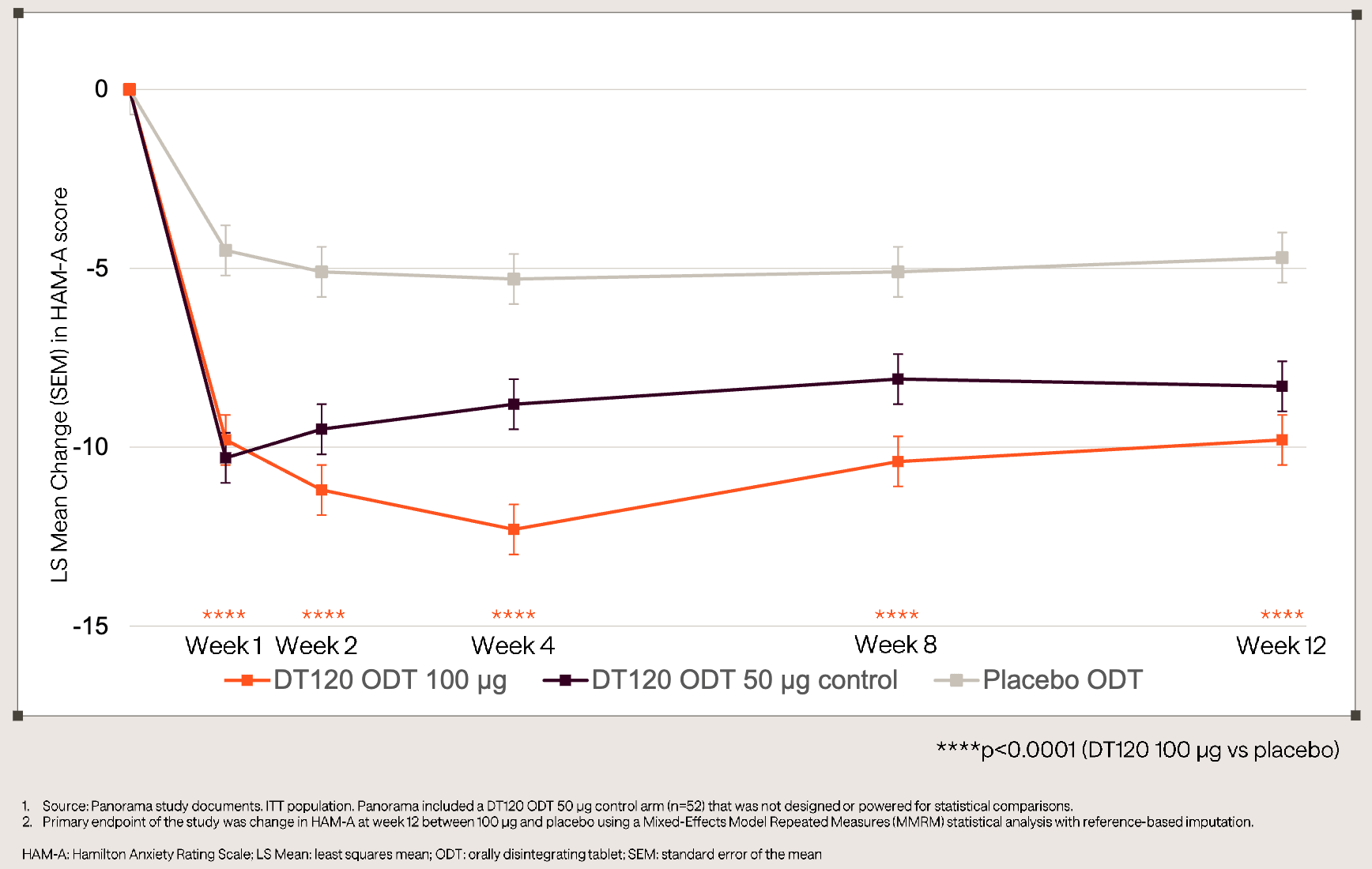
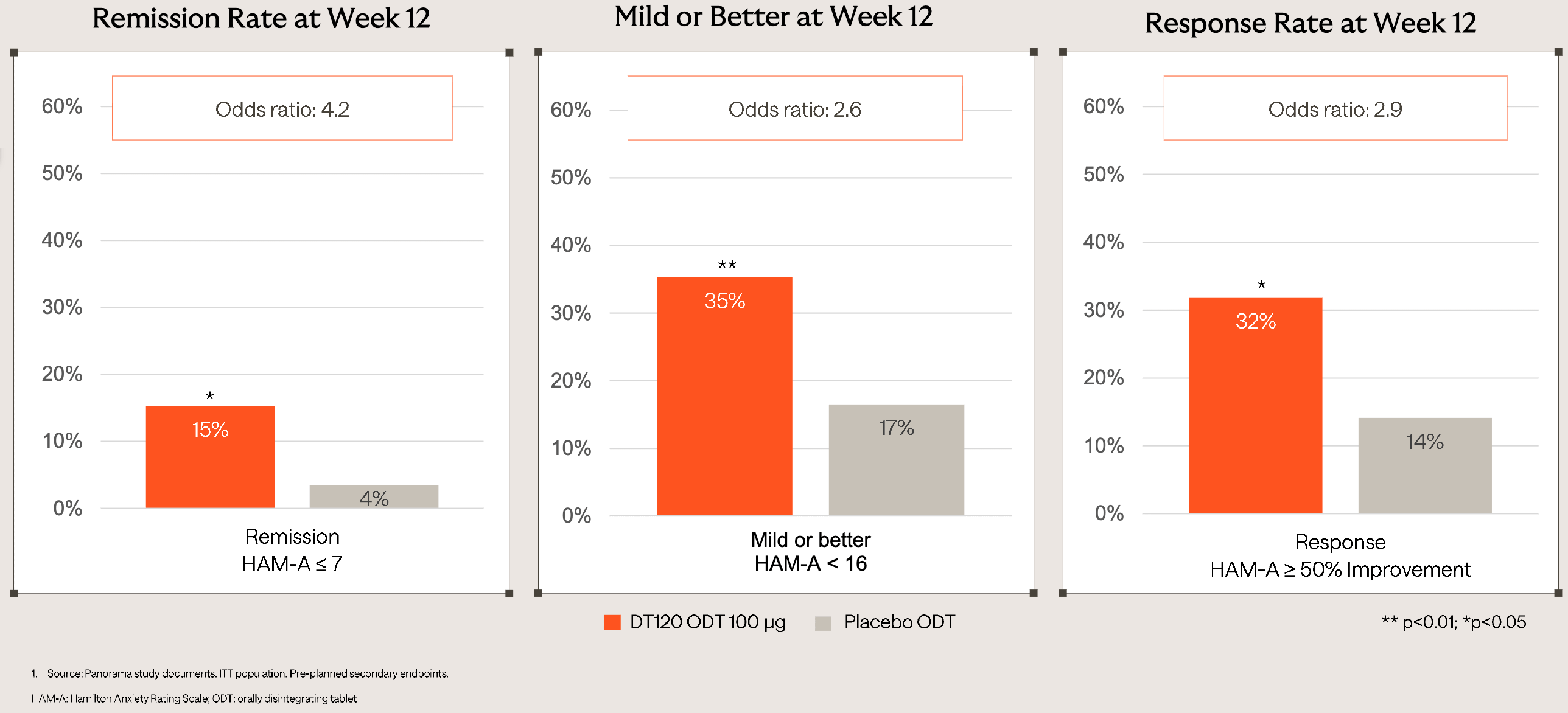
The pivotal Phase 3 Panorama trial evaluated a single supervised dose of DT120 ODT (100 µg) versus placebo in adults with moderate-to-severe GAD, demonstrating a statistically significant, placebo-adjusted net improvement of 5.1 points on the HAM-A scale at 12 weeks (-9.8 points vs. -4.7 points; p<0.0001; d=0.64). Treatment efficacy was rapid and durable, with significant anxiety reductions emerging by Day 2 and persisting through Week 12, where 32% of patients achieved clinical response (≥50% HAM-A reduction) and 35% achieved complete remission (HAM-A ≤7), compared to 14% and 15% for placebo, respectively. DT120 ODT was well-tolerated with no serious adverse events. Dosing-day side effects (such as mild-to-moderate illusion, nausea, and headache) resolved quickly, allowing 94% of patients to meet discharge criteria within 8 hours. By providing sustained 12-week anxiety control from a single acute administration, DT120 ODT introduces a novel therapeutic paradigm that bypasses the burden and limitations of daily chronic psychotropic medications.
With two positive Phase 3 trials in GAD (Voyage and Panorama) and positive Phase 3 data in major depressive disorder (Emerge), Definium Therapeutics announces that they’ve compiled a complete pivotal data package for DT120. The company is scheduling a pre-NDA meeting with the FDA in the fourth quarter of 2026, targeting a formal New Drug Application (NDA) submission in the first half of 2027. Additionally, DT120 will require Drug Enforcement Administration (DEA) scheduling prior to commercial availability. Since LSD is currently classified as a Schedule I controlled substance under the U.S. Controlled Substances Act (defined as having a high potential for abuse and no accepted medical use), approval of a New Drug Application (NDA) by the FDA will formally establish its medical utility. If approved, within 90 days of FDA approval, the DEA would be mandated to issue an interim final rule placing DT120 into a lower, controlled schedule (most likely Schedule II or Schedule III) to permit medical prescribing and clinical distribution under strict controls (such as REMS protocol requirements).
Sources: Definium press release, Definium slide deck
Descriptive data releases without numerical data
Roche - Lunsumio (CD20 x CD3 TCE) / Phase 3 (2L+ FL): Roche’s Phase 3 CELESTIMO study evaluating its CD20 x CD3 T-cell engaging bispecific antibody Lunsumio (mosunetuzumab) in combination with lenalidomide achieved its primary endpoint, demonstrating a statistically significant and clinically meaningful improvement in progression-free survival (PFS) compared to standard-of-care Rituxan plus lenalidomide. Evaluated in patients with relapsed or refractory follicular lymphoma (FL) who received at least one prior systemic therapy, this successful readout serves as the required confirmatory trial to convert Lunsumio’s accelerated approval into full regulatory approval for third-line or later (3L+) FL, while simultaneously laying the groundwork to label-expand into second-line (2L+) settings. The regimen maintained a tolerable safety profile consistent with prior profiles, with detailed dataset subgroup breakdowns and secondary endpoints scheduled for presentation at an upcoming medical conference. Sources: Roche press release
Agomab - AGMB-447 (lung-restricted TGFβR1 inhibitor) / Phase 1 (IPF): Agomab Therapeutics’ positive Phase 1 trial results for AGMB-447 represent an encouraging milestone in its organ-restricted therapeutic platform for idiopathic pulmonary fibrosis (IPF). By designing AGMB-447 as an inhaled, small-molecule ALK5/TGFβR1 inhibitor that rapidly hydrolyzes in plasma into an inactive metabolite, Agomab successfully limited systemic toxicity while maintaining high drug concentrations in lung tissue. In the trial, AGMB-447 demonstrated a generally favorable safety and tolerability profile in IPF patients at 4.5 mg twice daily, with no systemic safety signals detected and most adverse events limited to transient inhalation-related cough or bronchospasm. Importantly, the study confirmed proof-of-mechanism in the target patient population, achieving over 50% pSMAD3 reduction in bronchoalveolar lavage cells and maintaining target coverage above IC90 for over 6 hours. These Phase 1 safety, pharmacokinetic, and target-engagement data clear the path for Agomab to advance AGMB-447 into Phase 2 clinical development (the INSPIRIA study) as a potentially disease-modifying local anti-fibrotic therapy. Sources: Agomab press release
Love biotech? Check out Biotech Readout’s full content library, or navigate directly to a segment that interests you:
Frontiers in Medicine: Exploring the frontiers of our understanding and treatments for disease.
Medical History: Recovering forgotten relics in the history of medicine.
Acquisitions: Exploring the innovation behind acquired companies.
Weekly Readout: A digest of new clinical data from the past week.
To contact us, please send us an email at biotechreadout@gmail.com
Disclaimers
Investigational Status Disclaimer
The therapeutic candidates discussed in this newsletter are currently in clinical development and have not been approved for commercial sale by the U.S. Food and Drug Administration (FDA), the European Medicines Agency (EMA), or other global regulatory authorities. Their safety and efficacy have not been established. References to pipeline products and ongoing clinical trials involve significant risks and uncertainties. Statements regarding the potential safety, potency, or efficacy of investigational drugs reflect current hypotheses and are not a guarantee of future performance or regulatory clearance. The outcome of clinical trials is inherently unpredictable, and clinical results from earlier stages may not be predictive of results in later, larger-scale trials.
No Medical Advice Disclaimer
This newsletter is for informational and educational purposes only. The content is not intended to be a substitute for professional medical advice, diagnosis, or treatment. Always seek the advice of your physician or another qualified health provider with any questions you may have regarding a medical condition. Never disregard professional medical advice or delay in seeking it because of something you have read in this publication.
No Patient-Provider Relationship Disclaimer
The information provided in this newsletter is for educational and analytical purposes only. Receipt of this information, or any interaction with this content, does not create a physician-patient, pharmacist-patient, or any other professional-provider relationship between you and the authors or publishers. This newsletter should not be used as a substitute for a personal consultation with a qualified healthcare professional.
Forward-Looking Statements Disclaimer
This newsletter contains “forward-looking statements” regarding future events, including clinical trial timing, regulatory milestones, and projected market performance. These statements are based on current expectations and assumptions that are subject to significant risks and uncertainties. Actual results may differ materially from those expressed or implied. We undertake no obligation to update these statements as a result of new information or future developments.
Third-Party Links & Content Disclaimer
This newsletter contains links to third-party websites, including clinical trial registries and corporate presentations. Biotech Readout does not endorse, guarantee, or assume responsibility for the accuracy or reliability of any information offered by third-party providers.
Errors and Omissions Disclaimer
While we strive for technical accuracy, the information in this newsletter is provided on an “as is” basis with no guarantees of completeness, accuracy, or timeliness. Biotech Readout assumes no liability for any errors or omissions in the content of this publication.
Non-Endorsement Disclaimer
Any reference to specific commercial products, processes, or services by trade name, trademark, or manufacturer does not constitute or imply an endorsement or recommendation by the author. All trademarks are the property of their respective owners.
No Investment Advice Disclaimer
This newsletter is for informational purposes only and does not constitute financial, investment, or legal advice. The author is not a registered investment advisor. You should consult with a professional financial advisor before making any investment decisions. The biotechnology sector is highly volatile; past performance is not indicative of future results.
Conflict of Interest Disclaimer
The author of this newsletter maintains a position of independence. At the time of publication, the author holds no direct financial interest, equity, or options in any of the companies mentioned in this report. No compensation has been received from any third party to feature or analyze specific therapeutic candidates or corporate entities.