

Disclaimer: This newsletter is for educational and informational purposes only and does not constitute medical, investment, or financial advice, nor does it establish a provider-patient relationship. Content may include forward-looking statements and discussions of investigational therapeutic candidates that are not FDA/EMA approved; their safety and efficacy remain unestablished and clinical outcomes are unpredictable. While we strive for accuracy, all information is provided as is without guarantees. As of the date of publication, the author holds no direct equity positions in the specific companies mentioned in this issue nor receives third-party compensation for this coverage. Please find a complete version of our disclaimers at the bottom of the article and linked here.

Press ⬇️ to go down to a section and ⬆️ to go back up to the Table of Contents
Table of Contents
This week, we discuss:
ChinaEuropean BiotechAcquisitions
Telix to Merge with ITM Isotope ⬇️
Approvals
Merck - Welireg (HIF-2α inhibitor) / Approved (2L ccRCC) ⬇️
Eli Lilly - Onswik (long-acting insulin) / Approved (T2D) ⬇️
Elevar - Lyrfigtu (FGFR2 inhibitor) / Approved (2L CCA) ⬇️
Merck - Winrevair (activin A inhibitor) / Approved (PAH Group 1) ⬇️
IntraBio - Aqneursa (N-acetyl-L-leucine) / Approved (Ataxia-telangiectasia) ⬇️
Clinical Trial Data
Viking - VK2735 (GLP1 / GIP dual agonist) / Phase 2 (obesity) ⬇️
Roche - Enicepatide (GLP1/GIP dual agonist) / Phase 3 (obesity + T2D) ⬇️
Kyverna - Miv-cel (CD19 CAR-T) / Phase 2 (SPS) ⬇️
Oruka - ORKA-001 (IL-23p19 mAb HLE) / Phase 2 (plaque psoriasis) ⬇️
Vertex - Inaxaplin (APOL1 inhibitor) / Phase 2b (AMPKD) ⬇️
Alkermes - ALKS 7290 (selective OX2 agonist) / Phase 1b (ADHD) ⬇️
J&J - Caplyta (5HT2A x D2 dual inhibitor) / Phase 3 (bipolar I) ⬇️
Merck - Remigromig (tri-specific Wnt agonist) / Phase 2b/3 (DME): P2b/3 success (DME) ⬇️
Arcturus - ARCT-810 (OTC mRNA) / Phase 2 (OTC deficiency): P2 success (OTC deficiency) ⬇️
Roche - Sefaxersen (Factor B ASO) / Phase 3 (IgAN) ⬇️
Amgen - Dazodalibep (CD40L inhibitor) / Phase 3 (Sjögren’s disease) ⬇️
Otsuka - Ulefnersen (FUS ASO) / Phase 3 (FUS-ALS): P3 success (FUS-ALS) ⬇️
China European Biotech
Typically, this section is dedicated to choreographing the breakneck speed of biotech innovation out of China. However, just for this week, I want to do a complete 180 and discuss the relentless lethargy of Europe’s biotech innovation engine (the EU’s regulatory hampering of tech is a whole other can of worms that I won’t go into here). To be clear, European biotechs themselves are undoubtedly excellent: from French biotech Abivax bringing a novel mechanism to bear in ulcerative colitis, to Dutch biotech Argenx expanding their Vyvgart empire in autoimmune disease. Rather, this section focuses on the EU’s regulatory infrastructure, which increasingly punishes innovation rather than fosters it.
On September 22, 2026, nearly every European pharmaceutical company (many 100+ years old) joined forces to publish an open letter to the European Union (EU) expressing concern about the bloc’s declining competitiveness in the biotech space and urging EU leaders to re-prioritize innovative medicines. Given the seriousness of the letter and its carefully crafted contents, I have copied it verbatim below, in the hope that it reaches more people.
Europe Is Losing the Pharma Investment Race – But the Comeback Is Within Reach: An open letter from the Chairs of AstraZeneca, Boehringer Ingelheim, Chiesi Group, Ipsen, GSK, Novo, Novartis, Roche, and Sanofi
We are proud Europeans. We serve as Chairs of companies born from European science, rooted in laboratories across Belgium, Denmark, France, Germany, Italy, Spain, Sweden, Switzerland, the UK, and beyond. Our duty is to safeguard our companies’ future so that we can continue to discover and develop life-changing medicines for patients.
The pharmaceutical sector is one of our continent’s great post-war achievements. Built on investment in science, world-class universities, and the determination to discover medicines that change lives. Europe gave the world vaccines, pioneered treatments for heart disease, and laid the foundation for today’s cancer treatments – transforming public health.
Europe’s choice to incentivise discovery built one of our most productive and research-intensive sectors, supporting millions of highly skilled jobs, and generating an EU trade surplus of over €220 billion. The uptake of innovative medicines in Europe returns almost sixfold to the economy through lower hospitalisation costs and healthier working lives. Our sector powers a vast ecosystem spanning discovery, development and manufacturing, while strengthening health systems to manage rising burdens of disease and ageing populations.
But this hard-won inheritance is at risk. In our boardrooms, we see Europe losing ground to global competition. Over $600 billion in pharmaceutical investment has been announced in the US and China in the last two years alone. European governments must create conditions that attract investment in next-generation medicines before it’s too late.
Europe’s alarm bells are ringing. As Mario Draghi warned, without urgent action, strategic sectors like pharmaceuticals face a ‘slow agony’ of decline. In 1990, Europe accounted for 43% of global pharmaceutical R&D. Today, it is 31% and falling. Europe’s share of commercial clinical trials, which provide vital revenue for public hospitals and improve patient outcomes, has halved in a decade to 9%. China has overtaken Europe in clinical trials, pharmaceutical patents, and the development of new medicines.
For patients, the consequences are clear: around 40% of newly approved therapies never reach European patients. Among those that do, patients wait nearly 600 days for treatment. Cancer survival in Europe trails the US. Too many patients are diagnosed late or treated with medicines that fall short of the standard recommended by medical guidelines.
This is the result of decades in which Europe treated medicines as a cost to suppress rather than one of the best investments a government can make. Outdated systems constrain the use of innovative medicines, arbitrarily cap budgets, and fail to adjust spending for inflation despite rising patient need. Government policies send a powerful signal about how innovation is valued and the priority placed on ensuring that patients can access it.
The message to innovators has been stark: Europe does not value what you do.
The decisions we take have consequences today and for years to come. A single innovative medicine takes more than a decade and around €3 billion of at-risk investment before reaching a patient, with only one or two medicines emerging from every 10,000 candidates synthesised in laboratories. Few sectors face comparable risk over such long horizons. That commitment requires a market that rewards it.
It is becoming more urgent to change course. European leaders must recognise the danger. The EU can play an enabling role by accelerating clinical trials, protecting intellectual property, and adopting sensible digital policies. Crucially, the EU could also provide fiscal flexibility to Member States investing in health and innovative medicines, recognising these returns take time to materialise.
But EU action alone is not enough. The decisive levers lie with national governments: how much to invest in health budgets, how quickly new medicines are assessed and funded, and how to modernise healthcare to better prevent, detect and treat disease.
We ask national leaders to work with us to reverse Europe’s declining competitiveness, unleash a new era of medical discovery, and secure health sovereignty. We recognise the fiscal pressures many face. But just like defence or energy, modern medicines should be treated as vital infrastructure and not be left to others to provide.
Opportunities are on Europe’s doorstep if governments rebalance decades of underinvestment in innovative medicines and modernise value frameworks to reflect the total value of what these treatments bring to patients, health systems and the economy. In clinical trials alone, Europe could unlock €53 billion and 82,000 jobs by closing the gap with China and the US.
Europe’s story does not have to be one of decline and dependency; it can be one of renewal and resilience. That choice belongs to national leaders and all of us as citizens. If we fail to act with ambition, our future will be built elsewhere. But if we choose to invest in health and medicines as strategic assets, Europe will not merely catch up – it can set the pace of global innovation once again and enable Europeans to live longer, healthier lives.

Sources: Original Open Letter
U.S. Investigates German Drug Pricing, Weighs Tariffs
On September 22, 2026, the Office of the United States Trade Representative (USTR) held a public hearing at the International Trade Commission following its June launch of a Section 301 investigation into Germany’s declining payments for pharmaceutical products, which were cut again in July. The U.S. is considering tariffs against Germany or other measures in response. There were two sides to the story:
In Favor of Action: Representatives from biopharma lobbying group PhRMA and drugmaker AbbVie supported potential trade measures, arguing that Germany’s reimbursement policies undervalue innovative medicines and shift the burden of R&D funding onto the U.S.
Opposed to Action: Experts such as Thomas Hwang (Harvard Medical School) and Megan Whiteman (Public Citizen) testified against the probe, asserting that Germany’s pricing system is neither discriminatory nor restrictive of U.S. commerce. Hwang noted that the investigation may simply serve as leverage for broader trade negotiations.
Concurrently, chairs and executives from nine major European biopharma companies (including AstraZeneca, GSK, Novo Nordisk, Novartis, Roche, and Sanofi) released an open letter urging European Union (EU) leaders to enact policy changes to reverse Europe’s declining competitiveness compared to the U.S. and China (copied above). Industry leaders, including Novo Nordisk’s CEO Mike Doustdar, highlighted that aggressive European price cuts are leading some companies to delay or forgo launching new drugs in European markets altogether.
Sources: Endpoints article, Section 301 schedule
Acquisitions

Approvals
Merck - Welireg (HIF-2α inhibitor) / Approved (2L ccRCC)
On September 24, 2026, the FDA approved Welireg in combination with Lenvima for adult patients with advanced clear cell renal cell carcinoma (ccRCC) whose disease has progressed following prior treatment with a PD-1 or PD-L1 inhibitor. This approval significantly broadens Welireg’s clinical footprint. Unlike its earlier monotherapy indication, which required patients to have progressed after both a PD-1/L1 inhibitor and a VEGF-TKI (3L), this latest expansion enables clinicians to deploy the Welireg + Lenvima combination immediately upon progression following immune checkpoint inhibitor therapy, effectively moving HIF-2α inhibition into earlier post-IO treatment settings. By simultaneously blocking HIF-2α transcription and multiple receptor tyrosine kinase pathways, this all-oral doublet provides a comprehensive dual-inhibition strategy designed to overcome resistance following prior immunotherapy.
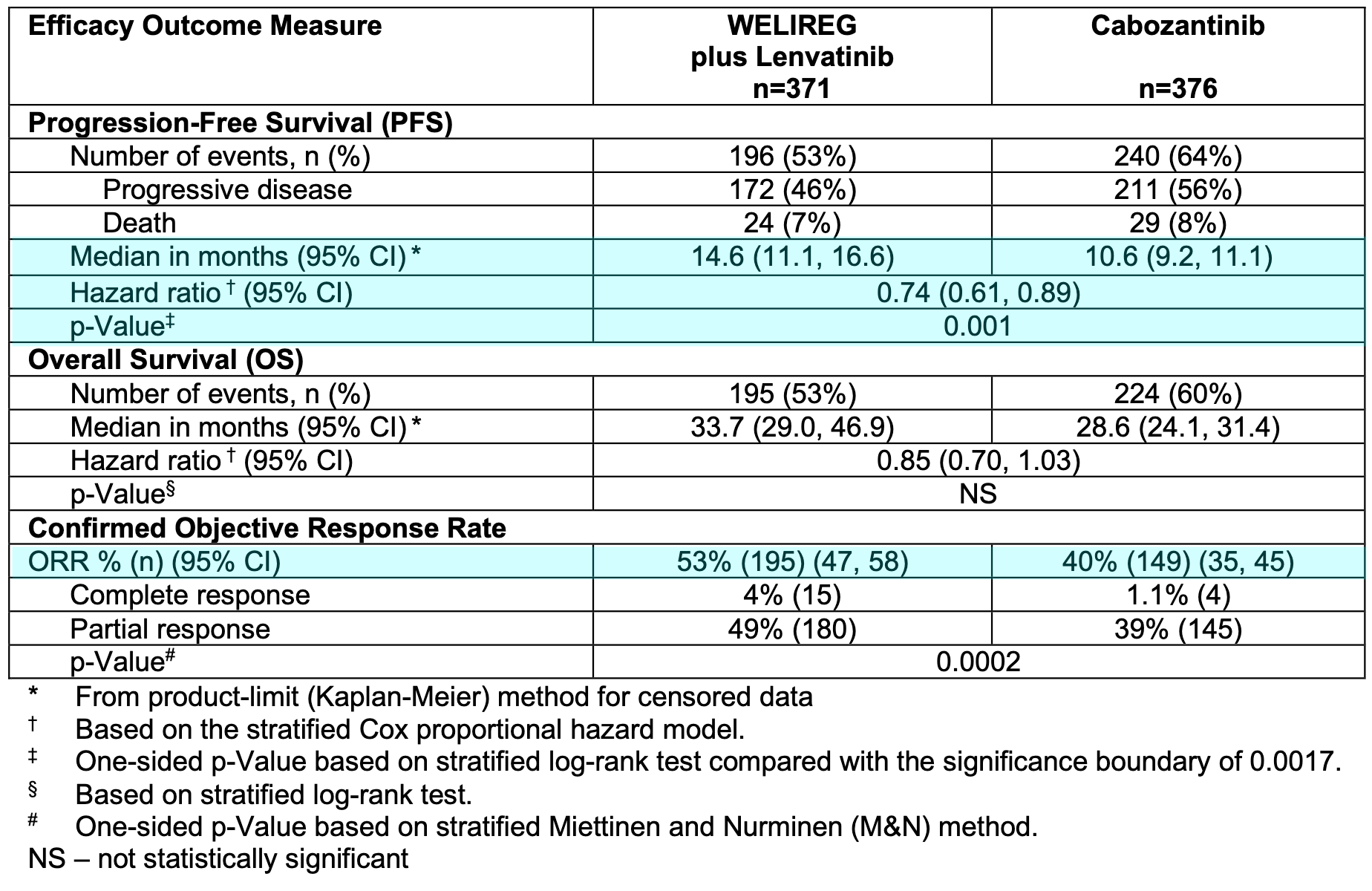
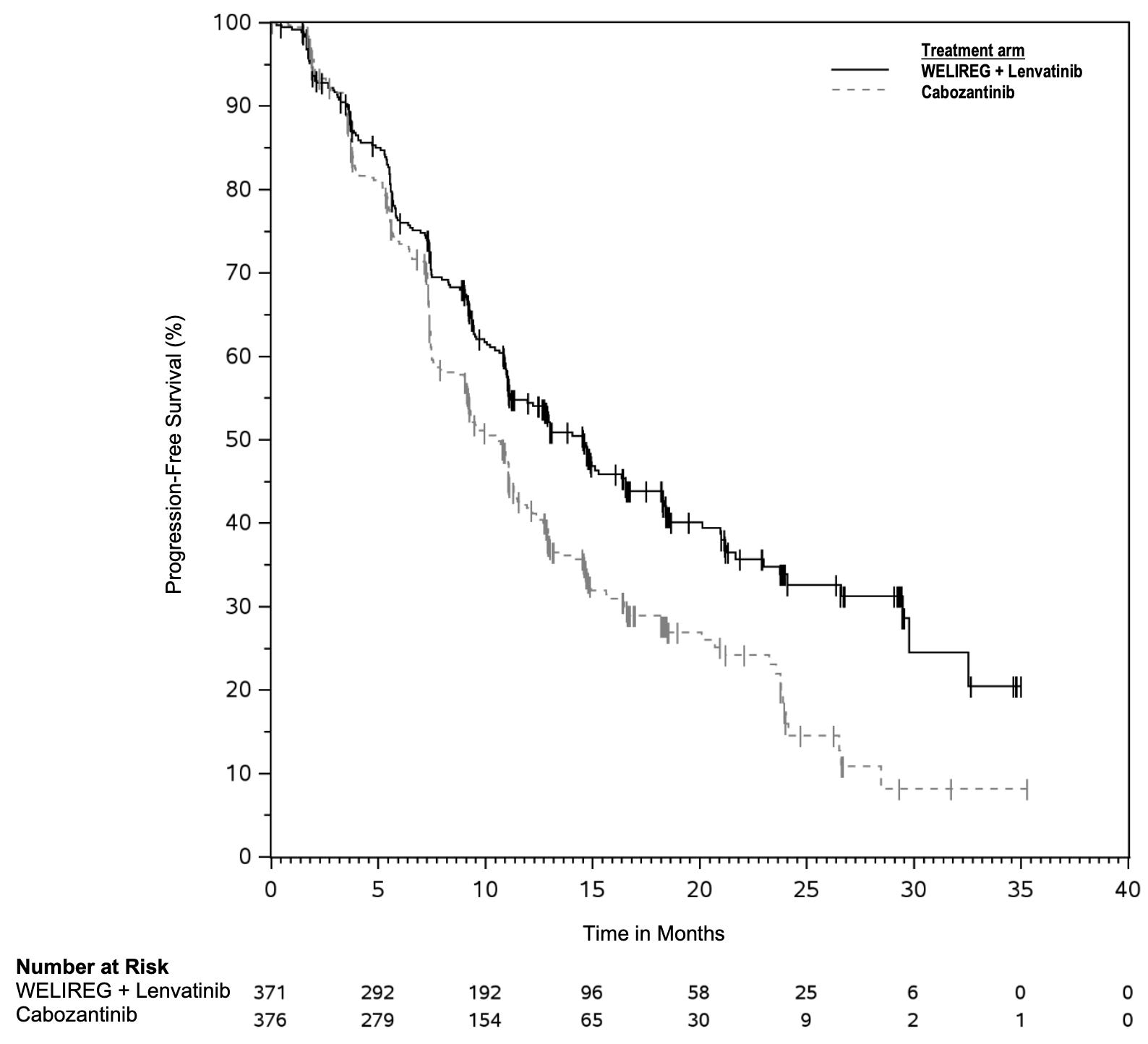
The regulatory approval was supported by compelling results from LITESPARK-011, a pivotal, open-label, randomized, active-controlled Phase 3 trial. The study enrolled 747 adult patients with unresectable, locally advanced, or metastatic ccRCC who experienced disease progression on or after prior anti–PD-1/PD-L1 antibody therapy (or within 6 months of completing adjuvant anti–PD-1/L1 therapy). The trial met its primary end point, demonstrating a statistically significant 26% reduction in the risk of disease progression or death compared to cabozantinib. The mPFS was 14.6 months for Welireg + Lenvima vs. 10.6 months for cabozantinib (HR = 0.74; p = 0.00095). Depth of response favored the combination arm. The confirmed ORR reached 53% with Welireg + Lenvima versus 40% with cabozantinib (1-sided p = 0.0002). Responders in the combination arm experienced substantially longer disease control, with a median DOR of 23.0 months compared to 12.3 months in the cabozantinib arm. At the final OS analysis, the hazard ratio favored the combination arm (HR = 0.85), with a median OS of 33.7 months vs. 28.6 months, though this numerical difference did not achieve statistical significance.
Sources: Merck press release, updated Welireg label
Eli Lilly - Onswik (long-acting insulin) / Approved (T2D)
On September 24, 2026, the FDA approved Onswik as an adjunct to diet and exercise to improve glycemic control in adults living with type 2 diabetes mellitus (T2D). This approval established Onswik as a transformative once-weekly basal insulin option in the United States, dramatically slashing the annual injection burden for T2D patients from approximately 365 daily shots down to just 52. Onswik catches up to Novo’s one-weekly insulin Awiqli, which was approved on March 26, 2026.
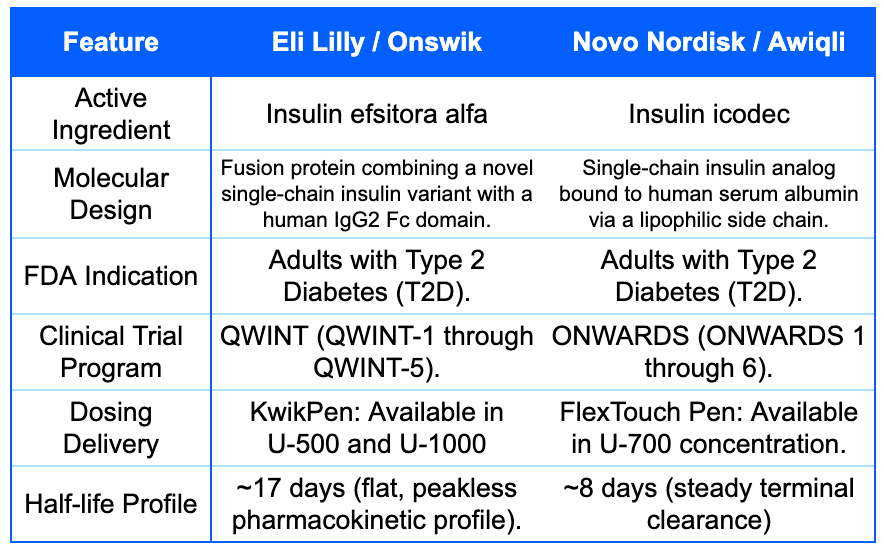
The regulatory approval of Onswik was supported by extensive data from Lilly’s global QWINT Phase 3 clinical program, which evaluated the efficacy and safety of once-weekly insulin efsitora alfa across more than 3,400 adult participants with type 2 diabetes. The QWINT registration program encompassed four primary Phase 3 studies (QWINT-1, QWINT-2, QWINT-3, and QWINT-4) designed to test Onswik across various patient populations, including insulin-naive individuals starting basal therapy for the first time as well as patients switching from daily basal insulins. The active comparator arms utilized established once-daily basal standards: insulin glargine U-100 and insulin degludec U-100. Across all four Phase 3 trials, once-weekly Onswik met its primary endpoint, demonstrating non-inferior HbA1c reductions compared to daily basal insulin glargine or degludec. Onswik consistently enabled patients to reach and maintain glycemic targets over the evaluation periods. In studies like QWINT-1, Onswik demonstrated that a straightforward, once-weekly dosing schedule with fixed titration steps could effectively lower HbA1c in insulin-naive patients, offering a simplified entry point into insulin therapy. Nevertheless, Onswik is strictly contraindicated in patients with type 1 diabetes (T1D) due to an elevated risk of severe hypoglycemia and ketoacidosis. The prescribing information also includes standard warnings regarding hypokalemia and caution when used in combination with thiazolidinediones (TZDs) due to heart failure risks.
Sources: Eli Lilly press release, new Onswik label
Elevar - Lyrfigtu (FGFR2 inhibitor) / Approved (2L CCA)
On September 23, 2026, the FDA approved Lyrfigtu (lirafugratinib) for the treatment of adult patients with previously treated, unresectable, locally advanced or metastatic cholangiocarcinoma (CCA) harboring an FGFR2 gene fusion or other rearrangement. The regulatory review utilized the FDA’s Real-Time Oncology Review (RTOR) pilot program and was granted Priority Review, Breakthrough Therapy Designation, and Orphan Drug Designation. The approval establishes Lyrfigtu as a targeted second-line therapeutic option for patients who have progressed on or after systemic chemotherapy or chemoimmunotherapy.
Cholangiocarcinoma (CCA) is a rare and aggressive malignancy of the gastrointestinal tract with limited therapeutic options and a historically poor prognosis. For patients presenting with unresectable, locally advanced, or metastatic disease, gemcitabine- and platinum-based chemo-immunotherapy regimens serve as standard first-line care. However, disease progression is common, creating an urgent need for targeted therapies upon relapse. Approximately 10% to 15% of patients with intrahepatic cholangiocarcinoma harbor FGFR2 (fibroblast growth factor receptor 2) gene fusions or genetic rearrangements. While first-generation pan-FGFR inhibitors demonstrated initial clinical utility, their efficacy is often limited by off-target toxicities driven by FGFR1/3/4 inhibition (such as hyperphosphatemia, diarrhea, and mucosal toxicities) and the emergence of secondary resistance mutations. To overcome these challenges, Elevar Therapeutics developed Lyrfigtu (lirafugratinib), a next-generation, highly selective, oral, irreversible covalent inhibitor designed to selectively target FGFR2 while minimizing off-isoform toxicities and overcoming acquired resistance mechanisms.
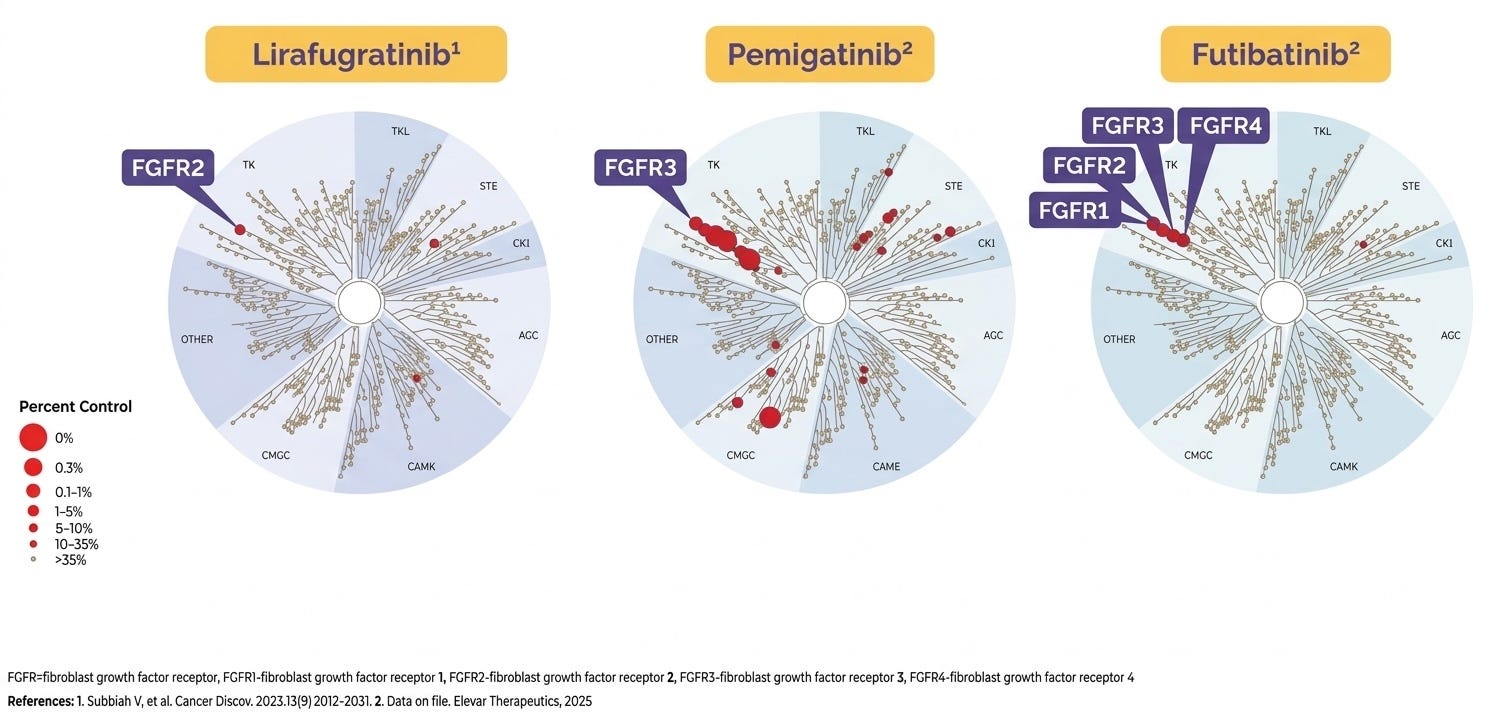
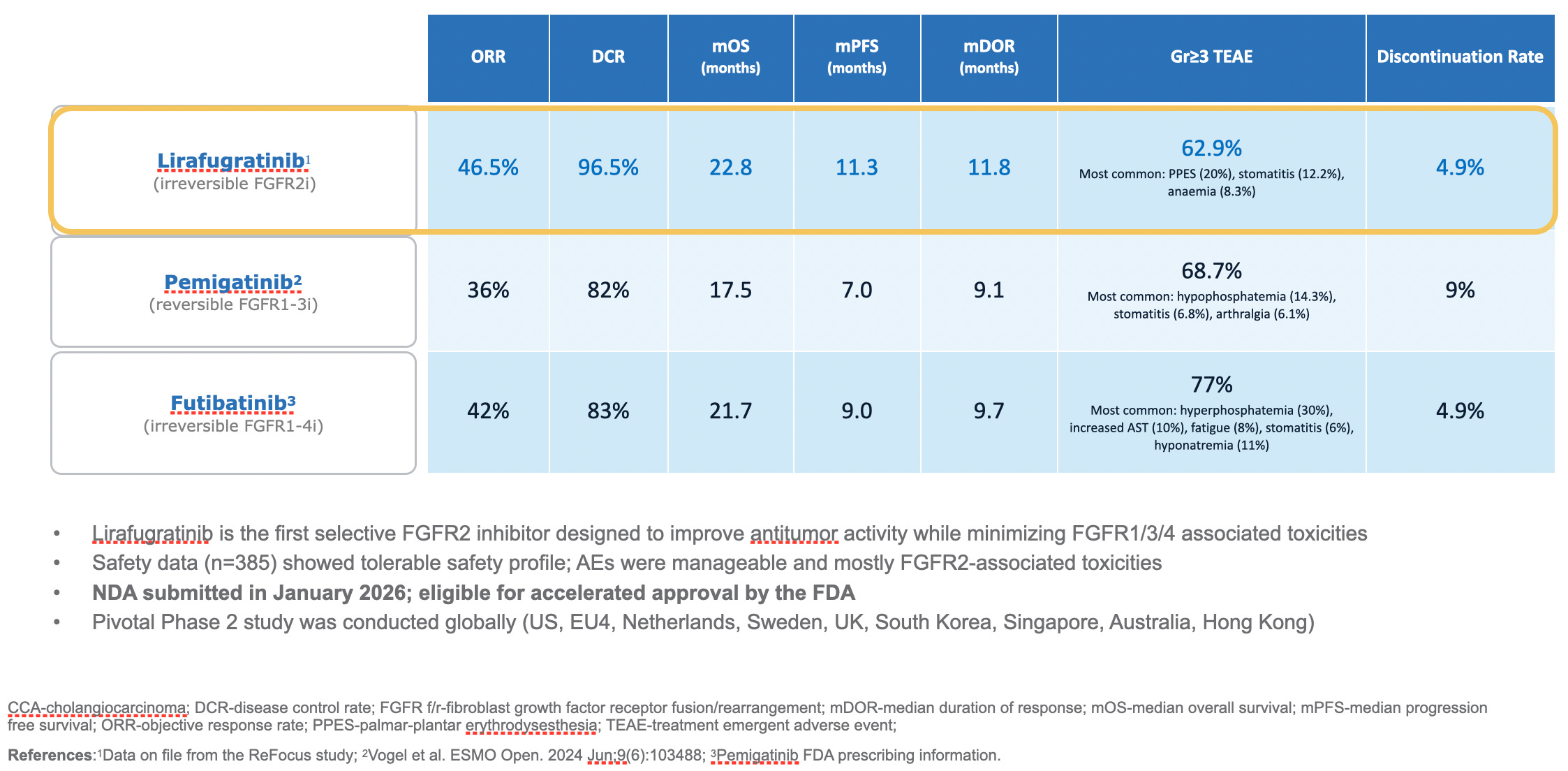
The approval was anchored by safety and efficacy outcomes from the ReFocus trial, a pivotal global, open-label, Phase 1/2 study evaluating lirafugratinib in patients with FGFR2-altered solid tumors. The primary efficacy cohort comprised 116 adult patients with unresectable, locally advanced or metastatic cholangiocarcinoma harboring confirmed FGFR2 gene fusions or rearrangements who had received at least one prior line of systemic therapy. As evaluated by an Independent Review Committee (IRC) per RECIST v1.1, Lyrfigtu achieved a confirmed ORR of 46%. Responses were notably durable, with a median DOR reaching 11.8 months. Patients treated with Lyrfigtu achieved a median PFS of 11.3 months, with a 12-month PFS rate of 49.2%. Lyrfigtu demonstrated a predictable and clinically manageable safety profile in line with its mechanism of action as a selective FGFR2 covalent inhibitor. Common adverse reactions (≥20%) observed in the clinical trial included nail toxicity, palmar-plantar erythrodysesthesia syndrome (hand-foot syndrome), stomatitis, fatigue, dry eye, dry mouth, alopecia, dysgeusia, constipation, and musculoskeletal pain.
Sources: Elevar press release, FDA notification, Elevar slide deck, label not available at time of publication
Merck - Winrevair (activin A inhibitor) / Approved (PAH Group 1)
On September 22, 2026, the FDA approved an updated U.S. product label for Merck’s Winrevair (sotatercept-csrk) to incorporate phase 3 data from the HYPERION trial. While Winrevair’s initial approval established its role in advanced disease, this label update formally embeds data evaluating its efficacy and safety when added to background therapy in recently diagnosed adults, specifically those within 12 months of diagnosis with WHO Functional Class (FC) II or III PAH at intermediate to high risk of disease progression. By incorporating these results, the updated label establishes Winrevair as an early-intervention option, moving the first-in-class activin signaling inhibitor upstream in the treatment paradigm to arrest vascular remodeling sooner after diagnosis.
Pulmonary arterial hypertension (PAH) is characterized by a homeostatic imbalance in the small pre-capillary pulmonary arteries, where endothelial cell dysfunction triggers a relative decrease in vasodilators (such as nitric oxide and prostacyclin) and an increase in vasoconstrictors (such as endothelin-1). This persistent chemical shift promotes sustained vasoconstriction, vascular smooth muscle and endothelial hyperproliferation, resistance to apoptosis, localized inflammation, and in situ thrombosis. Over time, these cellular changes drive progressive structural remodeling (including vessel wall thickening, luminal obliteration, and plexiform lesion formation) which markedly elevates pulmonary vascular resistance and right ventricular afterload, ultimately resulting in compensatory right ventricular hypertrophy, dilation, and fatal right heart failure. Historically, PAH carried a grave prognosis, with the landmark NIH registry in the 1980s showing a median survival of only 2.8 years without targeted medical therapy.
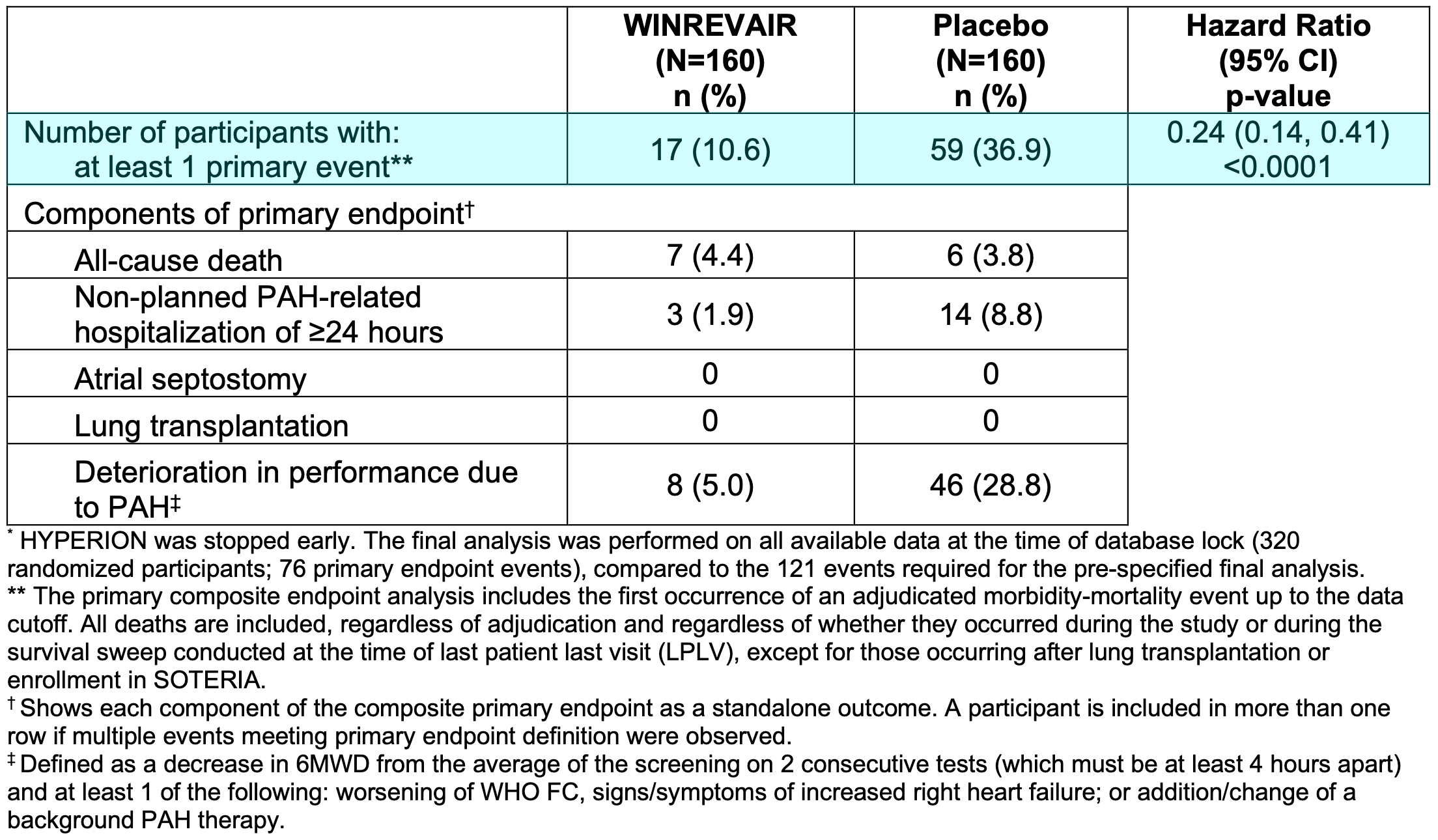
The HYPERION study (N = 320) evaluated adults with a mean time since diagnosis of just 7.2 months. Patients were already receiving standard background regimens, with 72% on double background therapy, 28% on triple background therapy, and 17% on parenteral prostacyclin infusions. When added to background therapy, Winrevair reduced the risk of time to death or a first confirmed morbidity event by 76% compared to placebo plus background therapy (HR= 0.24; p < 0.0001). A first clinical worsening event occurred in 10.6% (17/160) of patients in the Winrevair arm compared to 36.9% (59/160) of patients in the placebo group. The trial tracked time to first event, including all-cause mortality, unplanned PAH-related hospitalizations (≥24 hours), lung transplantation, atrial septostomy, or a decline in 6-minute walk distance (6MWD) combined with functional worsening, right heart failure symptoms, or additional background therapy. The treatment effect was consistent across all prespecified clinical subgroups, regardless of age, sex, PAH etiology (e.g., idiopathic vs. connective tissue disease-associated), or baseline risk scores (REVEAL Lite 2 or COMPERA 2). The most frequent adverse events (≥10% incidence and at least 5% higher than placebo) were epistaxis (31.9% vs. 6.9%), telangiectasia (26.3% vs. 11.3%), and increased hemoglobin (11.3% vs. 1.3%). Only 3% of patients in the Winrevair group discontinued treatment due to adverse events (epistaxis being the main driver), compared to 0% in placebo. No severe platelet drops (< 50,000 / mm3) occurred in the Winrevair arm. The updated label includes a contraindication for severe hypersensitivity (e.g., anaphylaxis, angioedema) to sotatercept-csrk. Providers are advised to monitor hemoglobin (to detect erythrocytosis) and platelets (to manage thrombocytopenia, particularly in patients on concomitant prostacyclin infusions) prior to treatment and periodically throughout therapy.
Sources: Merck press release, updated Winrevair label
IntraBio - Aqneursa (N-acetyl-L-leucine) / Approved (Ataxia-telangiectasia)
On September 25, 2024, the FDA approved a major label expansion for IntraBio’s Aqneursa (levacetylleucine / N-acetyl-L-leucine) to treat ataxia in adults and pediatric patients weighing at least 15 kg with Ataxia-Telangiectasia (A-T). This regulatory decision marks a historical milestone as the first FDA-approved disease-modifying treatment specifically indicated for A-T, a rare, progressive, and life-limiting autosomal-recessive neurodegenerative disease caused by mutations in the ATM gene. Initially approved in September 2024 for the neurological manifestations of Niemann-Pick disease type C (NPC), Aqneursa is an orally administered, chemically modified amino acid derivative. Rather than targeting a single mutated gene, Aqneursa is proposed to correct downstream metabolic dysfunction by normalizing cerebellar glucose metabolism and restoring lysosomal and mitochondrial ATP production. This label expansion transitions the drug from a single-disease therapy into a broader metabolic neuro-restorative platform for complex ataxias.
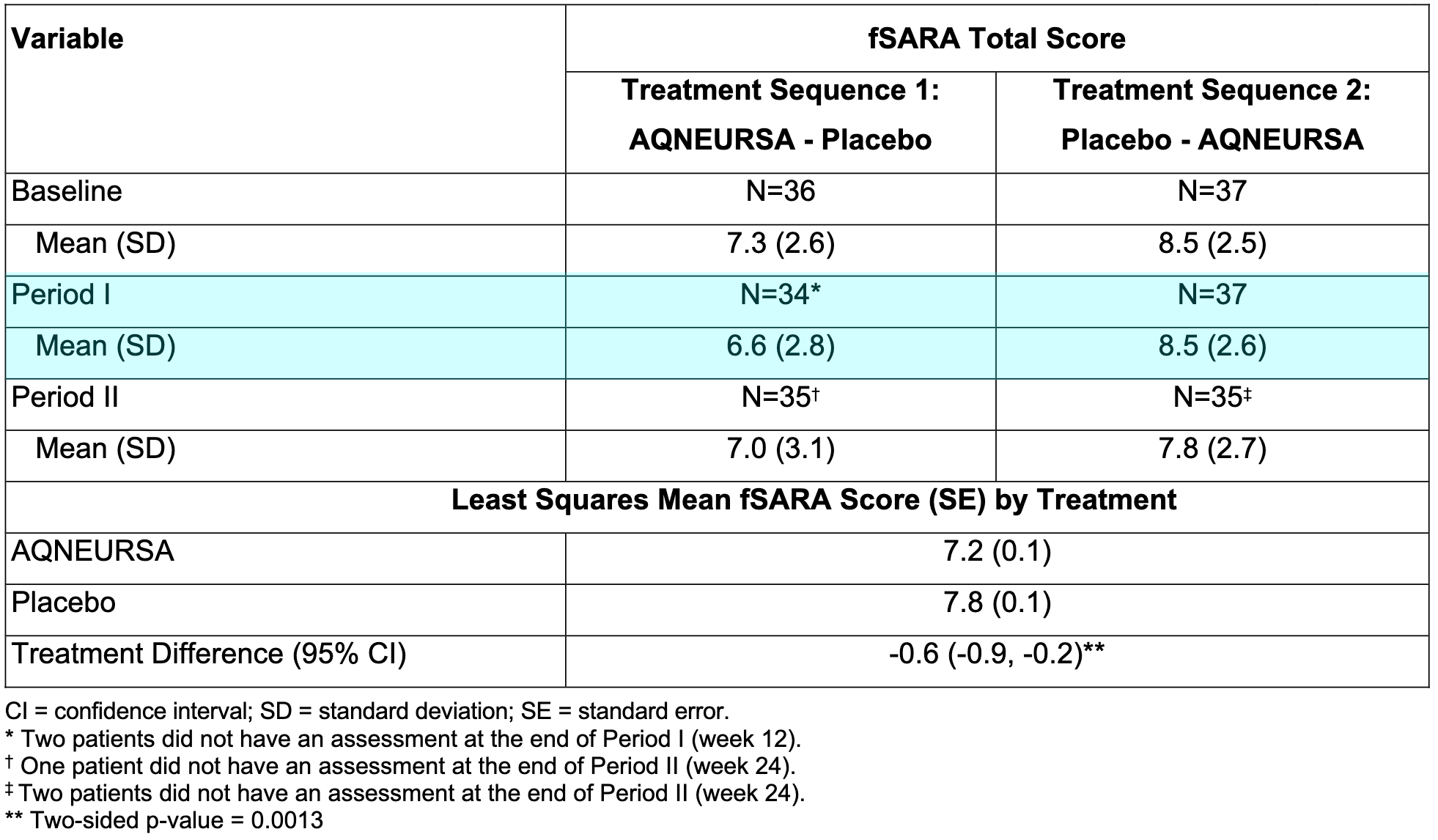
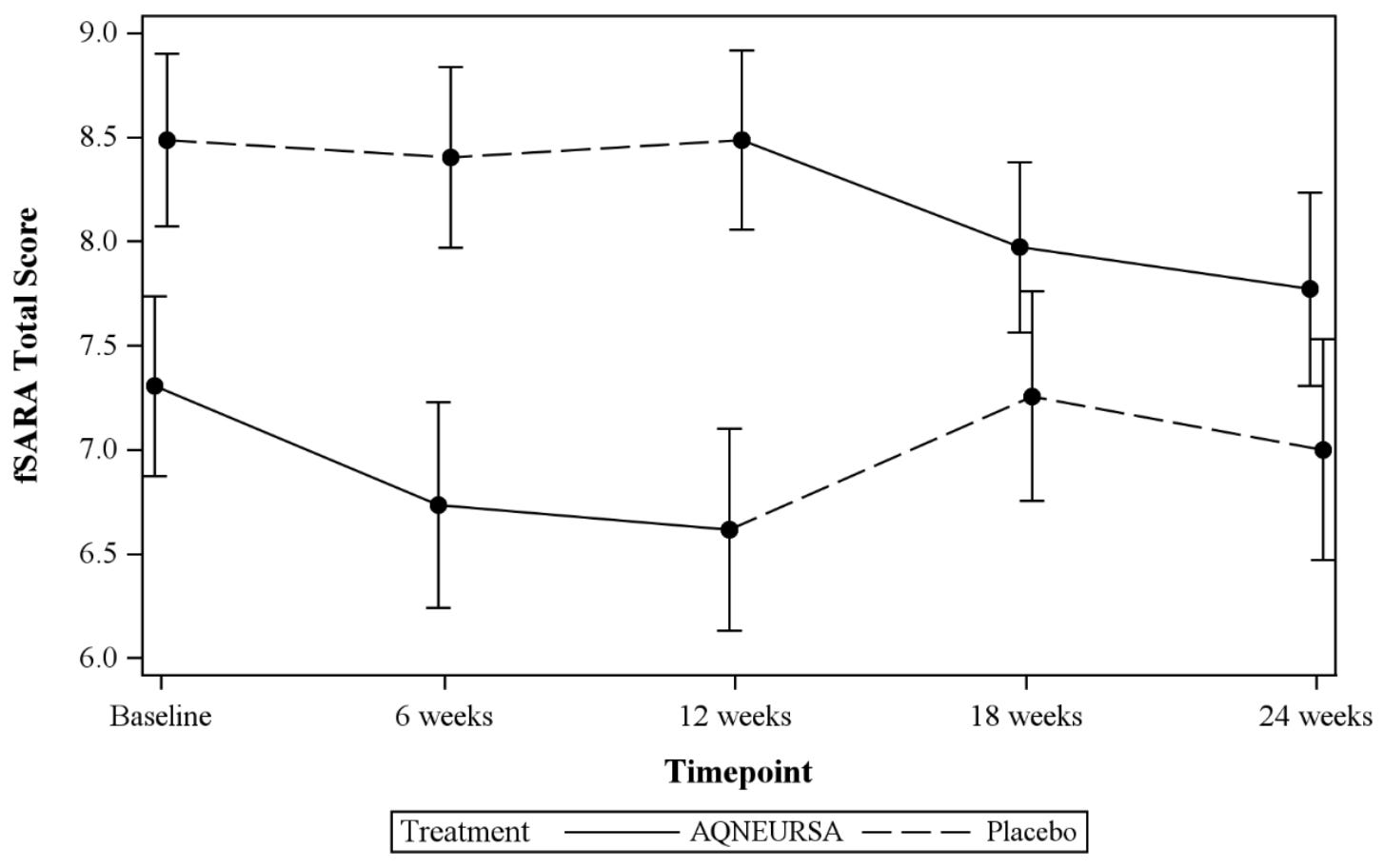
The label extension of Aqneursa was granted on the strength of pivotal data from the Phase 3 IB1001-303 trial, a multinational, randomized, double-blind, placebo-controlled crossover study (N = 73) in patients aged 4 to 50 years with genetically confirmed A-T. Over a 12-week treatment period, Aqneursa demonstrated a statistically significant improvement in motor function compared to placebo on the Scale for the Assessment and Rating of Ataxia (SARA). Patients treated with Aqneursa achieved a 1.9-point mean improvement over placebo (Treatment Difference = -1.9; p < 0.001). In a modified, functional SARA assessment prioritized by the FDA (evaluates core daily tasks across gait, sitting, stance, and speech domains), Aqneursa demonstrated a 0.6-point mean advantage over placebo (Treatment Difference = -0.6; p < 0.001).Clinically observable neurological and functional improvements emerged rapidly within 12 weeks of therapy initiation. Benefits were consistent across pediatric and adult age cohorts, prior functional baseline levels, and prespecified disease severity subgroups. A notable 96% of enrolled participants (70/73) completed both treatment periods of the crossover design, reflecting high trial adherence and patient tolerance. The product labeling warns against concomitant administration with race-mixture formulations like N-acetyl-DL-leucine or N-acetyl-D-leucine, as the D-enantiomer competes for monocarboxylate transporter uptake and impairs Aqneursa‘s efficacy. Since Aqneursa inhibits P-glycoprotein (P-gp), patients on narrow-therapeutic-index P-gp substrates require close monitoring. Animal data indicate potential embryo-fetal toxicity, necessitating pregnancy verification and reliable contraception in female patients of reproductive potential.
Sources: IntraBio press release, updated Aqneursa label
Clinical Trial Data
Viking - VK2735 (GLP1 / GIP dual agonist) / Phase 2 (obesity)
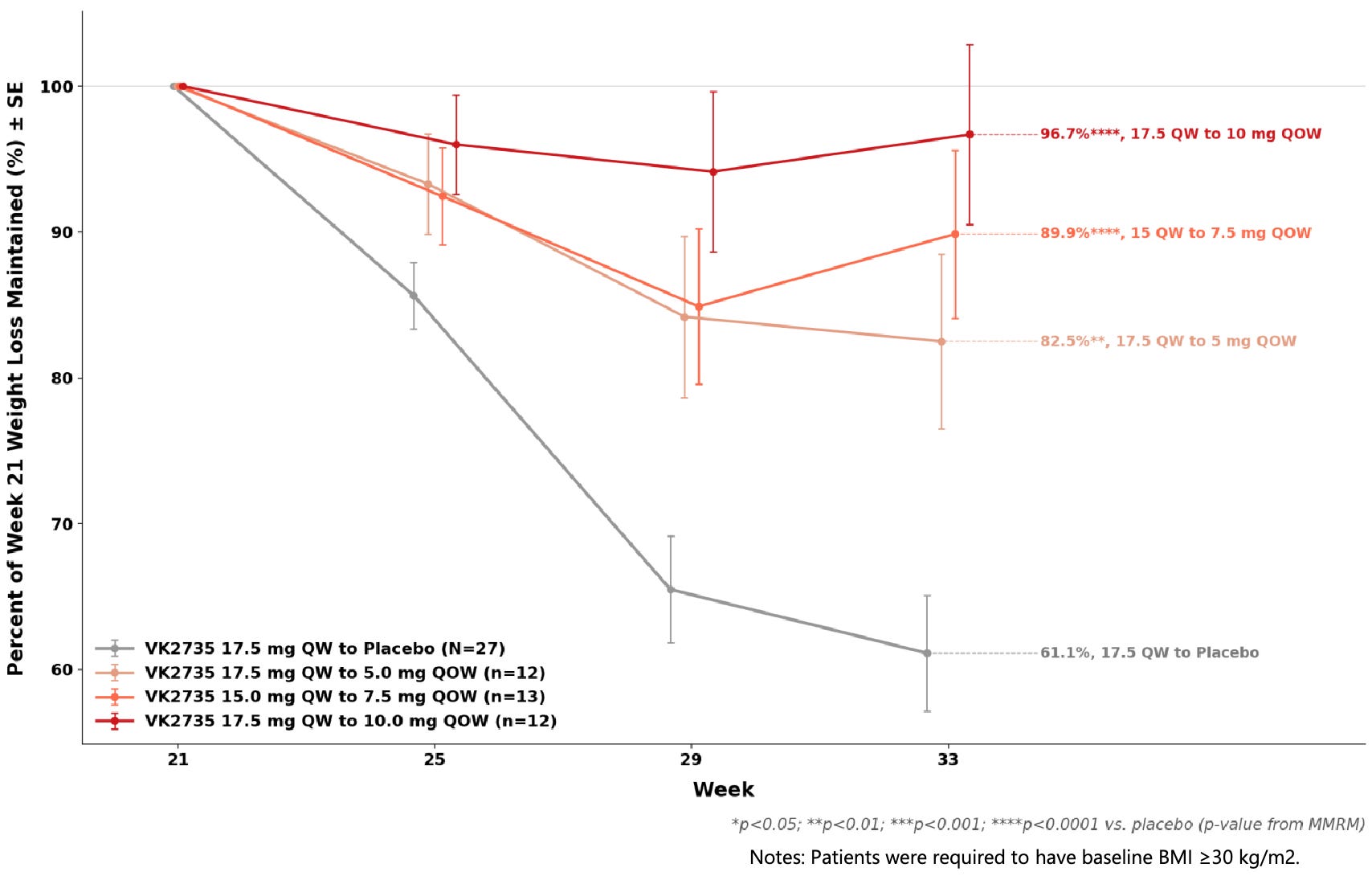
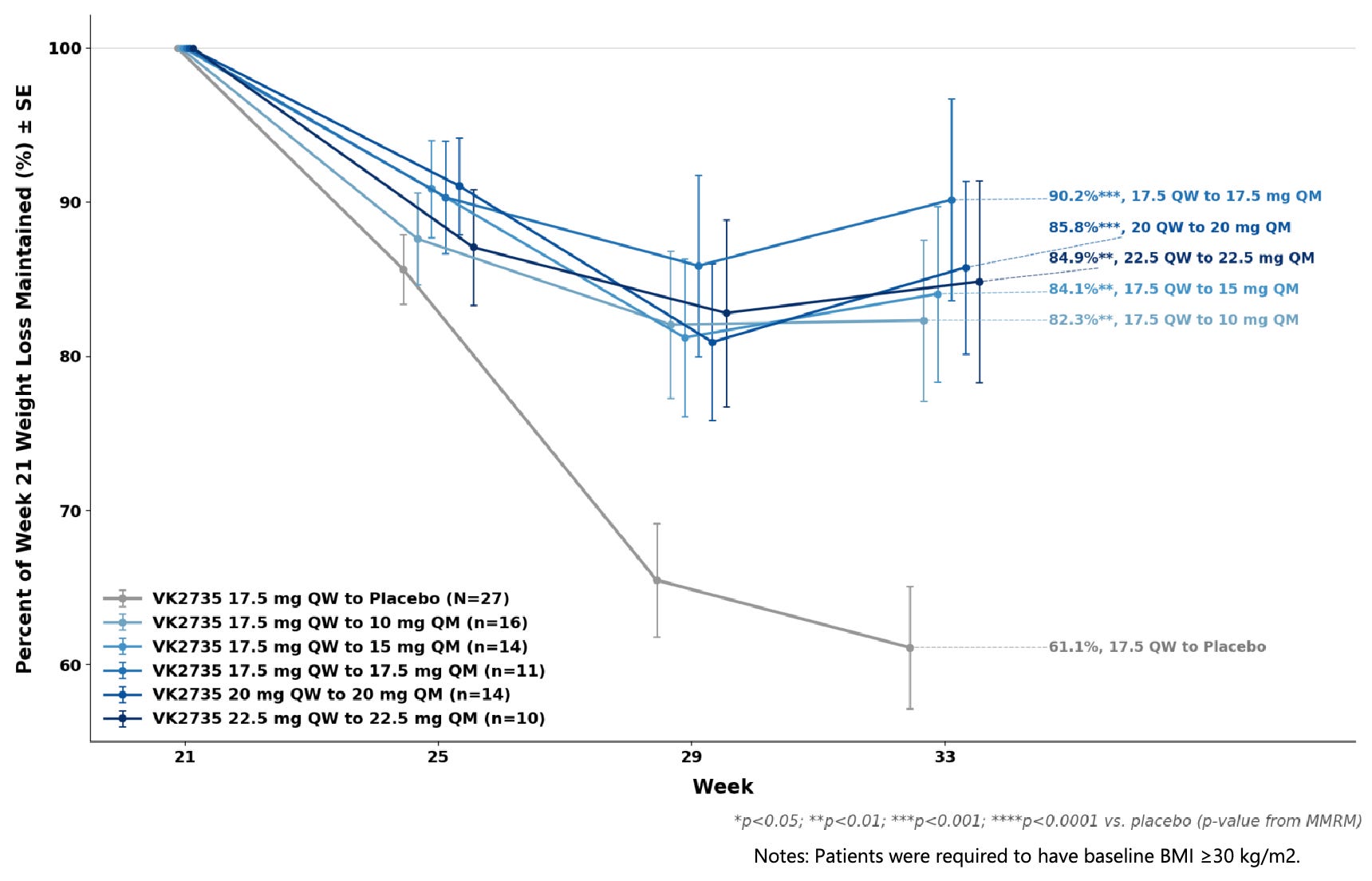
On September 22, 2026, Viking Therapeutics released positive topline Phase 2 data evaluating extended-interval maintenance dosing for its flagship metabolic asset, VK2735, a dual agonist of the glucagon-like peptide-1 (GLP-1) and glucose-dependent insulinotropic polypeptide (GIP) receptors. While current commercial incretin therapies (such as tirzepatide and semaglutide) require weekly subcutaneous injections, Viking’s study addressed one of the biggest clinical challenges in obesity medicine: long-term weight maintenance and patient adherence. The trial demonstrated that after achieving robust initial weight loss on weekly dosing, patients can transition to every-other-week (Q2W) or once-monthly (QM) administration while retaining the vast majority of their weight loss.
In a Phase 2 trial of adults with obesity or overweight without diabetes, weekly VK2735 induction (weeks 1-21) produced a significant mean weight reduction of -16% to -19% compared to about 0% on placebo (p < 0.0001). Transitioning patients during the maintenance phase (weeks 22–33) to every-other-week or once-monthly dosing preserved 83-97% and 82-90% of their initial weight loss, respectively, outperforming placebo withdrawal (61% retention; p < 0.01), while continuous weekly dosing reached 21.7% weight loss without plateauing. By showing that extended-interval regimens maintain weight loss while reducing cumulative drug exposure by up to 85%, VK2735 provides meaningful dosing flexibility to combat weekly injection fatigue, potentially lowering costs and establishing a potential differentiator against incumbent weekly incretins like Wegovy and Zepbound.
Viking is advancing its fully enrolled Phase 3 trials VANQUISH-1 (obesity) and VANQUISH-2 (type 2 diabetes), evaluating primary weekly efficacy endpoints, with topline data anticipated in 2027. Data from this trial will inform the design of planned VANQUISH extension studies, formally incorporating biweekly and monthly maintenance regimens. Viking is initiating Part 2 of its Phase 2 maintenance study, exploring whether patients can maintain weight loss by switching from subcutaneous VK2735 induction to an oral tablet formulation of VK2735.
Sources: Viking press release, Viking slide deck
Roche - Enicepatide (GLP1/GIP dual agonist) / Phase 3 (obesity + T2D)
On September 21, 2026, Roche released positive Phase 3 results for enicepatide (CT-388), an investigational once-weekly subcutaneous dual GLP-1 and GIP receptor agonist, in patients living with obesity and type 2 diabetes (T2D). The trial successfully met its dual primary efficacy endpoints, demonstrating robust, dose-dependent reductions in both body weight and HbA1c. Notably, Roche’s enicepatide is engineered with cAMP signaling bias and minimal beta-arrestin recruitment, which is designed to limit receptor endocytosis and internal desensitization to sustain high-potency target engagement, suppress appetite, and maximize glucose-dependent insulin release. Furthermore, enicepatide was acquired by Roche as the lead asset in its $2.7 billion acquisition of Carmot Therapeutics.
In a Phase 3 randomized, active- and placebo-controlled study evaluating adults with obesity or overweight (BMI ≥27 kg/m2) and comorbid type 2 diabetes, Roche’s enicepatide met its dual primary endpoints, achieving a mean body weight reduction of -15.5% at Week 24 and a mean HbA1c reduction of -2.65% from baseline. The weight loss was non-plateauing and demonstrated a rapid trajectory compared to historical tirzepatide (Zepbound) benchmarks in diabetic cohorts (-14.7% at Week 72), while glycemic control enabled a high proportion of patients to reach target HbA1c (< 6.5%) or achieve normoglycemia (< 5.7%). Enicepatide exhibited a safety profile consistent with the incretin class, characterized predominantly by mild-to-moderate, transient gastrointestinal adverse events during dose titration and low treatment-emergent discontinuation rates. By addressing the delayed weight-loss kinetics typical in T2D populations, delivering deep dual glycemic and weight control, and establishing a highly competitive efficacy profile, enicepatide positions itself as a potential best-in-class challenger to established dual agonists like tirzepatide.
Roche is advancing two additional Phase 3 studies in its global ENITH program: ENITH-1 (evaluating chronic weight management in adults with obesity/overweight without diabetes) and ENITH-2 (evaluating broader long-term metabolic outcomes in T2D populations). Roche plans to initiate a dedicated Phase 3 Cardiovascular Outcomes Trial (CVOT) in the first half of 2027 to evaluate long-term major adverse cardiovascular events (MACE) reduction. The company is preparing to evaluate higher-dose cohorts and explore combination regimens pairing enicepatide with secondary metabolic assets (such as anti-myostatin agents) to optimize fat-to-lean mass loss ratios.
Sources: Roche press release
Kyverna - Miv-cel (CD19 CAR-T) / Phase 2 (SPS)
On September 24, 2026, Kyverna Therapeutics reported positive 12-month Phase 2 results from its pivotal KYSA-8 trial evaluating miv-cel (mivocabtagene autoleucel / KYV-101), an autologous CD19-directed CAR-T cell therapy, in adult patients with treatment-refractory Stiff Person Syndrome (SPS).
Stiff Person Syndrome (SPS) is a rare, progressive neuroautoimmune disorder wherein autoantibodies (autoAbs), most commonly targeting glutamic acid decarboxylase (GAD65), disrupt central GABAergic inhibitory neurotransmission, triggering continuous motor neuron overactivity, severe muscle rigidity, and debilitating spasms. Standard care combines GABA-enhancing agents for symptom control with non-curative immunotherapies (such as IVIG, plasma exchange, or rituximab), leaving high unmet needs for refractory disease. Kyverna’s miv-cel is designed to addresses this underlying pathology as an autologous, fully human CD19-directed CAR T-cell therapy with a modified CD28 costimulatory domain. By targeting CD19-expressing B-cell lineages, a single dose of miv-cel selectively clears autoreactive B-cell clones driving anti-GAD65 production, enabling the host immune system to repopulate with naive, non-autoreactive B cells. This targeted depletion aims to eliminate the root driver of pathogenic autoantibody synthesis to reset long-term self-tolerance, offering a disease-modifying alternative to lifelong immunosuppression while limiting excessive systemic inflammatory toxicity.
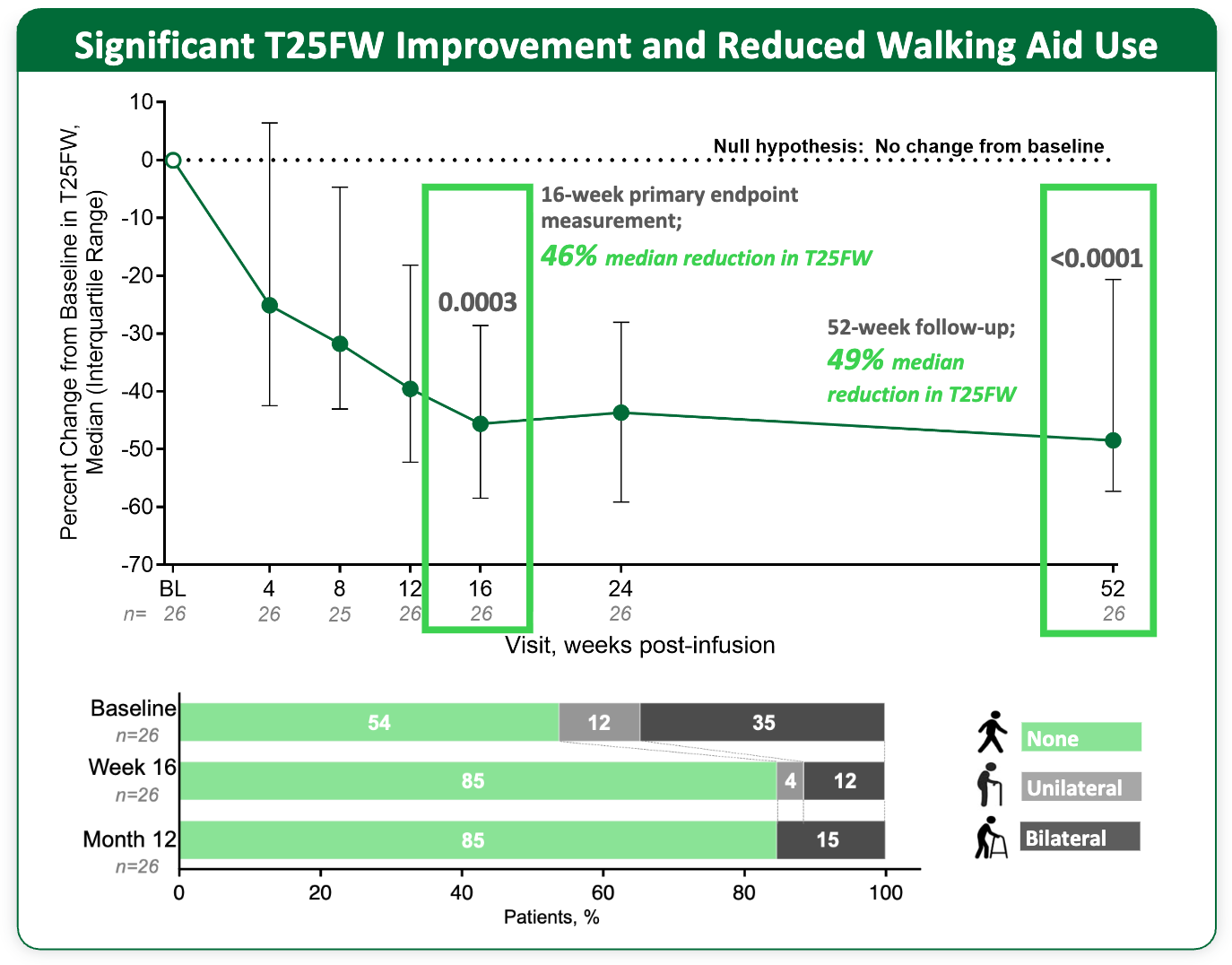
In the open-label Phase 2 KYSA-8 trial (N = 26) evaluating miv-cel in adults with severe, treatment-refractory Stiff Person Syndrome (SPS), a single dose demonstrated deep and durable functional gains, achieving a 46% median improvement in walking speed on the Timed 25-Foot Walk test at Week 16 that extended to 49% at 12 months (p < 0.0001). Demonstrating sustained disease modification, 95% of initial responders maintained their benefit at 12 months, 67% of patients previously requiring mobility aids ambulated unassisted, and 92% remained completely off chronic immunomodulatory therapies. Safety was favorable, with zero high-grade cytokine release syndrome (CRS), ICANS, or immune effector cell-associated hemophagocytic lymphohistiocytosis-like syndrome (IEC-HS) events, limiting high-grade toxicities to transient, post-lymphodepletion cytopenias. By pairing robust 12-month mobility recovery and high rates of immunotherapy independence with a clean safety profile devoid of severe inflammatory toxicities, miv-cel provides pivotal proof-of-concept for CAR-T-induced remissions in the autoimmune neurology condition.
Kyverna plans to finalize the remaining modules of its rolling BLA for SPS in the fourth quarter of 2026, requesting Priority Review under its RMAT designation. Kyverna is leveraging these data to accelerate enrollment in its Phase 3 portion of the KYSA-6 trial in generalized Myasthenia Gravis (gMG), with enrollment completion projected for mid-2027. Kyverna is advancing commercial readiness activities, including commercial site activation and manufacturing agreements, ahead of a potential US market launch in 2027.
Sources: Kyverna press release, Kyverna slide deck
Oruka - ORKA-001 (IL-23p19 mAb HLE) / Phase 2 (plaque psoriasis)
On September 23, 2026, Oruka Therapeutics reported positive Phase 2 topline data for ORKA-001, an investigational half-life extended (HLE) monoclonal antibody targeting the p19 subunit of interleukin-23 (IL-23), in adult patients with moderate-to-severe plaque psoriasis. The trial achieved its primary and key secondary endpoints, showing high rates of skin clearance that deepened over time following an initial loading regimen.
Plaque psoriasis is a chronic, immune-mediated inflammatory skin disorder driven by dysregulated crosstalk along the IL-23/IL-17 cytokine axis, where dendritic cell-derived IL-23 stimulates pathogenic Th17 cells to secrete pro-inflammatory cytokines that trigger rapid epidermal hyperproliferation, impaired keratinocyte differentiation, and dermal leukocyte infiltration. While mild-to-moderate disease is managed with topical agents, moderate-to-severe plaque psoriasis requires systemic intervention, where modern standards of care prioritize targeted biologics, particularly IL-23 and IL-17 inhibitors, over oral immunosuppressants or phototherapy. Oruka’s ORKA-001 is designed to directly target this pathogenic cascade as a fully human IgG1 monoclonal antibody that selectively binds the p19 subunit of IL-23, neutralizing upstream Th17 activation without impairing IL-12-mediated protective Type 1 immunity. Differentiated by YTE/LS Fc-domain modifications that enhance FcRn-mediated recycling, ORKA-001 achieves an extended terminal elimination half-life of 70 to 90 days (three to four times longer than first-generation IL-23 inhibitors) enabling sustained inflammatory suppression to support infrequent, once- or twice-yearly maintenance dosing.
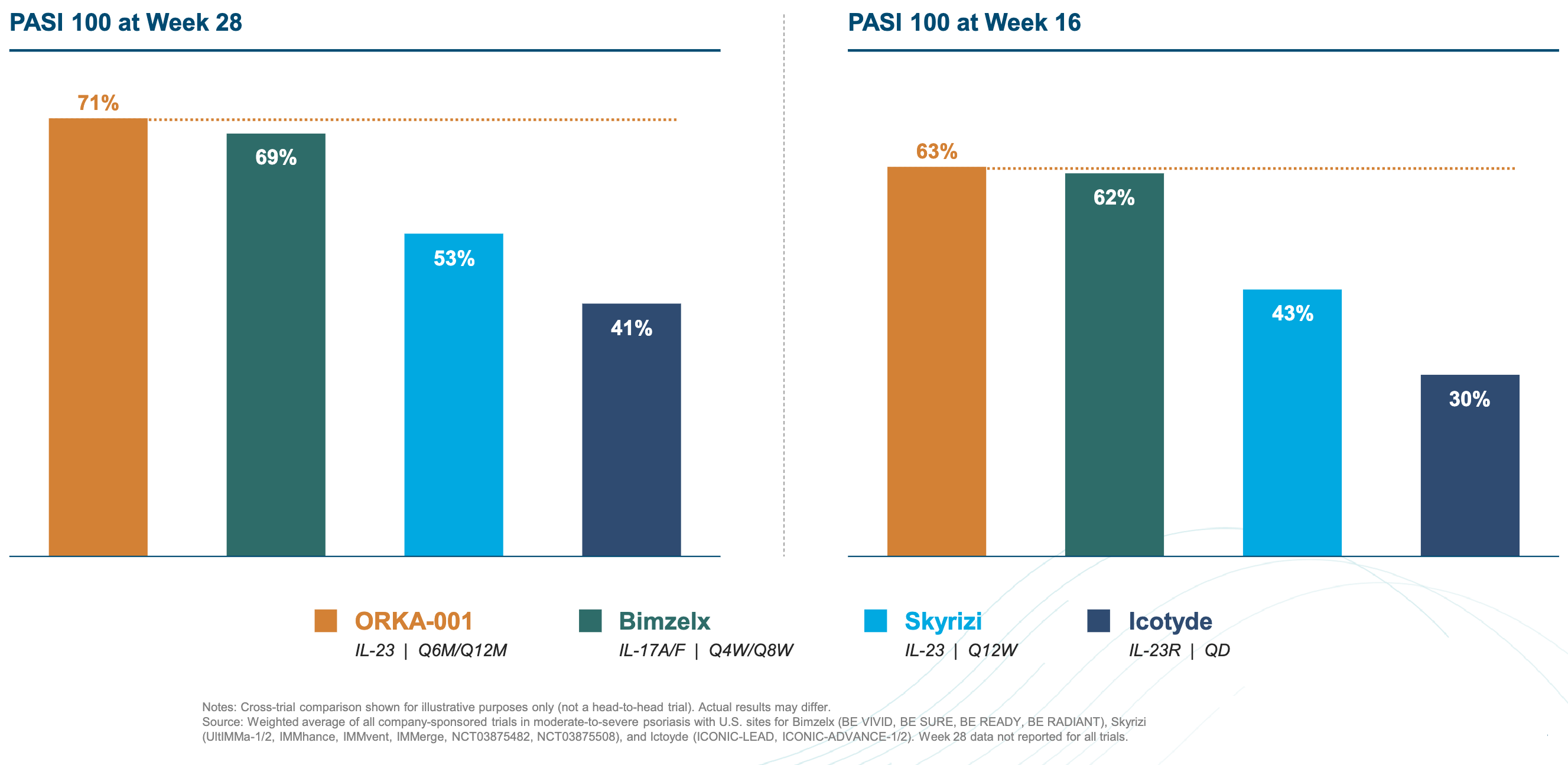
In a Phase 2 randomized, double-blind, placebo-controlled trial evaluating ORKA-001 in adults with moderate-to-severe plaque psoriasis, treatment demonstrated deepening efficacy over time, with complete skin clearance (PASI 100 / PGA 0) rising from 63.5% at Week 16 to 71.4% at Week 28, while over 85% of patients reached near-complete clearance (PASI 90). Pharmacokinetic data confirmed an extended half-life capable of supporting once- or twice-yearly maintenance dosing while maintaining therapeutic trough levels, and the safety profile was favorable and class-consistent, marked by mild-to-moderate infections and transient injection-site reactions with no novel safety signals.
Oruka plans to advance ORKA-001 into pivotal Phase 3 registration studies in moderate-to-severe plaque psoriasis, evaluating once- and twice-yearly maintenance dosing regimens. Complete 52-week data from the Phase 2 trial will be analyzed to assess multi-dose durability and anti-drug antibody (ADA) profiles over extended intervals. Oruka is preparing to initiate Phase 2 studies evaluating ORKA-001 in additional IL-23-mediated inflammatory conditions, including psoriatic arthritis and inflammatory bowel disease (ulcerative colitis and Crohn’s disease).
Sources: Oruka press release, Oruk slide deck
Vertex - Inaxaplin (APOL1 inhibitor) / Phase 2b (AMPKD)
On September 22, 2026, Vertex Pharmaceuticals announced positive Phase 2b topline results from the AMPLIFIED study evaluating inaxaplin (VX-147), a first-in-class, oral small-molecule APOL1 inhibitor, in expanded populations of patients with APOL1-mediated kidney disease (AMKD).
APOL1-mediated kidney disease (AMKD) is a genetically driven, rapidly progressive form of chronic kidney disease in individuals harboring two high-risk APOL1 variants (G1 or G2), where inflammatory stimuli upregulate toxic APOL1 variant proteins that form cation-permeable pores in podocyte membranes, causing cellular swelling, detachment, glomerular filtration barrier collapse, and progressive glomerulosclerosis. Since traditional standard of care is limited to non-specific, supportive therapies such as RAAS and SGLT2 inhibitors to manage intraglomerular pressure and proteinuria, significant unmet need remains for targeted, disease-modifying interventions. Vertex’s inaxaplin is designed to directly address this root genetic etiology as a selective, oral, small-molecule inhibitor that binds to toxic APOL1 variant proteins and prevents pathogenic pore formation. By preserving podocyte structural integrity and protecting the filtration barrier, inaxaplin stops pathological proteinuria and halts downstream nephron loss to offer a first-in-class targeted strategy for AMKD.
In the Phase 2b open-label AMPLIFIED study (N = 41) evaluating oral inaxaplin (45 mg once daily) on top of optimized standard-of-care chronic kidney disease therapies in adults with APOL1-mediated kidney disease (AMKD), inaxaplin achieved a statistically significant 42.7% mean reduction in UACR at Week 13 (with a parallel 44.7% reduction in UPCR) in the modest proteinuria cohort (Cohort 1, n = 23), matching the magnitude of benefit previously observed in severe AMKD/FSGS populations (-43.4%), while driving a 17.3% UACR reduction in the comorbid type 2 diabetes cohort (Cohort 2, n = 18). Treatment was well tolerated across cohorts with no drug-related serious adverse events, mild-to-moderate AEs (most commonly headache at 7.3%), and isolated, transient transaminase elevations that resolved without clinical sequelae. By demonstrating significant additive proteinuria reductions on top of background RAAS and SGLT2 inhibitor therapy in earlier-stage disease, these data validate targeted APOL1 inhibition as a potential disease-modifying mechanism and expand inaxaplin’s therapeutic utility into broader AMKD populations to halt nephron destruction prior to irreversible scarring.
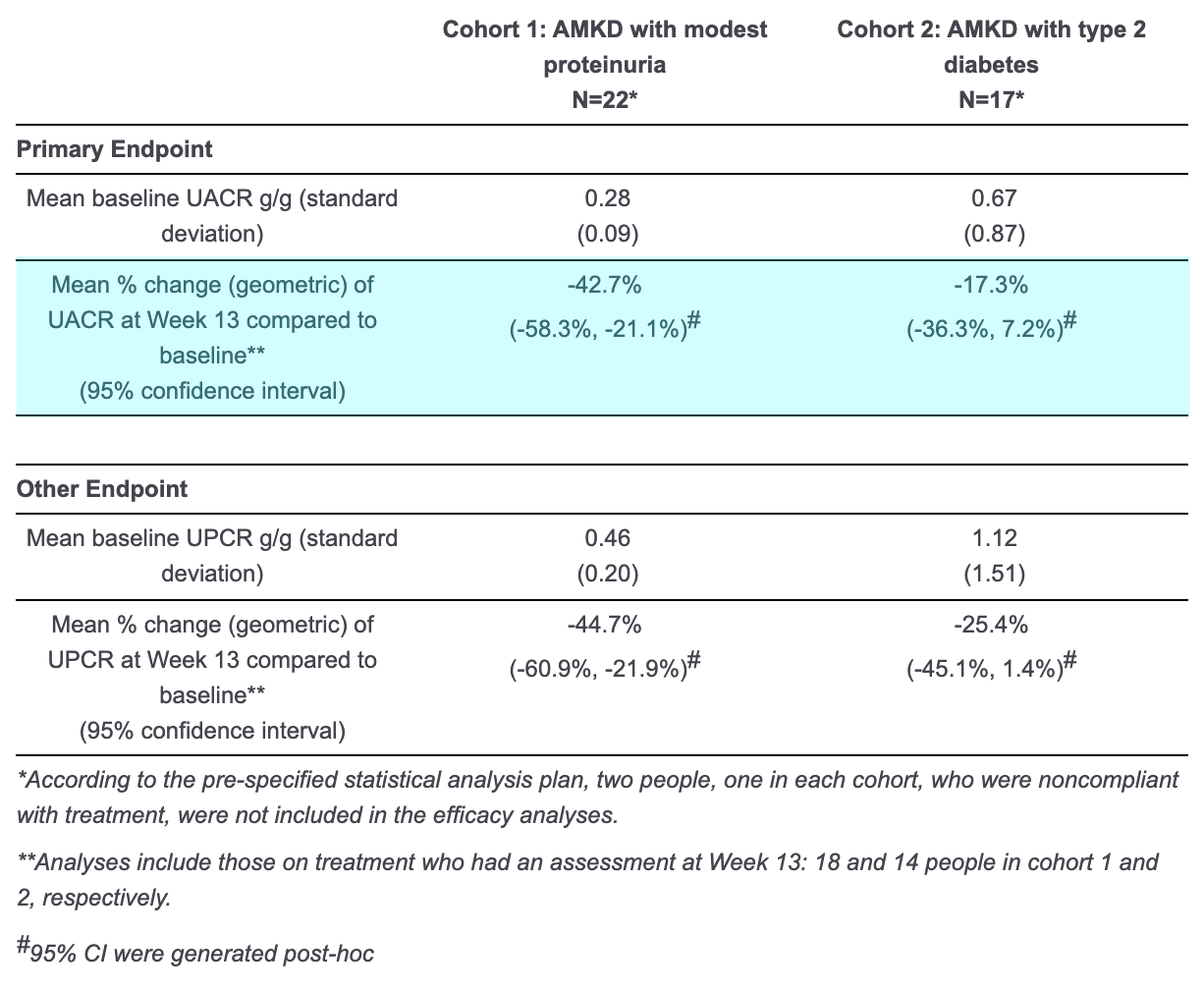
Vertex has completed enrollment in the ongoing Phase 2/3 AMPLITUDE trial evaluating inaxaplin in a larger, registrational cohort of AMKD patients. A pre-planned interim analysis from the AMPLITUDE trial is on track for early 2027. If positive, Vertex plans to submit these data to support potential accelerated approval with the FDA. Vertex intends to discuss the AMPLIFIED dataset with regulatory authorities to explore pathways for expanding inaxaplin’s label to cover broader AMKD populations, including those with modest proteinuria and diabetic comorbidities.
Sources: Vertex press release
Alkermes - ALKS 7290 (selective OX2 agonist) / Phase 1b (ADHD)
On September 21, 2026, Alkermes announced positive Phase 1b topline results for ALKS 7290, a novel, potent, and highly selective oral orexin 2 receptor (OX2R) agonist being developed for the treatment of attention-deficit/hyperactivity disorder (ADHD).
Attention-Deficit/Hyperactivity Disorder (ADHD) is a neurodevelopmental disorder driven by prefronto-striatal network dysfunction and deficient dopamine and norepinephrine signaling, which impairs executive function, working memory, and impulse control. While standard management relies on multimodal strategies led by CNS stimulants (e.g., methylphenidate, amphetamines) or non-stimulant alternatives like atomoxetine and alpha-2 agonists, existing stimulant options carry notable drawbacks, including cardiovascular strain, insomnia, and abuse potential. Alkermes’ ALKS 7290 is designed to directly address these limitations as a selective small-molecule orexin 2 receptor (OX2R) agonist that stimulates hypothalamic projections to the prefrontal cortex, enhancing executive function and sustained attention while modulating subcortical reward circuits. By promoting cognitive control without inducing massive, non-selective dopamine surges in the nucleus accumbens, ALKS 7290 provides a potential first-in-class non-stimulant mechanism designed to deliver stimulant-like efficacy without the associated cardiovascular side effects, sleep disruption, or high abuse liability.
In a Phase 1b randomized, double-blind, placebo-controlled multiple-ascending-dose study evaluating ALKS 7290 in adults with ADHD, treatment achieved a statistically significant 19.0-point mean reduction from baseline in the AISRS total score at Day 14 (p < 0.001), demonstrating rapid onset by Day 3 and consistent gains across both inattention and hyperactivity/impulsivity subscales. Dosing was well tolerated with no serious adverse events, dose-limiting toxicities, treatment-emergent insomnia, or cardiovascular signal relative to placebo, with adverse events limited to mild, transient effects like headache and decreased appetite. Achieving a 19-point AISRS reduction in two weeks establishes a disruptive non-stimulant profile with efficacy rivaling Schedule II stimulants, while its favorable sleep and cardiovascular safety profile and validation of selective OX2R agonism beyond hypersomnia support its advancement into Phase 2 as a novel mechanism for cognitive and neuropsychiatric disorders.
ALKS 7290 is currently being evaluated in a broader Phase 2 clinical trial designed to further explore dose-response relationships, long-term efficacy, and durability over extended treatment periods in adults with ADHD. Alkermes is preparing preclinical and clinical protocols to support future development in pediatric and adolescent ADHD populations following the completion of adult Phase 2 dose-finding studies. Data from the completed Phase 1b and ongoing Phase 2 studies will form the basis for upcoming end-of-Phase 2 meetings with global regulatory authorities to define pivotal Phase 3 registration trial designs.
Sources: Alkermes press release
J&J - Caplyta (5HT2A x D2 dual inhibitor) / Phase 3 (bipolar I)
On September 21, 2026, Johnson & Johnson announced positive topline results from its pivotal Phase 3 clinical trial evaluating Caplyta (lumateperone), a central nervous system agent with dual 5-HT2A and D2 receptor activity, for the treatment of acute manic and mixed episodes associated with bipolar I disorder.
Bipolar I disorder is a chronic, severe neuropsychiatric condition characterized by recurrent manic and depressive episodes driven by monoaminergic dysregulation, prefrontal-limbic circuit imbalances, and impaired intracellular signaling. While acute stabilization and long-term maintenance rely on second-generation antipsychotics, mood-stabilizing anticonvulsants, and lithium, existing agents often carry substantial metabolic and motor liabilities. Caplyta directly targets these underlying neural circuits as a multi-target psychotropic agent that selectively modulates central serotonergic, dopaminergic, and glutamatergic pathways. By combining potent 5-HT2A antagonism with selective postsynaptic D2 receptor modulation, SERT inhibition, and downstream prefrontal NMDA receptor enhancement, Caplyta regulates mood and executive function across both manic and depressive poles while mitigating extrapyramidal and metabolic adverse effects.
In a Phase 3 randomized, double-blind, placebo-controlled multicenter trial evaluating Caplyta (42 mg once daily monotherapy) in adults with acute manic or mixed episodes associated with bipolar I disorder, Caplyta achieved a statistically significant 0.69-point reduction in YMRS total score versus placebo at Week 3 (p<0.0001), with rapid onset of action and concordant improvements across CGI-BP and responder rates. Dosing was well tolerated with low rates of extrapyramidal symptoms, akathisia, and somnolence comparable to placebo, alongside a clean cardiometabolic profile with no meaningful changes in weight, glucose, or lipid parameters. By adding acute anti-manic efficacy to its established bipolar depression profile, Caplyta establishes spectrum-wide monotherapy coverage with a single, non-titrated 42 mg daily dose, avoiding the significant metabolic and motor side effects typical of second-generation antipsychotics to streamline clinical management across both poles of bipolar I disorder.
Johnson & Johnson plans to submit a supplemental sNDA to the US FDA seeking regulatory approval for Caplyta in the treatment of acute manic and mixed episodes associated with bipolar I disorder. Extended open-label and maintenance-phase data from ongoing trials will be analyzed to establish long-term relapse prevention, safety, and durability in bipolar I disorder. Pending regulatory approval, Caplyta will be integrated into expanded commercial education initiatives targeting psychiatrists and mental health providers managing complex bipolar spectrum disorders.
Sources: J&J press release
Descriptive data releases without numerical data
Merck - Remigromig (tri-specific Wnt agonist) / Phase 2b/3 (DME): P2b/3 success (DME): Merck presented Phase 2b/3 study results demonstrating that its novel tri-specific Wnt agonist, remigromig, met its primary endpoint by achieving 52-week best-corrected visual acuity (BCVA) non-inferiority compared to ranibizumab (Lucentis) in patients with diabetic macular edema (DME). Shared at the American Academy of Ophthalmology (AAO) annual meeting in New Orleans, these data mark the first and only new mechanism of action in 20 years to demonstrate Phase 3 non-inferiority against standard-of-care anti-VEGF therapy in retinal disease. By validating target engagement of the Wnt signaling pathway to stabilize the blood-retinal barrier, remigromig positions itself as a potential first-in-class, non-anti-VEGF biological option for DME management. Sources: Merck press release
Arcturus - ARCT-810 (OTC mRNA) / Phase 2 (OTC deficiency): Arcturus Therapeutics reported positive interim Phase 2 data evaluating its investigational mRNA therapy, ARCT-810, in patients with ornithine transcarbamylase (OTC) deficiency, demonstrating that repeat intravenous dosing was generally safe and well tolerated with no drug-related serious adverse events. Crucially, treatment successfully reduced and/or maintained first-morning fasting ammonia levels within the normal range (even during periods of increased dietary protein intake) while simultaneously lowering plasma glutamine (achieving mean normal values in the 0.5 mg/kg cohort). By providing functional enzyme replacement to restore endogenous urea cycle activity and maintain metabolic control without hyperammonemic crises, these biomarker findings validate Arcturus’ liver-targeted mRNA platform in urea cycle disorders, supporting plans to integrate its higher-potency, next-generation LUNAR 2.0 candidate (ARCT-2601) into the ongoing Phase 2 study by year-end. Sources: Arcturus press release
Roche - Sefaxersen (Factor B ASO) / Phase 3 (IgAN): Roche announced positive Phase 3 topline results for sefaxersen, an investigational antisense oligonucleotide (ASO) targeting Factor B, in patients with IgA nephropathy (IgAN), demonstrating that the trial successfully met its primary efficacy endpoint by achieving a statistically significant reduction in urine protein-to-creatinine ratio (UPCR) relative to control. By selectively suppressing the alternative complement pathway at the level of Factor B synthesis, sefaxersen directly mitigates complement-mediated glomerular inflammation and podocyte damage in the kidney. These clinical trial data, presented at a medical conference, validate systemic Factor B inhibition as a potent disease-modifying strategy to control pathological proteinuria and support regulatory filings for sefaxersen as a potential first-in-class ASO therapy for IgAN. Sources: Roche press release
Amgen - Dazodalibep (CD40L inhibitor) / Phase 3 (Sjögren’s disease): Amgen announced positive topline results from the Phase 3 OASIZ 301 trial evaluating dazodalibep, a potential first-in-class CD40 ligand (CD40L) antagonist fusion protein, in adult patients with Sjögren’s disease and moderate-to-severe systemic disease activity. The study successfully met its primary endpoint, demonstrating statistically significant and clinically meaningful reductions in systemic disease activity compared to placebo at Week 48 as measured by the EULAR Sjögren’s Syndrome Disease Activity Index (ESSDAI), with significant improvements emerging as early as Week 4. Dazodalibep was well tolerated, showing a low rate of treatment-discontinuation adverse events, predominantly mild-to-moderate side effects (most commonly nasopharyngitis, urinary tract infections, hypertension, and infusion-related reactions), and no safety signals related to thromboembolic events or opportunistic infections. By directly disrupting costimulatory interactions between T cells, B cells, and antigen-presenting cells to suppress pathogenic autoantibody production and systemic inflammation, dazodalibep validates CD40L inhibition as a disease-modifying mechanism in Sjögren’s disease—a condition currently lacking approved systemic therapies—with full Phase 3 data slated for presentation at an upcoming medical conference while the companion OASIZ 303 Phase 3 trial completes in Q4 2026. Sources: Amgen press release
Otsuka - Ulefnersen (FUS ASO) / Phase 3 (FUS-ALS): Otsuka and Ionis announced positive topline results from the Phase 3 FUSION trial (NCT04768972) evaluating ulefnersen, an intrathecal antisense oligonucleotide (ASO) targeting fused in sarcoma (FUS) pre-mRNA, in patients with FUS-mutated amyotrophic lateral sclerosis (FUS-ALS). The study met its primary endpoint (p=0.0005), demonstrating a statistically significant, disease-modifying benefit over placebo at 72 weeks using a joint-rank analysis combining functional performance on the ALS Functional Rating Scale-Revised (ALSFRS-R) with survival measures (time to death or permanent ventilation) and time to rescue therapy. These clinical gains were reinforced by statistically significant improvements in key secondary endpoints, including reductions in serum neurofilament light chain (NfL) levels and delayed time to clinical progression events. Intrathecal ulefnersen was well tolerated, with a safety profile consisting mostly of mild-to-moderate adverse events. As the first placebo-controlled Phase 3 trial to demonstrate a significant clinical and biomarker benefit in FUS-ALS—a rapidly progressive, rare genetic form of ALS often affecting younger populations—these data validate direct FUS protein suppression and support upcoming regulatory interactions to explore expedited filing pathways. Sources: Otsuka press release
Love biotech? Check out Biotech Readout’s full content library, or navigate directly to a segment that interests you:
Frontiers in Medicine: Exploring the frontiers of our understanding and treatments for disease.
Medical History: Recovering forgotten relics in the history of medicine.
Acquisitions: Exploring the innovation behind acquired companies.
Weekly Readout: A digest of new clinical data from the past week.

To contact us, please send us an email at biotechreadout@gmail.com
Disclaimers
Investigational Status Disclaimer
The therapeutic candidates discussed in this newsletter are currently in clinical development and have not been approved for commercial sale by the U.S. Food and Drug Administration (FDA), the European Medicines Agency (EMA), or other global regulatory authorities. Their safety and efficacy have not been established. References to pipeline products and ongoing clinical trials involve significant risks and uncertainties. Statements regarding the potential safety, potency, or efficacy of investigational drugs reflect current hypotheses and are not a guarantee of future performance or regulatory clearance. The outcome of clinical trials is inherently unpredictable, and clinical results from earlier stages may not be predictive of results in later, larger-scale trials.
No Medical Advice Disclaimer
This newsletter is for informational and educational purposes only. The content is not intended to be a substitute for professional medical advice, diagnosis, or treatment. Always seek the advice of your physician or another qualified health provider with any questions you may have regarding a medical condition. Never disregard professional medical advice or delay in seeking it because of something you have read in this publication.
No Patient-Provider Relationship Disclaimer
The information provided in this newsletter is for educational and analytical purposes only. Receipt of this information, or any interaction with this content, does not create a physician-patient, pharmacist-patient, or any other professional-provider relationship between you and the authors or publishers. This newsletter should not be used as a substitute for a personal consultation with a qualified healthcare professional.
Forward-Looking Statements Disclaimer
This newsletter contains “forward-looking statements” regarding future events, including clinical trial timing, regulatory milestones, and projected market performance. These statements are based on current expectations and assumptions that are subject to significant risks and uncertainties. Actual results may differ materially from those expressed or implied. We undertake no obligation to update these statements as a result of new information or future developments.
Third-Party Links & Content Disclaimer
This newsletter contains links to third-party websites, including clinical trial registries and corporate presentations. Biotech Readout does not endorse, guarantee, or assume responsibility for the accuracy or reliability of any information offered by third-party providers.
Errors and Omissions Disclaimer
While we strive for technical accuracy, the information in this newsletter is provided on an “as is” basis with no guarantees of completeness, accuracy, or timeliness. Biotech Readout assumes no liability for any errors or omissions in the content of this publication.
Non-Endorsement Disclaimer
Any reference to specific commercial products, processes, or services by trade name, trademark, or manufacturer does not constitute or imply an endorsement or recommendation by the author. All trademarks are the property of their respective owners.
No Investment Advice Disclaimer
This newsletter is for informational purposes only and does not constitute financial, investment, or legal advice. The author is not a registered investment advisor. You should consult with a professional financial advisor before making any investment decisions. The biotechnology sector is highly volatile; past performance is not indicative of future results.
Conflict of Interest Disclaimer
The author of this newsletter maintains a position of independence. At the time of publication, the author holds no direct financial interest, equity, or options in any of the companies mentioned in this report. No compensation has been received from any third party to feature or analyze specific therapeutic candidates or corporate entities.