

Disclaimer: This newsletter is for educational and informational purposes only and does not constitute medical, investment, or financial advice, nor does it establish a provider-patient relationship. Content may include forward-looking statements and discussions of investigational therapeutic candidates that are not FDA/EMA approved; their safety and efficacy remain unestablished and clinical outcomes are unpredictable. While we strive for accuracy, all information is provided as is without guarantees. As of the date of publication, the author holds no direct equity positions in the specific companies mentioned in this issue nor receives third-party compensation for this coverage. Please find a complete version of our disclaimers at the bottom of the article and linked here.
Press ⬇️ to go down to a section and ⬆️ to go back up to the Table of Contents
Table of Contents
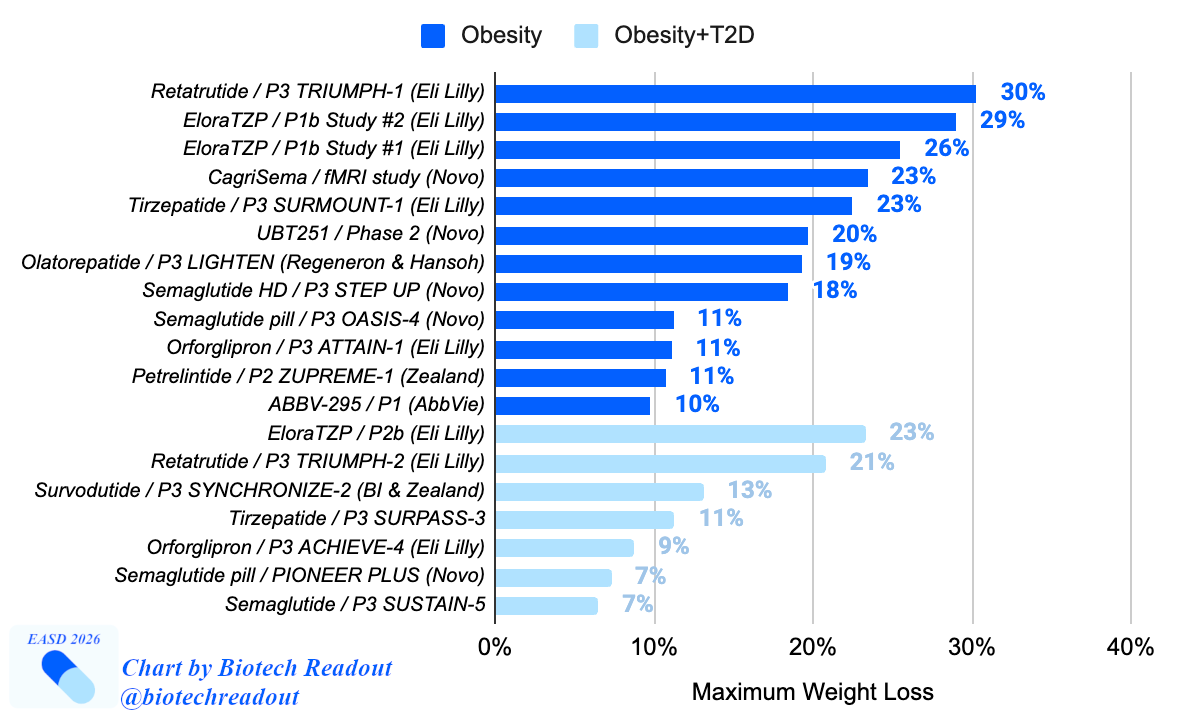
The 62nd Annual Meeting of the European Association for the Study of Diabetes (EASD 2026) took place from September 28 to October 2, 2026, in Milan, Italy. In this article, we discuss the following high-impact datasets from Europe’s largest diabetes conference:
GGG Sets Weight Loss Glass Ceiling at -30%
Amylin & GLP-1/GIP Combo Overtakes GGG in Diabetic Weight Loss
Eli Lilly & Novo Exchange Blows to Claim Best-in-Class
Eli Lilly - Zepbound (GLP-1 x GIP dual agonist) / Phase 3 indirect comparison (obesity) ⬇️
Novo - Ozempic (GLP-1 agonist) / Real-world COMPETE SWITCH CV study (T2D) ⬇️
Eli Lilly - Foundayo (oral GLP-1 agonist) / Phase 3 indirect comparison (T2D) ⬇️
Novo - Wegovy pill (oral GLP-1 agonist) / Real-world OCTANE study (obesity) ⬇️
Other notable datasets
Novo - CagriSema (amylin + GLP-1 FDC) / fMRI study (obesity) ⬇️
Zealand - Petrelintide (amylin agonist) / Phase 2, ZUPREME-1 trial (obesity) ⬇️
Eli Lilly - Foundayo (oral GLP-1 agonist) / Phase 3, ACHIEVE-4 trial (obesity+T2D) ⬇️
BI & Zealand - Survodutide (GLP-1 x glucagon dual agonist) / Phase 3, SYNCHRONIZE-2 trial (obesity+T2D) ⬇️
Regeneron - Trevogrumab (anti-GDF8/myostatin mAb) / Phase 2, COURAGE trial (obesity) ⬇️
AbbVie - ABBV-295 (amylin agonist) / Phase 1 (obesity) ⬇️
Regeneron & Hansoh - Olatorepatide (GLP-1 x GIP dual agonist) / Phase 3, LIGHTEN trial (obesity) ⬇️
GGG Sets Weight Loss Glass Ceiling at -30%
These readouts center on “triple G” agonists (GGG) designed to promote weight loss by simultaneously activating three distinct metabolic hormone receptors:
GLP-1 (Glucagon-like Peptide-1): Enhances glucose-dependent insulin secretion, delays gastric emptying, suppresses glucagon, and promotes central satiety.
GIP (Glucose-dependent Insulinotropic Polypeptide): Works synergistically with GLP-1 to potentiate insulin release, regulate lipid storage and metabolism, and improve overall gastrointestinal tolerability.
Glucagon: Increases energy expenditure via hepatic thermogenesis, promotes lipolysis, and targets intrahepatic fat accumulation, balancing the anabolic effects of insulin while driving fat oxidation.
By engaging all three pathways concurrently, these agents achieve a “triple-action” synergy designed to amplify total calorie deficit and metabolic rate beyond what is typically observed with mono- or dual-agonist therapies, such as GLP-1 agonist semaglutide (Ozempic/Wegovy) or GLP-1/GIP dual agonist tirzepatide (Mounjaro/Zepbound).
Eli Lilly - Retatrutide (GGG) / Phase 3, TRIUMPH-1 trial (obesity)
On September 29, 2026, Eli Lilly’s Phase 3 TRIUMPH-1 trial, which evaluated retatrutide in adults with obesity or overweight who do not have diabetes, was published in NEJM. While results from this trial were not presented at EASD 2026, its conveniently timed publication on the second day of the conference reads through to other datasets presented at the conference, given that it shows the deepest weight loss reduction shown to date for a pharmacological intervention in a Phase 3 obesity trial. The trial comprised a master trial (Study GZBJ) coupled with Integrated Sub-study Baskets (ISAs) for Obstructive Sleep Apnea (OSA; Study GSA1) and Knee Osteoarthritis (Knee OA; Study GOA1).
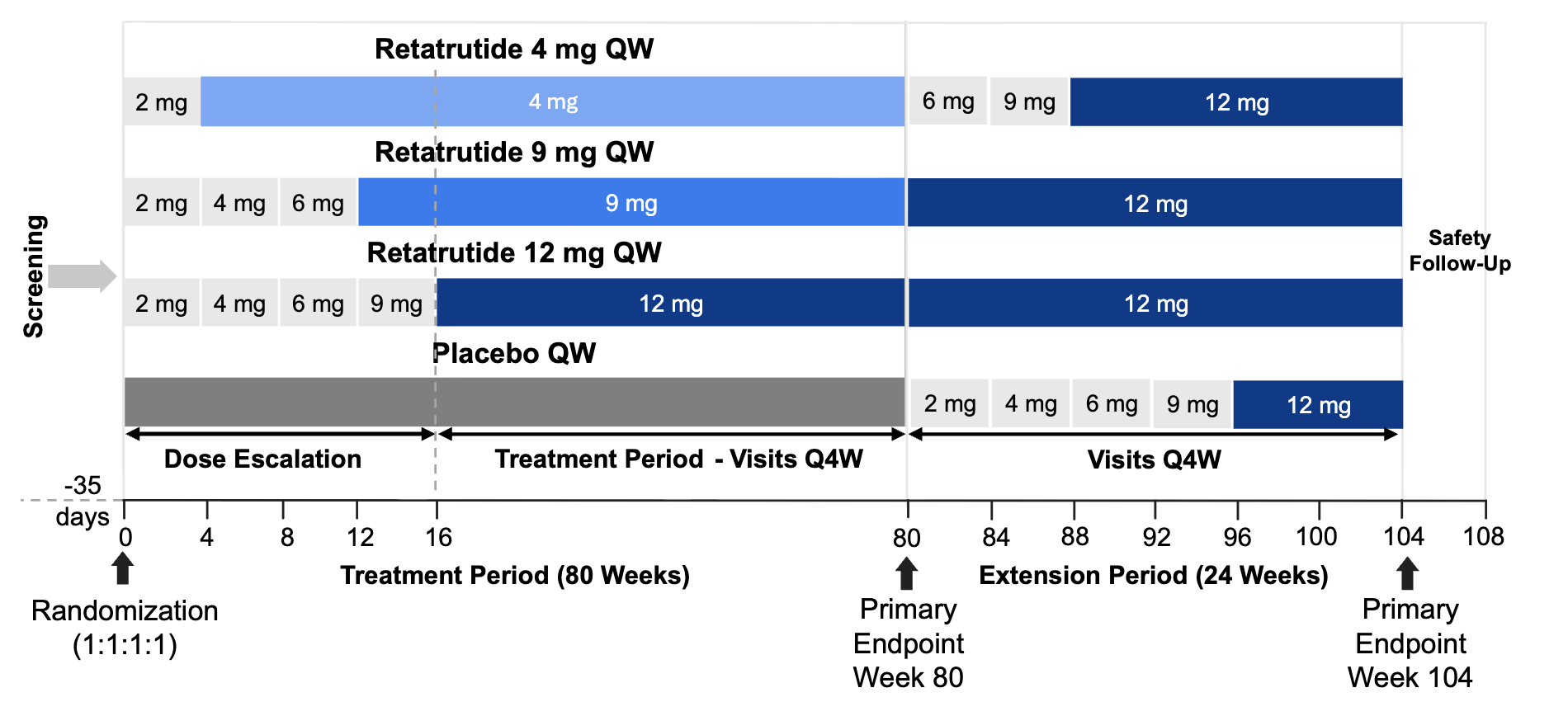
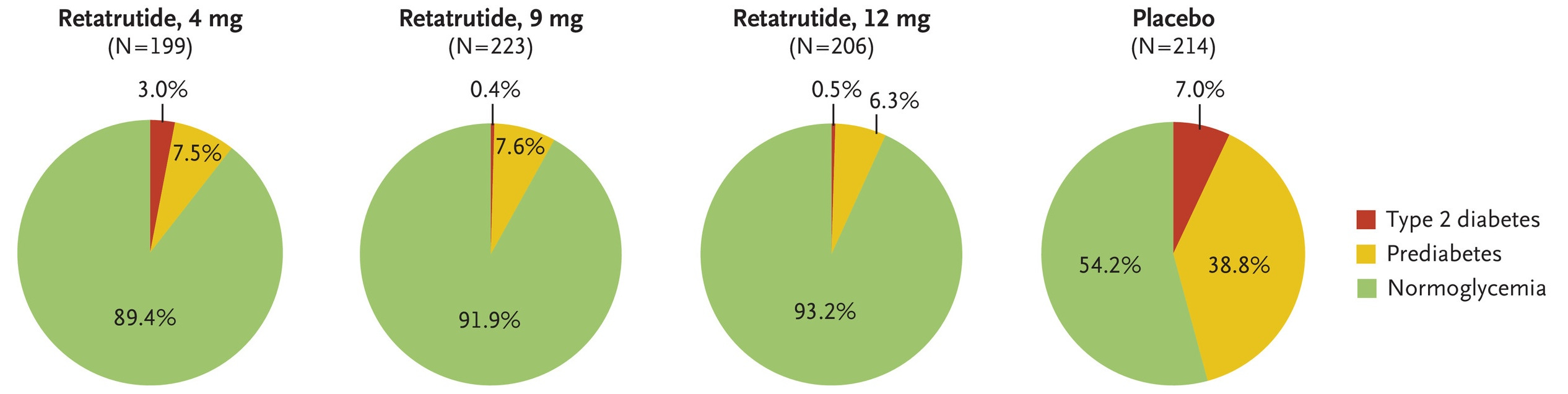
From July 2023 through April 2026, the Phase 3 TRIUMPH-1 trial enrolled 2,339 adults across 131 international sites. The highest retatrutide dose (12 mg) resulted in -25.0% weight loss at 80 weeks compared to -3.9% for placebo. Weight loss deepened to -30.3% at week 104 in participants previously taking the highest dose and continuing on the maximum-tolerated dose (MTD) in the extension study. Among participants with pre-diabetes at baseline, 89.4-93.2% of patients in the retatrutide groups reverted to normal glucose levels by week 80, compared to 54.2% in the placebo group. Retatrutide’s weight loss so potent that 22.5% of participants in the 12 mg retatrutide group required permanent dose reductions versus 0.5% on placebo, with the most common reasons being reasons being perceived excessive weight loss or reaching a BMI of ≤22 (GI symptoms was the third most cited reason).
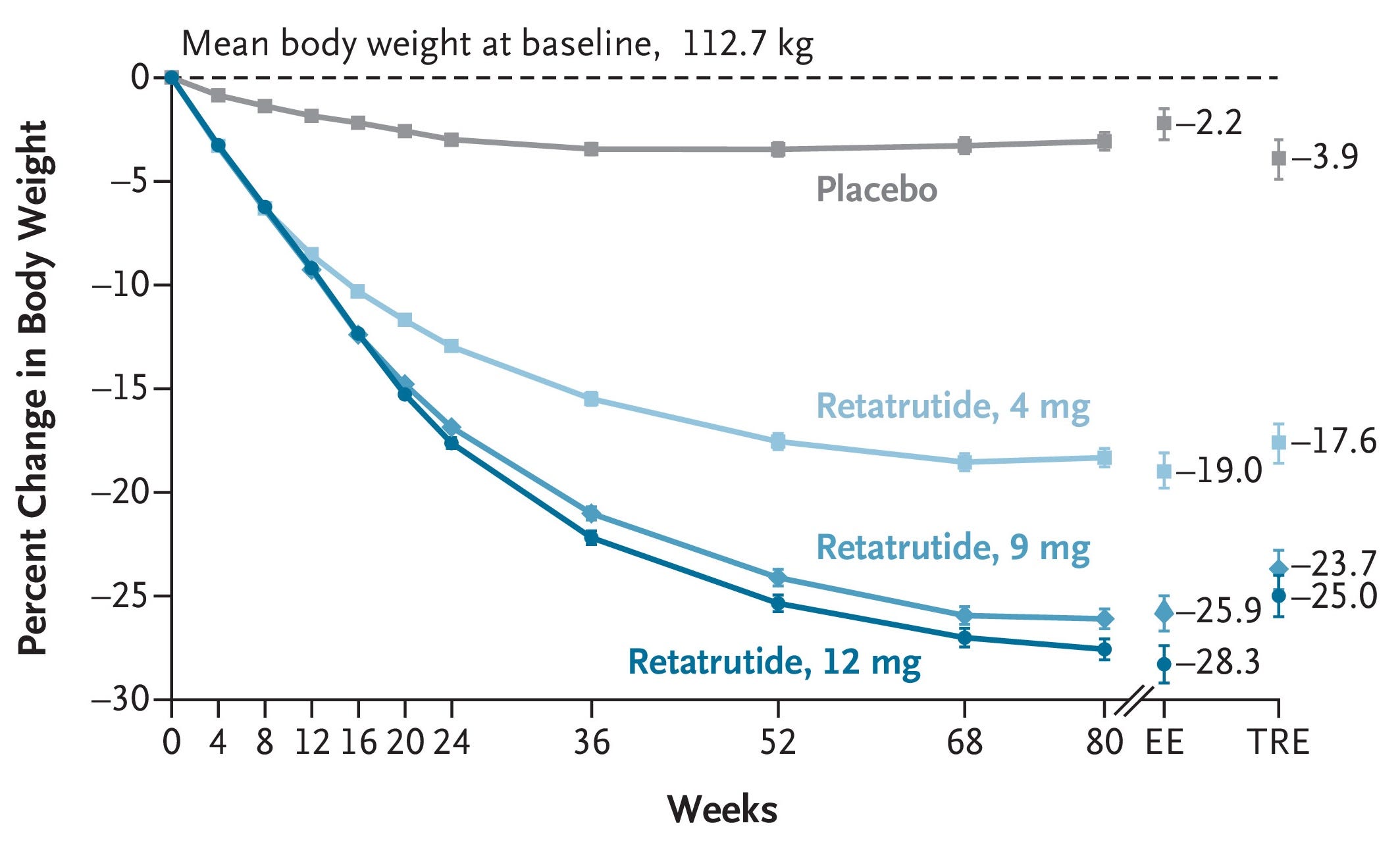
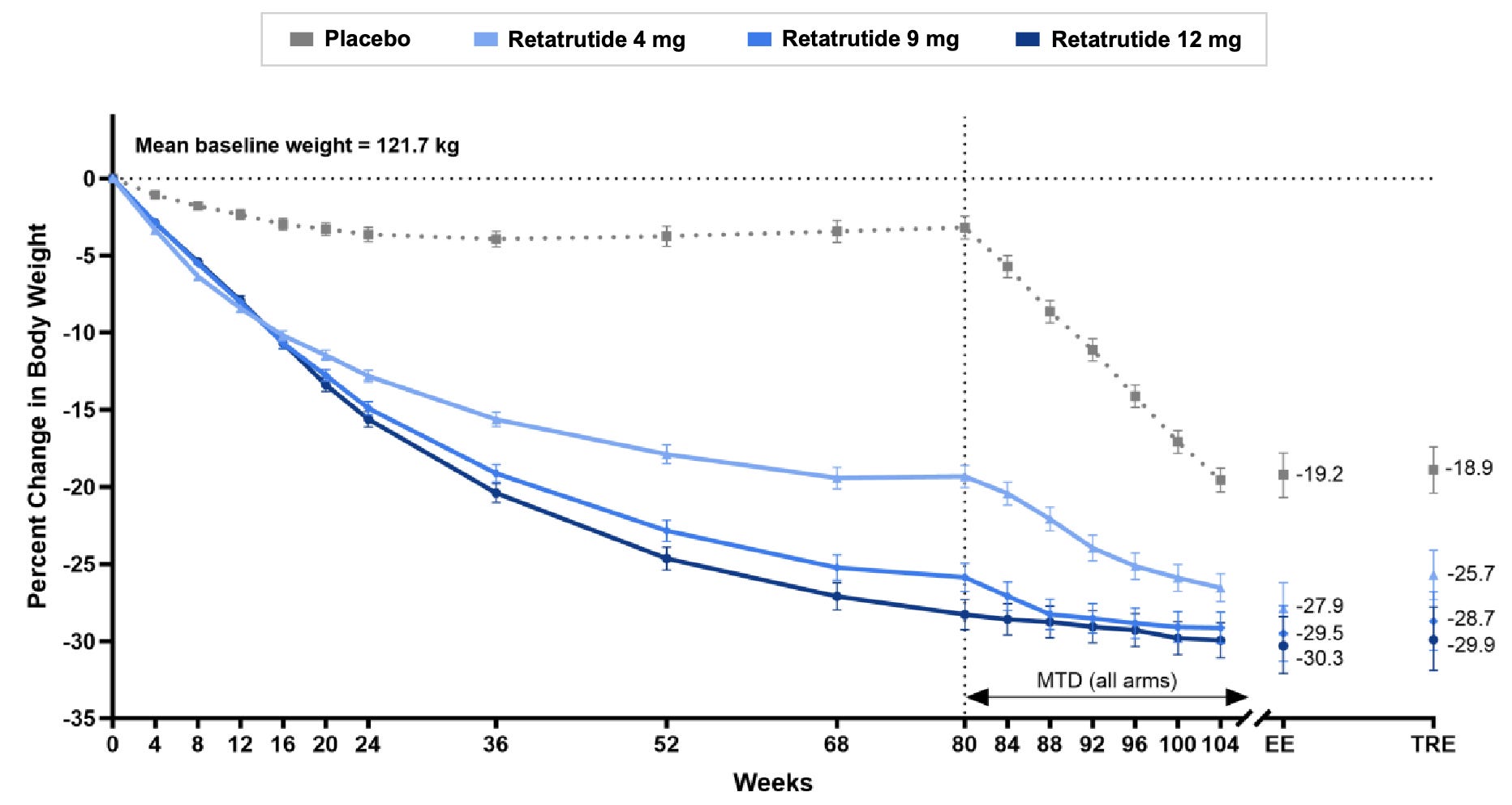
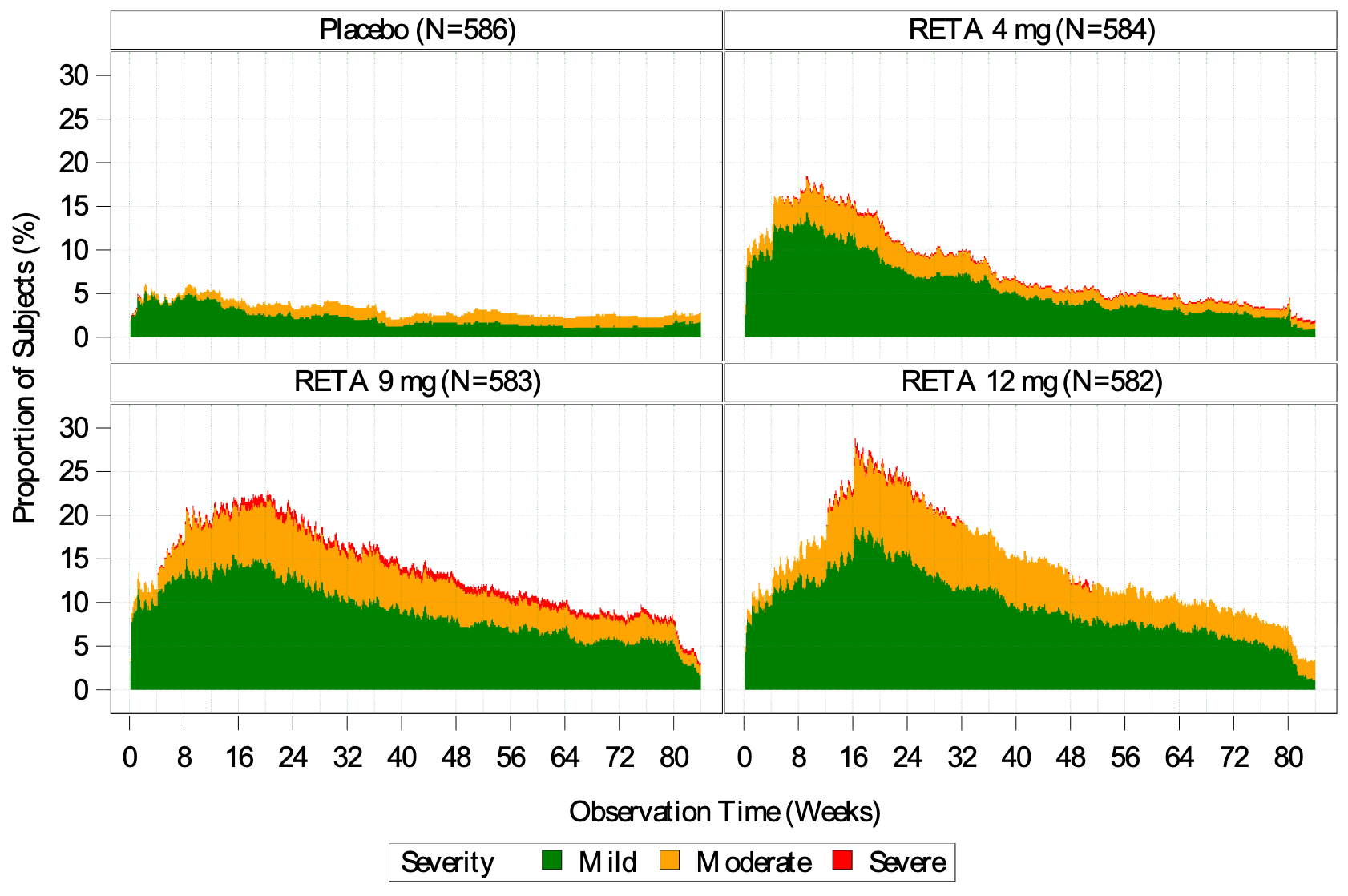
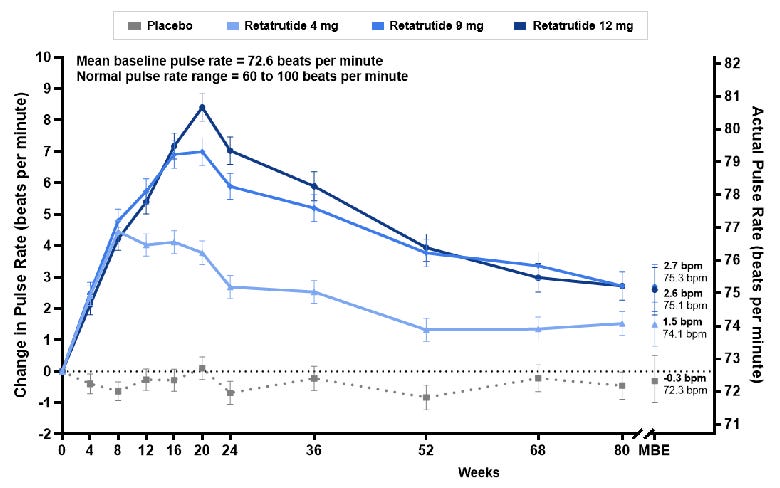
Treatment discontinuation due to AEs occurred in 4.1% (4 mg), 6.5% (9 mg), and 11.1% (12 mg) of retatrutide participants, compared to 4.6% in the placebo arm. Dysesthesia (skin sensitivity/burning; up to 12.5%), injection-site reactions, and mild-to-moderate hypotension (more frequent in patients on background antihypertensives) were observed. Pulse rates increased initially, peaking around week 20 before declining. Adjudicated major adverse cardiovascular events (MACE) and pancreatitis rates remained low across groups.
Sources: Jastreboff et al., NEJM (2026)
Eli Lilly - Retatrutide (GGG) / Phase 3, TRIUMPH-2 trial (obesity+T2D)
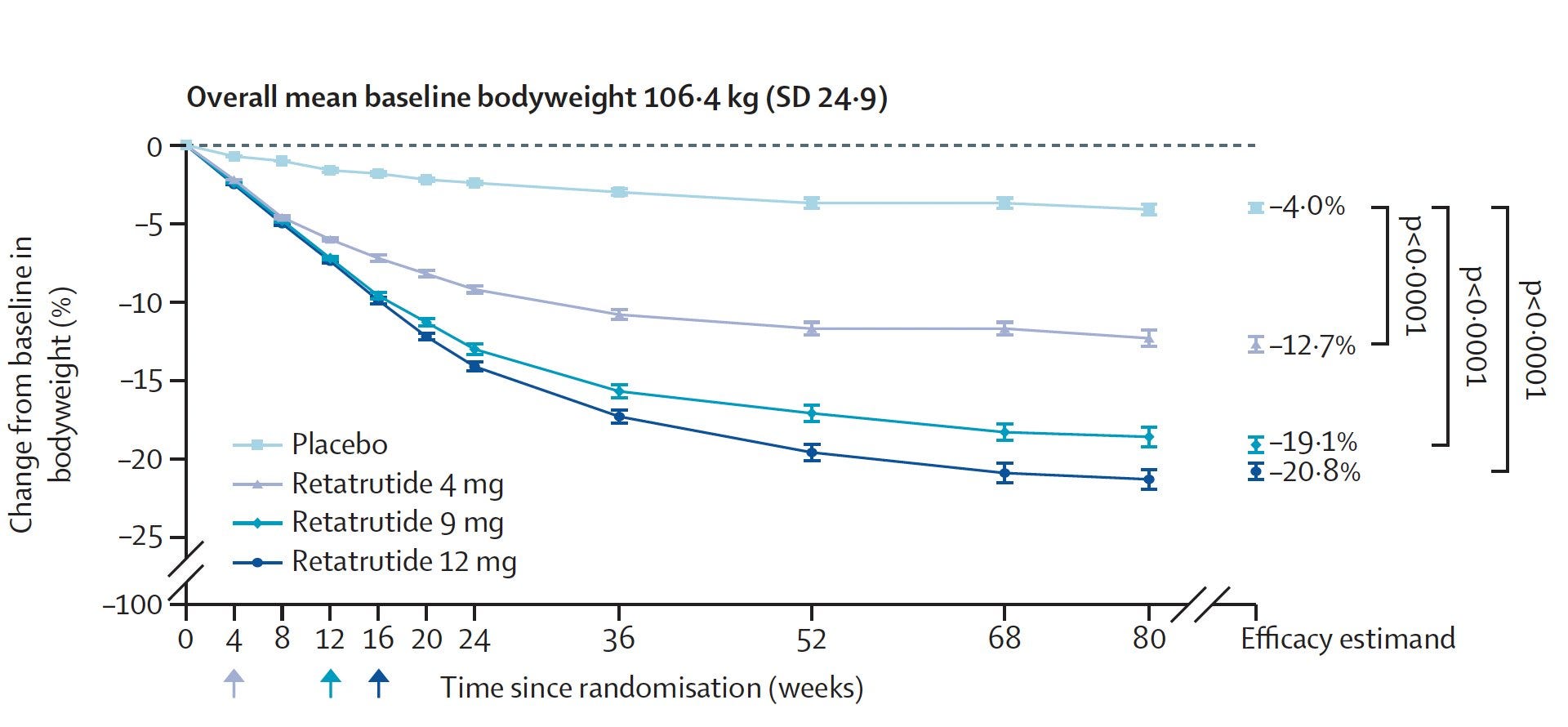
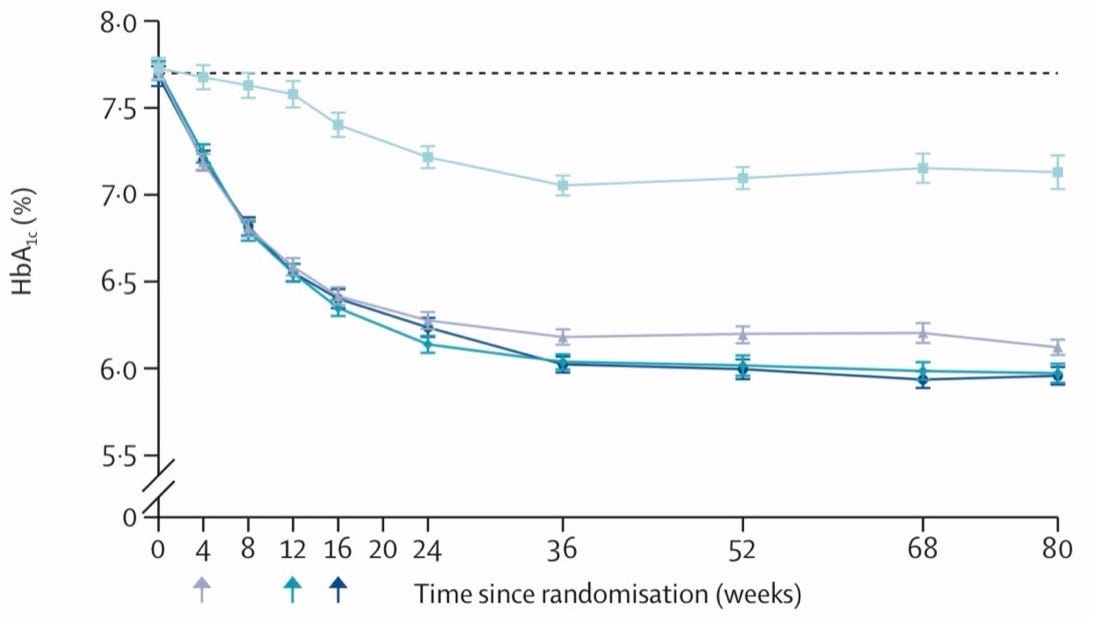
On September 29, 2026, Drs. John P.H. Wilding, Elif Ekinci, Juan Pablo Frias presented Eli Lilly’s Phase 3 TRIUMPH-2 trial, which evaluated retatrutide in adults with obesity or overweight who who also have diabetes, was presented at EASD 2026 and simultaneously published in The Lancet. The Phase 3 TRIUMPH-2 trial enrolled 1,152 adults with type 2 diabetes and overweight or obesity and demonstrated unprecedented weight loss & glycemic improvements over 80 weeks, with the 12 mg retatrutide group achieving a mean body weight loss of 49.6 lbs (-20.8%) versus -4.0% for placebo, while the 4 mg and 9 mg doses yielded -12.7% and -19.1% weight reductions, respectively. Crucially, the 12 mg dose enabled more than half of all participants (and nearly 60% of those with severe baseline obesity, who lost an average of 60.8 lbs) to no longer meet the BMI diagnostic threshold for obesity (BMI < 30 kg/m2), alongside significant HbA1c reductions of up to 1.6% (versus 0.2% for placebo). These results overcome the historical “diabetes penalty” where weight loss in type 2 diabetes typically capped at 10-15%, offering transformative benefits for diabetes remission, liver fat reduction, and broader cardiometabolic health with a safety profile consistent with the incretin class. Transient gastrointestinal events were most common and treatment discontinuation rates ranged from 3.8% to 11.6% across active arms versus 4.9% for placebo.
Eli Lilly is finalizing the chemistry, manufacturing, and controls (CMC) package, targeting a Biologics License Application (BLA) submission to the US FDA by 1Q 2027 for chronic weight management and type 2 diabetes.
Sources: Eli Lilly press release, Bellido et al., The Lancet (2026), Eli Lilly EASD 2026 slide deck
Novo - UBT251 (GGG) / Phase 2 (obesity)
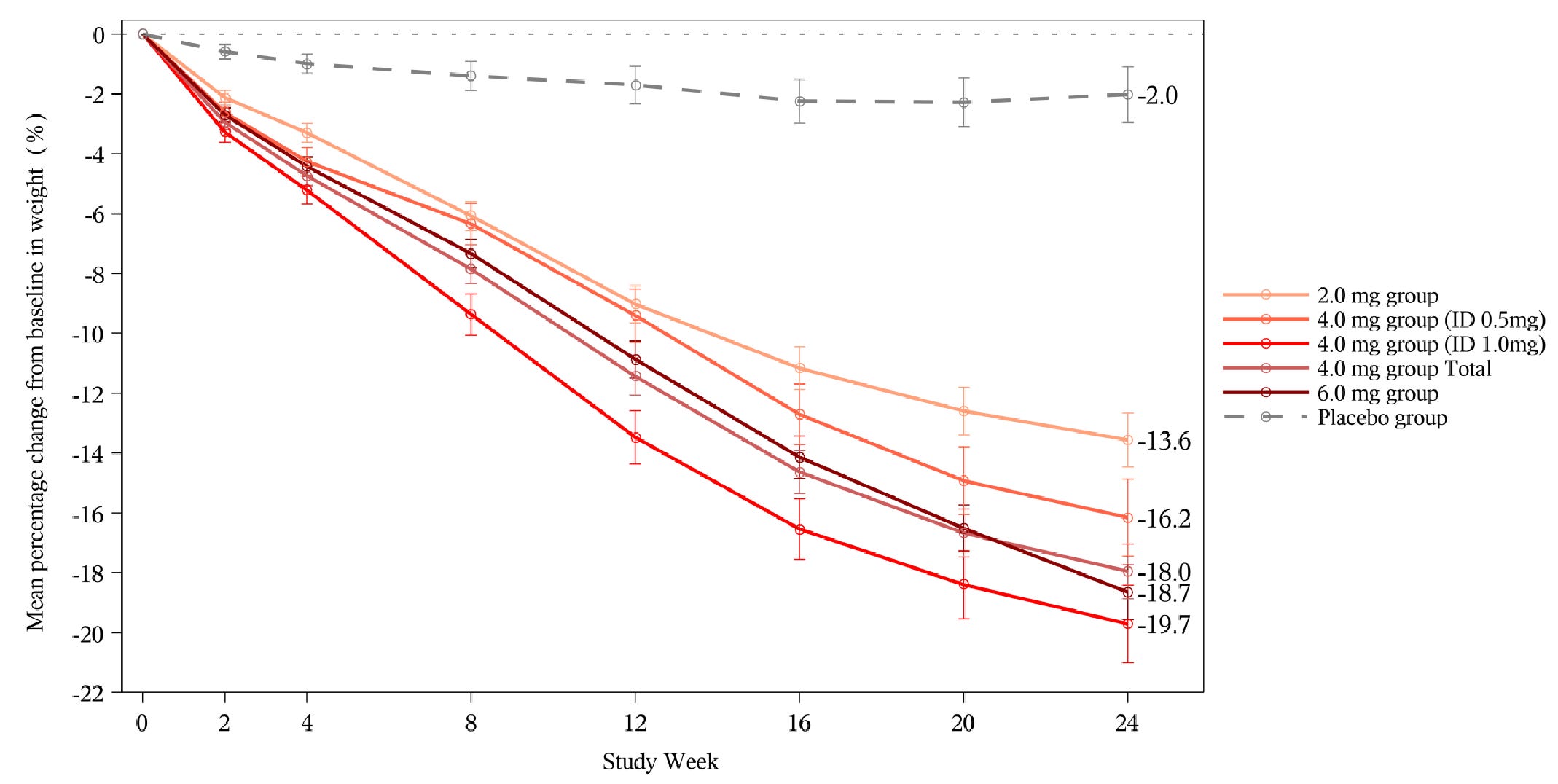
On September 30, 2026, Dr. Zhiguang Zhou presented findings from a Phase 2 trial evaluating UBT251, the most advanced GGG molecule in Novo’s pipeline. The Phase 2 trial enrolled adults aged 18-75 years with overweight (BMI 24.0–28.0 kg/m² with at least one comorbid condition) or obesity (BMI ≥ 28.0 kg/m²). At Week 24, UBT251 demonstrated rapid, dose-dependent efficacy, driving least-squares mean body weight reductions of -13.6% (2.0 mg), -16.2% (4.0 mg ID 0.5 mg), -19.7% (4.0 mg ID 1.0 mg), -18.0% (4.0 mg Total), and -18.7% (6.0 mg) versus -2.0% for placebo (p < 0.001 across all doses), with weight loss trajectories continuing downward without reaching a plateau. The treatment was well tolerated, exhibiting an overall TEAE incidence of 92.3% (vs. 88.0% for placebo) with no dose-dependent escalation, alongside low discontinuation rates due to adverse events (0% in the placebo, 2.0 mg, and 6.0 mg arms, and 4% in the combined 4.0 mg group).
Sources: Novo EASD 2026 presentation
Amylin & GLP-1/GIP Combo Overtakes GGG in Diabetic Weight Loss
Eli Lilly - EloraTZP (amylin + GLP-1 x GIP) / Phase 1b, Study #1 (obesity)
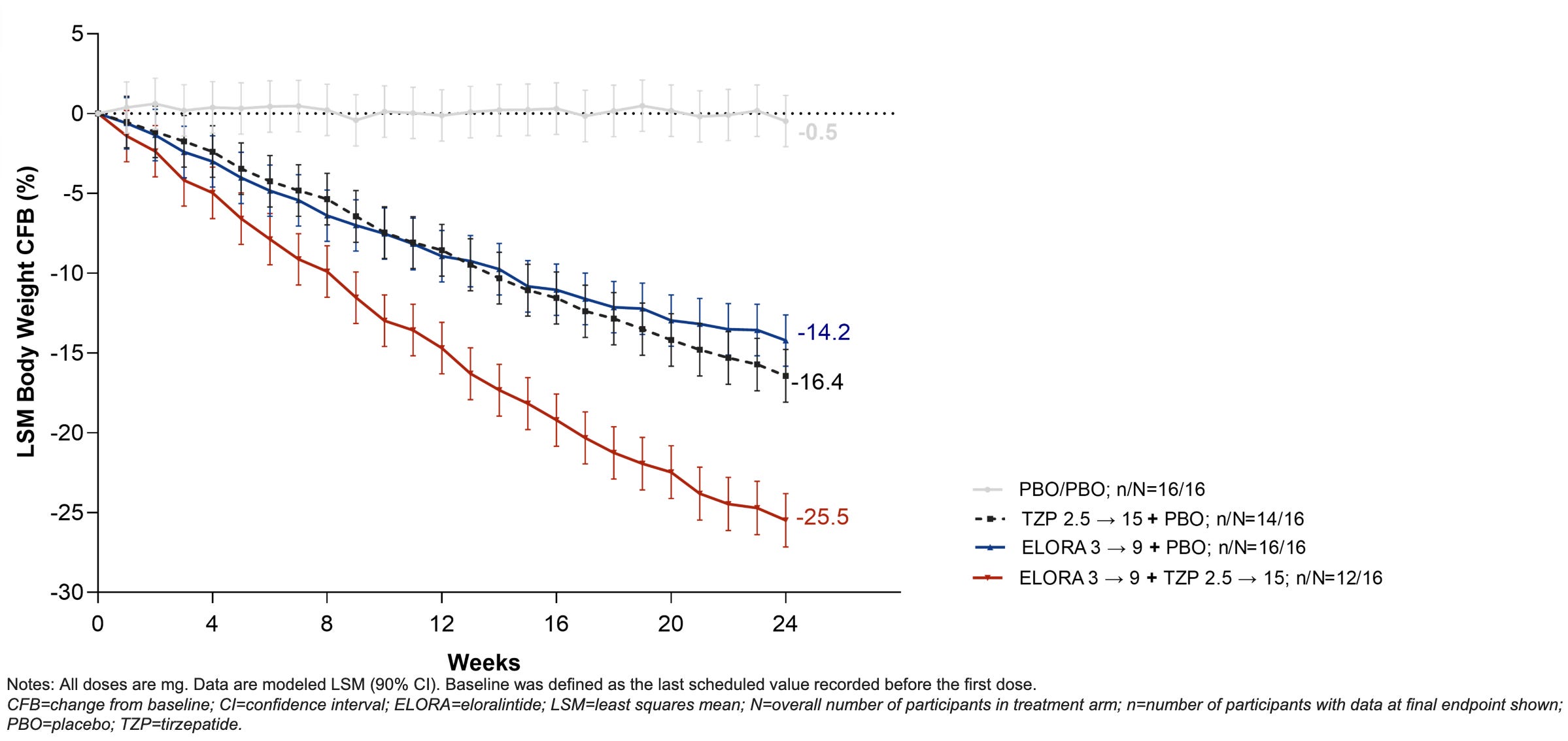
On September 30, 2026, Dr. Shobha Bhattachar presented Eli Lilly’s positive Phase 1b study showing high-dose combination treatment of eloralintide (amylin agonist) plus tirzepatide (GLP-1 x GIP dual agonist) in Japanese patients with obesity or overweight (BMI >27 kg/m²) who did not have type 2 diabetes. This study (referred to in the EASD 2026 presentation as “Study #1”) compared a combination of eloralintide & tirzepatide against monotherapies of each and placebo.
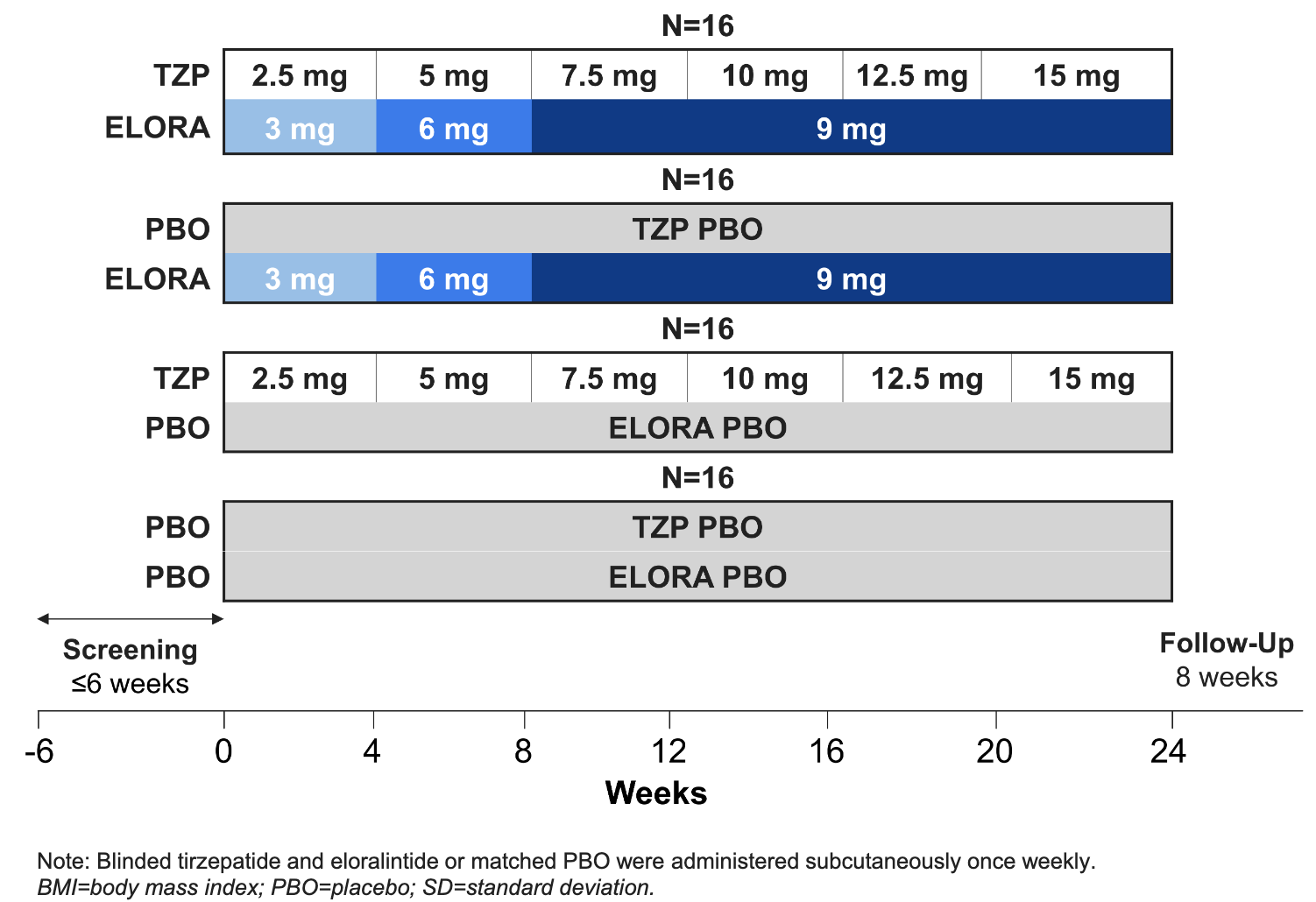
Over the course of the trial, participants receiving eloralintide alone demonstrated weight loss comparable to those taking tirzepatide alone, achieving a least squares mean body weight reduction of -14.2%. Combining titrated eloralintide 9 mg with tirzepatide 15 mg resulted in enhanced efficacy, driving a least squares mean body weight reduction of -25.5%, compared to a minimal -0.5% change observed in the placebo arm. The vast majority of reported events across groups were mild to moderate in severity, with no severe adverse events or deaths reported in any group. The combination therapy group experienced higher rates of overall gastrointestinal adverse events (62.5%), with the most common reported events being decreased appetite (62.5%), nausea (25.0%), constipation (25.0%), diarrhea (25.0%), and vomiting (18.8%). Additionally, two participants in the combination treatment arm discontinued the study due to adverse events, whereas no study discontinuations occurred in the other three treatment arms.
Sources: Eli Lilly EASD 2026 presentation
Eli Lilly - EloraTZP (amylin + GLP-1 x GIP) / Phase 1b, Study #2 (obesity)
In the same presentation as the Phase 1b above, Dr. Shobha Bhattachar presented a second Phase 1b trial (referred to as “Study #2”) that likewise examined eloralintide co-administered with tirzepatide in adults with obesity or overweight without type 2 diabetes. However, this trial enrolled patients in the U.S. and evaluated multiple dose levels and combinations of eloralintide and tirzepatide.
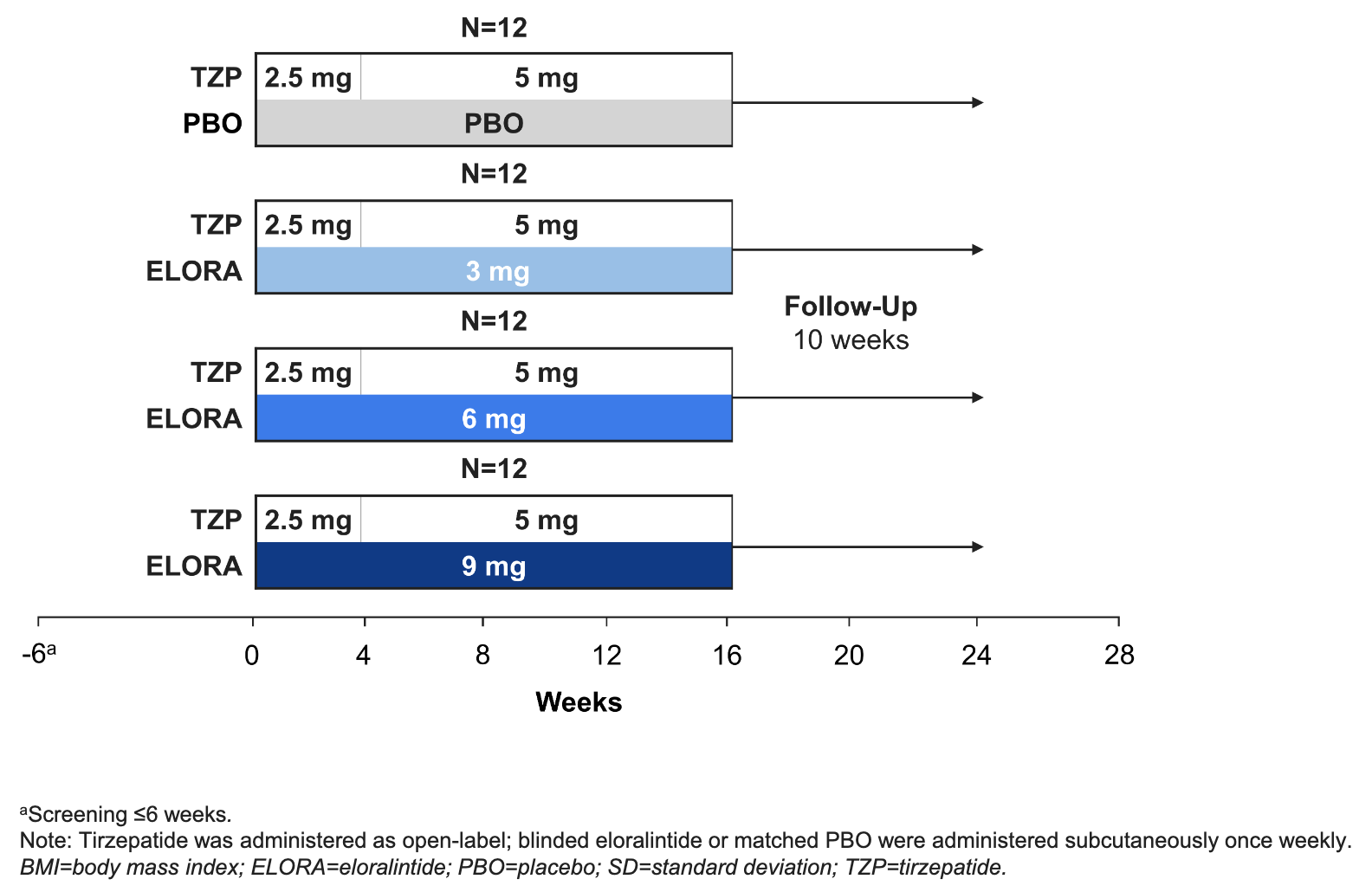
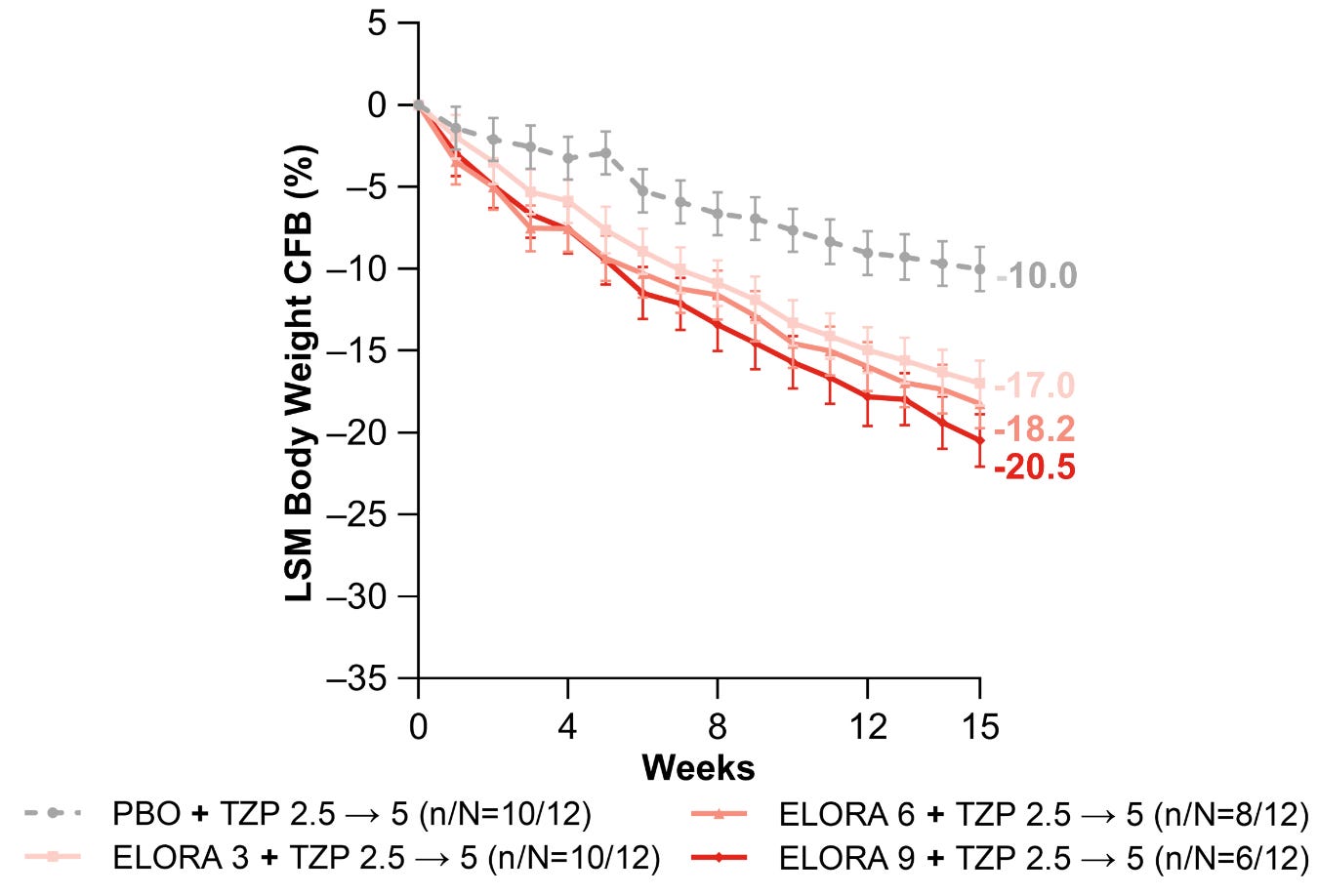
In Group 1 (low dose, untitrated elora combinations), participants (N=12 per group) were evaluated over 15 weeks of treatment according to the dosing protocol shown below. Adding un-titrated eloralintide to 5 mg tirzepatide achieved progressive, dose-dependent reductions in body weight at Week 15. While tirzepatide 5 mg alone (with placebo) yielded a 10.0% mean weight reduction from baseline, the addition of 3 mg, 6 mg, and 9 mg of eloralintide led to weight loss figures of 17.0%, 18.2%, and 20.5%, respectively. Gastrointestinal (GI) adverse events were the most common side effects, occurring in 50.0% of the tirzepatide-alone arm compared to 58.3% (3 mg), 66.7% (6 mg), and 75.0% (9 mg) in the combination arms. High rates of nausea (up to 66.7%) and decreased appetite (75.0%) were reported at the 9 mg un-titrated level. Discontinuations due to adverse events occurred in 1 participant in the 6 mg arm (8.3%) and 2 participants in the 9 mg arm (16.7%).
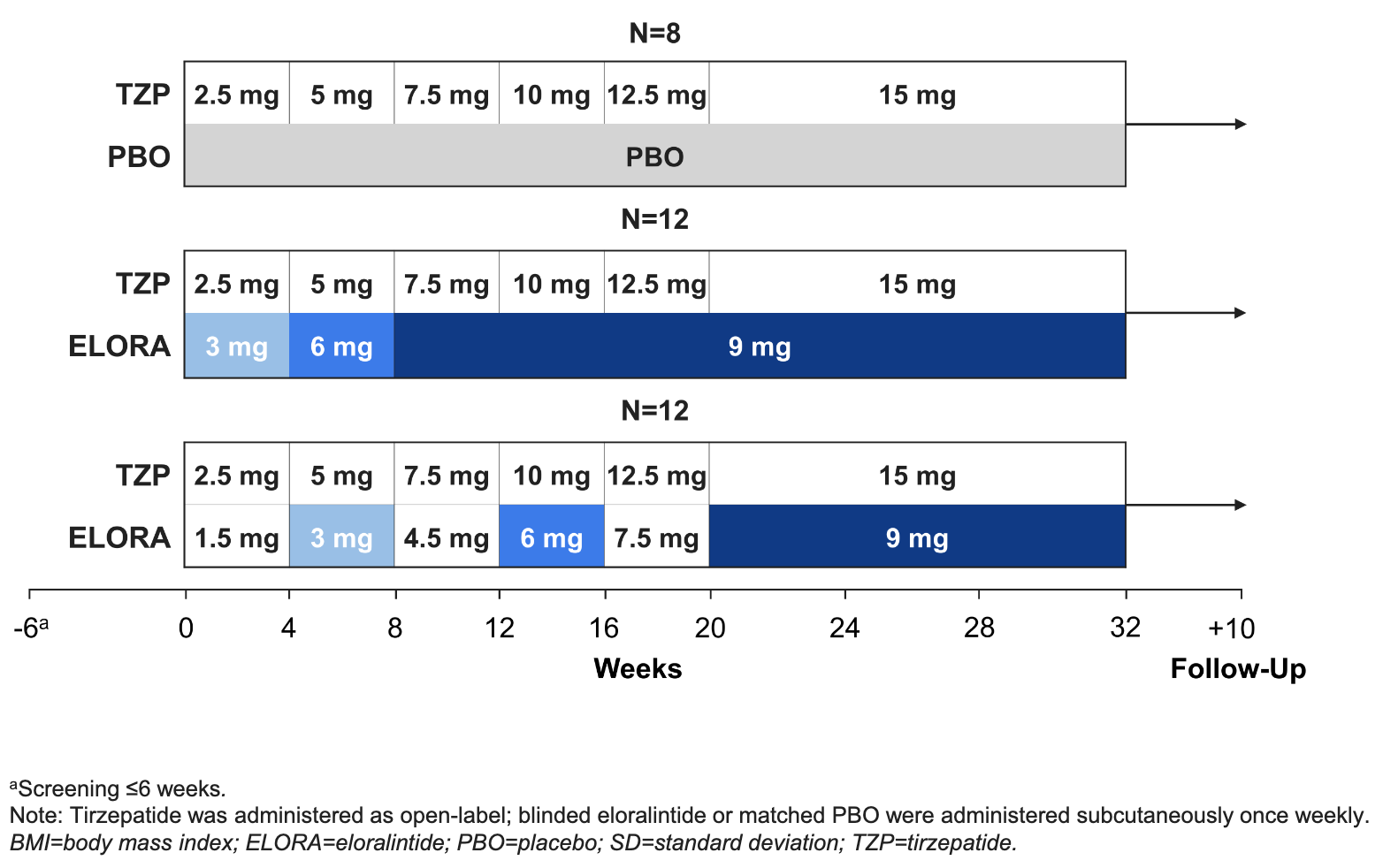
In Group 2 (high dose, titrated elora combinations), participants were evaluated over a longer period of time (31 weeks) to test higher target dose combinations consisting of full-dose tirzepatide (titrated up to 15 mg) co-administered with placebo (N=8) or titrated eloralintide (N=12 per arm) reaching a target dose of 9 mg. Two different eloralintide titration schedules were tested (see below). At Week 31, participants on 15 mg tirzepatide alone achieved a mean weight reduction of -17.8% from baseline. In contrast, combining titrated eloralintide with 15 mg tirzepatide led to substantial augmented weight loss, reaching -23.6% in the standard titration group and up to -29.0% in the gradual titration group. This is particularly striking since the combo amylin/GLP-1/GIP combo EloraTZP appears to have reached a similar magnitude of weight loss as GGG retatrutide in the Phase 3 TRIUMPH-1 trial, but in less than one third of the time (31 weeks versus 100+ weeks), on a cross-trial basis. GI events (nausea and vomiting) were again the dominant side effects. Due to the rapid co-titration of two distinct agents, treatment discontinuations due to adverse events were higher in the combination arms, reaching 33.3% (4 participants) in the gradual titration group and 50.0% (6 participants) in the standard titration group, compared to 12.5% (1 participant) in the tirzepatide-alone group. Dose reductions were permitted to improve participant retention in the gradual titration arm, enabling more participants to complete the study, though some did not reach the highest target doses.
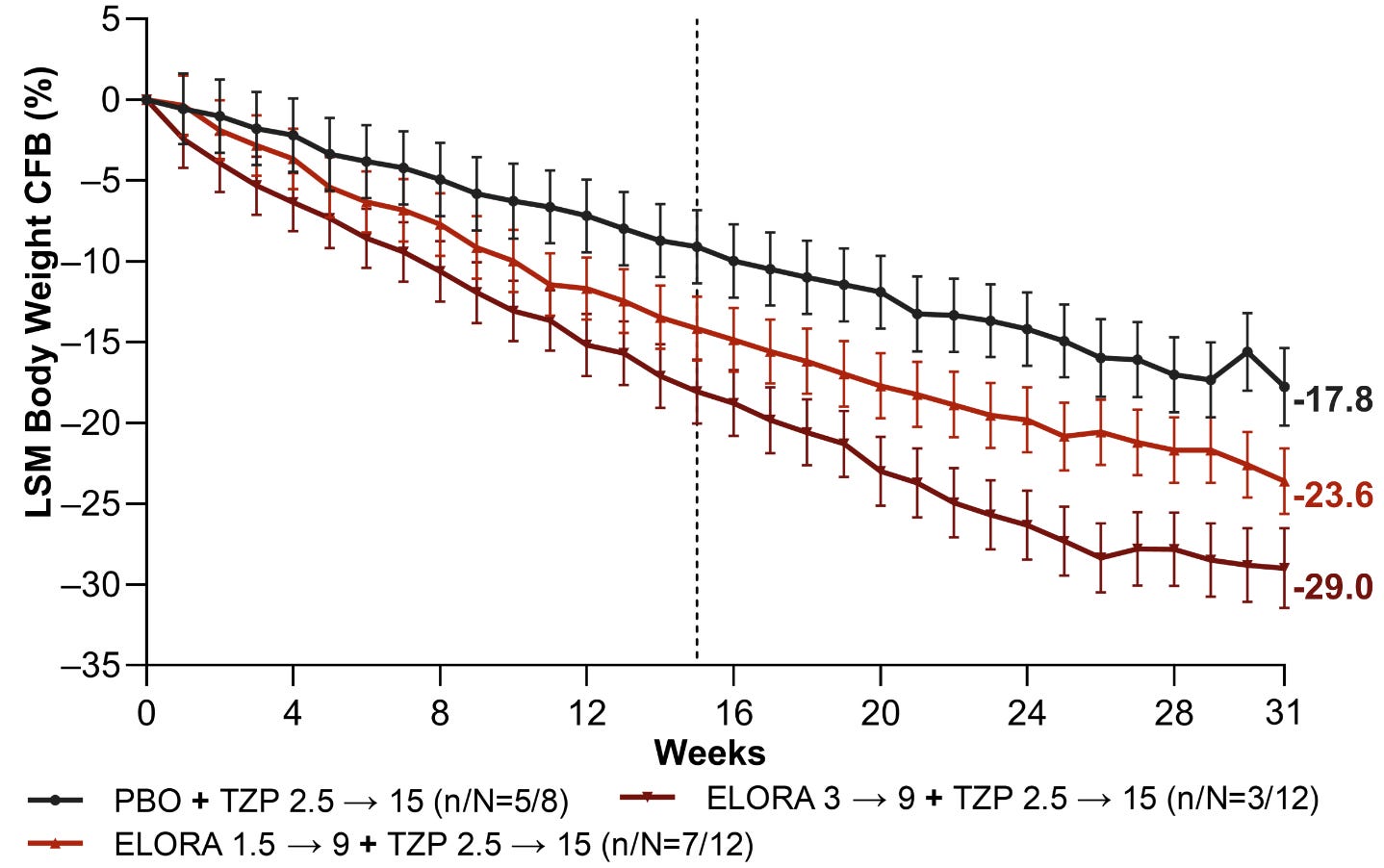
Sources: Eli Lilly EASD 2026 slide deck
Eli Lilly - EloraTZP (amylin + GLP-1 x GIP) / Phase 2b (obesity+T2D)
On September 30, 2026, Dr. Liana Billings presented Eli Lilly’s positive topline Phase 2b clinical trial results for EloraTZP, an investigational combination therapy pairing the selective amylin agonist eloralintide with the GLP-1 x GIP dual agonist tirzepatide. The Phase 2b study enrolled 367 adults with obesity or overweight and type 2 diabetes. The components were delivered via two weekly injections, according to the dosing protocol shown below.
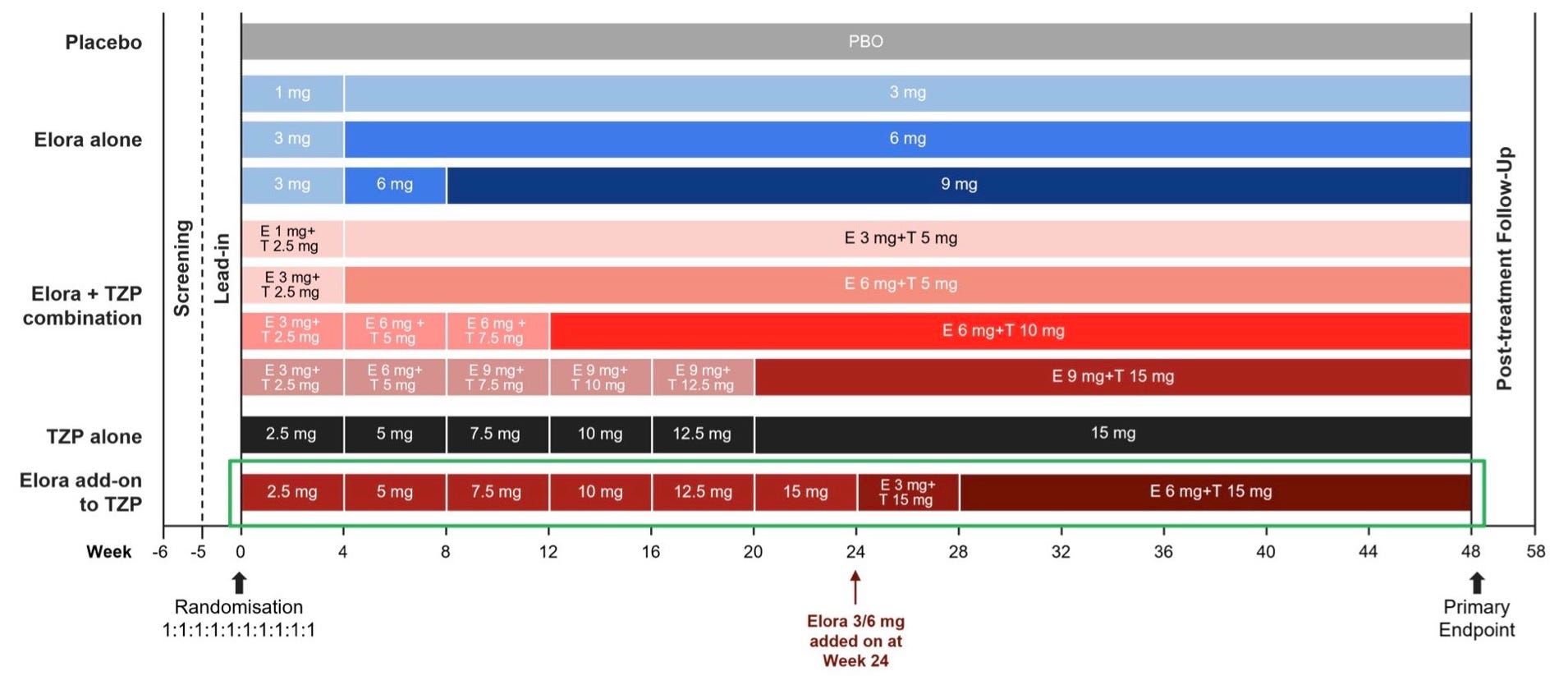
Treatment with the highest dose combination (eloralintide 9 mg + tirzepatide 15 mg) yielded a mean body weight reduction of -23.3% (54.1 lbs), which is higher than the -20.8% plateau level achieved by GGG retatrutide in patients with overweight/obesity+T2D patients in the Phase 3 TRIUMPH-2 trial, making it the deepest weight loss in diabetics observed to date, on a cross-trial basis. By comparison, tirzepatide 15 mg monotherapy achieved a -14.8% (34.4 lbs) weight loss, while eloralintide monotherapy reached up to -12.3% (28.6 lbs). EloraTZP produced average HbA1c reductions of up to -2.9%, compared to -2.4% for tirzepatide alone and -1.4% for eloralintide alone. The overall safety profile aligned with existing incretin and amylin class therapies, dominated by gastrointestinal adverse events (nausea, vomiting, diarrhea) that were mostly mild-to-moderate during dose escalation. Discontinuations due to adverse events ranged from 10.8% to 27.0% across combination arms, compared to 2.9% for tirzepatide alone, 10.8% for eloralintide alone, and 16.7% for placebo.
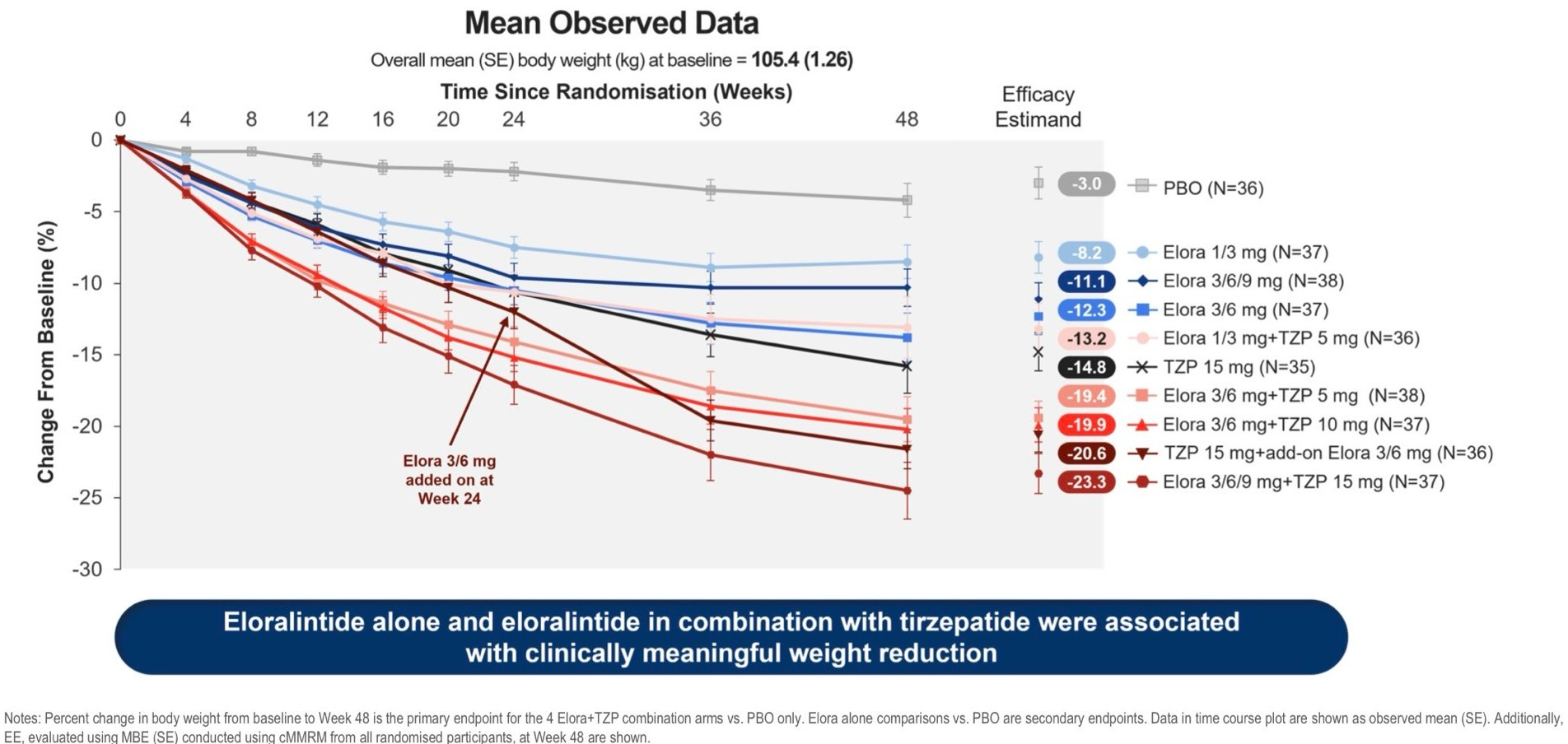
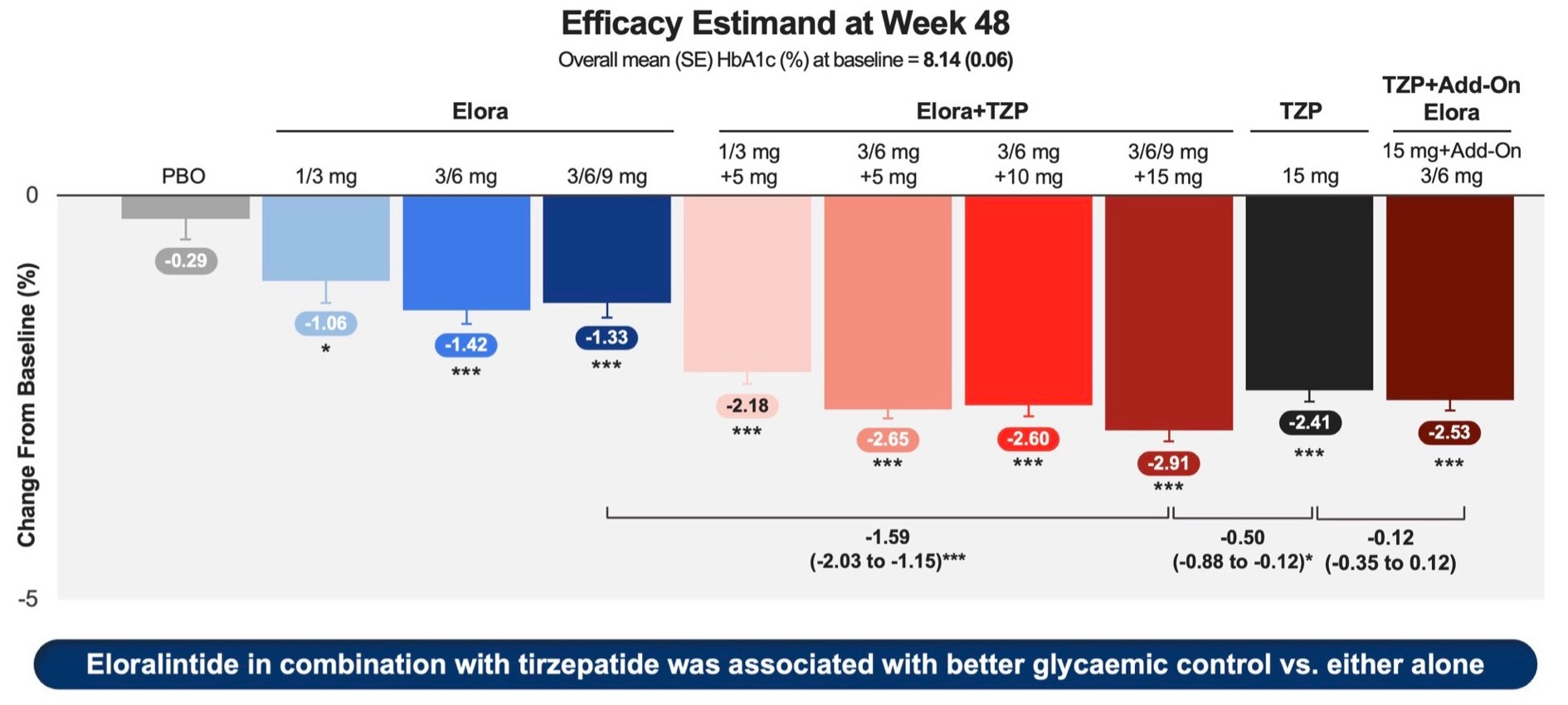
Eli Lilly plans to advance EloraTZP into Phase 3 clinical development in the fourth quarter of 2026. While the Phase 2b study tested the drugs as separate weekly injections, Phase 3 trials will evaluate a single-injection co-formulated product combining both active ingredients. Phase 3 trials for standalone eloralintide remain ongoing for obesity management.
Sources: Eli Lilly press release, Eli Lilly EASD 2026 slide deck
Eli Lilly & Novo Exchange Blows to Claim Best-in-Class
Eli Lilly - Zepbound (GLP-1 x GIP dual agonist) / Phase 3 indirect comparison (obesity)
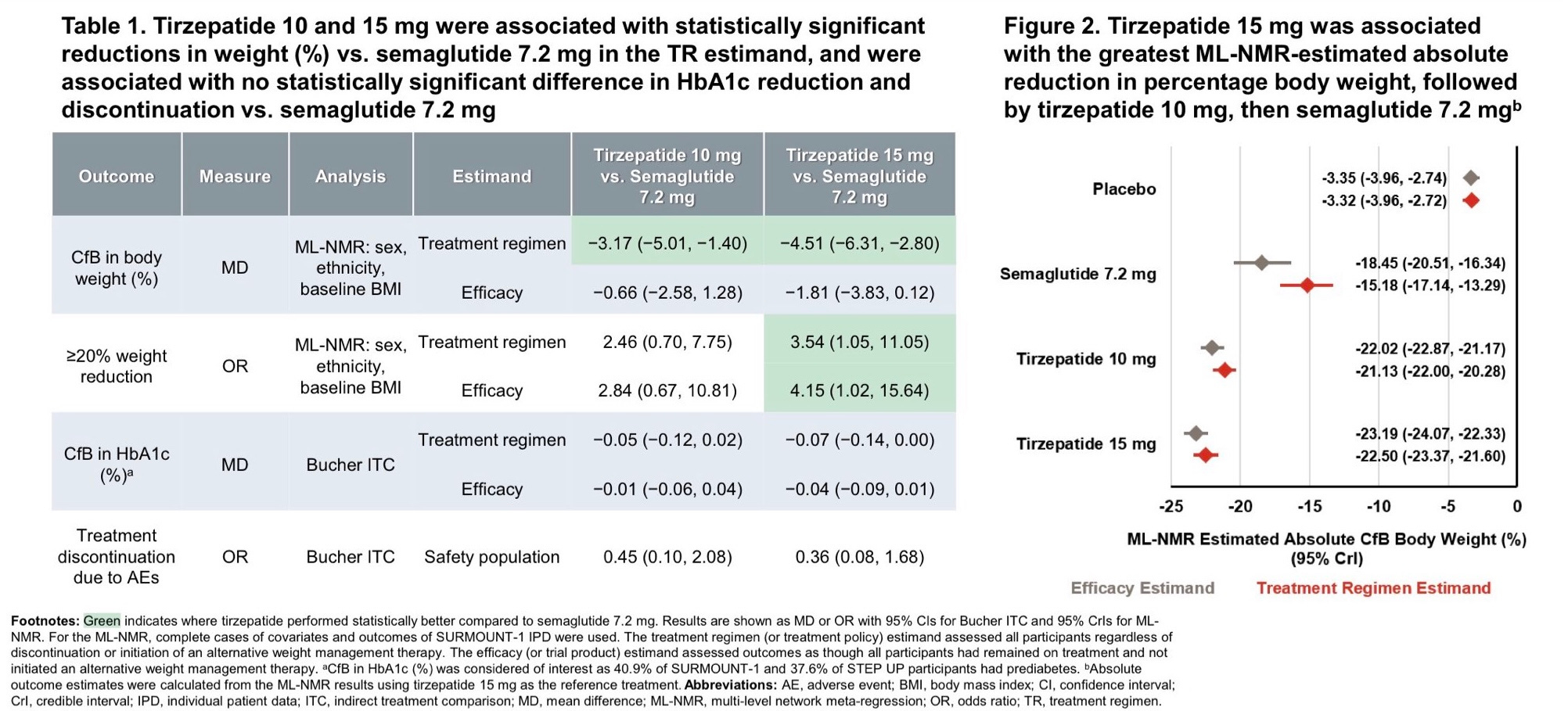
On September 29, 2026, Dr. John P.H. Wilding presented results from Eli Lilly’s Phase 3 indirect treatment comparison (ITC) showing that Zepbound (tirzepatide) 10 mg and 15 mg, a dual GIP and GLP-1 receptor agonist, delivered greater weight loss than GLP-1 agonist Wegovy HD (semaglutide injection 7.2 mg) in adults with obesity. By matching dataset populations across clinical development programs, this indirect readout was undertaken to offer clinicians and payers critical insights into whether higher-dose selective GLP-1 agonism can close the efficacy gap with dual GIP/GLP-1 receptor agonism in adults living with obesity. This ITC was organized in lieu of a direct head-to-head randomized controlled trial evaluating tirzepatide 15 mg against semaglutide 7.2 mg.
The analysis cross-analyzed individual patient-level and summary data from Lilly’s Phase 3 SURMOUNT-1 trial (evaluating Zepbound 10 mg and 15 mg) and Novo Nordisk’s Phase 3 STEP UP trials (evaluating Wegovy HD 7.2 mg). The indirect comparison demonstrated greater weight loss outcomes for higher-dose Zepbound relative to Wegovy HD over 72 weeks. Zepbound 15 mg was associated with 4.5% greater mean body weight reduction compared to Wegovy HD (with Zepbound 10 mg showing 3.2% greater reduction). Participants taking Zepbound 15 mg had more than three times the odds (OR 3.54) of achieving at least 20% body weight reduction compared with Wegovy HD under the treatment-regimen estimand, and four times the odds (OR 4.15) under the efficacy estimand. Under the efficacy estimand, Zepbound 15 mg and 10 mg showed numerical advantages of 1.8% and 0.7% greater mean weight reduction over Wegovy HD, respectively, though these specific efficacy-estimand differences did not reach statistical significance. Rates of treatment discontinuation due to adverse events were comparable across all arms (Zepbound 10 mg, Zepbound 15 mg, and Wegovy HD) under both estimands, with gastrointestinal side effects remaining the dominant adverse event profile.
Sources: Eli Lilly press release, Eli Lilly EASD 2026 slide deck
Novo - Ozempic (GLP-1 agonist) / Real-world COMPETE SWITCH CV study (T2D)
On September 29, 2026, Dr. Gang Fang presented real-world evidence (RWE) suggesting that Novo’s GLP-1 agonist Ozempic (semaglutide) was associated with a lower risk of 3-point major adverse cardiovascular events (MACE-3: death, heart attack, and stroke) in adults with type 2 diabetes compared to switching to Eli Lilly’s GLP-1/GIP dual agonist Mounjaro (tirzepatide).
The COMPETE SWITCH CV study was an observational, real-world comparative effectiveness study utilized high-volume electronic health record and claims databases to evaluate clinical outcomes in routine clinical practice. The analysis included 636,525 adults with type 2 diabetes receiving semaglutide 1 mg that required treatment intensification. Participants were categorized into two main intensification groups: those whose semaglutide dose was escalated to 2 mg, and those who discontinued semaglutide and switched to tirzepatide (titrated up to 15 mg). Propensity score matching (PSM) and fine stratification were applied to balance baseline characteristics across cohorts, adjusting for age, sex, baseline HbA1c, body mass index (BMI), duration of diabetes, cardiovascular history, and baseline cardiovascular/kidney medications.
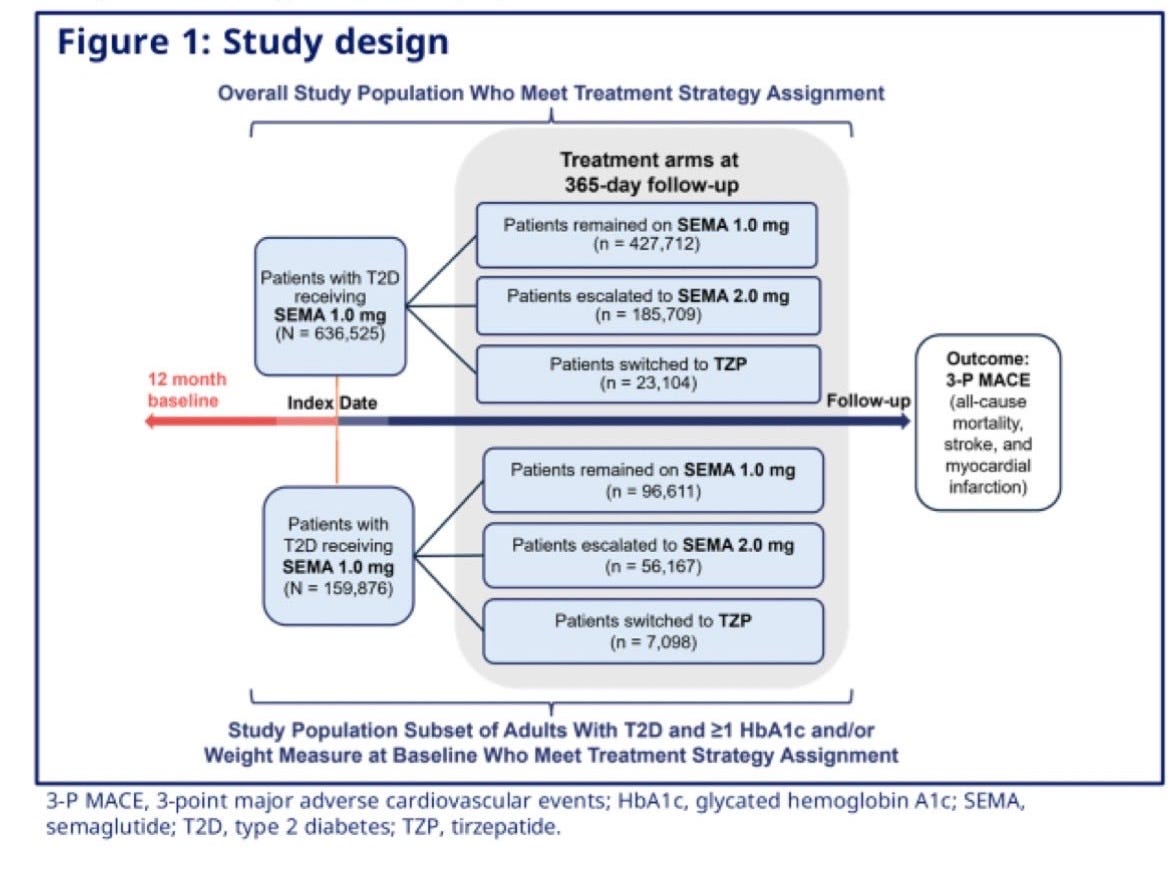
The real-world analysis demonstrated a statistically significant cardiovascular advantage for 2 mg semaglutide dose escalation over switching to 15 mg tirzepatide. Adults with type 2 diabetes who escalated their dose from semaglutide 1 mg to semaglutide 2 mg had a statistically significant 6% lower risk of experiencing a MACE event compared to those who switched from semaglutide 1 mg to tirzepatide (up to 15 mg). The lower incidence of MACE with semaglutide 2 mg was consistently observed across key sub-analyses, including baseline cardiovascular disease status and age brackets. While both intensification strategies improved glycemic control and weight parameters in routine care, the cardiovascular benefits of remaining on and maximizing high-dose semaglutide remained distinct.
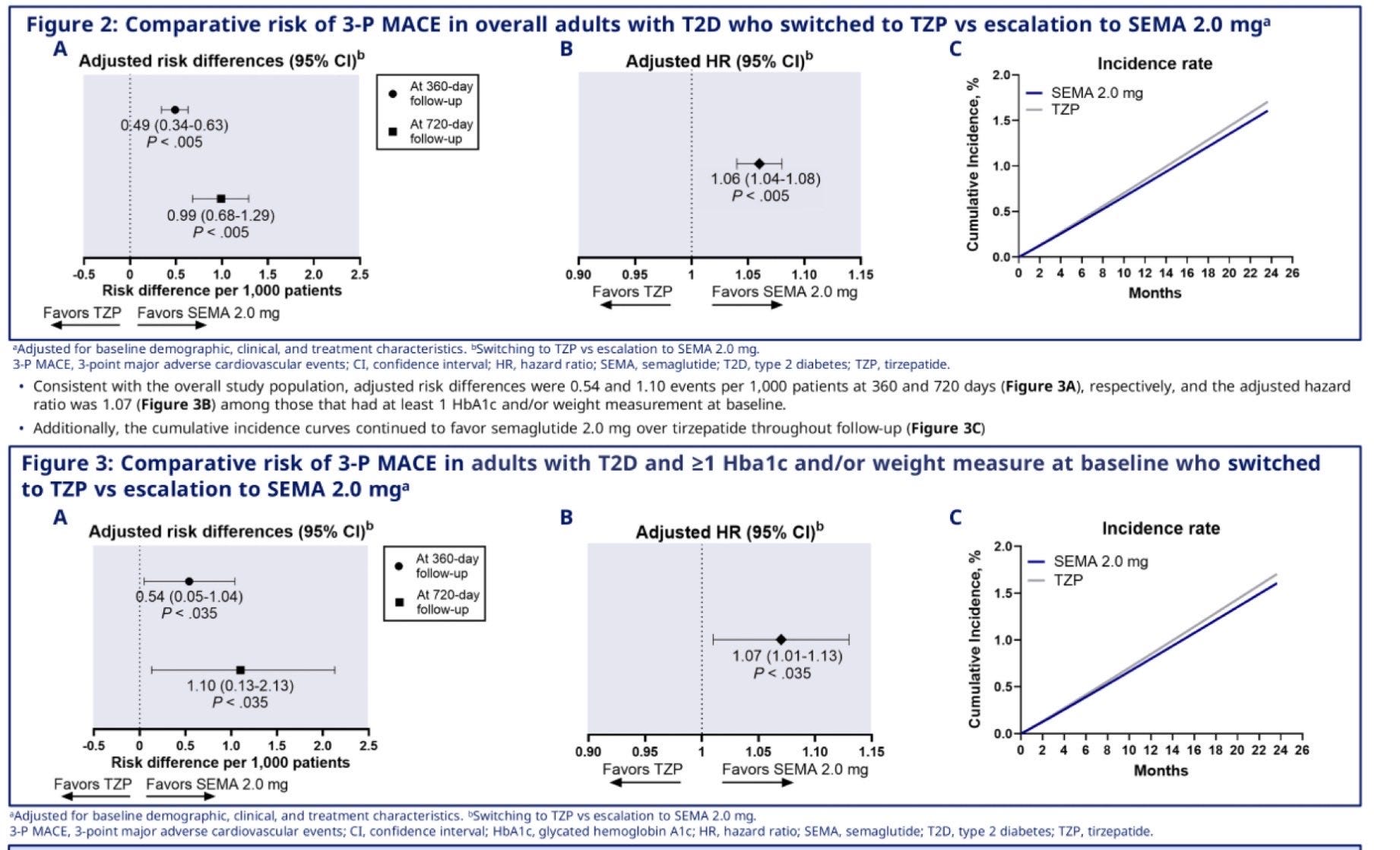
Despite the study’s results, it’s difficult to say whether its conclusions would be reproduced in a head-to-head study, given that tirzepatide has numerically edged out semaglutide in terms of weight loss and HbA1c-lowering across their respective clinical trials. One of my favorite BioX accounts, Jen Can NuSH, shares this sentiment and hypothesizes that the number of MACE-3 events observed in the study was high enough to squeak past P<0.05, but could have been low enough to have a minuscule effect size:


Eli Lilly - Foundayo (oral GLP-1 agonist) / Phase 3 indirect comparison (T2D)
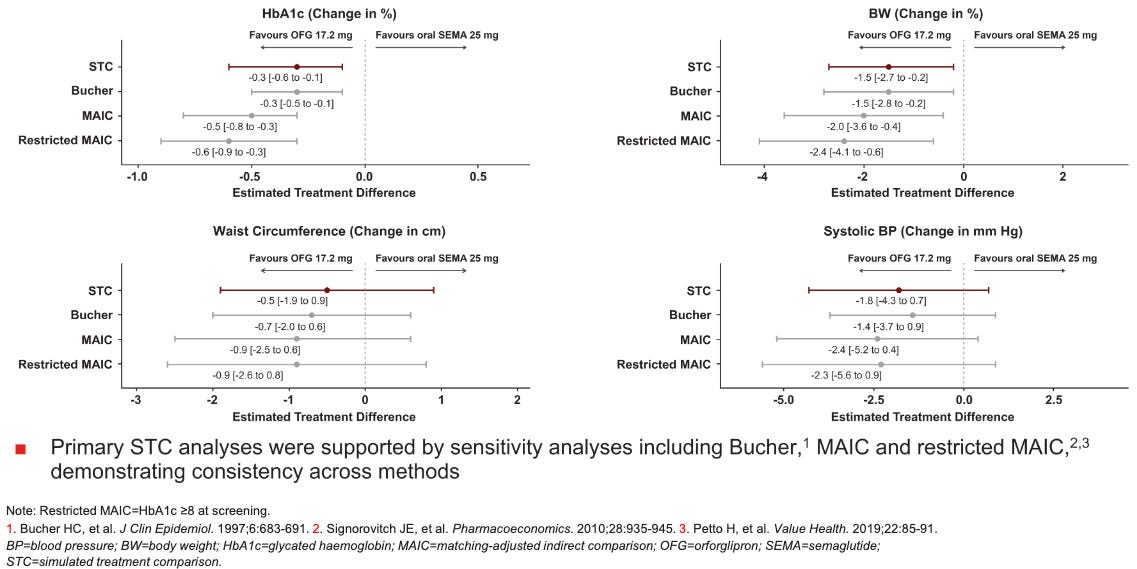
On September 29, 2026, Dr. Alice Cheng presented Eli Lilly’s key indirect treatment comparison (ITC) data evaluating Foundayo (orforglipron), a non-peptide oral GLP-1 receptor agonist, against Novo’s oral peptide GLP-1 agonist semaglutide 25 mg in adults with type 2 diabetes. Note that a 25 mg once-daily dose of oral semaglutide is not approved in the United States for the treatment of type 2 diabetes, although Novo Nordisk has submitted an application to the FDA seeking approval of that dose. This cross-trial analysis provides early comparative context on how Lilly’s small-molecule oral GLP-1 agonist performs against higher-dose peptide formulations in driving both glycemic control and weight reduction. A direct head-to-head randomized controlled trial evaluating Foundayo 17.2 mg against oral semaglutide 25 mg has not been conducted.
The comparative analysis compares two distinct oral GLP-1 receptor agonist drug designs: small molecule versus peptide. Since Eli Lilly’s Foundayo (orforglipron) is a non-peptide small molecule, it can resist enzymatic degradation in the gastrointestinal tract and achieves oral bioavailability without requiring absorption enhancers or strict administration protocols, allowing daily administration with or without food or water. In contrast, Novo’s oral semaglutide is a peptide-based GLP-1 receptor agonist co-formulated with the absorption enhancer SNAC (salcaprozate sodium) to facilitate gastric absorption. It requires specific administration guidelines (taking it on an empty stomach upon waking with a limited amount of water, followed by a fasting period) to ensure systemic bioavailability. Both agents activate central and peripheral GLP-1 receptors to promote glucose-dependent insulin secretion, suppress glucagon release, delay gastric emptying, and enhance central satiety.
The ITC analysis cross-analyzed clinical data from Lilly’s Phase 3 ACHIEVE-3 trial (evaluating Foundayo) and Novo Nordisk’s Phase 3 PIONEER PLUS trial (evaluating oral semaglutide 25 mg). At 52 weeks, the indirect comparison demonstrated significant advantages for Foundayo 17.2 mg over oral semaglutide 25 mg. Participants receiving Foundayo 17.2 mg achieved a statistically significant 1.5% greater reduction in body weight compared to those taking oral semaglutide 25 mg. Foundayo 17.2 mg achieved a 0.3% greater reduction in HbA1c compared to oral semaglutide 25 mg. The overall safety and tolerability profiles were consistent with the GLP-1 receptor agonist class, dominated by gastrointestinal adverse events (nausea, constipation, diarrhea, and vomiting) primarily occurring during dose titration.
Sources: Eli Lilly press release, Eli Lilly EASD 2026 abstract, Eli Lilly EASD 2026 slide deck
Novo - Wegovy pill (oral GLP-1 agonist) / Real-world OCTANE study (obesity)
On September 30, 2026, Dr. Louis Aronne presented initial real-world evidence from Novo’s OCTANE study evaluating adults with overweight or obesity who transitioned from injectable GLP-1 therapies to once-daily oral semaglutide (the Wegovy pill). The study demonstrated that patients switching from subcutaneous injections to the daily pill continued to achieve significant body weight reductions alongside high treatment satisfaction.
The OCTANE study was a real-world evidence analysis conducted through a collaboration between Novo and the digital health platform Ro. The analysis set included 194 adults living with overweight or obesity who were previously treated with injectable GLP-1 therapies (such as injectable semaglutide or tirzepatide) before transitioning to the once-daily Wegovy pill. The average starting weight at the time of transition was 221.6 lbs, with 87.1% of participants classified as living with clinical obesity. At the three-month mark following the transition to oral semaglutide, participants lost an average of 4.1% of their total body weight, representing an average weight reduction of 8.8 lbs. The proportion of participants classified as living with clinical obesity declined substantially from 87.1% at baseline to 65.5% at three months, moving a significant share of patients below the clinical obesity threshold. Approximately 75% of participants reported satisfaction with switching to the oral pill format, highlighting strong real-world adherence and favorable treatment experience. These real-world findings address a critical clinical question in chronic weight management: whether patients can successfully maintain or accelerate weight loss when switching from injectable to oral GLP-1 formulations. Or do they?
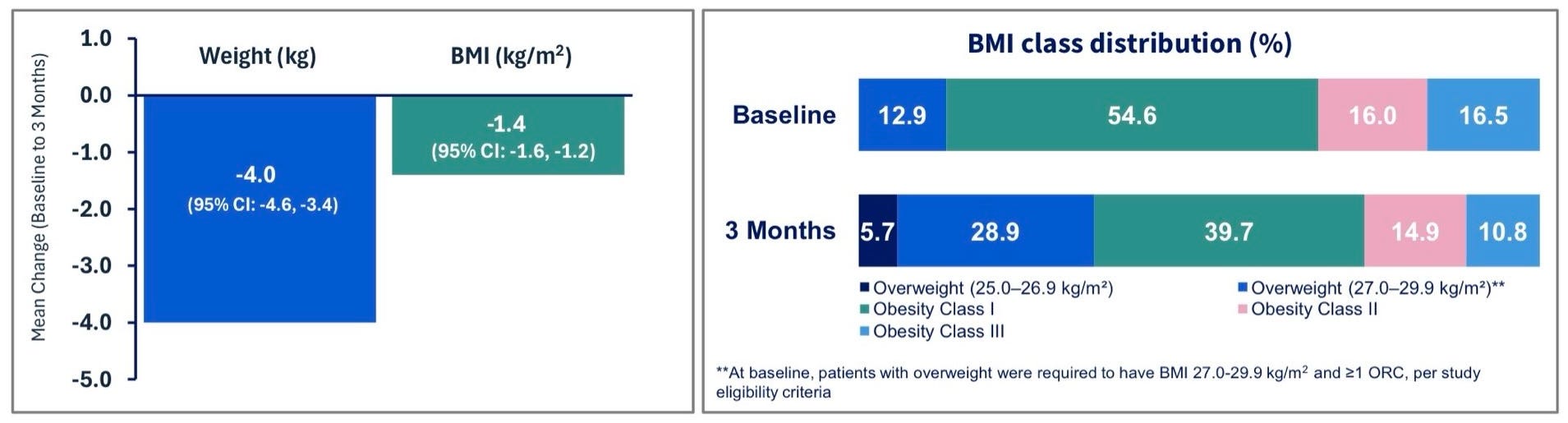
Once again, one of my favorite BioX accounts, Jen Can NuSH, was quick to point out a number of potential pitfalls of the analysis that coalesces on the fact that the presenters didn’t break out results by starting dose. As Jen notes:
The standards for inclusion only appear to require a single GLP-1 injectable script (not a fill) prior to switch, so some people in this might not have ever taken an injectable if they ran into insurance or cost issues.
69% of those switching from injectable Wegovy were on 1mg or lower for their last script before switching. 1.7mg is the first dose approved for weight loss efficacy.
41% of those switched from Zepbound had 2.5mg as their last script before switching. Thats just the intro dose and not approved for weight loss efficacy.
Even with the opaque starting point, Jen notes that, “mean BMI change over 3 months was 1.4 and mean loss was 4kg (8.8lbs).” She concludes by stating, “that may be statistically significant, but is it that stage sort of significance patients are expecting when you say “significantly”?” It’s a fair question, particularly for an audience of physicians and payors who have potentially-life-changing choices to make for their patients.


Other notable datasets
Novo - CagriSema (amylin + GLP-1 FDC) / fMRI study (obesity)
On September 30, 2026, Dr. Anthony P. Goldstone presented neuroimaging data evaluating Novo’s CagriSema, an investigational once-weekly fixed-dose combination of the selective amylin receptor agonist cagrilintide and the GLP-1 receptor agonist semaglutide. The trial abstract detailing these fMRI mechanisms (Uhre VF et al., Abstract 122) was honored with a Best Abstract Award at EASD 2026 for elucidating the neurocircuitry of dual amylin/GLP-1 agonism. It demonstrated how CagriSema acts within central brain networks to alter visual food-cue reactivity and suppress intrusive cravings, commonly referred to as “food noise”.
The 52-week functional magnetic resonance imaging (fMRI) mechanistic study investigated the central effects of CagriSema in adults with overweight or obesity. Participants underwent fMRI scans while being exposed to visual cues of highly caloric, rewarding foods compared to neutral cues to measure changes in localized blood-oxygen-level-dependent (BOLD) brain activation. fMRI scans revealed that 52 weeks of CagriSema treatment significantly blunted neural hyper-reactivity in central brain regions responsible for food cravings, reward prediction, and sensory processing. This suppression directly correlated with significant reductions in patient-reported “food noise,” appetite, and homeostatic hunger. The neurobiological changes observed on fMRI corresponded to an estimated treatment difference in body weight loss of -22.4% compared to placebo at 52 weeks (P < 0.0001).
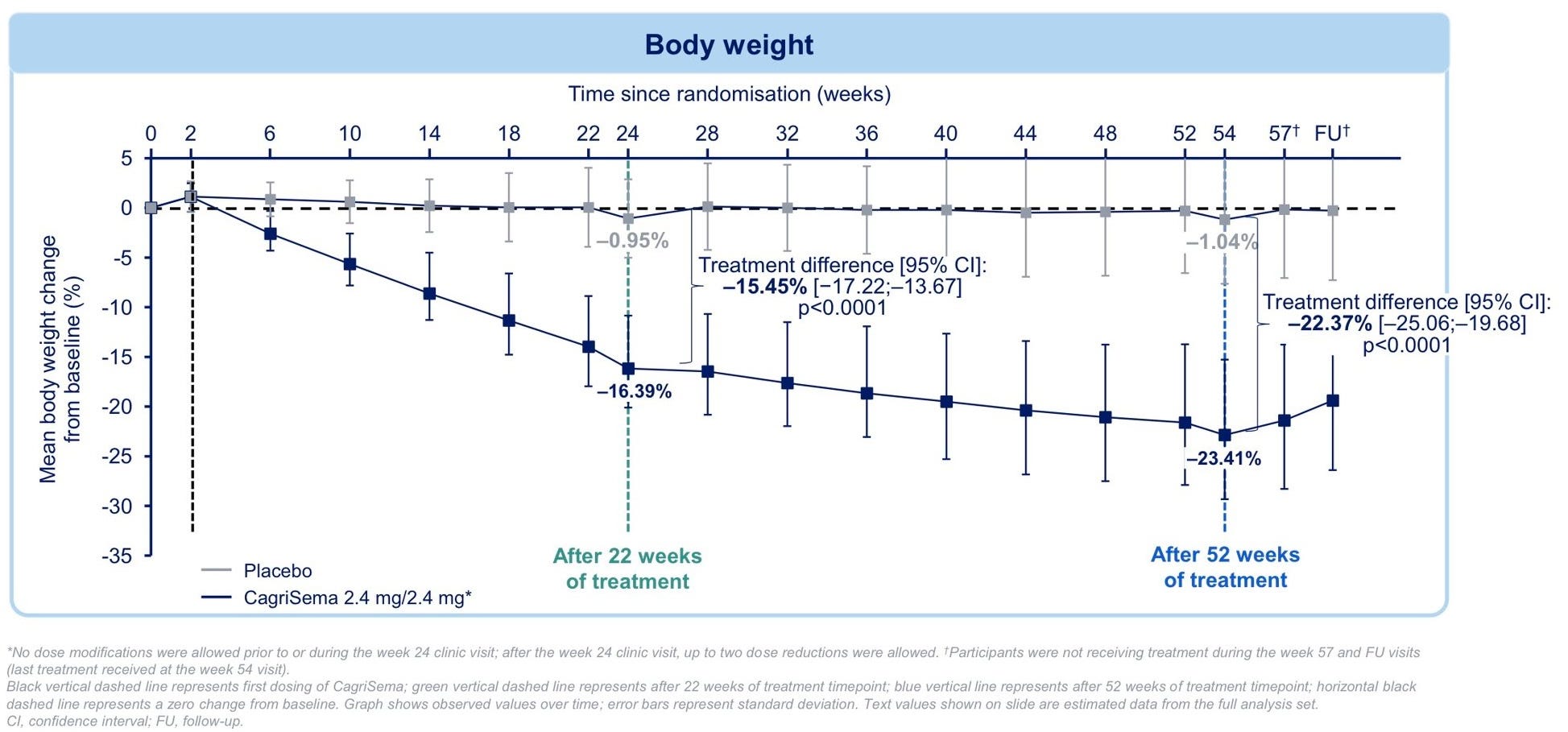
Novo submitted a NDA to the FDA for CagriSema in weight management in December 2025, with an FDA decision expected in the fourth quarter of 2026. Phase 3 trials evaluating higher-dose CagriSema formulations (2.4 mg / 7.2 mg) are ongoing to investigate maximum efficacy and long-term weight maintenance.
Sources: Novo press release, Novo EASD 2026 abstract, Novo EASD 2026 presentation
Zealand - Petrelintide (amylin agonist) / Phase 2, ZUPREME-1 trial (obesity)
On September 29, 2026, Zealand Pharma published results from the Phase 2 ZUPREME-1 trial evaluating petrelintide, a long-acting amylin receptor agonist, in The Lancet Diabetes & Endocrinology. The detailed findings were also delivered in an oral presentation at EASD 2026 by Dr. Timothy Garvey. The ZUPREME-1 enrolled adults living with obesity or overweight with weight-related comorbidities, excluding individuals with a diagnosis of type 1 or type 2 diabetes. Petrelintide achieved mean body weight reductions up to 10.7% at higher maintenance doses over 28 weeks, significantly outperforming placebo. The drug exhibited low rates of nausea and vomiting during titration, with GI adverse events predominantly mild in severity and a tolerability profile closely resembling placebo. Discontinuations due to adverse events remained low across active dose cohorts.
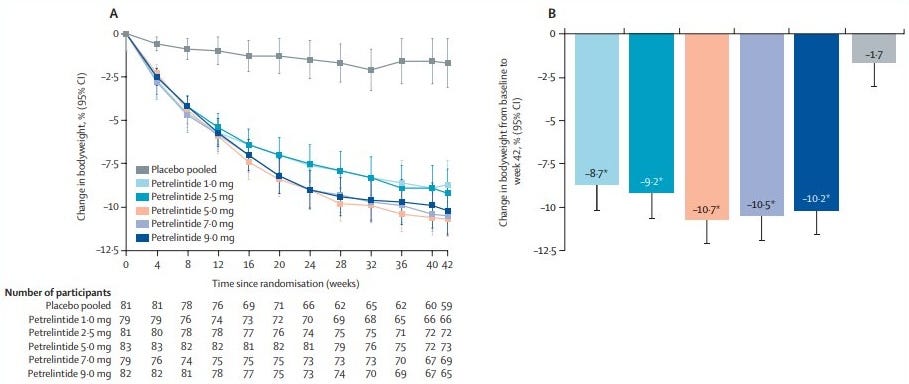
Zealand Pharma has initiated the global Phase 3 ZUPREME registrational program evaluating petrelintide monotherapy for chronic weight management in individuals with overweight or obesity. Dedicated trials evaluating petrelintide in patients with obesity and type 2 diabetes (such as ZUPREME-2) will run as part of the broader Phase 3 development strategy.
Sources: Zealand press release, Garvey et al., The Lancet Diabetes & Endocrinology (2026)
Eli Lilly - Foundayo (oral GLP-1 agonist) / Phase 3, ACHIEVE-4 trial (obesity+T2D)
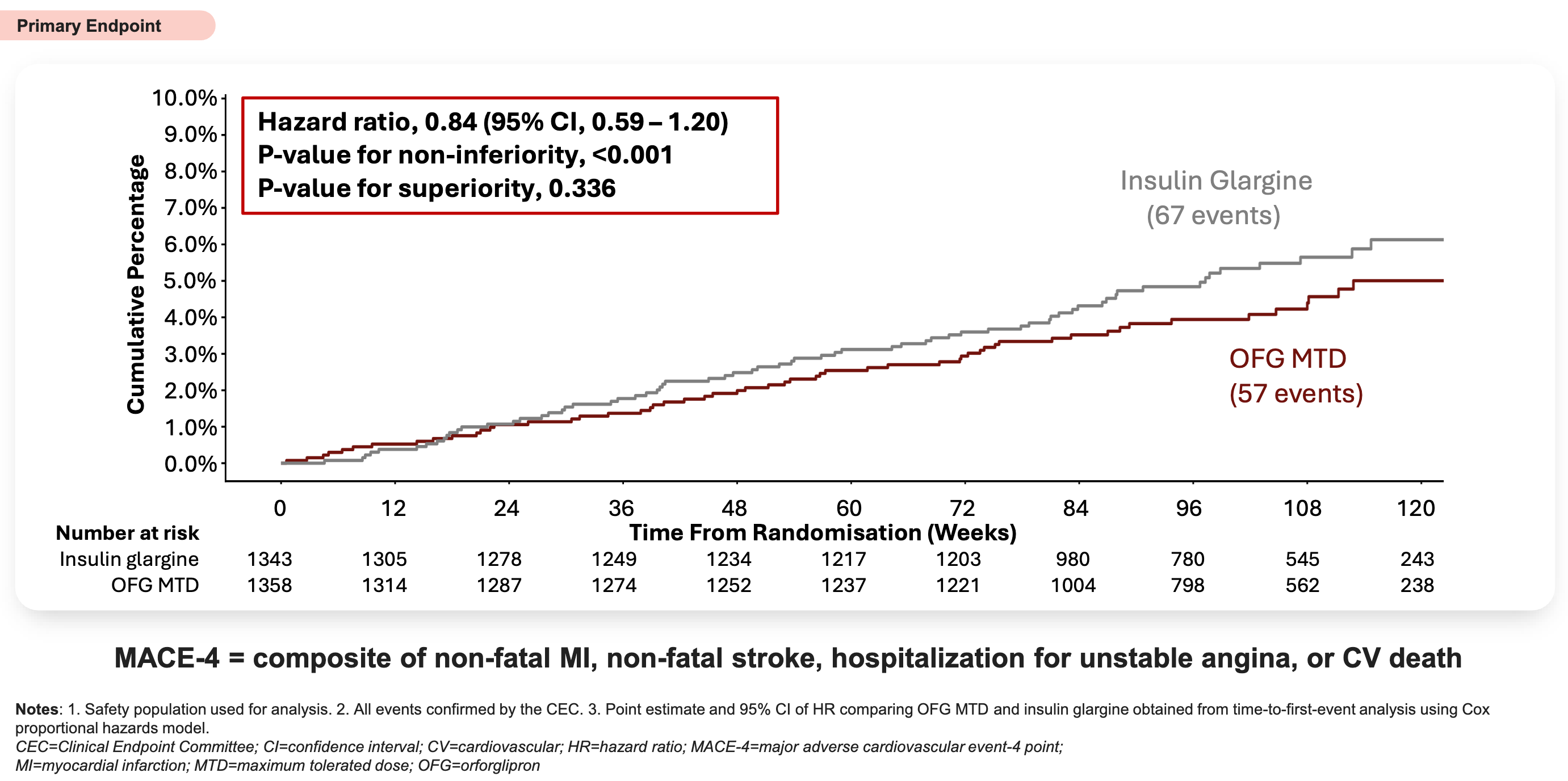
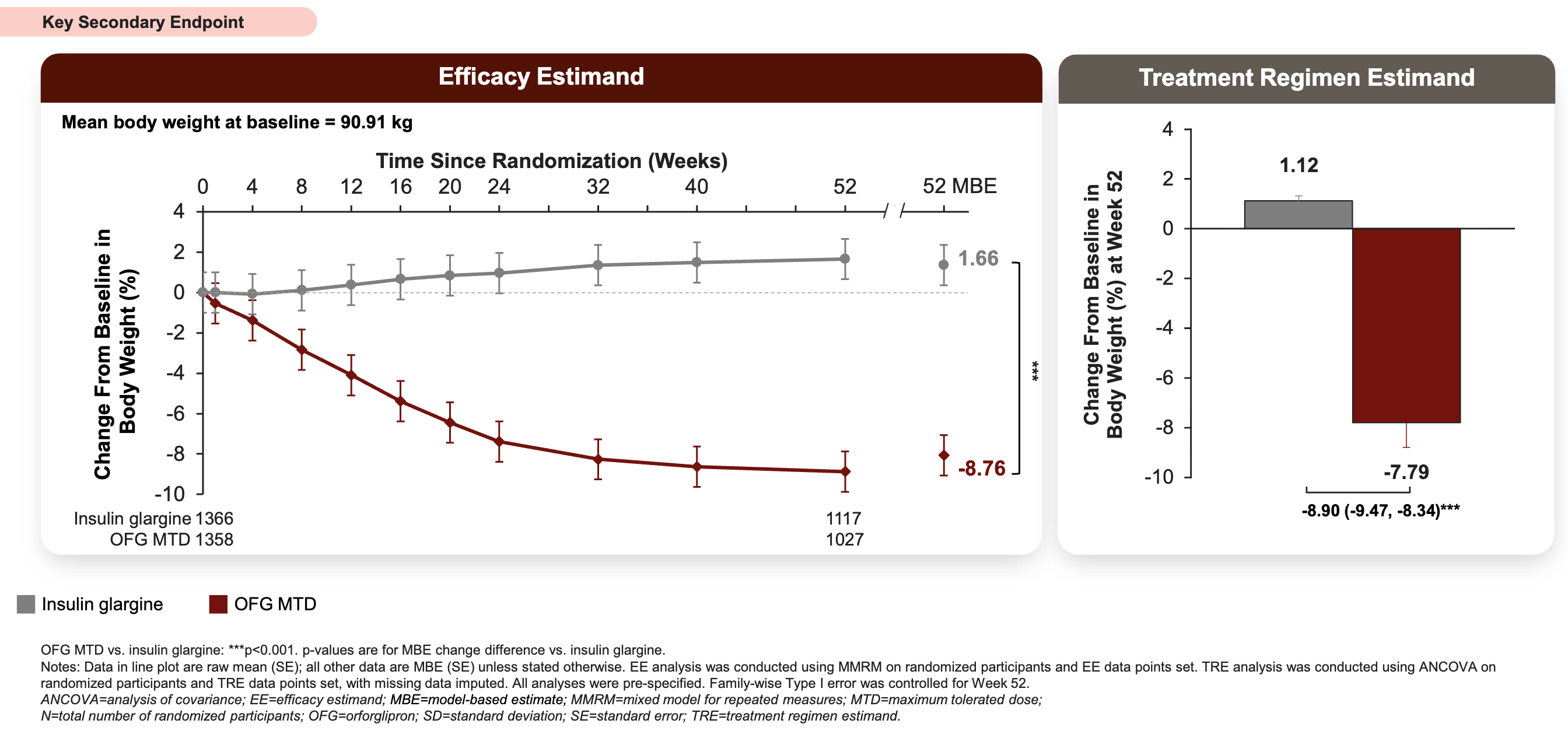
On September 31, 2026, Dr. Klara Klein presented detailed data from Eli Lilly’s ACHIEVE-4, the largest and longest Phase 3 study to date evaluating Foundayo (orforglipron). The results were published in The Lancet on the previous day, September 30, 2026. Evaluated in adults with type 2 diabetes and obesity or overweight at increased cardiovascular risk, Foundayo established robust cardiovascular safety while delivering durable, multi-year glycemic control and clinically meaningful weight reduction.
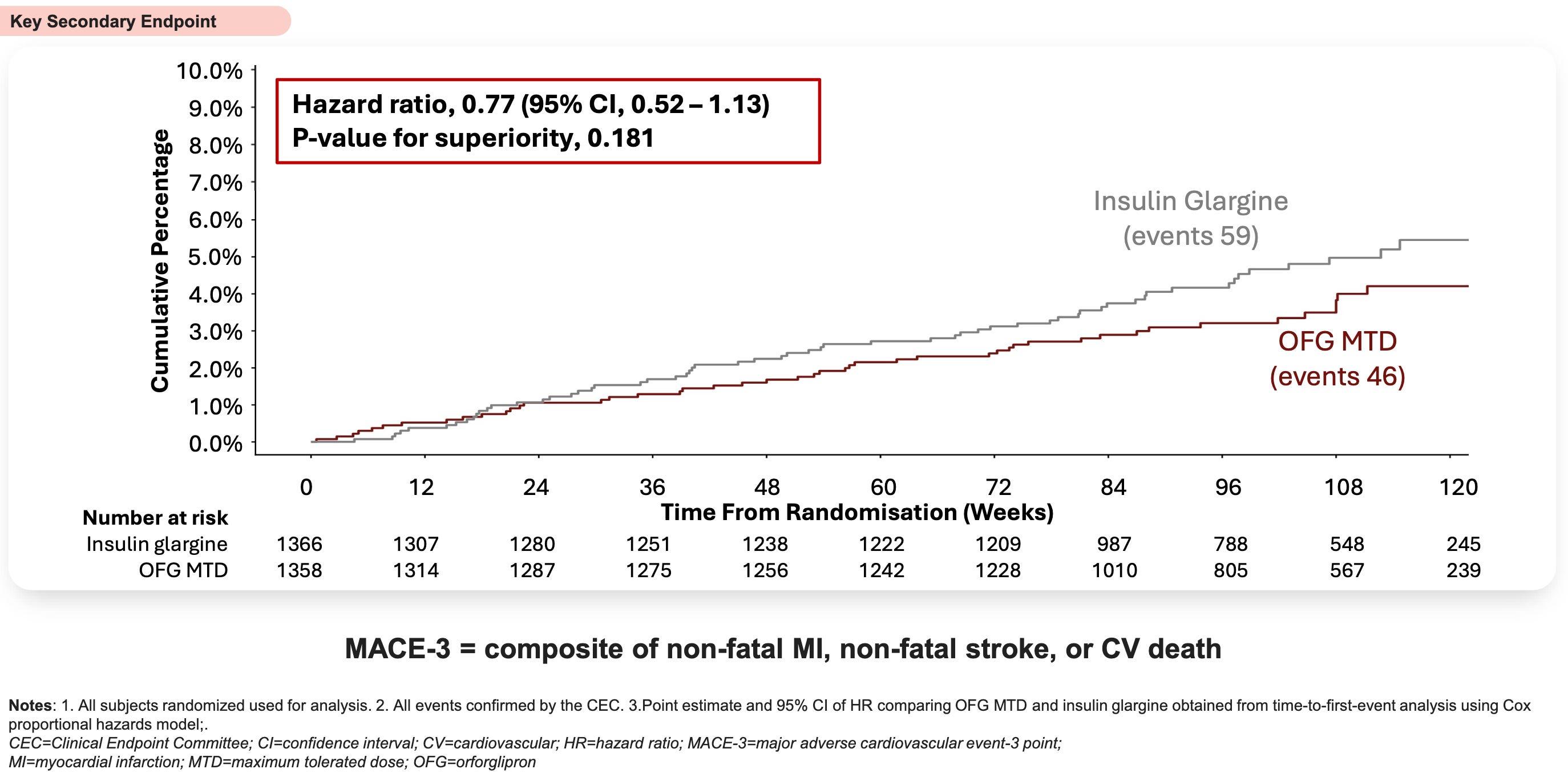
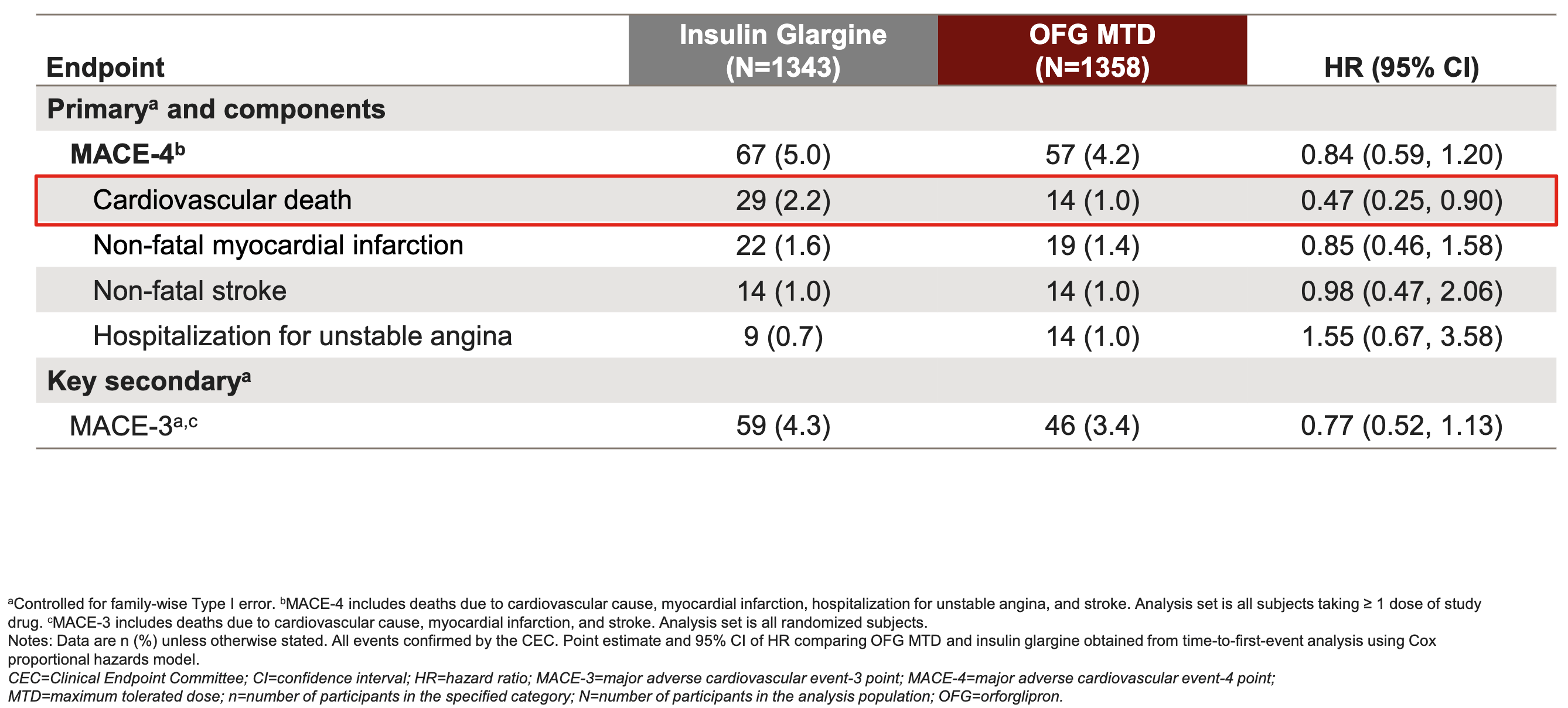
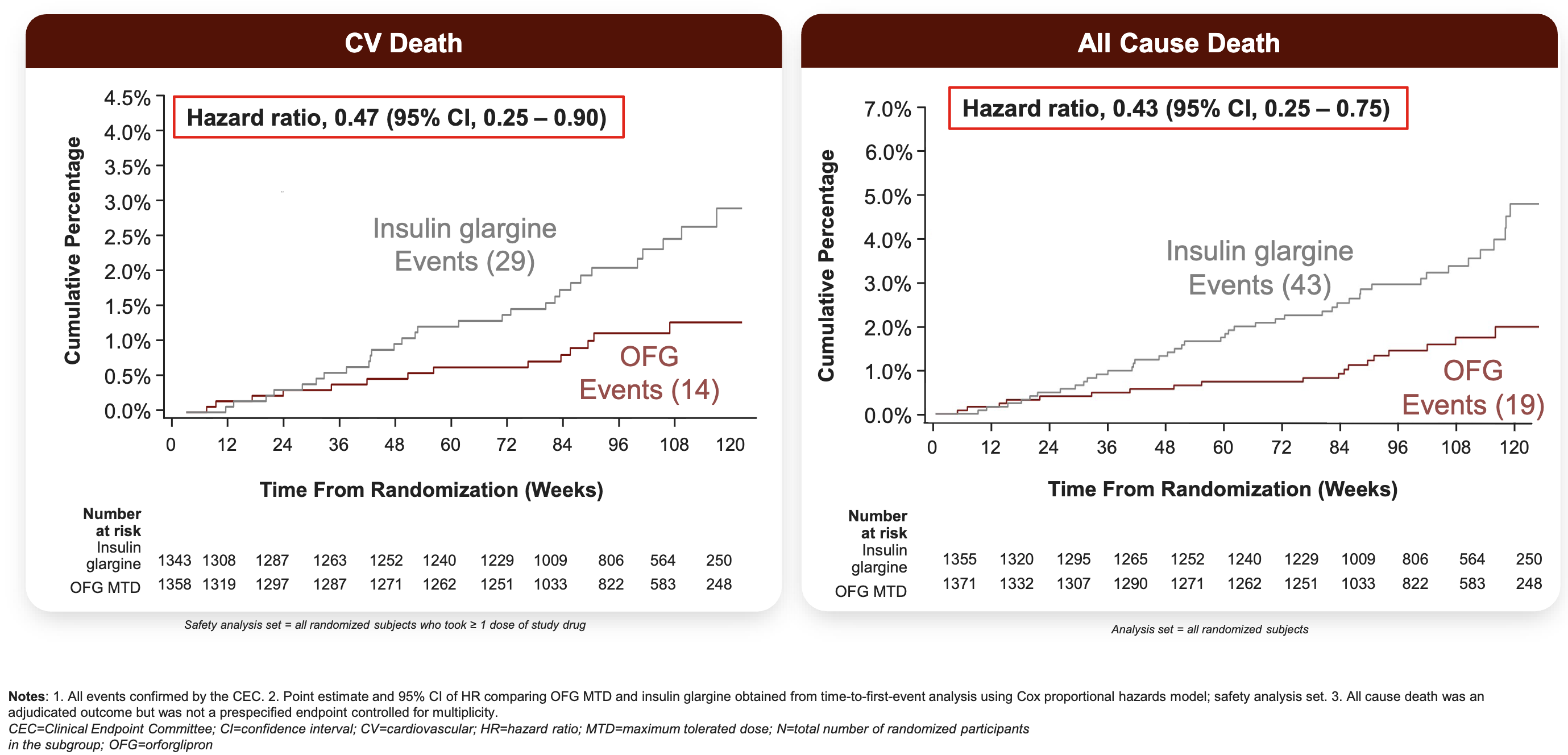
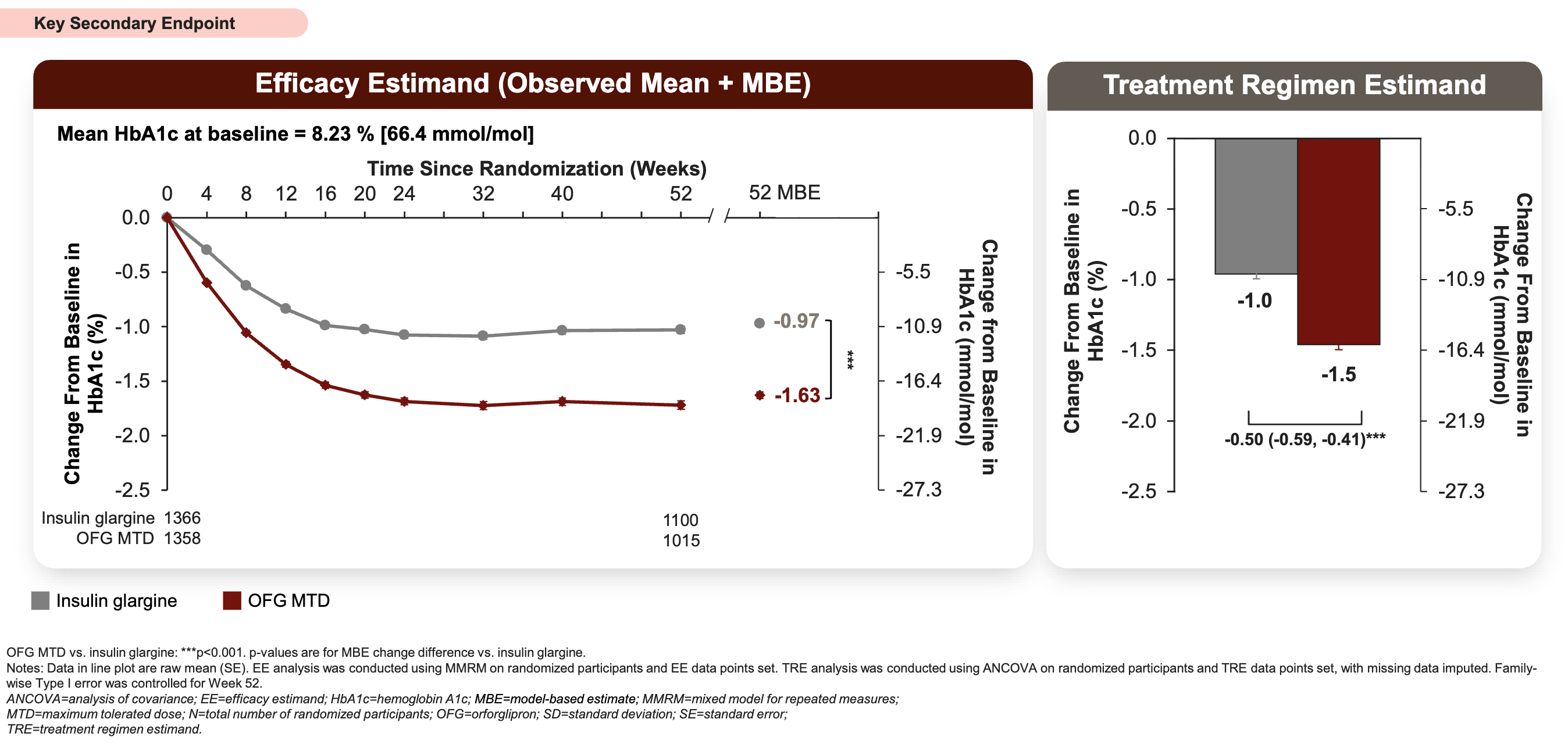
The active-controlled, randomized Phase 3 ACHIEVE-4 trial evaluated the long-term safety and efficacy of once-daily oral Foundayo against titrated injectable insulin glargine. Foundayo successfully achieved its primary endpoint by demonstrating MACE-4 non-inferiority to insulin glargine (HR = 0.84; 95% CI: 0.59-1.20; p = 0.336), alongside a 23% relative risk reduction in MACE-3 events (HR = 0.77; 95% CI: 0.52-1.13) and a nominal 57% reduction in all-cause mortality (HR = 0.43; 95% CI: 0.25-0.75; nominal p = 0.002). Furthermore, Foundayo demonstrated superior glycemic control through 104 weeks with an HbA1c reduction of -1.6% versus -1.0% for insulin glargine (ETD: -0.66%; p < 0.001), while driving a mean weight loss of -8.8% (-8.1 kg) compared to a +1.7% (+1.4 kg) weight gain with insulin glargine (ETD: -10.42%; p < 0.001). Its safety profile aligned with the GLP-1 class, presenting predominantly mild-to-moderate gastrointestinal adverse events, a 10.6% discontinuation rate at 52 weeks, and no hepatic safety signals. By replacing the weight gain and complexity of basal insulin with a flexible, once-daily oral option that lacks strict morning fasting or water restrictions, Foundayo positions itself as a transformative alternative to injectable incretins and standard insulin initiation.
Following initial approvals in chronic weight management, Eli Lilly plans to complete supplemental regulatory filings for type 2 diabetes in global markets, utilizing priority review mechanisms where applicable. Long-term cardiovascular efficacy continues to be evaluated in the dedicated ATTAIN-OUTCOMES Phase 3 cardiovascular outcomes trial (CVOT) in patients with established cardiovascular or kidney disease. Ongoing Phase 3 trials are evaluating Foundayo across broader secondary indications, including obstructive sleep apnea, hypertension, osteoarthritis knee pain, peripheral artery disease, and metabolic kidney diseases.
Sources: Eli Lilly press release, Eli Lilly EASD 2026 slide deck, Klein et al., The Lancet (2026)
BI & Zealand - Survodutide (GLP-1 x glucagon dual agonist) / Phase 3, SYNCHRONIZE-2 trial (obesity+T2D)
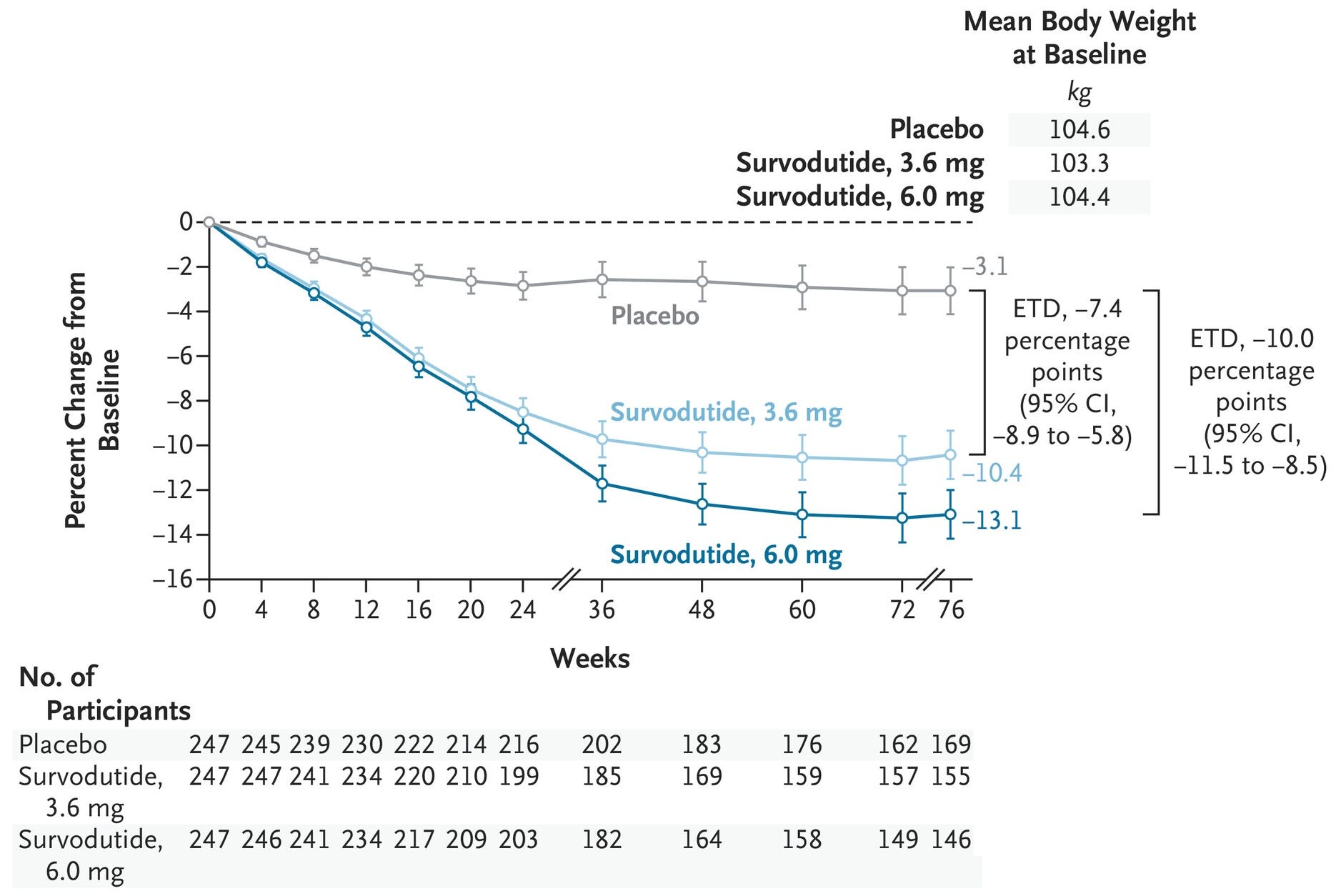
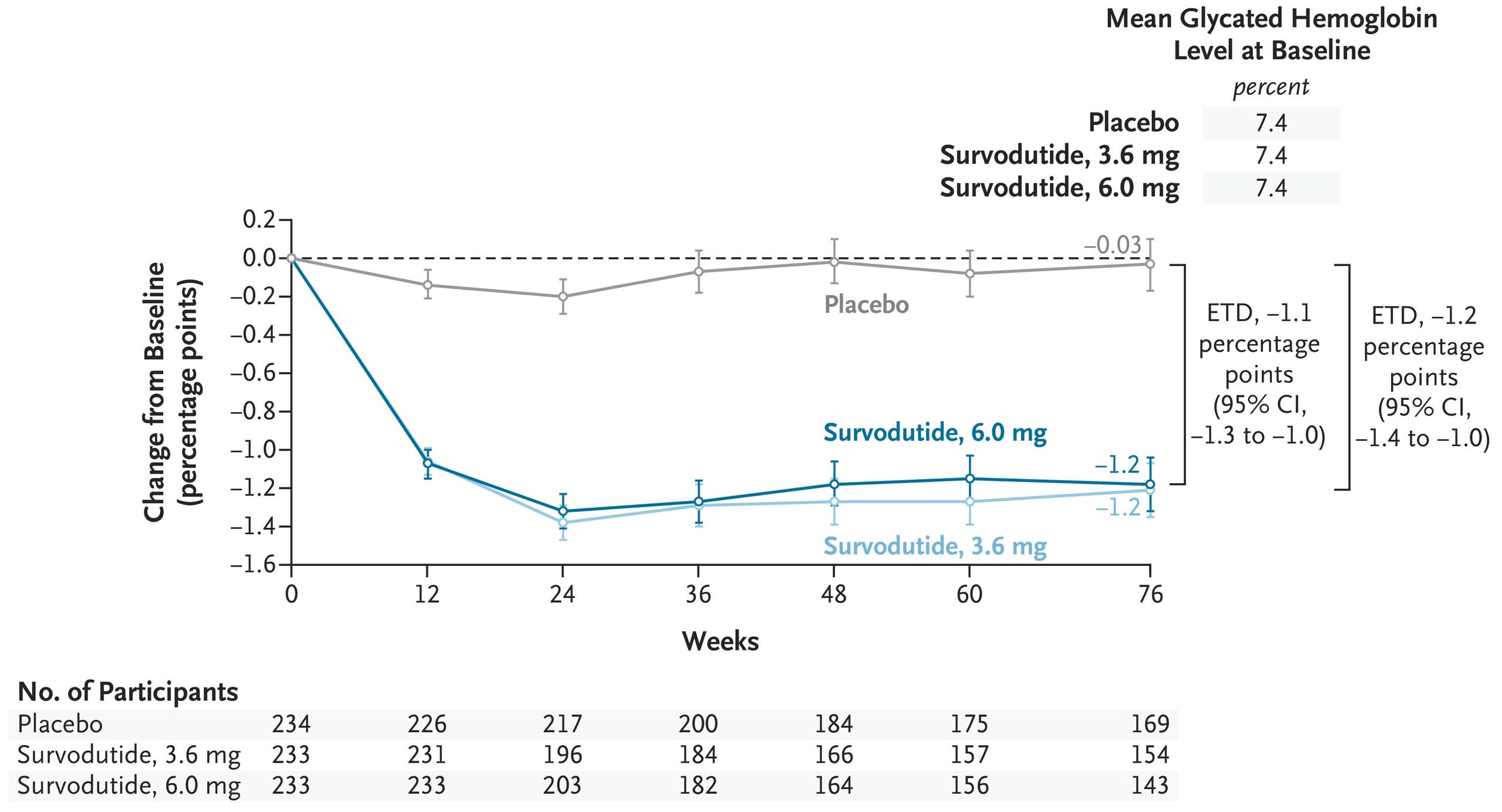
On October 1, 2026, Dr. Sean Wharton presented primary late-breaking data from the Boehringer Ingelheim’s (BI) and Zealand’s Phase 3 SYNCHRONIZE-2 trial, simultaneously published in The New England Journal of Medicine. Evaluating survodutide, a novel, once-weekly dual agonist of both GLP-1 and glucagon receptors, in adults living with obesity or overweight and comorbid type 2 diabetes, the study met both co-primary endpoints.
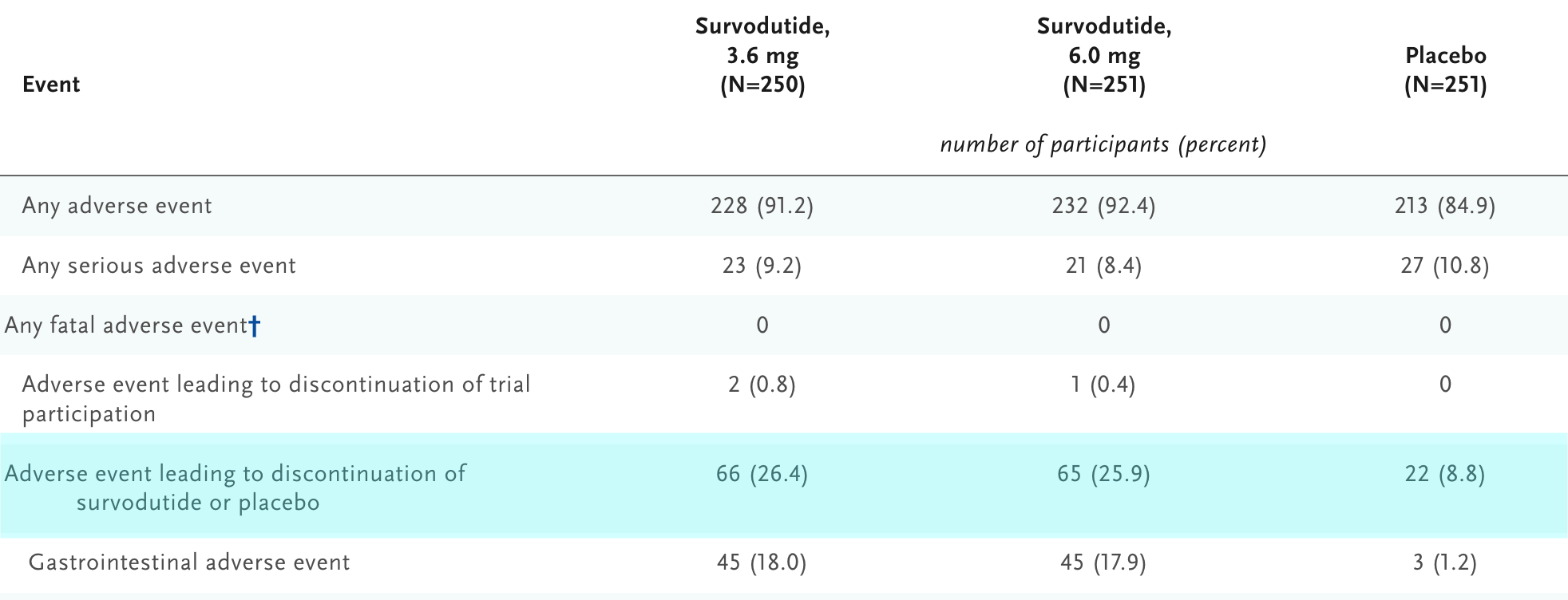
The 76-week, randomized, double-blind, placebo-controlled Phase 3 SYNCHRONIZE-2 trial evaluated the efficacy and safety of weekly subcutaneous survodutide injections in 755 adults living with overweight or obesity (BMI ≥27 kg/m2) and comorbid type 2 diabetes. Survodutide drove a mean body weight loss of up to -13.1% at the 6.0 mg high dose versus -3.1% for placebo (p < 0.0001), alongside an HbA1c reduction of up to -1.21% (versus -0.03% for placebo) and improvements in waist circumference, insulin sensitivity, fasting plasma glucose, and blood pressure. EASD sub-study analyses further showed that muscle loss was minimized to no more than 10% of total tissue lost, with reductions driven primarily by visceral and abdominal adipose fat. However, safety outcomes highlighted a challenging tolerability profile marked by frequent gastrointestinal adverse events (including vomiting in up to 39% of patients) and a 26% adverse-event discontinuation rate in the treatment arms (18% due to GI events, largely occurring during protocol-mandated fixed dose escalation). Ultimately, while SYNCHRONIZE-2 proves that adding glucagon agonism to GLP-1 therapy can yield double-digit weight loss in a complex type 2 diabetes population, the combination of modest HbA1c lowering and high GI toxicity suggests its core clinical and commercial value may rely more on its targeted liver-fat clearance in MASH/MASLD than on standard glycemic control.
BI plans to implement more flexible, individualized step-up titration protocols in future clinical studies to reduce peak GI toxicity, curb vomiting, and improve patient retention. They are progressing the dedicated SYNCHRONIZE-T2D Phase 3 trial to specifically evaluate survodutide’s blood sugar control across broader T2D medication backgrounds. The company plans to continue Phase 3 development in metabolic dysfunction-associated steatohepatitis (SYNCHRONIZE-MASLD) following FDA Breakthrough Therapy designation, alongside finalizing results from the large-scale SYNCHRONIZE-CVOT cardiovascular outcomes trial.
Sources: BI press release, Wharton et al., NEJM (2026)
Regeneron - Trevogrumab (anti-GDF8/myostatin mAb) / Phase 2, COURAGE trial (obesity)
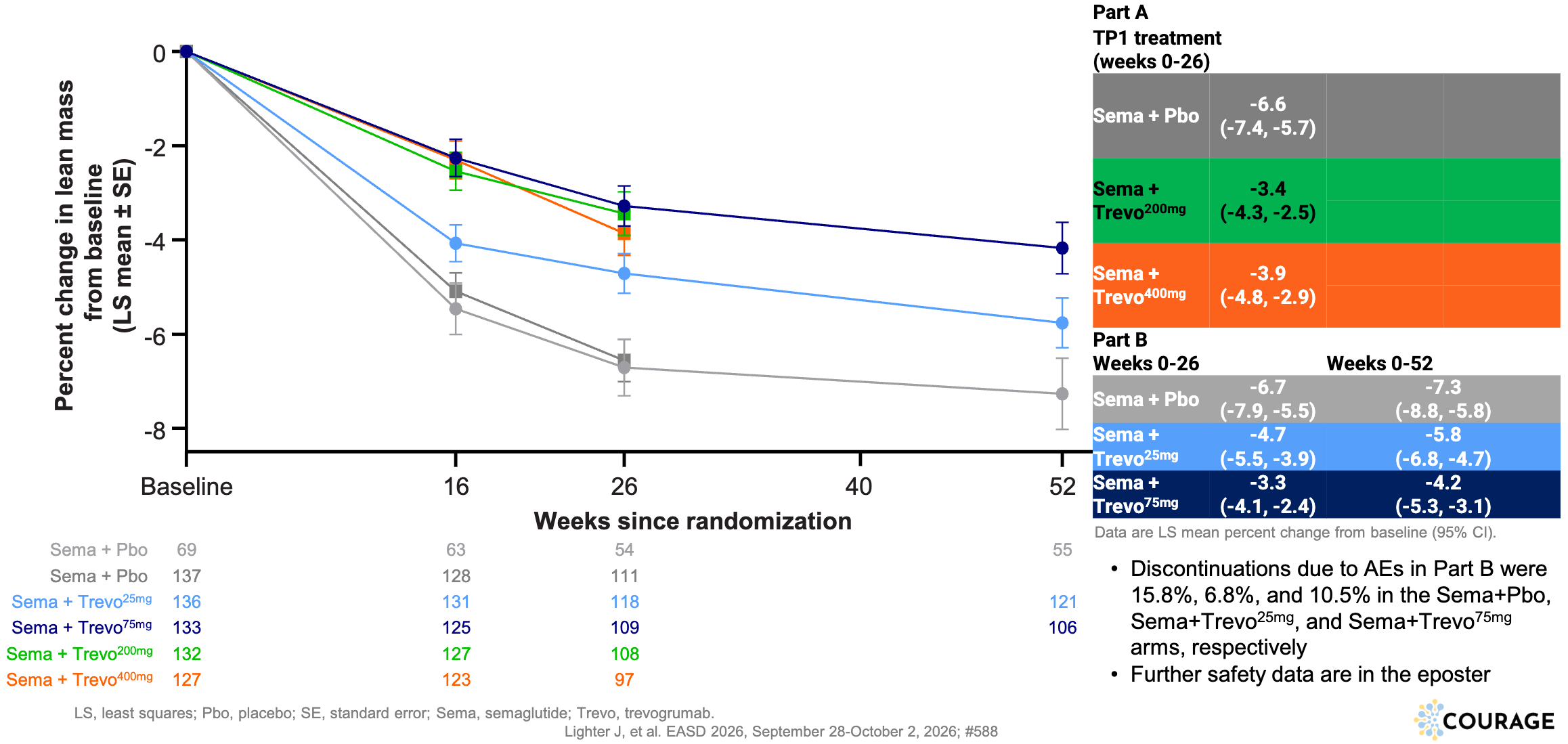
On October 1, 2026, Dr. José Raya García del Olmo presented data from the Phase 2 COURAGE trial evaluating trevogrumab in combination with the GLP-1 receptor agonist semaglutide in adults with obesity. Concurrent with the presentation, the detailed results were submitted for publication in The Lancet, although it has not yet been published. The COURAGE trial was designed to address a major clinical limitation of incretin-based weight loss: the significant concurrent loss of skeletal muscle and lean mass. By adding a targeted anti-myostatin antibody to semaglutide, the study demonstrated that blocking pathways responsible for muscle degradation can preserve lean mass and improve the overall composition and quality of weight loss.
Trevogrumab is a fully human monoclonal antibody designed to selectively bind and neutralize growth differentiation factor 8 (GDF8), also known as myostatin. Myostatin acts as a negative regulator of skeletal muscle growth. Blocking its signaling cascade prevents muscle protein breakdown and promotes muscle mass retention during negative energy states. While GLP-1 receptor agonists (such as semaglutide) suppress central appetite and delay gastric emptying to drive fat reduction, up to 25-35% of the total weight loss achieved on incretins typically stems from lean mass. Trevogrumab was developed to protect the skeletal muscle compartment, ensuring that weight loss is primarily derived from adipose tissue loss.
The Phase 2 COURAGE trial evaluated the safety, tolerability, and muscle-preserving efficacy of adding trevogrumab to a background regimen of semaglutide in adults with obesity without diabetes. The trial demonstrated robust efficacy, with trevogrumab reducing DXA-measured lean mass loss to -3.3% at 26 weeks (50.7% preservation relative to placebo) and -4.2% at 52 weeks (42.5% preservation) in the 75 mg arm, while an MRI substudy confirmed that trevogrumab prevented up to ~70% of fat-free thigh muscle volume loss compared to semaglutide alone (-0.32 vs. -1.03 at 52 weeks). Importantly, trevogrumab co-administration maintained overall weight loss efficacy while shifting the proportion of weight lost away from lean tissue degradation and toward fat mass reduction. The combination was generally well tolerated, with adverse events occurring in 77% of trevogrumab-treated participants compared to 82% in the semaglutide-plus-placebo arm, presenting no unexpected safety signals or major muscular toxicities.
Regeneron plans to advance trevogrumab into late-stage Phase 3 clinical development, evaluating combination regimens with GLP-1s and next-generation incretins. Future trials will assess physical performance metrics (such as grip strength, mobility, and gait speed) alongside body composition to confirm the functional benefits of preserved lean mass. Continued evaluation of combination strategies, including co-formulations with activin receptor blockers (e.g., garetosmab) to optimize muscle gain and fat loss ratios.
Sources: Regeneron press release, Regeneron EASD 2026 presentation
AbbVie - ABBV-295 (amylin agonist) / Phase 1 (obesity)
On September 30, 2026, Dr. Ildiko Lingvay presented AbbVie’s Phase 1 data evaluating ABBV-295, a novel, long-acting synthetic amylin analog, for chronic weight management. The single-center, randomized, double-blind, placebo-controlled Phase 1 multiple ascending dose trial evaluated 60 healthy adults across various subcutaneous dosing schedules over 12 to 13 weeks (4, 6, or 14 mg once weekly; 14 mg every-other-week; or 8 mg monthly) to assess safety, tolerability, pharmacokinetics, and body weight change. Results demonstrated dose-dependent efficacy, with once-weekly regimens achieving least-squares mean body weight reductions of -7.8-9.8% at Week 12, while extended regimens yielded -9.7% (every-other-week) and -7.9% (monthly) at Week 13, compared to -0.3% for placebo. Pharmacokinetic analyses confirmed dose-proportional plasma exposure with an extended mean half-life of 10.7 to 12.3 days, directly enabling less frequent dosing schedules. ABBV-295 was well tolerated with no serious treatment-emergent adverse events; gastrointestinal side effects (primarily mild nausea [33.3%] and diarrhea [20.0%]) occurred mainly during initial titration, leading to a low GI-related discontinuation rate of 4.4%. These data establish ABBV-295 as a differentiated non-incretin asset capable of monthly maintenance dosing, supporting AbbVie’s plans to advance the drug into Phase 2 development as both a monotherapy and a potential backbone for combination regimens in obesity.
Sources: AbbVie press release
Regeneron & Hansoh - Olatorepatide (GLP-1 x GIP dual agonist) / Phase 3, LIGHTEN trial (obesity)
On October 2, 2026, Hansoh Pharma and Regeneron Pharmaceuticals presented Phase 3 data for olatorepatide (HS-20094), a once-weekly, dual-biased GLP-1 x GIP receptor dual agonist evaluated for chronic weight management. The Phase 3 LIGHTEN trial enrolled 604 Chinese adults living with obesity or overweight without diabetes. At Week 48, olatorepatide met all primary and key secondary endpoints, driving least-squares mean body weight reductions of up to 19.3% in the high-dose group (compared to 1.6% for placebo; p < 0.0001), with 71.7% of participants on 15 mg achieving ≥15% body weight loss (vs. 3.2% for placebo). Treatment-emergent adverse events were predominantly mild-to-moderate gastrointestinal symptoms, with low incidences of nausea (<10%) and vomiting (<5%), alongside lower discontinuation rates compared to historically published Phase 3 benchmark data for other incretin therapies. Following these pivotal results, Regeneron plans to initiate its global Phase 3 registrational program later this year to evaluate olatorepatide across broader international populations.
Sources: Hansoh press release
Love biotech? Check out Biotech Readout’s full content library, or navigate directly to a segment that interests you:
Frontiers in Medicine: Exploring the frontiers of our understanding and treatments for disease.
Medical History: Recovering forgotten relics in the history of medicine.
Acquisitions: Exploring the innovation behind acquired companies.
Weekly Readout: A digest of new clinical data from the past week.
To contact us, please send us an email at biotechreadout@gmail.com
Disclaimers
Investigational Status Disclaimer
The therapeutic candidates discussed in this newsletter are currently in clinical development and have not been approved for commercial sale by the U.S. Food and Drug Administration (FDA), the European Medicines Agency (EMA), or other global regulatory authorities. Their safety and efficacy have not been established. References to pipeline products and ongoing clinical trials involve significant risks and uncertainties. Statements regarding the potential safety, potency, or efficacy of investigational drugs reflect current hypotheses and are not a guarantee of future performance or regulatory clearance. The outcome of clinical trials is inherently unpredictable, and clinical results from earlier stages may not be predictive of results in later, larger-scale trials.
No Medical Advice Disclaimer
This newsletter is for informational and educational purposes only. The content is not intended to be a substitute for professional medical advice, diagnosis, or treatment. Always seek the advice of your physician or another qualified health provider with any questions you may have regarding a medical condition. Never disregard professional medical advice or delay in seeking it because of something you have read in this publication.
No Patient-Provider Relationship Disclaimer
The information provided in this newsletter is for educational and analytical purposes only. Receipt of this information, or any interaction with this content, does not create a physician-patient, pharmacist-patient, or any other professional-provider relationship between you and the authors or publishers. This newsletter should not be used as a substitute for a personal consultation with a qualified healthcare professional.
Forward-Looking Statements Disclaimer
This newsletter contains “forward-looking statements” regarding future events, including clinical trial timing, regulatory milestones, and projected market performance. These statements are based on current expectations and assumptions that are subject to significant risks and uncertainties. Actual results may differ materially from those expressed or implied. We undertake no obligation to update these statements as a result of new information or future developments.
Third-Party Links & Content Disclaimer
This newsletter contains links to third-party websites, including clinical trial registries and corporate presentations. Biotech Readout does not endorse, guarantee, or assume responsibility for the accuracy or reliability of any information offered by third-party providers.
Errors and Omissions Disclaimer
While we strive for technical accuracy, the information in this newsletter is provided on an “as is” basis with no guarantees of completeness, accuracy, or timeliness. Biotech Readout assumes no liability for any errors or omissions in the content of this publication.
Non-Endorsement Disclaimer
Any reference to specific commercial products, processes, or services by trade name, trademark, or manufacturer does not constitute or imply an endorsement or recommendation by the author. All trademarks are the property of their respective owners.
No Investment Advice Disclaimer
This newsletter is for informational purposes only and does not constitute financial, investment, or legal advice. The author is not a registered investment advisor. You should consult with a professional financial advisor before making any investment decisions. The biotechnology sector is highly volatile; past performance is not indicative of future results.
Conflict of Interest Disclaimer
The author of this newsletter maintains a position of independence. At the time of publication, the author holds no direct financial interest, equity, or options in any of the companies mentioned in this report. No compensation has been received from any third party to feature or analyze specific therapeutic candidates or corporate entities.