

Disclaimer: This newsletter is for educational and informational purposes only and does not constitute medical, investment, or financial advice, nor does it establish a provider-patient relationship. Content may include forward-looking statements and discussions of investigational therapeutic candidates that are not FDA/EMA approved; their safety and efficacy remain unestablished and clinical outcomes are unpredictable. While we strive for accuracy, all information is provided as is without guarantees. As of the date of publication, the author holds no direct equity positions in the specific companies mentioned in this issue nor receives third-party compensation for this coverage. Please find a complete version of our disclaimers at the bottom of the article and linked here.

Press ⬇️ to go down to a section and ⬆️ to go back up to the Table of Contents
Table of Contents
The 35th European Academy of Dermatology and Venereology (EADV) Congress took place on September 30 to October 3, 2026 in Vienna, Austria. In this article, we discuss the following high-impact datasets:
Atopic Dermatitis
Lupus
Non-segmental vitiligo (NSV)
Plaque Psoriasis
Hidradenitis suppurativa (HS)
Merck - Tulisokibart (TL1A inhibitor) / Phase 2 (HS) ⬇️
Alopecia Areata
Nektar - Rezpeg (IL-2 agonist) / Phase 2b, REZOLVE-AA trial (alopecia areata) ⬇️
Special thanks to GENE STREET for motivating me to publish this article, which I had previously shelved due to my difficulty in finding slides/figures. I hope you enjoy it!
Atopic Dermatitis
AbbVie - Zumilokibart (anti-IL13 mAb) / Phase 2 (atopic derm)
On September 30, 2026, Dr. Melinda Gooderham presented AbbVie’s primary Week 16 data from the Phase 2 APEX Part B study evaluating zumilokibart (APG777), a novel half-life-extended anti-IL-13 monoclonal antibody added to AbbVie’s portfolio via its $10.9 billion acquisition of Apogee Therapeutics, which we covered here. The readout highlighted zumilokibart’s ability to deliver robust clinical clearance and symptom relief, positioning it as a potentially transformational, extended-interval biologic for patients with chronic AD.
Zumilokibart is a high-affinity humanized IgG1 monoclonal antibody designed to selectively target and neutralize interleukin-13 (IL-13). By binding soluble IL-13, zumilokibart inhibits its binding to the IL-13R-alpha-receptor complex, suppressing downstream type 2 inflammatory cascades that drive skin lesion formation, epidermal barrier breakdown, and pruritus. Featuring YTE amino acid modifications in its Fc domain, zumilokibart exhibits an extended terminal half-life of approximately 75 to 77 days in humans. This prolonged durability is engineered to maintain therapeutic plasma concentrations across extended, multi-month dosing intervals (e.g., Q12W or Q24W).
In the Phase 2 APEX Part B dose-ranging trial in adults with moderate-to-severe atopic dermatitis, subcutaneous zumilokibart demonstrated high-level skin clearance and a well-tolerated safety profile across 16 weeks. All three dose groups achieved statistically significant superiority over placebo (p<0.01), led by the mid-dose cohort, which reached 65.9% EASI-75 (vs. 23.4% placebo), 46.0% vIGA-AD 0/1 (vs. 10.9% placebo), and 47.4% EASI-90 (vs. 9.3% placebo). Zumilokibart was generally well tolerated with low serious adverse event rates and class-consistent mild-to-moderate toxicities, such as nasopharyngitis, headache, and noninfective conjunctivitis (≥5%). By pairing competitive depth of response with an Fc-engineered half-life of ~77 days, zumilokibart holds the potential to shift the atopic derm treatment paradigm toward maintenance dosing every 3 to 6 months, significantly reducing injection frequency compared to standard biweekly biologics.
AbbVie confirmed that the mid-dose regimen has been selected for pivotal Phase 3 global clinical development, based on its optimal combination of rapid onset, high response rates, and tolerability. Phase 3 clinical trials in moderate-to-severe atopic derm are set to begin in the second half of 2026, with 52-week maintenance readouts expected in the first half of 2027.
Sources: AbbVie press release, Dermatology Times article
Nektar - Rezpeg (IL-2 agonist) / Phase 2b, REZOLVE-AD trial (atopic derm)
On September 30, 2026, Dr. Meredith Manson presented updated maintenance and multi-omic biomarker findings for rezpegaldesleukin (rezpeg / NKTR-358), Nektar Therapeutics’ wholly owned regulatory T cell (Treg) stimulator. While established biologics and oral JAK inhibitors rely on immunosuppressive pathways that continuously block effector cytokines (such as IL-4, IL-13, or IL-31), rezpegaldesleukin introduces a homeostatic, disease-modifying approach.
In the Phase 2b REZOLVE-AD trial in 393 biologic- and JAK-naive adults with moderate-to-severe atopic dermatitis, subcutaneous rezpegaldesleukin demonstrated significant skin clearance, durable itch relief, and a well-tolerated safety profile through 52 weeks. At Week 16, the high-dose induction cohort (24 μg/kg Q2W) achieved statistically superior responses over placebo (p<0.001), including 42% EASI-75 (vs. 17% placebo), 25% EASI-90 (vs. 9% placebo), 20% vIGA-AD 0/1 (vs. 8% placebo), and 42% itch reduction (vs. 16% placebo). Clinical improvements deepened and were maintained across 36 weeks of extended maintenance on quarterly (Q12W) dosing, while safety was marked primarily by mild-to-moderate transient injection site reactions, pyrexia, and nasopharyngitis with no severe infection or systemic activation signals. By proving that selective regulatory T-cell (Treg) expansion can reset broader tissue inflammation, these results validate rezpegaldesleukin as a novel, disease-modifying therapy capable of maintaining skin clearance on infrequent quarterly dosing.
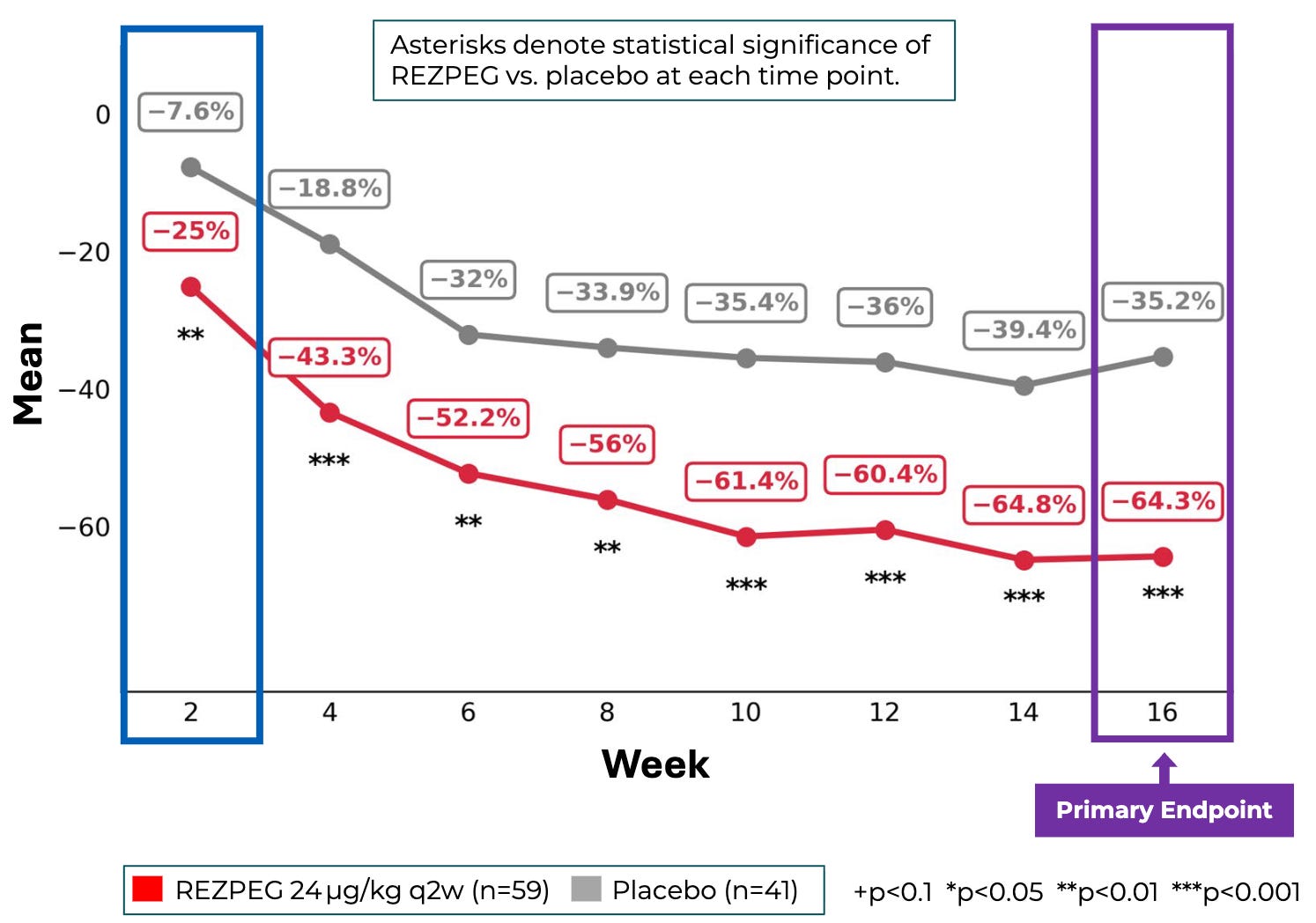
Following these results and publication in The Lancet, Nektar initiated the global Phase 3 ZENITH-AD program to evaluate rezpegaldesleukin in moderate-to-severe atopic dermatitis. Nektar is advancing rezpegaldesleukin across additional Treg-deficient autoimmune and inflammatory indications, including severe-to-very-severe alopecia areata (Phase 2b REZOLVE-AA) and severe ulcerative colitis.
Sources: Nektar press release, Nektar EADV 2026 slide deck
Pfizer - Tilrekimig (IL4 x IL13 x TSLP mAb) / Phase 2 (atopic derm)
On October 1, 2026, Dr. Eric Simpson presented Phase 2 data for Pfizer’s tilrekimig (PF-07275315), a first-in-class investigational trispecific antibody targeting interleukin-4 (IL-4), interleukin-13 (IL-13), and thymic stromal lymphopoietin (TSLP). While current biologic standards of care effectively target downstream type 2 cytokines or shared receptor subunits, a significant subset of patients with moderate-to-severe atopic dermatitis (AD) continue to suffer from persistent itch and residual lesions. The Week 16 results showcased tilrekimig’s ability to deliver high-level skin clearance, substantial itch relief, and a placebo-like tolerability profile on convenient monthly administration. Featuring an engineered terminal half-life of approximately 37 days, tilrekimig maintains therapeutic drug exposures over extended monthly (Q4W) dosing intervals.
In a Phase 2 trial evaluating biologic-naïve adults with moderate-to-severe atopic dermatitis, monthly (Q4W) administration of trispecific antibody tilrekimig in Stage 2 achieved high-level efficacy, with the 200 mg Q4W arm reaching 61.0% EASI-75 (a 51.9% delta over placebo; p<0.003), 26-27% vIGA-AD 0/1 (vs. 0% placebo), and 50.8% itch response (a 43.6% delta over placebo) at 16 weeks. Adverse event rates across monthly cohorts (42.2-47.8%) were lower than placebo (52.2%), with no drug-related serious adverse events and conjunctivitis rates comparable to placebo.
Pfizer has advanced tilrekimig into Phase 3 global clinical development for moderate-to-severe atopic dermatitis, including a pivotal trial featuring dupilumab as an active comparator. Beyond dermatology, tilrekimig is currently being evaluated in Phase 3 trials for asthma and an ongoing Phase 2b/3 study for chronic obstructive pulmonary disease (COPD).
Sources: Pfizer press release
Evommune - EVO301 (anti-IL18 mAb) / Phase 2a (atopic derm)
On October 1, 2026, Dr. Mark Lebwohl presented Phase 2a results for EVO301, Evommune’s novel, long-acting monoclonal antibody targeting interleukin-18 (IL-18). The clinical readout demonstrated that selectively targeting IL-18 drives rapid, statistically significant reductions in skin lesion severity and itch, establishing EVO301 as a potentially promising novel therapy designed to disrupt upstream epithelial inflammatory signaling.
In the Phase 2a trial evaluating adult patients with active moderate-to-severe atopic dermatitis, Evommune’s novel anti-IL-18 antibody EVO301 achieved its primary efficacy endpoint and key secondary endpoints with rapid onset and a clean safety profile over 12 weeks. Patients treated with EVO301 achieved a statistically significant 55% mean reduction in EASI score from baseline compared to 22% for placebo (p<0.01), alongside robust secondary response rates including 29% EASI-75 (vs. 9% placebo; p<0.05), 63% EASI-50 (vs. 23% placebo; p<0.01), and early itch reduction within the initial weeks of therapy. Treatment was well tolerated with mild-to-moderate adverse events balanced against placebo, and no serious adverse events or drug-related safety signals observed.
Following these positive Phase 2a results, Evommune is preparing to advance EVO301 into a larger Phase 2b dose-ranging study in moderate-to-severe atopic dermatitis to optimize dosing regimens and evaluate longer-term maintenance efficacy. Driven by IL-18’s broad role in epithelial barrier inflammation, Evommune plans to explore EVO301’s therapeutic utility across additional inflammatory skin and systemic immune indications.
Sources: Evommune press release
Lupus
Systemic lupus erythematosus (SLE), including its cutaneous variants like discoid lupus (DLE) and subacute cutaneous lupus (SCLE), is a chronic autoimmune disease driven by impaired apoptotic cell clearance, exposure of nuclear autoantigens, and subsequent hyperactivation of plasmacytoid dendritic cells (pDCs) that overproduce type I interferons (IFN-α/β). This immune dysregulation triggers autoreactive B-cell activation, pathogenic autoantibody production, and tissue deposition of immune complexes, resulting in chronic inflammation, dermal interface dermatitis, follicular plugging, and progressive organ damage or irreversible scarring. Standard of care relies on strict broad-spectrum photoprotection alongside oral antimalarials, primarily hydroxychloroquine, as the foundational pharmacotherapy for all cutaneous and systemic manifestations. Management of localized or acute flares incorporates high-potency topical corticosteroids or topical calcineurin inhibitors (tacrolimus) for skin lesions, while severe cutaneous or systemic organ involvement requires short-term oral corticosteroids, conventional immunosuppressants (mycophenolate mofetil, azathioprine, or methotrexate), and targeted biologic therapies such as belimumab (anti-BAFF) or anifrolumab (anti-type I IFN receptor).
Amgen - Daxdilimab (anti-ILT7 mAb) / Phase 2 (DLE)
On September 30, 2026, Dr. Victoria Werth presented positive Phase 2 discoid lupus erythematosus (DLE) results for daxdilimab (HZN-7734), a first-in-class monoclonal antibody acquired by Amgen through its $27.8 billion buyout of Horizon Therapeutics.
In a Phase 2 trial evaluating adult patients with moderate-to-severe, treatment-refractory discoid lupus erythematosus (DLE), subcutaneous daxdilimab demonstrated significant reductions in skin disease activity and a well-tolerated safety profile through 24 weeks. Both low-dose and high-dose cohorts met the primary endpoint, driving an approximate 6-point mean reduction in CLASI-A score over placebo alongside robust CLASI-50 response rates of 61.7% (p=0.0037) and 62.1% (p=0.0044) compared to 23.7% for placebo, with clear separation on CLA-IGA 0/1 skin clearance. Adverse event rates were similar across arms with zero reported serious adverse events or deaths, and only one discontinuation due to arthralgia. By achieving over 60% CLASI-50 responses in a refractory population, these findings validate plasmacytoid dendritic cell (pDC) depletion via ILT7 targeting as a promising disease-modifying approach to address high unmet need and prevent irreversible scarring in organ-dominant cutaneous lupus.
Following the EADV 2026 readout, Amgen confirmed it is preparing to advance daxdilimab into Phase 3 registrational studies for patients with moderate-to-severe discoid lupus erythematosus (DLE). Amgen continues evaluating daxdilimab across additional autoantibody and interferon-mediated inflammatory diseases, including dermatomyositis and alopecia areata.
Sources: Dermatology Times article
Biogen - Litifilimab (anti-BDCA2 mAb) / Phase 2 (CLE)
On October 2, 2026, Dr. Joseph Merola presented 52-week extension data from the Phase 2 part of the ongoing AMETHYST study evaluating Biogen’s litifilimab (BIIB059). Cutaneous lupus erythematosus (CLE) spanning subacute and chronic discoid subtypes causes severe, disfiguring skin lesions, scarring, and hair loss that frequently prove recalcitrant to antimalarials and standard immunosuppressants. With no therapies specifically approved by global regulatory authorities solely for CLE, presented long-term results highlighted litifilimab’s ability to drive progressive, deepening skin clearance out to one year, positioning it as a potential first-in-class targeted biologic for this underserved patient population.
In the Phase 2 portion of the AMETHYST trial in adults with active subacute or chronic cutaneous lupus erythematosus (CLE) refractory to antimalarials, litifilimab demonstrated progressive, durable efficacy and a favorable safety profile through 52 weeks. Among participants receiving continuous litifilimab, clear or almost clear skin status (CLASI-A 0/1) improved from 19% at Week 24 to 25% (27.2%) at Week 52, while deep responses (CLASI-70) rose from 21.7% to 28.8%; notably, patients crossing over from placebo at Week 24 showed rapid clinical improvement within 4 weeks, reaching 33.7% CLASI-A 0/1 by Week 52. Subcutaneous litifilimab was well tolerated over a full year, with mostly mild-to-moderate adverse events (such as nasopharyngitis, influenza, and arthralgia) and low serious adverse event rates (3.4%) during the extension phase, reinforcing its disease-modifying potential for long-term skin clearance.
The blinded Phase 3 portion of the global AMETHYST program is currently ongoing, with pivotal trial data expected to read out in the first half of 2027. Upon successful Phase 3 completion, Biogen plans to file global regulatory applications for CLE market authorization, while continuing parallel Phase 3 evaluation of litifilimab in systemic lupus erythematosus (SLE).
Sources: Biogen press release
Non-segmental vitiligo (NSV)
Non-segmental vitiligo (NSV) is an autoimmune dermatological disease driven by the destruction of epidermal melanocytes due to a breakdown in self-tolerance, where oxidative stress within melanocytes triggers the release of damage-associated molecular patterns (DAMPs) that activate dendritic cells and CD8+ cytotoxic T lymphocytes. Driven by a type 1 cytokine response, infiltrating autoreactive CD8+ T cells produce interferon-gamma (IFN-γ), which signals through the JAK1/JAK2 pathway in keratinocytes to induce CXCL9 and CXCL10 chemokine production, recruiting additional autoreactive T cells to the epidermis to kill melanocytes and produce symmetric depigmented macules. Standard of care centers on halting disease progression and inducing repigmentation: localized or mild-to-moderate involvement is managed with topical anti-inflammatory agents, primarily topical calcineurin inhibitors (tacrolimus, pimecrolimus), topical corticosteroids, or the topical JAK inhibitor ruxolitinib, often combined with narrow-band ultraviolet B (NB-UVB) phototherapy, to stimulate melanocyte stem cell migration and repigmentation, while rapidly progressing or widespread disease may require short pulses of systemic corticosteroids to stabilize active lesions.
AbbVie - Rinvoq (JAK inhibitor) / Phase 3 (NSV)
On October 1, 2026, Dr. Julien Seneschal presented 76-week data from the Phase 3 Viti-Up-1 and Viti-Up-2 trials evaluating AbbVie’s Rinvoq (upadacitinib) in adults and adolescents with non-segmental vitiligo (NSV). The long-term readout demonstrated that continuous oral JAK1 inhibition drives progressive facial and total-body repigmentation over 76 weeks, while early sub-study data highlighted the additive benefit of co-administering narrowband ultraviolet B (NB-UVB) phototherapy.
The Phase 3 Viti-Up program consists of two replicate 160-week, global, randomized, double-blind, placebo-controlled trials (Viti-Up-1 and Viti-Up-2) evaluating daily oral upadacitinib (15 mg) in patients aged 12 years and older with active NSV. In patients who continued on Rinvoq 15 mg once daily in the OLE, proportions of patients achieving F-VASI 75 and T-VASI 50 continued to increase from week 48 through week 76 (see table below). As observed-case analyses during an open-label extension without a placebo comparator, formal p-values were not reported for Week 76 endpoints.

Among patients previously on Rinvoq during Period A who had incomplete responses, adding NB-UVB twice weekly led to higher repigmentation rates than Rinvoq alone (see table below). Rinvoq 15 mg daily was well tolerated through 76 weeks, with safety results consistent with the established profile of upadacitinib and no new safety signals observed.
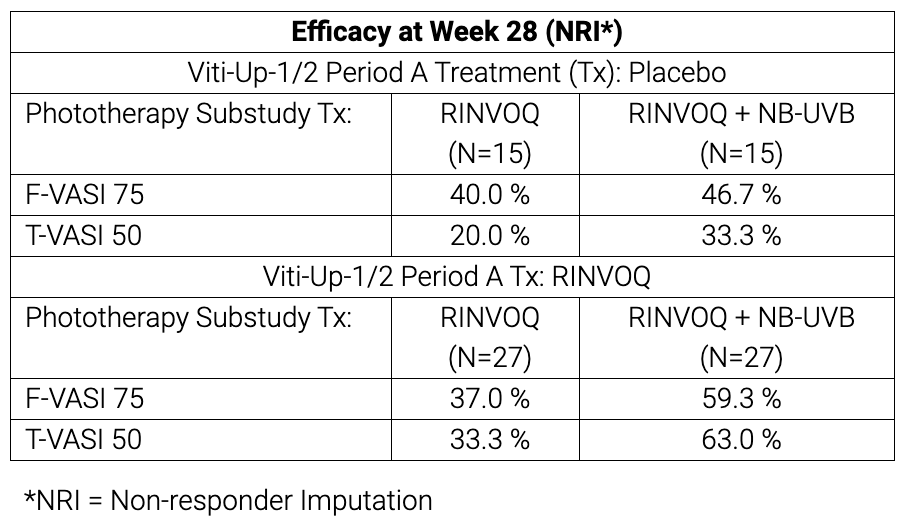
Rinvoq’s sNDA for non-segmental vitiligo remains under active review by the FDA, with a regulatory decision anticipated based on the pivotal 48-week and long-term Viti-Up data. Following its approval in the European Union, AbbVie plans to utilize long-term safety and phototherapy combination data to refine clinical administration guidelines and support broader market access for systemic vitiligo management.
Sources: AbbVie press release
Pfizer - Litfulo (JAK3 x TEC inhibitor) / Phase 3 (NSV)
On October 02, 2026, Dr. Iltefat Hamzavi presented Phase 3 data from the pivotal TRANQUILLO and TRANQUILLO 2 trials evaluating Pfizer’s Litfulo (ritlecitinib) in patients with non-segmental vitiligo (NSV). Building on Litfulo’s established approval in severe alopecia areata, the 52-week Phase 3 readouts demonstrated that daily oral administration drives statistically significant, progressive facial and total-body repigmentation, positioning Litfulo as a potentially promising systemic candidate for NSV (note that Litfulo is not currently approved for NSV).
In two pivotal Phase 3 trials (TRANQUILLO and TRANQUILLO 2) evaluating 2,174 patients with active or stable non-segmental vitiligo, daily oral ritlecitinib demonstrated statistically significant, dose-dependent facial and total-body repigmentation over 52 weeks with a well-tolerated safety profile. At Week 52, the 100 mg daily dose in TRANQUILLO 2 achieved 21.86% F-VASI75 (vs. 2.40% placebo; p<0.0001) and 13.02% T-VASI50 (vs. 2.40% placebo; p<0.0001), while the 50 mg daily dose in TRANQUILLO achieved 12.47% F-VASI75 (vs. 2.48% placebo; p<0.001) and 8.98% T-VASI50 (vs. 1.98% placebo; p<0.001), with efficacy separating from placebo by Week 24 and continuing to deepen through Week 52 alongside significant improvements on the Vitiligo Noticeability Scale. Treatment was well tolerated, with adverse event rates comparable to placebo (TRANQUILLO 2: 67.7% vs. 62.0%; TRANQUILLO: 81.0% vs. 77.1%) mostly consisting of upper respiratory infections, nasopharyngitis, and headache, and low, balanced serious adverse event rates (≤3.4%).
Pfizer plans to submit data from the TRANQUILLO program to the FDA, European Medicines Agency (EMA), and other global regulatory agencies to support label expansion for Litfulo in non-segmental vitiligo. Participants from both parent trials are continuing into an ongoing open-label extension study to evaluate the durability of repigmentation, optimal dose maintenance, and safety over multi-year treatment periods.
Sources: Pfizer press release
Plaque Psoriasis
Plaque psoriasis is a chronic, immune-mediated inflammatory skin disease initiated by environmental, mechanical, or genetic triggers that cause stressed keratinocytes to release antimicrobial peptides (such as LL-37) and extracellular DNA, forming complexes that activate plasmacytoid dendritic cells. These activated antigen-presenting cells secrete interleukin-12 (IL-12) and interleukin-23 (IL-23), driving the differentiation and expansion of pathogenic T helper 17 (Th17) lymphocytes that infiltrate the dermis and epidermis to produce high levels of interleukin-17A (IL-17A), interleukin-17F (IL-17F), interleukin-22 (IL-22), and tumor necrosis factor-alpha (TNF-alpha). This localized IL-23/IL-17 inflammatory cascade triggers rapid epidermal hyperproliferation (shortening keratinocyte cell turnover from ~28 days to 3-5 days), altered epidermal differentiation, and neutrophilic/lymphocytic recruitment, resulting in hyperkeratotic, erythematous plaques covered with silvery-white scales. Standard of care is stratified by disease severity and anatomical involvement: mild-to-moderate disease is managed topically with high-potency corticosteroids, vitamin D3 analogues (calcipotriene), fixed-dose combination agents, or topical non-steroidal small molecules (tazarotene, the PDE4 inhibitor roflumilast, or the AhR agonist tapinarof); moderate-to-severe disease requiring systemic intervention utilizes narrow-band ultraviolet B (NB-UVB) phototherapy, oral small molecules (deucravacitinib [TYK2 inhibitor], apremilast [PDE4 inhibitor], or methotrexate), or targeted biologics, primarily monoclonal antibodies directed against IL-17 (secukinumab, ixekizumab, bimekizumab), IL-23 p19 (risankizumab, guselkumab, tildrakizumab), or TNF-alpha (adalimumab, infliximab).
J&J - Icotyde (anti-IL23 mAb) / Phase 3 (psoriasis)
On October 2, 2026, Dr. Richard Warren presented two-year (112-week) long-term follow-up results from the Phase 3 ICONIC-TOTAL trial evaluating Johnson & Johnson’s Icotyde (icotrokinra; JNJ-2113). While biological therapies targeting the interleukin-23 (IL-23) pathway are established gold standards for moderate-to-severe plaque psoriasis, their reliance on frequent subcutaneous or intravenous injections presents an ongoing delivery burden. As a first-in-class targeted oral peptide, Icotyde combines the convenience of a daily pill with the therapeutic power and specificity of an injectable biologic. The two-year data readout demonstrated that daily oral Icotyde provides progressive, durable overall skin clearance and complete resolution of difficult-to-treat, high-impact anatomical sites, including the scalp, genitalia, hands, feet, and nails.
In the Phase 3 ICONIC-TOTAL trial evaluating 311 adults and adolescents with moderate-to-severe plaque psoriasis affecting high-impact, difficult-to-treat body sites, icotrokinra demonstrated progressive, durable disease clearance and complete resolution of refractory localized lesions over two years. The proportion of patients achieving overall clear or almost clear skin (IGA 0/1) rose steadily from 57% at Week 16 to 67% at Week 24, reaching 70% at Week 112, accompanied by high rates of complete site-specific clearance including 89% complete genital clearance (sPGA-G 0), 63% complete palmoplantar clearance (hf-PGA 0), 60% complete scalp clearance (ss-IGA 0), and a 71% mean reduction in nail psoriasis severity (mNAPSI). Daily oral administration was well tolerated through 112 weeks with no new safety signals, organ toxicities, or opportunistic infections over two years of continuous exposure, affirming Icotyde’s potential as a powerful, biologic-level oral systemic therapy.
Following its approval in 2026 by the FDA and European Commission, Johnson & Johnson is integrating these 2-year ICONIC-TOTAL findings into global practice guidelines to establish Icotyde as a preferred first-line oral systemic therapy for plaque psoriasis. J&J is actively advancing Icotyde across an extensive Phase 3 development pipeline in additional IL-23-mediated inflammatory conditions, including psoriatic arthritis (PsA), ulcerative colitis (UC), and Crohn’s disease.
Sources: J&J press release
Takeda - Zasocitinib (TYK2 inhibitor) / Phase 3 (psoriasis)
On October 2, 2026, Dr. Linda Stein Gold presented late-breaking results from the Phase 3 LATITUDE Atlas study alongside 52-week extension data from the pivotal LATITUDE PsO 3001 and 3002 trials evaluating Takeda’s zasocitinib, an oral, highly potent, and highly selective allosteric inhibitor of tyrosine kinase 2 (TYK2). Oral therapies for moderate-to-severe plaque psoriasis have historically lagged behind injectable biologics in driving complete skin clearance. The head-to-head LATITUDE Atlas trial directly pitted once-daily zasocitinib against Bristol Myers Squibb’s Sotyktu (deucravacitinib), the current first-generation TYK2 standard, demonstrating superior, biologic-like efficacy for complete skin clearance, while long-term data confirmed robust response durability through one year of continuous therapy.
In the Phase 3 head-to-head LATITUDE Atlas trial evaluating 606 adults with moderate-to-severe plaque psoriasis, Takeda’s once-daily oral allosteric TYK2 inhibitor zasocitinib (30 mg) demonstrated superior, biologic-level efficacy compared to deucravacitinib (6 mg) at Week 16, paired with robust long-term durability and a favorable safety profile. Zasocitinib nearly doubled the rate of complete skin clearance over deucravacitinib, achieving 62.5% PASI-100 (vs. 34.0%; P<0.001) and 43.2% sPGA 0 (vs. 18.5%; P<0.001), with significant separation emerging by Week 8; long-term maintenance extensions (LATITUDE PsO 3001 and 3002) confirmed that 93% of Week 24 PASI-100 responders maintained complete clearance through Week 52 and Week 40, respectively. Treatment was well tolerated across all studies with adverse event rates comparable between active arms, low serious adverse event rates, and no pan-JAK-related safety signals, establishing zasocitinib as a best-in-class oral systemic option for complete skin clearance.
Zasocitinib is currently under active NDA and Marketing Authorization Application (MAA) review by the FDA and European Medicines Agency (EMA), with regulatory decisions expected based on the comprehensive Phase 3 LATITUDE program. Takeda is actively advancing zasocitinib across additional systemic inflammatory indications, including ongoing Phase 3 programs in psoriatic arthritis (PsA), non-segmental vitiligo, ulcerative colitis, and Crohn’s disease.
Sources: Takeda press release
Hidradenitis suppurativa (HS)
Hidradenitis suppurativa (HS) is a chronic, debilitating inflammatory skin condition initiated by follicular occlusion, hyperkeratosis, and subsequent rupture of hair follicles in apocrine-gland-rich intertriginous areas (such as the axillae and groin). Follicular rupture releases keratin and bacteria into the dermis, triggering a cascade of inflammatory cytokines (notably TNF-α, IL-1-beta, IL-17, and TL1A), recurrent abscess formation, and chronic neutrophil infiltration that ultimately leads to irreversible sinus tract formation and severe dermal fibrosis. Standard of care relies on a multimodal approach tailored to Hurley stage severity: mild disease is managed with topical clindamycin, lifestyle modifications (weight management, smoking cessation), and warm compresses; moderate-to-severe disease utilizes systemic oral antibiotics (such as doxycycline or combination rifampin-clindamycin) for acute control, alongside FDA-approved biologic therapies targeting TNF-α (adalimumab) or IL-17 (secukinumab, bimekizumab) to suppress chronic inflammation, frequently integrated with surgical interventions (debridement, excision, or laser ablation) to clear un-healing sinus tracts and extensive scarring.
Merck - Tulisokibart (TL1A inhibitor) / Phase 2 (HS)
On September 30, 2026, Dr. Alexa Kimball presented positive Phase 2b data in hidradenitis suppurativa (HS) for Merck’s investigational anti-TL1A monoclonal antibody, tulisokibart (MK-7240). Acquired through Merck’s $10.8 billion buyout of Prometheus Biosciences, tulisokibart’s presentation marks the first positive Phase 2 clinical readout for a tumor necrosis factor-like cytokine 1A (TL1A) inhibitor in dermatology.
In the Phase 2b trial evaluating adult patients with moderate-to-severe hidradenitis suppurativa, Merck’s anti-TL1A antibody tulisokibart demonstrated high-level clinical response and a placebo-like safety profile across 16 weeks. High-dose (480 mg Q2W) and medium-dose (480 mg Q4W) regimens achieved statistically significant HiSCR50 response rates of 72% (a 37% delta over placebo) and 64% (29% delta), alongside robust HiSCR75 response rates of 41% and 40% (vs. 15% placebo) and clinically meaningful improvements in quality of life (DLQI). Adverse event rates were comparable to placebo (42.9-52.4% versus 40.9%), with low serious adverse event incidence (2.4-4.8%) and no opportunistic infections reported. By simultaneously dampening acute inflammation and interrupting tissue fibrosis, these competitive mid-stage efficacy rates position tulisokibart as a potentially promising novel therapy capable of addressing both active disease flares and long-term structural progression in HS.
Merck confirmed that these Phase 2b dose-ranging results will directly inform the dosing regimen and design for upcoming pivotal Phase 3 studies in moderate-to-severe HS. ulisokibart continues active Phase 2 and Phase 3 development across other immune-mediated inflammatory indications, including Ulcerative Colitis (UC), Crohn’s Disease (CD), Rheumatoid Arthritis (RA), Psoriatic Arthritis (PsA), and Radiographic Axial Spondyloarthritis (r-axSpA).
Sources: Merck press release
Alopecia Areata
Alopecia areata (AA) is an autoimmune organ-specific disorder characterized by the collapse of hair follicle immune privilege, where aberrant upregulation of major histocompatibility complex (MHC) class I and II molecules on hair follicle epithelium triggers autoantigen presentation to cytotoxic CD8+ T lymphocytes (specifically NKG2D+ CD8+ T cells). These autoreactive T cells infiltrate the peribulbar region (”swarm of bees” pattern) and secrete interferon-gamma (IFN-gamma) and interleukin-15 (IL-15), which signal through the JAK1/JAK2 and JAK1/JAK3 pathways in keratinocytes to drive local apoptosis, dystrophy of the hair follicle bulb, and sudden, non-scarring hair loss. Standard of care is stratified by the extent of scalp involvement: mild, patchy disease (≤ 50% scalp loss) is managed with high-potency topical or intralesional corticosteroids (triamcinolone acetonide) alongside topical minoxidil or topical immunotherapy (diphenylcyclopropenone [DPCP]), whereas severe or widespread patchy AA, alopecia totalis, and alopecia universalis (>50% scalp involvement) are treated with oral systemic Janus kinase (JAK) inhibitors, specifically baricitinib (JAK1/2 inhibitor) or ritlecitinib (JAK3/TEC inhibitor), to suppress intrabulbar immune activation and induce long-term hair regrowth, with short courses of systemic corticosteroids or pulse immunosuppressive therapy reserved for rapidly progressive disease.
Nektar - Rezpeg (IL-2 agonist) / Phase 2b, REZOLVE-AA trial (alopecia areata)
On October 1, 2026, Dr. David Rosmarin presented 52-week results and off-treatment durability data from the Phase 2b REZOLVE-AA trial evaluating Nektar Therapeutics’ rezpegaldesleukin (rezpeg; NKTR-358) in severe-to-very-severe alopecia areata (AA). Current standard-of-care systemic oral JAK inhibitors (such as baricitinib and ritlecitinib) require continuous dosing to prevent rapid disease relapse. Nektar presented 52-week extension data framing rezpeg as a novel Treg-enhancing biologic capable of driving progressive hair regrowth and sustained off-treatment durability. However, analysts and clinicians noted that the 52-week “deepening durability” response rates were measured within an enriched subgroup, excluding patients with major eligibility violations before Week 36 and non-responders who discontinued early, raising questions regarding patient selection bias and broader intent-to-treat applicability.
In the Phase 2b REZOLVE-AA trial evaluating 92 adults with severe-to-very-severe alopecia areata (mean baseline SALT score of about 77-78), subcutaneous rezpegaldesleukin demonstrated progressive hair regrowth and sustained off-treatment durability in an enriched treatment extension cohort, accompanied by a clean safety profile. Among patients continuing treatment between Weeks 36 and 52, 29% receiving the 18 μg/kg dose and 31% receiving the 24 μg/kg dose achieved a new SALT ≤20 score (≥80% scalp hair coverage) compared to 0% for placebo, with overall SALT-50 response rates reaching 37.7% and 38.8% at Week 52 (vs. 13.6% placebo; p<0.05). In a follow-up of Week 52 responders after treatment withdrawal, 75% (6 of 8) maintained SALT ≤20 at 4 months off-treatment and 63% (5 of 8) maintained it at 6 months, while near-complete hair regrowth (SALT ≤10) rose from 7% at Week 52 to 19% at 6 months post-treatment. Therapy was well tolerated with mostly mild-to-moderate injection-site reactions, transient eosinophilia, and mild pyrexia, without systemic immunosuppressive signals.
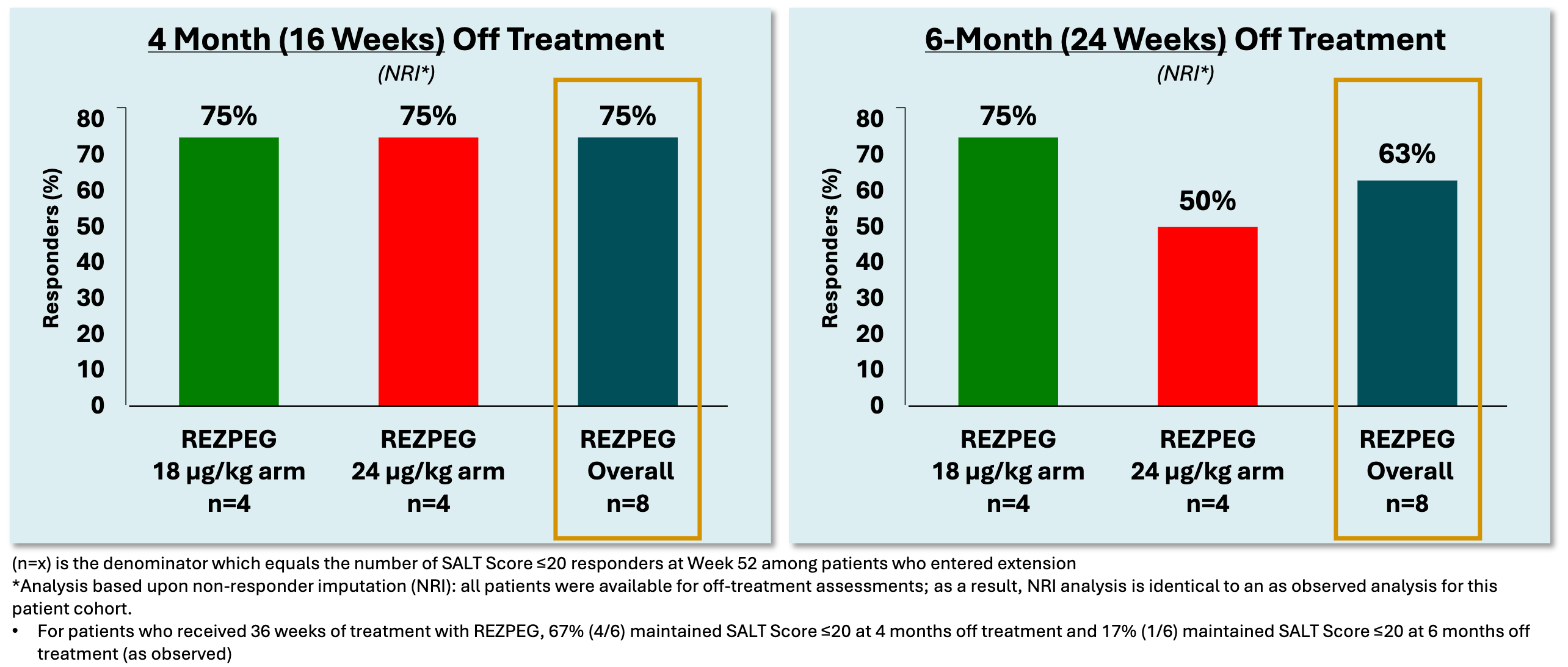
Nektar plans to initiate the global Phase 3 ZENITH-AA trial in early 2027. The study will enroll 850 patients with severe-to-very-severe alopecia areata to evaluate 52-week SALT ≤20 response rates as the primary regulatory endpoint. Nektar is simultaneously advancing rezpeg in Phase 3 trials for moderate-to-severe atopic dermatitis (REZOLVE-AD), aiming to establish Treg-mediated biologics as safe, durable alternatives across inflammatory skin disorders.
Sources: Nektar press release, Nektar EADV 2026 slide deck
Love biotech? Check out Biotech Readout’s full content library, or navigate directly to a segment that interests you:
Frontiers in Medicine: Exploring the frontiers of our understanding and treatments for disease.
Medical History: Recovering forgotten relics in the history of medicine.
Acquisitions: Exploring the innovation behind acquired companies.
Weekly Readout: A digest of new clinical data from the past week.

To contact us, please send us an email at biotechreadout@gmail.com
Disclaimers
Investigational Status Disclaimer
The therapeutic candidates discussed in this newsletter are currently in clinical development and have not been approved for commercial sale by the U.S. Food and Drug Administration (FDA), the European Medicines Agency (EMA), or other global regulatory authorities. Their safety and efficacy have not been established. References to pipeline products and ongoing clinical trials involve significant risks and uncertainties. Statements regarding the potential safety, potency, or efficacy of investigational drugs reflect current hypotheses and are not a guarantee of future performance or regulatory clearance. The outcome of clinical trials is inherently unpredictable, and clinical results from earlier stages may not be predictive of results in later, larger-scale trials.
No Medical Advice Disclaimer
This newsletter is for informational and educational purposes only. The content is not intended to be a substitute for professional medical advice, diagnosis, or treatment. Always seek the advice of your physician or another qualified health provider with any questions you may have regarding a medical condition. Never disregard professional medical advice or delay in seeking it because of something you have read in this publication.
No Patient-Provider Relationship Disclaimer
The information provided in this newsletter is for educational and analytical purposes only. Receipt of this information, or any interaction with this content, does not create a physician-patient, pharmacist-patient, or any other professional-provider relationship between you and the authors or publishers. This newsletter should not be used as a substitute for a personal consultation with a qualified healthcare professional.
Forward-Looking Statements Disclaimer
This newsletter contains “forward-looking statements” regarding future events, including clinical trial timing, regulatory milestones, and projected market performance. These statements are based on current expectations and assumptions that are subject to significant risks and uncertainties. Actual results may differ materially from those expressed or implied. We undertake no obligation to update these statements as a result of new information or future developments.
Third-Party Links & Content Disclaimer
This newsletter contains links to third-party websites, including clinical trial registries and corporate presentations. Biotech Readout does not endorse, guarantee, or assume responsibility for the accuracy or reliability of any information offered by third-party providers.
Errors and Omissions Disclaimer
While we strive for technical accuracy, the information in this newsletter is provided on an “as is” basis with no guarantees of completeness, accuracy, or timeliness. Biotech Readout assumes no liability for any errors or omissions in the content of this publication.
Non-Endorsement Disclaimer
Any reference to specific commercial products, processes, or services by trade name, trademark, or manufacturer does not constitute or imply an endorsement or recommendation by the author. All trademarks are the property of their respective owners.
No Investment Advice Disclaimer
This newsletter is for informational purposes only and does not constitute financial, investment, or legal advice. The author is not a registered investment advisor. You should consult with a professional financial advisor before making any investment decisions. The biotechnology sector is highly volatile; past performance is not indicative of future results.
Conflict of Interest Disclaimer
The author of this newsletter maintains a position of independence. At the time of publication, the author holds no direct financial interest, equity, or options in any of the companies mentioned in this report. No compensation has been received from any third party to feature or analyze specific therapeutic candidates or corporate entities.