

Disclaimer: This newsletter is for educational and informational purposes only and does not constitute medical, investment, or financial advice, nor does it establish a provider-patient relationship. Content may include forward-looking statements and discussions of investigational therapeutic candidates that are not FDA/EMA approved; their safety and efficacy remain unestablished and clinical outcomes are unpredictable. While we strive for accuracy, all information is provided as is without guarantees. As of the date of publication, the author holds no direct equity positions in the specific companies mentioned in this issue nor receives third-party compensation for this coverage. Please find a complete version of our disclaimers at the bottom of the article and linked here.

Press ⬇️ to go down to a section and ⬆️ to go back up to the Table of Contents
Table of Contents
This week, we discuss:
China Biotech
Approvals
Clinical Trial Data
Arrowhead - ARO-MAPT (MAPT RNAi) / Phase 1/2a (Alzheimer’s) ⬇️
Verastem - VS-7375 (KRAS G12D inhibitor) / Phase 2 (KRAS G12D+ solid tumors) ⬇️
Mirum - Livmarli (iBAT inhibitor) / Phase 3 (BA) ⬇️
First Tracks - ANB033 (anti-CD122 mAb) / Phase 1b (celiac) ⬇️
BMS - RYZ101 (SSTR2 radiopharm) / Phase 3 (GEP-NETs) ⬇️
BMS - Admilparant (LPA1 inhibitor) / Phase 3 (IPF) ⬇️
Beam - BEAM-301 (adenine base editor) / Phase 1/2 (GSDIa) ⬇️
China Biotech
Wondering why we discuss China Biotech every week? Tap here to learn more.
Financing Activity for China versus Rest of World
for the week ending October 16, 2026

China Bans Export of Platform Technologies in Biotech
On October 10, 2026, the Chinese Ministry of Commerce has proposed updates to its export control list to restrict or prohibit the export of specific domestic biotech platform technologies, including cell and gene therapies, siRNA medicines, target discovery and validation technologies, and pathogen microorganism technology. While technology ownership cannot be transferred and exports require immediate registration during the proposal phase, Chinese companies can still out-license drugs, use platforms for outsourced R&D, and provide manufacturing services. This protects the lucrative licensing pipelines many Western pharmas rely on. The rules are a proposed update to a 2001 export restriction list and are open for public comment until November 15, 2026.
This development highlights a rapidly escalating, multi-front geopolitical tug-of-war for dominance in the global biotechnology sector. For years, China’s biotech sector focused heavily on rapid domestic innovation and integrating into Western pipelines. By implementing these proposed restrictions, Beijing could be signaling that its biotech sector has matured to a point where it wants to tightly control its most valuable scientific crown jewels (like cutting-edge platform technologies) rather than letting critical foundational technology freely leave the country.

Western pharmaceutical companies have increasingly relied on Chinese drugmakers to fill looming patent expirations, striking multi-billion-dollar deals for high-quality assets. However, critics in the US argue that this heavy reliance undermines domestic US biotech infrastructure and allows China to capture a commanding global foothold in next-generation medicine. The US is simultaneously weighing its own barriers. The US Treasury Department has been deliberating outbound investment restrictions that are expected to target the biotech sector. Simultaneously, Congress, the FDA, and national security agencies are increasingly viewing China’s biotech ascendancy as a strategic risk, exemplified by legislative efforts like the BIOSECURE Act.
Sources: China’s Ministry of Commerce
Two Biotech Investors Raise $1.6 Billion in Asia-focused Funds
This week, major life sciences investor OrbiMed raised $3 billion across two funds, which includes over $1 billion dedicated to its sixth Asia-focused fund, alongside $1.9 billion for US and European private equity. Managing partner Carl Gordon highlighted artificial intelligence and China’s emergence as a “biotechnology powerhouse” as primary drivers for the raise. Additionally, Palo Alto-based biotech investment firm TCGX raised $600 million for its maiden Asia-focused fund (Asia Life Sciences Fund I) in about two months, well past its $400 million target. To capture these opportunities firsthand, TCGX is opening physical offices in Shanghai and Hong Kong, led by managing partner Dandan Dong and a seven-person local team.
These massive fundraises underscore a structural shift in how global capital views innovation, signaling an intense competitive dynamic between the US and China. Historically, Western biotech investors could dominate the market without paying attention to ecosystems outside the US or Europe. TCGX founder Chen Yu noted that ignoring China is no longer an option. Without tracking Chinese advancements, US investments risk falling behind and losing their best-in-class status. Many Western firms historically relied on junior scout teams simply looking to source out-licensing deals for US companies. However, elite firms are now establishing boots-on-the-ground presence (such as TCGX in Shanghai/Hong Kong and TCG Labs Soleil) to directly fund and build local innovations from the ground floor.
Recently, China’s government has doubled down on ambitious biopharma goals under its latest five-year plan, aiming to own a major portion of global drug innovation infrastructure (we wrote about that here). As local drug developers mature, TCGX’s Yu points out that they are no longer just looking to out-license to Western firms. Instead, they increasingly weigh whether to develop drugs independently, partner directly with global pharmas via co-development deals, or take assets straight to the global market, intensifying the race for capital and premier scientific assets between the two superpowers.
Sources: Orbimed press release, TCGX press release
Approvals
Roche - Enspryng (anti-IL6 mAb) / Approved (TED)
On October 15, 2026, the FDA approved Roche’s Enspryng (satralizumab) for the treatment of adults with thyroid eye disease (TED), providing patients with the first and only at-home subcutaneous treatment option. TED is an autoimmune disease commonly associated with Graves’ disease that can cause orbital inflammation, bulging eyes (proptosis), double vision (diplopia) and, in severe cases, vision-threatening complications. The availability of a subcutaneous therapy that patients or caregivers can administer at home following appropriate training offers an alternative to infusion-based treatment, with maintenance dosing every four weeks.
The approval was supported by two pivotal Phase 3 trials, SatraGO-1 and SatraGO-2, which enrolled a combined 258 patients across 19 countries. Both trials evaluated Enspryng in adults with moderate-to-severe active TED and chronic TED. SatraGO-2 met its primary endpoint: 52.9% of patients receiving Enspryng achieved a proptosis response, compared with 23.4% receiving placebo, an absolute difference of 29.5 percentage points. Enspryng also improved diplopia, with a response in 60.7% of treated patients versus 25.8% of placebo recipients, an absolute difference of 34.9 percentage points. By contrast, SatraGO-1 did not meet its prespecified primary endpoint: proptosis response rates were approximately 49% with Enspryng versus 31% with placebo, a numerical improvement that was not statistically significant. Nevertheless, the overall program showed improvements across important TED manifestations, including eye bulging and double vision, and SatraGO-2 demonstrated consistent efficacy in the broader population that included patients with chronic disease. Safety findings were favorable, with no new safety signals identified and the observed safety profile consistent with Enspryng’s established use in neuromyelitis optica spectrum disorder (NMOSD).
Sources: Roche press release, updated Enspryng label not currently available
ImmunityBio - Anktiva (IL-15 superagonist) / Approved (bladder cancer)
On October 14, 2026, the FDA granted an expanded approval to ImmunityBio’s Anktiva (nogapendekin alfa inbakicept-pmln) in combination with Bacillus Calmette-Guérin (BCG), to treat adults with BCG-unresponsive non-muscle-invasive bladder cancer (NMIBC), including patients with high-grade papillary-only tumors. The expansion makes Anktiva the first FDA-approved treatment specifically for patients with BCG-unresponsive, high-grade papillary-only disease. Anktiva was previously approved in April 2024 for BCG-unresponsive NMIBC with carcinoma in situ (CIS), with or without papillary tumors. The expanded indication is particularly meaningful because patients with BCG-unresponsive high-grade disease have limited bladder-preserving treatment options, and radical cystectomy (surgical removal of the bladder) may otherwise be considered.
The original approval was supported by Cohort A of the Phase 2/3 QUILT-3.032 trial, a single-arm, multicenter study evaluating intravesical Anktiva plus BCG in 77 patients with BCG-unresponsive, high-risk NMIBC involving CIS, with or without papillary tumors, following transurethral resection. The primary efficacy measure was complete response, defined by the absence of detectable high-grade disease on cystoscopy, urine cytology and biopsy assessments. The complete response rate was 62% (48 of 77 patients). Among the 48 responders, 58% maintained their response for at least 12 months and 40% for at least 24 months, demonstrating that a substantial proportion of patients achieved durable disease control. The most common adverse effects included painful or frequent urination, urinary urgency, blood in the urine and urinary tract infections, generally consistent with the local effects associated with intravesical treatment.
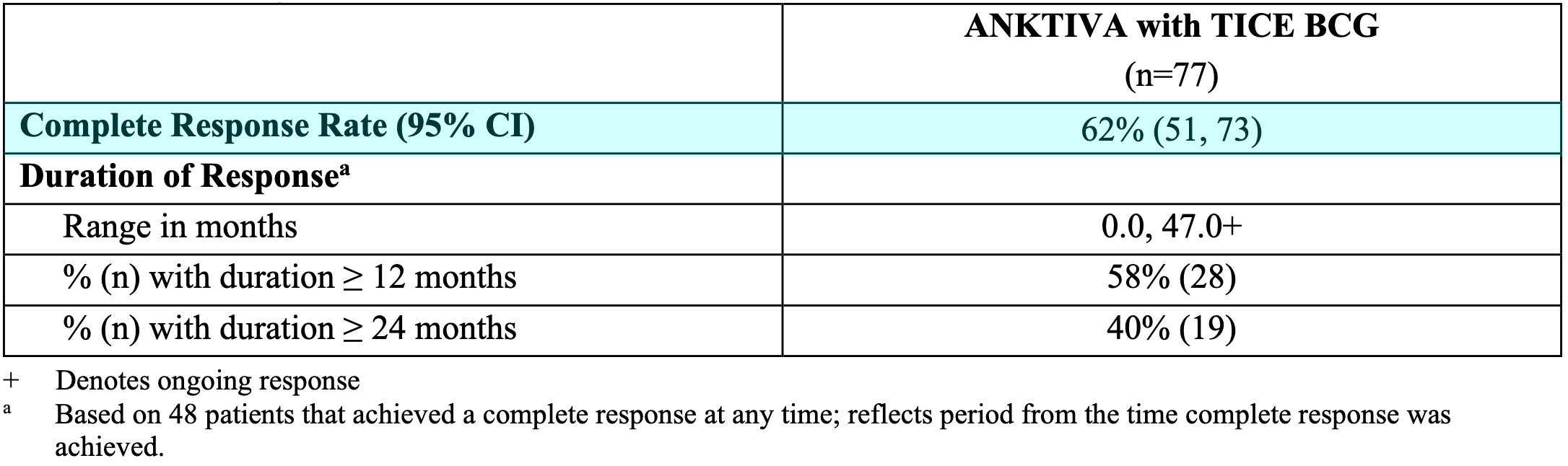
Importantly, the expanded approval was not based on a new clinical trial demonstrating efficacy specifically in papillary-only disease. Instead, the FDA extrapolated the established efficacy of Anktiva in patients with CIS to patients with high-grade papillary-only tumors after reviewing clinical and laboratory evidence indicating important similarities between the two forms of bladder cancer. Both represent aggressive urothelial carcinomas, can coexist or be difficult to distinguish pathologically, and carry substantial risks of recurrence and progression when BCG treatment fails.
Sources: ImmunityBio press release, updated Anktiva label
Asahi Kasei - Hovilpri (helicase-primase inhibitor) / Approved (HSV)
On October 13, 2026, the FDA approved Asahi Kasei’s Hovilpri (pritelivir) for the treatment of mucocutaneous lesions caused by herpes simplex virus (HSV) infection in immunocompromised adults whose disease is refractory, with or without documented resistance, to acyclovir, valacyclovir or famciclovir. Developed by AiCuris Anti-infective Cures, which Asahi Kasei acquired in February 2026 for €780 million ($920 million), Hovilpri represents the first FDA-approved HSV therapy with a novel mechanism of action in nearly 30 years. Unlike conventional nucleoside analog antivirals, pritelivir inhibits the viral helicase-primase complex, disrupting HSV DNA replication through a distinct mechanism. This is particularly important for immunocompromised patients, including transplant recipients and people with cancer or HIV, who can experience persistent, painful infections that do not respond to standard antiviral therapy. Hovilpri is administered orally, offering an alternative to existing rescue treatments that frequently require intravenous administration.
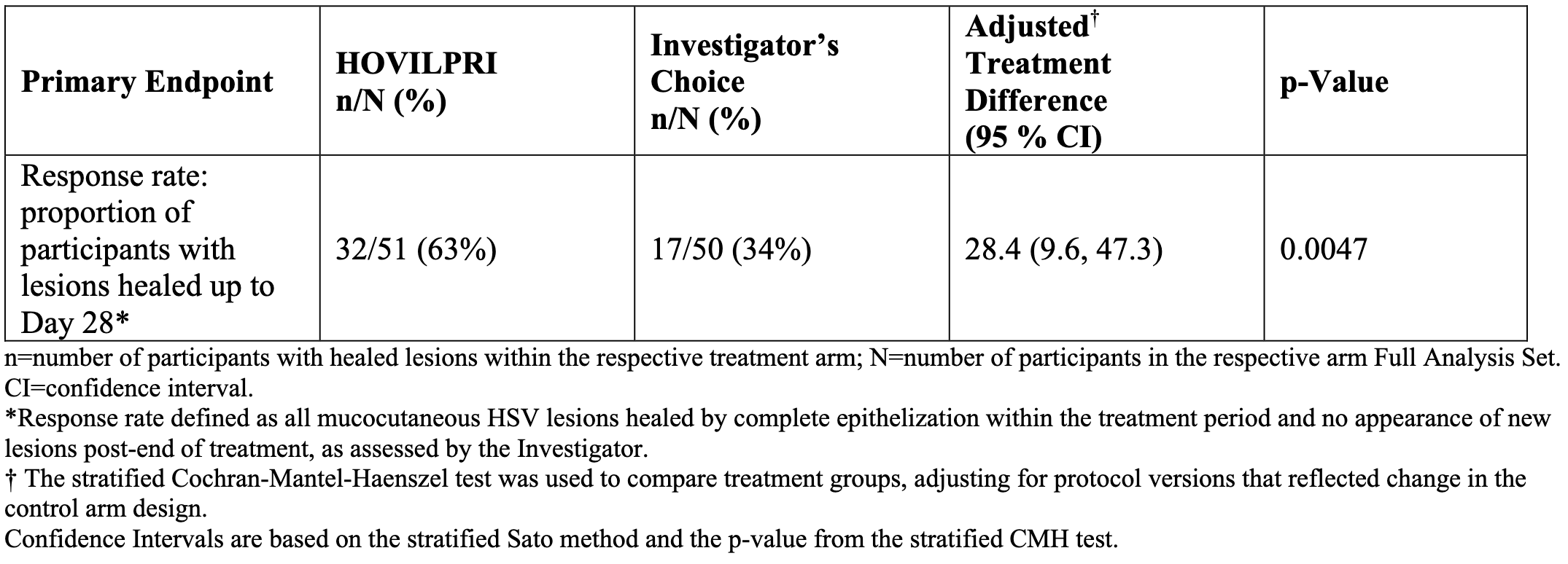
The approval was supported by the pivotal Phase 3 PRIOH-1 trial, Part C, which enrolled 101 immunocompromised adults with refractory or resistant mucocutaneous HSV infection. The trial met its primary endpoint of complete lesion healing by Day 28: 63% of patients receiving Hovilpri achieved complete epithelization, compared with 34% receiving investigator’s-choice treatment (p=0.0047). By Day 42, observed complete-healing rates increased to 82% with Hovilpri versus 42% with investigator’s choice, an adjusted difference of 40 percentage points. These findings demonstrate both a higher probability of complete lesion resolution and a sustained efficacy advantage among patients with particularly difficult-to-treat infections. Hovilpri also demonstrated a favorable tolerability profile relative to the comparator arm. Adverse reactions were reported in 22% of Hovilpri-treated participants versus 54% of those receiving investigator’s choice of therapy, while discontinuations due to adverse drug reactions occurred in 2% versus 20%, respectively. Headache was the most common adverse reaction, occurring in 6% of Hovilpri-treated patients and 4% of comparator-treated patients.
Sources: Asahi Kasei press release, new Hovilpri label
Clinical Trial Data
Arrowhead - ARO-MAPT (MAPT RNAi) / Phase 1/2a (Alzheimer’s)
On October 14, 2026, Arrowhead Pharmaceuticals announced positive interim Phase 1/2a results for ARO-MAPT, demonstrating substantial and durable reductions in cerebrospinal fluid (CSF) tau following subcutaneous administration in healthy volunteers and validating its Targeted RNAi Molecule (TRiM) platform for delivering small interfering RNA (siRNA) across the blood-brain barrier (BBB) following a conventional subcutaneous injection.
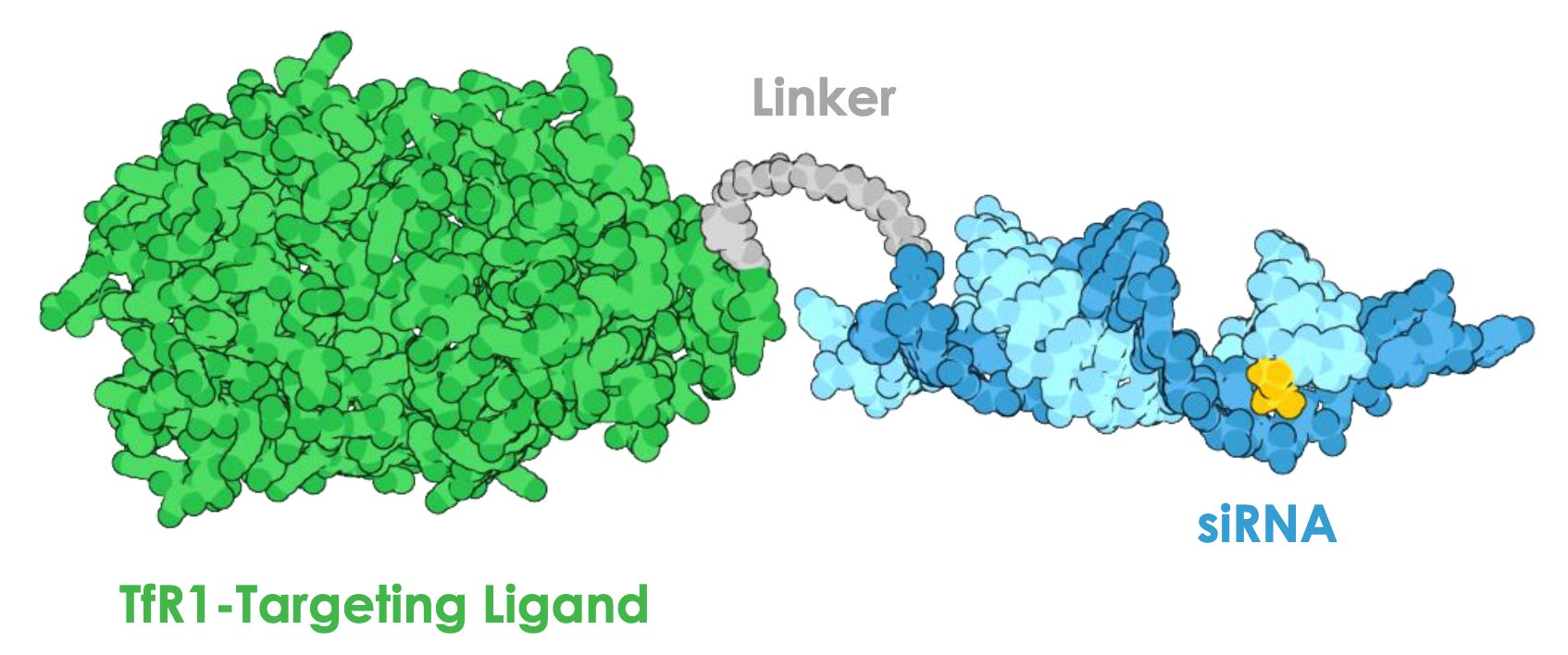
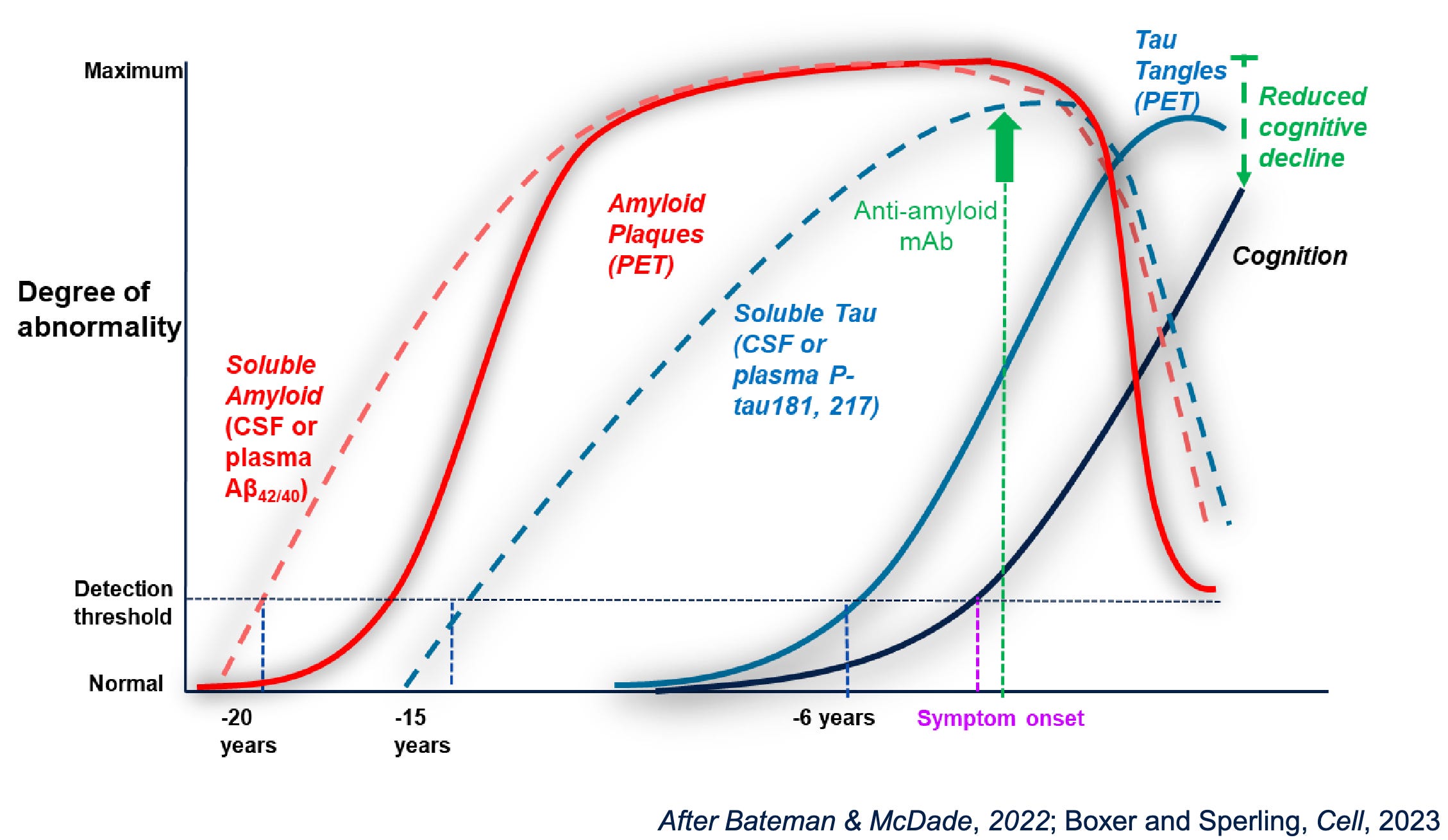
Alzheimer’s disease is a progressive neurodegenerative disorder characterized by amyloid-beta plaques and intracellular tau neurofibrillary tangles, which contribute to neuronal loss, brain atrophy and cognitive decline (see diagram below). Standard of care includes symptomatic treatments such as acetylcholinesterase inhibitors and memantine, as well as anti-amyloid antibodies such as Biogen’s Leqembi (lecanemab) and Eli Lilly’s Kisunla (donanemab), which can modestly slow disease progression in eligible patients with early disease but carry risks including amyloid-related imaging abnormalities (ARIA). ARO-MAPT, Arrowhead’s investigational RNA interference (RNAi) therapy, aims to address tau pathology upstream by using siRNA to degrade MAPT mRNA, reducing production of all six major tau isoforms. Its proprietary TRiM CNS delivery platform targets transferrin receptor 1 (TfR1) to facilitate transport across the blood-brain barrier, enabling subcutaneous administration rather than intrathecal injection. This approach could provide a convenient means of achieving sustained tau reduction, although its ability to slow cognitive decline remains to be established clinically.
The ongoing placebo-controlled, dose-escalation Phase 1/2a AROMAPT-SC-1001 trial plans to enroll approximately 64 healthy volunteers and up to 48 patients with early Alzheimer’s disease, including mild cognitive impairment and mild dementia. In the October 2026 interim readout, ARO-MAPT demonstrated dose-dependent, sustained reductions in cerebrospinal fluid (CSF) total tau at Day 105: approximately 40% with 2.1 mg/kg, 69% with 6.4 mg/kg, and 73% with the highest dose of 12.8 mg/kg, with individual reductions reaching 85%. Notably, the highest-dose regimen required only two subcutaneous injections, and tau reductions remained evident 90 days after the final dose, supporting the potential for infrequent dosing. Safety was encouraging, with no serious treatment-emergent adverse events or treatment-related discontinuations reported in the healthy-volunteer cohorts. Most adverse events were mild, including injection-site reactions, headache and back pain.
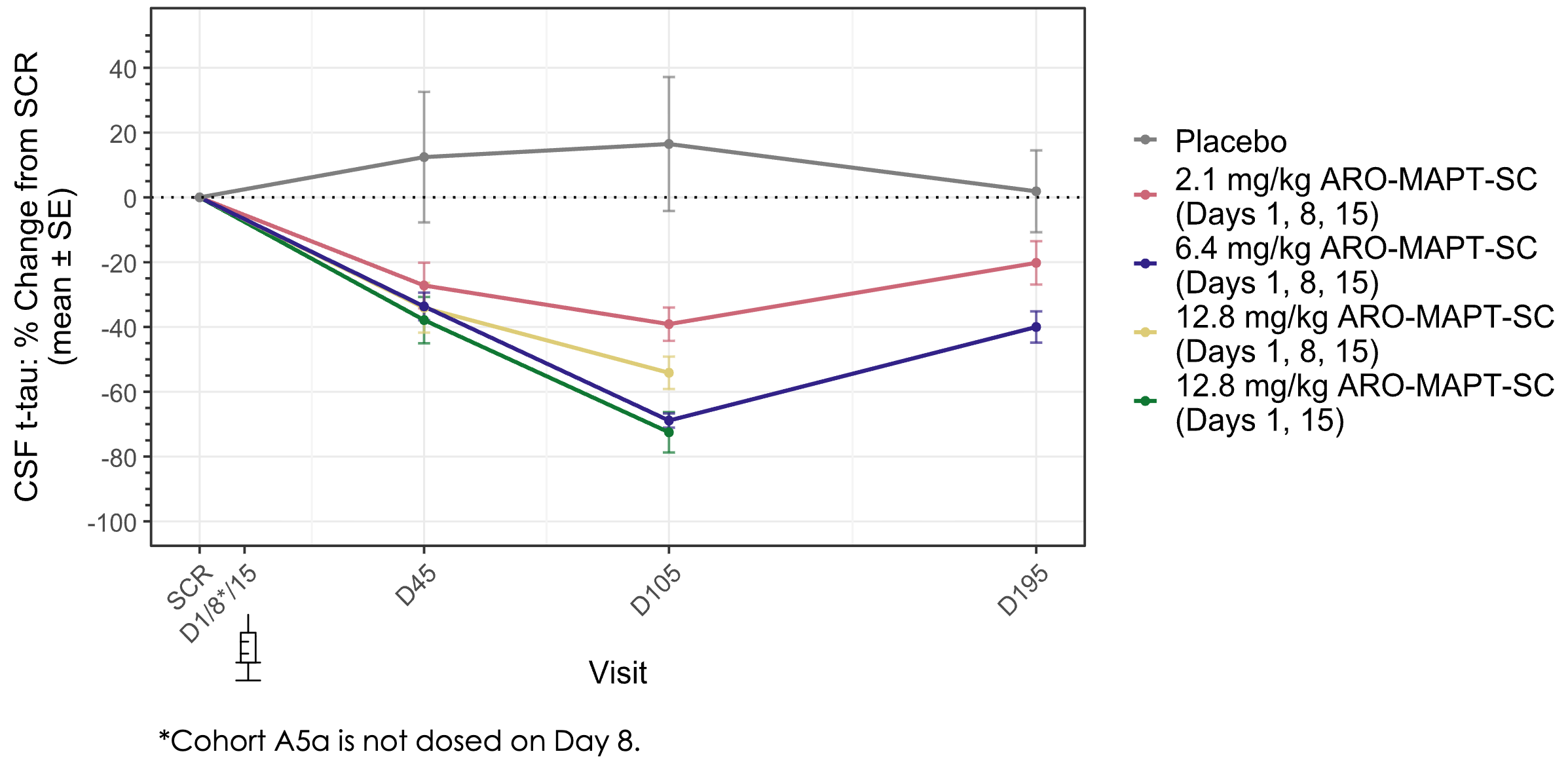
Arrowhead plans to complete dosing in the multiple-ascending-dose healthy-volunteer cohorts and continue enrolling participants with early Alzheimer’s disease, with further clinical updates expected in 2027. In these patients, the company will need to determine whether CSF tau reduction is accompanied by changes in plasma biomarkers, tau PET, MRI measures of brain structure and, ultimately, cognitive and functional outcomes. These data should also help determine the appropriate maintenance dose, dosing interval and extent of sustained tau suppression needed to balance potential efficacy against long-term safety.
Sources: Arrowhead press release, Arrowhead slide deck
Verastem - VS-7375 (KRAS G12D inhibitor) / Phase 2 (KRAS G12D+ solid tumors)
On October 14, 2026, Verastem Oncology reported encouraging clinical data for VS-7375, an investigational oral KRAS G12D inhibitor, highlighting substantial antitumor activity in previously treated pancreatic ductal adenocarcinoma (PDAC), as well as colorectal (CRC) and non-small cell lung cancers (NSCLC).
VS-7375 is a selective, oral small-molecule inhibitor designed to target KRAS G12D in both its active, GTP-bound (ON) state and inactive, GDP-bound (OFF) state. KRAS is a key signaling protein that regulates cell growth and survival. The G12D mutation locks signaling toward persistent activation of downstream pathways, including RAS/MAPK, thereby promoting tumor growth. By inhibiting both the ON and OFF states of mutant KRAS G12D while sparing wild-type KRAS signaling, VS-7375 aims to achieve more sustained pathway suppression than inhibitors that target only one state. This dual-state approach is intended to overcome a potential limitation of earlier inhibitors, in which residual signaling or reactivation of KRAS can contribute to tumor resistance. VS-7375 is being developed across multiple KRAS G12D-driven cancers, with potential applications both as monotherapy and in combination with chemotherapy or other targeted agents.
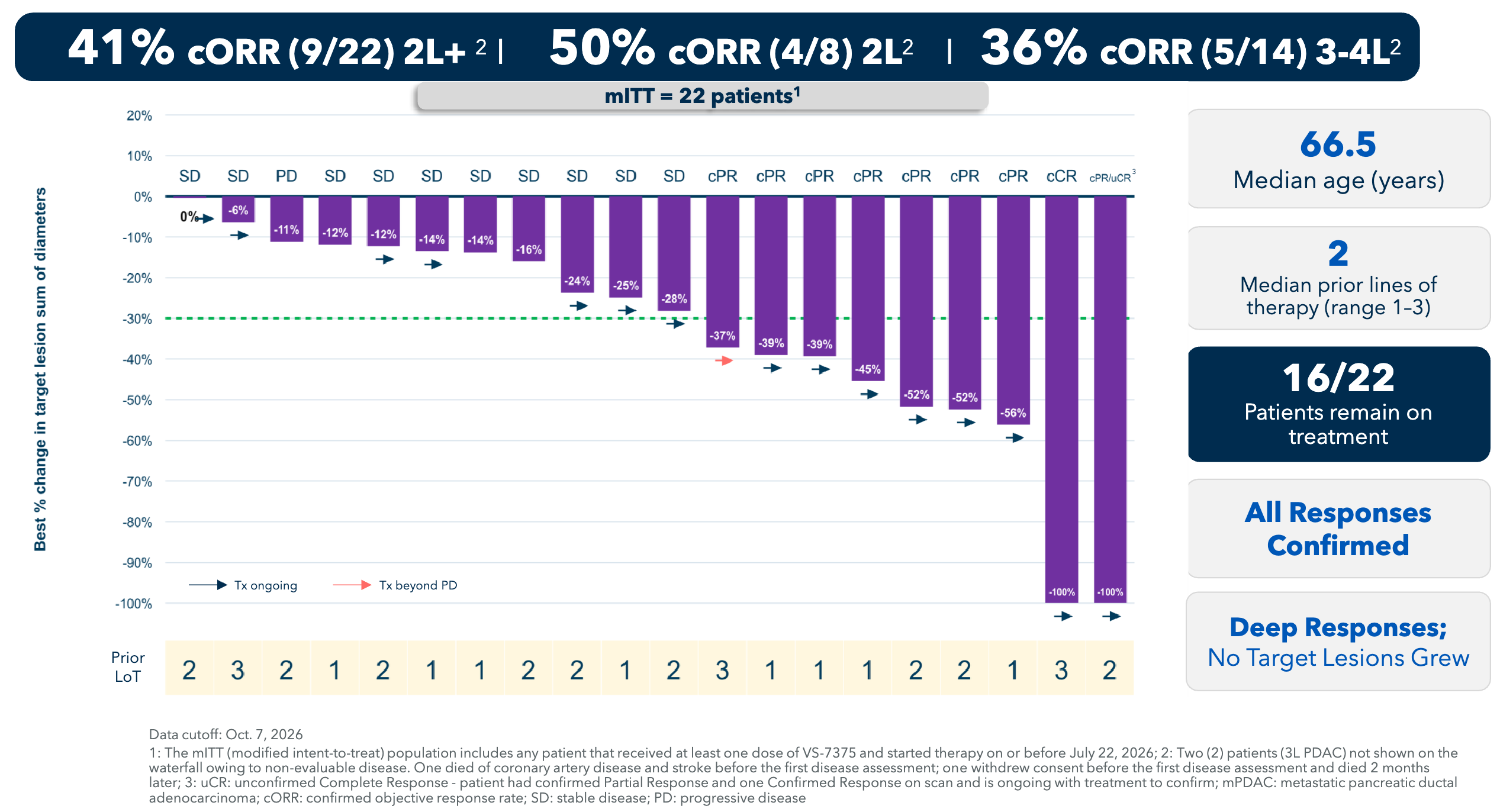
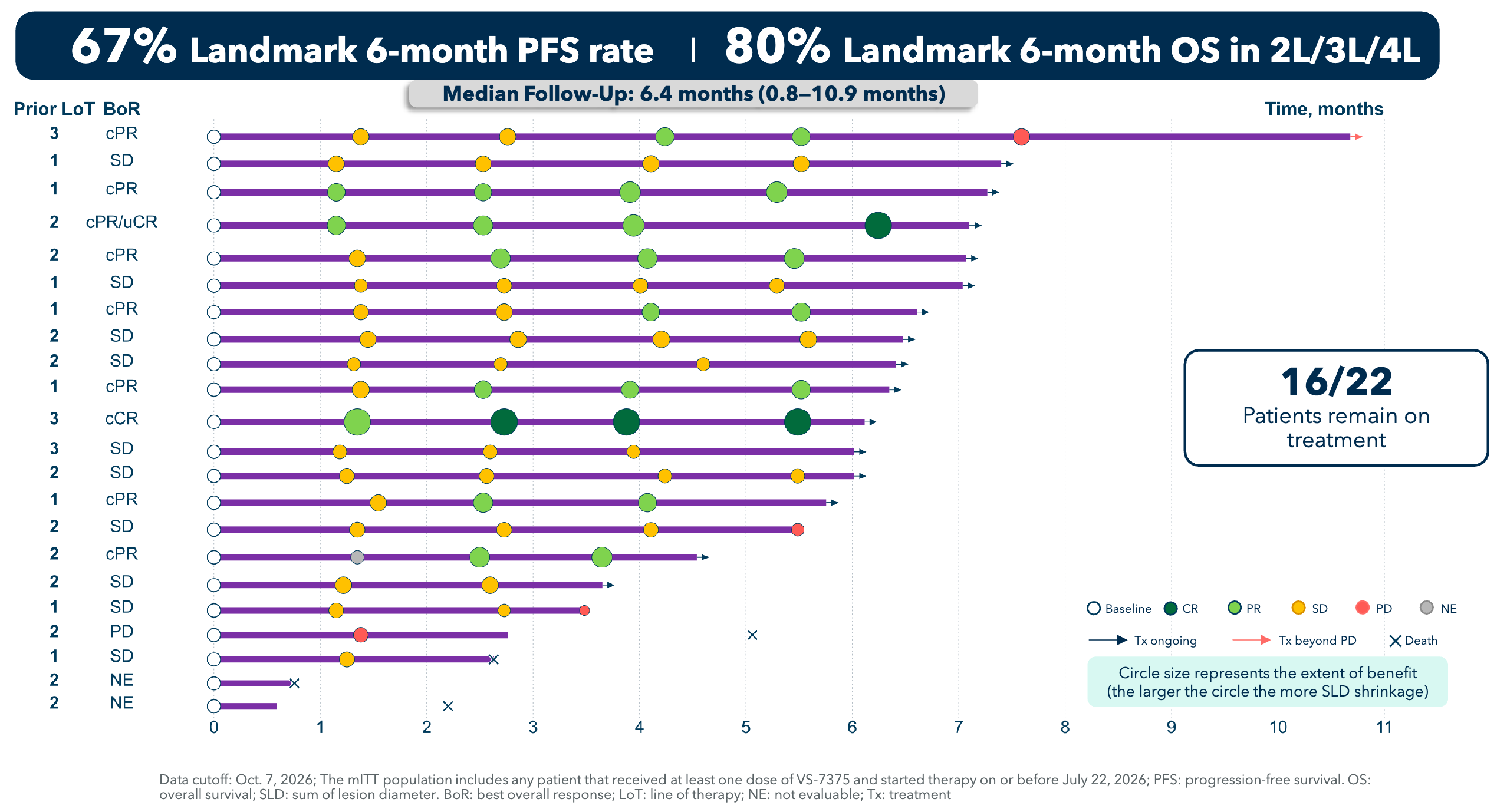
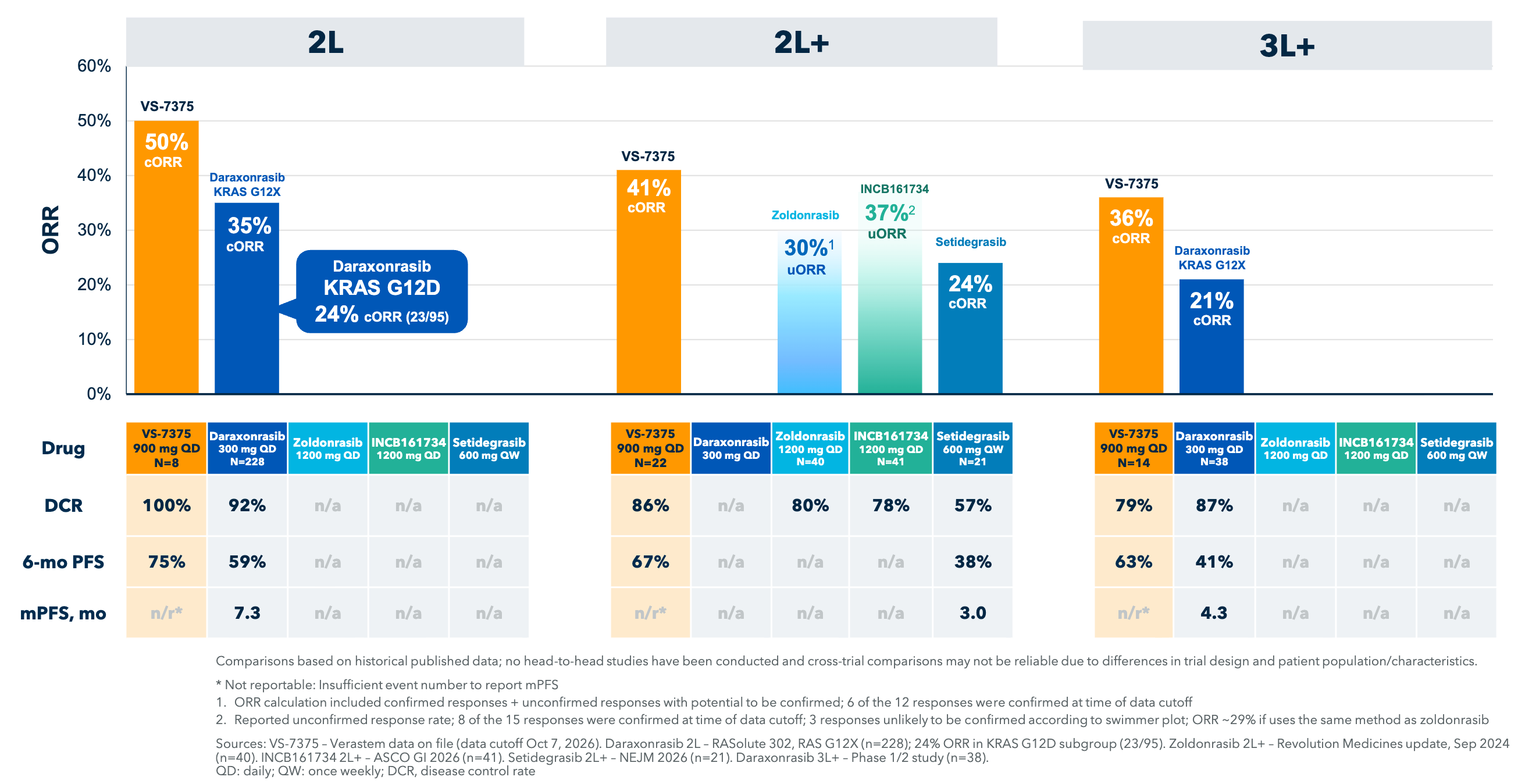
The open-label Phase 1/2 TARGET-D 101 trial enrolled more than 200 patients with KRAS G12D-mutated pancreatic ductal adenocarcinoma (PDAC), colorectal cancer and lung cancer. In the previously treated PDAC cohort receiving VS-7375 900 mg once daily, the confirmed objective response rate (ORR) was 41% (9/22), including 50% (4/8) in second-line patients and 36% (5/14) in third- or fourth-line patients. Two patients achieved complete responses, although only one was confirmed at the data cutoff. The disease control rate was 86%, the six-month landmark progression-free survival and overall survival rates were 67% and 80%, respectively, and 16 of 22 patients remained on treatment. Verastem also presented data in a handful of CRC and NSCLC patients (not shown, see slide deck below). Safety was encouraging, with generally manageable adverse events, primarily nausea, vomiting and diarrhea, which tended to diminish after the first treatment cycle. The adverse-event-related discontinuation rate at the 900 mg dose was 2%, with no evidence of cumulative toxicity reported.
Verastem has reached alignment with the FDA on the design of a three-arm Phase 3 trial in first-line metastatic PDAC, which the company plans to initiate by the end of 2026. The study will compare VS-7375 900 mg once daily plus an anti-EGFR antibody, VS-7375 plus gemcitabine and nab-paclitaxel (GnP), and investigator-selected standard chemotherapy with either GnP or modified FOLFIRINOX. Progression-free survival and objective response rate will serve as co-primary endpoints, with overall survival as a secondary endpoint. Meanwhile, registration-directed Phase 2 studies are progressing in previously treated PDAC, NSCLC and colorectal cancer, with additional combination data expected to clarify the drug’s potential across these settings.
Sources: Verastem press release, Verastem slide deck
Mirum - Livmarli (IBAT inhibitor) / Phase 3 (BA)
On October 12, 2026, Mirum Pharmaceuticals announced positive Phase 3 results for Livmarli (maralixibat), an oral ileal bile acid transporter (IBAT) inhibitor in the EXPAND trial evaluating cholestatic pruritus associated with ultra-rare cholestatic liver diseases, including biliary atresia (BA). Livmarli is already FDA-approved for cholestatic pruritus associated with Alagille syndrome and progressive familial intrahepatic cholestasis (PFIC), so EXPAND represents an effort to broaden an established product into another population with substantial unmet need.
Biliary atresia (BA) is a rare, progressive infantile disease characterized by inflammation, scarring and obstruction of the bile ducts, causing bile accumulation, jaundice, liver fibrosis and potentially liver failure. Standard of care is early Kasai portoenterostomy (a surgical procedure that restores bile flow) to restore bile drainage, alongside nutritional supplementation and management of complications, although many patients ultimately require liver transplantation. Livmarli (maralixibat) is an oral ileal bile acid transporter (IBAT) inhibitor that reduces intestinal reabsorption of bile acids, increasing their fecal excretion and lowering circulating bile acid levels. By reducing enterohepatic bile acid circulation, Livmarli targets a key contributor to cholestatic pruritus, potentially alleviating persistent itching and improving sleep and quality of life, particularly in pediatric patients. However, it treats the symptom and does not correct the underlying bile duct obstruction or halt the progression of BA.
The Phase 3 EXPAND trial enrolled 52 patients with ultra-rare cholestatic liver diseases, including 46 pediatric patients and six adults. Livmarli (maralixibat) significantly improved itching in the primary pediatric analysis, reducing worst-daily itching scores by 1.81 points versus 0.83 points with placebo, a placebo-adjusted improvement of 0.98 points (p=0.0004), and reduced serum bile acids by 70.1% from baseline versus 3.5% with placebo. Results were particularly encouraging in patients with biliary atresia (BA) and a native liver: itching scores improved by 2.16 points with Livmarli versus 1.01 points with placebo (p=0.0002), pruritus improved on 96.4% of treatment days versus 52.2% with placebo (p=0.0045), and serum bile acids decreased by 75.5% versus 9.0%, respectively. Safety was consistent with Livmarli’s established profile, with treatment-emergent adverse events occurring at similar rates with treatment and placebo (96.0% versus 96.3%). Diarrhea was more frequent with Livmarli (64.0% versus 11.1%), while abdominal pain occurred in 20.0% versus 14.8%. One treated patient discontinued due to an adverse event, and no new safety signals were reported.
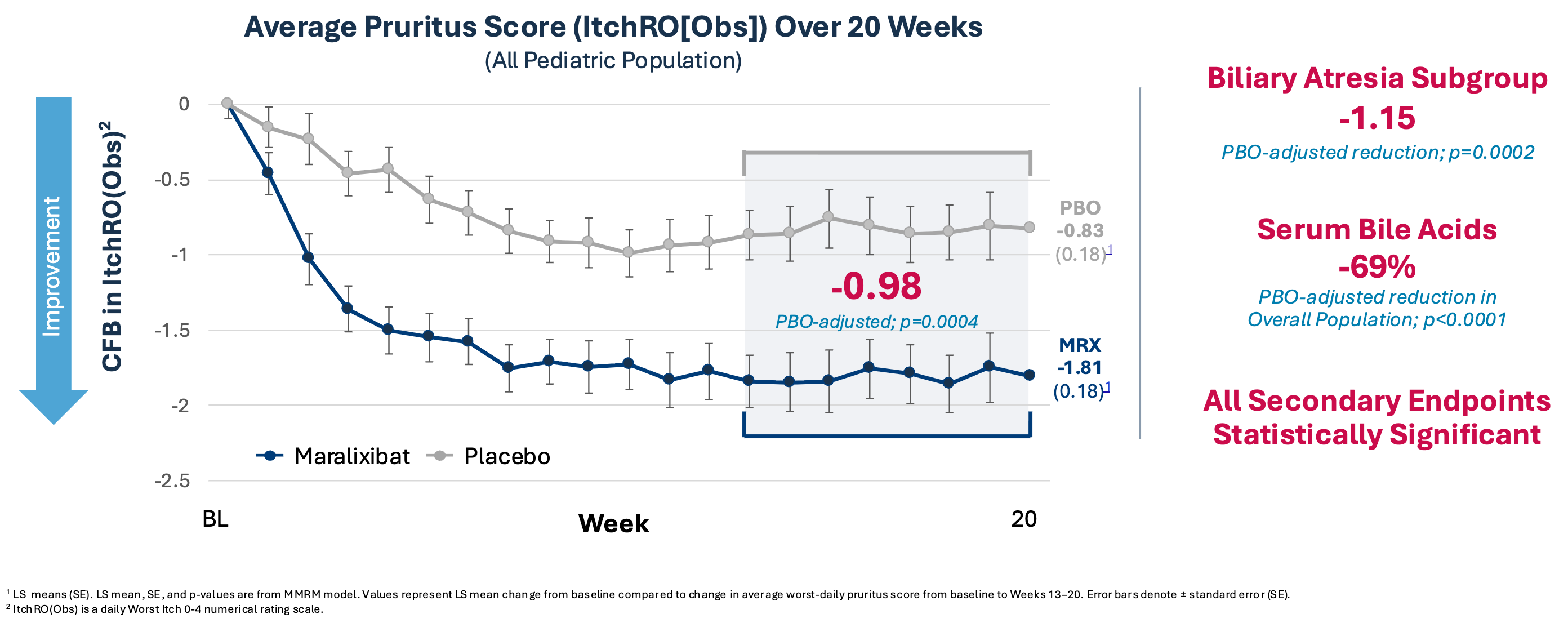
Mirum plans to submit an sNDA to the FDA in the first half of 2027, seeking to expand Livmarli‘s indication to additional rare cholestatic liver diseases, including biliary atresia. The next major milestone will be the regulatory review of the EXPAND dataset and determination of whether the evidence supports label expansion. In the meantime, further clinical experience will help characterize the durability of pruritus relief, long-term tolerability and the drug’s role in broader BA populations.
Sources: Mirum press release, Mirum slide deck
First Tracks - ANB033 (anti-CD122 mAb) / Phase 1b (celiac)
On October 12, 2026, First Tracks Biotherapeutics reported positive Phase 1b results for ANB033, an investigational anti-CD122 monoclonal antibody, demonstrating protection against both gluten-induced intestinal damage and symptoms in patients with celiac disease.
Celiac disease is a chronic autoimmune disorder in which gluten triggers an immune response in genetically predisposed individuals, causing inflammation and damage to the small-intestinal lining, villous atrophy and impaired nutrient absorption. Standard of care is a strict, lifelong gluten-free diet, supported by nutritional monitoring and supplementation as needed. However, inadvertent gluten exposure and persistent intestinal damage remain challenges, and no FDA-approved medication reliably prevents gluten-induced injury. ANB033, an investigational subcutaneous monoclonal antibody, targets CD122, the shared receptor subunit for interleukin-2 (IL-2) and interleukin-15 (IL-15). By blocking these signaling pathways, particularly IL-15-mediated activation of cytotoxic intraepithelial lymphocytes that damage the intestinal lining, ANB033 aims to suppress the pathogenic immune response to gluten, potentially protecting intestinal integrity and reducing symptoms even following accidental gluten exposure.
The randomized, placebo-controlled Phase 1b trial enrolled 32 evaluable patients with celiac disease, with 17 receiving ANB033 and 15 receiving placebo. During a controlled gluten challenge, ANB033 demonstrated significant protection against intestinal damage, with a mean change in the villus height-to-crypt depth (Vh:Cd) ratio of -0.17 versus -0.66 with placebo, a placebo-adjusted difference of +0.49 (p=0.009). Intraepithelial lymphocyte (IEL) density decreased by 1.20 with ANB033 while increasing by 18.83 with placebo, a placebo-adjusted difference of -20.03. Symptom scores were also significantly lower with ANB033 during the first seven days of gluten exposure, with moderate-to-severe symptoms remaining lower through Day 12. Only 6% of treated patients required rescue medication for gastrointestinal symptoms versus 47% receiving placebo. Safety was encouraging, with no serious adverse events, severe adverse events or adverse-event-related discontinuations among ANB033 recipients. Injection-site erythema was more common with treatment, while nausea and abdominal pain occurred more frequently with placebo.
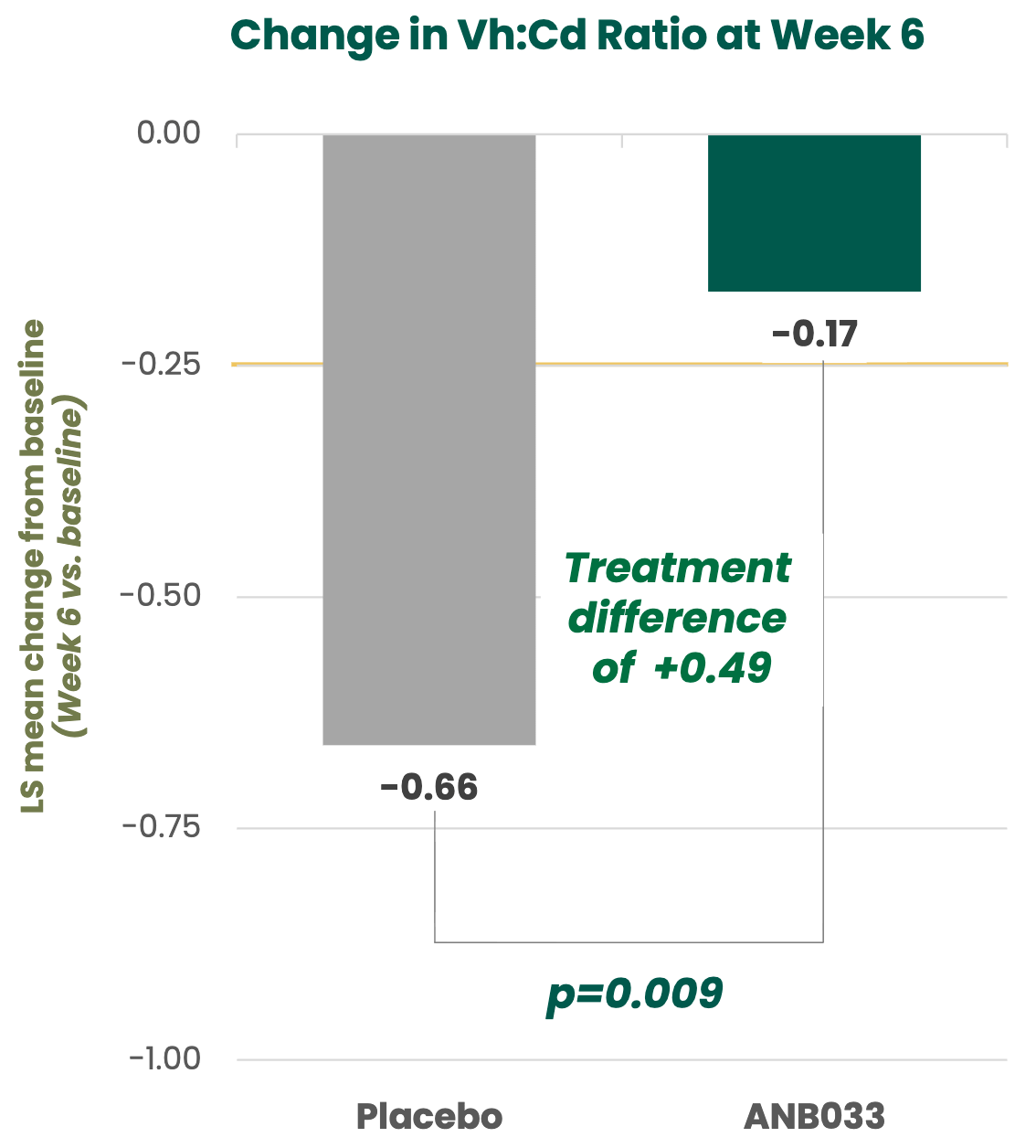
First Tracks has stated that it expects to initiate a late-stage celiac disease trial in 2027, following discussions with regulators. The FDA has already granted ANB033 Fast Track designation. The next near-term catalyst is topline data from Cohort 2 of the ongoing Phase 1b trial, expected in the first quarter of 2027. Unlike Cohort 1, this cohort is evaluating whether ANB033 can promote mucosal healing over 12 weeks in patients with a range of baseline intestinal damage and symptom severity, making it an important test of the drug’s therapeutic potential beyond protection during a controlled gluten challenge. First Tracks is also developing ANB033 in eosinophilic esophagitis, with Phase 1b data expected in the third quarter of 2027, and plans to initiate Phase 2 studies in vitiligo and another indication during the first half of 2027.
Sources: First Tracks press release, First Tracks slide deck
Descriptive data releases without numerical data
BMS - RYZ101 (SSTR2 radiopharm) / Phase 3 (GEP-NETs): On October 12, 2026, Bristol Myers Squibb announced positive topline results from the Phase 3 ACTION-1 trial evaluating RYZ101 (225Ac-DOTATATE) in patients with somatostatin receptor-positive gastroenteropancreatic neuroendocrine tumors (GEP-NETs) whose disease progressed following lutetium-177-based radiopharmaceutical therapy. The study met its primary endpoint, demonstrating a statistically significant and clinically meaningful improvement in progression-free survival compared to investigator-selected standard care (somatostatin analogues, everolimus or sunitinib) based on blinded independent central review, with safety consistent with the drug’s established profile. This is a significant milestone because most patients eventually progress after lutetium-177 therapy and have limited subsequent treatment options. BMS plans to discuss the results with the FDA and next steps toward regulatory submission, while patients continue to be followed for overall survival. Detailed efficacy and safety data are expected at a future medical meeting. Sources: BMS press release
BMS - Admilparant (LPA1 inhibitor) / Phase 3 (IPF): On October 12, 2026, Bristol Myers Squibb announced positive topline results from the Phase III ALOFT-IPF trial evaluating admilparant (BMS-986278), an oral lysophosphatidic acid receptor 1 (LPA1) antagonist, in approximately 1,255 adults with idiopathic pulmonary fibrosis (IPF), a progressive lung disease characterized by irreversible scarring and declining lung function. The 60 mg twice-daily dose met the primary endpoint, demonstrating a statistically significant benefit versus placebo in preserving lung function (forced vital capacity; FVC) at 52 weeks, while the 120 mg dose slowed FVC decline but did not achieve statistical significance. Admilparant was generally well tolerated at both doses, with adverse-event-related discontinuations low and similar to placebo. BMS plans to engage regulators regarding potential submissions and expects topline results from the Phase 3 ALOFT-PPF trial in progressive pulmonary fibrosis (PPF) in early 2027. Sources: BMS press release
Beam - BEAM-301 (adenine base editor) / Phase 1/2 (GSDIa): On October 13, 2026, Beam Therapeutics announced encouraging initial Phase 1/2 results for BEAM-301, an investigational in vivo adenine base-editing therapy for glycogen storage disease type Ia (GSDIa). The therapy uses a liver-targeting lipid nanoparticle (LNP) to deliver base-editing machinery designed to correct the R83C mutation in the G6PC1 gene, potentially restoring glucose-6-phosphatase activity and endogenous glucose production. In the six patients treated to date, both evaluable patients in the 40 mg cohort achieved the protocol-defined maximum controlled fasting duration of at least 15 hours by Day 36, consistent with restored endogenous glucose production. Median time to fasting hypoglycemia in the 20 mg cohort increased from 2.9 hours at baseline to 4.3 hours. Patients also substantially reduced their reliance on prescribed cornstarch supplementation, with reductions of up to 92% in the 40 mg cohort. Safety was generally consistent with LNP-based therapies, although three Grade 3 infusion-related reactions occurred. All reported serious adverse events resolved, and no dose-limiting toxicities, treatment discontinuations or deaths were reported. Beam plans to present the data at the ESGCT congress on October 28, 2026, with a teleconference scheduled for October 27. Sources: Beam press release
Love biotech? Check out Biotech Readout’s full content library, or navigate directly to a segment that interests you:
Frontiers in Medicine: Exploring the frontiers of our understanding and treatments for disease.
Medical History: Recovering forgotten relics in the history of medicine.
Acquisitions: Exploring the innovation behind acquired companies.
Weekly Readout: A digest of new clinical data from the past week.

To contact us, please send us an email at biotechreadout@gmail.com
Disclaimers
Investigational Status Disclaimer
The therapeutic candidates discussed in this newsletter are currently in clinical development and have not been approved for commercial sale by the U.S. Food and Drug Administration (FDA), the European Medicines Agency (EMA), or other global regulatory authorities. Their safety and efficacy have not been established. References to pipeline products and ongoing clinical trials involve significant risks and uncertainties. Statements regarding the potential safety, potency, or efficacy of investigational drugs reflect current hypotheses and are not a guarantee of future performance or regulatory clearance. The outcome of clinical trials is inherently unpredictable, and clinical results from earlier stages may not be predictive of results in later, larger-scale trials.
No Medical Advice Disclaimer
This newsletter is for informational and educational purposes only. The content is not intended to be a substitute for professional medical advice, diagnosis, or treatment. Always seek the advice of your physician or another qualified health provider with any questions you may have regarding a medical condition. Never disregard professional medical advice or delay in seeking it because of something you have read in this publication.
No Patient-Provider Relationship Disclaimer
The information provided in this newsletter is for educational and analytical purposes only. Receipt of this information, or any interaction with this content, does not create a physician-patient, pharmacist-patient, or any other professional-provider relationship between you and the authors or publishers. This newsletter should not be used as a substitute for a personal consultation with a qualified healthcare professional.
Forward-Looking Statements Disclaimer
This newsletter contains “forward-looking statements” regarding future events, including clinical trial timing, regulatory milestones, and projected market performance. These statements are based on current expectations and assumptions that are subject to significant risks and uncertainties. Actual results may differ materially from those expressed or implied. We undertake no obligation to update these statements as a result of new information or future developments.
Third-Party Links & Content Disclaimer
This newsletter contains links to third-party websites, including clinical trial registries and corporate presentations. Biotech Readout does not endorse, guarantee, or assume responsibility for the accuracy or reliability of any information offered by third-party providers.
Errors and Omissions Disclaimer
While we strive for technical accuracy, the information in this newsletter is provided on an “as is” basis with no guarantees of completeness, accuracy, or timeliness. Biotech Readout assumes no liability for any errors or omissions in the content of this publication.
Non-Endorsement Disclaimer
Any reference to specific commercial products, processes, or services by trade name, trademark, or manufacturer does not constitute or imply an endorsement or recommendation by the author. All trademarks are the property of their respective owners.
No Investment Advice Disclaimer
This newsletter is for informational purposes only and does not constitute financial, investment, or legal advice. The author is not a registered investment advisor. You should consult with a professional financial advisor before making any investment decisions. The biotechnology sector is highly volatile; past performance is not indicative of future results.
Conflict of Interest Disclaimer
The author of this newsletter maintains a position of independence. At the time of publication, the author holds no direct financial interest, equity, or options in any of the companies mentioned in this report. No compensation has been received from any third party to feature or analyze specific therapeutic candidates or corporate entities.