

Disclaimer: This newsletter is for educational and informational purposes only and does not constitute medical, investment, or financial advice, nor does it establish a provider-patient relationship. Content may include forward-looking statements and discussions of investigational therapeutic candidates that are not FDA/EMA approved; their safety and efficacy remain unestablished and clinical outcomes are unpredictable. While we strive for accuracy, all information is provided as is without guarantees. As of the date of publication, the author holds no direct equity positions in the specific companies mentioned in this issue nor receives third-party compensation for this coverage. Please find a complete version of our disclaimers linked here.

Introduction
On November 23, 2026, LoQus23 Therapeutics Ltd announced a definitive agreement for Eli Lilly and Company to acquire them for up to $725 million in cash. This acquisition centers on lead candidate, LQT-23, an investigational oral allosteric small molecule inhibitor of MSH3 for Huntington’s disease (HD), myotonic dystrophy type 1, and other triplet repeat expansion diseases. Lilly’s LoQus23 buyout extends the obesity juggernaut’s spending spree on early-stage assets, less than one week after their $1.5 billion purchase of preclinical Calytrix Bio, which we covered here.
In this article, we dive into the corporate history of LoQus23 and explore their lead program’s novel mechanism.
Slippery Genes
Huntington’s disease (HD) is a rare, inherited, progressive neurodegenerative disorder that causes the gradual breakdown and death of neurons in specific areas of the brain, most notably the striatum (caudate nucleus and putamen) of the basal ganglia and the cerebral cortex. It leads to a worsening triad of movement, cognitive, and psychiatric symptoms, typically appearing in mid-adulthood between ages 30 and 50. HD is caused by mutations in the huntingtin (HTT) gene. Only one mutated copy of the HTT gene is needed to cause the condition, giving each child of an affected parent a 50% chance of inheriting the mutation. There is currently no approved cure or therapy that halts disease progression. Treatment focuses on symptom management and multidisciplinary support using VMAT2 inhibitors (tetrabenazine, deutetrabenazine, valbenazine) to reduce chorea, psychiatric medications for mood and behavioral symptoms, and physical, occupational, and speech therapy to maintain function and safety.
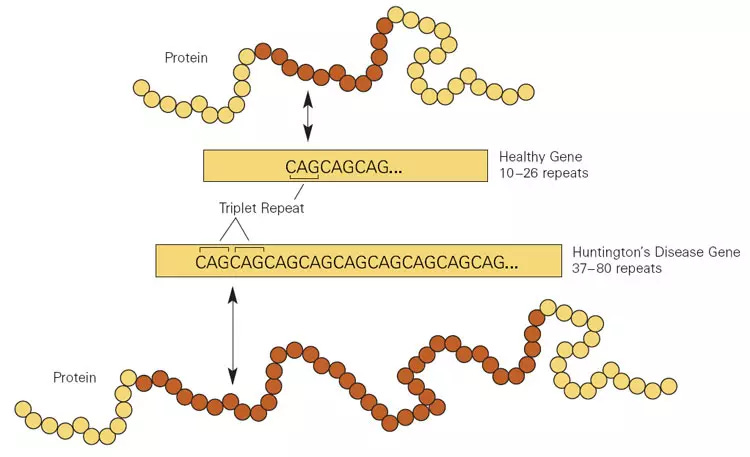
Historically, Huntington’s disease drug discovery focused on lowering mutant huntingtin (HTT) RNA or protein downstream. However, landmark human genome-wide association studies (GWAS), such as the GeM-HD Consortium and post-mortem brain studies uncovered a deeper root cause hiding below the surface. It centered on CAG repeats, a three-letter repeating sequence of three DNA nucleotides that encodes the amino acid glutamine and often occurs back-to-back within a specific gene. In the case of Huntington’s disease, than gene is huntingtin (HTT).
CAG repeats present a unique problem for DNA replication machinery because they are prone to “slippage”. When DNA unwinds to be copied or repaired, the repetitive CAG strand can fold back on itself into small loop or hairpin structures. If the cell’s DNA repair enzymes misread or improperly process those loops, extra CAG copies get inserted into the DNA sequence rather than removed. Once the repeat count crosses a disease-specific threshold, two problems emerge. The resulting protein carries an abnormally long poly-glutamine tail, causing it to misfold, clump into aggregates, and disrupt normal cellular functions, such as transcription, transport, and energy metabolism. In certain non-dividing cells, especially vulnerable neurons in the brain, DNA mismatch repair proteins continue to expand the CAG tract further over a person’s lifetime, accelerating cellular damage.
As we mentioned before, human genome-wide association studies (GWAS) revealed the underlying mechanism of Huntington’s disease. In a standard GWAS, researchers typically compare people with a disease to healthy controls, but the GeM-HD study compared early-onset Huntington’s patients versus late-onset disease, all of whom carried the causal HTT mutation. They found that inherited CAG repeat length accounted for roughly 60-70% of the variation in when motor symptoms begin. Researchers plotted actual age at motor onset against the age predicted by each patient’s inherited CAG length, yielding a “residual onset score”. They then tested millions of single-nucleotide polymorphisms (SNPs) across more than 9,000 HD patients to see which common genetic variants correlated with earlier or later residual onset.
The results linked HD disease onset to mutations in DNA mismatch repair (MMR) genes including MSH3 (the target for LoQus23’s lead candidate), PMS1, PMS2, MLH1, MLH3, LIG1, and FAN1. Variants that reduced the activity of mismatch repair genes like MSH3 or MLH1 delayed disease onset, whereas variants that impaired protective nucleases like FAN1 accelerated onset. Earlier mouse studies had shown that knocking out Msh2 or Msh3 prevented the HTT CAG repeat from expanding in brain tissue. Seeing the exact same genes emerge unbiased from human patient data indicated that somatic CAG expansion (ie. mutations that occur after birth rather than those that are inherited) could be a primary driver of Huntington’s disease onset. In other words, mutations in DNA repair machinery can explain why two people born with the exact same inherited CAG repeat length can develop Huntington’s disease (HD) 15 to 20 years apart.
This established a two-step pathogenesis model for Huntington’s disease, detailed by LoQus23 co-founders Benn, Gibson, and Reynolds in Journal of Huntington’s Disease in 2021. The process starts with what the group calls the “Somatic Expansion”.
Primary Driver (Somatic Expansion): Over decades in vulnerable post-mitotic neurons (especially striatal medium spiny neurons), mutated MMR machinery recognizes slipped-strand CAG hairpin/loop-out structures in the HTT gene and erroneously inserts additional CAG repeats rather than excising them.
Secondary Toxicity: Once a cell’s somatic CAG tract crosses a critical pathogenic length threshold (estimated at 80-150+ CAGs in human striatal neurons), it triggers aberrant HTT1a splicing, polyglutamine aggregation, transcriptional dysregulation, and rapid cell death.
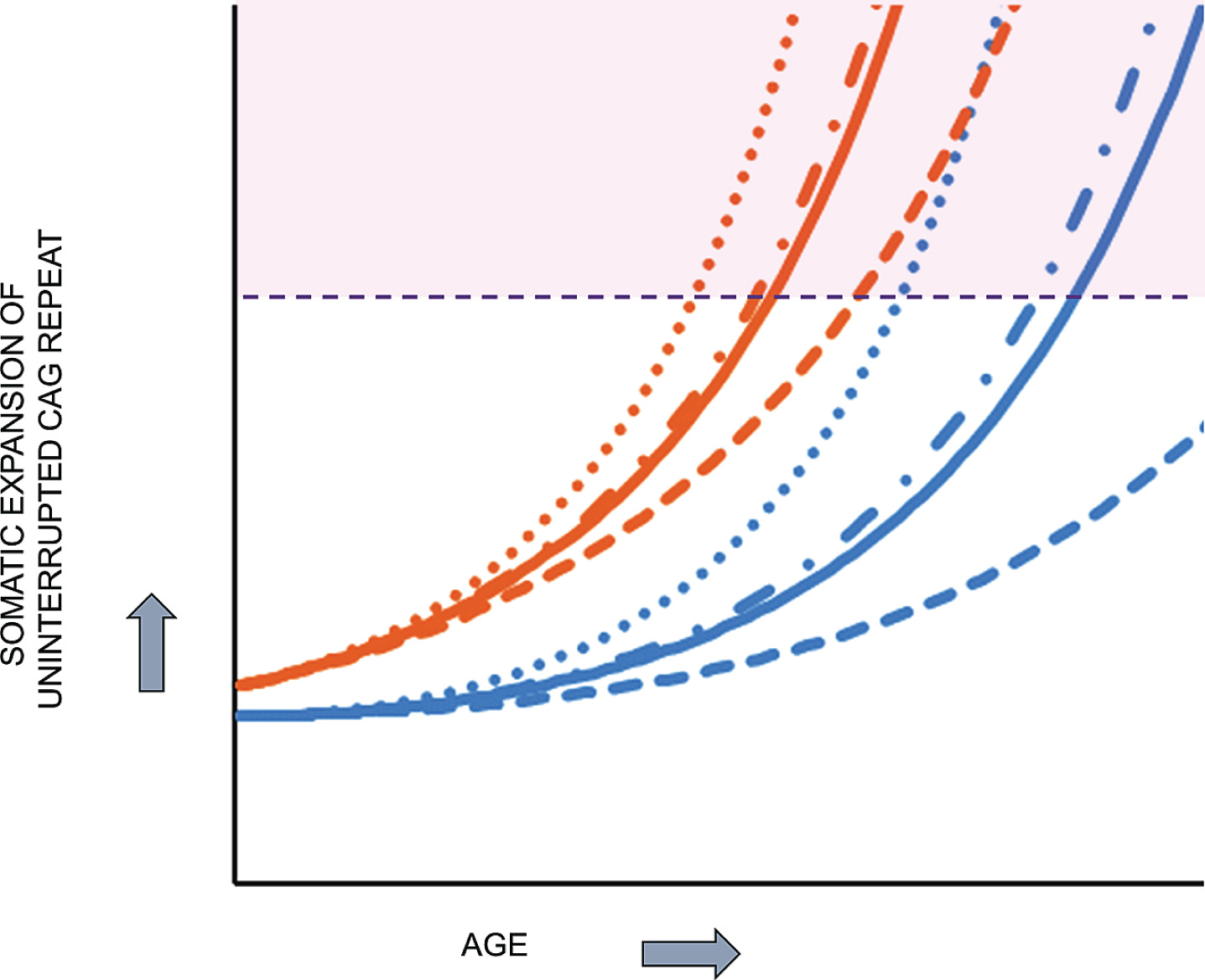
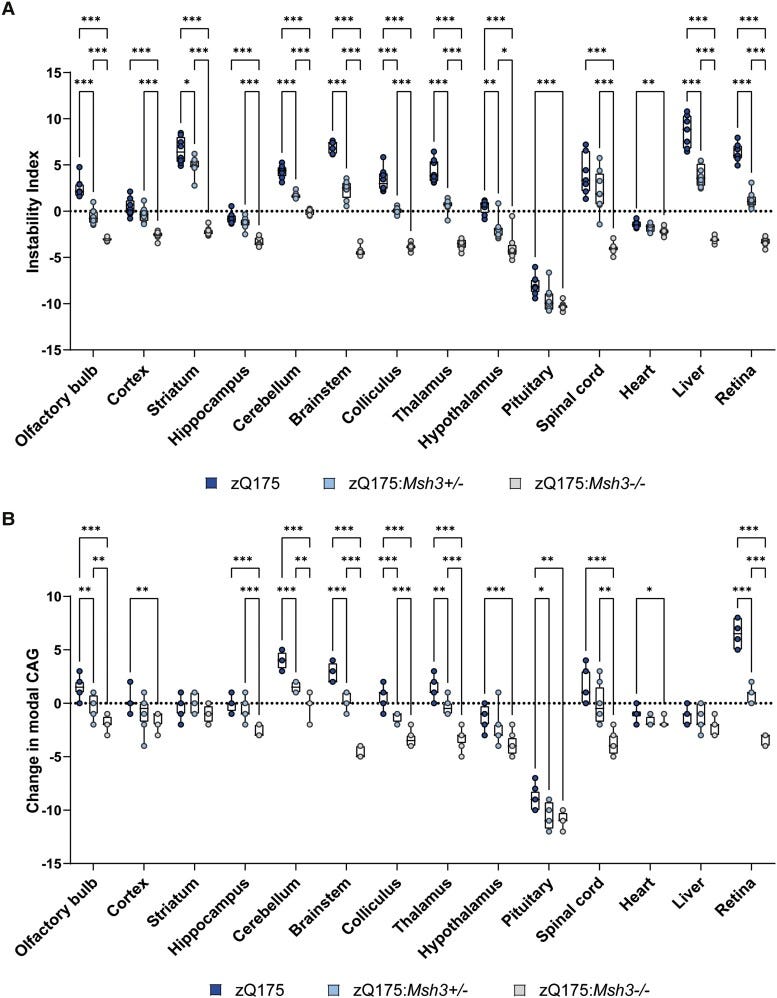
Crucially, LoQus23 CSO Caroline Benn co-authored a 2024 Brain paper with Gillian Bates’s UCL group demonstrating that knocking out Msh3 halts somatic expansion and that intervening before repeats cross an irreversible threshold (such as 185 CAGs in zQ175 mice) is essential, reinforcing the rationale for a MSH3-targeting therapy as a strategy to potentially delay Huntington’s patients from reaching the pathogenic threshold of CAG repeats.
Singling Out MSH3
It’s worth noting that LoQus23’s founding scientists targeted MSH3, out of all of the MMR genes identified in GWAS studies. Why? First, as we just discussed, MSH3 knockout markedly slows CAG repeat expansion in mouse models, as well as human iPSC-derived neurons. The second reason is that the protein has a wider therapeutic window (ie. a broader range of doses that achieve efficacy without prohibitive toxicity), which could give clinicians broad dosing flexibility.
You see, one does not simply throw a wrench into a biological process as critical as DNA repair without getting some seriously funky side effects. It’s a question of which MMR protein to attack while minimizing runaway genomic instability. Loss-of-function mutations in core MMR genes like MSH2, MSH6, or MLH1 cause Lynch syndrome and severe genomic instability/cancer. By contrast, humans are relatively tolerant of MSH3 loss-of-function variation because MutSα (a related MMR protein complex) remains intact to handle canonical genomic mismatch repair. While complete biallelic germline MSH3 deficiency is linked to a rare recessive polyposis syndrome, selective pharmacological inhibition of MutSβ (the MMR complex that contains MSH3) spares MutSα.
Previous/parallel small-molecule efforts (such as CHDI/Evotec’s orthosteric screening paper Brace et al., Bioorg Med Chem Lett [2025]) targeted the ATP-binding site of MSH3. However, drugging the MutSβ ATPase pocket poses major hurdles, primarily off-target inhibition of MutSα, MSH2, and other essential ATPases that could lead to sigificant toxicity. To overcome this, LoQus23 pursued a negative allosteric modulation (NAM) strategy, spending several years using structure-based drug design (leveraging high-resolution cryo-EM and crystallographic insights into MutSβ’s conformational states) and proprietary assays to identify small molecules that bind allosteric pockets outside MSH3’s ATP-binding site. By acting as a negative allosteric inhibitor of the MutSβ complex, LQT-23 was designed to achieve higher selectivity to MSH3/MutSβ function without hitting MutSα (MSH2-MSH6). Furthermore, LQT-23 could achieve CNS penetration via oral administration, offering substantial convenience and chronic-dosing advantages over invasive antisense oligonucleotides (ASOs), divalent siRNAs, or intracranial AAV gene therapies targeting MSH3 or HTT.
Since somatic repeat expansion is a shared upstream DNA mechanism across 20 to 30+ inherited neurological and neuromuscular disorders, an oral MSH3 allosteric inhibitor has broad “pipeline-in-a-pill” potential beyond HD. Myotonic Dystrophy Type 1 (DM1) is caused by an unstable CTG repeat expansion in the 3’-untranslated region of the DMPK gene, becoming unstable above 35-50 repeats. Although downstream pathology in DM1 is mediated by toxic CUG RNA hairpins sequestering MBNL splicing proteins, rather than a polyglutamine protein as in HD, the upstream DNA expansion engine is the same. Expanded CTG tracts in skeletal muscle, heart, and brain undergo relentless, age-dependent somatic expansion driven by MSH3/MutSβ, supported by human genetic studies showing MSH3 variants modify DM1 severity and somatic instability as well as Msh3-knockout mouse data. An oral small molecule like LQT-23 naturally distributes to both peripheral muscles/heart and the CNS, making it uniquely suited to address DM1’s multisystemic pathology.
The same MutSβ-dependent recognition of slipped-strand DNA loop-outs drives somatic or intergenerational expansion in other CAG/CTG disorders including spinocerebellar ataxias (SCA1, SCA2, SCA3, SCA7, SCA17), spinal and bulbar muscular atrophy (SBMA), DRPLA, X-linked dystonia-parkinsonism (XDP), Fuchs endothelial corneal dystrophy (FECD), and GAA-TTC expansions in Friedreich’s ataxia (FRDA). As LoQus23 scientists (Marzec, Richer, and Lahue) stated in a 2025 review published in DNA Repair, pharmacological suppression of MSH3/MutSβ offers a single unifying therapeutic strategy across this entire class of devastating genetic diseases.
Somatic Expansion of LoQus23
So, how did LoQus23 come about? We discussed much of the company’s scientific foundation, so the corporate history of this early-stage preclinical company largely consists of fundraising and braintrust consolidation.
LoQus23 was incorporated in Cambridge, UK, by three Entrepreneurs-in-Residence at SV Health Investors’ Dementia Discovery Fund (DDF): Dr. David Reynolds (CEO; PhD on HD models with ~20 years in R&D at Pfizer and Merck), Dr. Caroline Benn (CSO; 12 years of academic HD research at King’s College London and Harvard Medical School, followed by Pfizer and Astex Pharmaceuticals), and Dr. Ruth McKernan CBE, FMedSci (SV Health Investors Operating Partner; 25+ years at Merck and Pfizer). DDF provided an initial £4.5 million seed investment in 2019. On November 23, 2021, LoQus23 exited stealth with a £7 million seed extension led by the Novartis Venture Fund (NVF) alongside DDF, bringing total seed financing to £11.5 million or about $15.1 million.
Operating initially out of the Babraham Research Campus in Cambridge (the one in London not the one in Massachusetts), LoQus23 focused on building proprietary biochemical, biophysical, and cellular assay platforms to drug DNA mismatch repair (MMR) targets. In May 2022, LoQus23 partnered in a flagship public-private collaboration under the European Joint Programme on Rare Diseases (EJPRD) led by Professor Robert S. Lahue at the University of Galway, developing high-throughput cellular tools such as the flow-cytometry-based TRX repeat expansion assay to orthogonally validate small-molecule MSH3 inhibitors. A few months later in July 2022, LoQus23 signed a research collaboration with HitGen to apply DNA-Encoded Library (DEL) technology to discover small-molecule binders for MMR proteins. They then collaborated with CRO Cellomatics Biosciences to validate and miniaturize its proprietary “Lo-Q” platform, and assembled an SAB of leading repeat-expansion geneticists and neurologists, including Professor Sarah Tabrizi at UCL, Dr. Vanessa Wheeler at MGH/Harvard, Professor Robert Lahue at University of Galway, and Dr. Thomas Massey at Cardiff.
Two years later, LoQus23 closed a £35 million ($46 million) Series A led by Forbion, with General Partner Dr. Rogier Rooswinkel joining the board alongside NVF’s Dr. Florian Müllershausen, DDF’s Dr. Christian Jung, NED Dr. Melanie Ivarsson OBE, and CEO David Reynolds. In February 2025, veteran biotech executive Dr. Cyrus Mozayeni (CEO of Pheon Therapeutics and former CEO of Vedere Bio) was appointed Chair of the Board. By April 2025, following its Series A, the company expanded from Babraham into additional headquarters/office space at the McClintock Building in Granta Park, Cambridge, supported by a senior leadership team including Dr. David Hardick (Head of Chemistry), Dr. Amanda Davis (VP of Operations & Development), and Dr. Paulina Marzec (Senior Principal Scientist).
Earlier this year on January 6, 2026, LoQus23 nominated LQT-23 as its first development candidate, initiating IND/CTA-enabling studies. Just ten months later on November 23, 2026, Eli Lilly and Company agreed to acquire LoQus23 for up to $725 million in cash, comprising an undisclosed upfront payment plus development and regulatory milestones. The deal brings LoQus23’s oral somatic-expansion-inhibitor pipeline into Lilly’s neuroscience portfolio ahead of an anticipated CTA filing for LQT-23 by the end of 2026. It seems as if Lilly wanted to get in on the ground floor, but then again it’s hard to describe nearly 30 years of Huntington’s research as the “ground floor”.
Conclusion
Human genetics, from GWAS studies to post-mortem brain sequencing and the two-step somatic expansion model, changed our understanding of Huntington’s disease by pointing upstream to DNA mismatch repair and MSH3. By pursuing an allosteric inhibitor of MutSβ designed to spare MutSα and reach the brain orally, LoQus23 built a thesis that potentially stretches beyond Huntington’s to DM1 and other repeat-expansion disorders. Lilly’s $725 million buyout puts serious commercial and clinical muscle behind the program as it heads toward the clinic. Decades of foundational work brought the field to this important chapter. Now comes the clinical pressure test of showing that slowing repeat expansion in the lab translates into delayed disease progression for Huntington’s patients.
Love biotech? Check out Biotech Readout’s full content library, or navigate directly to a segment that interests you:
Frontiers in Medicine: Exploring the frontiers of our understanding and treatments for disease.
Medical History: Recovering forgotten relics in the history of medicine.
Acquisitions: Exploring the innovation behind acquired companies.
Weekly Readout: A digest of new clinical data from the past week.

To contact us, please send us an email at biotechreadout@gmail.com
Disclaimers
Investigational Status Disclaimer
The therapeutic candidates discussed in this newsletter are currently in clinical development and have not been approved for commercial sale by the U.S. Food and Drug Administration (FDA), the European Medicines Agency (EMA), or other global regulatory authorities. Their safety and efficacy have not been established. References to pipeline products and ongoing clinical trials involve significant risks and uncertainties. Statements regarding the potential safety, potency, or efficacy of investigational drugs reflect current hypotheses and are not a guarantee of future performance or regulatory clearance. The outcome of clinical trials is inherently unpredictable, and clinical results from earlier stages may not be predictive of results in later, larger-scale trials.
No Medical Advice Disclaimer
This newsletter is for informational and educational purposes only. The content is not intended to be a substitute for professional medical advice, diagnosis, or treatment. Always seek the advice of your physician or another qualified health provider with any questions you may have regarding a medical condition. Never disregard professional medical advice or delay in seeking it because of something you have read in this publication.
No Patient-Provider Relationship Disclaimer
The information provided in this newsletter is for educational and analytical purposes only. Receipt of this information, or any interaction with this content, does not create a physician-patient, pharmacist-patient, or any other professional-provider relationship between you and the authors or publishers. This newsletter should not be used as a substitute for a personal consultation with a qualified healthcare professional.
Forward-Looking Statements Disclaimer
This newsletter contains “forward-looking statements” regarding future events, including clinical trial timing, regulatory milestones, and projected market performance. These statements are based on current expectations and assumptions that are subject to significant risks and uncertainties. Actual results may differ materially from those expressed or implied. We undertake no obligation to update these statements as a result of new information or future developments.
Third-Party Links & Content Disclaimer
This newsletter contains links to third-party websites, including clinical trial registries and corporate presentations. Biotech Readout does not endorse, guarantee, or assume responsibility for the accuracy or reliability of any information offered by third-party providers.
Errors and Omissions Disclaimer
While we strive for technical accuracy, the information in this newsletter is provided on an “as is” basis with no guarantees of completeness, accuracy, or timeliness. Biotech Readout assumes no liability for any errors or omissions in the content of this publication.
Non-Endorsement Disclaimer
Any reference to specific commercial products, processes, or services by trade name, trademark, or manufacturer does not constitute or imply an endorsement or recommendation by the author. All trademarks are the property of their respective owners.
No Investment Advice Disclaimer
This newsletter is for informational purposes only and does not constitute financial, investment, or legal advice. The author is not a registered investment advisor. You should consult with a professional financial advisor before making any investment decisions. The biotechnology sector is highly volatile; past performance is not indicative of future results.
Conflict of Interest Disclaimer
The author of this newsletter maintains a position of independence. At the time of publication, the author holds no direct financial interest, equity, or options in any of the companies mentioned in this report. No compensation has been received from any third party to feature or analyze specific therapeutic candidates or corporate entities.