

Disclaimer: This newsletter is for educational and informational purposes only and does not constitute medical, investment, or financial advice, nor does it establish a provider-patient relationship. Content may include forward-looking statements and discussions of investigational therapeutic candidates that are not FDA/EMA approved; their safety and efficacy remain unestablished and clinical outcomes are unpredictable. While we strive for accuracy, all information is provided as is without guarantees. As of the date of publication, the author holds no direct equity positions in the specific companies mentioned in this issue nor receives third-party compensation for this coverage. Figures or charts from copyrighted journals or company decks are reproduced for educational/fair use purposes only. Image copyright remains with the publisher/authors. Please find a complete version of our disclaimers linked here.

Press ⬇️ to go down to a section and ⬆️ to go back up to the Table of Contents
Table of Contents
This week, we discuss:
China Biotech
Acquisitions
Eli Lilly to Acquire Merida ⬇️
Approvals
Clinical Trial Data
RevMed - Daraxonrasib (pan-RAS inhibitor) / Phase 1/2 (RASm NSCLC) ⬇️
Teva - TEV-’408 (anti-IL15 mAb) / Phase 2a (celiac) ⬇️
AbbVie - Etentamig (BMCA x CD3 TCE) / Phase 3 (3L MM) ⬇️
GSK - FLUm3HA-3NA (mRNA vaccine) / Phase 2 (influenza) ⬇️
Jazz Pharma - Ziihera (HER2 mAb) / Phase 3 (1L HER2+ GEA) ⬇️
AstraZeneca - Orpathys (MET inhibitor) / Phase 3 (1L MET-oe EGFR+ NSCLC) ⬇️
Novartis - Remibrutinib (BTK inhibitor) / Phase 3 (RMS) ⬇️
China Biotech
Wondering why we discuss China Biotech every week? Tap here to learn more.
China Biotech Financing Outpaces Rest of World by Nearly Three-Fold
for the week ending September 4, 2026

Excluding Eli Lilly’s acquisition agreement with Merida, China Biotech financing outpaced rest-of-world (ROW) biotech financing this week by nearly three-fold ($337 million China versus $128 million ROW). Notable transactions on the China Biotech side included three licensing agreements and a Series B equity raise:
Roche-Simcere licensing agreement ($75 million upfront): Roche acquired exclusive global rights to develop, manufacture, and commercialize SIM0660 for $75 million upfront and up to $1.53 billion in milestones plus tiered royalties. SIM0660 is an off-the-shelf, trispecific T-cell engager that pairs a low-affinity CD3-binding domain with dual-binding arms targeting CD19 and CD79a on B cells to induce targeted cytotoxicity while limiting cytokine release syndrome (CRS). SIM0660 is an investigational agent designed for B-cell malignancies and auto-antibody-driven autoimmune diseases (e.g., lupus, rheumatoid arthritis), potentially providing broad depletion of pathogenic B-cell lineages. Sources: Simcere press release
GSK-Hutchmed licensing agreement ($110 million upfront): GSK secured exclusive ex-China global development and commercialization rights to HMPL-A830 for $110 million upfront and up to $1.295 billion in milestone payments, with HUTCHMED leading the Phase 1 trial before handing off international late-stage development. HMPL-A830 is an antibody-targeted therapy conjugate (ATTC) that pairs an anti-EGFR monoclonal antibody with a conjugated small-molecule KRAS inhibitor payload. HMPL-A830 is an investigational agent designed for KRAS-mutated solid tumors, primarily colorectal, pancreatic, and non-small cell lung cancers. Sources: Hutchmed press release
Menarini-Gan & Lee licensing agreement ($72 million upfront): Menarini paid €62 million ($72 million) upfront in a deal worth up to $771 million to secure exclusive development and commercialization rights to bofanglutide across 39 European and neighboring territories, while Gan & Lee retains rights for North America, China, and other global regions. Bofanglutide (GZR18) is an investigational, long-acting glucagon-like peptide-1 receptor agonist (GLP-1 RA) engineered for an extended half-life, enabling a convenient once-every-two-weeks (Q2W) subcutaneous dosing schedule. The drug is an investigational agent being developed for chronic weight management in adults with obesity or overweight conditions, type 2 diabetes mellitus, and associated metabolic disorders. Sources: Menari press release
NeuShen Therapeutics Series B ($80 million): NeuShen Therapeutics (based in Shanghai and Boston) closed an oversubscribed $80 million Series B round to advance laviclidine and two additional clinical-stage CNS pipeline programs into an international multi-center Phase 1/2 clinical trial. Their lead program is laviclidine (NS-136), a proprietary, highly selective positive allosteric modulator (PAM) of the muscarinic acetylcholine receptor M4. The company has at least three other investigational programs in development for central nervous system (CNS) disorders, primarily schizophrenia and neurodegenerative-associated psychosis. Sources: Endpoints article
FDA Enhances Stricter Scrutiny of Foreign Data Amid China Biotech Competition
On September 2, 2026, FDA published updated Good Clinical Practice (GCP) requirements that apply universally regardless of geography. If the FDA cannot validate trial data or access sites to audit records, it reserves the authority to refuse or rescind marketing approvals. The FDA cited heightened data integrity concerns (including risks of unvalidated participants or unverified adverse event reporting) as rationale for increased foreign site auditing. Early Feasibility Studies, Phase 1 trials, and foreign studies conducted outside of an Investigational New Drug (IND) or Investigational Device Exemption (IDE) application face the highest level of review. While House Republicans have pushed for an outright ban on un-audited China-based trial data, FDA leadership noted potential legal and public health issues with geography-based bans, choosing instead to focus purely on data quality and site inspectability. Specific FDA actions include:
Expanded Inspections: Increasing foreign Bioresearch Monitoring (BIMO) resources, including doubling inspectors in China, to target early-stage trials.
Reviewer Training: Training medical product reviewers to spot GCP non-compliance, informed consent issues, and data integrity concerns.
Public Transparency: Increasing public disclosure when foreign sites deny access or impose conditions on FDA inspections.
Early Engagement: Encouraging sponsors to discuss foreign data provenance early in the pre-submission phase (e.g., pre-IND meetings).
Sources: Endpoints article, updated FDA GCP requirements
Summit & Akeso - Ivonescimab (PD1 x VEGF mAb) / Phase 3 (1L PDL1+ NSCLC)
On September 2, 2026, Summit Therapeutics and Akeso announced topline overall survival (OS) data from the Phase 3 HARMONi-2 study evaluating ivonescimab (PD-1 x VEGF bispecific mAb) versus pembrolizumab (Keytruda) monotherapy in first-line PD-L1–positive advanced non-small cell lung cancer (NSCLC).
First-line PD-L1–positive non-small cell lung cancer (1L PDL1+ NSCLC) lacking driver mutations relies on tumor-expressed PD-L1 binding to T-cell PD-1 receptors, causing immune exhaustion and unchecked growth. The PD-L1 pathway can be treated with anti-PD-1 monotherapy for high expression (TPS ≥50%) or anti-PD-1 plus platinum-based chemotherapy for low-to-intermediate expression (TPS 1–49%). Addressing this axis, ivonescimab (SMT112/AK112) is a tetravalent bispecific antibody engineered to simultaneously target PD-1 and vascular endothelial growth factor (VEGF) with cooperative binding dynamics in the tumor microenvironment. By dual-blocking checkpoint-mediated immunosuppression and VEGF-driven angiogenesis within a single molecule, ivonescimab is designed to synergistically reactivate anti-tumor immune responses while disrupting tumor blood vessel formation to enhance therapeutic efficacy over selective PD-1 blockade alone.
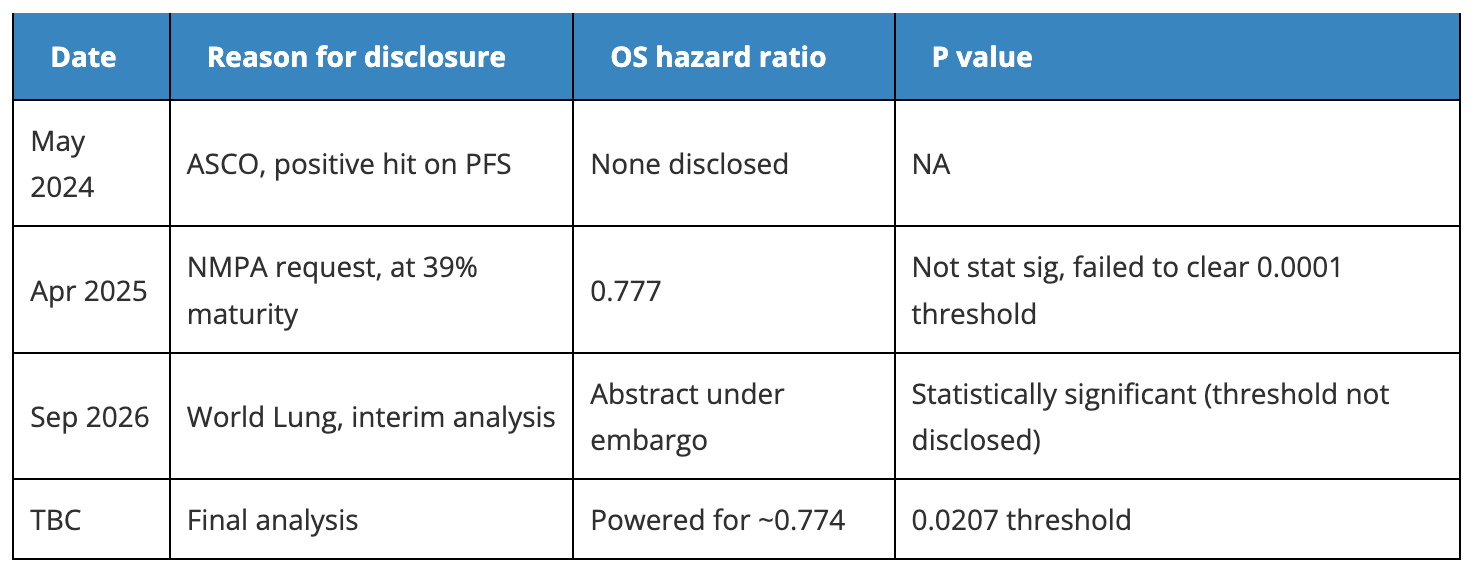
The Phase 3 HARMONi-2 China-only trial that enrolled 398 patients with 1L PD-L1–positive (TPS ≥ 1%) advanced non-small cell lung cancer lacking EGFR/ALK mutations. Building on previously reported data where ivonescimab nearly doubled median progression-free survival (11.14 vs. 5.82 months; HR = 0.51, p < 0.0001), the trial met its prespecified interim analysis endpoint by demonstrating a statistically significant and clinically meaningful overall survival (OS) advantage over pembrolizumab. Summit & Akeso are scheduled to present full overall survival data, subgroup analyses, and extended safety cutoffs at the World Conference on Lung Cancer (WCLC) in Seoul, South Korea. Their oral presentation in the “OA14: The Breakthrough” session will take place on Tuesday, September 15, 2026 at 1:02–1:12 PM KST (September 15) / 12:02–12:12 AM EDT (September 15). Summit Therapeutics is conducting the global Phase 3 HARMONi-7 study (evaluating ivonescimab vs. pembrolizumab in PD-L1 high-expressing 1L NSCLC) and HARMONi-3 (ivonescimab + chemo vs. pembrolizumab + chemo) to replicate these findings in Western patient populations for FDA registration. Summit holds a PDUFA target date of November 14, 2026, for ivonescimab plus chemotherapy in post-EGFR-TKI advanced NSCLC based on global HARMONi data.
Sources: Summit press release, Akeso press release, ApexOnco article
Acquisitions

Approvals
Ionis - Zanvastro (GFAP ASO) / Approved (Alexander disease)
On September 3, 2026, the FDA approved Zanvastro (zilganersen) as the first disease-modifying treatment for pediatric and adult patients living with Alexander disease (AxD), spanning from infancy through adulthood. Alexander disease is an extremely rare disorder that is caused by gain-of-function mutations in the GFAP gene (encodes glial fibrillary acidic protein) that drives abnormal GFAP accumulation inside astrocytes (called Rosenthal fibers), leading to myelin sheath degradation and potentially life-threatening neurological decline (macrocephaly, severe developmental delays, seizures, spasticity, speech impairment, gait ataxia, palatal tremor, and muscle stiffness). Zanvastro (zilganersen, formerly ION373) is an antisense oligonucleotide (ASO) administered as a 50 mg intrathecal bolus injection once every 12 weeks (quarterly). By binding directly to target GFAP mRNA, it inhibits the overproduction and toxic intracellular accumulation of glial fibrillary acidic protein (GFAP) in astrocytes, the structural hallmark driving astrocyte dysfunction, myelin destruction, and neurodegeneration in AxD.
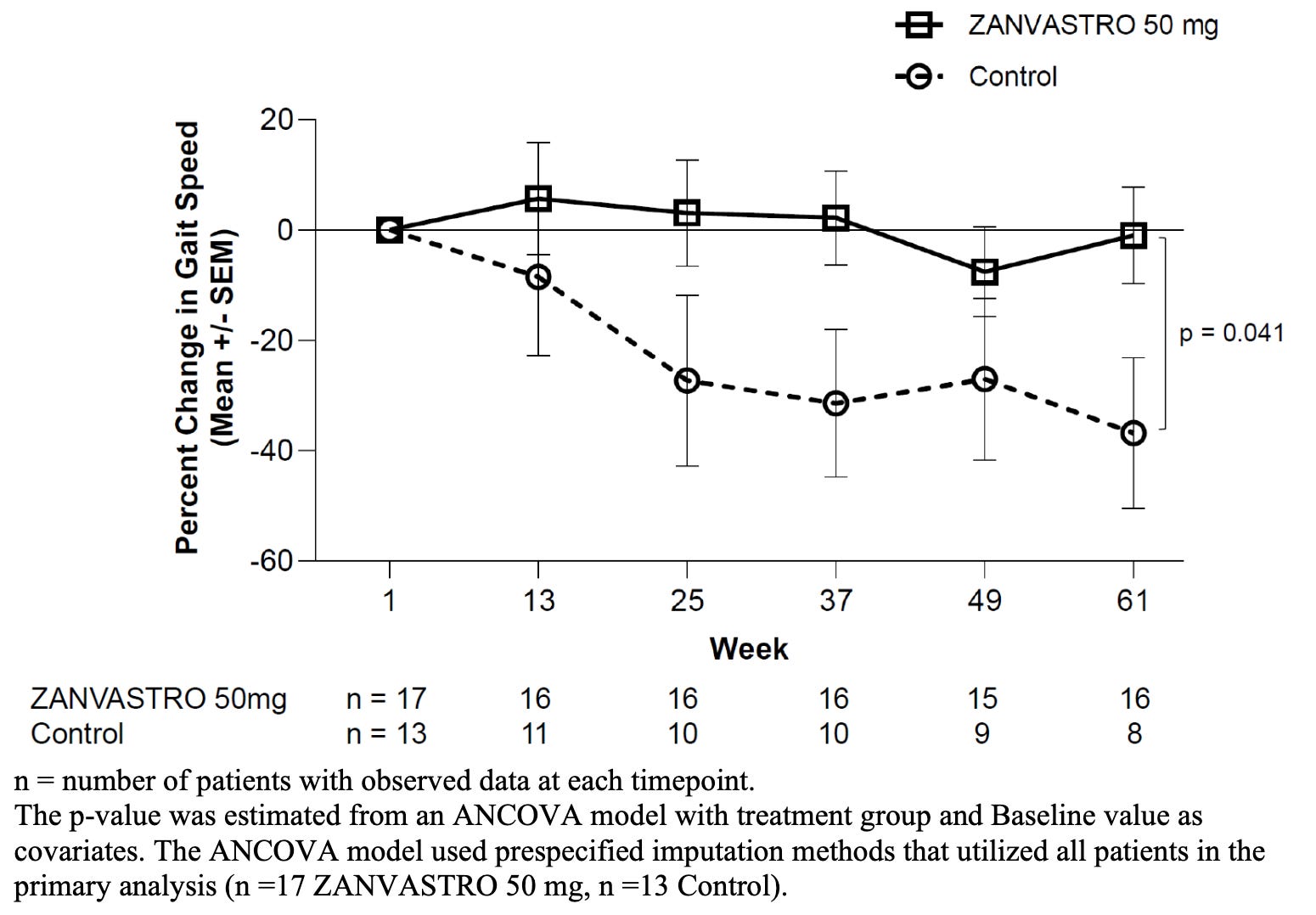
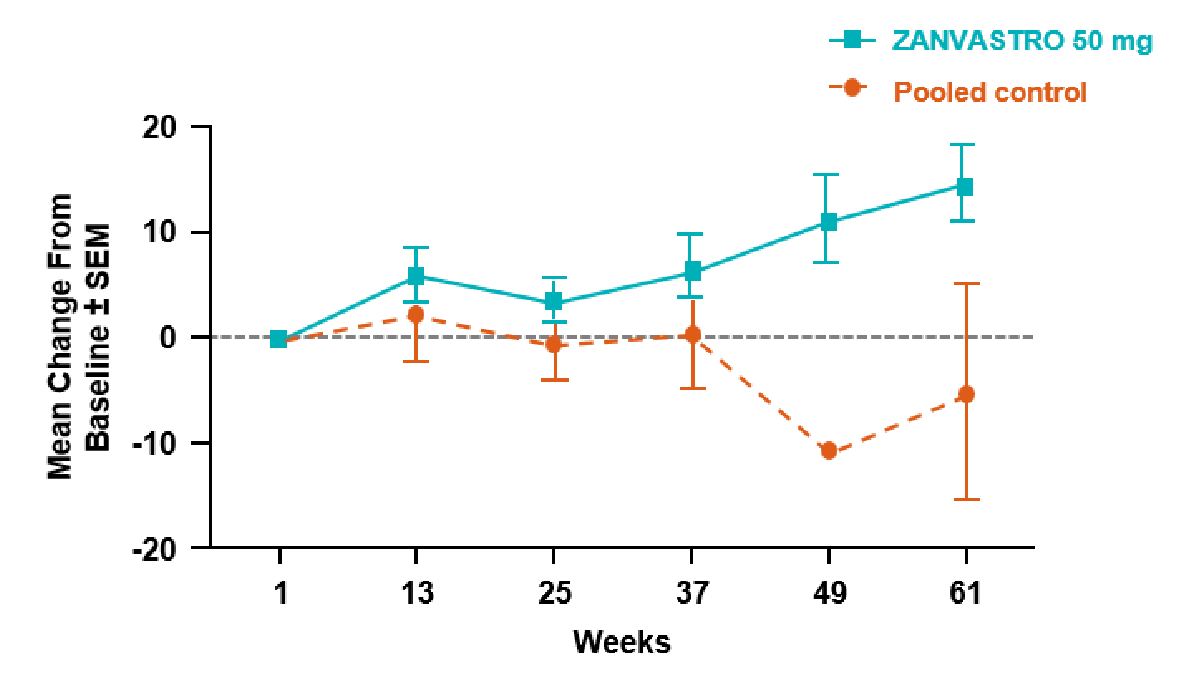
The regulatory approval of Zanvastro was primarily underpinned by data from a landmark, multicenter Phase 1-3 trial (NCT04849741) evaluating 54 pediatric and adult patients aged 1.5 to 53 years with genetically confirmed Alexander disease. The trial met its primary endpoint in patients aged 5 years and older with measurable baseline walking deficits. At Week 61, patients receiving the recommended 50 mg dose demonstrated a statistically significant and clinically meaningful stabilization in walking ability on the 10-Meter Walk Test compared to the control group, achieving a 33.3% least-squares mean difference (p = 0.0412). Since gait speed is not a reliable metric in very young children, pediatric patients aged 2 to 4 years were assessed using the Gross Motor Function Measure-88 (GMFM-88). Zanvastro-treated children demonstrated marked motor improvements (including standing, running, and jumping capabilities) yielding an LS mean difference of 22.9 points over control patients, who experienced progressive functional decline (p = 0.034). To support approval across the full age spectrum down to infants under 2 years, the FDA integrated safety and pharmacokinetic modeling showing systemic and intrathecal drug exposures in infants comparable to those observed in older pediatric cohorts. Exploratory biomarker analyses corroborated these functional gains, demonstrating a 33.6% reduction in plasma GFAP levels by Week 61. Zanvastro exhibited a favorable safety profile. Most treatment-emergent adverse events were mild to moderate, most commonly including post-lumbar puncture syndrome, back pain, headache, vomiting, and cough. Notably, serious adverse events occurred less frequently in the Zanvastro group (37.5%) than in the control arm (47.1%), reflecting the drug’s capacity to alter underlying disease progression. Prescribing guidelines include warnings for rare events of aseptic meningitis associated with intrathecal administration, requiring clinical vigilance following injections.
Ionis owns worldwide rights to Zanvastro, making this its first independent launch in its rare disease neurology portfolio. The therapy carries a list price of $285,000 per dose (or $1.14 million annually). Commercial launch efforts are initially focusing on transitioning patients already receiving the drug via the open-label extension of its pivotal trial and an active Expanded Access Program (EAP) into commercial coverage.
Sources: Ionis press release, Ionis slide deck, new Zanvastro label
Takeda & Protagonist - Mimrylo (hepcidin mimetic) / Approved (PV)
On August 28, 2026, the FDA approved Mimrylo (rusfertide) to treat erythrocytosis in adult patients with polycythemia vera (PV), a rare blood cancer caused by mutations in the JAK2 gene that results in overproduction of red blood cells by the bone marrow. The primary clinical concern for patients with PV is hyperviscosity (thick blood), which significantly increases the risk of potentially life-threatening arterial and venous thrombotic events (strokes, heart attacks, deep vein thrombosis, pulmonary embolism). Mimrylo is a first-in-class, weekly subcutaneously injected peptide that mimics hepcidin. By binding to ferroportin, it restricts systemically available iron to regulate red blood cell production, maintaining hematocrit levels below 45% without causing severe systemic iron deficiency. Originally discovered by Protagonist Therapeutics (as PTG-300), the asset is commercialized by Takeda. Under their collaboration agreement, Takeda and Protagonist execute a 50:50 profit-and-loss split for U.S. sales, while Protagonist did not share in development costs.
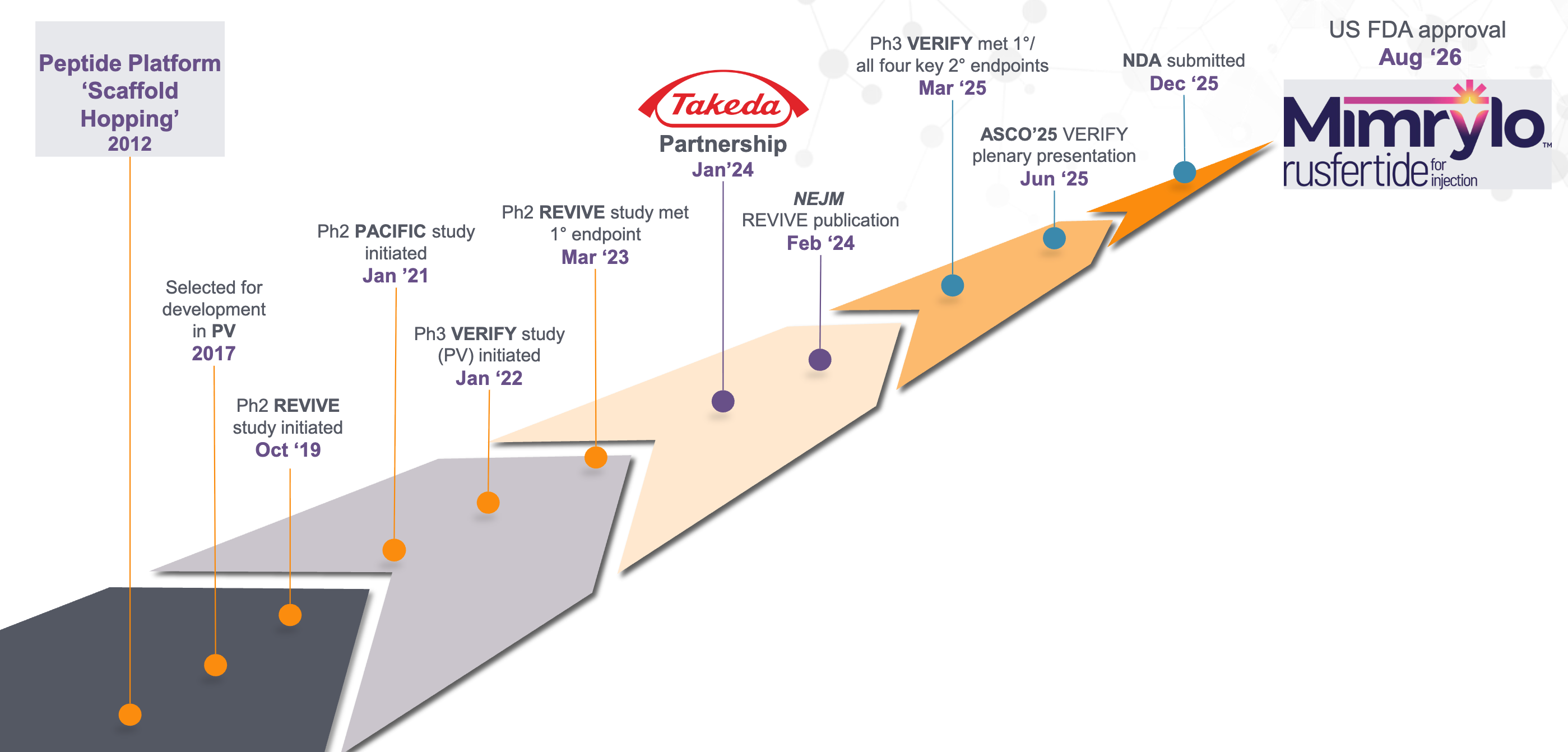
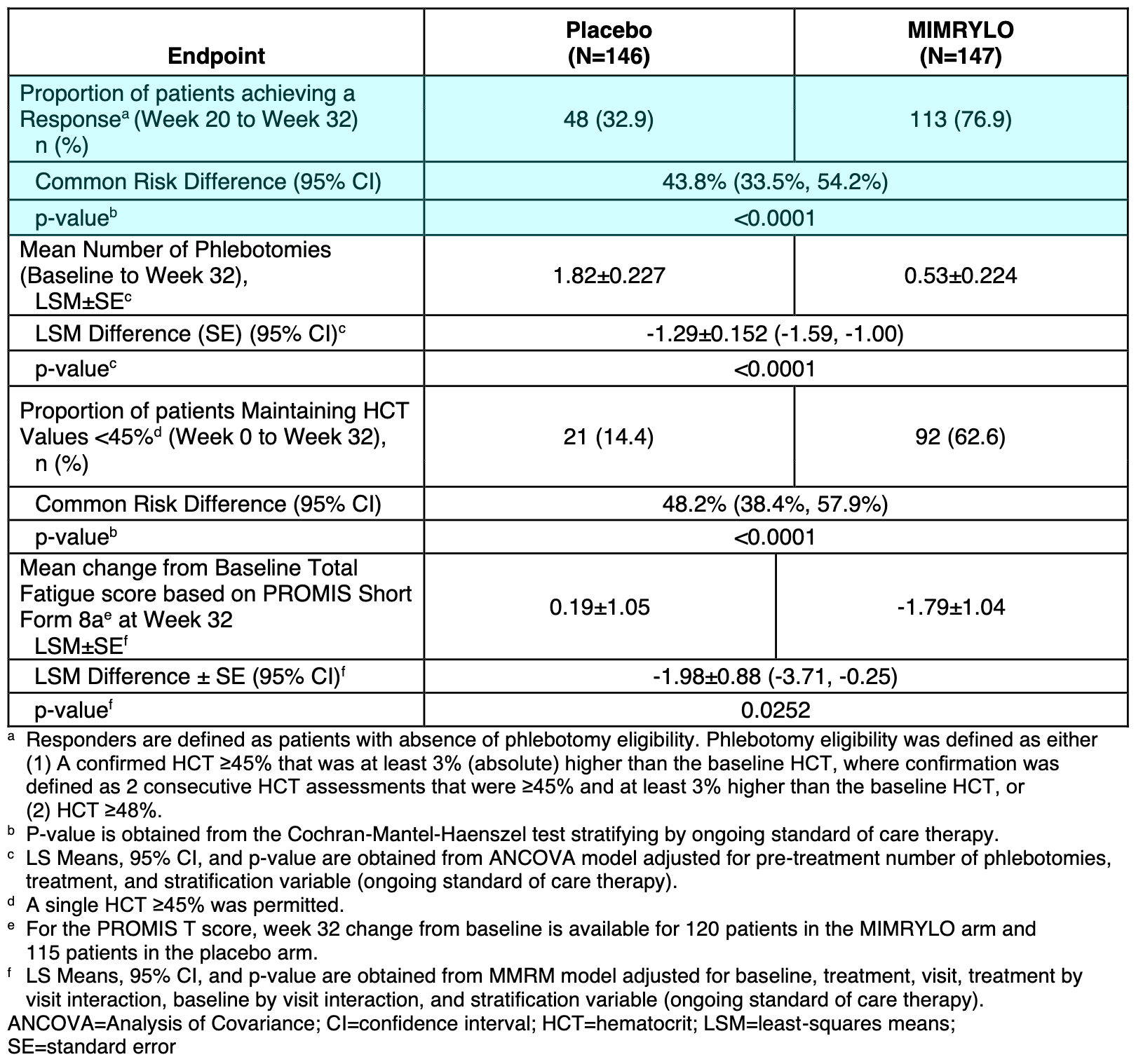
The approval of Mimrylo was supported by global, pivotal Phase 3 trial data from the VERIFY study, which evaluated 293 adult patients with PV who were phlebotomy-dependent despite receiving standard-of-care cytoreductive therapies or phlebotomy alone. Patients were randomized 1:1 to receive either weekly subcutaneous Mimrylo or a placebo, both added to their existing background therapy. The trial met its primary endpoint with high statistical significance. During the double-blind evaluation window (Weeks 20 to 32), 76.9% of patients receiving Mimrylo achieved a clinical response (defined as maintaining hematocrit <45% without needing therapeutic phlebotomy), compared to only 32.9% of patients in the placebo arm (p < 0.0001). Across the initial 32-week period, Mimrylo-treated patients required an average of only 0.5 phlebotomies compared to 1.8 phlebotomies in the placebo group. Furthermore, 62.6% of Mimrylo patients maintained tight hematocrit control below 45%, compared to 14.4% on placebo. Long-term extension data confirmed durable efficacy. Among initial responders, 84.1% maintained response through Week 52. When placebo patients crossed over to Mimrylo at Week 32, 77.9% subsequently achieved response status between Weeks 40 and 52. Secondary endpoints measuring patient-reported outcomes demonstrated meaningful improvements in fatigue scores via the PROMIS Fatigue SF-8a. Mimrylo demonstrated a manageable safety profile. The most common treatment-emergent adverse events were Grade 1/2 injection-site reactions (56% vs 33% placebo) and mild anemia (16% vs 4.1% placebo). Prescribing warnings include potential risk of new or worsening thrombocytosis, requiring periodic platelet monitoring.
Sources: Protagonist press release, Protagonist slide deck, Takeda press release, new Mimrylo label
Clinical Trial Data
RevMed - Daraxonrasib (pan-RAS inhibitor) / Phase 1/2 (RASm NSCLC)
While Revolution Medicines’ tri-complex RAS(ON) inhibitor daraxonrasib has recently secured FDA approval under the brand name Rasonque for previously treated metastatic pancreatic ductal adenocarcinoma (PDAC), its application in lung cancer remains strictly investigational. However, emerging Phase 1/2 data published in the New England Journal of Medicine suggests that the drug could have efficacy in RAS-mutant advanced non-small cell lung cancer (NSCLC).
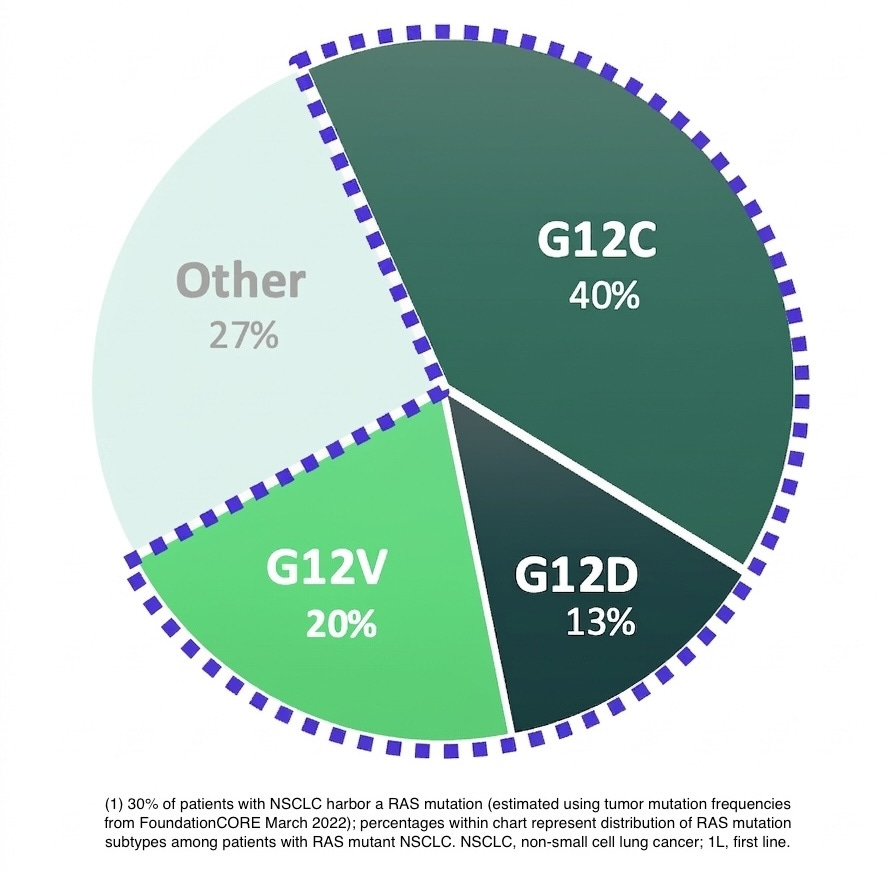
RAS mutations (most commonly KRAS variants such as G12C, G12D, and G12V) drive roughly 30% of non-small cell lung cancers (NSCLC) by locking the RAS protein in an active, GTP-bound “ON” state that fuels tumor growth via hyperactivated downstream signaling. While frontline treatment relies on immune checkpoint inhibitors with or without platinum chemotherapy, second-line options remain limited: covalent KRAS(OFF) inhibitors like sotorasib target only the inactive G12C state, leaving patients with non-G12C variants to rely on modest single-agent docetaxel. Addressing this gap, daraxonrasib, an oral molecular glue approved for pancreatic cancer as Rasonque but still investigational in NSCLC, forms a tri-complex with cyclophilin A to bind active, GTP-bound RAS(ON) isoforms, potentially providing broad and sustained MAPK pathway suppression across major KRAS, NRAS, and HRAS mutations.
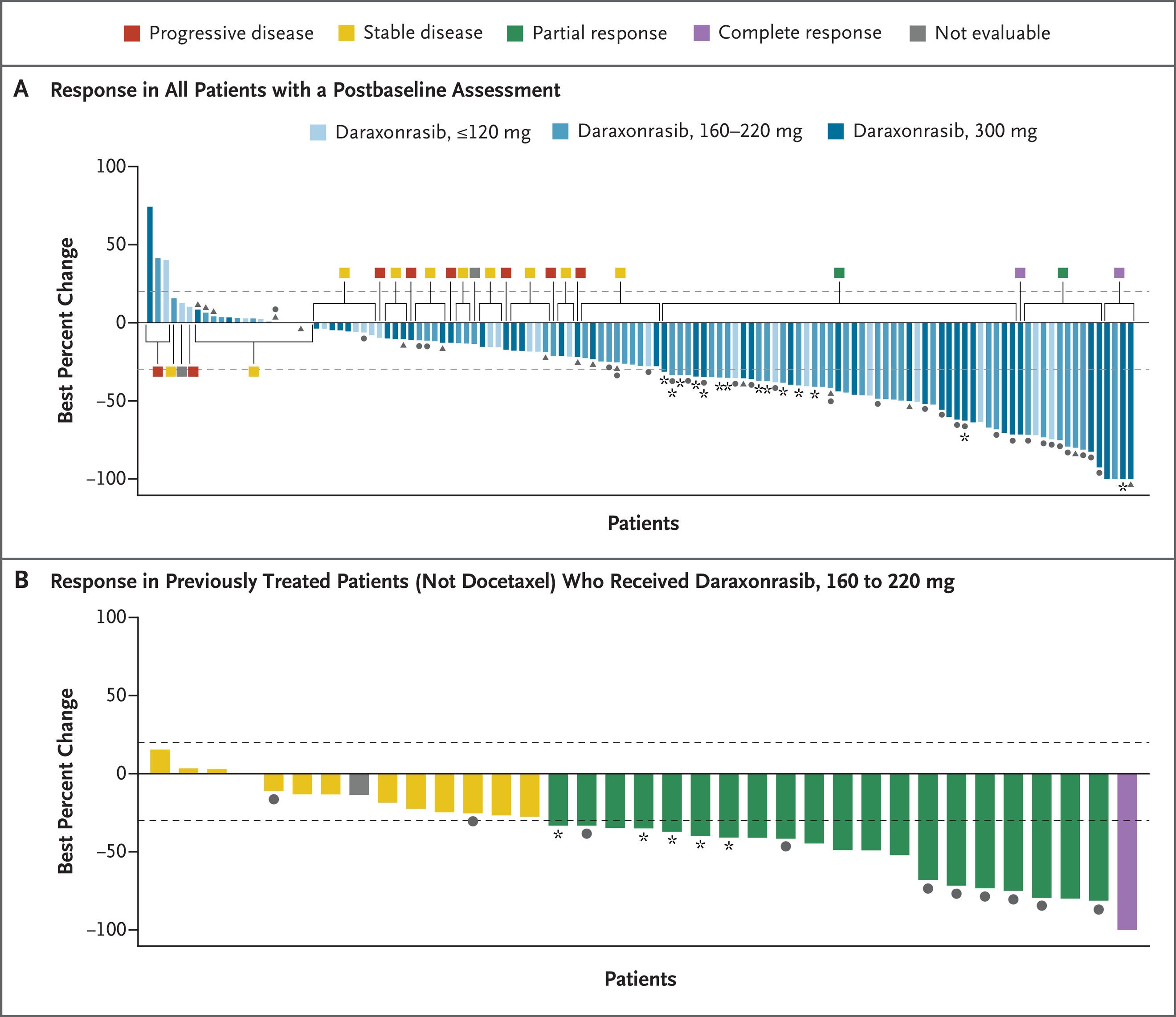
In the Phase 1/2 RMC-6236-001 trial evaluating 136 patients with advanced, previously treated RAS-mutant NSCLC, daraxonrasib demonstrated encouraging preliminary activity and a manageable safety profile. At the optimal 160-220 mg daily dose in docetaxel-naïve patients, this pan-RAS inhibitor achieved a confirmed objective response rate (ORR) of 42%, a disease control rate (DCR) of 89%, a median progression-free survival (mPFS) of 8.3 months, and a median overall survival (mOS) of 16.0 months, nearly tripling response rates and doubling progression-free survival (PFS) compared to historical docetaxel benchmarks on a cross-trial basis. Furthermore, the 160-220 mg dose proved manageable with a 25% rate of Grade ≥3 treatment-related adverse events and no Grade 4/5 toxicities (primarily presenting as manageable rash, diarrhea, and nausea) allowing high relative dose intensity (88%) while broadening targeted treatment options for the roughly 30% of NSCLC patients lacking driver-specific therapies.
Revolution Medicines is actively enrolling the global Phase 3 RASolve 301 trial (NCT06881784), evaluating daraxonrasib at the selected 200 mg daily dose versus docetaxel in second-line (2L) RAS-mutant NSCLC. The company is currently implementing routine skin and GI toxicity prophylaxis guidelines in ongoing trials to minimize Grade ≥3 rash and mucositis. The FDA approved daraxonrasib under the brand name Rasonque at 300 mg daily for previously treated metastatic pancreatic adenocarcinoma (PDAC). However, NSCLC remains an investigational indication pending Phase 3 readout.
Sources: Revolution Medicines press release, Arbour et al., NEJM (2026), Revolution Medicines slide deck
Teva - TEV-’408 (anti-IL15 mAb) / Phase 2a (celiac)
On September 2, 2026, Teva Pharmaceuticals announced topline Phase 2a results for TEV-’408, its investigational anti-IL-15 monoclonal antibody, demonstrating first-in-class proof-of-concept for protecting the gut lining against gluten-induced injury in adults with celiac disease.
Celiac disease is a systemic autoimmune enteropathy triggered by gluten in genetically susceptible (HLA-DQ2/8) individuals, where deamidated gliadin peptides drive intraepithelial lymphocyte (IEL) activation, mucosal inflammation, villous atrophy, and malabsorption, requiring a strict, lifelong gluten-free diet as the sole standard of care. Addressing this non-dietary treatment void, TEV-’408 is an extended-half-life human monoclonal antibody that neutralizes interleukin-15 (IL-15), a master upstream cytokine in celiac pathophysiology. By blocking IL-15 signaling, TEV-’408 is designed to suppress the expansion and cytotoxicity of IELs to prevent mucosal injury and gut inflammation, potentially offering a targeted, long-acting disease-modifying approach.
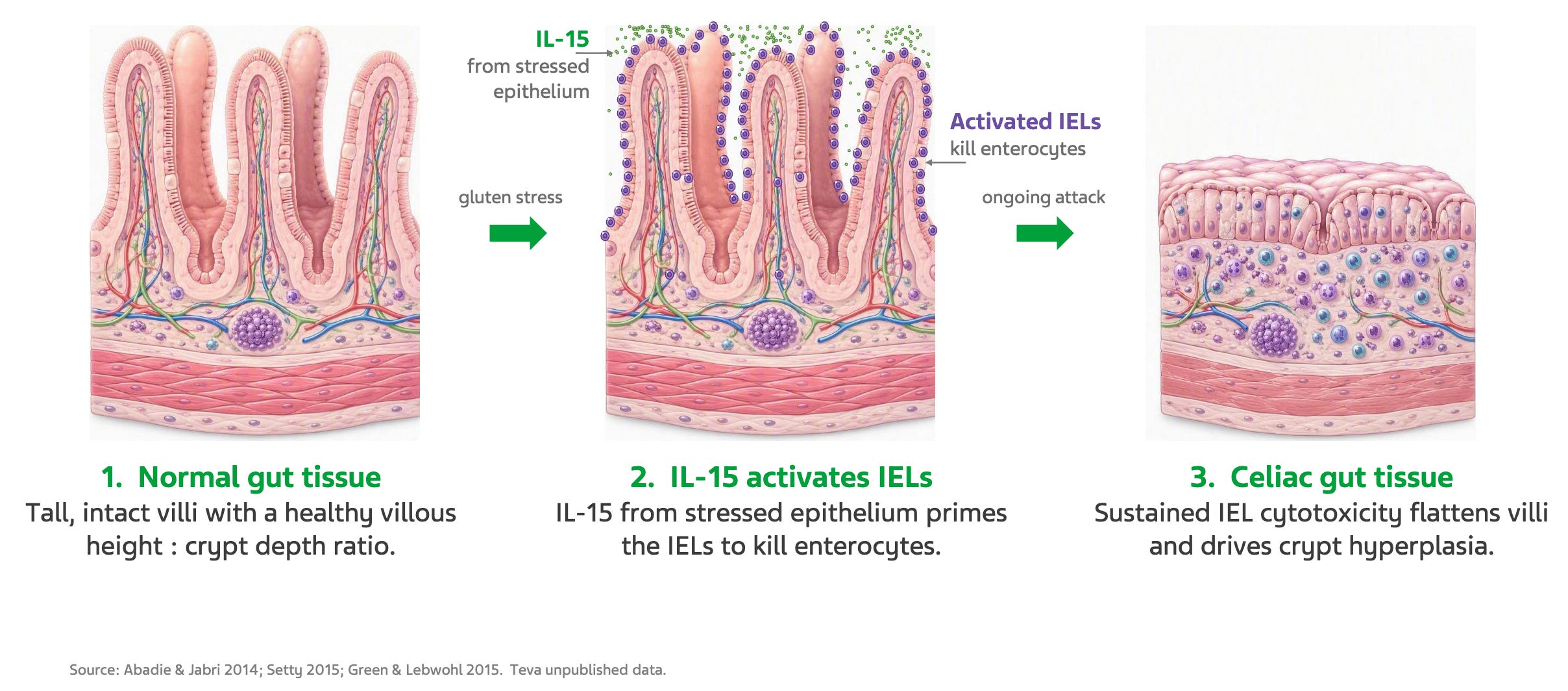
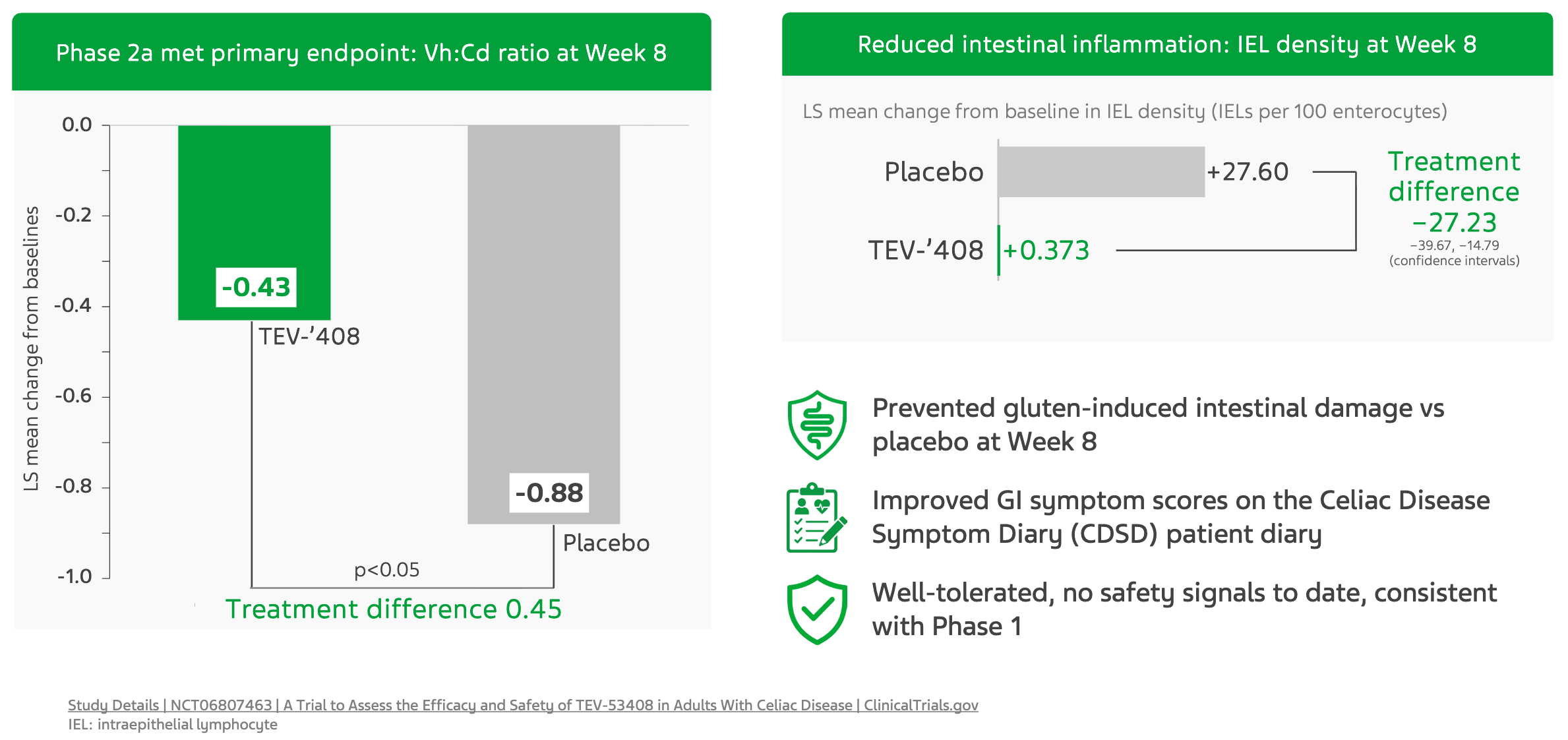
In the Phase 2a trial of 50 adults with celiac disease on a gluten-free diet, a single subcutaneous dose of TEV-’408 demonstrated preliminary Phase 2a evidence of mucosal protection during a 6-week daily gluten challenge. The study met its primary endpoint with a statistically significant attenuation of mucosal degradation, yielding a villous height-to-crypt depth (Vh:Cd) ratio change of -0.43 for TEV-’408 versus -0.88 for placebo (treatment difference: 0.45, p < 0.05), alongside near-complete suppression of intraepithelial lymphocyte infiltration (+0.37 vs. +27.60 for placebo, difference: -27.23). Supported by lower gastrointestinal symptom severity scores and a clean safety profile with no emerging treatment-related signals, these findings validate the extended half-life and 8-week durability of upstream IL-15 inhibition, offering promising proof-of-concept to address the therapeutic vacuum in celiac disease where no FDA-approved drugs currently exist.
Teva is completing full data analyses from the ongoing Phase 2a study to guide regulatory engagement and inform Phase 2b dose-ranging study designs. TEV-’408 currently holds FDA Fast Track designation for celiac disease (granted May 2025). The company remains focused on building on positive data in vitiligo and is advancing TEV-’408 into a Phase 2b trial for vitiligo, backed by a strategic $500 million funding partnership with Royalty Pharma.
Sources: Teva press release, Teva slide deck
AbbVie - Etentamig (BMCA x CD3 TCE) / Phase 3 (3L MM)
On September 3, 2026, AbbVie announced positive topline results from the Phase 3 CERVINO trial evaluating etentamig (ABBV-383), an investigational BCMA x CD3 bispecific T-cell engager, in patients with triple-class exposed relapsed/refractory multiple myeloma (RRMM).
Triple-class exposed relapsed/refractory multiple myeloma (RRMM) is an aggressive malignancy driven by clonal evolution and multi-drug resistance against proteasome inhibitors, immunomodulatory drugs, and anti-CD38 antibodies, leaving historical standard options with poor response rates (~30%) and brief progression-free survival (<4 months). Addressing this gap with T-cell redirection, etentamig (ABBV-383) is a second-generation, off-the-shelf bispecific antibody engineered to engage BCMA on malignant plasma cells and CD3 on T-cells. By pairing a low-affinity CD3-binding domain, designed to minimize cytokine release syndrome (CRS) and T-cell exhaustion, with high-avidity bivalent BCMA-binding domains and a modified Fc region for an extended half-life, etentamig achieves targeted cytotoxicity while enabling a convenient, monthly (once every four weeks) intravenous dosing schedule following a single step-up dose.
In the Phase 3 CERVINO trial of 393 heavily pretreated, triple-class exposed relapsed/refractory multiple myeloma patients, etentamig monotherapy met its dual primary endpoints by demonstrating superior efficacy and an improved safety profile over standard available therapies. Etentamig achieved a 74.0% objective response rate compared to 45.7% for standard regimens (p < 0.0001), reduced the risk of disease progression or death by 60% (HR = 0.40; p < 0.0001), and showed a favorable 12-month overall survival trend of 87.9% versus 72.0% (HR = 0.48). Engineered with a low-affinity CD3 domain, etentamig eliminated severe cytokine release syndrome in the trial (0% Grade ≥3; 28.3% overall Grade 1/2) and maintained a low infection profile. Combined with a single step-up dose followed by convenient monthly (Q4W) dosing, this manageable toxicity profile could enable administration in outpatient and community oncology settings, potentially reducing treatment burden while significantly outperforming standard regimens in hard-to-treat multiple myeloma.
AbbVie plans to present full results from the Phase 3 CERVINO trial in a plenary session at the 23rd International Myeloma Society (IMS) Annual Meeting in Glasgow, Scotland on Friday, September 25, 2026. The company plans to initiate discussions with global regulatory agencies to support registrational filings for triple-class exposed RRMM. Etentamig is also being developed as a monotherapy and in combinations for earlier lines of MM, as well as in AL amyloidosis.
Sources: AbbVie press release
Descriptive data releases without numerical data
GSK - FLUm3HA-3NA (mRNA vaccine) / Phase 2 (influenza): In the Phase 2 Flu-028 trial (N=971) presented at the OPTIONS XIII Conference, GSK announced positive topline results for its investigational dual-antigen mRNA seasonal influenza vaccine. The candidate utilizes a novel design targeting both hemagglutinin (HA) and neuraminidase (NA) surface proteins across influenza A and B strains, evaluated in two formulations: FLUm3HA.b-3NA (featuring an optimized B-strain HA) and FLUm3HA-3NA. The optimized FLUm3HA.b-3NA formulation elicited higher immune responses across all tested flu strains compared to standard-dose inactivated vaccines in younger adults (ages 18–64) and high-dose inactivated vaccines in older adults (ages ≥65), while maintaining an acceptable reactogenicity and safety profile. GSK plans to advance this FDA Fast Track-designated, optimized dual-antigen mRNA candidate into a pivotal Phase 3 efficacy trial. Sources: GSK press release
Jazz Pharma - Ziihera (HER2 mAb) / Phase 3 (1L HER2+ GEA): In the Phase 3 HERIZON-GEA-01 trial (N=914) evaluating first-line HER2-positive advanced gastroesophageal adenocarcinoma (GEA), Jazz Pharmaceuticals and BeOne Medicines announced positive topline results from a second interim analysis, demonstrating that Ziihera (zanidatamab-hrii), a bispecific HER2-directed antibody, plus chemotherapy achieved a statistically significant and clinically meaningful overall survival (OS) advantage over the historical standard of care, Herceptin (trastuzumab) plus chemotherapy. Building on the recent FDA approval of Ziihera in combination with chemotherapy and tislelizumab (which demonstrated a median OS of 26.4 months vs. 19.2 months for trastuzumab, HR=0.72), this new readout confirms survival superiority for Ziihera even as a chemo-combo doublet without an anti-PD-1 agent, while also demonstrating further hazard ratio improvements in the triplet regimen with extended follow-up. Both Ziihera-containing arms maintained a consistent and well-tolerated safety profile with no new safety signals, positioning the bispecific antibody to supplant trastuzumab as the new HER2-targeted backbone standard in 1L GEA, with full updated OS dataset presentations scheduled for a major medical conference in late 2026. Sources: Jazz Pharma press release
AstraZeneca - Orpathys (MET inhibitor) / Phase 3 (1L MET-oe EGFR+ NSCLC): In the Phase 3 SANOVO trial (N=326) conducted in China by HUTCHMED, AstraZeneca announced that its all-oral combination of Tagrisso (osimertinib) plus Orpathys (savolitinib, a selective MET inhibitor) demonstrated a statistically significant and “highly clinically meaningful improvement” in primary endpoint progression-free survival (PFS) compared to Tagrisso alone as a first-line treatment for treatment-naïve patients with MET-overexpressing, EGFR-mutated advanced non-small cell lung cancer (NSCLC). The PFS advantage was observed across both high MET (IHC 3+) and intention-to-treat (IHC 2+/3+) populations, while also showing “very encouraging clinical benefit” in key secondary endpoint overall survival (OS). With a safety profile consistent with known monotherapy data and no new safety signals, these results build on prior post-progression successes (SAFFRON and SACHI) to establish the Tagrisso-Orpathys doublet as a potential front-line option to intercept MET-driven primary resistance, with full results slated for presentation at an upcoming medical conference. Sources: AstraZeneca press release
Novartis - Remibrutinib (BTK inhibitor) / Phase 3 (RMS): In the twin Phase 3 REMODEL-1 and REMODEL-2 trials (N ≈ 2,000) in relapsing multiple sclerosis (RMS), Novartis announced that its highly selective oral Bruton’s tyrosine kinase (BTK) inhibitor, remibrutinib met its primary endpoints by demonstrating a statistically significant reduction in annualized relapse rates (ARR) compared to Sanofi’s oral standard Aubagio (teriflunomide). Beyond superior relapse control, remibrutinib achieved superiority across all key secondary endpoints, including a significant reduction in inflammatory MRI brain lesions and a clinically meaningful delay in disability progression (showing nominal significance in 6-month confirmed disability progression in a pooled analysis). Crucially, remibrutinib sidestepped the class-wide liver toxicity concerns that have hampered competing BTK inhibitors, demonstrating a favorable safety profile with zero cases meeting Hy’s Law criteria for severe liver injury. Full detailed data will be presented as a late-breaker at MSToronto2026, establishing remibrutinib as a potential first-in-class oral BTK inhibitor to enter global regulatory filings for RMS. Sources: Novartis press release
Love biotech? Check out Biotech Readout’s full content library, or navigate directly to a segment that interests you:
Frontiers in Medicine: Exploring the frontiers of our understanding and treatments for disease.
Medical History: Recovering forgotten relics in the history of medicine.
Acquisitions: Exploring the innovation behind acquired companies.
Weekly Readout: A digest of new clinical data from the past week.

To contact us, please send us an email at biotechreadout@gmail.com
Disclaimers
Investigational Status Disclaimer
The therapeutic candidates discussed in this newsletter are currently in clinical development and have not been approved for commercial sale by the U.S. Food and Drug Administration (FDA), the European Medicines Agency (EMA), or other global regulatory authorities. Their safety and efficacy have not been established. References to pipeline products and ongoing clinical trials involve significant risks and uncertainties. Statements regarding the potential safety, potency, or efficacy of investigational drugs reflect current hypotheses and are not a guarantee of future performance or regulatory clearance. The outcome of clinical trials is inherently unpredictable, and clinical results from earlier stages may not be predictive of results in later, larger-scale trials.
No Medical Advice Disclaimer
This newsletter is for informational and educational purposes only. The content is not intended to be a substitute for professional medical advice, diagnosis, or treatment. Always seek the advice of your physician or another qualified health provider with any questions you may have regarding a medical condition. Never disregard professional medical advice or delay in seeking it because of something you have read in this publication.
No Patient-Provider Relationship Disclaimer
The information provided in this newsletter is for educational and analytical purposes only. Receipt of this information, or any interaction with this content, does not create a physician-patient, pharmacist-patient, or any other professional-provider relationship between you and the authors or publishers. This newsletter should not be used as a substitute for a personal consultation with a qualified healthcare professional.
Forward-Looking Statements Disclaimer
This newsletter contains “forward-looking statements” regarding future events, including clinical trial timing, regulatory milestones, and projected market performance. These statements are based on current expectations and assumptions that are subject to significant risks and uncertainties. Actual results may differ materially from those expressed or implied. We undertake no obligation to update these statements as a result of new information or future developments.
Third-Party Links & Content Disclaimer
This newsletter contains links to third-party websites, including clinical trial registries and corporate presentations. Biotech Readout does not endorse, guarantee, or assume responsibility for the accuracy or reliability of any information offered by third-party providers. Figures or charts from copyrighted journals or company decks are reproduced for educational/fair use purposes only. Image copyright remains with the publisher/authors.
Errors and Omissions Disclaimer
While we strive for technical accuracy, the information in this newsletter is provided on an “as is” basis with no guarantees of completeness, accuracy, or timeliness. Biotech Readout assumes no liability for any errors or omissions in the content of this publication.
Non-Endorsement Disclaimer
Any reference to specific commercial products, processes, or services by trade name, trademark, or manufacturer does not constitute or imply an endorsement or recommendation by the author. All trademarks are the property of their respective owners.
No Investment Advice Disclaimer
This newsletter is for informational purposes only and does not constitute financial, investment, or legal advice. The author is not a registered investment advisor. You should consult with a professional financial advisor before making any investment decisions. The biotechnology sector is highly volatile; past performance is not indicative of future results.
Conflict of Interest Disclaimer
The author of this newsletter maintains a position of independence. At the time of publication, the author holds no direct financial interest, equity, or options in any of the companies mentioned in this report. No compensation has been received from any third party to feature or analyze specific therapeutic candidates or corporate entities.