

Disclaimer: This newsletter is for educational and informational purposes only and does not constitute medical, investment, or financial advice, nor does it establish a provider-patient relationship. Content may include forward-looking statements and discussions of investigational therapeutic candidates that are not FDA/EMA approved; their safety and efficacy remain unestablished and clinical outcomes are unpredictable. While we strive for accuracy, all information is provided as is without guarantees. As of the date of publication, the author holds no direct equity positions in the specific companies mentioned in this issue nor receives third-party compensation for this coverage. Please find a complete version of our disclaimers at the bottom of the article and linked here.

Press ⬇️ to go down to a section and ⬆️ to go back up to the Table of Contents
Table of Contents
This week, we discuss:
Acquisitions
Shionogi to Acquire IntraBio ⬇️
Conferences
Approvals
Egetis - Emcitate (membrane-permeable TRa/b agonist) / Approved (MCT8 deficiency) ⬇️
Roche - Tecentriq (anti-PDL1 mAb) / Approved (Stage 2 dMMR CRC) ⬇️
Novartis - Rhapsido (BTK inhibitor) / Approved (SD) ⬇️
Pfizer - Tukysa (HER2 x HER3 inhibitor) / Approved (1L HER2+ BC) ⬇️
Eli Lilly - Jaypirca (BTK inhibitor) / Approved (1L CLL, SLL) ⬇️
BMS - Camzyos (cardiac myosin inhibitor) / Approved (childhood oHCM) ⬇️
Clinical Trial Data
Genmab - Rinatabart sesutecan (FRα ADC) / Phase 1/2 (PROC) ⬇️
Kodiak - Tarcocimab (VEGF inhibitor) / Phase 3 (wAMD) ⬇️
AbbVie & Genmab - Epkinly (CD20 x CD3 TCE) / Phase 3 (1L DLBCL) ⬇️
Vaxcyte - VAX-31 (31-valent vaccine) / Phase 3 (pneumococcal) ⬇️
Regeneron - Ubamatamab (MUC16 x CD3 TCE) / Phase 1/2 (LGSOC) ⬇️
Connect - Rademikibart (anti-IL4Rα mAb) / Phase 2 (COPD) ⬇️
Immix - NXC-201 (BCMA CAR-T) / Phase 2 (AL amyloidosis) ⬇️
BMS - BMS-986453 (BCMA x GPRC5D bsCAR-T) / Phase 1 (r/r MM) ⬇️
Mirum - Brelovitug (anti-HBsAg mAb)/ Phase 3 (HDV) ⬇️
Adicet - Prula-cel (allo gamma delta T cells) / Phase 1 (SLE) ⬇️
Acquisitions

Conferences


Approvals
Egetis - Emcitate (membrane-permeable TRa/b agonist) / Approved (MCT8 deficiency)
On September 28, 2026, the FDA approved Emcitate (tiratricol), developed by Egetis Therapeutics, as the first-ever targeted treatment for peripheral thyrotoxicosis in adult and pediatric patients with monocarboxylate transporter 8 (MCT8) deficiency. Alongside the regulatory approval, the FDA awarded Egetis a Rare Pediatric Disease Priority Review Voucher (PRV), a valuable incentive that Egetis can monetize to fund further rare disease drug development. Affected individuals, primarily newborn males due to the condition’s X-linked genetic nature, suffer from defective MCT8 cell membrane transporters, which prevents essential thyroid hormones from properly entering cells. This causes triiodothyronine (T3) to accumulate to toxic levels in peripheral tissues, causing chronic hyperthyroidism-like effects that severely strain the cardiovascular system and liver, leading to a drastically reduced life expectancy of roughly 35 years. Emcitate works as a membrane-permeable thyroid hormone receptor agonist. Since its molecular structure allows it to bypass the mutated MCT8 transporter, it directly accesses cells to regulate thyroid hormone signaling, effectively suppressing excess circulating T3 levels and relieving the systemic toxicities of the disease.
The FDA’s decision was backed by two key clinical studies: the open-label Phase 2 Triac Trial I and the pivotal Phase 3 ReTRIACt trial. The open-label Phase 2 Triac Trial I enrolled 46 male patients across a broad age range (infants to adults) with genetically confirmed MCT8 deficiency. The trial was designed to evaluate whether daily oral administration of tiratricol reduces toxic serum T3 concentrations and improves systemic hyperthyroid/thyrotoxic symptoms. Serum total T3 normalized in patients, decreasing from a baseline average of 323.4 ng/dL to 118.3 ng/dL. Treatment with Emcitate significantly reduced cardiovascular stress, including a mean heart rate drop of 8.9 bpm and a mean systolic blood pressure reduction of 4.1 mm Hg, as well as improved in hyperthyroid metabolic markers (e.g., reductions in excessive sweating and hypermetabolic catabolism).

The Phase 3 ReTRIACt trial was requested specifically by the US FDA as the pivotal study for US regulatory approval and enrolled 16 evaluable male patients aged ≥4 years with confirmed MCT8 deficiency who were already maintained on a stable dose of tiratricol. The trial was designed to determine whether or not continuous treatment with Emcitate is required to maintain T3 suppression and control peripheral thyrotoxicosis. The trial met its primary endpoint with high statistical significance, establishing that continuous therapy with Emcitate is required to suppress toxic serum T3 levels and prevent the return of peripheral thyrotoxicosis. Discontinuation of tiratricol led to a rapid, statistically significant rebound of serum total T3 above the upper limit of normal in the placebo arm.


Sources: Egetis press release, new Emcitate label
Roche - Tecentriq (anti-PDL1 mAb) / Approved (Stage 2 dMMR CRC)
On October 08, 2026, the FDA approved Roche’s anti-PD-L1 monoclonal antibody Tecentriq (atezolizumab), in combination with a fluoropyrimidine and oxaliplatin (mFOLFOX6), for the adjuvant treatment of adult and pediatric patients aged two and older with Stage III mismatch repair-deficient (dMMR) colon cancer. The FDA also expanded the label for Tecentriq Hybreza, the subcutaneous formulation of atezolizumab and hyaluronidase-tqjs, in the same indication for patients 12 years and older weighing at least 40 kg. This decision marks the 12th U.S. indication for Tecentriq and establishes the first targeted immunotherapy-chemotherapy combination regimen in the adjuvant dMMR colon cancer setting.
The regulatory approval was grounded in pivotal data from the Phase 3 ATOMIC trial, which enrolled 712 patients with surgically resected Stage 3 dMMR colon cancer. The trial met its primary endpoint of investigator-assessed disease-free survival (DFS). Adjuvant Tecentriq plus chemotherapy reduced the risk of disease recurrence or death by 50% compared to standard mFOLFOX6 chemotherapy alone (HR = 0.50, p = 0.0001). At 36 months (3 years), 86% of patients in the Tecentriq combination arm remained disease-free compared to 76% in the chemotherapy-alone control arm. The overall safety profile of the combination regimen was consistent with the known safety profiles of Tecentriq and mFOLFOX6, with no unexpected safety signals observed.
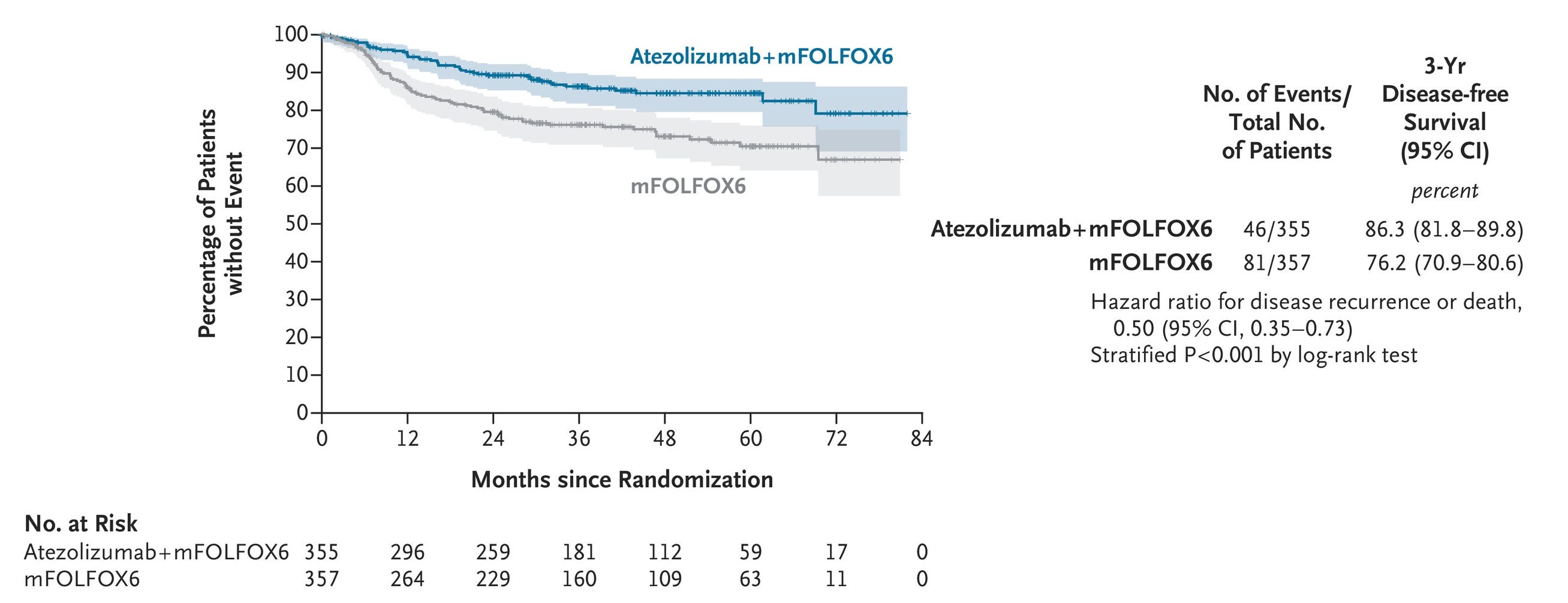
Sources: Roche press release, Sinicrope et al., NEJM (2026), updated Tecentriq & Tecentriq Hybreza not currently available
Novartis - Rhapsido (BTK inhibitor) / Approved (SD)
On October 7, 2026, the FDA approved a label expansion for Novartis’ Rhapsido (remibrutinib), an oral, highly selective Bruton’s tyrosine kinase (BTK) inhibitor, as the first targeted treatment for adult patients with symptomatic dermographism (SD) who remain inadequately controlled by H1 antihistamines. Symptomatic dermographism (SD) is the most common form of chronic inducible urticaria (CInU). Unlike chronic spontaneous urticaria (CSU), where hives occur without a distinct trigger, SD causes debilitating itching, skin writing, and wheal formation in response to minimal physical contact, such as light scratching, rubbing, or friction from clothing. Standard management has historically relied on H1 antihistamines, leaving a substantial population of patients with uncontrolled symptoms. By selectively blocking BTK, an essential signaling node upstream of mast cell activation and histamine release, Rhapsido is designed to prevent the cascade that drives hive formation directly at its source. With this regulatory milestone, Rhapsido becomes the first and only drug approved in the U.S. for both CSU and SD, covering the two most prevalent forms of chronic hives.
The regulatory approval was grounded in clinical results from the pivotal Phase 3 RemIND study, a randomized, double-blind, placebo-controlled basket trial evaluating oral remibrutinib in adult patients with CSU. In the SD cohort evaluated with friction-provocation testing, Rhapsido achieved a statistically significant complete response rate compared to placebo at Week 12. Specifically, 29.3% of patients treated with Rhapsido (25 mg twice daily) achieved complete resolution of hives versus 14.0% in the placebo arm (p = 0.0229), representing a more than twofold improvement in response rate. Treatment separation from placebo was observed as early as Week 2, demonstrating a rapid onset of symptom control for patients suffering from mechanical friction-induced hives. Up to 24 weeks of clinical evaluation, Rhapsido demonstrated a favorable safety profile in the SD cohort consistent with prior findings in CSU, with no routine laboratory monitoring required. The most common adverse events (incidence ≥3%) included nasopharyngitis, bleeding events, headache, nausea, and abdominal pain.
Sources: Novartis press release, updated Rhapsido label not currently available
Pfizer - Tukysa (HER2 x HER3 inhibitor) / Approved (1L HER2+ BC)
On October 7, 2026, the FDA expanded the approval of Pfizer’s Tukysa (tucatinib), an oral selective tyrosine kinase inhibitor (TKI) targeting HER2, in combination with Herceptin (trastuzumab) and Perjeta (pertuzumab) for the maintenance treatment of adult patients with unresectable locally advanced or metastatic HER2-positive breast cancer. Eligible patients include those who have not experienced disease progression following initial induction therapy with taxane-based chemotherapy, trastuzumab, and pertuzumab. This regulatory decision marks Tukysa’s expansion into frontline care as a chemotherapy-free maintenance option, building upon its existing indications in second-line and later-line HER2-positive metastatic disease.
The regulatory expansion was supported by clinical results from the pivotal Phase 3 HER2CLIMB-05 trial, which enrolled 54 patients with HER2-positive unresectable locally advanced or metastatic breast cancer (with or without brain metastases) who achieved non-progressive disease after 4 to 8 cycles of frontline induction therapy with a taxane, trastuzumab, and pertuzumab. The trial met its primary endpoint, demonstrating a statistically significant and clinically meaningful improvement in investigator-assessed progression-free survival (PFS). Adding Tukysa to trastuzumab and pertuzumab reduced the risk of disease progression or death by 36% compared to the placebo control combination (HR = 0.64, p < 0.0001). Patients in the Tukysa maintenance arm achieved a median PFS of 24.9 months (95% CI: 21.3-NE) compared to 16.3 months (95% CI: 12.6-18.7) in the placebo control arm, representing an 8.6-month extension in time spent free of disease progression. The safety profile of the triplet regimen was generally consistent with the established profiles of individual agents. Serious adverse reactions occurred in 17% of patients receiving Tukysa. Hepatotoxicity (primarily transient, asymptomatic elevations in ALT/AST) was noted as a key adverse event requiring routine liver function monitoring, with drug modifications effectively managing most events.
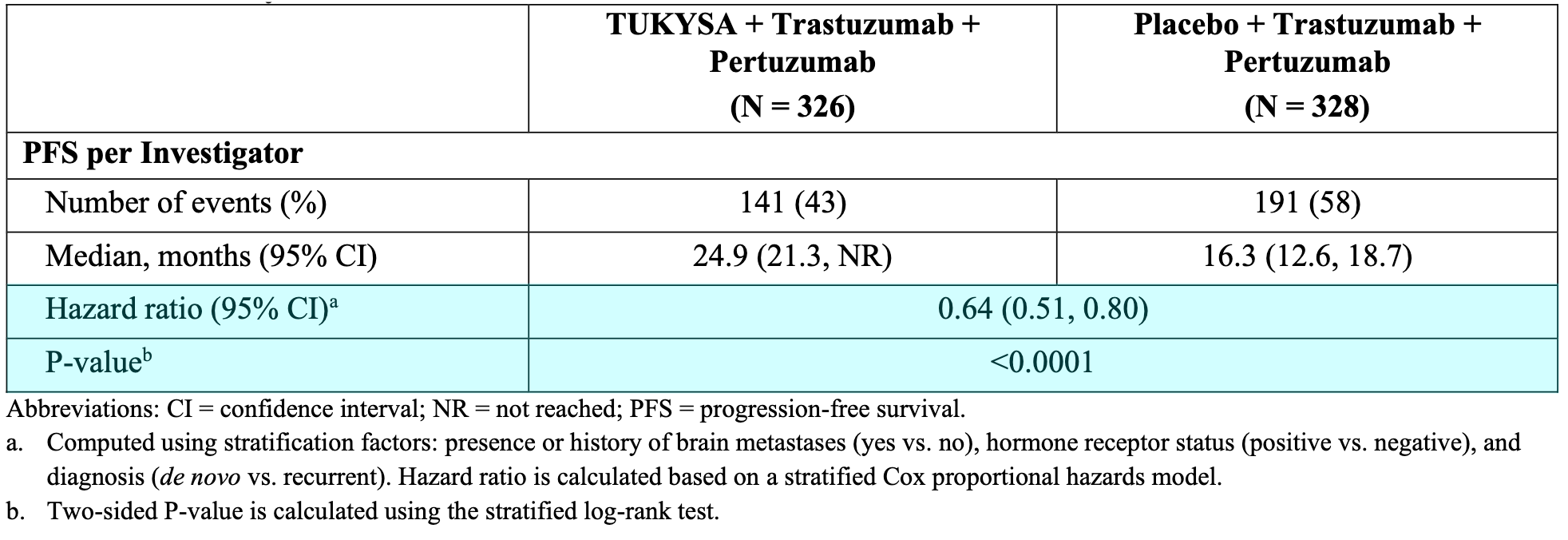
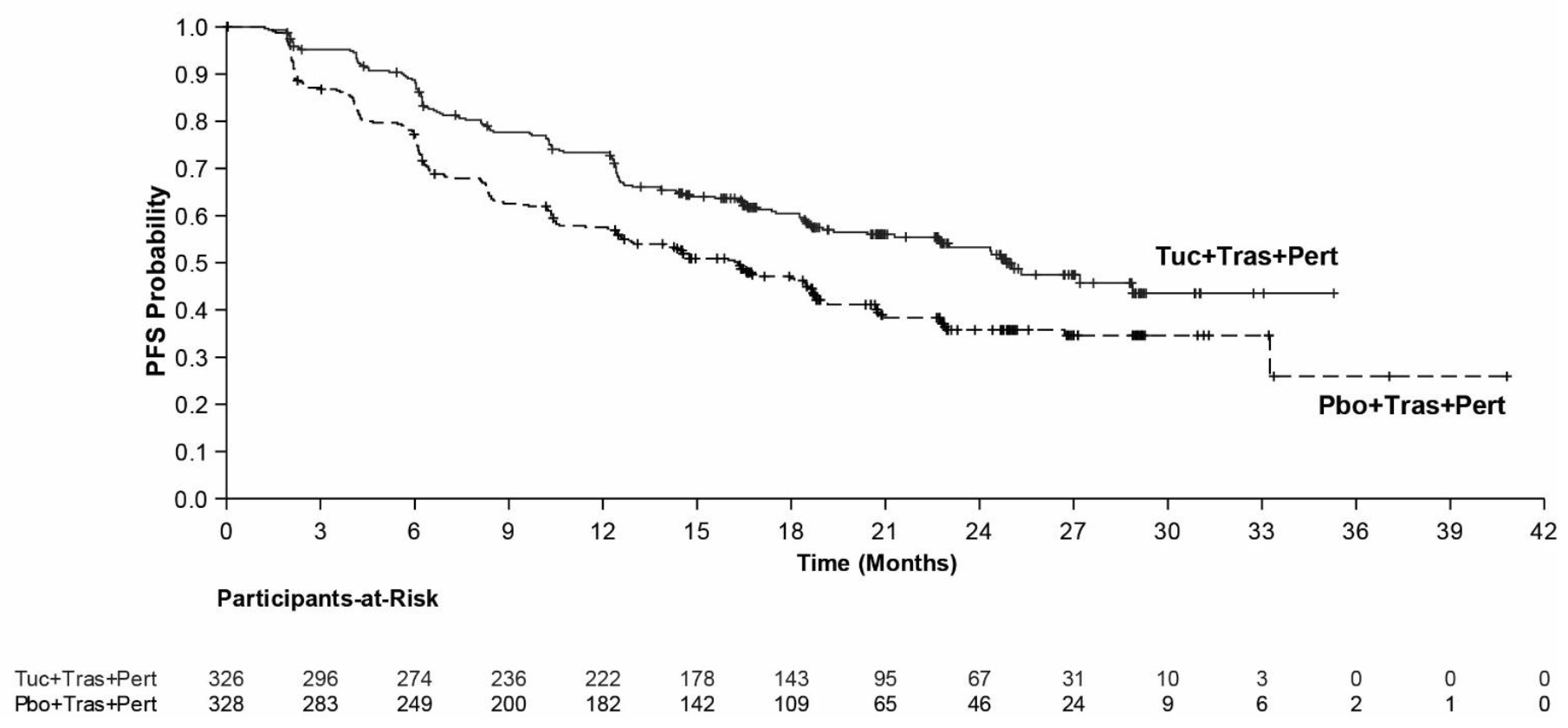
Sources: Pfizer press release, updated Tukysa label
Eli Lilly - Jaypirca (BTK inhibitor) / Approved (1L CLL, SLL)
On October 2, 2026, the FDA approved a significant label expansion for Eli Lilly’s Jaypirca (pirtobrutinib), establishing it as the first and only non-covalent (reversible) Bruton’s tyrosine kinase (BTK) inhibitor approved for adult patients with previously untreated chronic lymphocytic leukemia (CLL) or small lymphocytic lymphoma (SLL) who do not have a 17p deletion. CLL and SLL represent slow-growing non-Hodgkin lymphomas originating in B-cell lymphocytes, with CLL being one of the most common leukemias diagnosed in adults. While covalent BTK inhibitors (such as ibrutinib, acalabrutinib, and zanubrutinib) and venetoclax-based regimens have reshaped frontline management, disease progression due to resistance mutations, most notably at the C481 binding site, and treatment discontinuation due to off-target toxicities remain clinical hurdles. Jaypirca utilizes a distinct non-covalent binding mechanism that reversibly inhibits BTK without relying on the C481 residue. Having initially entered the market for heavily pretreated, relapsed/refractory B-cell malignancies, this regulatory decision brings Jaypirca directly into first-line care, providing a highly selective, once-daily oral monotherapy option at initial diagnosis.
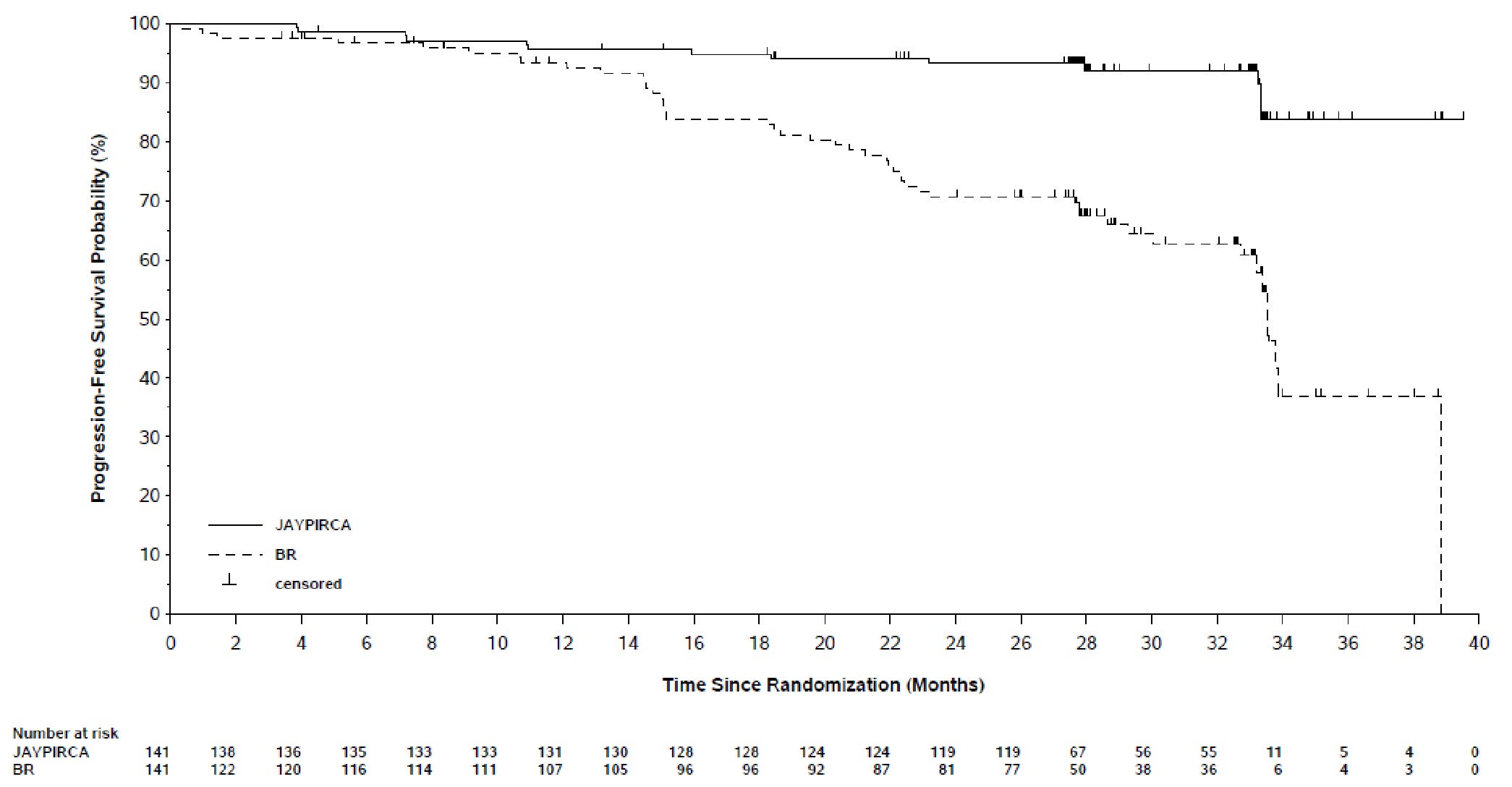
The regulatory approval was supported by results from the pivotal Phase 3 BRUIN CLL-313 trial, which enrolled 282 treatment-naïve patients with CLL or SLL lacking deletion 17p. Jaypirca met its primary endpoint, demonstrating a statistically significant and clinically meaningful extension in progression-free survival (PFS) as assessed by an independent review committee (IRC). Continuous Jaypirca reduced the risk of disease progression or death by 80% compared to bendamustine plus rituximab (HR = 0.199, p < 0.0001). At 24 months, 93.4% of patients in the Jaypirca arm remained progression-free compared to 70.7% of patients in the chemoimmunotherapy arm. Jaypirca achieved an overall response rate (ORR) of 94% (95% CI: 89%-98%) versus 81% (95% CI: 73%-87%) for the BR control arm. Although overall survival (OS) data remained immature at the time of analysis, interim trends favored Jaypirca (HR = 0.257), despite more than half of the progression events in the BR arm crossing over to receive Jaypirca monotherapy. Jaypirca exhibited a favorable safety profile compared to chemoimmunotherapy, marked by substantially lower rates of Grade ≥3 treatment-emergent adverse events (40.0% vs. 67.4%) and treatment discontinuations due to adverse events (4.3% vs. 15.2%). Discontinuation and dose-reduction rates due to toxicities were notably low, with minimal rates of atrial fibrillation/flutter observed.
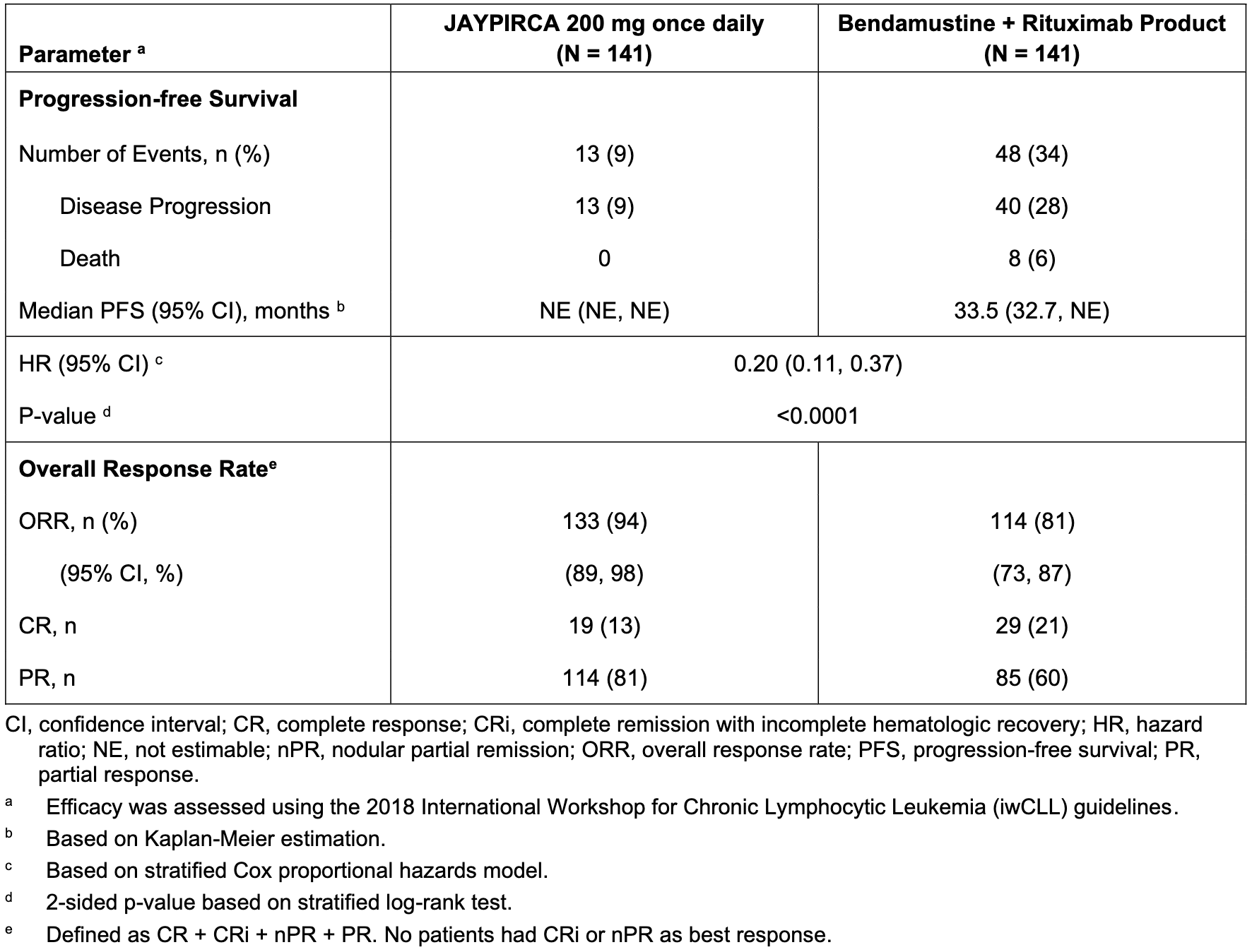
Sources: Eli Lilly press release, updated Jaypirca label
BMS - Camzyos (cardiac myosin inhibitor) / Approved (childhood oHCM)
On September 30, 2026, the FDA approved an expanded indication for Bristol Myers Squibb’s Camzyos (mavacamten), a first-in-class oral cardiac myosin inhibitor, for the treatment of symptomatic obstructive hypertrophic cardiomyopathy (oHCM) in pediatric patients aged 12 years and older who weigh at least 30 kg (66 lbs). This decision makes Camzyos the first and only targeted disease-modifying therapy approved specifically for children and adolescents with oHCM. Pediatric patients with oHCM frequently suffer from debilitating exertional dyspnea, fatigue, reduced exercise tolerance, and elevated risks of heart failure or sudden cardiac death. Prior to this approval, clinical management relied primarily on off-label non-specific symptomatic medications, such as beta-blockers or calcium channel blockers, or invasive surgical septal myectomy. Camzyos works directly at the sarcomeric level by reversibly binding to cardiac myosin, reducing actin-myosin cross-bridge formation to alleviate hypercontractility, relieve LVOT obstruction, and improve cardiac filling pressures.
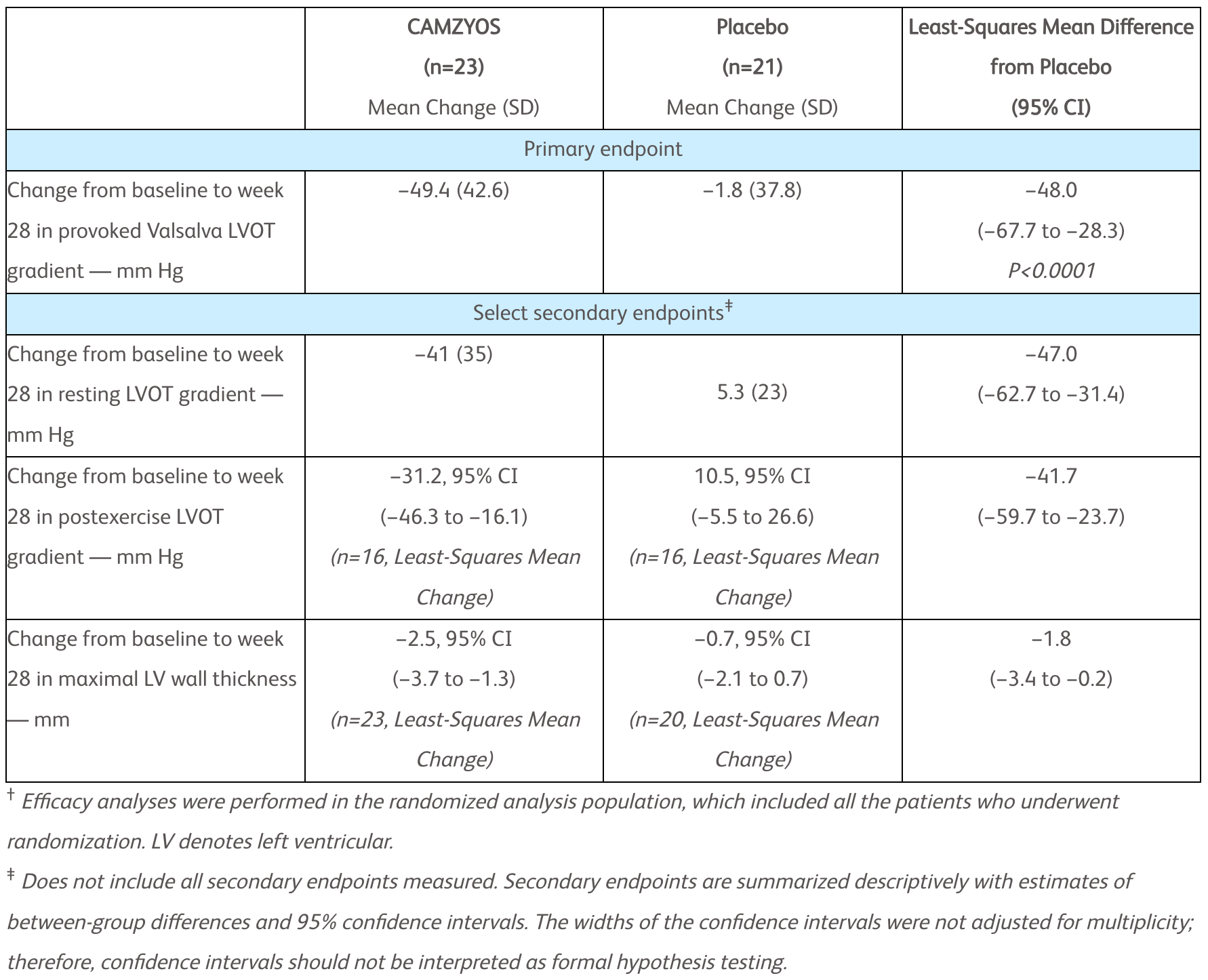
The regulatory expansion was supported by efficacy and safety outcomes from the pivotal Phase 3 SCOUT-HCM trial, which enrolled 44 adolescent patients aged 12 to <18 years weighing at least 30 kg with symptomatic oHCM. The trial met its primary endpoint, demonstrating a statistically significant reduction in post-exercise (Valsalva) LVOT peak gradient at Week 28 compared to placebo. Treatment with Camzyos achieved marked improvements in secondary parameters, including reductions in resting LVOT gradients, improvements in functional NYHA class status, and favorable reductions in key cardiac biomarkers (NT-proBNP and cardiac troponin I). The safety profile in adolescent patients was consistent with the established profile in adults, with serious adverse events occurring in 9% of the Camzyos group versus 10% of the placebo group. No patients in the Camzyos arm experienced a drop in left ventricular ejection fraction (LVEF) below 50% during the 28-week period. Due to the inherent risk of heart failure from systolic dysfunction, Camzyos remains accessible only through the restricted Camzyos Risk Evaluation and Mitigation Strategy (REMS) program.
Sources: BMS press release, updated Camzyos label
Clinical Trial Data
Genmab - Rinatabart sesutecan (FRα ADC) / Phase 1/2 (PROC)
On October 3, 2026, Genmab reported positive Phase 2 topline data from the pivotal cohort of its Phase 1/2 RAINFOL-01 trial evaluating rinatabart sesutecan (Rina-S; GEN1184) in patients with platinum-resistant ovarian cancer (PROC).
Platinum-resistant ovarian cancer (PROC) poses a significant clinical challenge due to acquired cellular resistance mechanisms, such as enhanced DNA repair and altered drug efflux, that necessitate shifting from platinum regimens to single-agent non-platinum chemotherapy, often combined with targeted agents like bevacizumab or the folate receptor alpha (FRα)-directed antibody-drug conjugate (ADC) mirvetuximab soravtansine. To expand options in this space, rinatabart sesutecan (Rina-S) utilizes a novel human monoclonal antibody to target FRα and deliver exatecan, a potent topoisomerase I inhibitor, directly into tumor cells via a hydrophilic, protease-cleavable linker. Upon internalization, the payload causes double-stranded DNA breaks and apoptosis, while its optimized linker design is designed to enhance bystander killing of neighboring cancer cells and reduce systemic toxicities compared to legacy ADC platforms.
In the open-label Phase 1/2 RAINFOL-01 trial (n=109), rinatabart sesutecan (Rina-S) demonstrated significant, durable antitumor activity and a favorable safety profile in patients with platinum-resistant ovarian cancer. Rina-S achieved a confirmed objective response rate of 45.9% (including 5 complete responses), a median duration of response of 12.1 months (with 51% maintaining response at one year), and a median progression-free survival of 9.5 months. Treatment was well tolerated, with only a 5.5% discontinuation rate due to adverse events and no off-target safety signals such as ocular toxicity, interstitial lung disease, peripheral neuropathy, or severe stomatitis. Importantly, responses occurred across all folate receptor alpha (FRα) expression levels, including low and negative expressors, and in patients previously treated with mirvetuximab soravtansine. By demonstrating activity regardless of FRα status and utilizing a topoisomerase I inhibitor payload that overcomes tubulin-inhibitor resistance, Rina-S offers potential best-in-class utility to broaden treatment eligibility beyond current biomarker-restricted options.
Genmab has initiated the global Phase 3 RAINFOL-02 trial comparing Rina-S monotherapy against investigator’s choice chemotherapy in patients with platinum-resistant ovarian cancer. Evaluation of Rina-S is expanding into broader gynecologic malignancies, including ongoing cohorts in endometrial cancer and combination regimens in earlier lines of therapy.
Sources: Genmab press release
Kodiak - Tarcocimab (VEGF inhibitor) / Phase 3 (wAMD)
On September 28, 2026, Kodiak Sciences announced positive topline results from the pivotal Phase 3 DAYBREAK trial evaluating tarcocimab tedromer (Zenkuda; KSI-301), a novel, high-molecular-weight anti-VEGF therapy, in patients with wet age-related macular degeneration (wAMD).
Wet age-related macular degeneration (wAMD) is an advanced retinal disease driven by elevated vascular endothelial growth factor (VEGF), causing abnormal vessel growth, intraretinal fluid leakage, and severe central vision loss that requires frequent, burden-heavy intravitreal anti-VEGF injections every 4 to 16 weeks. To address this treatment burden, tarcocimab tedromer utilizes Kodiak’s proprietary bioconjugation platform to link a humanized anti-VEGF monoclonal antibody to a high-molecular-weight biopolymer, extending its intraocular half-life to roughly 20 days, roughly three times longer than first-generation therapies. By maintaining prolonged therapeutic drug levels within the eye, tarcocimab inhibits VEGF-driven vascular permeability and fluid accumulation while significantly extending retreatment intervals to relieve the lifelong injection burden on patients and healthcare systems.
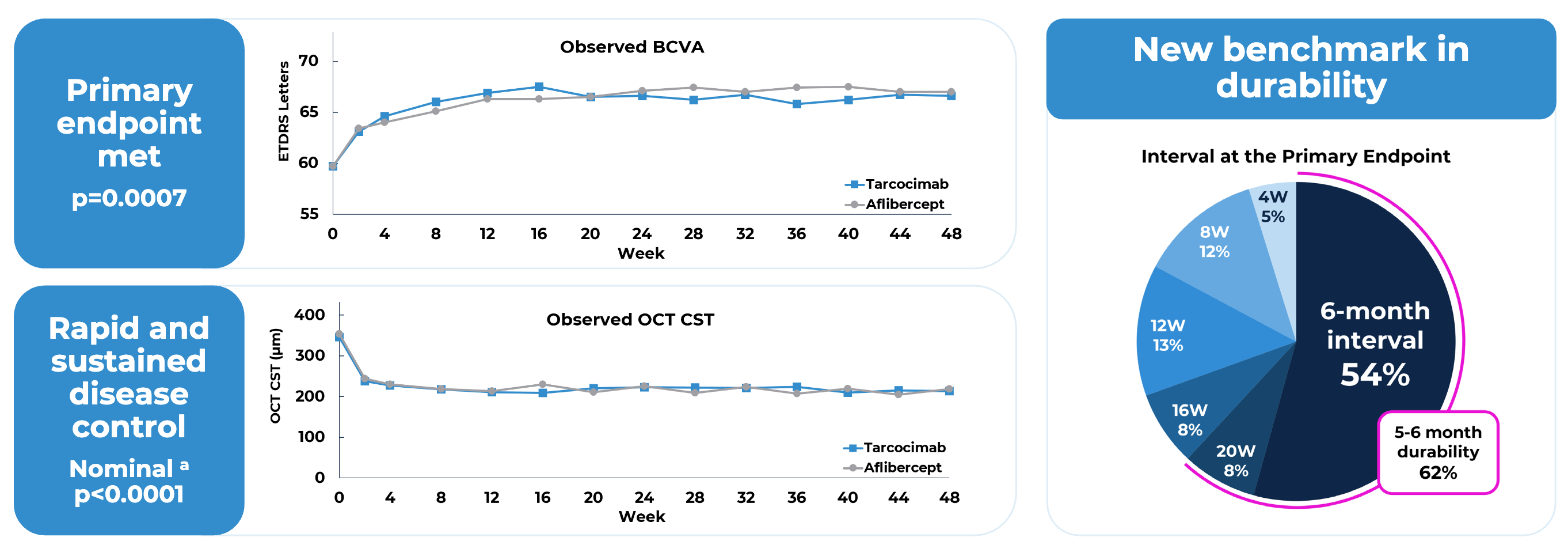
In the pivotal Phase 3 DAYBREAK study evaluating treatment-naïve wet age-related macular degeneration (wAMD), tarcocimab tedromer met its primary endpoint by achieving statistically significant visual acuity non-inferiority compared to aflibercept (p=0.0036), while demonstrating superior anatomical drying and central subfield thickness reductions (p<0.0001). Under strict treat-to-dryness criteria, 54% of tarcocimab-treated patients maintained an extended 24-week (6-month) dosing interval at Year 1 with a clean safety profile, showing low rates of intraocular inflammation (0%) and cataract-related events (0.5%). By pairing robust visual and anatomical gains with durable 6-month retreatment intervals, tarcocimab directly addresses real-world treatment fatigue and under-dosing, the primary drivers of long-term vision loss, positioning itself as a potential new standard-of-care that could significantly reduce clinic visit frequency and administrative burden in retinal disease management.
With five successful Phase 3 pivotal trials complete across three major retinal vascular indications (DAYBREAK and DAYLIGHT in wAMD, GLOW1 and GLOW2 in diabetic retinopathy [DR], and BEACON in retinal vein occlusion [RVO]) Kodiak Sciences plans to submit a single, comprehensive Biologics License Application (BLA) to the U.S. FDA in the fourth quarter of 2026. The BLA submission will seek approval for tarcocimab across wAMD, DR, and RVO simultaneously.
Sources: Kodiak press release, Kodiak slide deck
AbbVie & Genmab - Epkinly (CD20 x CD3 TCE) / Phase 3 (1L DLBCL)
Genmab and AbbVie announced positive topline results from the pivotal Phase 3 EPCORE DLBCL-2 trial evaluating Epkinly (epcoritamab-bysp) in combination with standard-of-care R-CHOP chemoimmunotherapy in patients with newly diagnosed, untreated diffuse large B-cell lymphoma (DLBCL).
Diffuse large B-cell lymphoma (DLBCL) is the most prevalent form of non-Hodgkin lymphoma worldwide, characterized by an aggressive clinical course where up to 40% of patients experience disease relapse or refractory progression following frontline therapy. The landmark readout establishes Epkinly as the first T-cell engaging bispecific antibody to demonstrate a statistically significant improvement in progression-free survival (PFS) in the first-line DLBCL setting. Epkinly simultaneously targets CD20 expressed on malignant B-cell surfaces and CD3 expressed on endogenous T cells. By physically cross-linking cytotoxic T cells with CD20-positive B-cell lymphomas, Epkinly induces directed T-cell activation and proliferation, driving potent, immune-mediated lysis of malignant B cells. Pairing this targeted immune redirection with the broad anti-lymphoma activity of R-CHOP (rituximab, cyclophosphamide, doxorubicin, vincristine, and prednisone) aims to eliminate residual disease early in treatment to prevent future relapses.
In the randomized Phase 3 EPCORE DLBCL-2 trial evaluating treatment-naïve diffuse large B-cell lymphoma (DLBCL), adding Epkinly (epcoritamab) to standard R-CHOP chemoimmunotherapy met its primary endpoint at a prespecified interim analysis by reducing the risk of disease progression or death by 51% compared to R-CHOP alone (HR=0.49, p<0.0001). The combination maintained a manageable safety profile with predominantly low-grade cytokine release syndrome and ICANS events that were well-controlled through standard step-up dosing and prophylaxis. By delivering a progression-free survival benefit that substantially exceeds historical benchmarks no a cross-trial basis, such as the hazard ratio of 0.73 observed with Polivy plus R-CHP in the POLARIX trial, Epkinly plus R-CHOP emerges as a major therapeutic milestone with the potential to reshape frontline standard-of-care and elevate initial cure rates without adding chemotherapy toxicity.
Genmab and AbbVie plan to submit these Phase 3 data to global regulatory authorities, including the FDA and EMA, to support a supplemental Biologics License Application (sBLA) for frontline DLBCL. Full efficacy and safety findings will be presented at an upcoming major medical congress.
Sources: Genmab press release, AbbVie press release
Vaxcyte - VAX-31 (31-valent vaccine) / Phase 3 (pneumococcal)
On October 5, 2026, Vaxcyte reported positive topline results from OPUS-1, the pivotal Phase 3 trial evaluating VAX-31, its investigational 31-valent pneumococcal conjugate vaccine (PCV) candidate, in healthy adults aged 18 and older.
Streptococcus pneumoniae causes severe invasive pneumococcal disease (IPD) and pneumococcal pneumonia, posing significant risks of hospitalization and mortality in older adults and vulnerable populations. Currently approved adult vaccines, including Pfizer’s 20-valent Prevnar 20 (PCV20) and Merck’s 21-valent Capvaxive (PCV21), force a clinical trade-off because each covers a distinct subset of disease-causing serotypes. VAX-31 was designed to resolve this fragmentation by providing broader coverage (31 serotypes) in a single shot, covering approximately 95% of circulating IPD strains in adults aged 50 and older. VAX-31 is engineered using Vaxcyte’s cell-free protein synthesis bioconjugation platform. Traditional PCVs face chemical and manufacturing limits when adding polysaccharides, as excess protein carrier can cause carrier suppression and diminish overall immune responses. Vaxcyte’s carrier-sparing platform allows precise site-specific conjugation, enabling VAX-31 to incorporate 31 distinct capsular polysaccharide serotypes without overloading the immune system. Following administration, the conjugate vaccine stimulates opsonophagocytic antibodies (OPA) that mark bacterial capsules, potentially enabling immune cells to clear circulating pneumococcal strains.
In the pivotal Phase 3 OPUS-1 study (n=4,047), Vaxcyte’s 31-valent pneumococcal conjugate vaccine (VAX-31) successfully met all co-primary immunogenicity endpoints in healthy adults while demonstrating a favorable safety profile comparable to Prevnar 20 (PCV20) and Capvaxive (PCV21). VAX-31 achieved statistical noninferiority for all 28 shared serotypes in adults aged 50 and older, statistically significant superiority for its extra serotypes (plus cross-reactive 20B), and successful immunobridging to younger adults aged 18-49 without incurring any vaccine-related serious adverse events. By maintaining robust immune potency while expanding strain coverage to encompass approximately 95% of circulating adult invasive pneumococcal disease, VAX-31 demonstrates that valency expansion is achievable without sacrificing antibody responses, positioning it as a potential single-shot solution that could eliminate fragmented vaccine selection and reshape public health immunization guidelines.
Vaxcyte is executing its pivotal registration program to support global regulatory filings. The company expects to report topline safety, tolerability, and immunogenicity data from two additional Phase 3 adult trials (OPUS-2 and OPUS-3) in the first half of 2027. Following the readout of OPUS-2 and OPUS-3, Vaxcyte plans to submit a Biologics License Application (BLA) for VAX-31 in adults to the U.S. FDA in the first half of 2028. Vaxcyte is also evaluating VAX-31 in infants in an ongoing Phase 2 dose-finding study, with primary series and booster data expected by the end of the first half of 2027.
Sources: Vaxcyte press release, Vaxcyte slide deck
Regeneron - Ubamatamab (MUC16 x CD3 TCE) / Phase 1/2 (LGSOC)
On October 1, 2026, Regeneron Pharmaceuticals reported positive initial clinical data from the ongoing Phase 1/2 trial evaluating ubamatamab (REGN4018), an investigational MUC16 x CD3 T-cell engaging bispecific antibody (TCE), in patients with advanced low-grade serous ovarian cancer (LGSOC). LGSOC is a distinct, biologically indolent form of epithelial ovarian cancer that disproportionately affects younger women and is characterized by a low mutational burden, high MUC16 expression, and intrinsic resistance to standard platinum-based chemotherapies. With historical objective response rates below 15% for chemotherapy or hormone therapy in the recurrent setting, treatment options remain severely limited. The data presentation at the International Gynecologic Cancer Society (IGCS) 2026 Annual Global Meeting highlighted high response rates and durable disease control in heavily pretreated patients.
In an ongoing Phase 1/2 trial evaluating intravenous ubamatamab monotherapy in heavily pretreated low-grade serous ovarian cancer (LGSOC; n=11), treatment resulted in robust, durable antitumor activity and a manageable safety profile. Ubamatamab achieved a 73% objective response rate (95% CI: 39.0–94.0), a median duration of response of 9.0 months, and a median progression-free survival of 11.0 months. While cytokine release syndrome occurred in 90% of safety-evaluable patients (n=19), all events were low-grade (Grade 1/2) and confined to the step-up dosing period, with primary Grade ≥3 toxicities limited to manageable cytopenias (neutropenia 21%, anemia 11%) and transient transaminase elevations (11%), with no treatment-related deaths.
Regeneron is actively expanding development to support potential regulatory submissions. They are currently enrolling a prospective, single-arm, potentially registrational Phase 2 expansion cohort of up to 100 patients with recurrent LGSOC receiving 800 mg monotherapy every three weeks. Regeneron is also planning a randomized, controlled Phase 3 confirmatory trial to evaluate ubamatamab in broader LGSOC populations following alignment with the FDA and global regulatory authorities.
Sources: Regeneron press release
Connect - Rademikibart (anti-IL4Rα mAb) / Phase 2 (COPD)
On September 30, 2026, Connect Biopharma reported positive preliminary topline results from its Phase 2 Seabreeze STAT COPD study evaluating rademikibart (CBP-201), an investigational anti-interleukin-4 receptor alpha (IL4Rα) monoclonal antibody, as an add-on treatment following acute exacerbations in adults with chronic obstructive pulmonary disease (COPD) and type 2 inflammation.
Chronic obstructive pulmonary disease (COPD) is a progressive, debilitating respiratory disorder characterized by persistent airflow obstruction, chronic airway inflammation, and recurrent acute exacerbations that drive disease progression and frequent emergency department visits or hospitalizations. While standard care relies on bronchodilators, inhaled corticosteroids, and short-term oral steroids, a substantial subset of patients with type 2 inflammation (marked by elevated blood eosinophils) experience frequent post-exacerbation treatment failures. By shutting down type 2 inflammatory drivers, rademikibart aims to stabilize the airway microenvironment immediately following an acute exacerbation, preventing secondary relapse and sustained tissue injury.
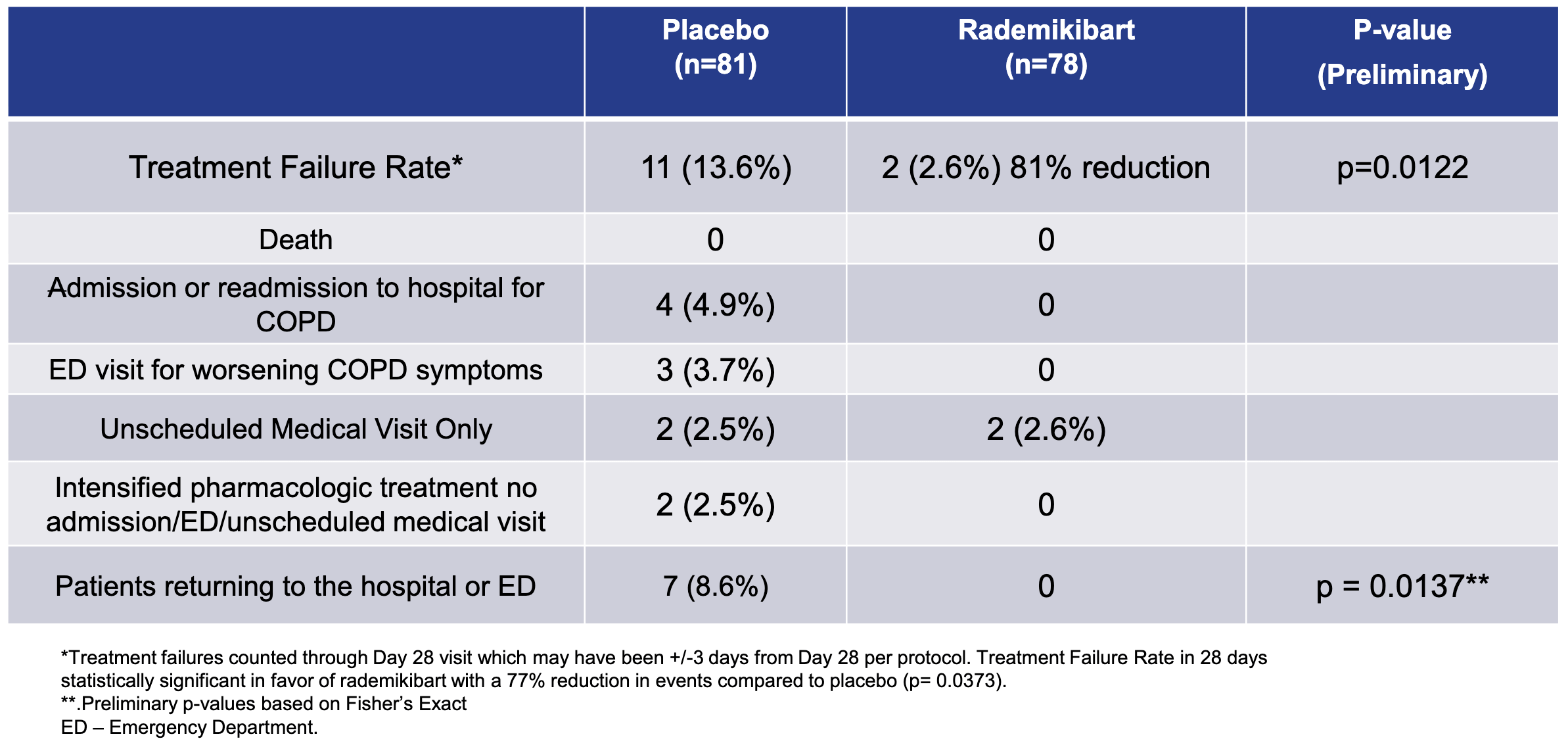
In the Phase 2 Seabreeze STAT trial (n = 159) evaluating adults with COPD, type 2 inflammation, and an active acute exacerbation, a single dose of rademikibart demonstrated significant efficacy in preventing acute relapse while exhibiting a favorable, well-tolerated safety profile with fewer adverse events than placebo. Rademikibart achieved an 81% reduction in treatment failure through Week 4 compared to placebo (p = 0.0122), an 85% reduction in new moderate-to-severe exacerbations (p = 0.030), and a 100% elimination of emergency care visits or hospitalizations (p = 0.0137), alongside meaningful reductions in rescue medication use and rapid improvements in respiratory symptom scores. While its Day 7 post-bronchodilator FEV1 endpoint did not reach statistical significance, the overall clinical benefit underscores rademikibart’s potential as a novel acute post-exacerbation intervention, extending IL4Rα inhibition beyond chronic maintenance therapy to prevent re-hospitalizations and protect vulnerable patients during high-risk post-exacerbation windows.
Connect Biopharma is preparing to advance rademikibart into late-stage clinical development. The company plans to engage with the FDA to align on a Phase 3 registrational development program for rademikibart as an add-on therapy in COPD. Connect is advancing an intravenous (IV) formulation alongside its subcutaneous injection for potential deployment in emergency department and inpatient hospital settings. The company also plans to seek global commercialization partnerships (outside Greater China, where rights are licensed to Simcere Pharmaceutical) across both its asthma and COPD clinical development programs.
Sources: Connect press release, Connect slide deck
Immix - NXC-201 (BCMA CAR-T) / Phase 2 (AL amyloidosis)
On September 29, 2026, Immix Biopharma reported positive interim topline results from the pivotal Phase 2 NEXICART-2 trial evaluating NXC-201 (nexicabtagene autoleucel), an investigational BCMA-directed chimeric antigen receptor CAR-T therapy, in patients with relapsed or refractory light-chain (AL) amyloidosis.
AL amyloidosis is a rare, life-threatening plasma cell disorder where clonal plasma cells produce misfolded immunoglobulin light chains that deposit as toxic amyloid fibrils in vital organs, leading to progressive heart, kidney, and liver failure. Currently, there are no FDA-approved options for patients who relapse after frontline anti-CD38-based therapy, leaving patients facing heavy treatment burdens and high mortality. By binding specifically to BCMA on pathogenic plasma cells in the bone marrow, NXC-201 is designed to redirect autologous T lymphocytes to induce targeted cell lysis, potentially eliminating the root cellular source of toxic light chains and halting further organ damage.
In the pivotal Phase 2 NEXICART-2 trial (n=45) evaluating adults with relapsed/refractory AL amyloidosis, a single infusion of NXC-201 demonstrated high, durable hematologic and organ response rates alongside a manageable safety profile featuring zero observed ICANS/neurotoxicity and low-grade cytokine release syndrome. NXC-201 achieved an Independent Review Committee-confirmed 89% complete response (CR) rate with no relapses observed to date among responders, while a 25-patient subset demonstrated 100% combined CR or bone-marrow minimal residual disease (MRD) negativity, supporting projections that the final trial CR rate could reach 98%. Beyond hematologic clearing, NXC-201 induced rapid, profound organ recovery, including a 100% cardiac response rate and a 92% renal response rate, establishing its potential as a transformative single-dose therapy that overcomes the limited organ-reversal capabilities of conventional regimens while its clean neurotoxicity profile supports broader outpatient utility.
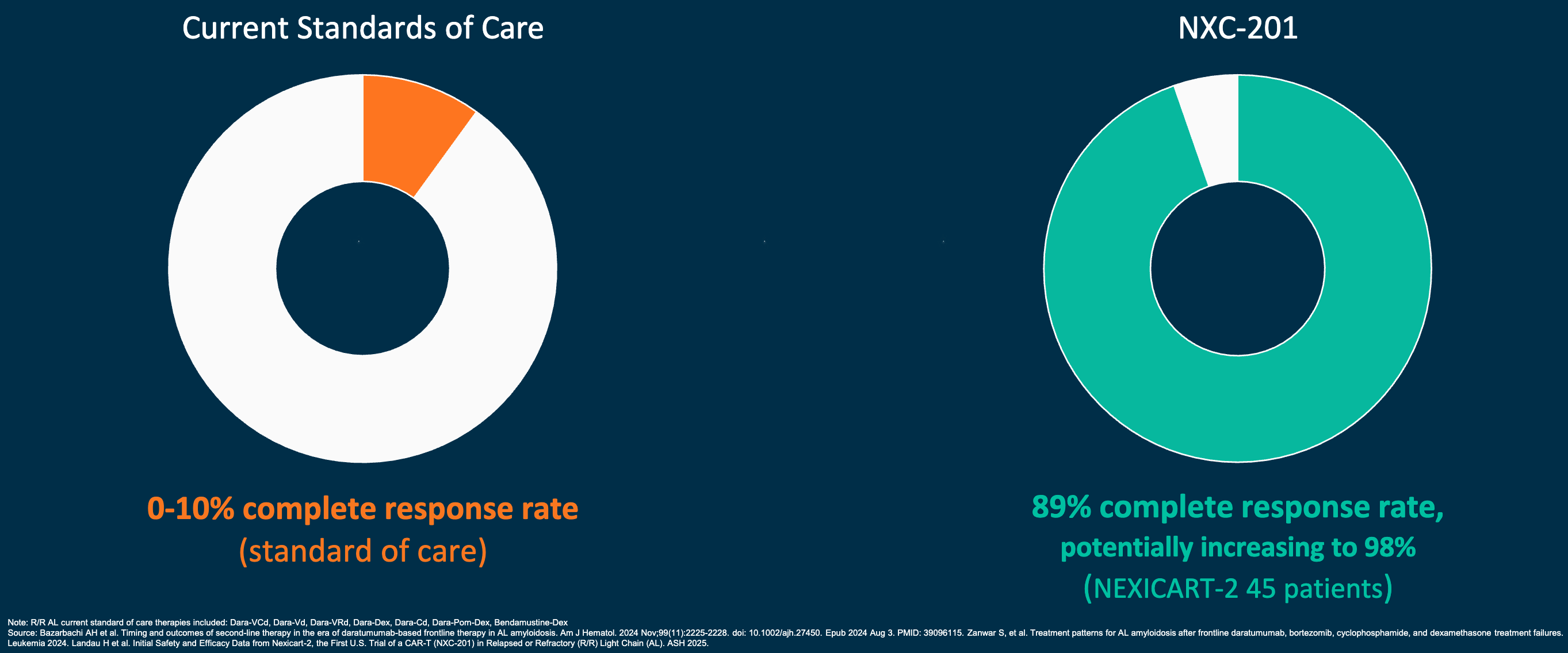
Supported by FDA Breakthrough Therapy Designation (BTD), Regenerative Medicine Advanced Therapy (RMAT) designation, and Orphan Drug Designation (ODD), Immix plans to present the final NEXICART-2 readout and submit a Biologics License Application (BLA) to the FDA in mid-2027. The company is planning a randomized, 260-patient Phase 3 trial mirroring the ANDROMEDA trial design to evaluate NXC-201 in frontline AL amyloidosis. Immix Biopharma is advancing NXC-201 toward potential commercialization, in the event of regulatory approval. The company is establishing a targeted commercial model encompassing 60 to 70 specialized CAR-T treatment centers across the U.S.
Sources: Immix press release, Immix slide deck
BMS - BMS-986453 (BCMA x GPRC5D bsCAR-T) / Phase 1 (r/r MM)
On September 29, 2026, Bristol Myers Squibb (BMS) announced positive initial results from a Phase 1 clinical trial evaluating BMS-986453, an investigational, dual-targeting autologous chimeric antigen receptor (CAR) T-cell therapy, in patients with relapsed or refractory multiple myeloma (r/r MM). The results were presented by Dr. Doris K. Hansen at the 23rd International Myeloma Society Annual Meeting & Exposition.
Multiple myeloma is an incurable hematologic malignancy characterized by the uncontrolled proliferation of clonal plasma cells in the bone marrow. Despite recent advances with single-target CAR-T therapies (such as those directed against BCMA), patients frequently relapse due to antigen escape, loss of target expression, or T-cell exhaustion. By simultaneously targeting two validated multiple myeloma antigens, B-cell maturation antigen (BCMA) and G protein-coupled receptor class C group 5 member D (GPRC5D), BMS-986453 is engineered to mitigate target antigen loss and deliver deeper, more durable responses in heavily pretreated populations.
In an ongoing Phase 1 dose-escalation and expansion study evaluating patients with heavily pretreated relapsed or refractory multiple myeloma, a single infusion of the dual-targeting BCMA x GPRC5D CAR-T therapy BMS-986453 demonstrated potent early efficacy alongside an intensive safety profile. BMS-986453 achieved an 83% overall response rate with high rates of deep clinical responses (including very good partial responses and complete responses), maintaining antitumor activity even in patients previously exposed to single-target BCMA therapies. However, significant toxicity was noted, including one patient death attributed to severe, high-grade CRS. Cytokine release syndrome was common and mostly low-grade, though safety management remains paramount given one treatment-related death attributed to severe CRS. ICANS and GPRC5D-related on-target/off-tumor toxicities (such as dysgeusia and skin or nail changes) were generally mild and manageable. Overall, these results validate dual-antigen targeting as an effective strategy to overcome antigen escape in advanced multiple myeloma while underscoring the critical importance of dose and toxicity optimization.
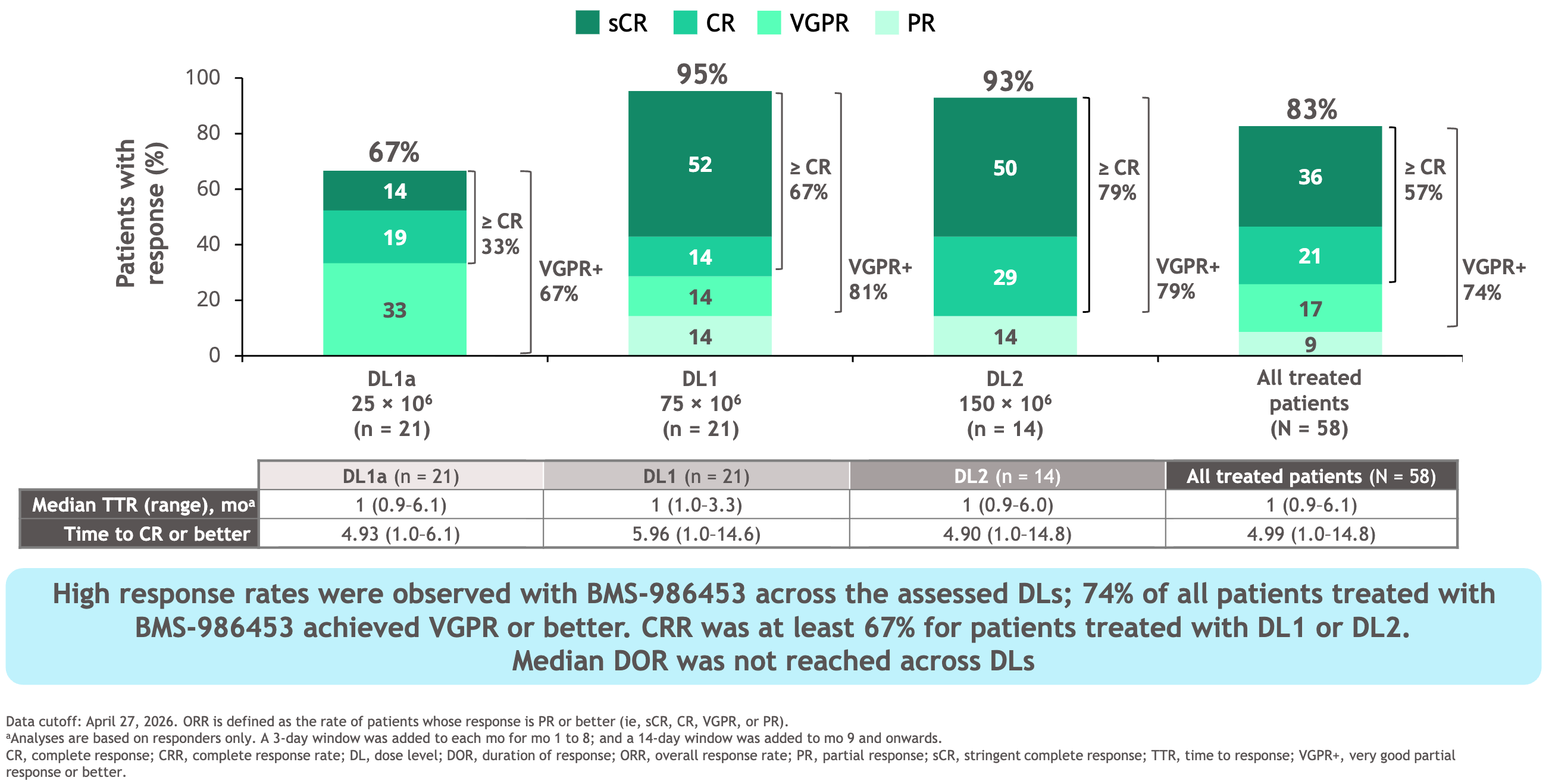
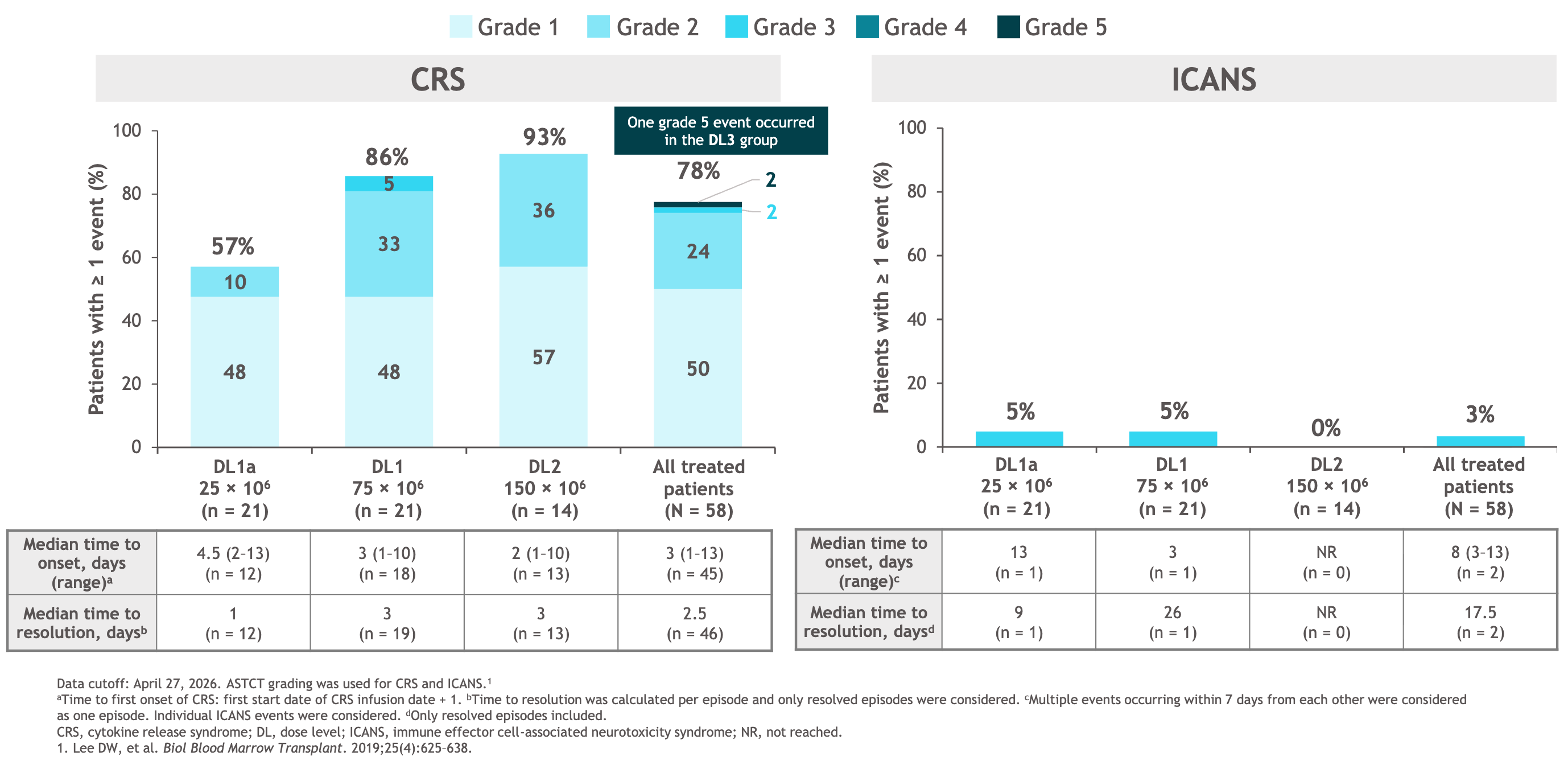
BMS is progressing the clinical development of BMS-986453 to establish an optimal therapeutic window. Ongoing Phase 1 dose-escalation and expansion cohorts are actively refining dosing regimens, schedule optimization, and prophylactic CRS management protocols to maximize patient safety while preserving antitumor activity. Following the determination of the recommended Phase 2 dose (RP2D) and further characterization of response durability, BMS plans to align with regulatory agencies on pivotal Phase 2/3 trial designs to evaluate BMS-986453 in broader multiple myeloma settings.
Sources: BMS slide deck
Mirum - Brelovitug (anti-HBsAg mAb)/ Phase 3 (HDV)
On September 28, 2026, Mirum Pharmaceuticals announced positive topline results from the pivotal Phase 3 portion of its AZURE-1 study evaluating brelovitug (BJT-778), an investigational monoclonal antibody, in treatment-naïve patients with chronic hepatitis delta virus (HDV) infection.
Chronic HDV is considered the most severe form of viral hepatitis, occurring exclusively as a co-infection in individuals carrying the hepatitis B virus (HBV) and leading to rapid progression toward liver cirrhosis, portal hypertension, liver failure, and hepatocellular carcinoma. Untreated patients face severe disease progression and high liver-related mortality. Brelovitug is a fully human IgG1 monoclonal antibody targeting the hepatitis B surface antigen (HBsAg). Since HDV is a defective RNA virus that relies entirely on HBsAg envelope proteins for viral assembly, cellular entry, and systemic propagation, targeting HBsAg effectively targets both viruses simultaneously. Brelovitug binds to and neutralizes circulating HBsAg-containing particles, preventing viral entry into hepatocytes and promoting the rapid clearance of circulating HBV and HDV virions. By depleting subviral particles and shutting down hepatocyte reinfection, brelovitug breaks the cycle of active viral replication and ongoing liver inflammation.
In the pivotal Phase 3 AZURE-1 trial (n = 153) evaluating treatment-naïve adult patients with chronic hepatitis delta virus (HDV), subcutaneous brelovitug met its primary composite endpoint at Week 24 with high statistical significance across both weekly (300 mg QW) and monthly (900 mg Q4W) regimens while maintaining a favorable safety profile characterized by mild-to-moderate adverse events. Brelovitug achieved combined virologic response (≥ 2log10 reduction or undetectable HDV RNA) and ALT normalization in 56% of weekly (p < 0.0001) and 45% of monthly (p < 0.0001) patients compared to 0% in delayed control, with overall virologic response reaching 86% (QW) and 85% (Q4W) alongside 48-week follow-up showing deepening response rates over time.
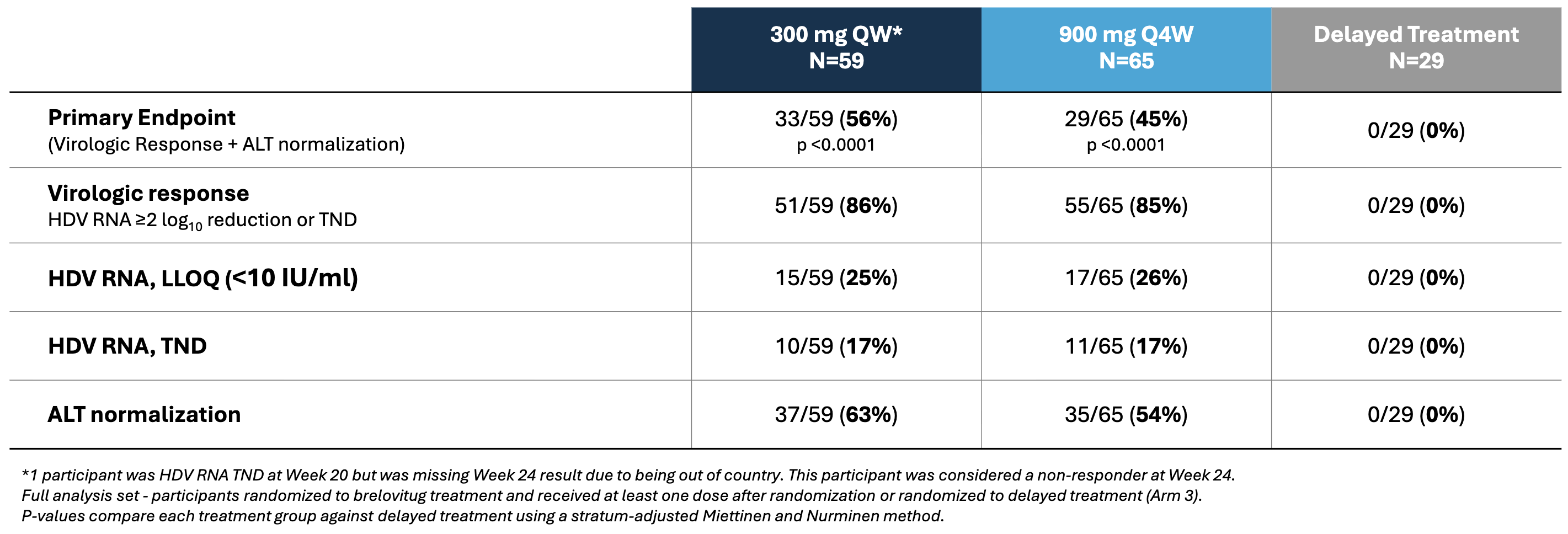
Mirum Pharmaceuticals is advancing brelovitug toward regulatory filing and commercial preparation. The plan to submit a Biologics License Application (BLA) to the FDA in the first half of 2027. Mirum is targeting a U.S. commercial launch in the fourth quarter of 2027, supported by FDA Breakthrough Therapy designation and ongoing device development for autoinjector administration.
Sources: Mirum press release, Mirum slide deck
Adicet - Prula-cel (allo gamma delta T cells) / Phase 1 (SLE)
On September 28, 2026, Adicet Bio reported positive Phase 1 clinical data evaluating prula-cel (formerly ADI-001), an investigational, allogeneic gamma-delta CD19 CAR T-cell therapy, in patients with systemic lupus erythematosus (SLE) with or without lupus nephritis (LN).
Systemic lupus erythematosus (SLE) is a severe autoimmune disorder characterized by pathogenic B-cell reactivity that causes widespread inflammation and tissue damage across multiple organ systems. Prula-cel provides an allogeneic, off-the-shelf option that achieves deep tissue B-cell depletion while reducing manufacturing wait times and systemic toxicity risks. Upon infusion, prula-cel targets CD19-expressing B cells in peripheral blood and immune tissues to clear autoreactive B-cell lineages.
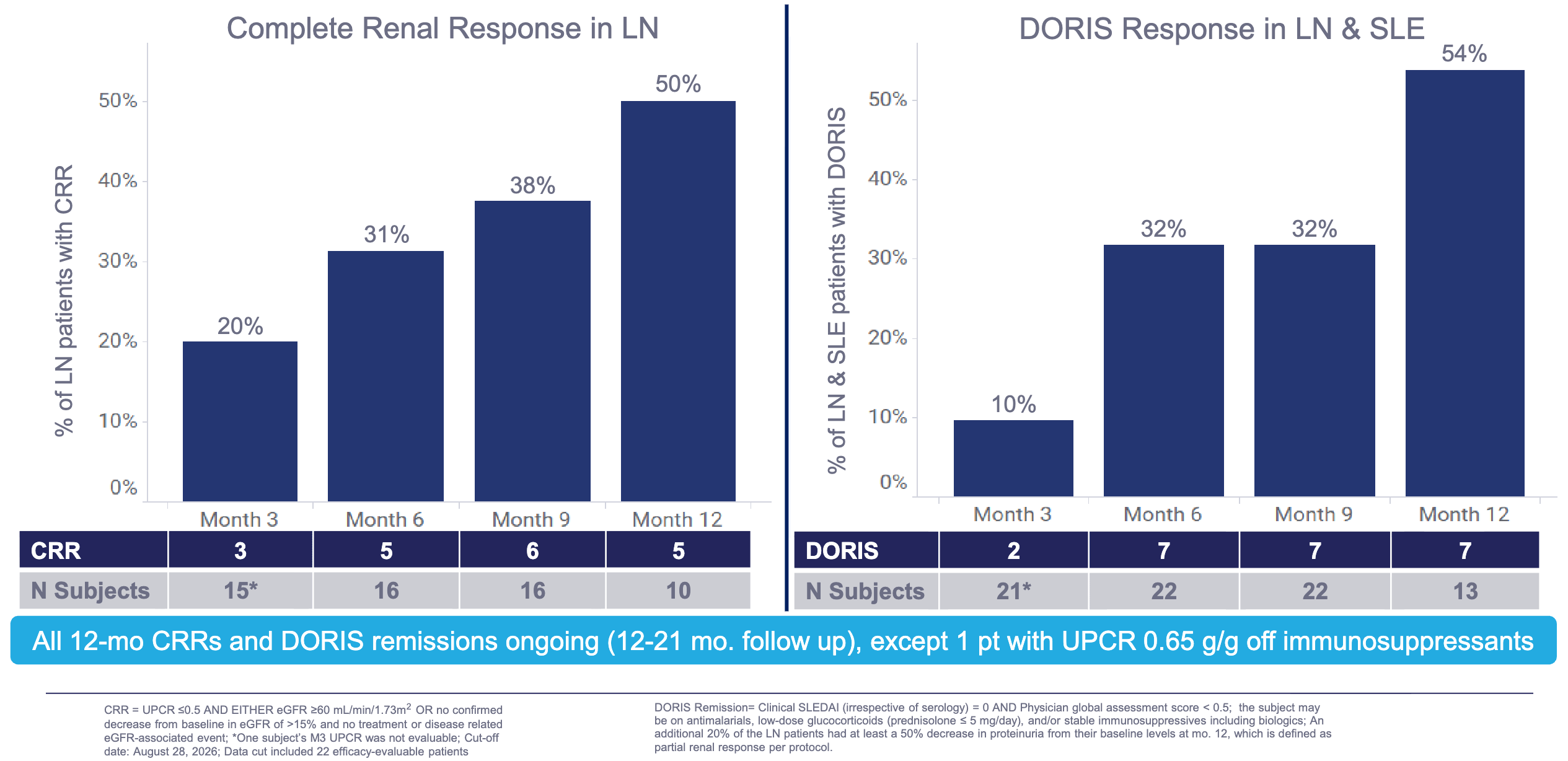
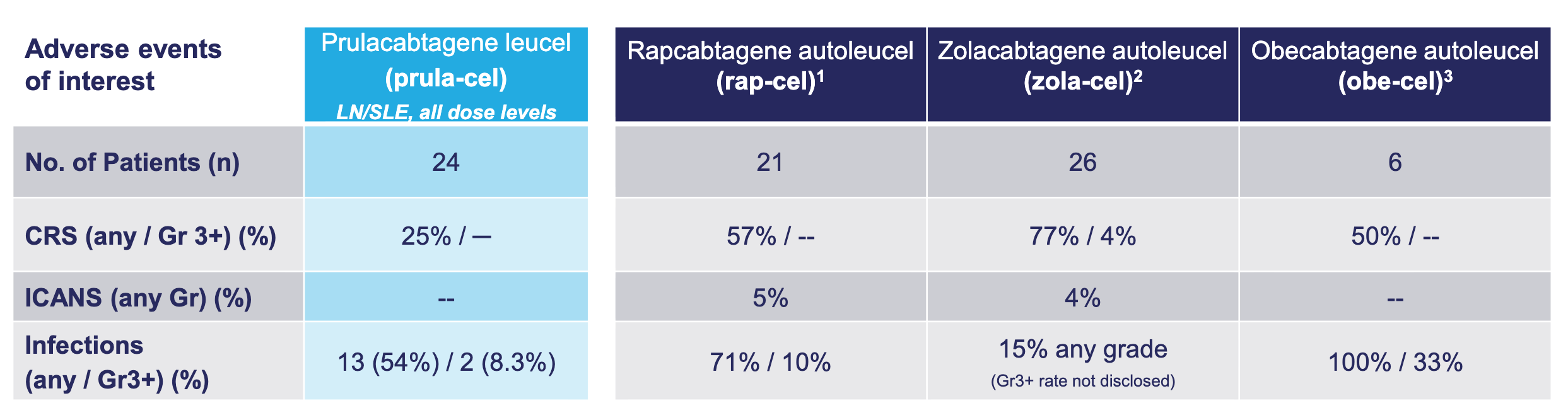
In an ongoing Phase 1 study evaluating adults with heavily pretreated, refractory systemic lupus erythematosus (SLE) and lupus nephritis (LN), a single infusion of the allogeneic gamma-delta CAR T-cell therapy prula-cel demonstrated durable clinical remissions and a clean safety profile suitable for outpatient administration. At 12 months post-infusion, 54% of evaluable patients (n=22) achieved Definition of Remission in Systemic Lupus (DORIS) remission and 50% of LN patients attained a Complete Renal Response, with all responses remaining ongoing out to 12–21 months alongside complete background immunosuppressant discontinuation, full peripheral B-cell depletion, and favorable immune resetting. Safety across 24 evaluable patients showed no dose-limiting toxicities, graft-versus-host disease, ICANS, or Grade ≥3 cytokine release syndrome, with CRS restricted to low-grade events in 25% of patients. Although its 54% 12-month remission rate falls numerically below autologous alpha-beta CAR-T benchmarks, prula-cel offers a highly competitive, scalable off-the-shelf alternative that bypasses manufacturing delays and autologous toxicity burdens to deliver sustained, treatment-free remissions in severe autoimmune disease.
Adicet Bio is progressing prula-cel into late-stage registrational development. They plan to initiate pivotal start-up activities in the fourth quarter of 2026 for refractory lupus nephritis. Adicet is continuing clinical development across additional autoimmune indications, with anticipated Phase 1 data updates in systemic sclerosis (SSc) in the first half of 2027.
Sources: Adicet press release, Adicet slide deck
Love biotech? Check out Biotech Readout’s full content library, or navigate directly to a segment that interests you:
Frontiers in Medicine: Exploring the frontiers of our understanding and treatments for disease.
Medical History: Recovering forgotten relics in the history of medicine.
Acquisitions: Exploring the innovation behind acquired companies.
Weekly Readout: A digest of new clinical data from the past week.

To contact us, please send us an email at biotechreadout@gmail.com
Disclaimers
Investigational Status Disclaimer
The therapeutic candidates discussed in this newsletter are currently in clinical development and have not been approved for commercial sale by the U.S. Food and Drug Administration (FDA), the European Medicines Agency (EMA), or other global regulatory authorities. Their safety and efficacy have not been established. References to pipeline products and ongoing clinical trials involve significant risks and uncertainties. Statements regarding the potential safety, potency, or efficacy of investigational drugs reflect current hypotheses and are not a guarantee of future performance or regulatory clearance. The outcome of clinical trials is inherently unpredictable, and clinical results from earlier stages may not be predictive of results in later, larger-scale trials.
No Medical Advice Disclaimer
This newsletter is for informational and educational purposes only. The content is not intended to be a substitute for professional medical advice, diagnosis, or treatment. Always seek the advice of your physician or another qualified health provider with any questions you may have regarding a medical condition. Never disregard professional medical advice or delay in seeking it because of something you have read in this publication.
No Patient-Provider Relationship Disclaimer
The information provided in this newsletter is for educational and analytical purposes only. Receipt of this information, or any interaction with this content, does not create a physician-patient, pharmacist-patient, or any other professional-provider relationship between you and the authors or publishers. This newsletter should not be used as a substitute for a personal consultation with a qualified healthcare professional.
Forward-Looking Statements Disclaimer
This newsletter contains “forward-looking statements” regarding future events, including clinical trial timing, regulatory milestones, and projected market performance. These statements are based on current expectations and assumptions that are subject to significant risks and uncertainties. Actual results may differ materially from those expressed or implied. We undertake no obligation to update these statements as a result of new information or future developments.
Third-Party Links & Content Disclaimer
This newsletter contains links to third-party websites, including clinical trial registries and corporate presentations. Biotech Readout does not endorse, guarantee, or assume responsibility for the accuracy or reliability of any information offered by third-party providers.
Errors and Omissions Disclaimer
While we strive for technical accuracy, the information in this newsletter is provided on an “as is” basis with no guarantees of completeness, accuracy, or timeliness. Biotech Readout assumes no liability for any errors or omissions in the content of this publication.
Non-Endorsement Disclaimer
Any reference to specific commercial products, processes, or services by trade name, trademark, or manufacturer does not constitute or imply an endorsement or recommendation by the author. All trademarks are the property of their respective owners.
No Investment Advice Disclaimer
This newsletter is for informational purposes only and does not constitute financial, investment, or legal advice. The author is not a registered investment advisor. You should consult with a professional financial advisor before making any investment decisions. The biotechnology sector is highly volatile; past performance is not indicative of future results.
Conflict of Interest Disclaimer
The author of this newsletter maintains a position of independence. At the time of publication, the author holds no direct financial interest, equity, or options in any of the companies mentioned in this report. No compensation has been received from any third party to feature or analyze specific therapeutic candidates or corporate entities.