

Disclaimer: This newsletter is for educational and informational purposes only and does not constitute medical, investment, or financial advice, nor does it establish a provider-patient relationship. Content may include forward-looking statements and discussions of investigational therapeutic candidates that are not FDA/EMA approved; their safety and efficacy remain unestablished and clinical outcomes are unpredictable. While we strive for accuracy, all information is provided as is without guarantees. As of the date of publication, the author holds no direct equity positions in the specific companies mentioned in this issue nor receives third-party compensation for this coverage. Please find a complete version of our disclaimers at the bottom of the article and linked here.

Press ⬇️ to go down to a section and ⬆️ to go back up to the Table of Contents
Table of Contents
This week, we discuss:
China Biotech
Acquisitions
Merck KGaA to Acquire Silence Therapeutics ⬇️
Approvals
Clinical Trial Data
RiboX - RXRG001 (hAQP1 circRNA) / Phase 1 (radiation-induced xerostomia) ⬇️
Alnylam - Brezosiran (HTT RNAi) / Phase 1b (Huntington’s) ⬇️
Roivant - Lisraya (TYK2 x JAK1 dual inhibitor) / Phase 3 (NIU) ⬇️
Eli Lilly - Retatrutide (GGG) / Phase 3 (OSA) ⬇️
AbbVie - Lutikizumab (anti-IL1a/b mAb) / Phase 3 (HS) ⬇️
Amgen & AstraZeneca - Tezspire (TSLP inhibitor) / Phase 3 (EoE) ⬇️
Rapport - RAP-21 (TARPγ8-specific AMPA NAM) / Phase 2 (acute bipolar mania) ⬇️
Veradermics - VDPHL01 (ER oral minoxidil) / Phase 3 (androgenetic alopecia) ⬇️
Disc Medicine - Bitopertin (GlyT1 inhibitor) / Phase 3 (EPP) ⬇️
AbbVie - ABBV-466 (FDC of anti-integrin α4β7 mAb + Skyrizi) / Phase 2a (Crohn’s) ⬇️
Gilead - Emvistegrast (anti-α4β7 inhibitor) / Phase 2 (UC) ⬇️
China Biotech
Wondering why we discuss China Biotech every week? Tap here to learn more.
Financing Activity for China versus Rest of World
for the week ending October 23, 2026
China Overtakes US in ADCs, CAR-T, and Early Stage Clinical Trials at ESMO 2026
We discussed this in our ESMO 2026 Preview. Here’s an excerpt:
We found that China has dramatically overtaken the EU and has almost caught up with the US in terms of the number of oral presentations and posters at ESMO 2026 (282 US, 243 China, 53 EU).
Turning to therapeutic modalities, the US still accounts for the majority of readouts for antibodies (mAbs), small molecules, and radiopharmaceuticals. I was particularly surprised to find […]
Meanwhile, China has decisively taken the lead in ADC (76 China versus 50 US) and CAR-T readouts (4 China versus 1 US), although the latter category is rather tepid this year.
Moving to clinical trial phase, we find that China edges out the US in readouts for both Phase 1 and Phase 2 trials (111 China versus 101 US in Phase 2; 92 China versus 91 US in Phase 1). It’s possible that this phenomenon is driven by […] There’s also a likely explanation for why the US still holds the majority of Phase 3 readouts. […]
Check out our full ESMO 2026 Preview here
Treasury Policy Limits U.S. Investment in China Biotech
On October 22, 2026, the U.S. Department of the Treasury released drafted regulations under the Comprehensive Outbound Investment National Security (COINS) Act that propose strict limitations on U.S. investments in Chinese biotech and pharmaceutical assets. This represents a restrictive policy shift, as many industry expectations prior to the announcement anticipated a more lenient approach toward biotech dealmaking.
The proposed rules cover a wide array of biopharma technologies that Western investors and companies have pursued. This includes “pharmaceutical compounds (such as small molecules, polymers, vaccines, blood components, cell and gene therapies, and monoclonal antibodies), their delivery systems, and biomanufacturing equipment.” While the regulations do not outright ban licensing agreements, the proposed restrictions are broad enough to sharply curtail partnerships and deal pipelines between U.S. biopharma companies and their Chinese peers. Over the past two years, Western companies have relied heavily on these deals to bring Chinese-developed experimental drugs into their pipelines. The biopharma sector has experienced deep divisions between “China hawks”, who favor aggressive restrictions for national security reasons, and “China doves,” who view China’s expanding biotech sector as a crucial source of profitable drugs and medical innovations.
In the official draft, the Treasury Department acknowledged the delicate tightrope it must walk: while restrictions are deemed necessary to protect national security, the agency recognized that overly broad limits could inadvertently trigger significant public health risks or harm U.S. businesses. As a result, the Treasury explicitly requested public feedback on how to properly balance these competing interests. Although biotechnology was not originally listed as a mandatory sector under the baseline COINS Act text, the law granted the Treasury discretion to add industries that threaten national security. Following months of lobbying and stakeholder meetings, the proposed rules have triggered a 45-day public comment period (with comments due by December 7, 2026), paving the way for intense industry lobbying before the rules are finalized.
Sources: Endpoints article, U.S. Department of Treasury proposal
Acquisitions

Approvals
AstraZeneca - Ultomiris (anti-C5 mAb) / Approved (IgAN)
On October 21, 2026, the FDA granted AstraZeneca’s Ultomiris (ravulizumab-cwvz) a significant label expansion with an accelerated approval to reduce proteinuria (protein in the urine) in adults with primary immunoglobulin A nephropathy (IgAN) who are at risk for disease progression. IgAN is a serious, progressive autoimmune disease characterized by the buildup of IgA antibodies in the glomeruli, the filtering units of the kidneys. This accumulation triggers a localized inflammatory response, leading to cellular damage, scarring, progressive loss of kidney function. Crucially, roughly half of patients with elevated proteinuria or impaired kidney function face a high risk of progressing to end-stage kidney disease (ESKD) or total kidney failure within a decade of diagnosis, fueling an urgent medical demand for targeted therapies. Handled under Priority Review, this milestone marks Ultomiris as the first and only C5 complement inhibitor approved for IgAN, adding a fifth major rare disease indication to its label.
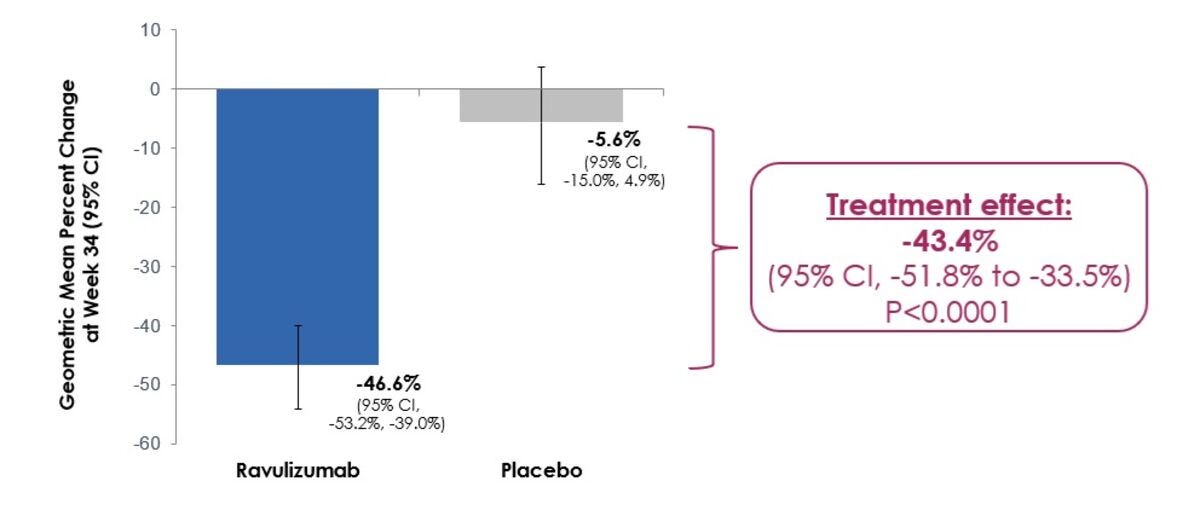
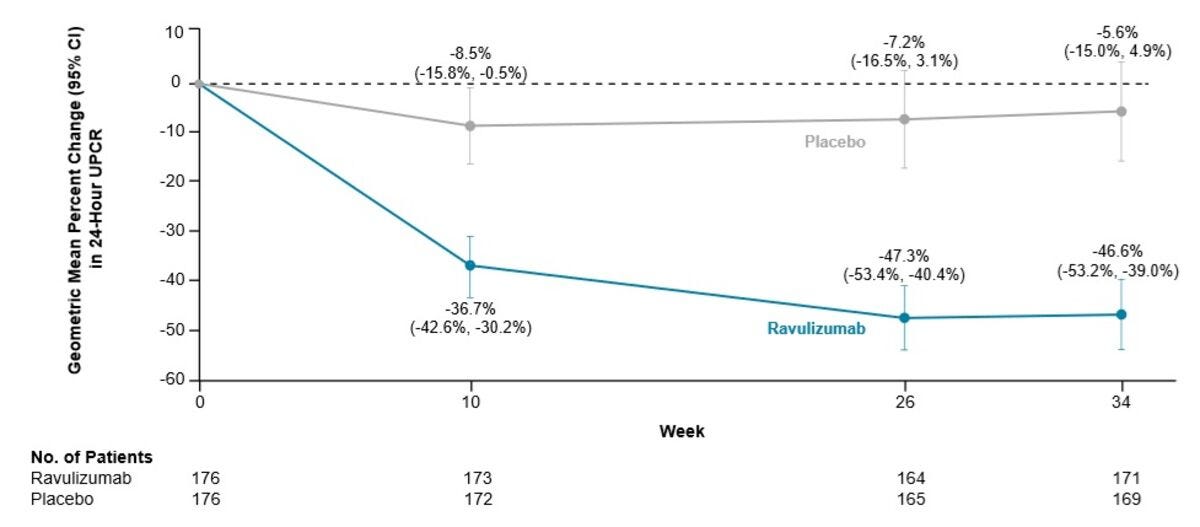
The FDA’s accelerated approval rests on positive, highly encouraging data drawn from a prespecified interim analysis of the ongoing Phase 3 I-CAN clinical trial. The interim results were presented at the 2026 European Renal Association (ERA) Congress (discussed here), and late-breaking results will be presented at the American Society of Nephrology (ASN) Kidney Week on October 23, 2026. At week 34, treatment with Ultomiris demonstrated a statistically significant and clinically meaningful -43.4% reduction in proteinuria (as measured by the ucrine protein-to-creatinine ratio [UPCR]) compared to placebo. The reduction in proteinuria was rapid, observed as early as week 10 with Ultomiris (-36.7%) and sustained through 34 weeks, compared to placebo (-8.5%). These results were consistent across patient subgroups, reflecting diverse demographic and baseline clinical characteristics and disease severity. The safety profile observed in this trial was consistent with the known profile of Ultomiris and generally well tolerated, with no new safety concerns identified.
Full approval remains contingent upon the verification and description of long-term benefit with a hard clinical endpoint in confirmatory trials. To that end, the global Phase 3 I-CAN study is tracking patients over a longer horizon, evaluating the preservation of kidney function through changes in the estimated glomerular filtration rate (eGFR) at 106 weeks. Meanwhile, regulatory filings based on these interim findings are actively being evaluated by health authorities in Japan and other global regions.
Sources: AstraZeneca approval press release, AstraZeneca interim data press release, updated Ultomiris label not currently available
GSK - Hibsago (HBV RNA ASO) / Approved (HBV)
On October 20, 2026, the FDA approved Hibsago (bepirovirsen), a first-in-class antisense oligonucleotide (ASO) designed to bind directly to viral RNA, inhibit the production of viral proteins (particularly hepatitis B surface antigen HBsAg), and free the host’s immune system to clear the infection. While the mechanism introduces a potential pathway toward a “functional cure” (sustained loss of HBsAg and undetectable HBV DNA off therapy), the FDA granted Hibsago a narrow, highly targeted indication to balance efficacy with rigorous safety oversight:
Patient Criteria: The therapy is approved for adult patients without cirrhosis who have been stably maintained on nucleos(t)ide analog reverse transcriptase inhibitor (NrtI) therapy for at least six months, have achieved suppressed HBV DNA, and present with baseline HBsAg levels at or below 3,000 IU/mL (as confirmed by an authorized companion diagnostic test).
Dosing Schedule: Administered via subcutaneous injection over a time-limited course of up to 24 weeks (roughly six months), it provides an off-ramp from the lifelong daily maintenance therapy typically required by standard antivirals.
Since driving down surface antigen levels stimulates robust immune engagement, the therapy carries important safety considerations captured in its black box warnings for on-treatment hepatic flares and thrombocytopenia. Transient, sharp elevations in liver enzymes (ALT) frequently occur within the first 12 weeks as the immune system reacts to the clearing virus, requiring careful clinical monitoring. Bepirovirsen can also induce sudden, significant drops in platelet counts. Consequently, the drug is strictly contraindicated in patients with baseline platelet counts below 100x10⁹/L or those with any degree of cirrhosis, and platelet levels must be closely monitored on at least a weekly basis throughout treatment.
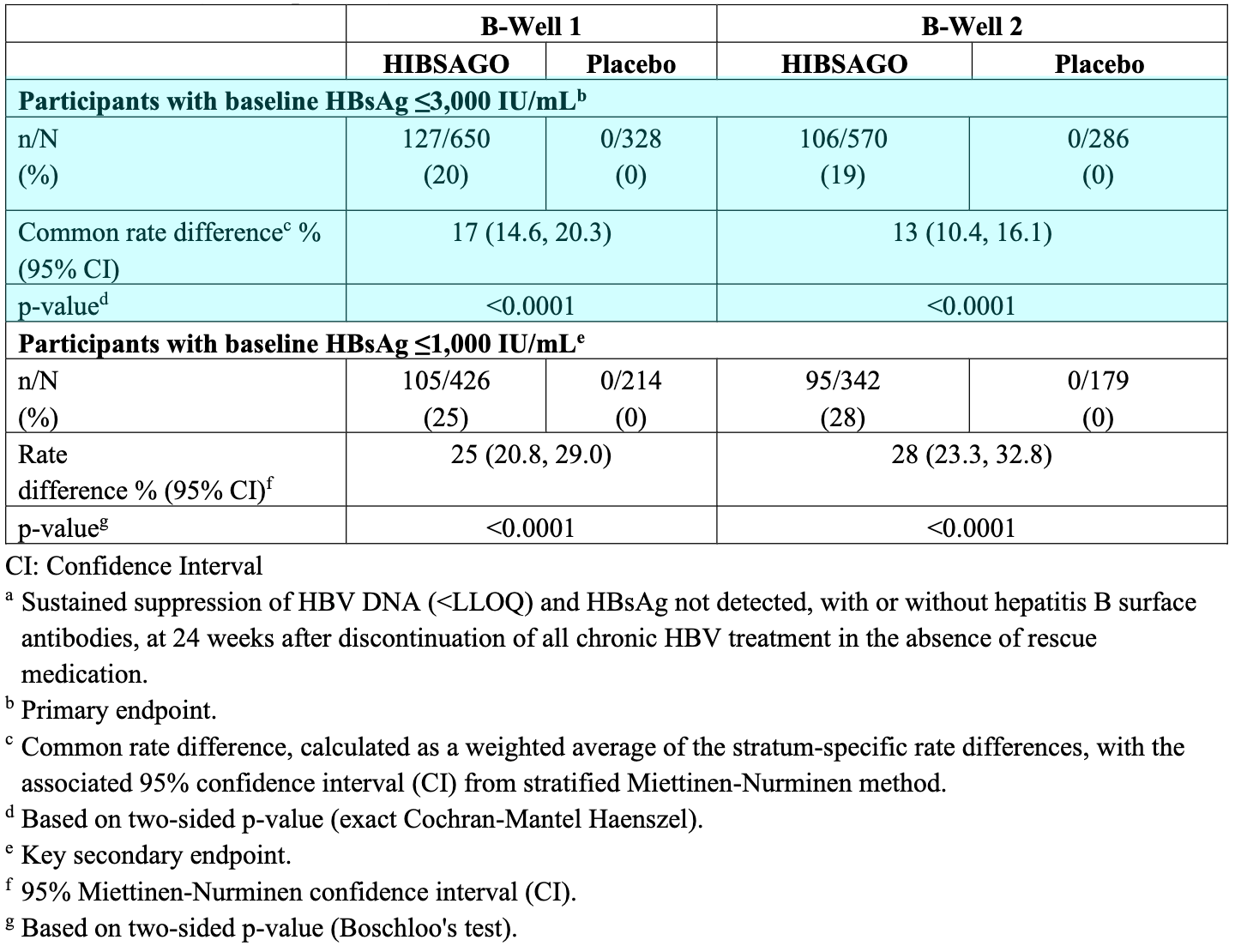
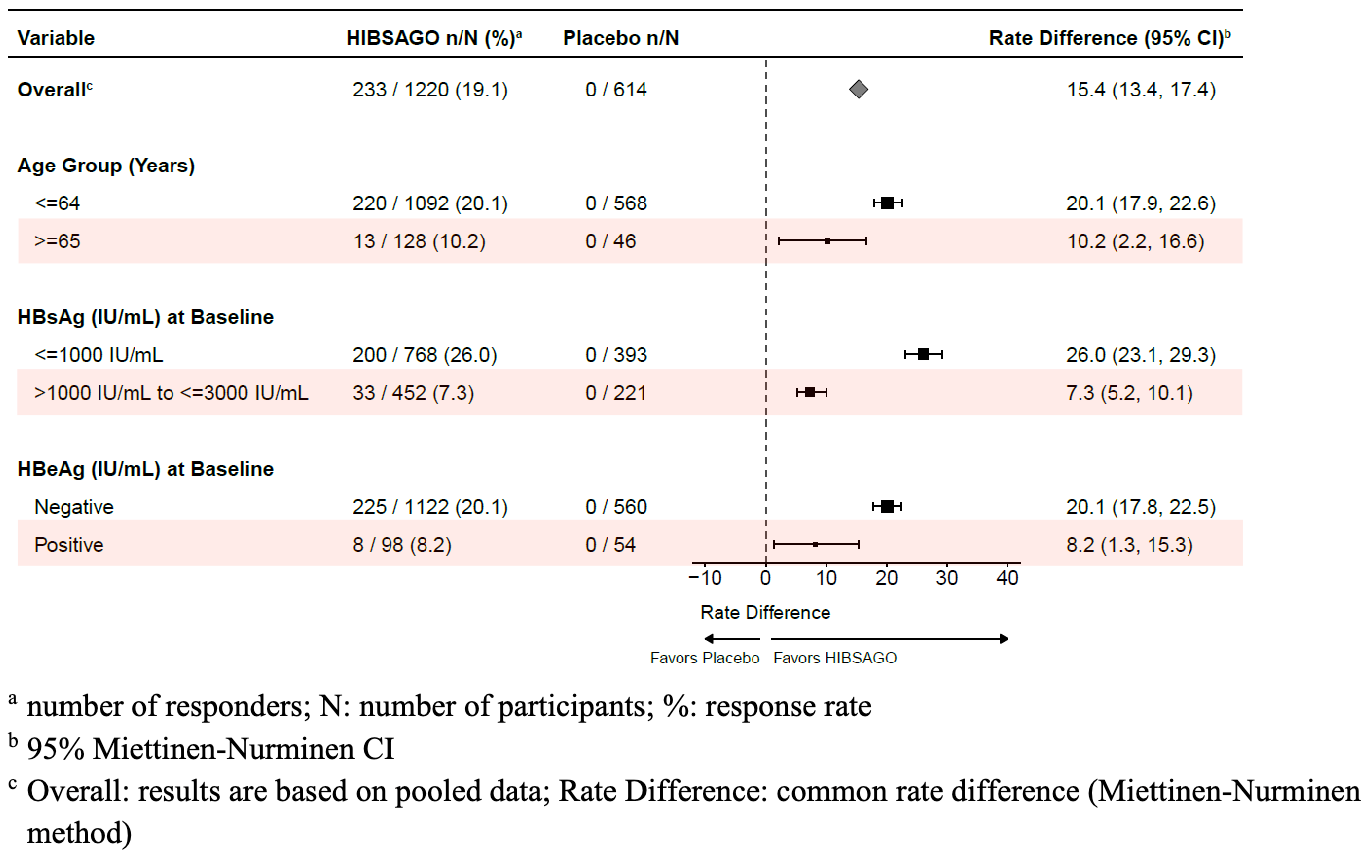
The FDA’s approval is anchored by robust efficacy data from the global, randomized, double-blind, placebo-controlled B-Well 1 and B-Well 2 Phase 3 trials, which evaluated bepirovirsen across 29 countries. In the overall study population of NrtI-treated adults with baseline HBsAg levels ≤ 3,000 IU/mL, a six-month course of bepirovirsen achieved a statistically significant and clinically meaningful 19% functional cure rate (233 out of 1,220 patients), compared to 0% in the placebo arm. The primary endpoint response rate was lower in participants with any of the following characteristics: higherHBsAg values at baseline, HBeAg positive at baseline, and age 65 years or older. In a key ranked secondary endpoint focusing on patients with even lower baseline antigen levels (≤ 1,000 IU/mL), a group accounting for roughly 45% of diagnosed CHB cases globally, the functional cure rate rose to 26% versus 0% for placebo. Furthermore, exploratory analyses demonstrated that nearly half (49%) of the broader trial population successfully lowered their HBsAg to ≤ 100 IU/mL, a deep immunological threshold historically tied to long-term viral control.
Sources: GSK press release, new Hibsago label
GSK - Jemperli (anti-PD1 mAb) / Approved (dMMR rectal cancer)
On October 19, 2026, the FDA granted accelerated approval to Jemperli (dostarlimab-gxly) as a single agent for adult patients with stage II or III mismatch repair-deficient (dMMR) / microsatellite instability-high (MSI-H) locally advanced rectal cancer. This label expansion establishes Jemperli as the first and only immunotherapy approved for this specific patient population. Locally advanced rectal cancer accounts for thousands of diagnoses annually, with approximately 5% to 10% of cases characterized by dMMR or MSI-H biology, according to GSK. These tumors possess an inherent genetic defect preventing them from properly repairing DNA damage, causing an accumulation of mutations that makes them exceptionally sensitive to immune-checkpoint blockade. By targeting the PD-1 pathway, Jemperli aims to harness the patient’s own immune system to achieve a complete clinical response, potentially allowing eligible patients to bypass chemo, radiation, and surgery entirely. Full approval remains contingent upon verification and description of clinical benefit in ongoing confirmatory studies.
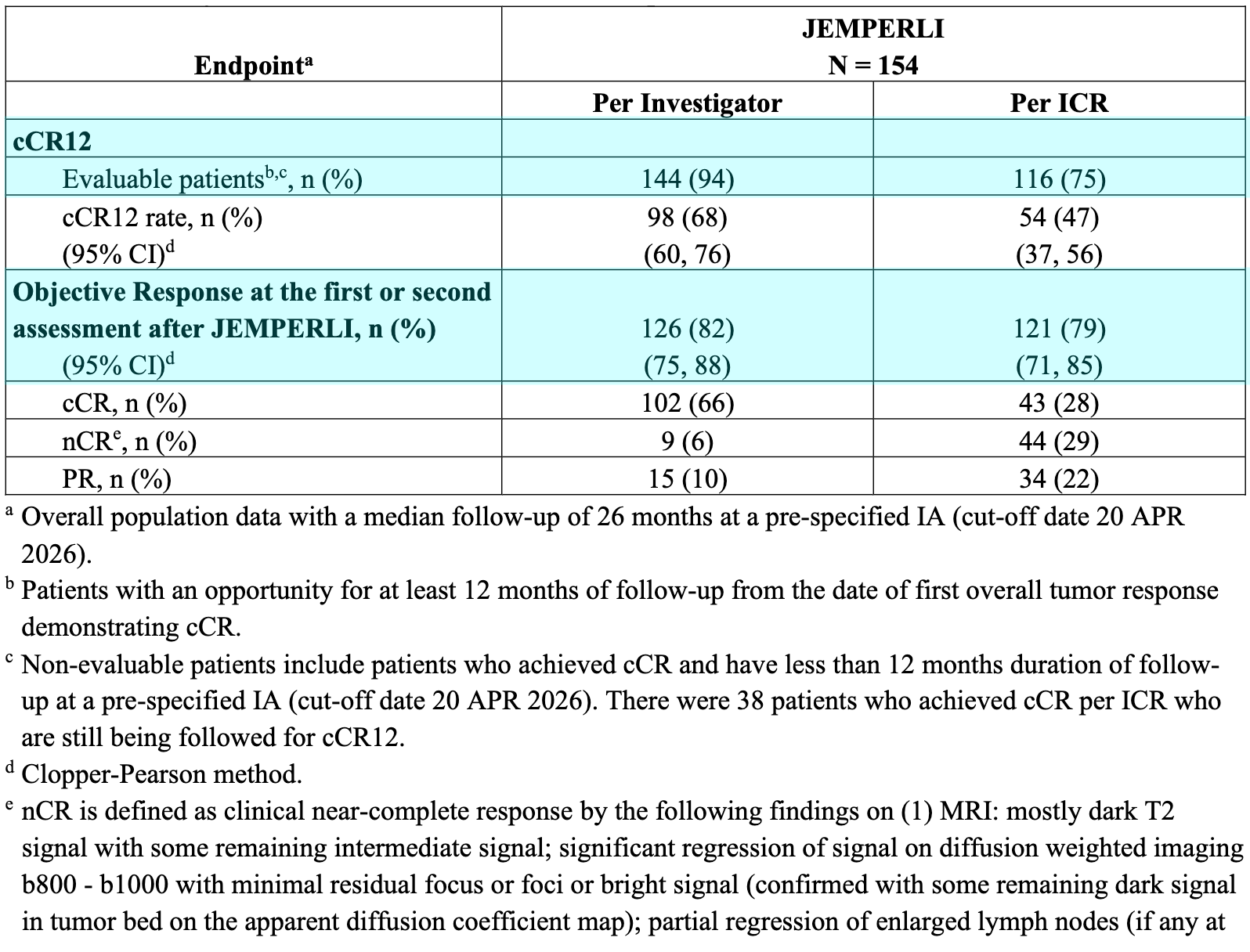
The FDA’s accelerated approval was anchored by compelling data from AZUR-1, a global, open-label, single-arm registrational Phase 2 trial evaluating Jemperli monotherapy in 154 patients with previously untreated stage II and III MSI-H/dMMR locally advanced rectal cancer. Interim results demonstrated a cCR12 rate of 93% (clinical complete responses sustained for 12 months) and an objective response rate of 82%. Crucially, extended follow-ups revealed that among responding patients with a median follow-up exceeding two years, no disease recurrences have been reported.
Sources: GSK press release, updated Jemperli label
Viatris - Ryzumvi (Phentolamine ophthalmic solution) / Approved (presbyopia)
On October 16, 2026, the FDA granted a label expansion for Ryzumvi (phentolamine ophthalmic solution 0.75%), approving the therapeutic for the treatment of adult presbyopia. Ryzumvi was previously indicated solely for the reversal of pharmacologically induced mydriasis (pupil dilation). Following the green light, Viatris announced it is actively exploring a commercial partnership within the United States to launch and scale the presbyopia indication. Presbyopia is a near-universal, age-related condition characterized by the gradual hardening of the eye’s crystalline lens and loss of flexibility in the surrounding structures, making it increasingly difficult to focus on close objects. As an alpha-adrenergic receptor blocker, phentolamine targets and inhibits the iris dilator muscle, actively reducing pupil diameter. This creates a “pinhole effect” that increases the eye’s depth of focus, improving near-vision acuity without forcing accommodation via the ciliary muscle, thereby helping preserve distance vision.
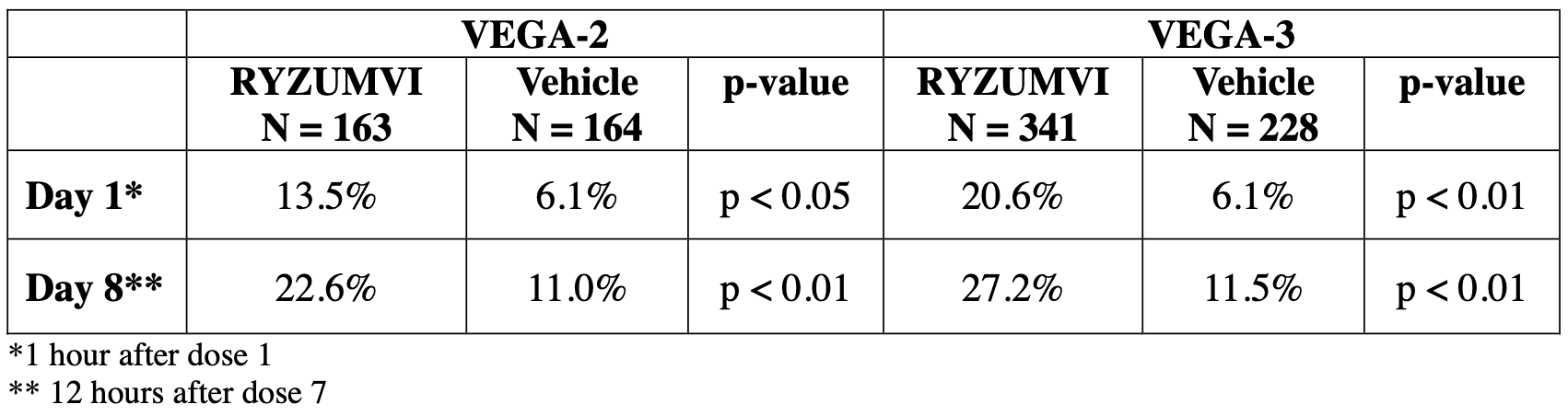
The FDA’s approval of Ryzumvi for presbyopia was backed by robust safety and efficacy data from the pivotal VEGA-2 and VEGA-3 Phase 3 clinical trials. Both trials successfully met their primary and key secondary endpoints, demonstrating statistically significant improvements in near-vision capabilities compared to the vehicle (placebo) group. In the VEGA-3 trial, 27.2% of participants treated with phentolamine achieved an improvement of 15 or more letters (equivalent to 3 lines or more) in binocular distance-corrected near visual acuity (DCNVA) while losing fewer than 5 letters in best-corrected distance visual acuity (GCDVA) at 12 hours post-dosing on Day 8, compared to just 11.5% in the placebo arm (p < 0.0001). The studies showed rapid onset of action, with statistically significant separation from placebo observed on Day 1, and importantly demonstrated no evidence of tachyphylaxis (diminishing drug response) over the evaluated six-week periods, confirming sustained efficacy. The label notes that the eye drop should be avoided in patients with active ocular inflammation like iritis, and contact lens wearers are instructed to remove their lenses prior to instillation and wait 10 minutes before reinsertion.
Sources: Viatris press release, updated Ryzumvi label
Clinical Trial Data
RiboX - RXRG001 (hAQP1 circRNA) / Phase 1 (radiation-induced xerostomia)
On October 21, 2026, RiboX Therapeutics achieved a historic medical milestone by reporting the world’s first clinical data for a circular RNA (circRNA) therapy in humans. Published in NEJM, the Phase 1 trial evaluated RXRG001, a therapy designed to treat radiation-induced xerostomia (chronic dry mouth) by delivering human aquaporin-1 (hAQP1) in a lipid nanoparticle-formulated circular RNA. Peter Agre, who won the 2003 Nobel Prize in Chemistry for discovering aquaporin water channels, commented in an interview with Endpoints News that RXRG001 “seems very promising” and could represent an “important step forward.”
Radiation therapy for head and neck cancers frequently damages salivary glands, leading to debilitating dry mouth (radiation-induced xerostomia) that impairs speech, swallowing, and digestion, while sharply raising the risk of aspiration and pneumonia. RXRG001 utilizes synthetic circular RNA technology to deliver human aquaporin-1 (hAQP1). Delivered directly via local infusion into the parotid gland, RXRG001 transduces residual salivary epithelial cells, instructing them to express the aquaporin-1 water channel protein. This approach aims to restore water permeability across the epithelium, directly re-establishing fluid transport and mitigating the structural dryness caused by radiation injury. While standard linear messenger RNA (mRNA) has a transient lifespan and degrades quickly inside cells, circular RNA features a covalently closed loop structure that theoretically makes it more stable and less immunogenic. While Western competitors (such as those acquired or backed by major pharma like Eli Lilly, Bristol Myers Squibb, and Johnson & Johnson) have poured billions into circular RNA primarily for in vivo CAR-T applications in autoimmune disease, RiboX is the first to successfully publish human clinical data for the modality.
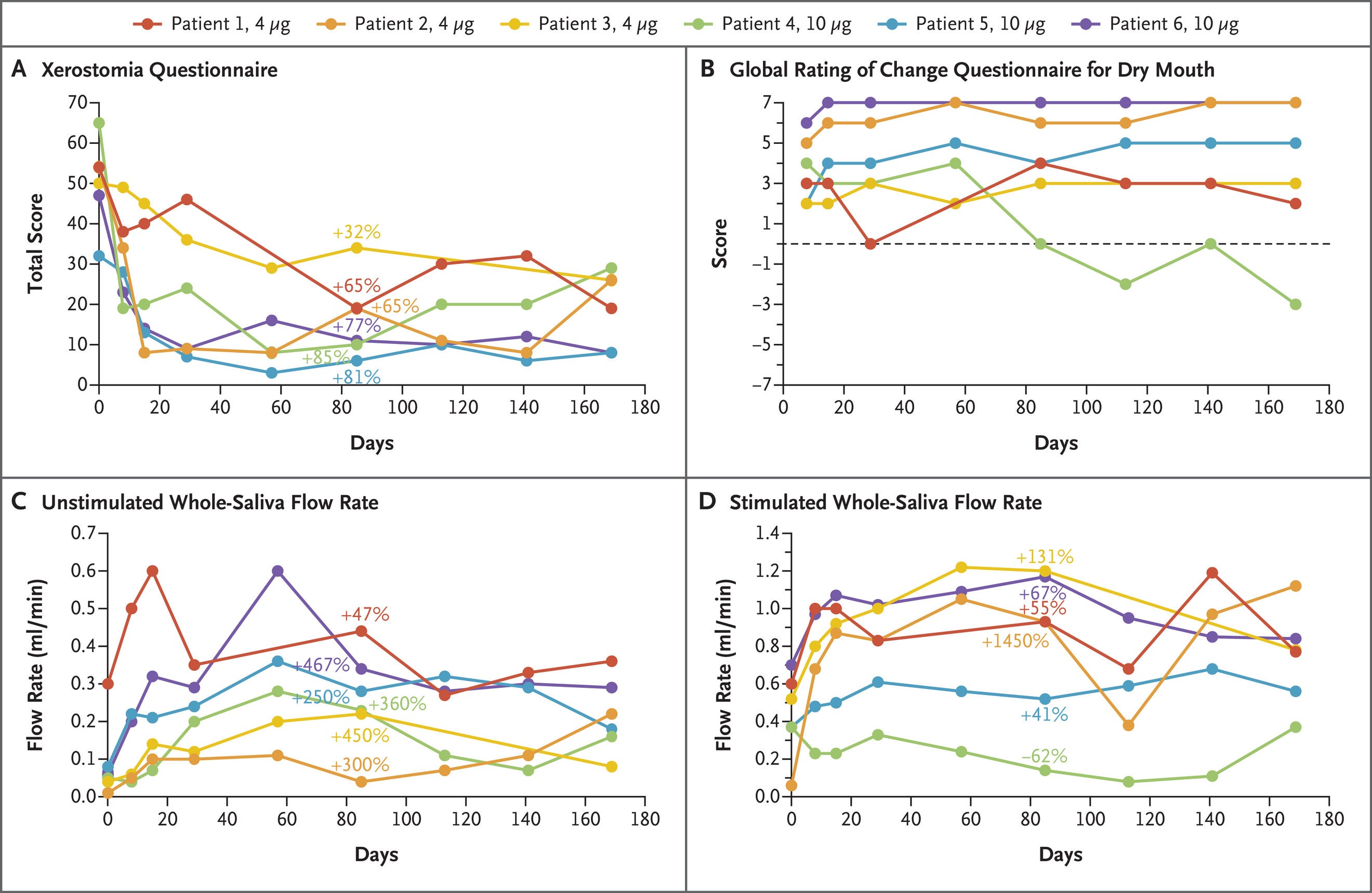
Data from the initial six consecutive patients in their ongoing Phase 1 open-label dose-escalation study (NCT06714253) demonstrated rapid, consistent, and remarkably durable responses. Most patients began producing increased amounts of saliva within just one week of receiving a single injection. Unstimulated and stimulated whole-saliva flow rates increased substantially from baseline by day 7 and remained elevated. For instance, in the 4 μg cohort, unstimulated whole-saliva flow rates rose between 47% and 450% by day 90, while stimulated flow rates surged anywhere from 55% to 1,450%. Patient-reported outcome scores on the Xerostomia Questionnaire showed rapid improvement within the first 30 days, which correlated closely with the objective salivary flow data. Surprisingly, therapeutic benefits persisted well past the 90-day mark, maintaining efficacy nearly six months post-infusion, an unusually long duration for lipid nanoparticle-delivered RNA therapies.
RiboX is continuing patient enrollment to fully evaluate the dose-response relationship, longer-term safety, and duration of effect across higher dose tiers (including planned evaluations at 40 μg and 100 μg). Future trial iterations are also expected to explore multiple-dose regimens compared against a control arm to validate the durability signals observed in this initial open-label phase.
Sources: Endpoints article, NEJM Correspondence
Alnylam - Brezosiran (HTT RNAi) / Phase 1b (Huntington’s)
On October 23, 2026, Alnylam Pharmaceuticals reported positive initial Phase 1b clinical data for brezosiran (ALN-HTT02), an investigational RNA interference (RNAi) therapeutic targeting Huntington’s disease (HD). The data was presented at the European Huntington’s Disease Network (EHDN) 2026 Clinical Research Congress.
Huntington’s disease is a fatal, inherited neurodegenerative disorder driven by a CAG trinucleotide repeat expansion in the HTT gene that produces an abnormally elongated mutant huntingtin protein, triggering progressive neuronal death, severe motor dysfunction like chorea, cognitive decline, and psychiatric disturbances with no available cure or disease-modifying therapy. To address this underlying pathology, brezosiran was designed as a C16-conjugated RNAi therapeutic delivered via spinal intrathecal injection to target a conserved exon 1 sequence on mRNA transcripts, degrading both mutant and wild-type HTT to cut off the production of toxic mutant huntingtin protein species and halt the neurodegenerative cascade.
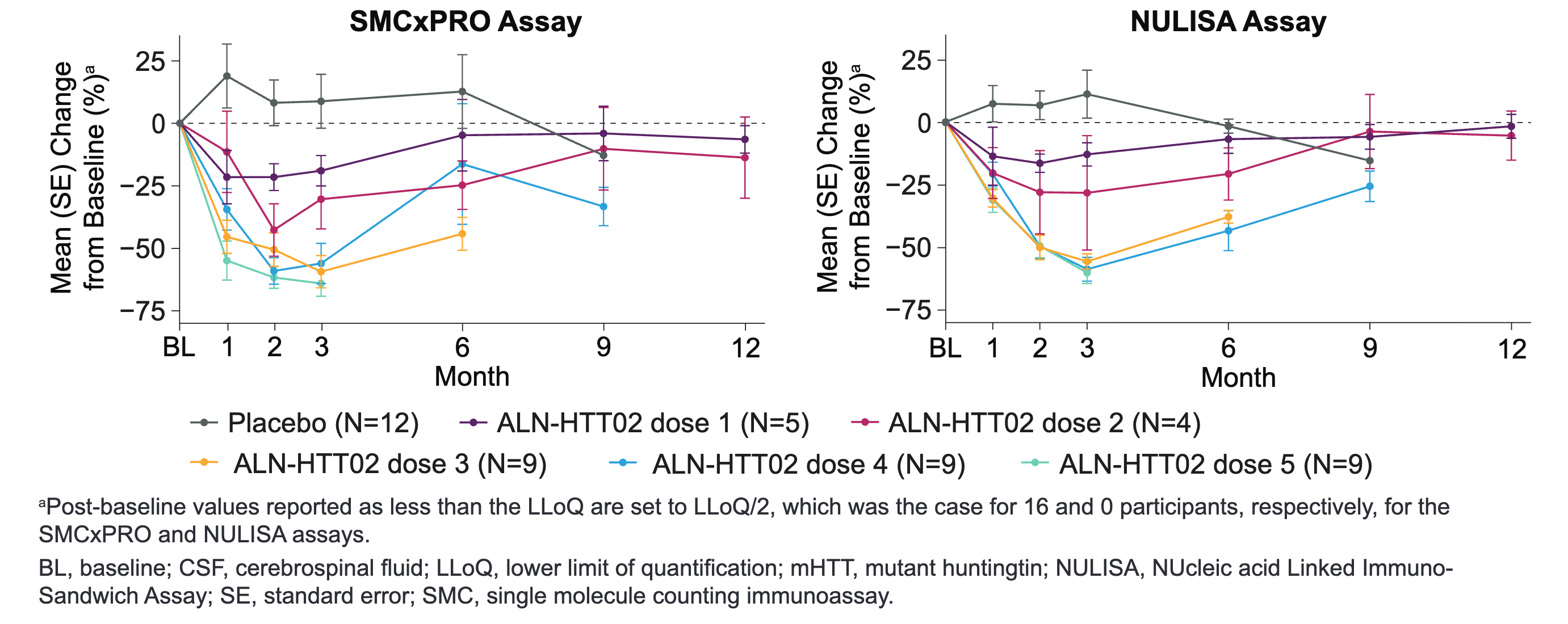
In an ongoing, placebo-controlled SAD Phase 1b trial (NCT06585449) evaluating brezosiran in adults with stage 2 or early stage 3 Huntington’s disease, a single intrathecal injection achieved a profound maximum mutant huntingtin (mHTT) reduction of -64% in cerebrospinal fluid. This striking potency and durability outperformed competing antisense oligonucleotide pipelines on a cross-trial basis, such as Wave Life Sciences’ WVE-003 (-46%), while demonstrating an encouraging safety and tolerability profile that successfully cleared the single ascending dose cohorts without dose-limiting toxicities.
Buoyed by these robust Phase 1b findings, Alnylam is advancing preparations to launch a pivotal, placebo-controlled Phase 3 clinical trial. Pending regulatory alignment, this registrational study is slated to begin in 2027 to definitively establish whether brezosiran’s deep molecular knockdown translates into tangible slowing of clinical disease progression in adults with Huntington’s disease.
Sources: Alnylam press release, Alnylam EHDN 2026 slide deck, Alnylam EHDN 2026 poster
Roivant - Lisraya (TYK2 x JAK1 dual inhibitor) / Phase 3 (NIU)
On October 21, 2026, Roivant Sciences and its subsidiary Priovant Therapeutics announced positive topline results from the pivotal CLARITY-1 and CLARITY-2 Phase 3 clinical programs evaluating Lisraya (brepocitinib), a once-daily oral dual inhibitor of TYK2 and JAK1, in non-infectious uveitis (NIU). Note that Lisraya is currently approved for dermatomyositis in adult patients, and is not currently approved for NIU.
Non-infectious uveitis (NIU) is driven by complex, multi-cytokine inflammatory pathways that attack the internal structures of the eye, leading to irreversible structural damage and blindness. The disease affects tens of thousands of adults in the U.S. and represents a leading cause of legal blindness among working-age individuals, according to Roivant. Brepocitinib is a dual-acting small molecule designed to simultaneously inhibit TYK2 and JAK1. By blocking these intracellular signaling nodes, brepocitinib is designed to suppressess a broad spectrum of pathogenic cytokines, including IL-23 (which polarizes destructive Th17 effector cells), interferons, and interleukins, that coordinate the intraocular inflammatory cascade. This dual inhibition could produce a synergistic pharmacologic effect on key immune cells that single TYK2 or JAK1 inhibitors may not fully be able to replicate.
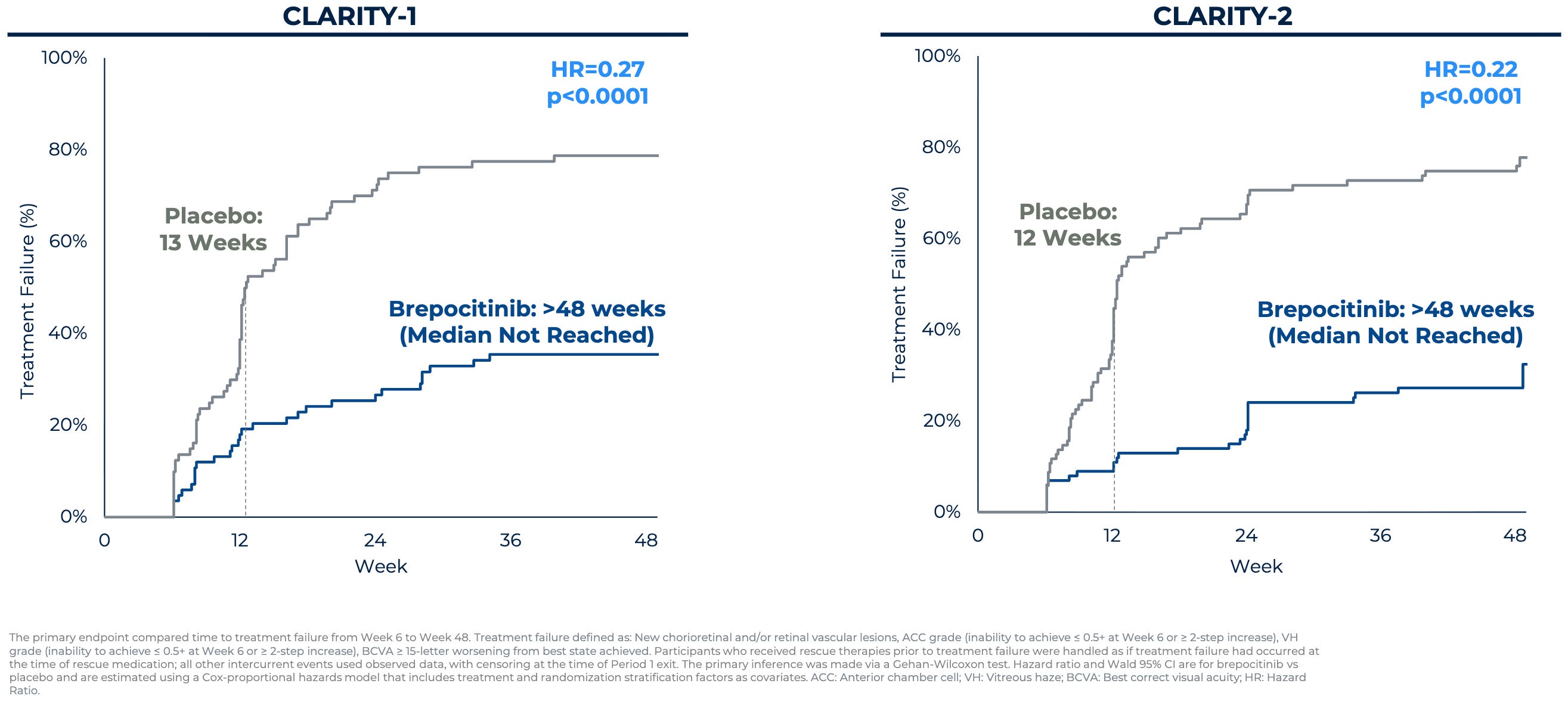
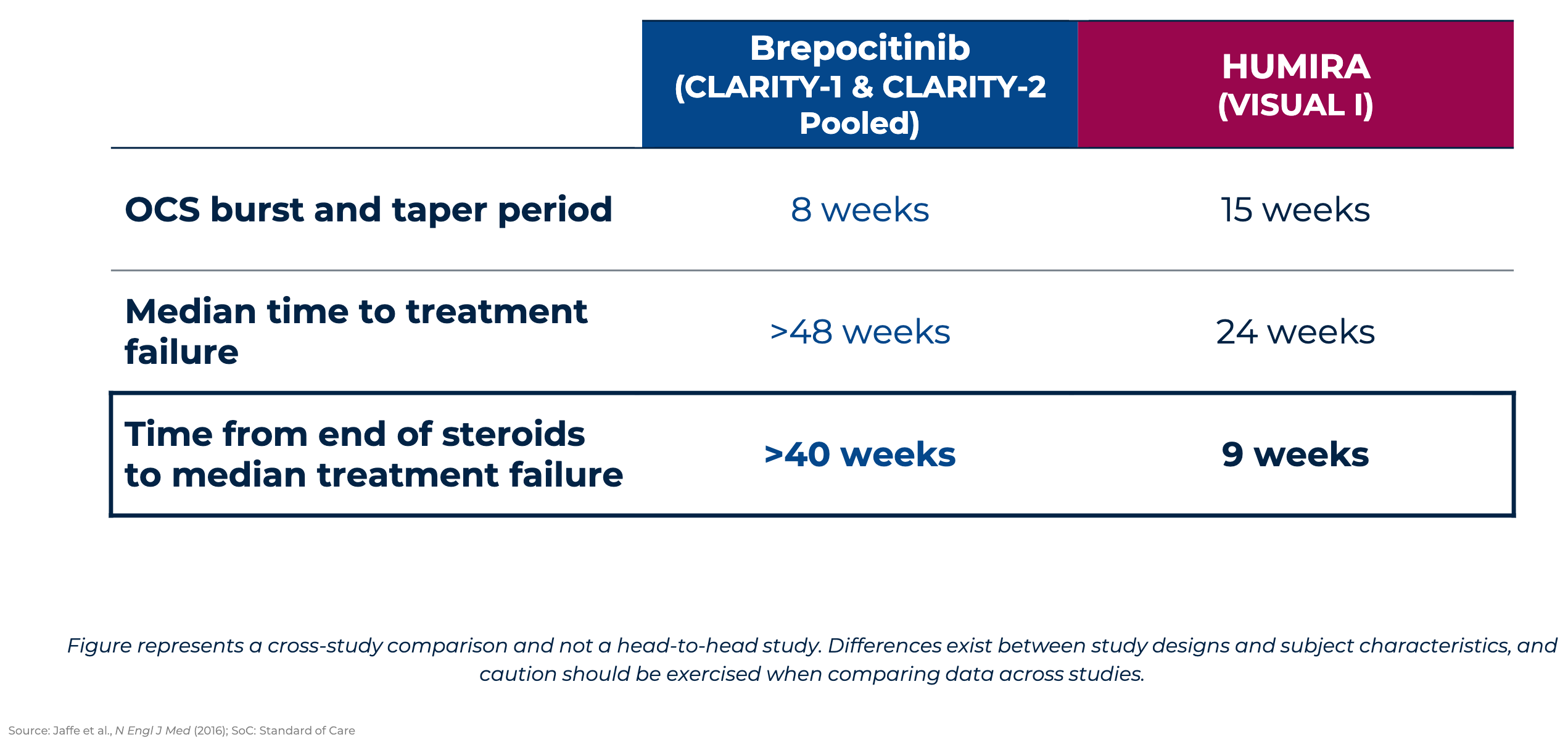
In the global Phase 3 CLARITY program (comprising CLARITY-1 with N=166 and CLARITY-2 with N=204, totaling 371 adult patients), once-daily oral brepocitinib demonstrated efficacy in treating non-infectious uveitis, successfully meeting its primary endpoint with highly significant treatment failure hazard ratios versus placebo of 0.27 (p < 0.0001) and 0.22 (p < 0.0001), extending the median time to treatment failure beyond 48 weeks compared to roughly 12 weeks for placebo. Furthermore, pooled data showed that 62% of brepocitinib-treated patients achieved complete, steroid-free disease quiescence at Week 48 versus 20% on placebo (Delta = 41%, p < 0.0001), alongside significant resolution of macular edema, reduced vascular inflammation, and meaningful gains in vision-related quality of life, all while maintaining a generally well-tolerated safety profile.
Encouraged by these robust Phase 3 wins and Lisraya‘s recent regulatory clearance in dermatomyositis, Priovant and Roivant are preparing for global regulatory submissions. Priovant plans to officially submit a supplemental New Drug Application (sNDA) to the FDA for brepocitinib in the treatment of non-infectious uveitis in the first half of calendar year 2027.
Sources: Roivant press release, Roivant slide deck
Eli Lilly - Retatrutide (GGG) / Phase 3 (OSA)
On October 20, 2026, Eli Lilly published the pivotal Phase 3 TRIUMPH-1-OSA and TRIUMPH-2-OSA trials in NEJM. Evaluating retatrutide, a potential first-in-class investigational triple hormone receptor agonist. The trials demonstrated profound therapeutic success in adults with moderate-to-severe obstructive sleep apnea (OSA) and obesity or overweight, both with and without type 2 diabetes.
Moderate-to-severe obstructive sleep apnea (OSA) paired with overweight or obesity both with and without type 2 diabetes is driven by excessive upper airway adiposity causing recurrent airway collapse, chronic intermittent hypoxia, sleep fragmentation, and metabolic dysfunction, with a standard of care spanning lifestyle modifications, mechanical PAP therapy (though limited by real-world adherence), glycemic management, and emerging medical weight loss options like advanced incretin therapies or bariatric surgery. To address this, retatrutide is a single peptide engineered as a triple agonist targeting GIP, GLP-1, and glucagon (GCG) receptors, combining GLP-1 and GIP activation to drive glycemic control, suppress appetite, and slow gastric emptying with glucagon activation to increase energy expenditure and hepatic lipid metabolism, thereby boosting weight loss efficacy and apnea reduction beyond traditional single- or dual-incretin therapies.
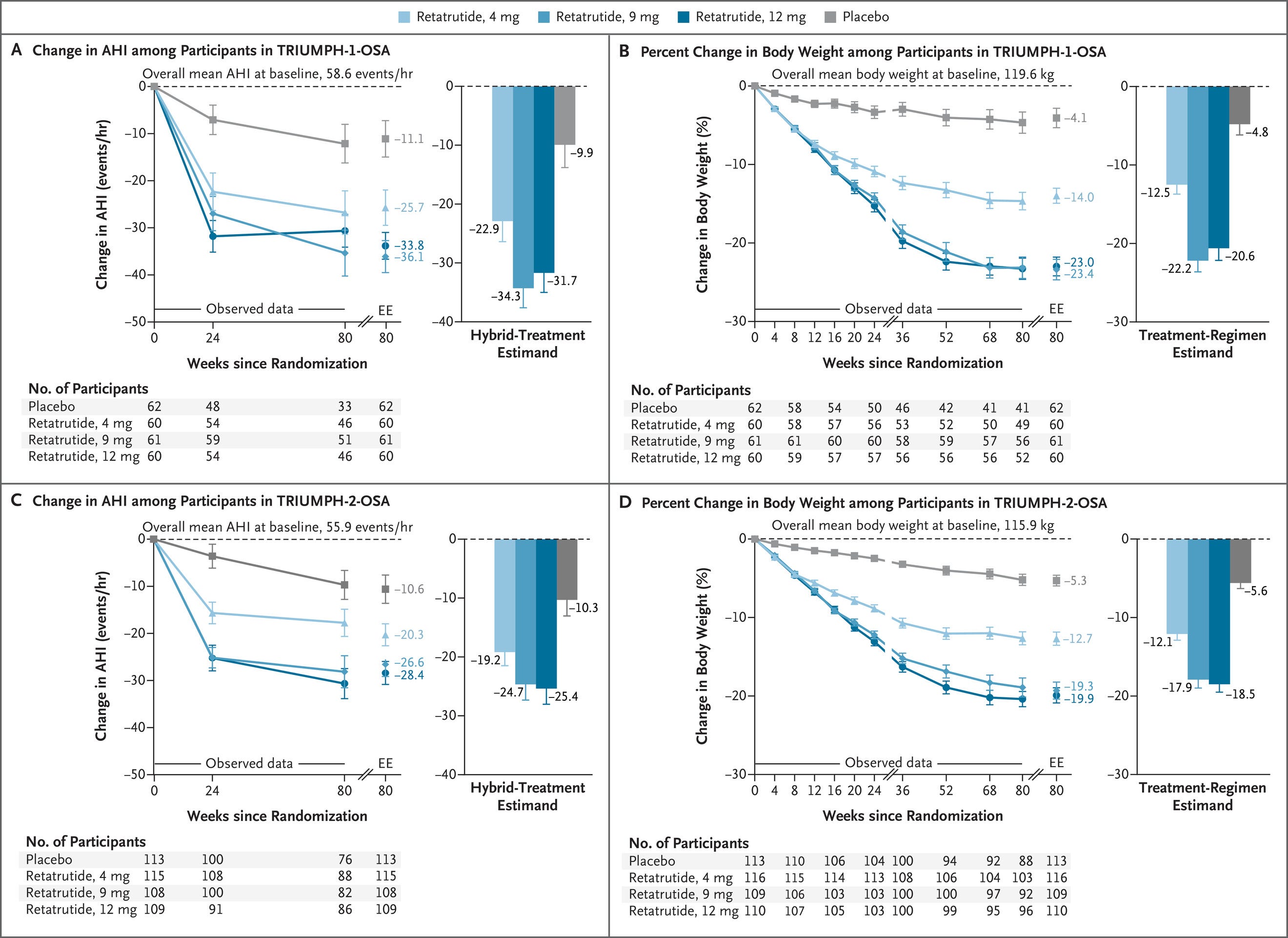
In two phase 3 trials (TRIUMPH-1-OSA and TRIUMPH-2-OSA), retatrutide demonstrated overwhelming efficacy by significantly reducing the apnea-hypopnea index (AHI) by -34.3 events/hr (9 mg) and -31.7 events/hr (12 mg) versus -9.9 for placebo in non-diabetic participants, and by -24.7 events/hr (9 mg) and -25.4 events/hr (12 mg) versus -10.3 for placebo in participants with type 2 diabetes (all P < 0.001), alongside achieving dose-dependent weight losses ranging from -12.5% to -22.2% (TRIUMPH-1-OSA) and -12.1% to -18.5% (TRIUMPH-2-OSA) at week 80, profound reductions in hypoxic burden (SASHB), and improved sleep impairment scores (PROMIS-SRI), with a safety profile characterized mainly by mild-to-moderate, dose-escalation-concentrated gastrointestinal adverse events.
With the successful publication of TRIUMPH-1-OSA and TRIUMPH-2-OSA in the NEJM, Eli Lilly is incorporating these findings into global regulatory submissions for weight management and OSA indications. Meanwhile, the broader long-term cardiovascular and renal safety outcomes of the molecule continue to be evaluated in the ongoing TRIUMPH-Outcomes trial (NCT06383390).
Sources: Grunstein et al., NEJM (2026)
AbbVie - Lutikizumab (anti-IL1a/b mAb) / Phase 3 (HS)
On October 22, 2026, AbbVie announced positive topline results from the Phase 3 INTREPID trial evaluating lutikizumab (ABT-981), an investigational dual-variable-domain anti-IL1a/b monoclonal antibody, for the treatment of moderate-to-severe hidradenitis suppurativa (HS).
Hidradenitis suppurativa (HS) affects approximately 1% of the global population, causing severe chronic pain, malodorous drainage, and profound psychosocial distress, often with a diagnostic delay spanning 7 to 10 years. While advanced biologics have begun reshaping dermatology care, treatment options remain limited, and many patients fail to achieve durable relief. Lutikizumab is engineered as a dual-variable-domain antagonist targeting both interleukin-1 alpha and interleukin-1 beta. Since both are heavily upregulated within HS lesions, simultaneously neutralizing these dual pathways suppresses the broader downstream inflammatory cascade responsible for painful lesion formation, tissue destruction, and chronic flare-ups.
In the Phase 3 INTREPID trial evaluating lutikizumab in adult and adolescent patients with moderate-to-severe hidradenitis suppurativa, the 16-week primary analysis successfully met its primary endpoint with 31.4% of patients receiving lutikizumab achieving HiSCR75 compared to 23.4% in the placebo group (P < 0.001), while also significantly reducing skin pain starting as early as Week 1 and lowering the rate of disease flares to 18.4% versus 28.1% for placebo (P < 0.0001). Furthermore, the treatment was generally well-tolerated with a safety profile consistent with prior evaluations and balanced treatment-emergent adverse event rates between active treatment (53.4%) and placebo (53.7%).
The INTREPID trial is ongoing and will continue treating and monitoring patients out to 36 weeks to gather essential long-term efficacy and safety data. Following the completion of the extended trial period and full data analyses, AbbVie plans to submit a Biologics License Application (BLA) to regulatory authorities, with filing anticipated in the second half of 2027.
Sources: AbbVie press release
Amgen & AstraZeneca - Tezspire (TSLP inhibitor) / Phase 3 (EoE)
On October 20, 2026, Amgen and AstraZeneca announced positive topline results from the Phase 3 CROSSING trial evaluating Tezspire (tezepelumab) for the treatment of eosinophilic esophagitis (EoE). The data was presented as a late-breaking oral presentation at the United European Gastroenterology Week (UEGW) in Barcelona, Spain.
Eosinophilic esophagitis (EoE) is a chronic, progressive, immune-mediated inflammatory disorder of the esophagus driven by epithelial dysfunction and allergic cascades. Tezspire is a first-in-class human monoclonal antibody (IgG2λ) that specifically binds to thymic stromal lymphopoietin (TSLP). TSLP is an upstream epithelial cytokine released in response to environmental triggers that sits at the very top of multiple allergic and inflammatory pathways. By blocking TSLP, Tezspire prevents the downstream activation of type 2 helper T cells, mast cells, and eosinophils, effectively halting the severe tissue inflammation, remodeling, and fibrosis characteristic of EoE.
In the Phase 3 CROSSING trial evaluating 368 adult and adolescent participants with eosinophilic esophagitis, Tezspire demonstrated striking efficacy and durability through week 52, achieving week 24 histologic remission rates of 64.8% (210 mg dose) and 68.9% (420 mg dose) versus just 3.5% for placebo (p < 0.001), alongside statistically significant and clinically meaningful reductions in dysphagia symptoms, high rates of total endoscopic remission at week 52 (34.4% and 29.5% for the respective doses vs. 4.1% for placebo, p < 0.001), and a favorable safety and tolerability profile consistent with its established use in severe asthma and chronic rhinosinusitis with nasal polyps.
Following the positive presentation of the CROSSING trial data at UEGW 2026, Amgen and AstraZeneca are preparing to share the full dataset with regulatory authorities globally. The partners plan to submit formal regulatory applications to expand Tezspire‘s approved indications to include eosinophilic esophagitis.
Sources: Amgen press release, AstraZeneca press release
Rapport - RAP-21 (TARPγ8-specific AMPA NAM) / Phase 2 (acute bipolar mania)
On October 20, 2026, Rapport Therapeutics announced positive topline results from its Phase 2 clinical trial evaluating RAP-219, a first-in-class precision-targeted drug candidate, for the treatment of acute bipolar mania.
Acute bipolar mania requires rapid symptom control, but real-world management is heavily hindered by patient non-adherence driven by sedation, weight gain, and debilitating movement disorders. Current standard-of-care treatments for bipolar mania, such as lithium and atypical antipsychotics, typically rely on broad, systemic receptor blockade (including dopamine and serotonin pathways), which often drives heavy metabolic liabilities, severe somnolence, and movement disorders. RAP-219 takes a fundamentally different, precision-medicine approach: it acts as a negative allosteric modulator (NAM) of AMPA receptors specifically through TARPγ8, a transmembrane auxiliary protein highly concentrated in brain regions controlling mood and emotion, such as the hippocampus, amygdala, and cortex. By tuning hyperactive glutamatergic signaling within these specific cortico-limbic circuits while sparing global brain function, Rapport aims to achieve robust therapeutic efficacy with a clean, highly tolerable side-effect profile.
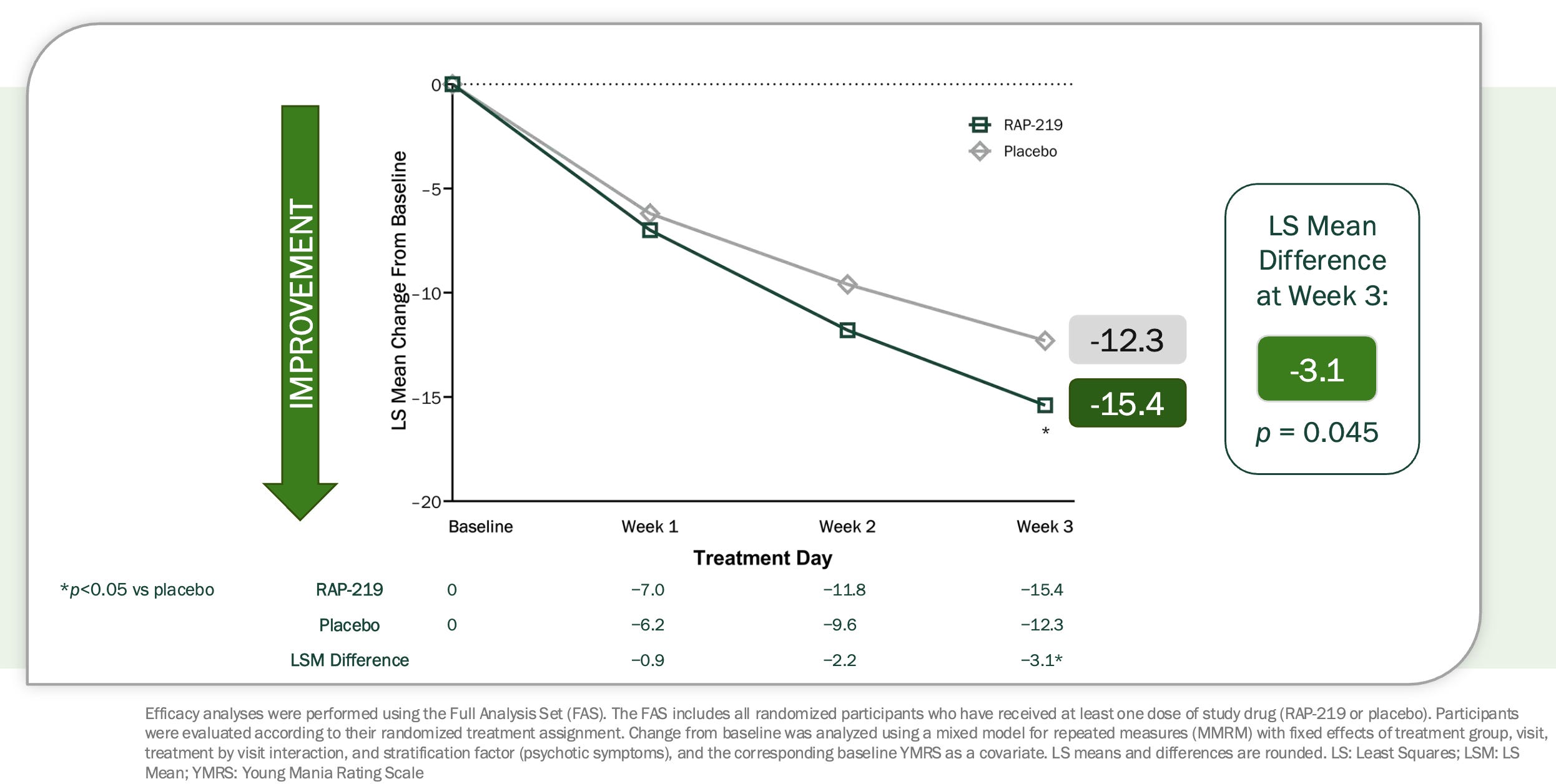
In a Phase 2 trial enrolling 253 adult patients with acute manic episodes, RAP-219 demonstrated statistically significant clinical improvement and a clean safety profile over a 3-week double-blind period, achieving a 3.1-point least squares mean improvement over placebo in YMRS total score at Week 3 (p = 0.045) with a 15.4-point mean drop from baseline, alongside progressive separation over the dosing window, significant improvement in mania severity on the CGI-BP-S scale (p = 0.024), and numerical improvements across all 11 individual YMRS items. Furthermore, RAP-219 was generally well-tolerated with an overall TEAE rate comparable to placebo (51.6% vs. 52.8%) while avoiding the extrapyramidal symptoms, akathisia, or orthostatic hypotension plaguing traditional antipsychotics, and showing lower somnolence (0.8%) than placebo (3.1%).
Rapport Therapeutics plans to hold an End-of-Phase 2 meeting with the FDA in the first quarter of 2027. Following regulatory alignment, the company intends to initiate two pivotal Phase 3 clinical trials in acute bipolar mania in the second half of 2027. Additional detailed data from the 8-week post-treatment follow-up period will be presented at an upcoming medical congress.
Sources: Rapport press release, Rapport slide deck
Veradermics - VDPHL01 (ER oral minoxidil) / Phase 3 (androgenetic alopecia)
On October 19, 2026, Veradermics announced positive topline results from its Phase 3 registration-directed Study ‘304’ clinical trial evaluating VDPHL01, an investigational extended-release (ER) oral minoxidil tablet, for the treatment of male pattern hair loss (androgenetic alopecia).
Androgenetic alopecia affects hundreds of millions of individuals worldwide, yet the prescription pharmacotherapy landscape has remained largely stagnant for nearly 30 years, heavily reliant on topical solutions or hormonal suppressants (like 5-alpha-reductase inhibitors) that carry sexual side-effect profiles. Topical minoxidil has been a cornerstone hair-loss treatment for decades, but application is often messy and inconsistent. While low-dose immediate-release oral minoxidil has increasingly been used off-label, standard formulations can cause abrupt peak plasma concentrations linked to cardiovascular liabilities. VDPHL01 utilizes proprietary extended-release technology designed to smooth out pharmacokinetic delivery, maintaining steady exposure of minoxidil to hair follicles over time. Systemically absorbed minoxidil acts as a potassium channel opener and vasodilator that prolongs the anagen (growth) phase of the hair cycle, enlarges miniaturized follicles, and improves microcirculation around the dermal papilla, all without altering systemic hormone or dihydrotestosterone (DHT) levels.
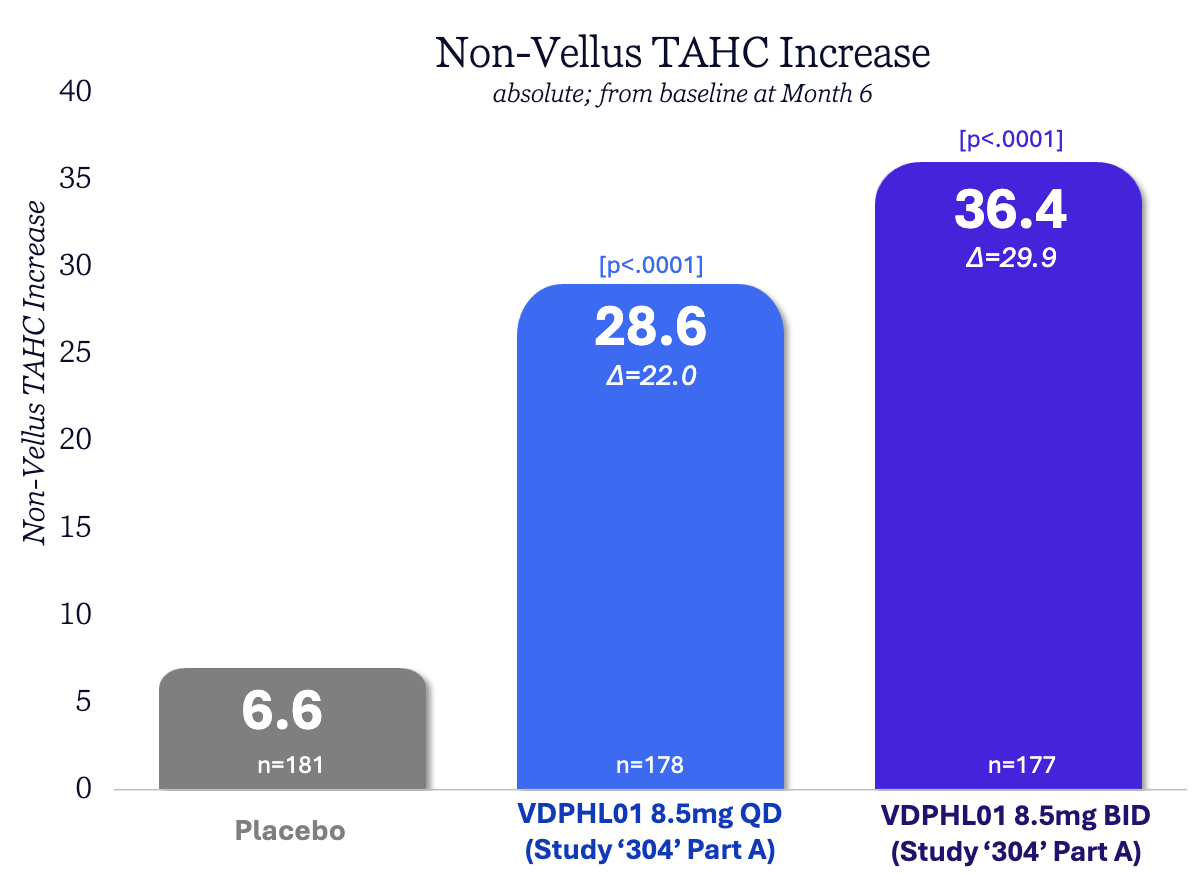
In the Phase 3 Study ‘304’ enrolling 536 adult men with mild-to-moderate androgenetic alopecia, the oral extended-release minoxidil formulation VDPHL01 demonstrated rapid, robust, and statistically decisive efficacy over 6 months, achieving highly significant increases in non-vellus Target Area Hair Count (TAHC) of +28.6 hairs/cm2 (once-daily) and +36.4 hairs/cm2 (twice-daily) versus +6.6 hairs/cm^2 for placebo (p < 0.0001), alongside statistically significant separation from placebo as early as Month 2, and up to 68.7% of patients reporting improved hair coverage on the AAIRS scale compared to 15.0% for placebo (p < 0.0001), all while maintaining a generally well-tolerated safety profile with no treatment-related serious adverse events or cardiac adverse events of special interest, and only minimal study discontinuations driven by mild localized events like peripheral edema and transient hypertrichosis.
With positive topline data now secured from two registration-directed trials enrolling over 1,000 male participants (including the ongoing Study ‘302’), Veradermics is advancing its comprehensive clinical program. This includes ongoing evaluation in female pattern hair loss via the Phase 2/3 Study ‘306’ trial (evaluating 4.5 mg once- and twice-daily dosing in over 500 women). Company leadership is preparing the data packages to support future regulatory filings for potential FDA approval.
Sources: Veradermics press release, Veradermics slide deck
Disc Medicine - Bitopertin (GlyT1 inhibitor) / Phase 3 (EPP)
On October 19, 2026, Disc Medicine announced positive topline results from the pivotal Phase 3 APOLLO trial evaluating bitopertin, an investigational, orally administered glycine transporter 1 (GlyT1) inhibitor, for the treatment of erythropoietic protoporphyria (EPP) in adults and adolescents.
Erythropoietic protoporphyria (EPP) is a rare, debilitating metabolic disorder caused by a genetic defect in heme biosynthesis, leading to a massive accumulation of toxic protoporphyrin IX (PPIX) in the blood, bone marrow, and liver. When exposed to sunlight or visible light, PPIX generates reactive oxygen species, triggering severe, excruciating phototoxic pain, burning, and edema. EPP imposes a profound burden on patients, forcing individuals to avoid natural sunlight entirely, which severely impairs outdoor activity, psychosocial development, and overall quality of life. Disease management has historically relied strictly on strict sun avoidance and protective gear due to a complete lack of approved disease-modifying therapies. Bitopertin is a selective, oral inhibitor of glycine transporter 1 (GlyT1), an enzyme essential for heme synthesis in developing red blood cells. By inhibiting GlyT1, bitopertin downregulates the rate-limiting step of the heme pathway, effectively curtailing the overproduction and accumulation of PPIX at its source and restoring light tolerance.
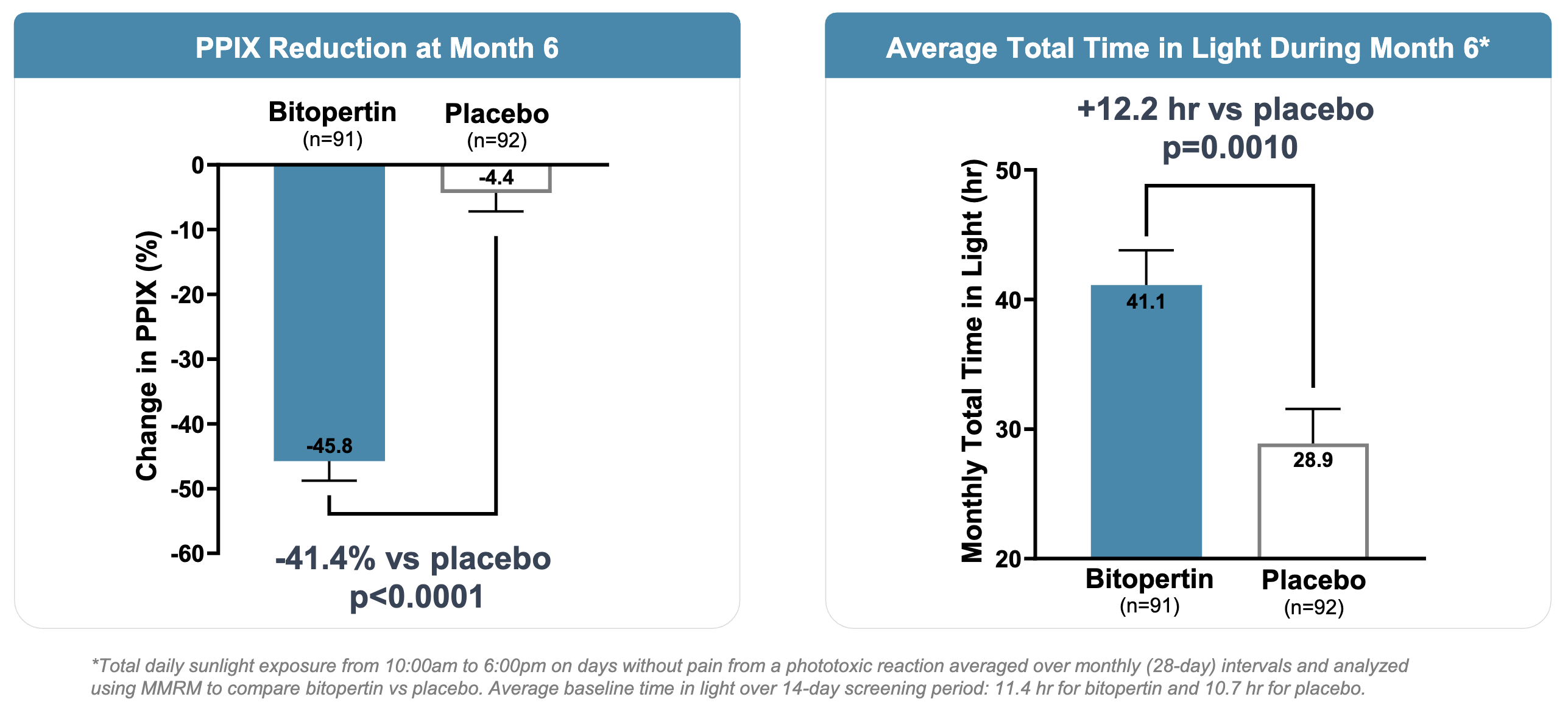
In the Phase 3 APOLLO trial in adult and adolescent patients with erythropoietic protoporphyria (EPP), the 6-month data demonstrated statistical significance across all primary and secondary evaluation metrics by successfully meeting both co-primary endpoints, achieving a striking -41.4% reduction in whole-blood metal-free PPIX from baseline versus placebo (p < 0.0001) and a significant +12.2-hour increase in average monthly total time in light without pain during month 6 versus placebo (p = 0.0010), while also hitting all secondary goals including marked reductions in phototoxic reaction incidence rates (p < 0.0001), substantial increases in cumulative pain-free time in light (p < 0.0001), and improved patient-reported outcomes like PGIC and PGIS scores (p < 0.0001), all alongside a generally well-tolerated safety profile with no new safety signals or treatment-emergent adverse events above Grade 3, and dizziness remaining the most common mild, moderate, and transient treatment-emergent event (50% of active group).
Building on the successful APOLLO readout, which addresses previous regulatory hurdles, Disc Medicine plans to formally resubmit its New Drug Application (NDA) to the FDA by the end of 2026. They expect a formal PDUFA decision by mid-2027.
Sources: Disc press release, Disc slide deck
AbbVie - ABBV-466 (FDC of anti-integrin α4β7 mAb + Skyrizi) / Phase 2a (Crohn’s)
On October 19, 2026, AbbVie presented highly anticipated results from the Phase 2a TARGET-CD trial for ABBV-466, an investigational fixed-dose combination (FDC) dual-targeting therapy, at the 2026 Annual United European Gastroenterology Week (UEGW) Congress.
Crohn’s disease management faces a persistent ceiling with current single-target biologics, where a substantial percentage of patients fail to achieve complete endoscopic mucosal healing, the gold standard for preventing long-term bowel damage and surgery. ABBV-466 is engineered as a next-generation dual-targeting therapeutic approach combining risankizumab (the active anti-IL-23 p19 monoclonal antibody foundation of AbbVie’s blockbuster Skyrizi) with trosunilimab (an anti-α4β7 integrin monoclonal antibody). While anti-IL-23 agents block deep pro-inflammatory cytokine signaling cascades in the gut tissue, anti-α4β7 therapies specifically inhibit gut-selective lymphocyte trafficking. By simultaneously shutting down inflammatory signaling and restricting immune cell homing to the intestinal mucosa, ABBV-466 aims to provide a synergistic mechanism designed to drive deep tissue healing and barrier restoration beyond the reach of single-pathway blockades.
In the Phase 2a TARGET-CD trial, the dual-targeting combination ABBV-466 demonstrated superior clinical and endoscopic efficacy over monotherapies by achieving a Week 12 endoscopic remission rate of 30.2% compared to 21.3% for Skyrizi (risankizumab) monotherapy and 18.0% for trosunilimab monotherapy, with clinical benefits widening significantly by Week 24 as ABBV-466 drove endoscopic remission rates to 40.5% versus 22.4% for Skyrizi and 20.0% for trosunilimab, while advanced gene expression analyses showed promoted colonic epithelial repair and barrier restoration by Week 12 followed by distinct Week 24 tissue remodeling and metabolic changes unobserved in the monotherapy arms, all alongside balanced serious adverse event rates and safety profiles consistent with the established individual biologic agents.
Building on the successful TARGET-CD Phase 2a proof-of-concept data presented at UEGW 2026, AbbVie is utilizing ongoing broader platform and pipeline studies to refine dosing parameters. The company aims to leverage these interim data snapshots to accelerate final formulation design and advance the combination program into pivotal Phase 3 clinical development.
Sources: AbbVie press release
Gilead - Emvistegrast (anti-α4β7 inhibitor) / Phase 2 (UC)
On October 19, 2026, Gilead Sciences presented positive topline results from the Phase 2 SWIFT trial evaluating emvistegrast (GS-1427), an investigational once-daily oral inhibitor of the α4β7 integrin pathway, for the treatment of moderately to severely active ulcerative colitis (UC). The data was presented as a late-breaking abstract at the United European Gastroenterology Week (UEGW) 2026 congress in Barcelona.
Ulcerative colitis (UC) is driven by chronic, immune-mediated inflammation of the intestinal mucosa, heavily sustained by the migration of gut-homing lymphocytes. Disease management remains heavily constrained by the heavy administrative and lifestyle burdens of intravenous and subcutaneous biologics. Emvistegrast is an oral, small-molecule antagonist specifically designed to target and inhibit the α4β7 integrin receptor. By blocking the interaction between V and mucosal addressin cell adhesion molecule-1 (MAdCAM-1), emvistegrast selectively prevents inflammatory white blood cells from trafficking out of the vasculature and into the intestinal tissue.
The 12-week induction data from the Phase 2 SWIFT study established clear efficacy signals, though accompanied by intriguing dose-response complexities. At Week 12, clinical remission was achieved by 31% of patients receiving the 200 mg dose of emvistegrast, compared to 8% in the placebo group (P < 0.05), representing a robust 23-percentage-point placebo-adjusted delta. Clinical response at Week 12 reached 66% for the 200 mg arm versus 37% for placebo. The 200 mg dose drove significant improvements across secondary markers, with endoscopic improvement reported in 39% of patients versus 12% for placebo (P < 0.001). Mucosal healing occurred in 24% versus 10%, and histological endoscopic mucosal improvement (HEMI) reached 25% versus 10% (nominal p < 0.05). While the 200 mg arm clearly outperformed placebo, the intermediate and lower dose groups exhibited a peculiar and unconventional dose-response curve. Notably, the 25 mg dose achieved a clinical remission rate hovering around 20%, tracking closely to a near-placebo profile and raising questions regarding threshold target occupancy and exposure-response dynamics. Emvistegrast was generally well-tolerated and discontinuations due to adverse events remained very low at 1%.
By demonstrating robust clinical remission, mucosal healing, and endoscopic clearance with a clean safety profile, emvistegrast validates the oral α4β7 class and strengthens Gilead’s strategic foothold in immunology alongside competitors like Abivax (obefazimod) and Eli Lilly (zotemtegrast). Following the presentation of the SWIFT Phase 2 data at UEGW 2026, Gilead plans to utilize the 200 mg dose parameters to finalize design choices for a pivotal Phase 3 monotherapy clinical program scheduled to initiate in 2027. Furthermore, Gilead is actively exploring emvistegrast as a foundational oral backbone for future combination approaches in inflammatory bowel disease.
Sources: Gilead press release
Love biotech? Check out Biotech Readout’s full content library, or navigate directly to a segment that interests you:
Frontiers in Medicine: Exploring the frontiers of our understanding and treatments for disease.
Medical History: Recovering forgotten relics in the history of medicine.
Acquisitions: Exploring the innovation behind acquired companies.
Weekly Readout: A digest of new clinical data from the past week.

To contact us, please send us an email at biotechreadout@gmail.com
Disclaimers
Investigational Status Disclaimer
The therapeutic candidates discussed in this newsletter are currently in clinical development and have not been approved for commercial sale by the U.S. Food and Drug Administration (FDA), the European Medicines Agency (EMA), or other global regulatory authorities. Their safety and efficacy have not been established. References to pipeline products and ongoing clinical trials involve significant risks and uncertainties. Statements regarding the potential safety, potency, or efficacy of investigational drugs reflect current hypotheses and are not a guarantee of future performance or regulatory clearance. The outcome of clinical trials is inherently unpredictable, and clinical results from earlier stages may not be predictive of results in later, larger-scale trials.
No Medical Advice Disclaimer
This newsletter is for informational and educational purposes only. The content is not intended to be a substitute for professional medical advice, diagnosis, or treatment. Always seek the advice of your physician or another qualified health provider with any questions you may have regarding a medical condition. Never disregard professional medical advice or delay in seeking it because of something you have read in this publication.
No Patient-Provider Relationship Disclaimer
The information provided in this newsletter is for educational and analytical purposes only. Receipt of this information, or any interaction with this content, does not create a physician-patient, pharmacist-patient, or any other professional-provider relationship between you and the authors or publishers. This newsletter should not be used as a substitute for a personal consultation with a qualified healthcare professional.
Forward-Looking Statements Disclaimer
This newsletter contains “forward-looking statements” regarding future events, including clinical trial timing, regulatory milestones, and projected market performance. These statements are based on current expectations and assumptions that are subject to significant risks and uncertainties. Actual results may differ materially from those expressed or implied. We undertake no obligation to update these statements as a result of new information or future developments.
Third-Party Links & Content Disclaimer
This newsletter contains links to third-party websites, including clinical trial registries and corporate presentations. Biotech Readout does not endorse, guarantee, or assume responsibility for the accuracy or reliability of any information offered by third-party providers.
Errors and Omissions Disclaimer
While we strive for technical accuracy, the information in this newsletter is provided on an “as is” basis with no guarantees of completeness, accuracy, or timeliness. Biotech Readout assumes no liability for any errors or omissions in the content of this publication.
Non-Endorsement Disclaimer
Any reference to specific commercial products, processes, or services by trade name, trademark, or manufacturer does not constitute or imply an endorsement or recommendation by the author. All trademarks are the property of their respective owners.
No Investment Advice Disclaimer
This newsletter is for informational purposes only and does not constitute financial, investment, or legal advice. The author is not a registered investment advisor. You should consult with a professional financial advisor before making any investment decisions. The biotechnology sector is highly volatile; past performance is not indicative of future results.
Conflict of Interest Disclaimer
The author of this newsletter maintains a position of independence. At the time of publication, the author holds no direct financial interest, equity, or options in any of the companies mentioned in this report. No compensation has been received from any third party to feature or analyze specific therapeutic candidates or corporate entities.