

Disclaimer: This newsletter is for educational and informational purposes only and does not constitute medical, investment, or financial advice, nor does it establish a provider-patient relationship. Content may include forward-looking statements and discussions of investigational therapeutic candidates that are not FDA/EMA approved; their safety and efficacy remain unestablished and clinical outcomes are unpredictable. While we strive for accuracy, all information is provided as is without guarantees. As of the date of publication, the author holds no direct equity positions in the specific companies mentioned in this issue nor receives third-party compensation for this coverage. Please find a complete version of our disclaimers at the bottom of the article and linked here.

Press ⬇️ to go down to a section and ⬆️ to go back up to the Table of Contents
Table of Contents
This week, we discuss:
China Biotech
Acquisitions
Approvals
Clinical Trial Data
Kymera - KT-621 (STAT6 degrader) / Phase 2b (atopic derm) ⬇️
CARsgen - CT1182 (in vivo CD19 x CD20 CAR-T) / Phase 1 (NHL) ⬇️
Novartis - SNV4818 (selective PI3Kα inhibitor) / Phase 1/2 (HR+ HER2- BC) ⬇️
J&J - ARX788 (HER2 ADC) / Phase 2 (HER2+ mBC) ⬇️
Novartis - Leqvio (PCSK9 RNAi) / Phase 3 (ASCVD) ⬇️
GSK - Exdensur (anti-IL5 mAb HLE) / Phase 3 (EGPA) ⬇️
China Biotech
Wondering why we discuss China Biotech every week? Tap here to learn more.
Financing Activity for China versus Rest of World
for the week ending November 27, 2026
China Biotech’s 3-week winning streak ended with Eli Lilly’s $725 million acquisition of LoQus23 and Sanofi’s $41 billion acquisition of Insmed.
House Committee Issues Warning on China Biotech
On November 23, 2026, Max Bayer at Endpoints (my favorite journalist on China Biotech politics) highlighted a final report issued by the House Select Committee on China warning that China’s rapidly growing biotech sector, combined with inefficiencies in the U.S. clinical trial system, is shifting global drug development overseas.
Beijing has made China the fastest and cheapest location to test new drugs, catapulting the country into a global leader for early-stage, first-in-human studies despite oversight concerns. Since faster development preserves patent-protected revenue, international investors and major pharmaceutical companies are increasingly flocking to China for outlicensing deals, while systemic issues in the U.S. discourage domestic investment. The report urges passing the Biotech Investment National Security Act (BINSA), led by Chairman Rep. John Moolenaar (R-MI), which would require the Treasury Department to add common biotech transactions to its outbound investment screening rules. Despite industry pushback that this could hand an advantage to Europe and other regions, the committee maintains U.S. capital should not remain unrestricted. Among its 12 total recommendations, the panel calls for reforming U.S. clinical trials, restricting what data the FDA accepts, and establishing a White House Biotechnology Coordinator.
With Democrats preparing to take control of Congress, the Select Committee’s future is uncertain, though Rep. Ro Khanna (D-CA) would be in line to chair it if funded. Some Democrats are signaling caution against overly strict dealmaking limits. Rep. Jake Auchincloss (D-MA) is urging the Treasury Department to loosen its October draft rules on foreign biotech deals, while Sen. Mark Kelly (D-AZ) emphasized balancing supply chain security without restricting U.S. access to potentially life-saving medicines.
Sources: Endpoints article, House report
Acquisitions
Sanofi to Acquire Insmed
Immunology giant holds its breath & dives into the respiratory space for $41 billion
Eli Lilly to Acquire LoQus23
Pharma rainmaker buys a preclinical pan-repeat expansion inhibitor for Huntington’s disease
Approvals
BridgeBio - Welgemda (Glycosylation substrate therapy) / Approved (LGMD2I/R9)
On November 23, 2026 (ahead of its November 27 PDUFA date), the FDA granted traditional approval to Welgemda (BBP-418, ribitol) for the treatment of limb-girdle muscular dystrophy type 2I/R9 (LGMD2I/R9) in adult and pediatric patients weighing at least 30 kg. Developed by BridgeBio Pharma and its subsidiary ML Bio Solutions, Welgemda is an oral small-molecule glycosylation substrate therapy and becomes the first-ever FDA-approved treatment for LGMD2I/R9 as well as any form of limb-girdle muscular dystrophy. Alongside the approval, BridgeBio was awarded a Rare Pediatric Disease Priority Review Voucher and set an annual wholesale acquisition cost (WAC) of $983,500.
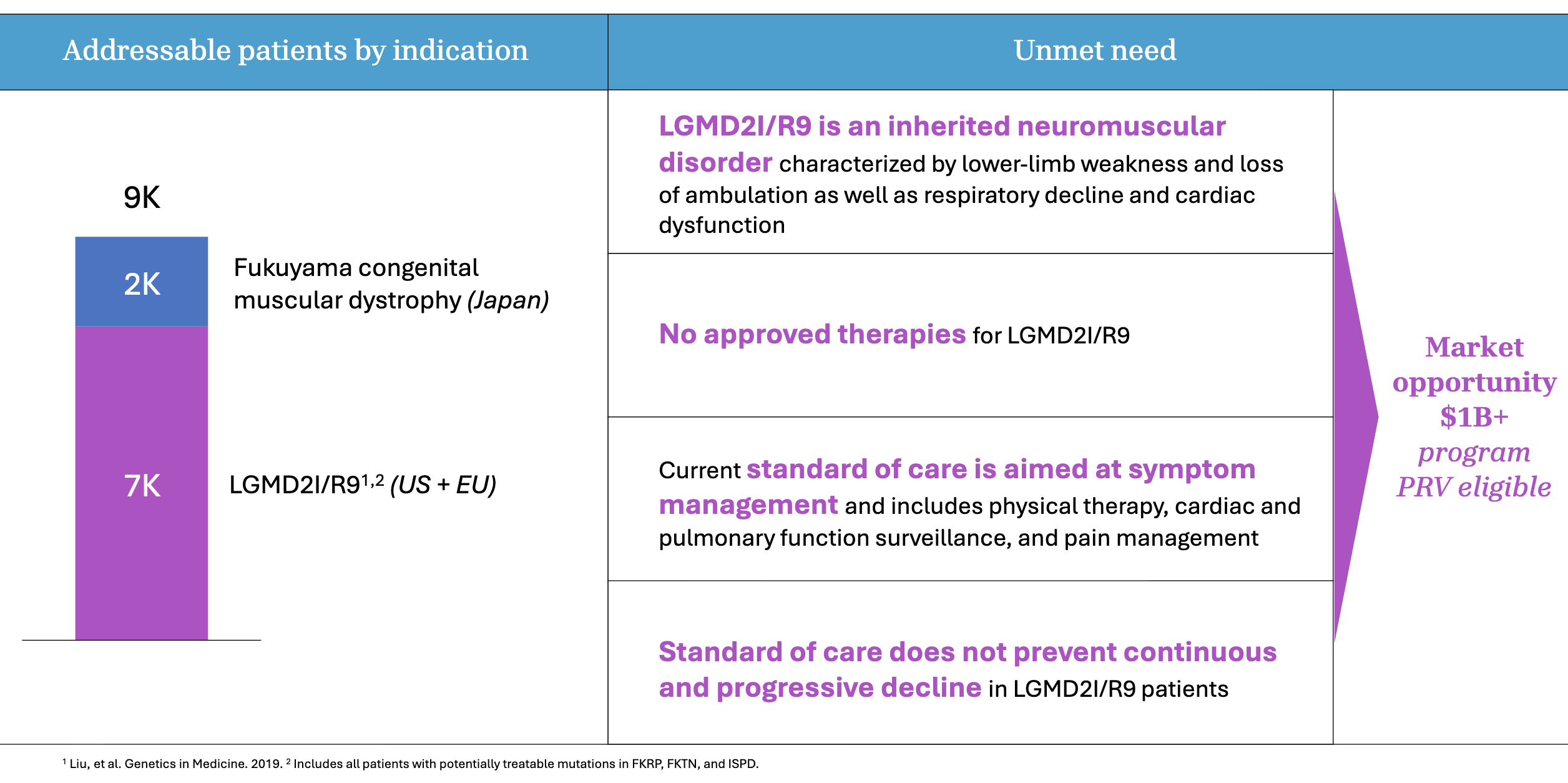
Limb-girdle muscular dystrophy type 2I/R9 (LGMD2I/R9) is a monogenic autosomal recessive disorder caused by partial loss-of-function mutations in the fukutin-related protein (FKRP) gene. Impaired FKRP activity disrupts the glycosylation of alpha-dystroglycan (αDG), a critical protein that stabilizes muscle fibers against their surrounding matrix. The resulting progressive skeletal myopathy impairs lower- and upper-limb strength and frequently advances to respiratory insufficiency and cardiomyopathy, with roughly 7,000 individuals estimated to live with LGMD2I/R9 and other addressable α-dystroglycanopathies across the U.S. and Europe. By supplying excess exogenous ribitol, a natural substrate along the αDG glycosylation pathway, Welgemda is designed to drive functional glycosylation even when FKRP enzymatic capacity is reduced.
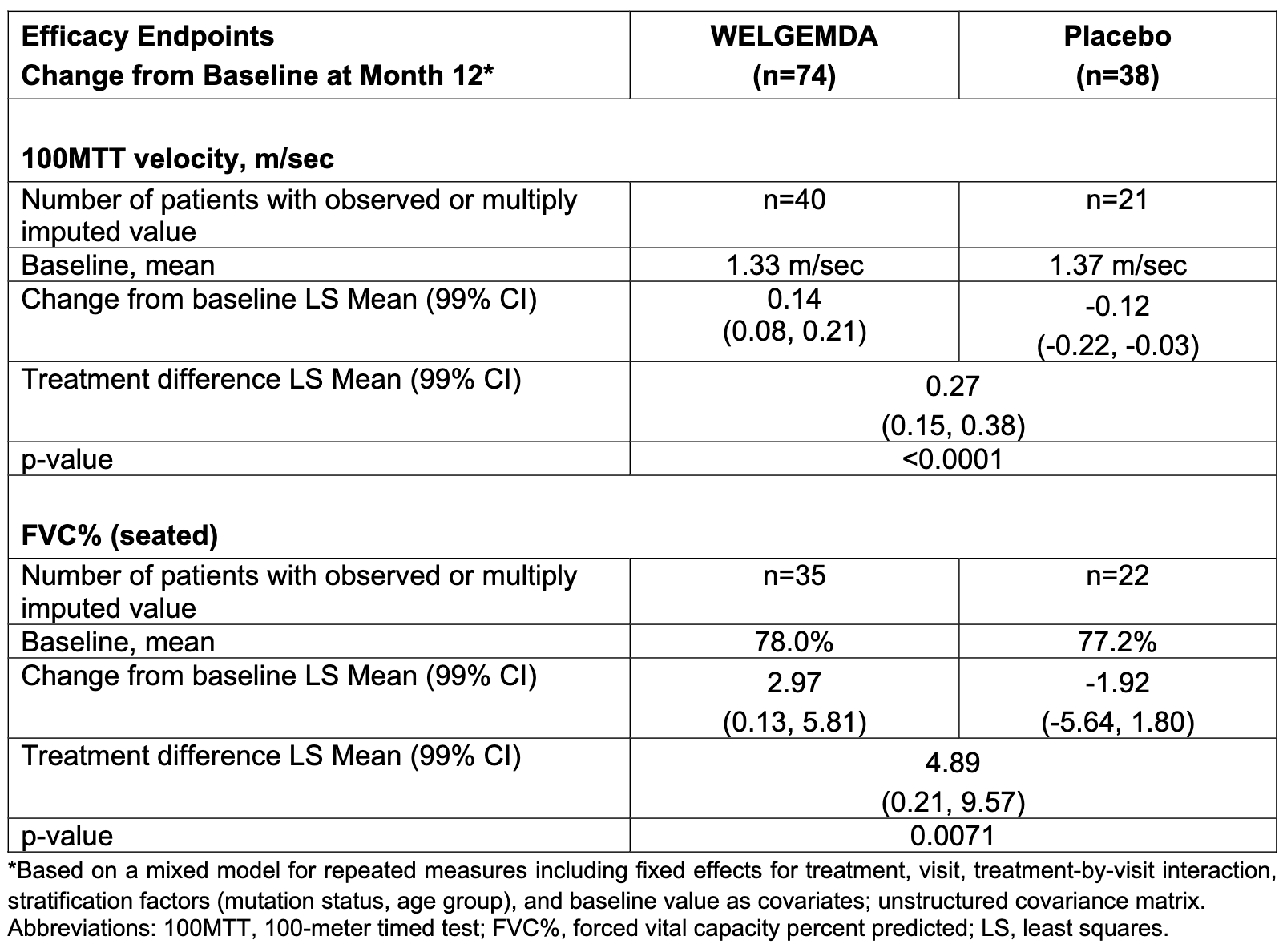
Regulatory clearance was anchored by positive 12-month interim results from the Phase 3 FORTIFY trial evaluating twice-daily oral ribitol in 112 patients aged 12 to 60 years weighing at least 30 kg with genetically confirmed LGMD2I/R9. At the 12-month interim analysis, Welgemda demonstrated statistically and clinically meaningful benefits across functional and biomarker endpoints compared with placebo. On the 100-meter timed walk test, patients treated with Welgemda improved walking velocity by an average of 0.14 m/s from baseline versus a decline of 0.12 m/s on placebo, yielding a between-group advantage of 0.27 m/s (reported p < 0.0001 by BridgeBio), alongside nominally significant gains on the North Star Assessment for Limb Girdle Muscular Dystrophies (NSAD). Forced vital capacity (FVC) improved by roughly 3% on average with Welgemda compared with an approximately 2% decline on placebo, translating to a 4.89 percentage-point benefit relative to placebo. Treatment increased levels of glycosylated α-dystroglycan (rising roughly 1.8-fold) and significantly lowered serum creatine kinase levels at 12 months, indicating reduced muscle injury. Common adverse events included gastrointestinal symptoms (such as diarrhea, abdominal pain, nausea, flatulence, and heartburn/indigestion), arthralgia (joint pain), and flu, with overall treatment-emergent adverse event rates of 93.2% on ribitol versus 100% on placebo (and Grade ≥3 events at 5.4% vs. 5.3%, respectively). The FORTIFY study remains ongoing through 36 months to evaluate longer-term durability and outcomes, with U.S. participants transitioning into open-label follow-up and BridgeBio planning to use full 36-month data to support a European Union regulatory submission targeted for the first half of 2028.
Sources: BridgeBio press release, new Welgemda label, BridgeBio slides
Cogent - Ekitna (CNS-sparing KIT mutant inhibitor) / Approved (2L GIST)
On November 24, 2026 (ahead of its November 30 PDUFA target date), the FDA approved Ekitna (bezuclastinib) in combination with sunitinib for adult patients with advanced gastrointestinal stromal tumors (GIST) who have received prior treatment with imatinib. Reviewed via the Real-Time Oncology Review program and supported by breakthrough therapy, priority review, and orphan drug designations, Ekitna marks the first FDA approval for Cogent Biosciences and the first new second-line treatment option approved for advanced GIST in more than 20 years.
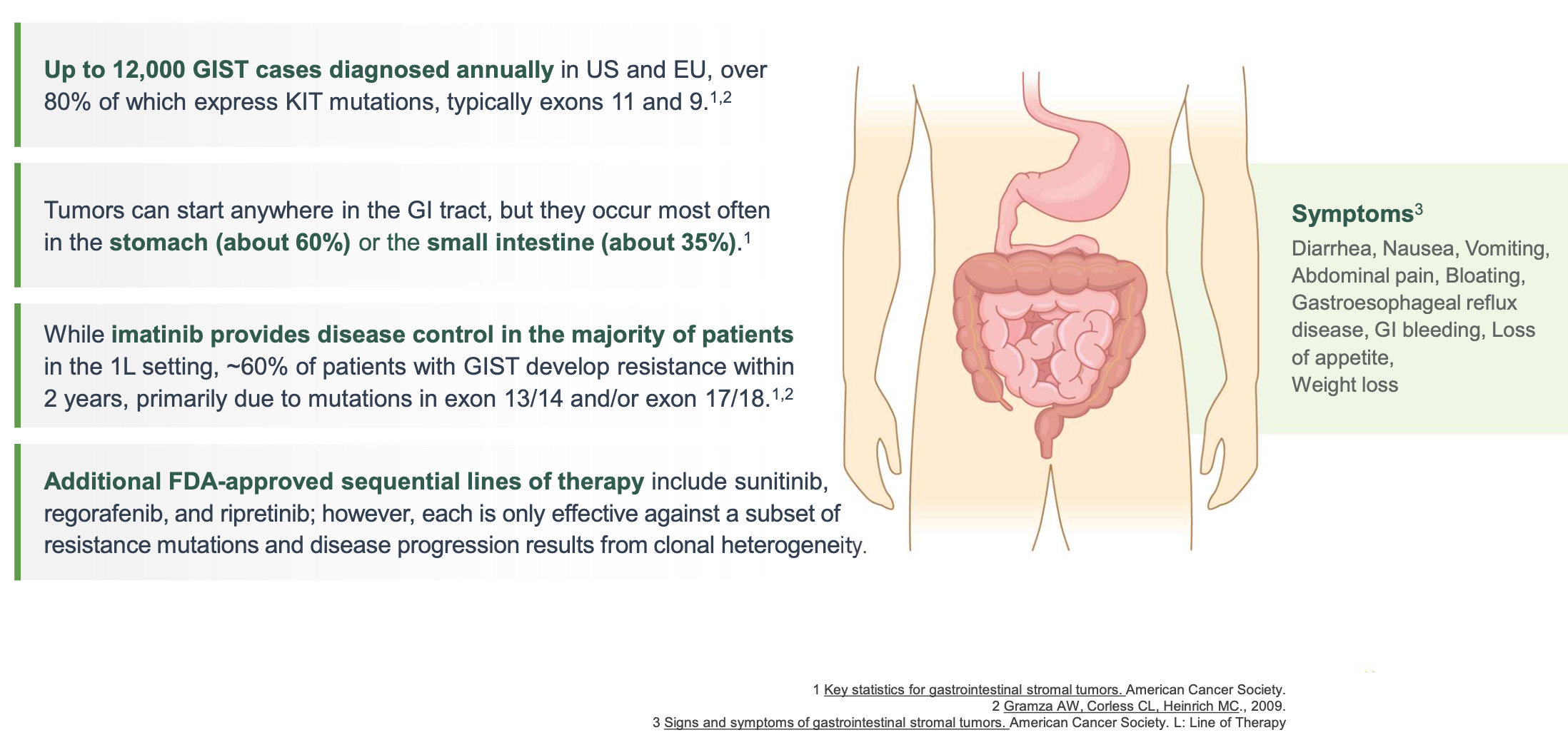
Advanced gastrointestinal stromal tumors (GIST) is heavily driven by oncogenic KIT signaling, with secondary mutations, particularly in KIT exon 17 (including KIT D816V), frequently emerging as a mechanism of acquired resistance to earlier therapies. Bezuclastinib is a selective tyrosine kinase inhibitor designed to potently inhibit KIT exon 17 mutations (including KIT D816V) while minimizing central nervous system penetration. Pairing bezuclastinib with sunitinib combines targeted exon 17 inhibition with sunitinib’s broader KIT activity to address a wider spectrum of resistance mutations than sunitinib alone.
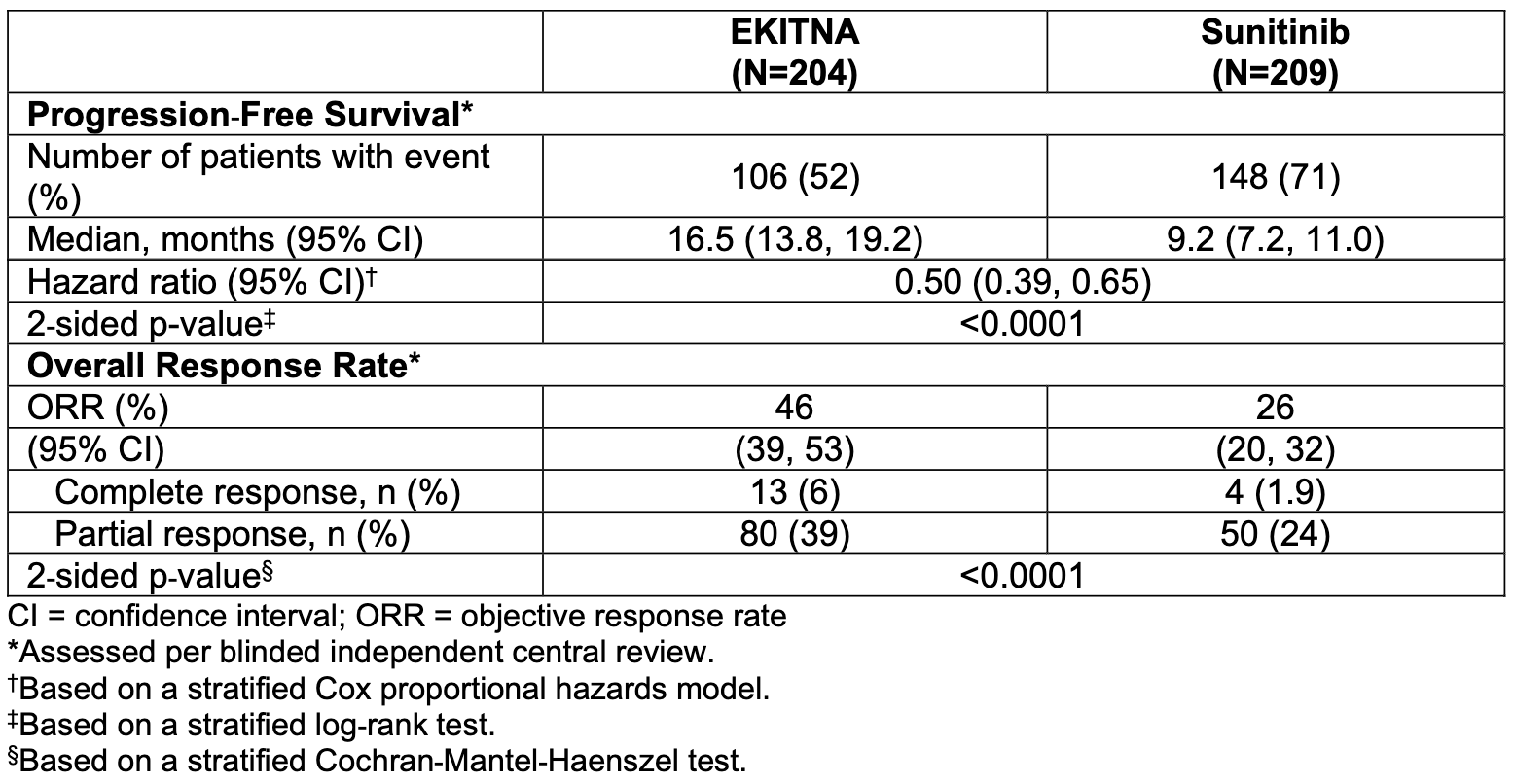
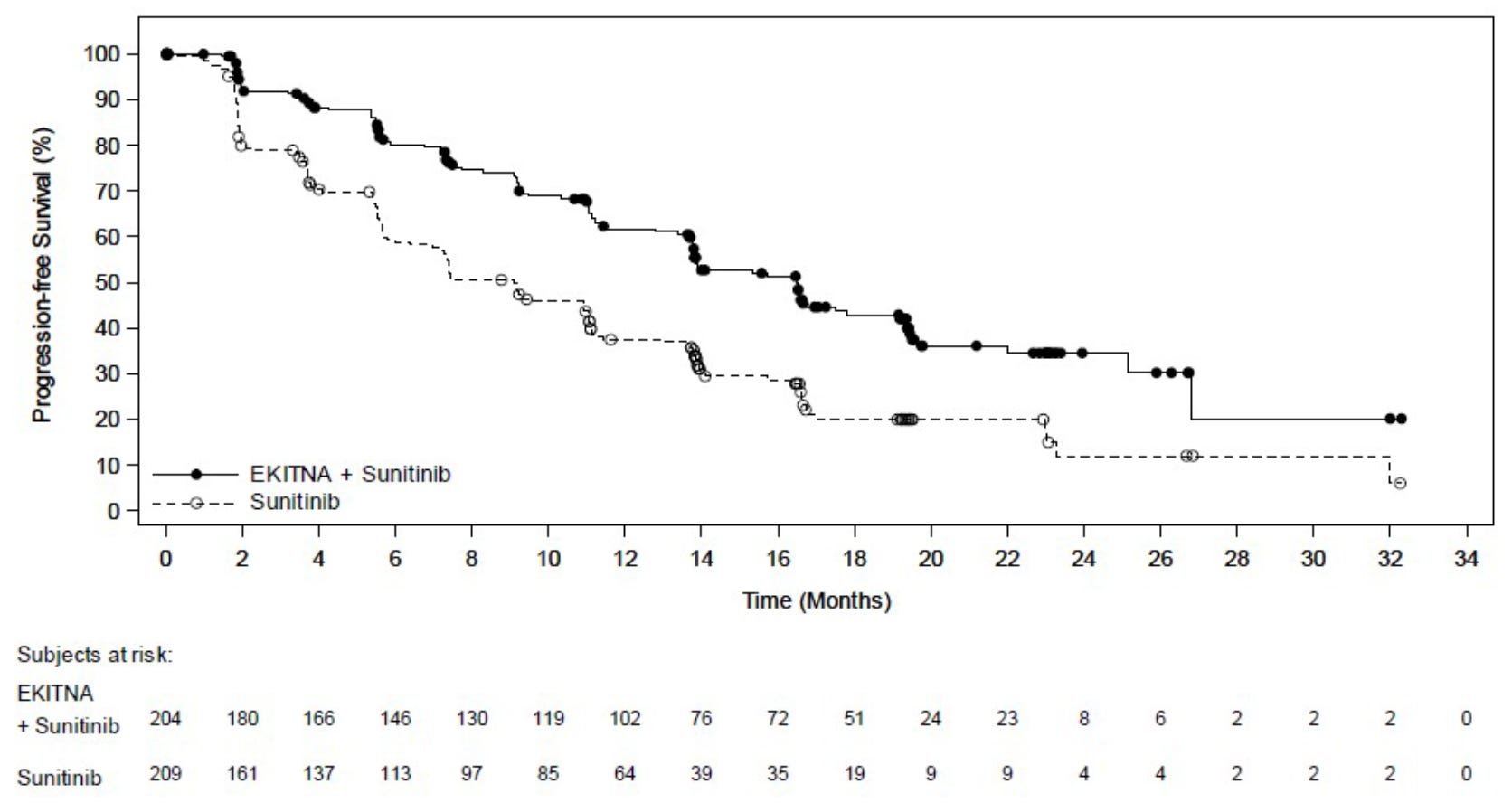
Approval was anchored by results from the global, randomized Phase 3 PEAK trial, which evaluated bezuclastinib plus sunitinib versus sunitinib monotherapy in patients with imatinib-resistant or -intolerant GIST, with primary efficacy results presented at the 2026 ASCO Annual Meeting. PEAK represents the first GIST study to demonstrate a statistically significant progression-free survival (PFS) advantage over an active comparator. In the trial, combining Ekitna with sunitinib reduced the risk of disease progression or death by 50% compared with sunitinib alone, doubling median progression-free survival. Secondary and exploratory response measures also favored the combination regimen, including an objective response rate of 46% versus 26% with sunitinib monotherapy (p < 0.0001), complete responses in 6.4% versus 1.9% of patients, a disease control rate of 86.8% versus 76.1%, and a median duration of response of 15.7 months versus 12.0 months. Overall survival data remained immature at the time of the PFS analysis. The Ekitna label carries a boxed warning for hepatotoxicity alongside warnings and precautions for embryo-fetal toxicity and drug interactions (such as avoiding concomitant UGT1A1 inhibitors/inducers and accounting for reduced hormonal contraceptive concentrations). In patients receiving Ekitna plus sunitinib, ALT/AST elevations occurred in 43% of patients (8% Grade 3) and bilirubin elevations occurred in 13% (0.5% Grade 3), with most initial transaminase increases arising within the first four months and requiring baseline and ongoing liver monitoring with dose modification or interruption as needed. Other commonly reported adverse reactions with the regimen include diarrhea, hypertension, taste changes, nausea, and fatigue.
Sources: Cogent press release, new Ekitna label, Cogent slide deck
AbbVie - Rinvoq (JAK inhibitor) / Approved (NSV)
On November 23, 2026, the FDA approved AbbVie’s Rinvoq (upadacitinib) at 15 mg once daily for the treatment of nonsegmental vitiligo (NSV) in adults and pediatric patients 12 years and older. The decision makes Rinvoq the first FDA-approved systemic therapy for NSV, following its earlier approval in the European Union, and marks its 10th approved indication in the United States.
Nonsegmental vitiligo (NSV) is the most common form of vitiligo, affecting nearly 3 million adults in the U.S. as a chronic, unpredictable autoimmune condition characterized by immune-mediated loss of pigment-producing melanocytes and symmetrical patches of depigmented skin. Historically, management has centered largely on localized treatments targeting individual areas of depigmentation rather than addressing underlying systemic immune pathways. As an oral Janus kinase (JAK) inhibitor, upadacitinib acts systemically to modulate inflammatory signaling implicated in melanocyte destruction and repigmentation.
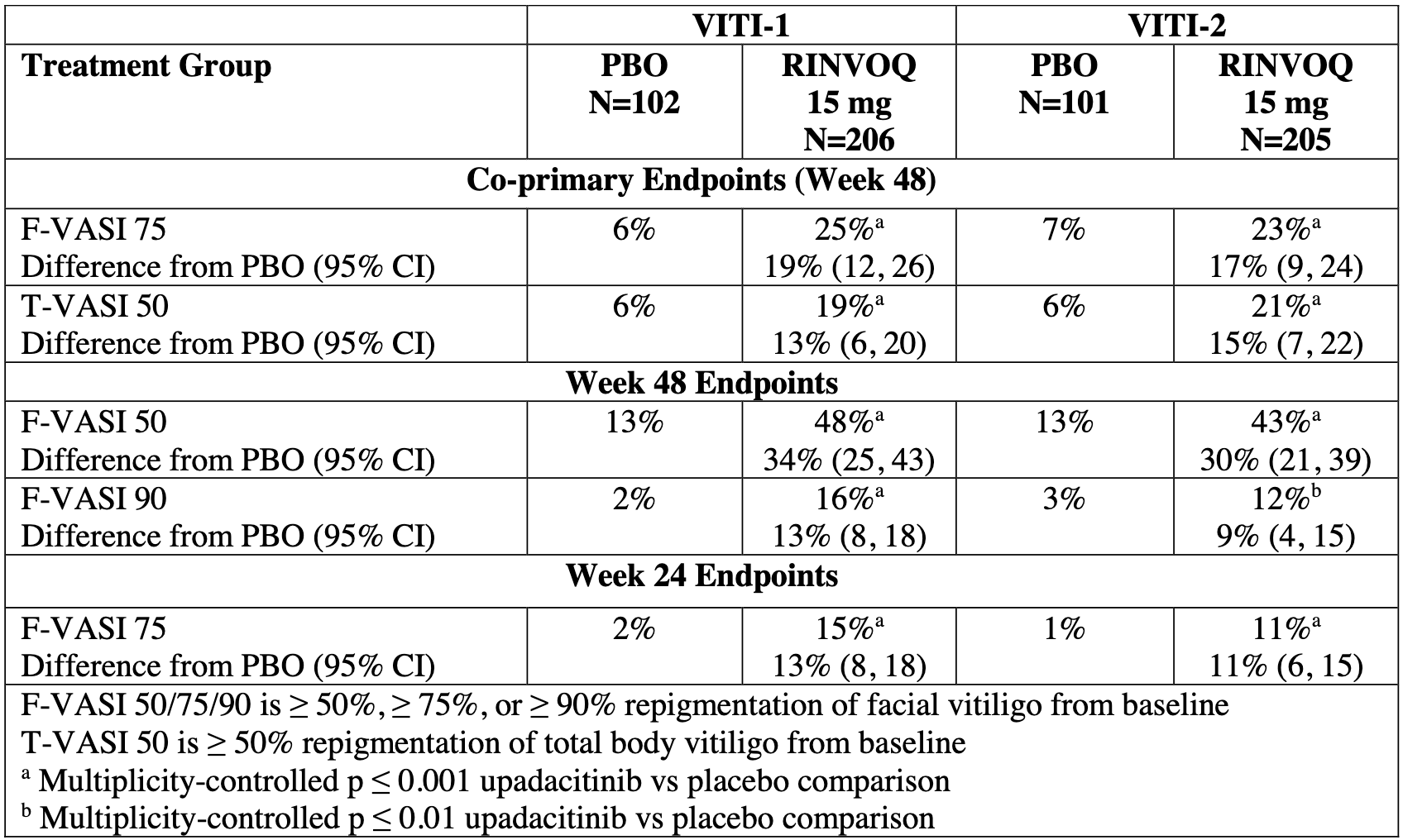
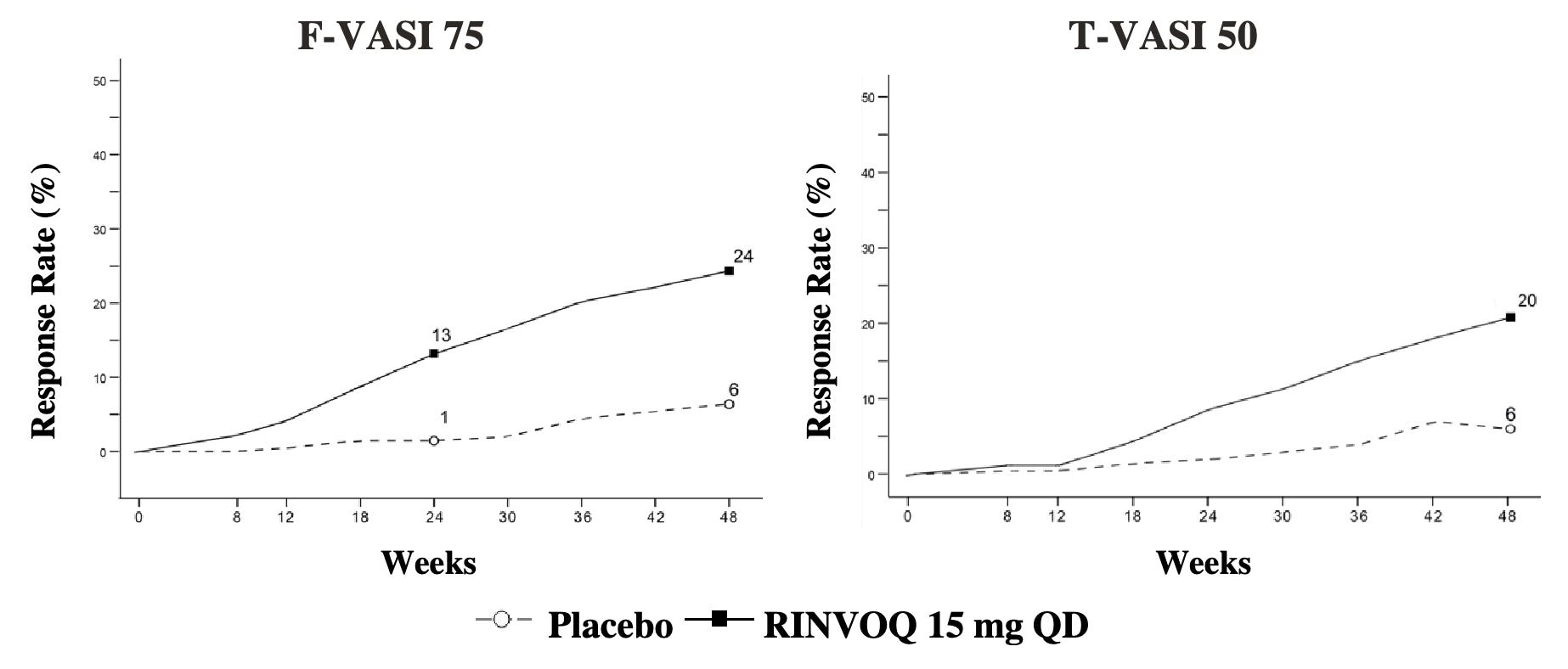
Approval was supported by two global, randomized, double-blind, placebo-controlled Phase 3 studies (Viti-Up-1 and Viti-Up-2), which enrolled a combined 614 patients aged 12 years and older with NSV involving both the face and body (308 in Viti-Up-1 and 306 in Viti-Up-2), randomized 2:1 to upadacitinib 15 mg or placebo once daily, with results published in Lancet in August 2026. At week 48, significantly higher proportions of patients on Rinvoq 15 mg achieved at least 75% facial repigmentation (F-VASI 75) and at least 50% total-body repigmentation (T-VASI 50) compared with placebo, alongside higher rates of near-complete facial repigmentation (F-VASI 90), which reached 16% in Viti-Up-1 and 12% in Viti-Up-2 versus 2% and 3% on placebo, respectively. Among patients who remained on Rinvoq 15 mg into the open-label extension, descriptive observed-case analyses showed continued repigmentation gains through Week 76, with F-VASI 75 rates reaching 55% in Viti-Up-1 and 47% in Viti-Up-2, and T-VASI 50 rates reaching 43% and 40%, respectively. Overall treatment-emergent adverse events were more frequent with Rinvoq than placebo (70-81% vs. 60-62%), with no new safety signals identified in Viti-Up-1 or Viti-Up-2 and no adjudicated major adverse cardiovascular events (MACE), venous thromboembolism (VTE), tuberculosis, or malignancy signals reported over the 48-week controlled period. Consistent with Rinvoq’s broader label and JAK inhibitor class warnings, prescribing information carries boxed warnings for serious infections, mortality, malignancy, major adverse cardiovascular events, and thrombosis, alongside warnings for gastrointestinal perforations and laboratory/metabolic monitoring.
Sources: AbbVie press release, updated Rinvoq label, Lancet paper
Roche - Wilserdly (SERD) / Approved (HR+ HER2- mBC Stage 1-3)
On November 23, 2026, the FDA approved Roche’s Wilserdly (giredestrant) as a once-daily oral selective estrogen receptor degrader (SERD) for adjuvant use after surgery in adults with estrogen receptor-positive (ER+), HER2-negative early-stage breast cancer at intermediate-to-high risk of recurrence. Coming one week after its initial November 16, 2026 FDA approval in combination with everolimus for ESR1-mutated advanced breast cancer, this early-stage clearance makes Wilserdly the first oral SERD approved for both early- and advanced-stage breast cancer, the first new class of endocrine therapy in early-stage breast cancer in more than two decades, and does not require an ESR1 mutation in the adjuvant setting. Roughly 70% of breast cancers are ER-positive and HER2-negative, making adjuvant endocrine therapy a foundational pillar of post-surgical care aimed at preventing recurrence when the chance for cure is greatest. Unlike conventional hormone therapies that only block estrogen or lower hormone levels, giredestrant antagonizes the estrogen receptor and promotes its degradation, shutting down receptor-driven growth signaling with a monthly list price set at $22,500.
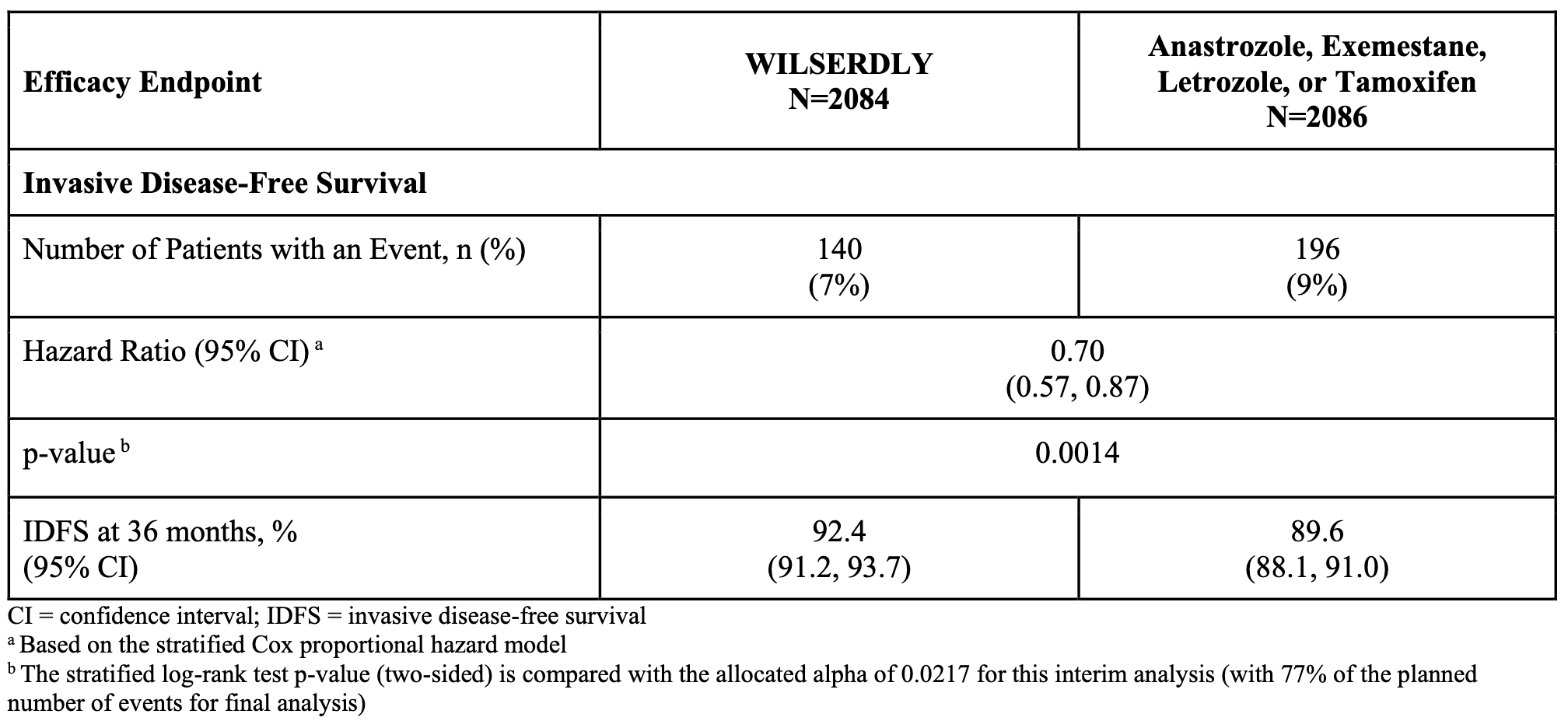
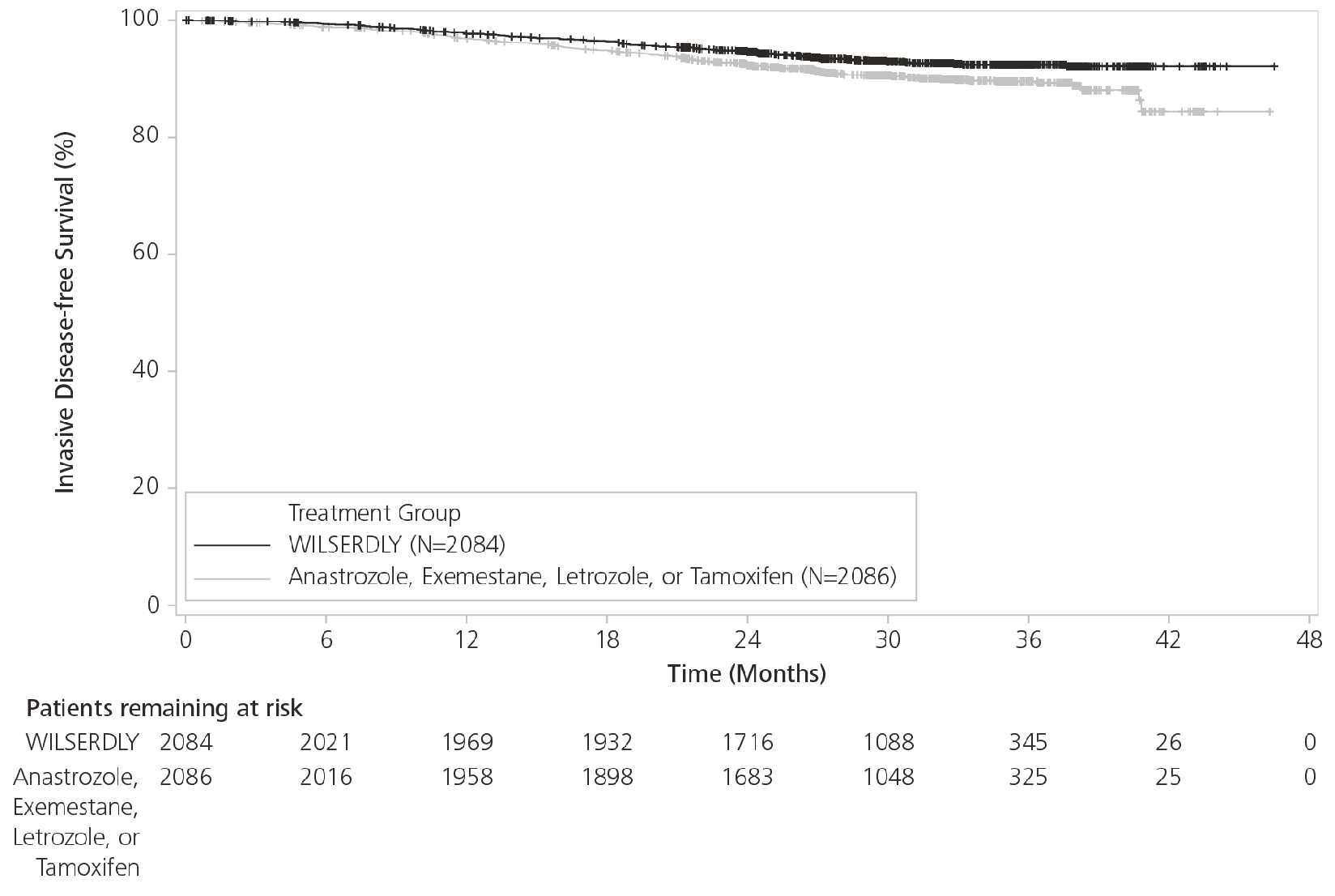
Approval was supported by the global, randomized, open-label Phase 3 lidERA trial, which evaluated giredestrant versus standard-of-care endocrine therapy in 4,170 patients with medium- or high-risk stage 1-3 ER-positive, HER2-negative breast cancer, with invasive disease-free survival (iDFS) as the primary endpoint. In lidERA, giredestrant met its prespecified superiority boundary at interim analysis, reducing the relative risk of invasive disease recurrence or death by 30% compared with standard endocrine therapy (HR = 0.70). Invasive recurrence or death occurred in 140 of 2,084 patients (6.7%) on giredestrant versus 196 of 2,086 patients (9.4%) on standard endocrine therapy, while three-year iDFS rates reached 92.4% with Wilserdly compared with 89.6% with standard endocrine therapy, an absolute difference of 2.8% (roughly 28 additional patients per 1,000 remaining free of an invasive event at three years) alongside a lower risk of distant recurrence. Overall survival data remained immature at the time of the analysis (with 128 deaths, or 3.1%, across both arms), though Roche noted a positive trend in overall survival and fewer treatment discontinuations due to adverse events with giredestrant compared with standard endocrine therapy. Premenopausal women (and certain male patients as clinically indicated) require concomitant ovarian/hormone suppression alongside giredestrant, and prescribing information includes embryo-fetal toxicity warnings as well as monitoring for laboratory changes such as elevated liver enzymes, cytopenias, lipid changes, and renal/electrolyte shifts.
Sources: Roche press release, updated Wilserdly label
Clinical Trial Data
Kymera - KT-621 (STAT6 degrader) / Phase 2b (atopic derm)
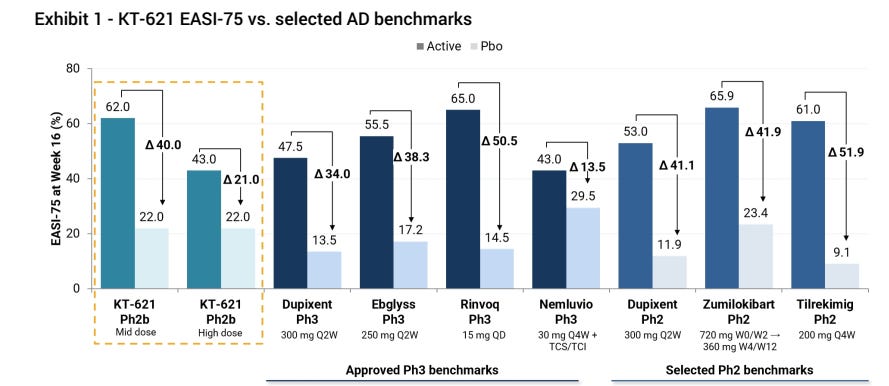
On November 23, 2026, Kymera Therapeutics reported positive topline results from their Phase 2b BROADEN2 trial evaluating KT-621, a first-in-class once-daily oral STAT6 degrader, in patients with moderate-to-severe atopic dermatitis. The readout demonstrated robust clinical efficacy across primary and secondary measures at Week 16, positioning an oral small-molecule degrader to rival injectable Type 2 biologics such as Sanofi and Regeneron’s mega-blockbuster Dupixent (dupilumab), which generated €5.7 billion / $6.2 billion in 3Q 2026 ($24.8 billion annualized revenue run rate).
Atopic dermatitis is driven largely by Type 2 inflammation mediated through interleukin-4 (IL-4) and interleukin-13 (IL-13) signaling. STAT6 is the dedicated intracellular transcription factor downstream of IL-4 and IL-13 receptor activation that orchestrates Type 2 inflammatory gene expression. Dupixent (dupilumab) binds to the extracellular domain of IL-4Rα (shared by Type I IL-4Rα/γc and Type II IL-4Rα/IL-13Rα1 receptors), sterically blocking both IL-4 and IL-13 from engaging their receptors so JAK-STAT6 signaling is never triggered. In contrast, KT-621 enters cells as a once-daily oral small molecule and recruits the ubiquitin-proteasome system to degrade STAT6 itself, removing the downstream signaling hub rather than capping the surface receptor.
The Phase 2b BROADEN2 trial enrolled 244 adult and adolescent patients with moderate-to-severe atopic dermatitis. Across the study population, patients had a mean baseline Eczema Area and Severity Index (EASI) score of approximately 28 and a mean baseline Peak Pruritus Numerical Rating Scale (PPNRS) score of 7.1, with 38% exhibiting severe disease by validated Investigator Global Assessment for Atopic Dermatitis (vIGA-AD = 4) and 33% having prior exposure to biologic therapy. BROADEN2 met its primary endpoint and secondary endpoints at Week 16, with statistically significant improvements over placebo observed across all three dose cohorts and separation from placebo emerging as early as Week 1. Kymera identified the mid dose as achieving optimal STAT6 pharmacology and delivering the strongest numerical efficacy across endpoints. At Week 16, mid-dose KT-621 achieved a 72% mean EASI reduction versus 27% with placebo (a 45 percentage-point placebo-adjusted improvement, p < 0.0001), while low- and high-dose cohorts achieved 64% and 61% mean reductions, respectively (both p < 0.0001). Furthermore, 62% of mid-dose patients achieved EASI-75 versus 22% on placebo (p < 0.0001), 43% achieved EASI-90 versus 10% on placebo (p < 0.0001), and 38% achieved vIGA-AD 0/1 with a ≥2-point reduction versus 11% on placebo (p = 0.0008). Mean PPNRS declined by 58% with mid-dose KT-621 versus 21% with placebo (p < 0.0001), and 52% achieved a ≥4-point PPNRS improvement versus 13% with placebo (p < 0.0001), with statistically significant itch relief beginning as early as Week 1. Most treatment-emergent adverse events were mild or moderate without a dose-dependent increase, and four serious adverse events across study arms were deemed unrelated to KT-621. Conjunctivitis occurred at pooled rates of 19.7% (low dose), 13.1% (mid dose), and 11.1% (high dose), with all cases mild to moderate and none leading to treatment discontinuation.
Subject to regulatory alignment, Kymera plans to advance KT-621 into Phase 3 development in atopic dermatitis, targeting initiation of the first Phase 3 trial in mid-2027 (around the third quarter of 2027) using the mid-dose regimen selected from BROADEN2. In parallel, Kymera is continuing development of KT-621 across broader Type 2 inflammatory indications, including the ongoing Phase 2b BREADTH trial in moderate-to-severe eosinophilic asthma, with topline data anticipated in late 2027 to support multi-indication Phase 3 planning across dermatology, respiratory, and gastrointestinal diseases.
Sources: Kymera press release, Kymera slide deck
CARsgen - CT1182 (in vivo CD19 x CD20 CAR-T) / Phase 1 (NHL)
On November 22, 2026, China-based CARsgen Therapeutics has reported the first clinical data for CT1182 (KJ-C2529), an investigational in vivo CAR-T therapy targeting both CD19 and CD20, in patients with relapsed or refractory B-cell non-Hodgkin lymphoma (R/R B-NHL). We discussed in vivo CAR-T technology and its potential benefits over conventional autologous CAR-T in our CAR-T, Part 2 article linked here:
Allogeneic CAR-T offered a potential solution to autologous CAR-T’s logistical burden by allowing oncologists to delivering pre-engineered cells from “off-the-shelf” instead of triggering a month-long process of programming the patient’s own T-cells. However, it still requires lymphodepleting chemotherapy, a grueling process for already an already frail patient. In vivo CAR-T, where CAR-T cells are programmed within the body, is a potential solution to both problems.
CT1182 is built on CARsgen’s proprietary CARvivo platform, which is engineered to generate CAR-T cells directly inside the patient’s body (in situ) following a single intravenous infusion. Rather than harvesting a patient’s T cells, genetically modifying and expanding them ex vivo, and administering lymphodepleting chemotherapy prior to reinfusion, CT1182 uses proprietary viral envelopes and T-cell-specific promoters to drive selective gene delivery into T cells without lymphodepletion. Once generated in vivo, the resulting CAR-T cells simultaneously recognize CD19 and CD20 on B cells, enabling dual-antigen tumor targeting aimed at reducing the risk of single-antigen escape. Using T-cell-specific promoters is also intended to minimize off-target transduction of malignant B cells, which otherwise could cause antigen masking or therapeutic resistance.
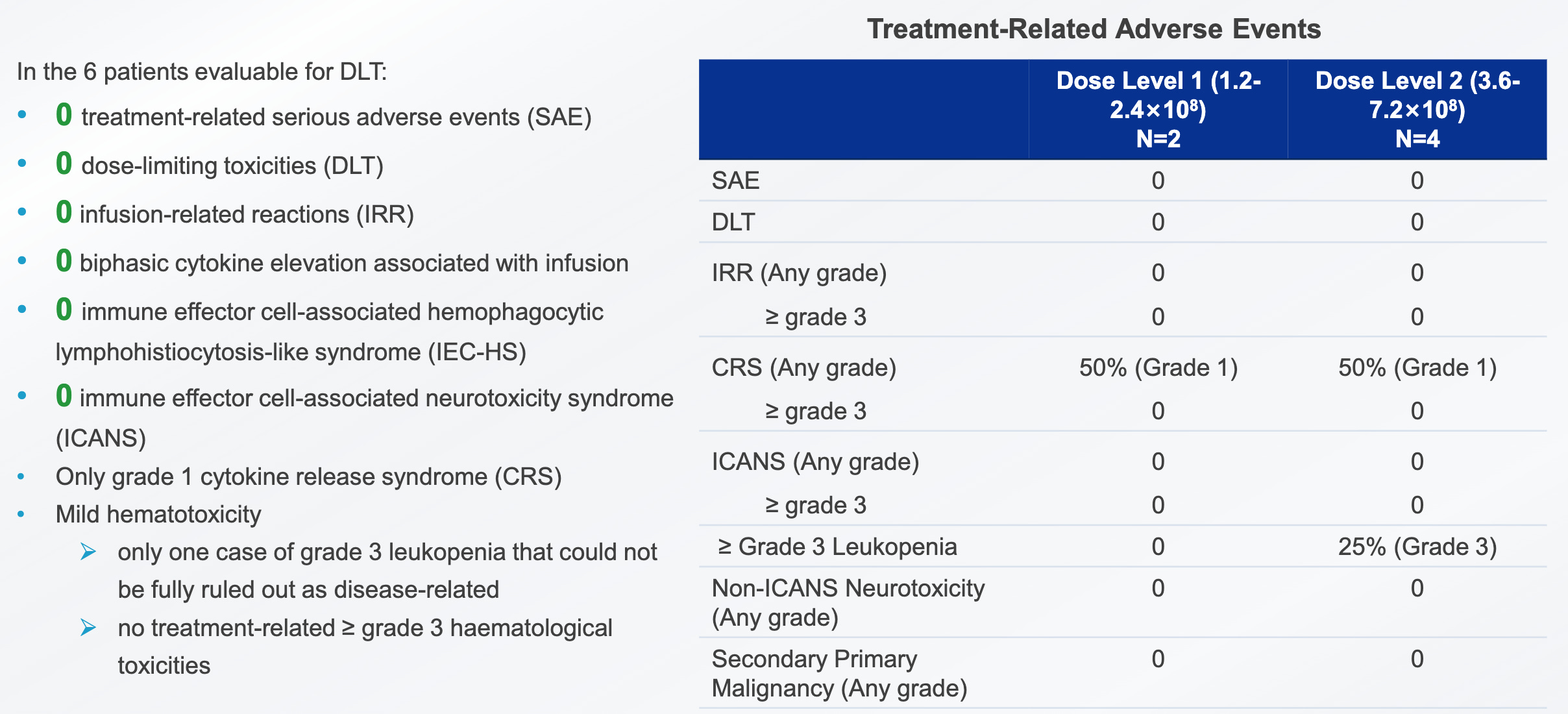
The reported results come from an ongoing, early-stage investigator-initiated trial evaluating CT1182 in heavily pretreated patients with R/R B-NHL. As of the October 31, 2026 data cutoff, six patients had been enrolled, five with diffuse large B-cell lymphoma (DLBCL) and one with blastoid mantle cell lymphoma (MCL), all with Ann Arbor Stage IV disease, a median of three prior lines of therapy, and a median baseline total tumor burden (sum of the products of diameters) of 1,927.5 mm². Two patients had prior exposure to T-cell engager (TCE) therapy. Dose exploration evaluated single intravenous doses ranging from 1.2 × 10⁸ to 7.2 × 10⁸ transduction units (TU), assessing preliminary safety, dose-limiting toxicities (DLTs), CAR-T expansion, B-cell depletion, and antitumor responses. Among the six efficacy-evaluable patients at a median follow-up of approximately 3.2 months, three achieved a complete response (CR) and two achieved a partial response (PR) (five of six responding overall), with all five responses ongoing at the data cutoff. A CR was seen even at the starting dose, and the longest ongoing response lasted nearly five months. One patient whose disease was refractory to prior TCE therapy achieved a CR, whereas a second TCE-refractory patient did not show effective CAR-T expansion, a finding CARsgen attributed to T-cell exhaustion and CD20 antigen loss. Complete B-cell aplasia was observed across all responding patients, indicating biological activity and target engagement following in vivo CAR-T generation. Across the six DLT-evaluable patients, there were no treatment-related serious adverse events, DLTs, or infusion-related reactions. Cytokine release syndrome (CRS) was limited to Grade 1, with no reported immune effector cell-associated neurotoxicity syndrome (ICANS), immune effector cell-associated haemophagocytic lymphohistiocytosis-like syndrome (IEC-HS), or infusion-associated biphasic cytokine elevation. Hematologic and hepatic toxicities were generally mild, with no treatment-related Grade 3 or higher hematologic events except one case of Grade 3 leukopenia that could not be definitively separated from the underlying disease. CARsgen plans to continue exploring a broader dose range in the trial to select a recommended Phase 2 dose (RP2D) and expects to file for a registrational clinical trial in the first half of 2027.
Sources: CARsgen press release, CARsgen slide deck
Novartis - SNV4818 (selective PI3Kα inhibitor) / Phase 1/2 (HR+ HER2- BC)
On November 24, 2026, Novartis reported encouraging preliminary Phase 1/2 dose-escalation results for SNV4818, an investigational, oral, pan-mutant-selective PI3Kα inhibitor recently acquired by the company, in patients with PIK3CA-mutated advanced solid tumors and hormone receptor-positive, HER2-negative (HR+/HER2-) advanced breast cancer (ABC) in an abstract for the upcoming San Antonio Breast Cancer Symposium (SABCS) 2026 on December 8-11, 2026. Novartis in-housed SNV4818 as part of the acquisition of Synnovation, which they purchased on March 20, 2026 for $2 billion upfront plus $1 billion in milestones.
Activating mutations in the PIK3CA gene, which encodes the p110α catalytic subunit of PI3Kα, occur across a wide range of solid tumors and are found in roughly 40% of patients with HR+/HER2- advanced breast cancer. While targeting PI3Kα can deliver meaningful antitumor benefit, earlier-generation inhibitors have been constrained in clinical use by on-target inhibition of wild-type PI3Kα in metabolic and other normal tissues, driving limiting toxicities such as hyperglycemia, rash, and diarrhea. SNV4818 is designed as an oral, pan-mutant-selective PI3Kα inhibitor to selectively target mutant forms of PI3Kα while sparing wild-type activity to improve tolerability.
As of May 26, 2026, 41 patients received SNV4818 monotherapy at total daily doses from 40 mg to 180 mg in Part 1 (43.9% remaining on treatment), and 21 patients received SNV4818 at 60 mg to 140 mg daily plus fulvestrant in Part 2 (85.7% remaining on treatment).
Part 1: Patients had a median age of 55 years (range, 36-84) and a median of 2 prior lines of therapy (range, 0-10), spanning breast (48.8%), gynecologic (22.0%), and other (29.3%) primary cancers. Best overall responses included stable disease (SD) in 24 patients (68.6%), confirmed partial response (cPR) in 5 patients (14.3%), progressive disease in 5 patients (14.3%), and an unconfirmed PR in 1 patient. Treatment-emergent adverse events (TEAEs) occurring at >20% incidence (any grade / Grade ≥3) were nausea (36.6% / 4.9%), diarrhea (31.7% / 0%), and fatigue (26.8% / 0%). In Part 2, TEAEs occurring at >20% incidence were nausea (33.3% / 0%) and fatigue (28.6% / 0%).
Part 2: Patients had a median age of 63 years (range, 37-80) and a median of 1 prior line of therapy (range, 1-3), with 100% having prior CDK4/6 inhibitor exposure and 28.6% having received prior fulvestrant or a novel SERD. Best overall responses included SD in 5 patients (45.5%) and cPR in 6 patients (54.5%).
Dose-escalation phases in NCT06736704 remain ongoing, with progression-free survival, pharmacokinetic findings, and circulating tumor DNA (ctDNA) analyses slated for presentation at SABCS 2026 on December 8-11, 2026. Longer term, the preliminary activity and safety profile support advancing SNV4818 through dose expansion and combination testing, including Part 3 with a CDK4/6 inhibitor and fulvestrant, in PIK3CA-mutated HR+/HER2- ABC.
Sources: Novartis SABCS 2026 abstract
J&J - ARX788 (HER2 ADC) / Phase 2 (HER2+ mBC)
On November 24, 2026, Johnson & Johnson (following its $2 billion acquisition of Ambrx) has reported primary Phase 2 results from ACE-Breast-03 evaluating JNJ-95310683 (JNJ-0683; ARX788) in heavily pretreated patients with HER2-positive (HER2+) unresectable or metastatic breast cancer (mBC) in an abstract for the upcoming San Antonio Breast Cancer Symposium (SABCS) 2026 on December 8-11, 2026. In a population where nearly 70% had prior trastuzumab deruxtecan (T-DXd, Enhertu) exposure, JNJ-0683 demonstrated confirmed antitumor responses, durable remissions, and a manageable safety profile, supporting sequential use of an anti-HER2 antibody-drug conjugate (ADC) carrying a distinct payload class.
Patients with HER2+ mBC who progress through established HER2-targeted regimens, including monoclonal antibodies, tyrosine kinase inhibitors, and topoisomerase I inhibitor-based ADCs, continue to face limited treatment options. JNJ-0683 (ARX788) is a next-generation anti-HER2 ADC built around a humanized anti-HER2 monoclonal antibody conjugated via site-specific/stable chemistry to amberstatin-269 (AS269), a potent microtubule-disrupting cytotoxic payload containing monomethyl auristatin F (MMAF). Rather than relying on a topoisomerase I inhibitor payload like T-DXd, ARX788 delivers a tubulin-disrupting agent aimed at overcoming resistance mechanisms to prior HER2-directed therapies while maintaining high linker/conjugate stability in circulation.
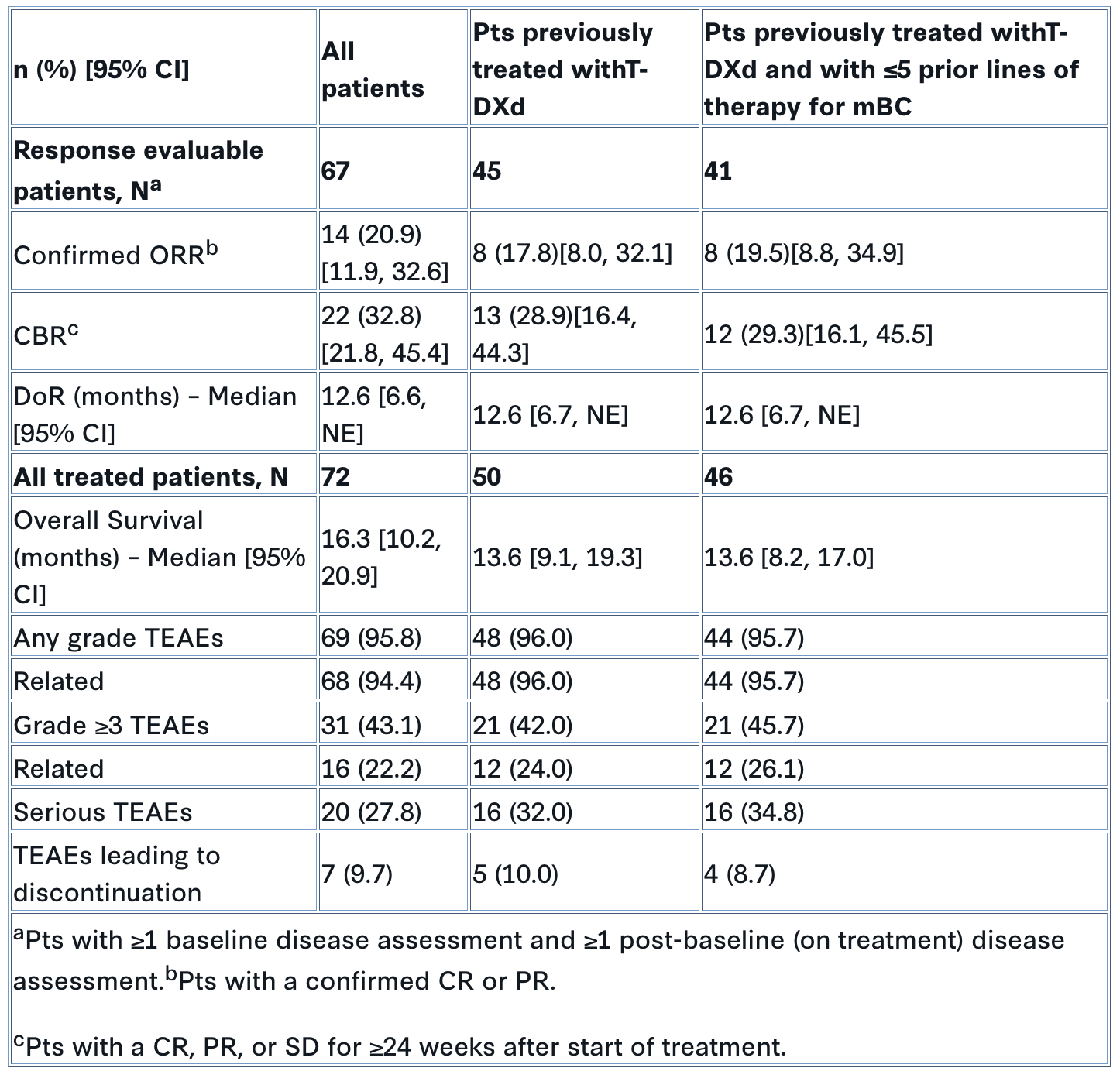
As of the June 10, 2026 data cutoff, 72 patients had received JNJ-0683 for a median treatment duration of 3.2 months. Confirmed ORR was 20.9% (14 of 67 patients achieving a partial response), with a median DoR of 12.6 months and a CBR of 32.8%. Across the full cohort at data cutoff, median OS was 16.3 months. Confirmed ORR was 17.8% (8 of 45 patients achieving a partial response), with a median DoR of 12.6 months, a CBR of 28.9%, and a median OS of 13.6 months. Confirmed objective responses were also observed in 2 of 5 patients with measurable brain metastases. The most common any-grade treatment-emergent adverse events (occurring in ≥30% of patients) were fatigue (41.7%; Grade ≥3: 0%), dry eye (38.9%; Grade ≥3: 0%), alopecia (34.7%), and blurred vision (31.9%; Grade ≥3: 5.6%). Treatment discontinuations due to TEAEs occurred in 9.7% of patients, dose reductions in 6.9%, and dose interruptions in 4.2%, while four deaths occurred and were all adjudicated as unrelated to study drug. Full primary results from ACE-Breast-03 are scheduled for presentation at SABCS 2026 on December 8-11, 2026. Continued follow-up in ACE-Breast-03, alongside broader development across HER2-expressing breast cancer settings, including ongoing investigation in HER2-low disease, will help define JNJ-0683’s optimal clinical positioning and potential registrational path.
Sources: J&J SABCS 2026 abstract
Descriptive data releases without numerical data
Novartis - Leqvio (PCSK9 RNAi) / Phase 3 (ASCVD): On November 23, 2026, Novartis announced positive topline results from the Phase 3 ORION-4 cardiovascular outcomes trial, showing that adding Leqvio (inclisiran), a small interfering RNA (siRNA) therapy that silences hepatic PCSK9 mRNA to lower LDL cholesterol, to standard-of-care lipid-lowering therapy achieved a statistically significant and clinically meaningful reduction in major adverse cardiovascular events (MACE) compared with placebo in 16,124 patients with established atherosclerotic cardiovascular disease (ASCVD). Administered by subcutaneous injection on day 1, at three months, and every six months thereafter, inclisiran was described by investigators as well tolerated in this first cardiovascular outcomes readout for an siRNA lipid-lowering therapy, though exact risk-reduction magnitudes, hazard ratios, secondary endpoint readouts, and detailed safety figures were not disclosed in the topline release and are slated for full publication in the first half of 2027 (alongside additional outcomes data from the companion VICTORION-2 PREVENT trial expected in 2027). Sources: Novartis press release
GSK - Exdensur (anti-IL5 mAb HLE) / Phase 3 (EGPA): On November 25, 2026, GSK announced positive topline results from the 52-week Phase 3 OCEAN trial, showing that twice-yearly Exdensur (depemokimab), an ultra-long-acting anti-IL-5 monoclonal antibody dosed at 200 mg every 26 weeks, met its primary endpoint by demonstrating non-inferior disease remission rates compared with GSK’s every-four-week Nucala (mepolizumab), dosed at 300 mg every four weeks alongside standard-of-care therapy in 162 adults with relapsing or refractory eosinophilic granulomatosis with polyangiitis (EGPA). Remission was measured at both Week 36 and Week 52 as a Birmingham Vasculitis Activity Score of zero with an oral corticosteroid dose of 4 mg/day or less, and overall adverse event incidence and severity were similar across both treatment arms. GSK noted that the findings support Exdensur‘s potential as the first ultra-long-acting biologic option for EGPA, with regulatory filings planned in the first half of 2027 and full results slated for presentation at a scientific congress and publication in a peer-reviewed journal. Sources: GSK press release
Love biotech? Check out Biotech Readout’s full content library, or navigate directly to a segment that interests you:
Frontiers in Medicine: Exploring the frontiers of our understanding and treatments for disease.
Medical History: Recovering forgotten relics in the history of medicine.
Acquisitions: Exploring the innovation behind acquired companies.
Weekly Readout: A digest of new clinical data from the past week.

To contact us, please send us an email at biotechreadout@gmail.com
Disclaimers
Investigational Status Disclaimer
The therapeutic candidates discussed in this newsletter are currently in clinical development and have not been approved for commercial sale by the U.S. Food and Drug Administration (FDA), the European Medicines Agency (EMA), or other global regulatory authorities. Their safety and efficacy have not been established. References to pipeline products and ongoing clinical trials involve significant risks and uncertainties. Statements regarding the potential safety, potency, or efficacy of investigational drugs reflect current hypotheses and are not a guarantee of future performance or regulatory clearance. The outcome of clinical trials is inherently unpredictable, and clinical results from earlier stages may not be predictive of results in later, larger-scale trials.
No Medical Advice Disclaimer
This newsletter is for informational and educational purposes only. The content is not intended to be a substitute for professional medical advice, diagnosis, or treatment. Always seek the advice of your physician or another qualified health provider with any questions you may have regarding a medical condition. Never disregard professional medical advice or delay in seeking it because of something you have read in this publication.
No Patient-Provider Relationship Disclaimer
The information provided in this newsletter is for educational and analytical purposes only. Receipt of this information, or any interaction with this content, does not create a physician-patient, pharmacist-patient, or any other professional-provider relationship between you and the authors or publishers. This newsletter should not be used as a substitute for a personal consultation with a qualified healthcare professional.
Forward-Looking Statements Disclaimer
This newsletter contains “forward-looking statements” regarding future events, including clinical trial timing, regulatory milestones, and projected market performance. These statements are based on current expectations and assumptions that are subject to significant risks and uncertainties. Actual results may differ materially from those expressed or implied. We undertake no obligation to update these statements as a result of new information or future developments.
Third-Party Links & Content Disclaimer
This newsletter contains links to third-party websites, including clinical trial registries and corporate presentations. Biotech Readout does not endorse, guarantee, or assume responsibility for the accuracy or reliability of any information offered by third-party providers.
Errors and Omissions Disclaimer
While we strive for technical accuracy, the information in this newsletter is provided on an “as is” basis with no guarantees of completeness, accuracy, or timeliness. Biotech Readout assumes no liability for any errors or omissions in the content of this publication.
Non-Endorsement Disclaimer
Any reference to specific commercial products, processes, or services by trade name, trademark, or manufacturer does not constitute or imply an endorsement or recommendation by the author. All trademarks are the property of their respective owners.
No Investment Advice Disclaimer
This newsletter is for informational purposes only and does not constitute financial, investment, or legal advice. The author is not a registered investment advisor. You should consult with a professional financial advisor before making any investment decisions. The biotechnology sector is highly volatile; past performance is not indicative of future results.
Conflict of Interest Disclaimer
The author of this newsletter maintains a position of independence. At the time of publication, the author holds no direct financial interest, equity, or options in any of the companies mentioned in this report. No compensation has been received from any third party to feature or analyze specific therapeutic candidates or corporate entities.